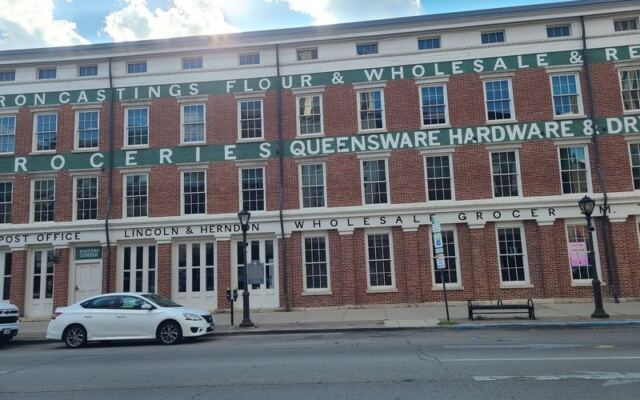
Some of the best history lessons in Illinois hide inside buildings you could easily walk right past. Picture a plain brick block on a busy downtown corner, and then picture climbing upstairs to the very room where a young lawyer named Abraham Lincoln once worked on his cases.
It feels a little like finding a secret door in your own state. If your family is curious and hungry for a story that feels real, this small stop may surprise you more than any big attraction.
A Brick Corner Across From the Old Capitol
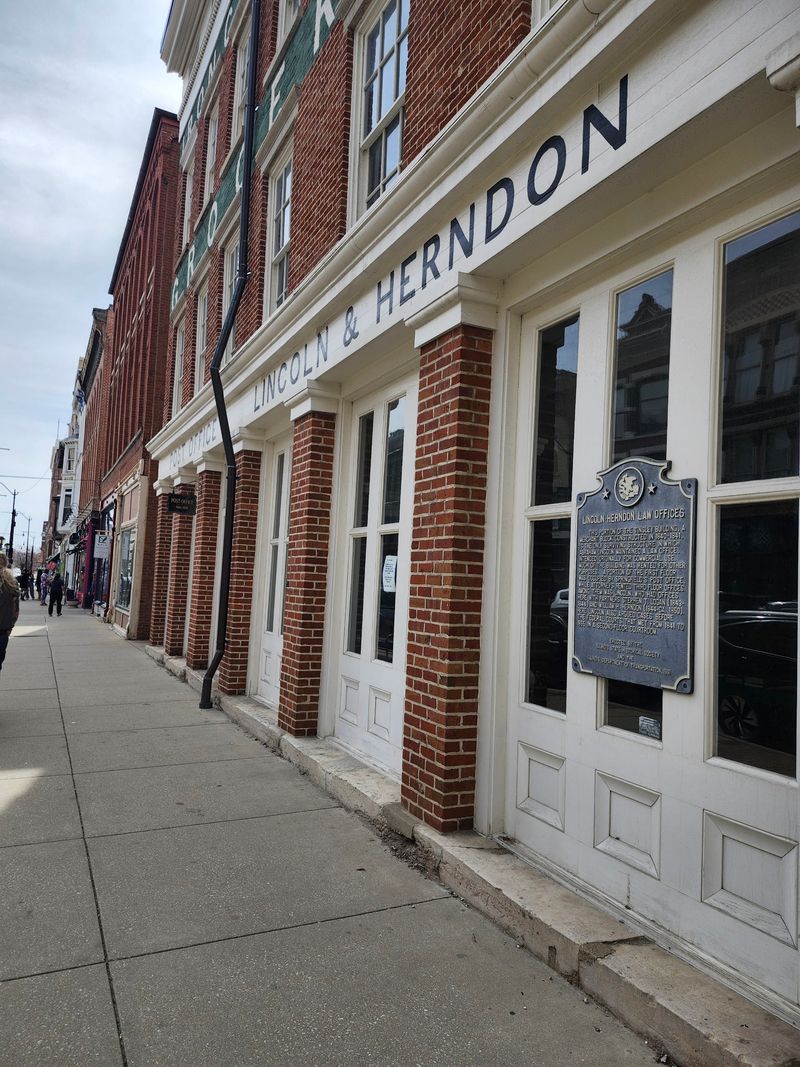
Right in the heart of downtown Springfield, at 3 S Old State Capitol Plaza near Sixth and Adams Streets, sits a red brick building that looks almost ordinary. Locals know better.
It is the Lincoln-Herndon Law Offices State Historic Site, and it holds one of the most personal links to Abraham Lincoln anywhere.
Built in 1841, the structure has been carefully restored and is run by the state as a historic site. Inside, you find a visitor center on the ground level and a re-created law office upstairs, where Lincoln once handled his clients and paperwork.
Being just across from the Old State Capitol makes it easy to fold into a walking day. You can park once, stroll the plaza, and step from one chapter of Lincoln’s life into the next without ever needing your car keys again.
For families, that short walking distance is a real gift.
The Tinsley Block Story
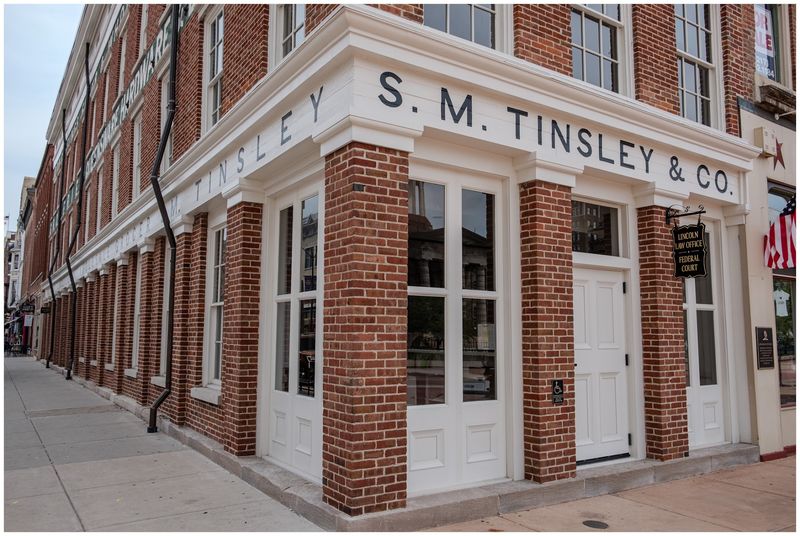
Back in the 1840s, this building had a name: the Tinsley Block. Shops, offices, and even a federal courtroom shared its floors, making it one of the busiest addresses in town.
In 1843, Lincoln and his partner Stephen T. Logan moved their law practice into a third-floor office here.
The location was smart. The Illinois Supreme Court, where the two men often argued cases, met in the State Capitol directly across the street.
Meanwhile, the U.S. District Court rented space on the second floor below them.
Imagine climbing the stairs past a working federal court just to reach your desk each morning. That kind of setting tells you a lot about how serious and ambitious Lincoln was during these years.
So when kids ask why a lawyer would pick this spot, the answer is simple. Everything important in Illinois law was happening within a few steps.
Lincoln and Herndon, Partners in Practice
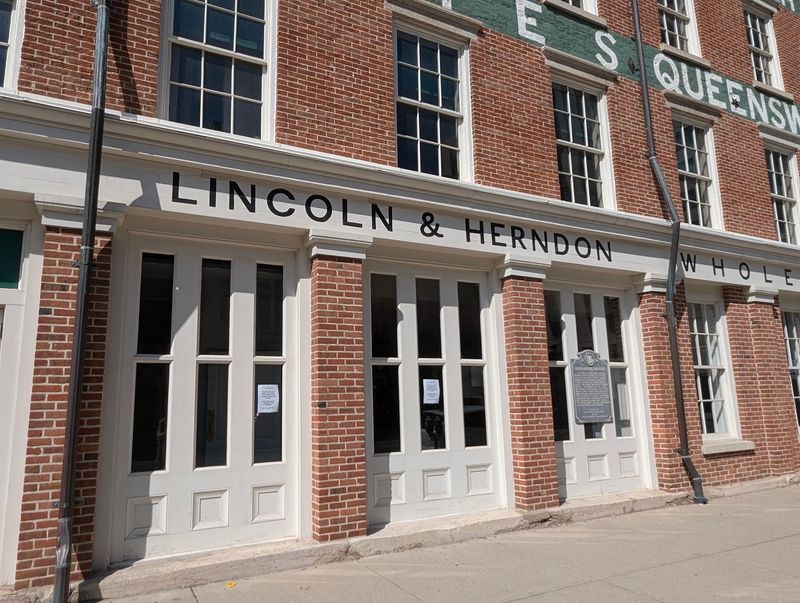
Partnerships come and go, and Logan and Lincoln parted ways in 1844. Instead of moving out, Lincoln stayed put in the same Tinsley Block office and brought on a younger lawyer named William H.
Herndon as his junior partner.
That choice gave the site its famous name. The firm of Lincoln and Herndon practiced from this office from 1844 until about 1852, nearly a decade of everyday legal work.
Think about what that means for visitors today. The room upstairs is not tied to one quick moment but to years of steady effort, conversations, and long days that helped shape the man who later became president.
Kids often love hearing that even famous leaders needed a partner to share the workload. It turns Lincoln from a statue into a coworker, someone with deadlines and a friend down the hall.
Upstairs in a Restored 1840s Law Office
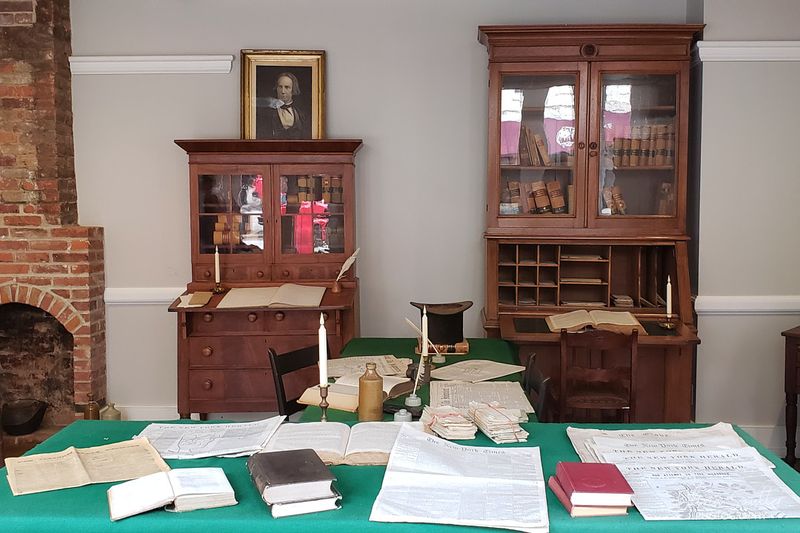
Climb the stairs and the modern world fades fast. The law office has been restored to give visitors a snapshot of how Lincoln’s workspace might have looked during his years practicing here.
Visitors describe the display as nicely done, and the rooms as small yet cozy. That modest size is part of the charm.
There is no grand hall or polished marble, just the kind of practical space where real work got done.
For children, the smallness helps make the past feel close. They can stand where desks once held stacks of papers and picture a tall lawyer leaning over his notes by the window light.
Bring questions along. Why were the rooms so plain?
What did lawyers use before computers? A cozy office like this practically invites curious minds to wonder out loud, and that wondering is where the best family memories start.
A Visitor Center That Points the Way
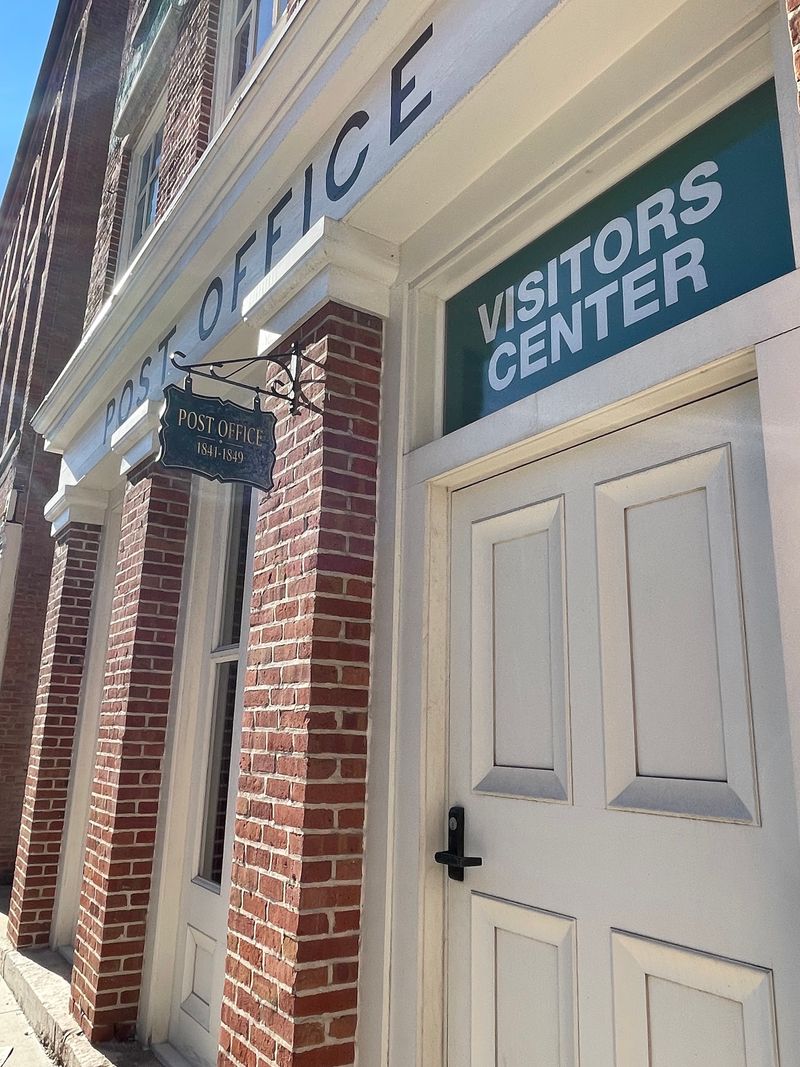
Downstairs, the building doubles as a helpful visitor center with information about Springfield. Several guests mention stopping in mainly for that reason and then discovering the Lincoln story waiting above them.
Families planning a full day in the capital city will appreciate having a starting point like this. You can gather ideas, ask about nearby Lincoln sites, and shape your route before setting off on foot across downtown.
One past visitor called the trip fun simply because it combined practical travel help with genuine history under one roof. That mix is rare and handy.
Consider making it your first stop rather than your last. Picking up local tips early can help you avoid backtracking, and kids tend to enjoy a day more when they have a little background before seeing the bigger landmarks nearby.
Think of it as the opening chapter that makes the rest of the book easier to follow.
Friendly Guides and Spoken History
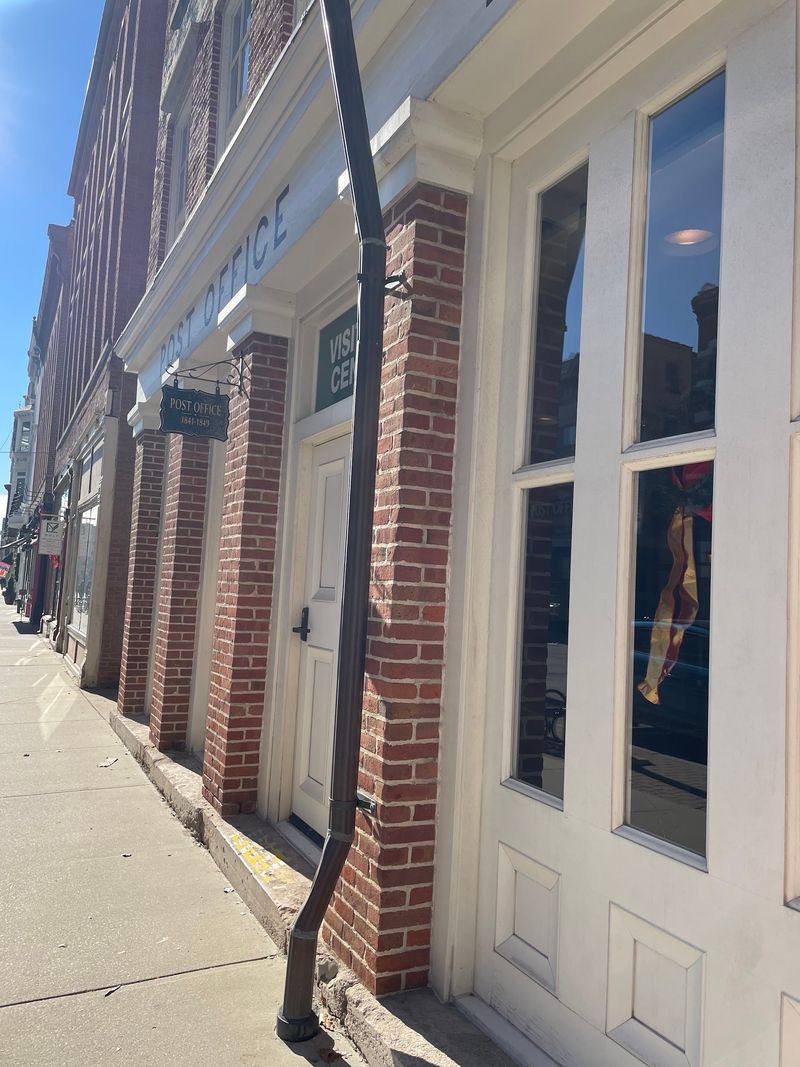
Picture walking past an open door downtown, peeking in, and being welcomed by a kind older gentleman who asks how your day is going. That is exactly what one group remembers about their visit.
He offered a tour and a history lesson about the law office, and they happily said yes. Years later, they admitted the specific facts had blurred, but the warm welcome stuck with them.
Moments like that are what make small historic sites special. A personal story from a guide often lands better with kids than any sign on a wall.
Encourage your children to ask questions during any tour. Who worked here?
What kinds of cases did they handle? A good guide loves curious visitors, and that back-and-forth turns a quick look around into a conversation your family will talk about on the drive home.
Plaques, Memorials, and Lincoln’s Footsteps
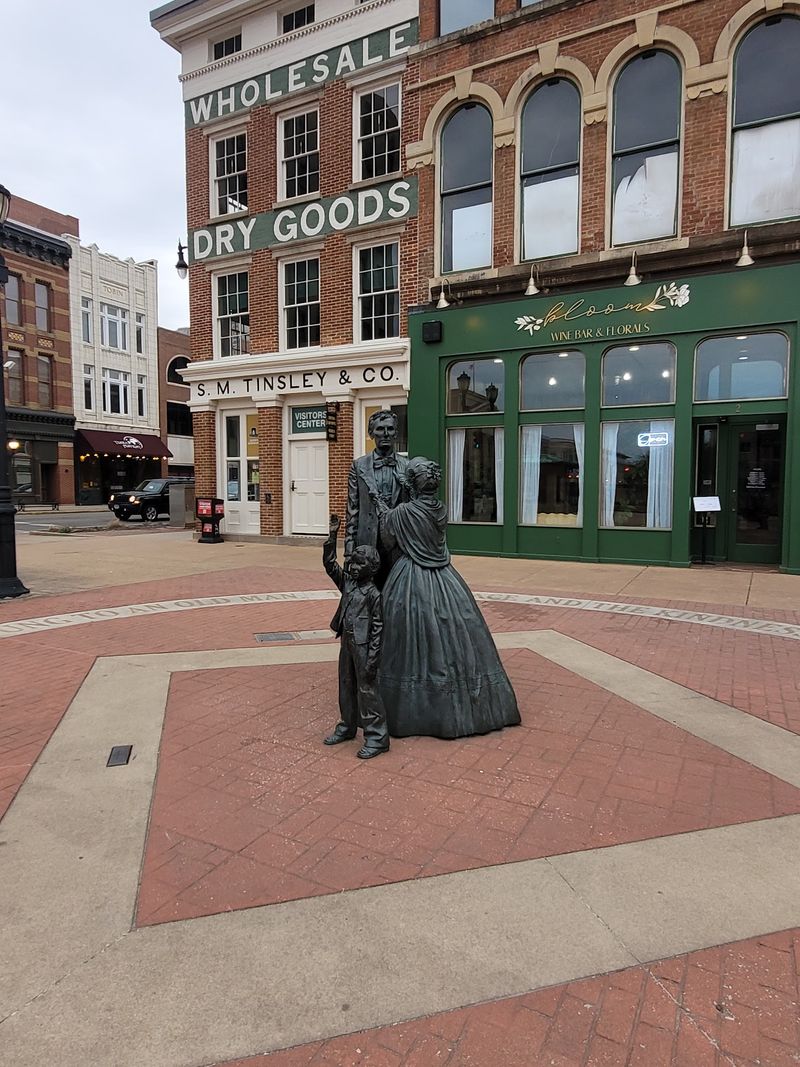
Even on a day when the doors happened to be shut, one traveler still found the outside worth the stop. The plaques and nearby memorials offered a meaningful moment on their own.
There is something powerful about standing on the same streets one of the most influential presidents walked to work. That visitor called it an honor, and plenty of people feel the same way.
Families can turn the area into a mini scavenger hunt. Have kids look for markers, read the dates aloud, and connect what they see to the Old State Capitol standing just across the plaza.
This outdoor piece also works well for short attention spans. A few minutes of reading and pointing can be just enough history for younger children, while older kids and adults can linger longer and soak up the setting.
Everyone leaves with something, even without stepping inside.
Who Will Love This Little Landmark
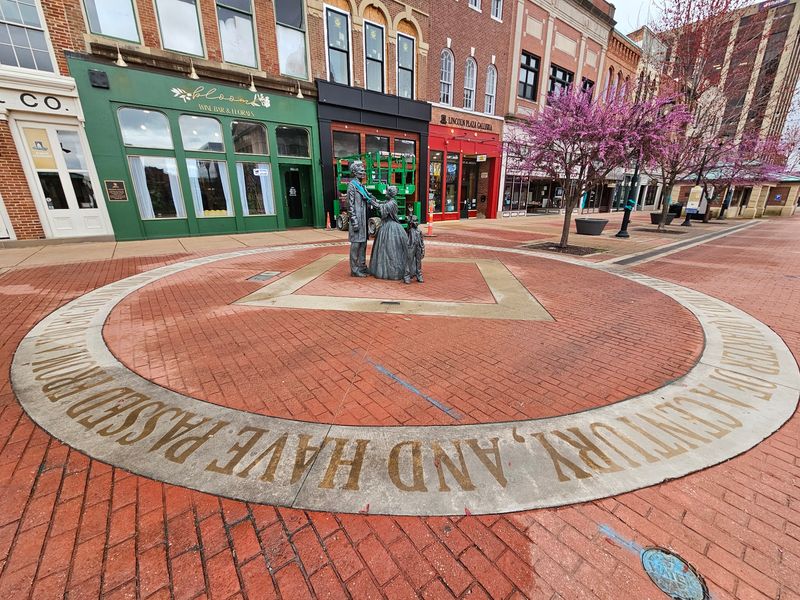
History buffs, obviously, will be thrilled. Yet the real sweet spot may be families who want a manageable, low-pressure stop between bigger attractions.
One guest described it as a neat little stop that might be overlooked next to the more tourist-heavy sights in Springfield. That under-the-radar feeling is exactly what Illinois day-trippers love to claim as their own find.
Because the building is small, you will not need hours to enjoy it. That makes it great for younger kids, grandparents who prefer shorter outings, or anyone squeezing a quick visit into a busy weekend.
Homeschool families and classroom-minded parents can use it as a hands-on lesson about early Illinois law and government. Pair it with the Old State Capitol across the street, and suddenly textbook chapters come alive in a way worksheets never quite manage.
Planning Notes Before You Go
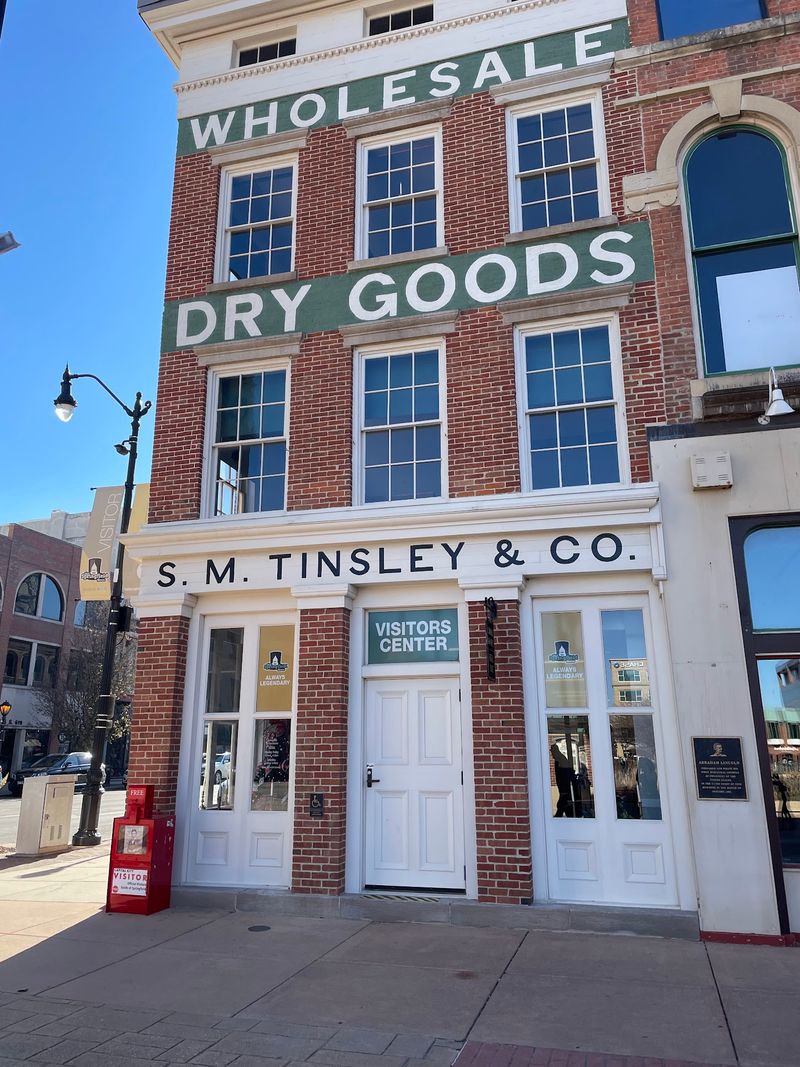
Call ahead. That single tip comes up again and again from past visitors, and it could save your family a disappointing walk.
Some guests found the offices not open to visitors, one family arrived on a Sunday to find it closed, and another only drove past because renovations were underway. A volunteer once mentioned that limited funding has kept the site open only on certain days and times.
The phone number is 217-785-7289, and the state historic site website lists current details. Checking both before you leave home is the smartest move.
Admission is free, which makes it a wonderful budget-friendly outing. Still, guests encourage leaving a small donation if you can, since every little bit helps keep places like this running.
Parking downtown and walking around the plaza lets you combine this stop with other nearby Lincoln landmarks easily.
Why the Small Stop Feels Big
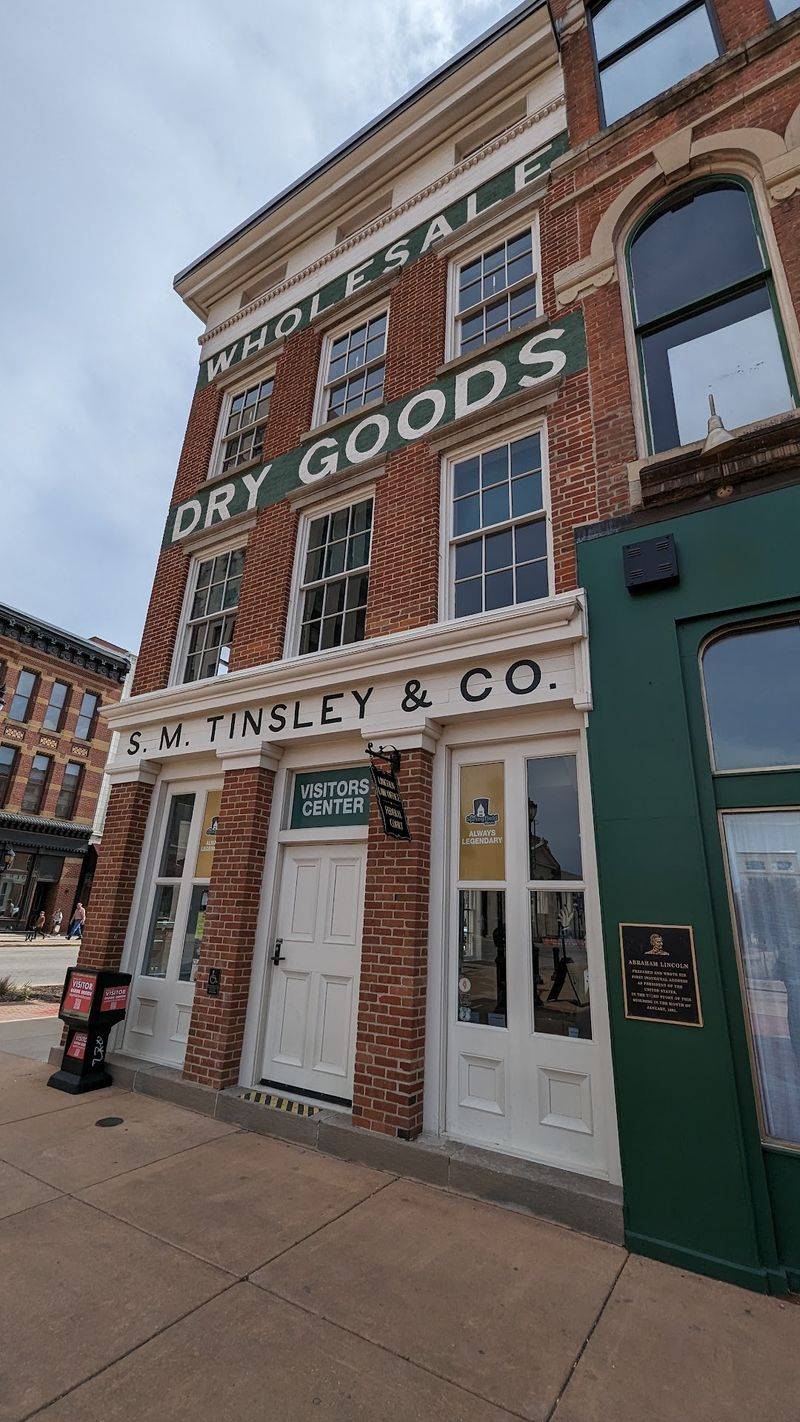
Sometimes the most memorable places are the ones you almost miss. A cozy restored office, a helpful visitor center, and the chance to stand where Lincoln built his law career add up to something surprisingly moving.
It will not overwhelm you with flashy exhibits. Instead, it offers quiet authenticity, the kind that sticks with kids long after the trip ends.
Families who love Illinois history may find this spot becomes a personal favorite, one they recommend to friends with a little pride. It feels like a local secret hiding in plain sight on a busy downtown corner.
So plan your Springfield day, make that phone call, and leave room for this humble brick building. Climbing those stairs might just become the moment your family remembers most, proof that big stories often live in small rooms.
Share this story