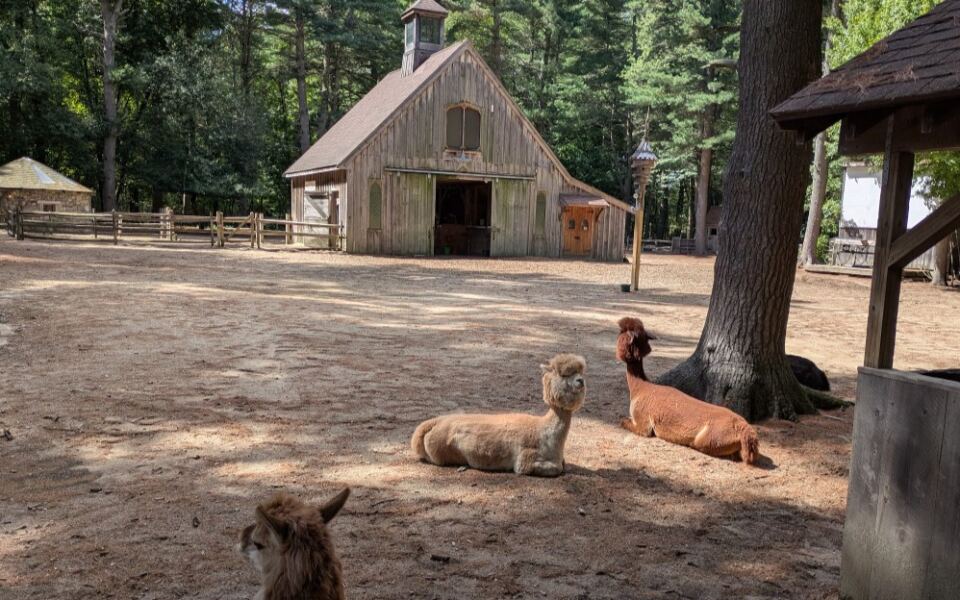
Somewhere down a quiet road in southeastern Massachusetts, tucked behind trees in an ordinary New England neighborhood, a group of rescued emus, alpacas, horses, and goats spend their days in peace. Most people drive right past without a clue that this little refuge exists, and its short weekend hours keep it even further under the radar.
Every animal here arrived with a story, many of them hard ones, and a modest cash admission helps keep their second chapter going. Keep reading to find out where this wooded sanctuary is, what makes an afternoon there so memorable, and the simple tips that make for an easy, affordable outing close to home.
A Rescue Farm Tucked Off Eddy Street
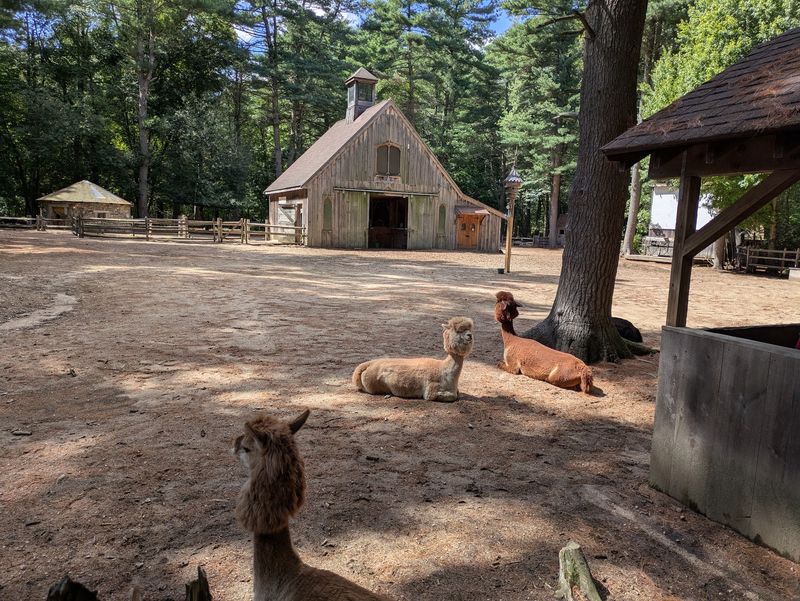
Few road signs shout about it, and the property sits set back from the pavement where most drivers never glance twice. Winslow Farm Animal Sanctuary occupies 37 Eddy St, Norton, MA 02766, in the Bristol County corner of southeastern Massachusetts.
At its core, the place is an animal rescue. Horses, goats, sheep, chickens, cats, and yes, emus and alpacas, live here after being rescued or abandoned elsewhere.
The sanctuary is not a petting zoo or a theme park. It functions as a working rescue farm, and the public gets a chance to wander the grounds on select afternoons.
That limited schedule is one reason so many Massachusetts residents have never heard of it. Open hours are short, the entrance is modest, and the whole operation runs quietly in the woods.
For locals who love finding overlooked spots close to home, this one belongs near the top of the list.
A Second Chance Written Into the Mission
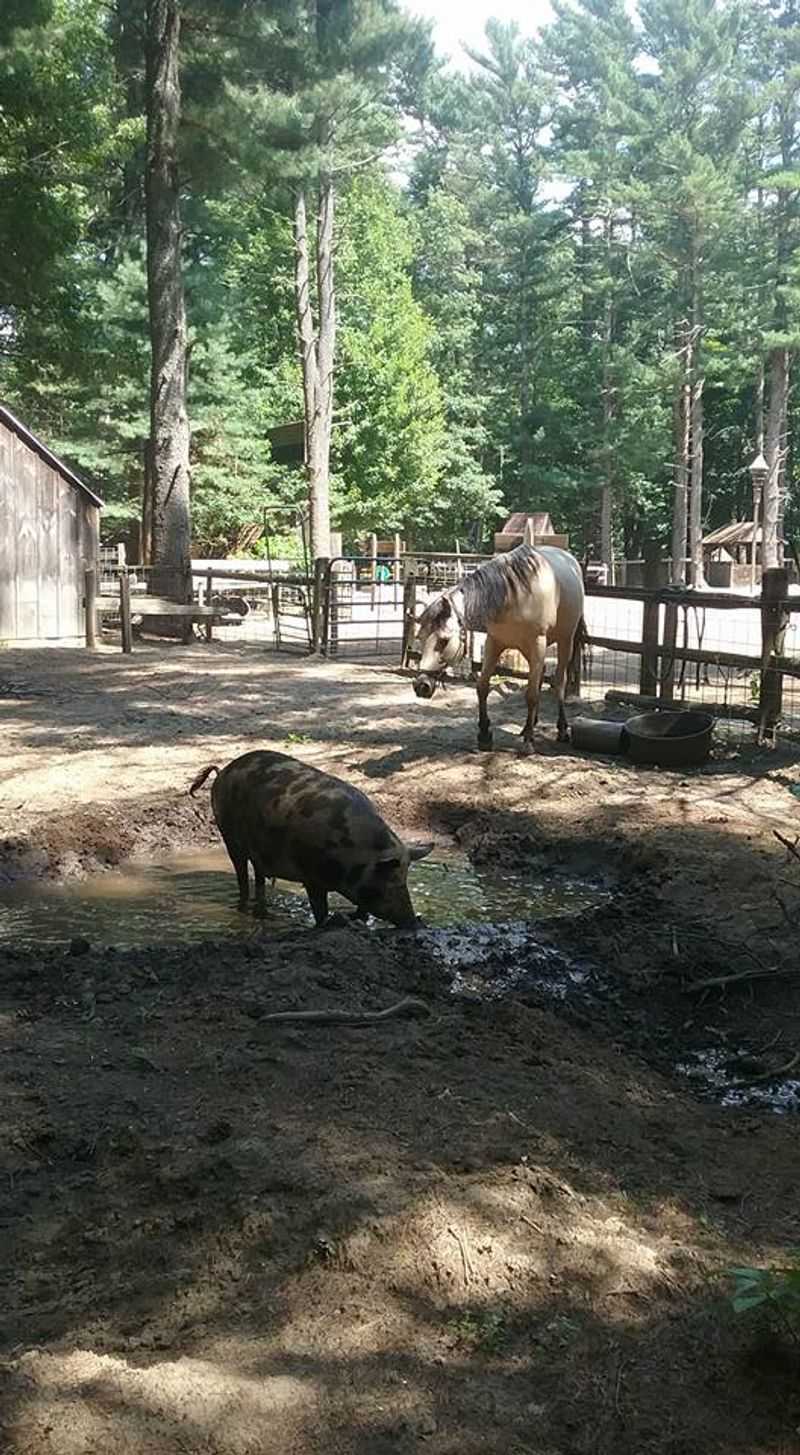
Every animal on this property arrived with a backstory, and many of those stories begin somewhere difficult. The sanctuary takes in farm animals that were rescued, abandoned, or mistreated, then gives them a permanent place to settle.
The histories can be sad to hear. The present, though, looks very different, since the residents appear healthy, relaxed, and well cared for.
Kids sometimes describe it as a retirement home for farm animals, and the label fits surprisingly well. Nobody here is expected to perform, produce, or earn their keep.
Admission money plays a direct role in keeping the mission going. The entrance fee helps cover feed and shelter for the animals, so every ticket supports the daily work of care.
That connection matters to people who want to see animals in an ethical setting. Here, the animals come first, and the public is welcomed as supporters rather than spectators.
Dirt Paths Under the Trees
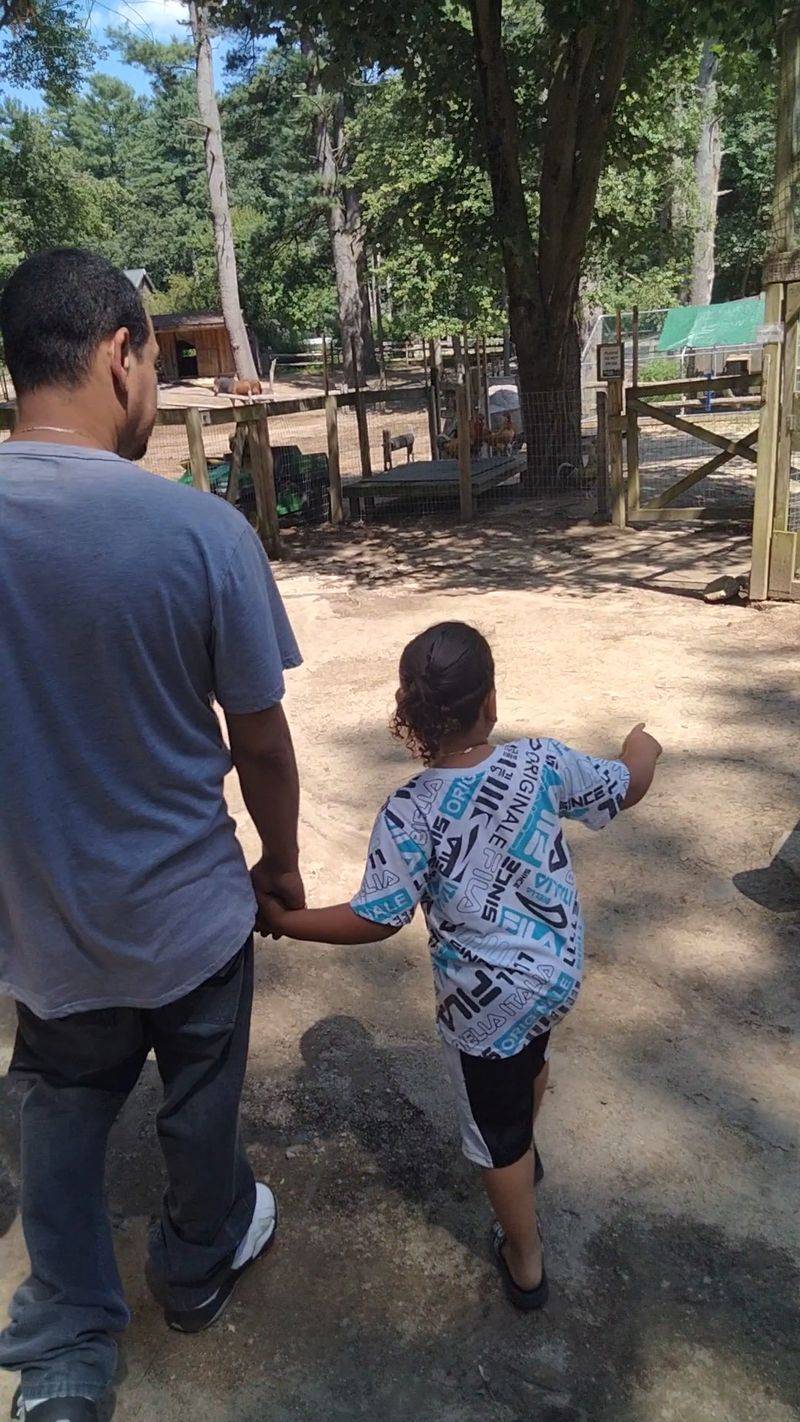
Expectations tend to shrink when a place calls itself a small rescue farm. Then the grounds keep unfolding, and the property turns out to be far larger than it appears from Eddy Street.
The setting is a quiet, wooded farm with dirt paths winding between paddocks, barns, and open areas. Nothing about it is overly polished, which keeps the experience honest.
What shows up instead is a real working rescue. Fences, shelters, and feeding areas exist for the animals first, not for photo opportunities.
Some people spend an hour here, while others wander for much longer without running out of things to see. There are also quiet corners where it is easy to sit for a while and simply watch the animals go about their day.
Footwear deserves a quick thought before leaving home. The paths are natural ground, so shoes that can handle a little dirt are the smart choice.
Emus and Alpacas in Unexpected Company
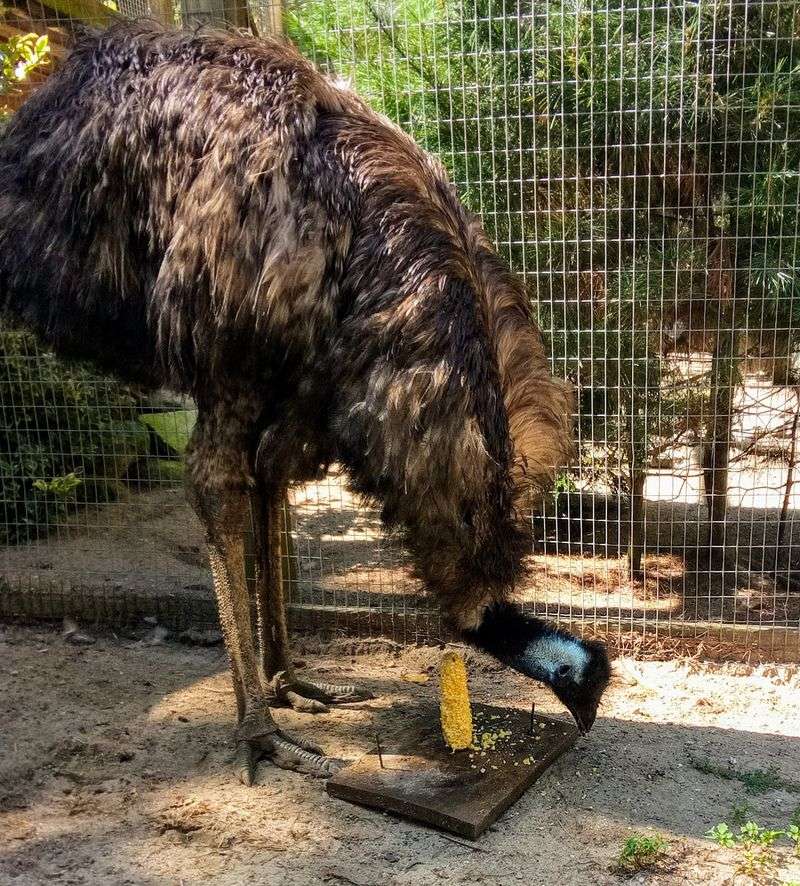
Nobody expects to spot an emu while driving through a sleepy Bristol County town. Yet these tall, long-necked birds are among the more unusual residents at the sanctuary, and they tend to steal attention quickly.
Emus are native to Australia and rank as the second-tallest bird on the planet, just behind the ostrich. They cannot fly, but they can run impressively fast on those long legs.
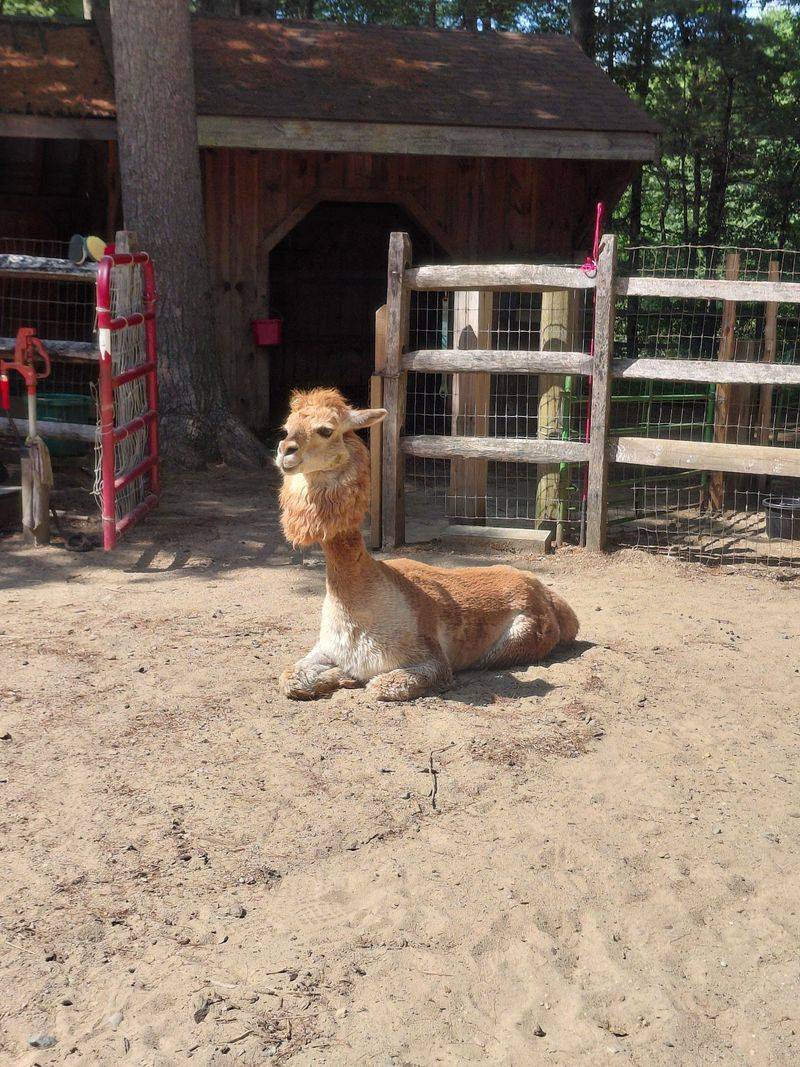
Alpacas add another surprise. These South American relatives of the llama are prized worldwide for their fleece and known for their calm, curious personalities.
Seeing both species living alongside New England farm staples like horses and goats makes for a memorable mix. It also shows how wide the net of rescue can be, since animals in need do not always fit a typical barnyard list.
For a place called a farm, the roster is delightfully unpredictable. That element of surprise is a big part of the appeal.
Horses in Every Size
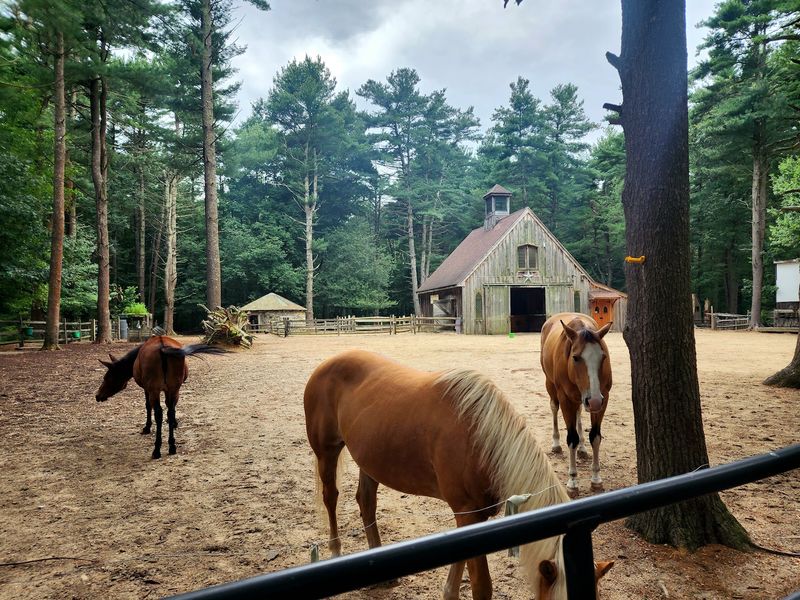
Horses come up again and again when people talk about this sanctuary, and it is easy to see why. Several of them live on the grounds, and they are often among the first animals people seek out.
The miniature horses deserve special mention. Their small stature makes them favorites with kids, and plenty of adults find them just as charming.
Many of these horses came from hard circumstances before arriving in Norton. Today they appear healthy and settled, which says a lot about the daily care they receive.
A little patience goes a long way here. Horses move at their own pace, and giving them space tends to lead to calmer, better encounters.
Signs posted around the property indicate which animals should not be touched. Following those instructions keeps both the horses and the people around them comfortable.
Fans of horses big and small could easily spend a good portion of the afternoon near the paddocks.
Goats, Sheep, and Donkeys With Stories to Tell
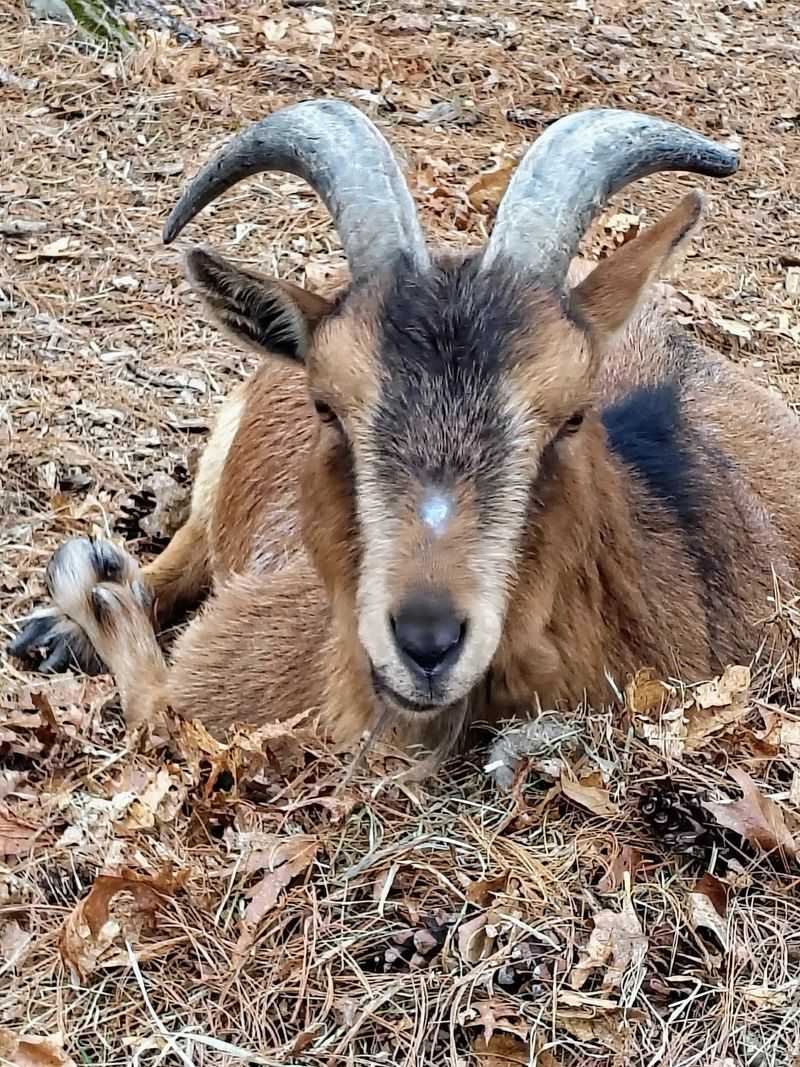
Goats have a reputation for mischief, and they rarely disappoint. At this rescue, they share the spotlight with sheep and donkeys, forming the classic barnyard crew that many families come to see.
Volunteers often share details about the lives of the goats and sheep. Learning where an animal came from and how it adapted to sanctuary life adds depth to what might otherwise be a quick stop.
Donkeys bring their own laid-back personality to the mix. They tend to be patient animals, and they often seem content to watch the world go by.
In some areas, animals are free to move around the paddocks as they please. People can walk through certain gated spaces too, which makes the experience more personal than viewing everything from behind a fence.
A few minutes spent reading signs or asking questions can turn a casual glance into real understanding.
Roosters, Hens, and One Slow-Moving Celebrity
Roosters have never been known for keeping a low profile. Plenty of them strut around this sanctuary alongside chickens, adding a lively bit of personality to the grounds.
Poultry often gets overlooked at bigger attractions, but here the birds receive the same respect as the larger animals. Each one has a place, a routine, and a safe spot to call home.
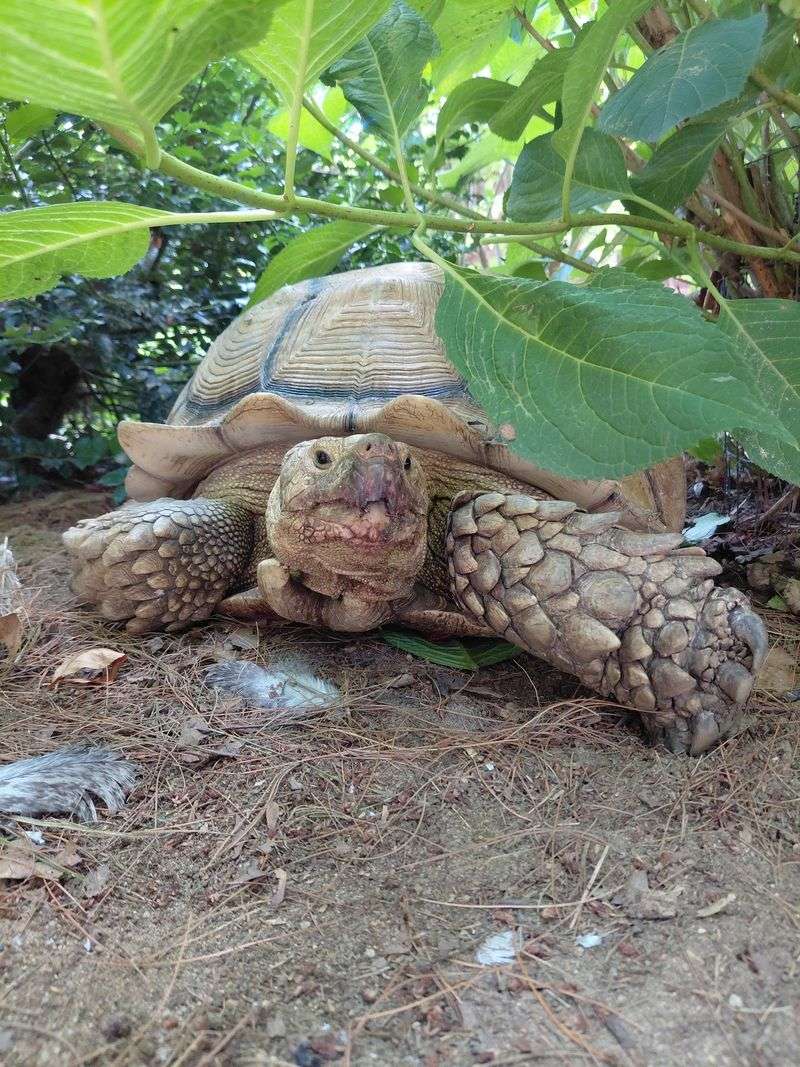
Then there is the tortoise, a resident that tends to draw a small crowd. Tortoises are famously slow and can live for many decades, which makes them fascinating for kids and adults alike.
Because a tortoise can easily feel crowded, staff may ask people to step back and give it room. Respecting that request helps keep the animal calm.
These smaller residents prove that a sanctuary trip is not only about the big names. Sometimes the quieter corners hold the best surprises.
Cats on Welcome Duty
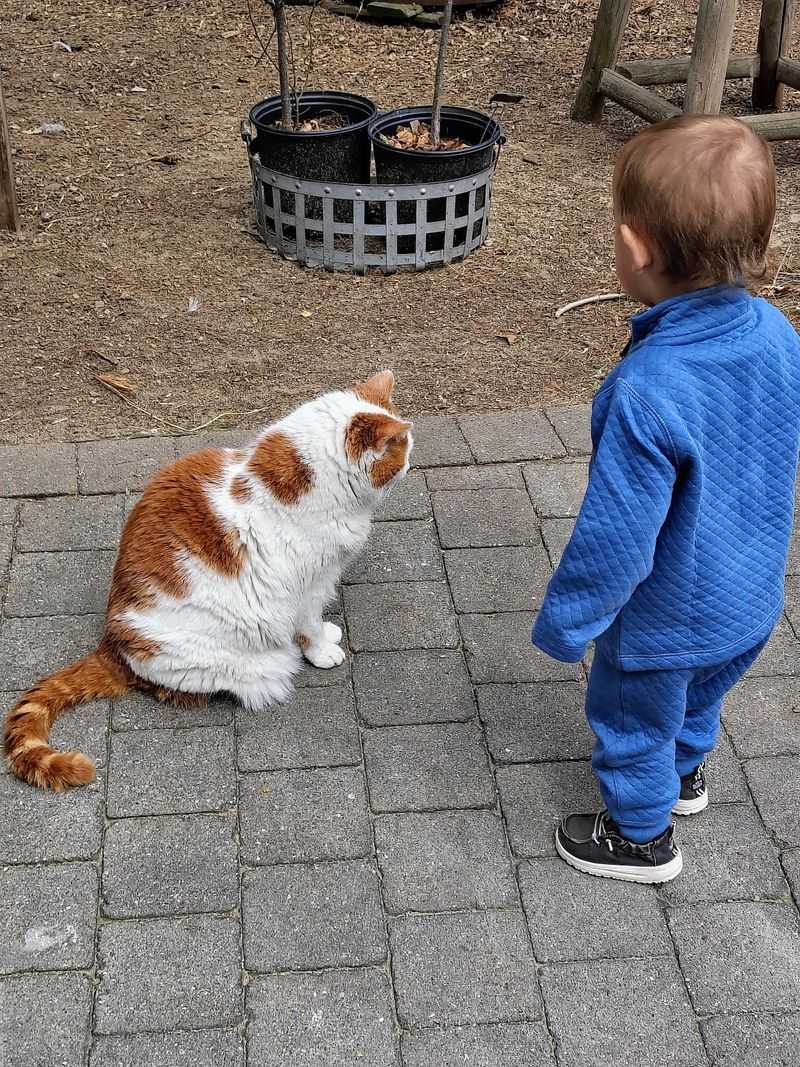
Here is a detail most people do not see coming. Cats roam the sanctuary, and they are often the friendliest greeters on the property.
Some of these cats will approach people and walk alongside them on the paths, effectively leading a small personal tour. It is one of those unexpected moments that gets talked about long after the trip ends.
Cat lovers tend to put these furry guides high on their list of favorite residents. For many, they end up being the real treat of the day.
The feline presence also adds to the relaxed, homey character of the farm. Unlike a formal zoo, animals here are part of the landscape rather than displays behind glass.
Anyone who arrives expecting only barnyard animals may leave with a new appreciation for the sanctuary cats. Keep an eye out near the paths and buildings, since a curious companion may appear at any moment.
The Volunteer Heart of the Farm
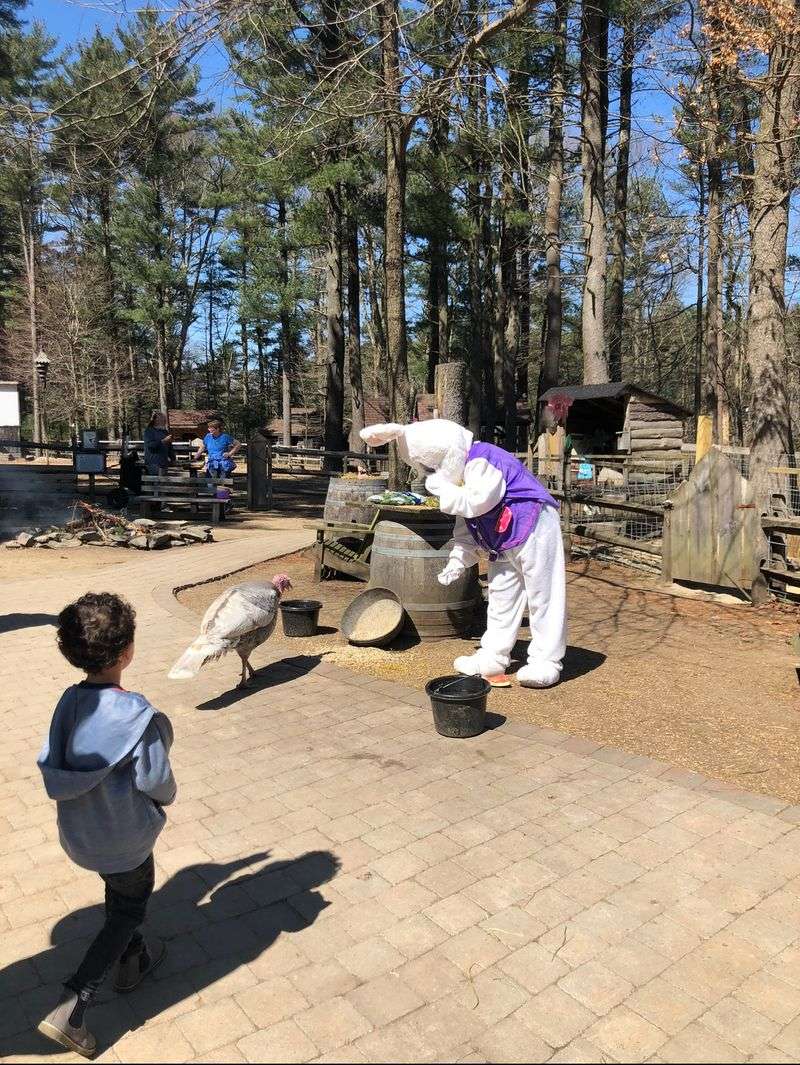
Behind every clean paddock and well-fed animal is a team that shows up because it cares. Most of the people working at the sanctuary are volunteers, and their dedication is obvious.
They are known for being friendly, knowledgeable, and passionate about the residents. Ask a question about a particular goat or horse, and there is a good chance someone can share its background.
A semi-guided tour is sometimes offered to people when they arrive. It is a helpful option for first-timers who want context, though wandering independently is also perfectly fine.
Those conversations make a real difference. Rescue stories give each animal a name and a history instead of just a spot in a pen.
Volunteers also keep the grounds tidy and well maintained, which is no small task on a farm this size.
Showing appreciation is easy. A simple thank-you, or a return trip, helps keep that volunteer spirit strong.
Gate Etiquette and Hands-Off Zones
Close the gate behind you. That single rule might be the most useful tip for anyone heading to the sanctuary for the first time.
Some animals are allowed to move between paddocks freely, and people can pass through certain areas as well. Latching each gate when moving from one space to another keeps everyone where they belong.
Many signs on the grounds ask people not to touch the animals. For kids, that can be a challenge, so a quick conversation before arriving may help set expectations.
There are still chances to interact in some areas, depending on the animal and the day. Staff can point out where contact is welcome.
Property lines can also be hard to read in spots, since the farm blends into the surrounding woods. Staying on the dirt paths and near the habitats avoids confusion.
A little awareness keeps the day smooth for people and animals alike.
Holiday Decorations and Seasonal Traditions
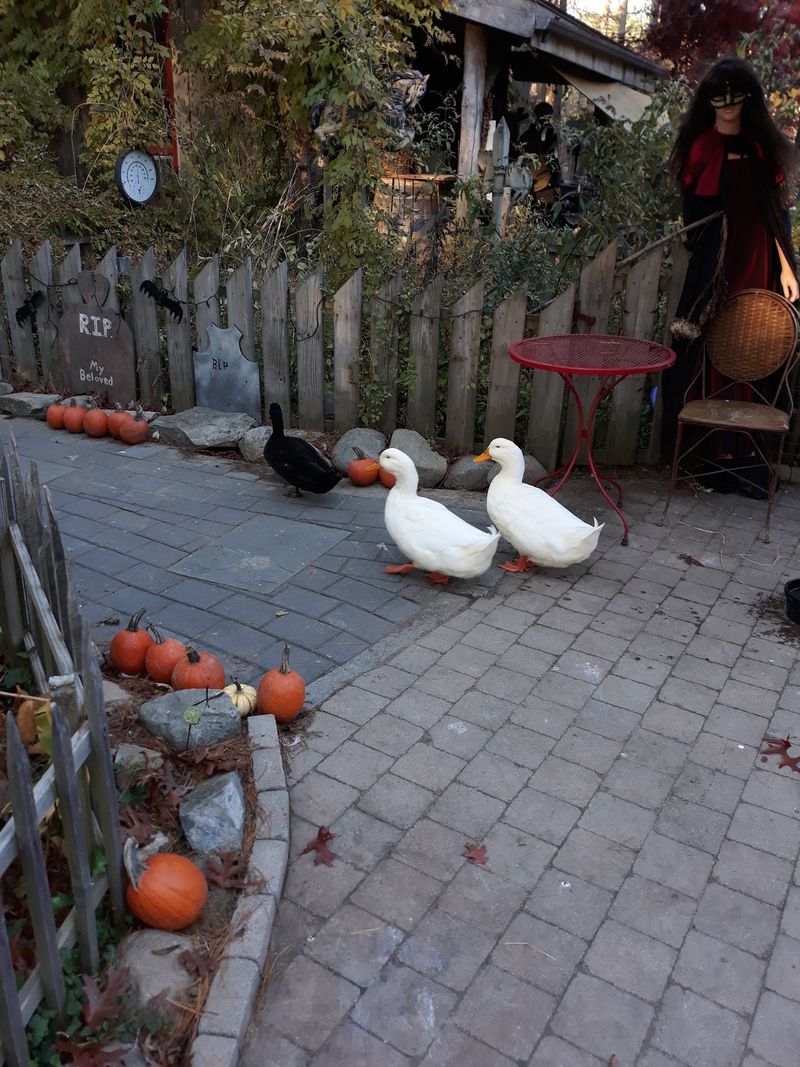
October brings a fresh look to the farm. The grounds have been decorated for Halloween in past seasons, giving families a festive reason to return in the fall.
Holiday events also pop up around the calendar, and the sanctuary’s holiday rides have built a local following. Checking the official website before planning is the best way to confirm current offerings.
Spring is another popular window, with some families making a tradition of stopping by near Easter weekend. Warmer months are generally considered the best time to go, since more animals tend to be outside.
Winter trips are possible, but snow and cold can mean some residents stay tucked away in the barns. That is simply part of caring for animals properly in a New England climate.
Each season offers a slightly different experience, so a repeat trip never looks exactly the same.
Families, Couples, and Quiet Seekers
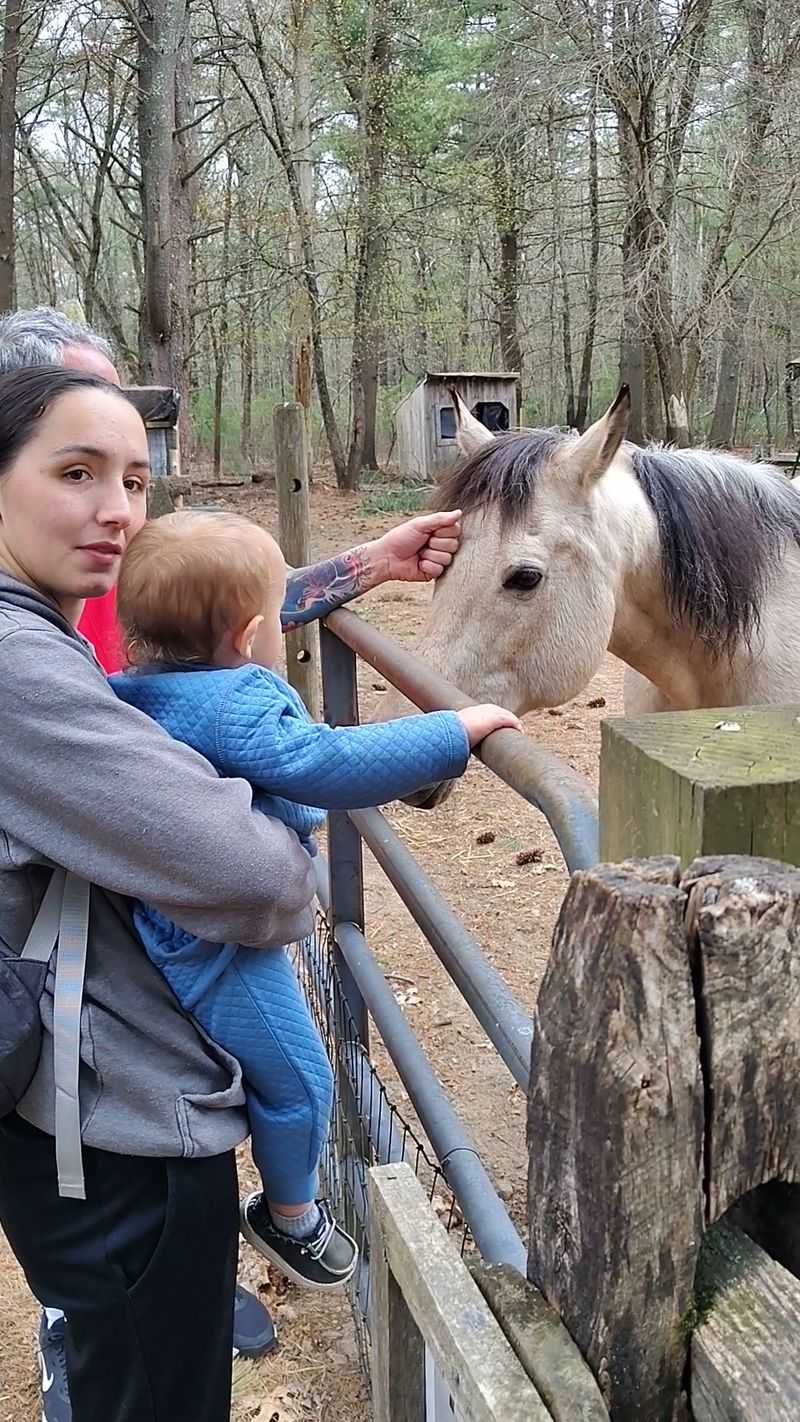
Date day, family outing, or solo reset, the sanctuary fits more plans than people expect. Its calm atmosphere makes it an easy choice for almost any group.
Families with young children will find a small play area with seesaws, plus picnic tables for a snack break. Those extras make it simple to stretch the trip into a relaxed afternoon.
Couples often treat it as a low-key date spot. Walking the paths together and learning about rescue stories creates plenty to talk about.
People looking for a peaceful escape may appreciate the slower pace most of all. Finding a quiet corner and simply watching the animals can be a restorative experience.
The setting leans natural and unpolished, which suits anyone who prefers genuine over flashy. It is not built for thrills.
Instead, it rewards curiosity, patience, and a real love of animals, regardless of age.
Hours, Cash, and Parking Before You Go
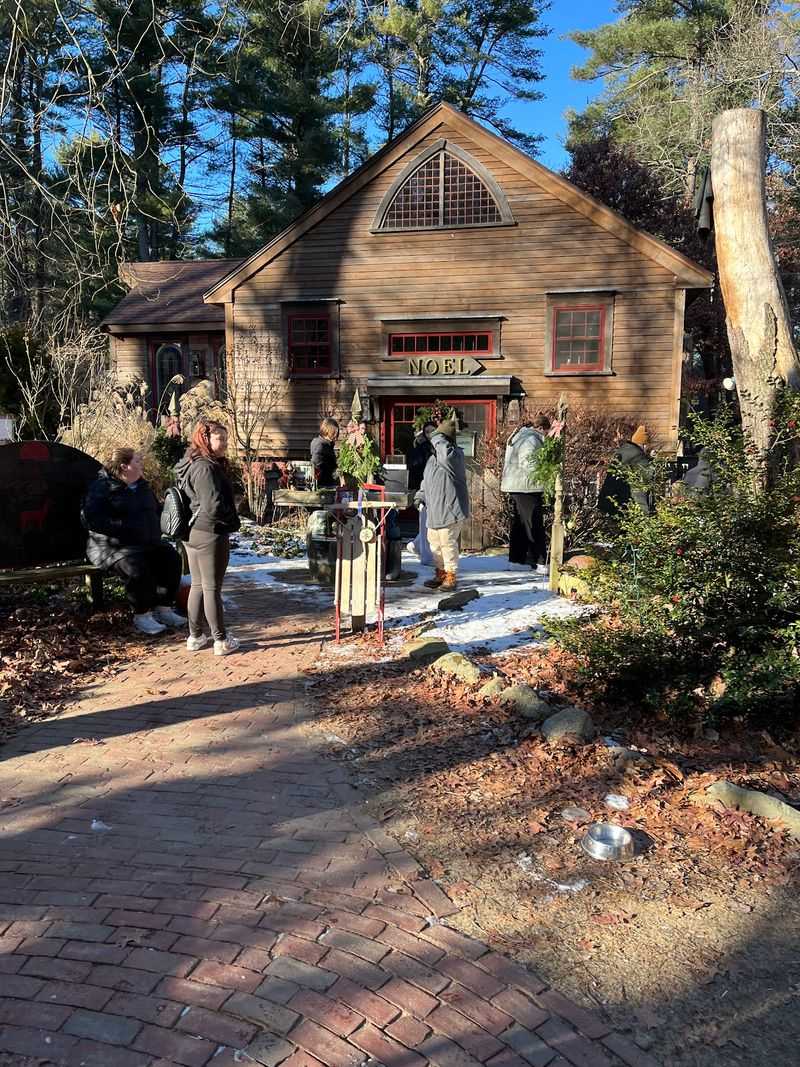
Timing is everything with this sanctuary. Public hours are limited to Friday and Saturday from 12 PM to 3 PM, and the farm is closed Sunday through Thursday.
Admission is currently $20 per adult, and it is cash only. Prices have risen over the years, so bringing a little extra cash is a smart move.
Entrance money goes toward feeding and sheltering the rescued animals. For many, that makes the fee feel like a donation with a bonus outing attached.
Parking can be tight near the entrance. Drivers who dislike squeezing into small spaces should head for the overflow lot instead.
Schedules can change with weather or special events. The official website, winslowfarm.com, is the best place to confirm details before making the drive.
Plan to arrive early in the window, since three hours passes quickly on a property this large.
A Quiet Corner Worth Knowing About
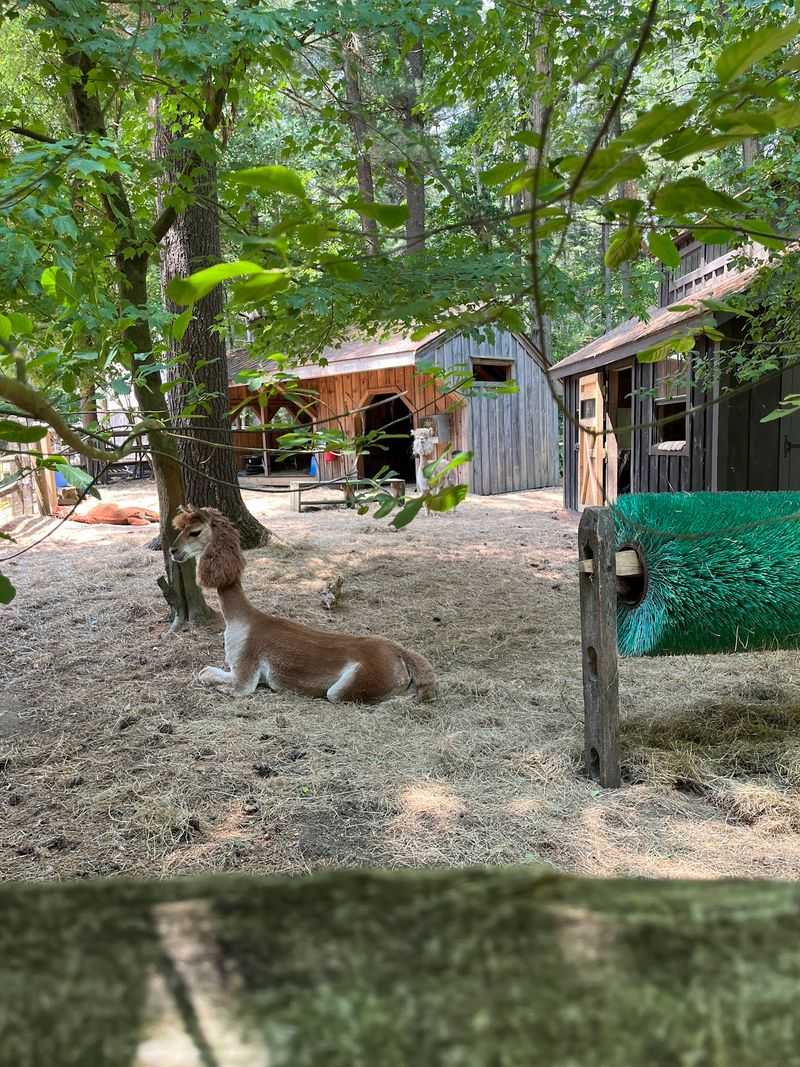
Some places earn loyalty slowly, one short afternoon at a time. Families have returned to this sanctuary year after year, watching new residents arrive and familiar faces thrive.
It is not a big attraction with flashy exhibits. It is a working rescue in the woods, run largely by volunteers and open only a few hours each week.
That modesty is exactly what makes it special. Emus, alpacas, horses, goats, cats, and chickens all share a second chance here, and the public gets to witness it up close.
The $20 cash admission may feel steep to some, and a single trip might satisfy casual animal fans. Others find themselves coming back each season.
For Massachusetts locals who enjoy knowing about places most neighbors have missed, Winslow Farm is worth a Friday or Saturday afternoon. Just remember the cash, latch the gates, and let the animals set the pace.
Share this story