Somewhere off a busy Florida highway sits a place most drivers zoom right past without a second glance. Step through the gate, though, and suddenly you are standing before a stately old home from the 1840s, surrounded by emerald lawns and shady oaks.
It is quiet, unexpectedly grand, and free to walk around. For anyone who loves a good story and a peaceful spot to slow down, this hidden corner is well worth the detour.
A Grand Old Home Just Off the Highway
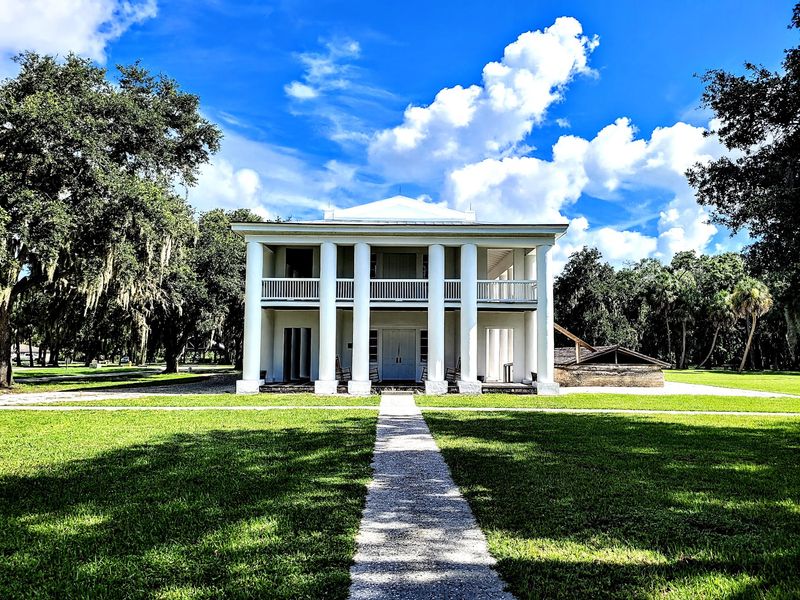
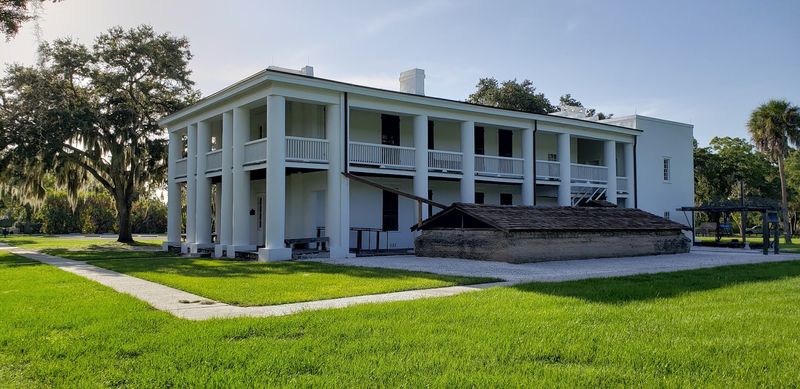
Tucked along US-301 in Ellenton, sits a piece of history that feels almost out of place beside the modern road that runs past it. Gamble Plantation Historic State Park is home to Florida’s only surviving antebellum mansion, built around 1840.
The house stands tall with its columns and shaded porch, looking every bit the classic Southern estate you might expect to see in a storybook. What makes it special is that it survived when so many similar homes across the state did not.
Officially, the site carries the longer name of the Judah P. Benjamin Confederate Memorial at Gamble Plantation Historic State Park.
It is managed by the Florida State Parks system, which keeps the grounds and the old home well cared for.
Visitors often mention how surprised they are to stumble onto something this historic in Manatee County. It is the kind of place neighbors drive past for years before finally pulling in to see what all the columns are about.
Sugar, Bricks, and a Story Worth Hearing
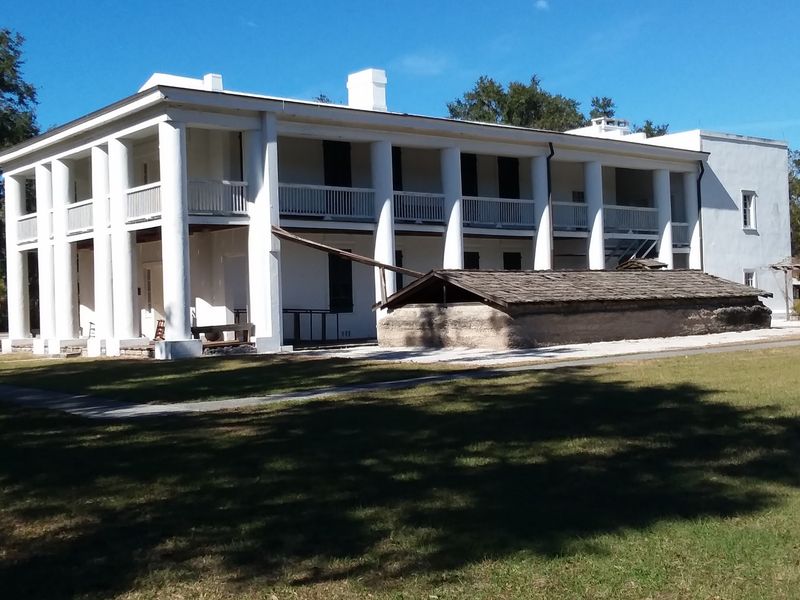
Long before highways cut through this part of Florida, the land here was a working sugar plantation, the only surviving one of its kind in the southern half of the state. The home was constructed in the 1840s and has weathered nearly two centuries.
Guides love to explain the details of how the house was built, including why the ceilings soar so high. Those tall rooms were a clever way to keep things cooler during Florida’s long, sticky summers.
The story goes deeper than architecture. During the tour, you can learn about the Third Seminole War and about a Confederate Secretary of State who is said to have taken shelter here before slipping away.
There is also a connection to England and Queen Victoria that visitors with an interest in royal history find surprising. It is the kind of layered tale that turns a simple house tour into something you keep thinking about on the drive home.
Lush Green Grounds Made for Wandering
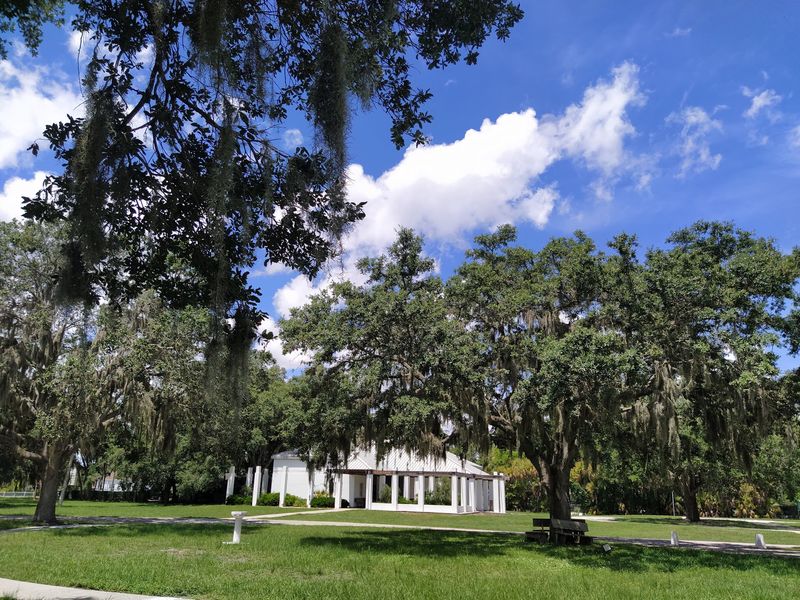
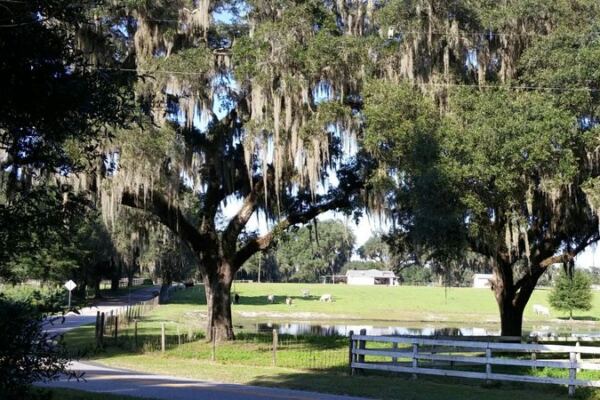
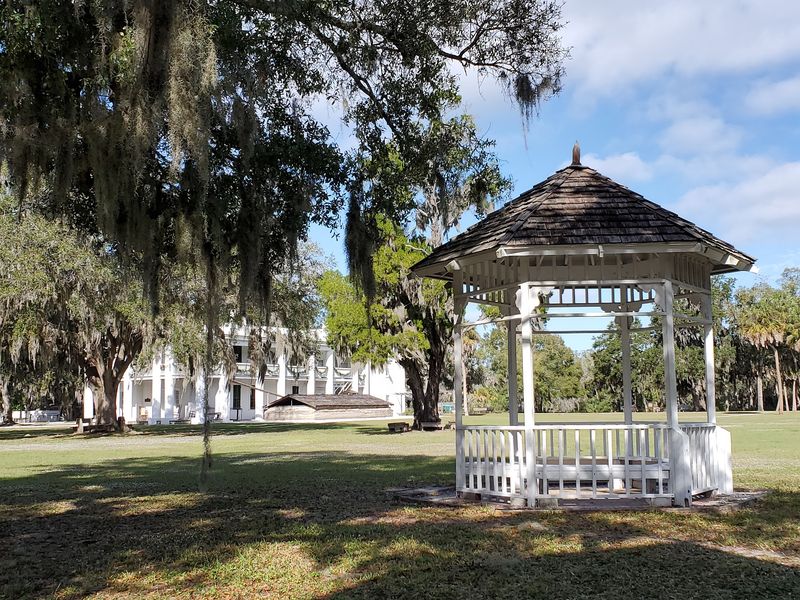
Green is the word people reach for again and again when they describe the property. The lawns are kept trim and lush, framed by mature trees that throw generous shade across the grounds.
You do not need a ticket to enjoy this part. The park itself has no entrance fee, so anyone can stroll the paths, admire the home from the outside, and soak in the calm.
Photographers have long treasured the setting. Folks have used the grounds for wedding pictures and portraits, drawn by the clean, well-tended look and that timeless mansion backdrop.
Regulars mention that it is not a sprawling park, but it does not need to be. A slow lap around the property, camera in hand, is an easy and pleasant way to spend part of a morning.
The Guided Tour Everyone Talks About
Here is the honest truth from visitors: the buildings stay closed unless you take the tour, so the tour is really the main event. It is the only way to step inside and see both the lower and upper floors of the old home.
Led by a park ranger, the tour typically runs somewhere between 45 minutes and an hour. Along the way you will see period rooms, furniture, and props, and hear the history behind each space.
People rave about the guides. Names like George, Jesse, and Unger come up often, praised for being patient, professional, and packed with knowledge about the home and the region.
One fun bonus is the collection of everyday sayings the guides trace back to the era, including where phrases like the one about hushpuppies came from. It turns the history lesson into something genuinely entertaining.
A Visitor Center and Museum Worth a Look First
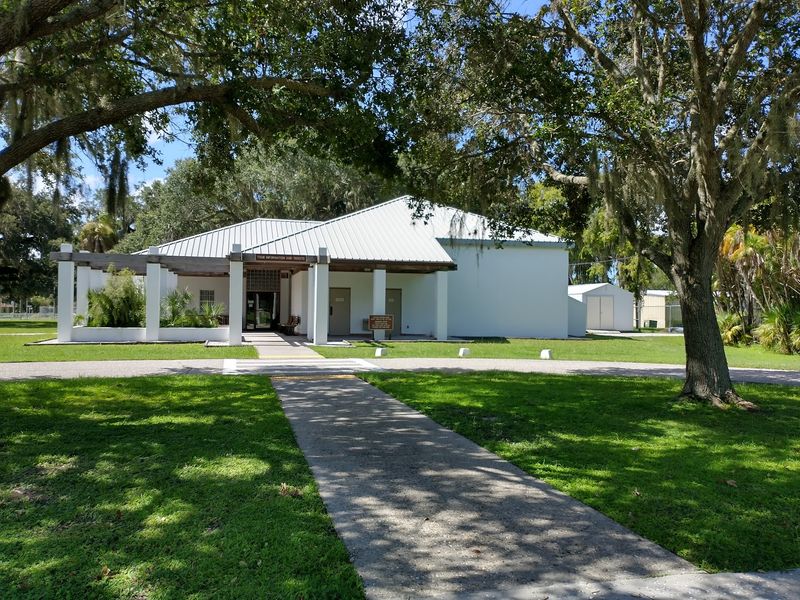
Before you head toward the house, there is a small museum tucked near the entrance that sets the stage nicely. Many visitors suggest walking through it first so the tour makes even more sense.
The exhibits give context about the region’s past and the people connected to the plantation. Regulars describe it as compact but genuinely interesting, a good warm-up before you cross the lawn.
One thing to keep in mind is that the museum closes during the lunch hour, around 11:45, so timing your arrival matters. Plan a little around that gap and you will not miss anything.
The visitor center is also where you can get your bearings, ask questions, and figure out when the next tour begins. A few minutes here goes a long way toward a smoother visit.
Rocking Chairs, Picnic Tables, and Slow Afternoons
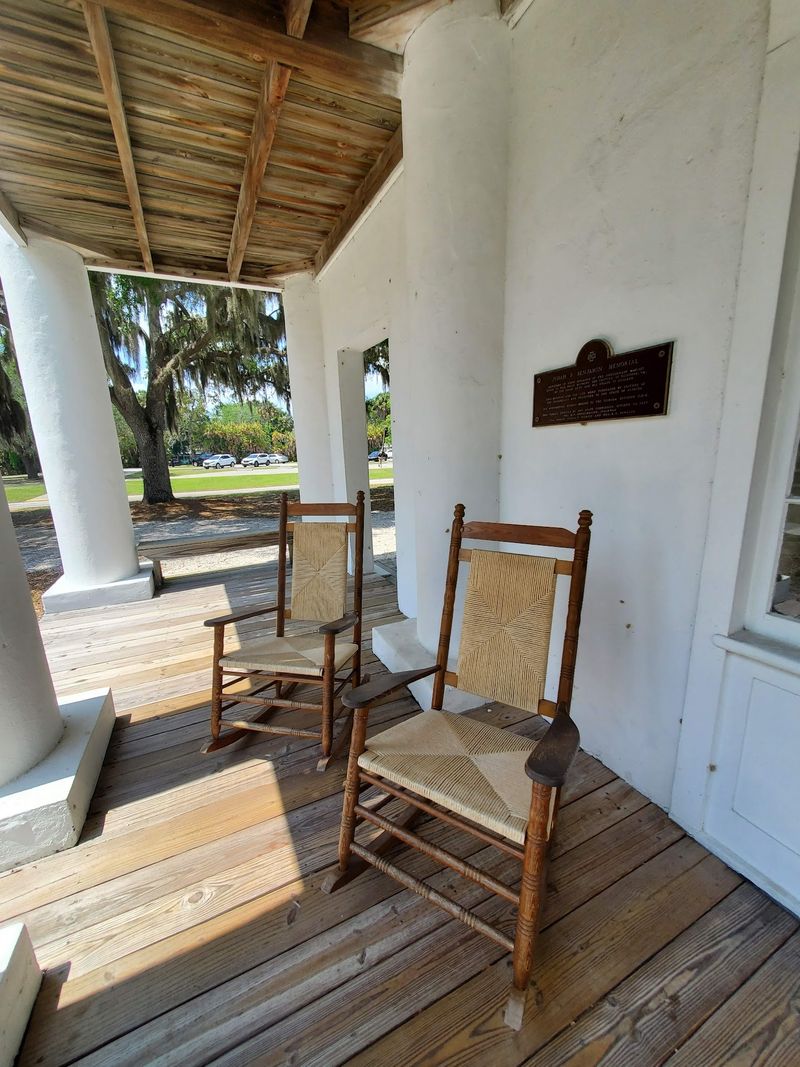
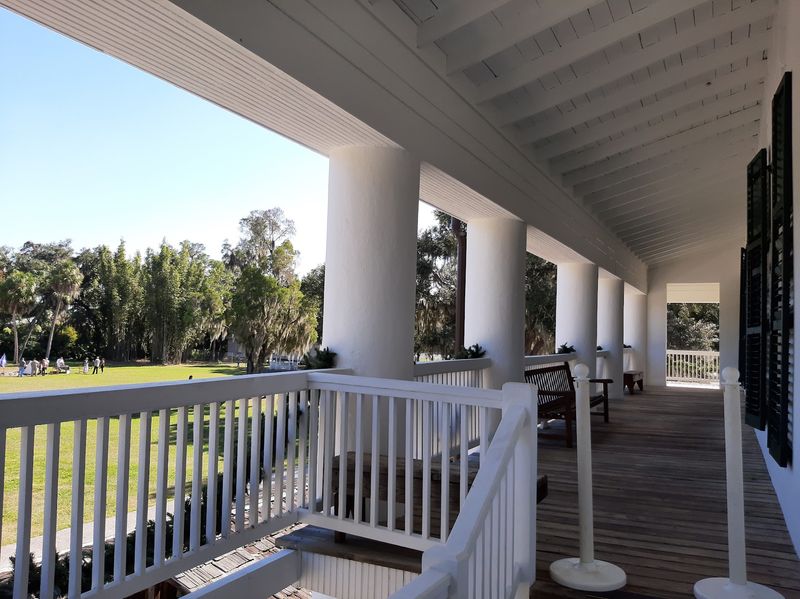
Picture yourself easing into a rocking chair on the shaded porch, watching the breeze move through the oaks. Even guests who arrived when the house was closed found the porch chairs a lovely place to pause.
Behind the historic home sits a covered picnic area that families put to good use. Packing a lunch and eating on the grounds turns a quick stop into a relaxed outing.
One family shared how they brought a picnic and enjoyed it under the covered tables after their tour. It is that kind of unhurried, old-fashioned outing that is getting harder to find.
With plenty of space to spread out and no crowds pressing in, the property invites you to linger. There is no rush here, and that is a big part of the charm.
A History Buff’s Quiet Delight
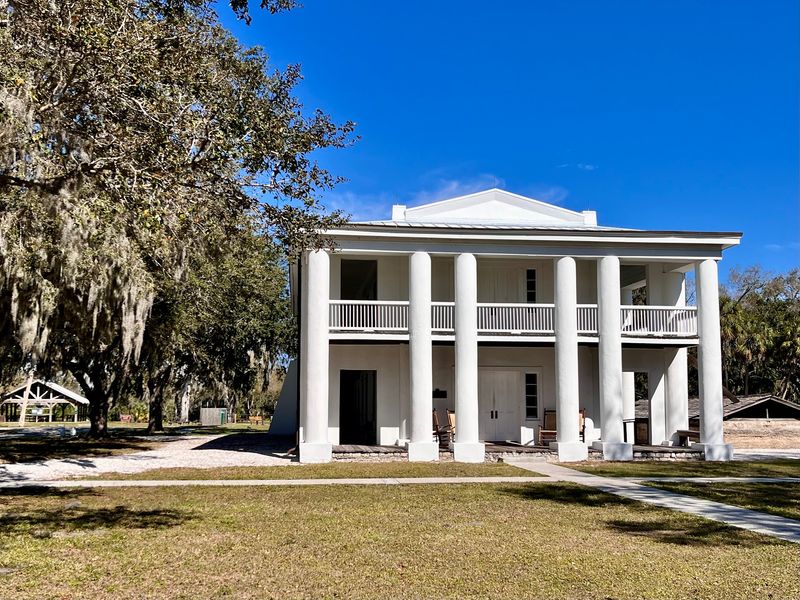
If old homes and rich backstories make your heart happy, this spot is squarely aimed at you. History lovers and fans of classic architecture find plenty to admire, from the construction details to the layered regional tales.
Families do well here too. One parent brought kids aged 10, 12, and 15 and reported that even the teenagers stayed interested rather than bored during the tour.
A gentle heads-up for those with very young children: the rooms are filled with furniture and props that cannot be touched, so it may not suit restless toddlers. Older kids who can look without grabbing tend to enjoy it most.
The tour also handles serious chapters of the past with care, including a memorial on site honoring the enslaved people who lived and worked on the plantation. Visitors appreciate that this part of the story is not glossed over.
Hours, Prices, and How to Get There
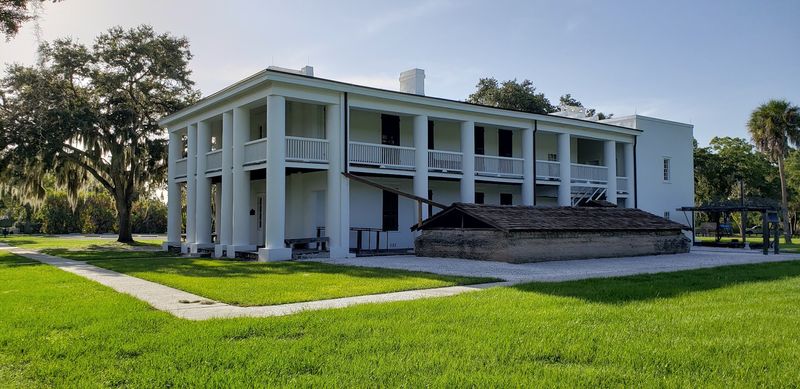
Getting the details right will save you a wasted trip, so here is the rundown. The park sits at 3710 US-301 in Ellenton, an easy hop off the highway when you need a break from the road.
Gates are open from 8 AM to 5 PM on Saturday, Sunday, Monday, Thursday, and Friday. The park is closed on Tuesday and Wednesday, so plan around those two days.
Walking the grounds is free, and there are no parking fees, with plenty of room to leave the car. The mansion tour costs $6 per person and is cash only, so tuck some bills in your pocket before you arrive.
Tours run only a couple of times a day, sometimes with an hour gap between them, so checking the schedule ahead is smart. On Sundays, the last tour is at 4 PM.
You can reach the park at 941-723-4536 to confirm times.
Why This Free Escape Earns a Detour
Some places surprise you simply by existing where you least expect them. A grand 1840s mansion sitting quietly off a Florida highway is exactly that kind of surprise, and it costs nothing to walk up and take it in.
For six dollars, the inside tour opens up a story that stretches from sugar fields to faraway royalty, delivered by guides who clearly love their work. Guests repeatedly call it worth the time and the modest price.
It is not a giant attraction, and that is part of its appeal. A few hours here, with a picnic and a porch rocker, feels like stepping out of the modern rush for a little while.
Next time you find yourself cruising through Manatee County, consider pulling off for a look. This is one Old Florida gem that rewards the curious, and your wallet will hardly notice.
Share this story