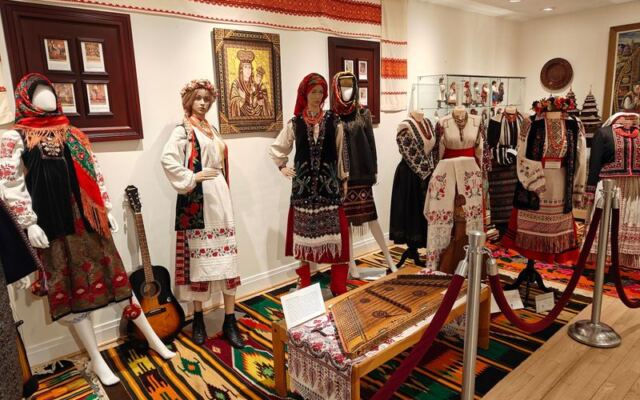
Some of the best afternoons in Illinois start with a quiet side street and a door you almost walk past. I went in expecting a quick look around and walked out hours later with my head full of painted eggs, hand-stitched shirts, and stories carried across an ocean.
It is the kind of small, unassuming place that feels like a secret, and it costs little more than your curiosity. If you love finding the hidden corners of your own state, this one deserves a spot on your weekend list.
A Cultural Treasure on West Superior Street
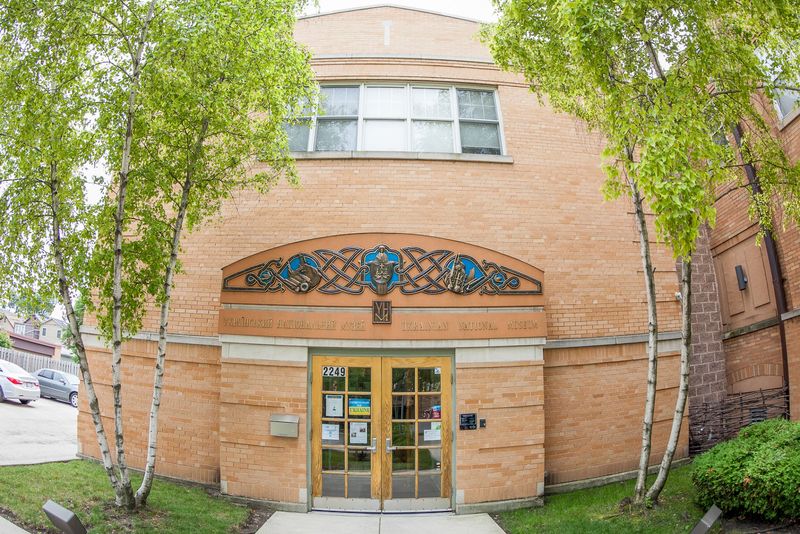
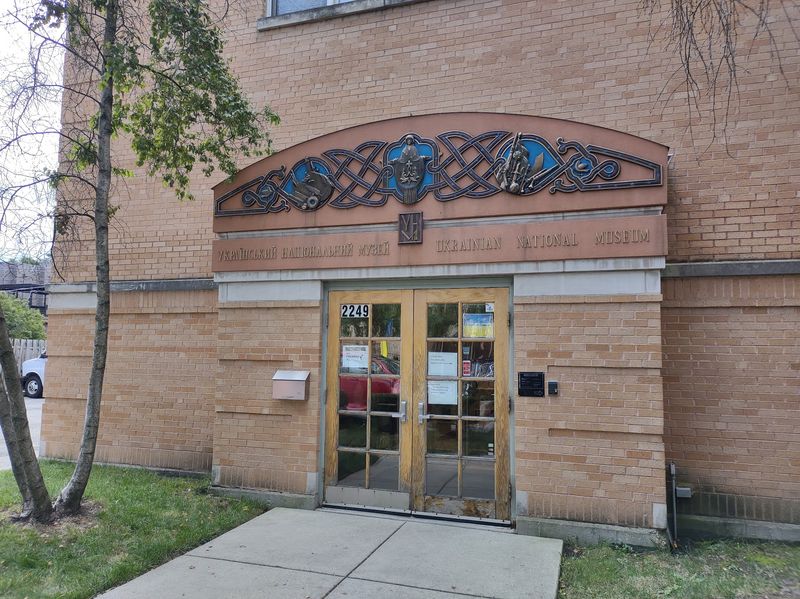
Tucked into a leafy stretch of Chicago’s Ukrainian Village, the Ukrainian National Museum sits at 2249 W Superior St, just a short trip from the United Center. Plenty of people wander past without realizing what waits inside, and that is part of its charm.
Founded in 1952, the museum has spent decades preserving the traditions, art, and history of Ukraine, along with the story of Ukrainians who built new lives in America. Some visitors even call it probably the biggest Ukrainian heritage museum and library in the United States.
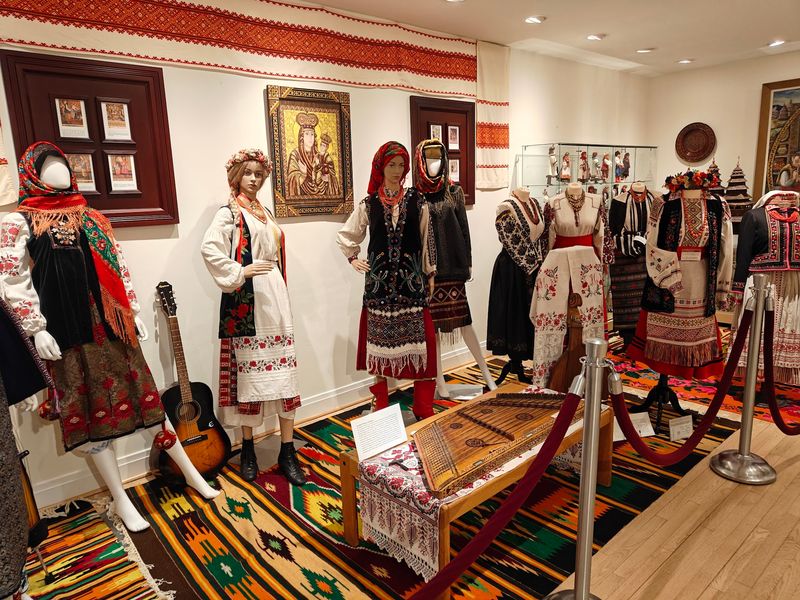
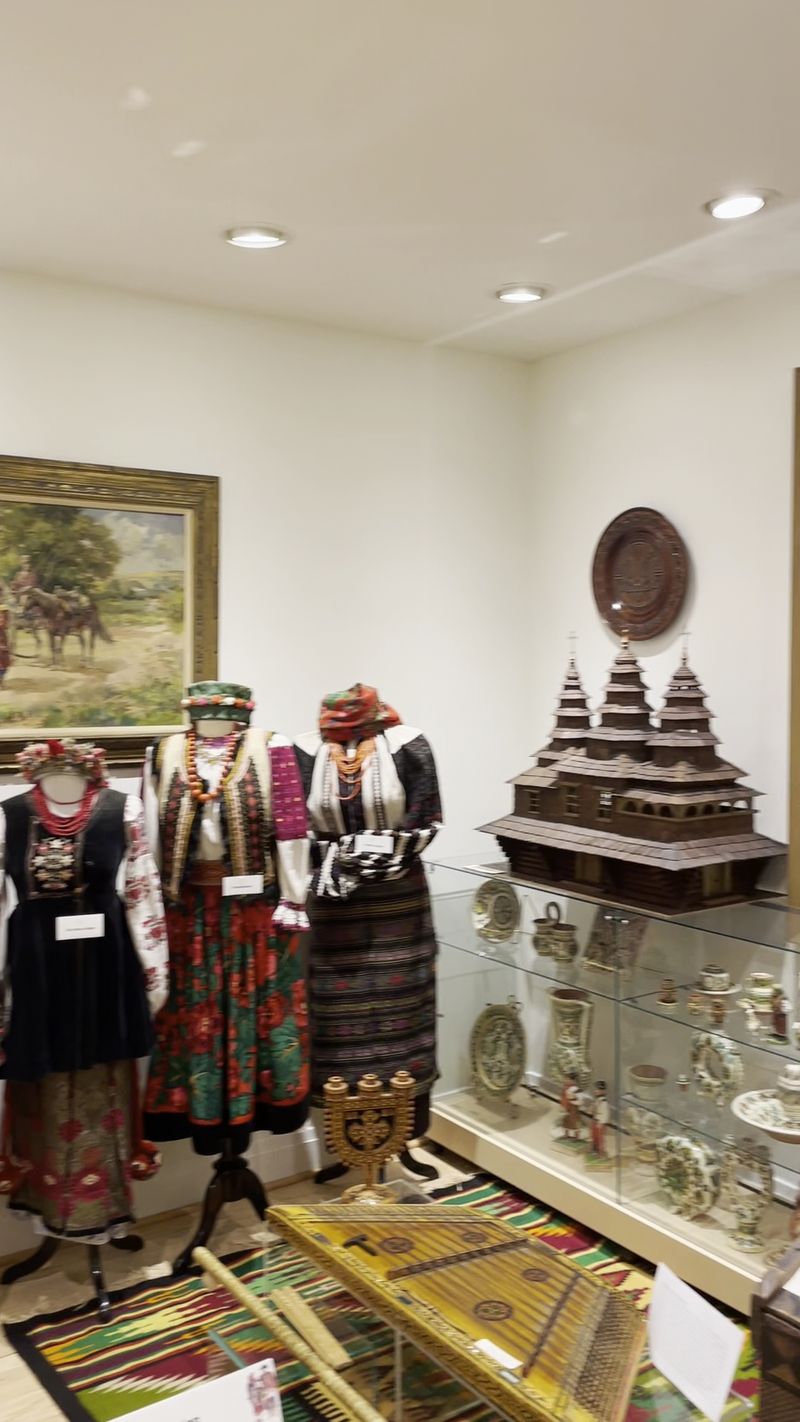
Inside, you will find embroidered garments, folk art, fine art, antique musical instruments, and archival materials spread across two floors. A library adds even more depth for curious minds.
Think of it as a neighborhood living room where an entire culture has been lovingly arranged on display, ready for anyone who knocks on the door and steps inside to listen and learn.
Seven Decades of Neighborhood Heritage
Back in 1952, a group of Ukrainian Americans decided their stories were too precious to fade away. More than seventy years later, that decision still shapes everything you see in the galleries.
Much of the collection speaks to the immigrant experience in America. Exhibits offer a heartfelt look at the lives of families who carried their customs across the Atlantic and planted them right here in Illinois.
Visitors often say they arrived with only a basic understanding and left feeling a real personal connection to the culture.
One guest with no ties to the community described being on a mission to see Chicago’s smaller museums. That afternoon became, in their words, one of the highlights of the city.
Such longevity matters in a neighborhood that has changed so much over the years, because the museum keeps the original spirit of Ukrainian Village firmly rooted and easy for newcomers to discover.
Embroidered Garments and Folk Costumes
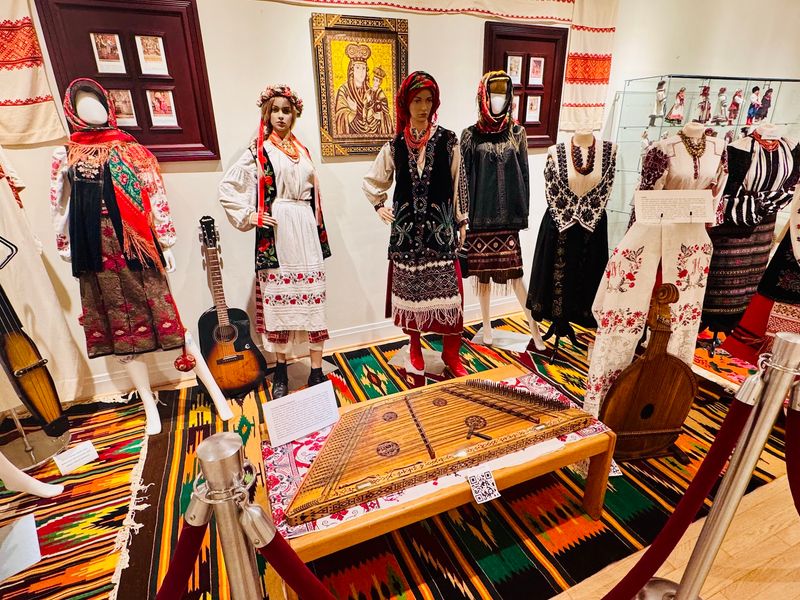
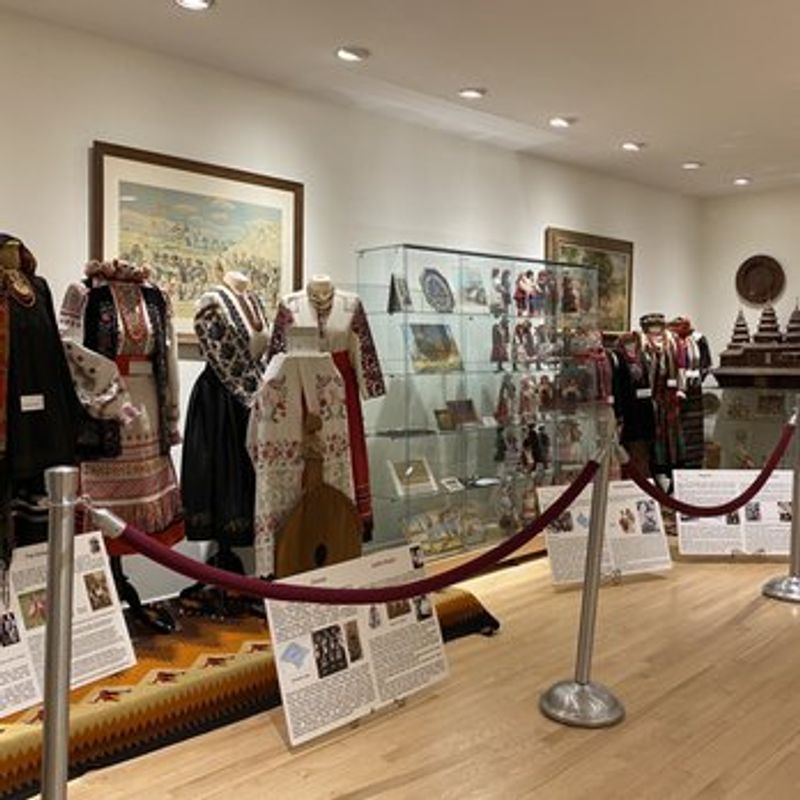
Picture red and black thread stitched into patterns so precise they almost look printed. Then look closer and remember that someone made every one of those tiny crosses by hand.
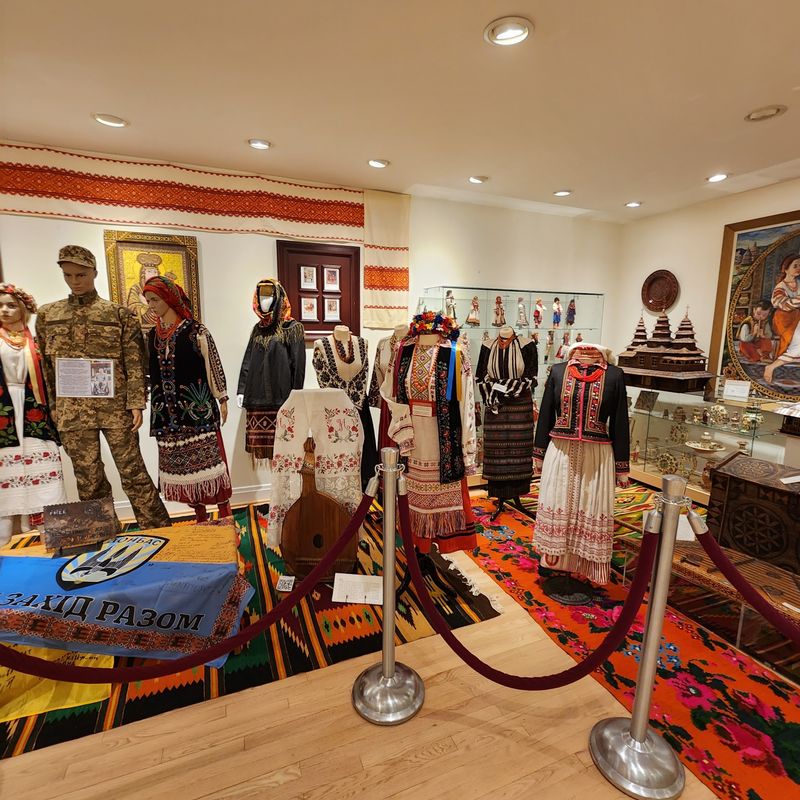
Folk costumes rank among the most talked-about pieces at the museum. The embroidered garments show how clothing in Ukraine was never just clothing.
Colors, motifs, and cuts often pointed to where a person came from, turning a shirt into a kind of map.
Guests especially enjoy the displays highlighting regional differences within Ukraine. Textiles from the south, linked to the Cossacks of Crimea, sit near examples from the north around Kyiv, which one visitor described as more Scandinavian in feel.
Standing among them, you start to notice how needlework can tell a family story better than any history book. Bring patience, because the details reward slow looking and a second glance often reveals stitches you missed.
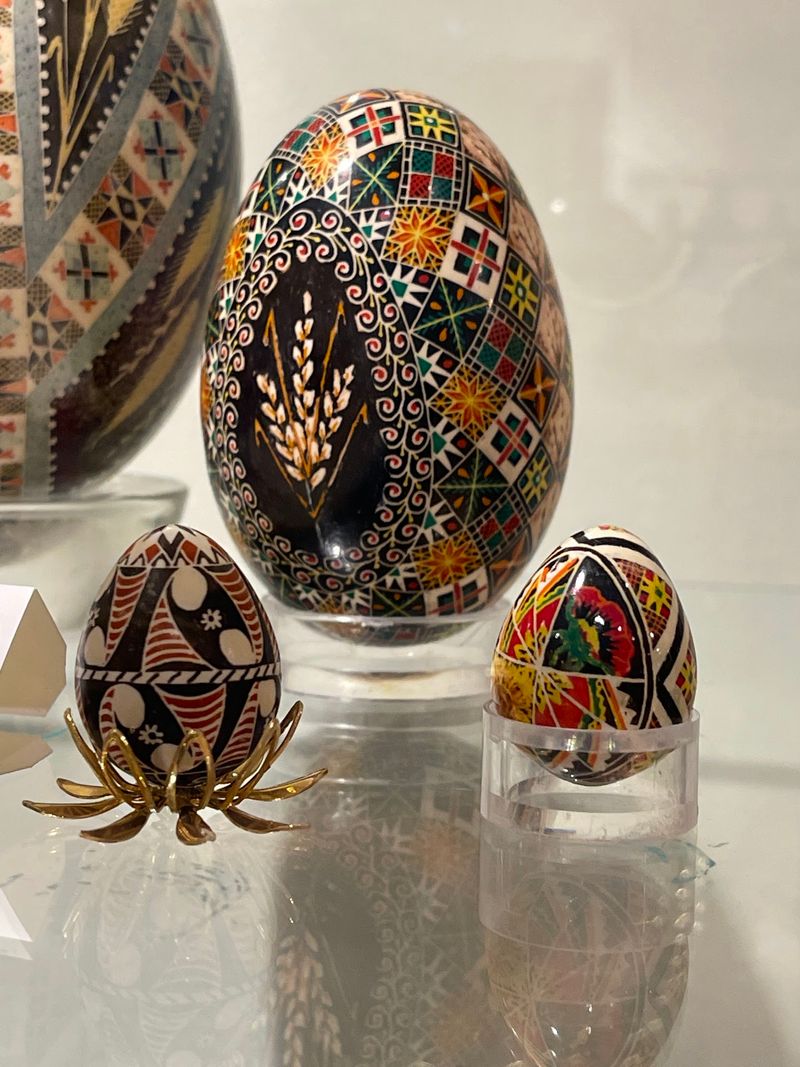
Pysanky, the Famous Painted Eggs
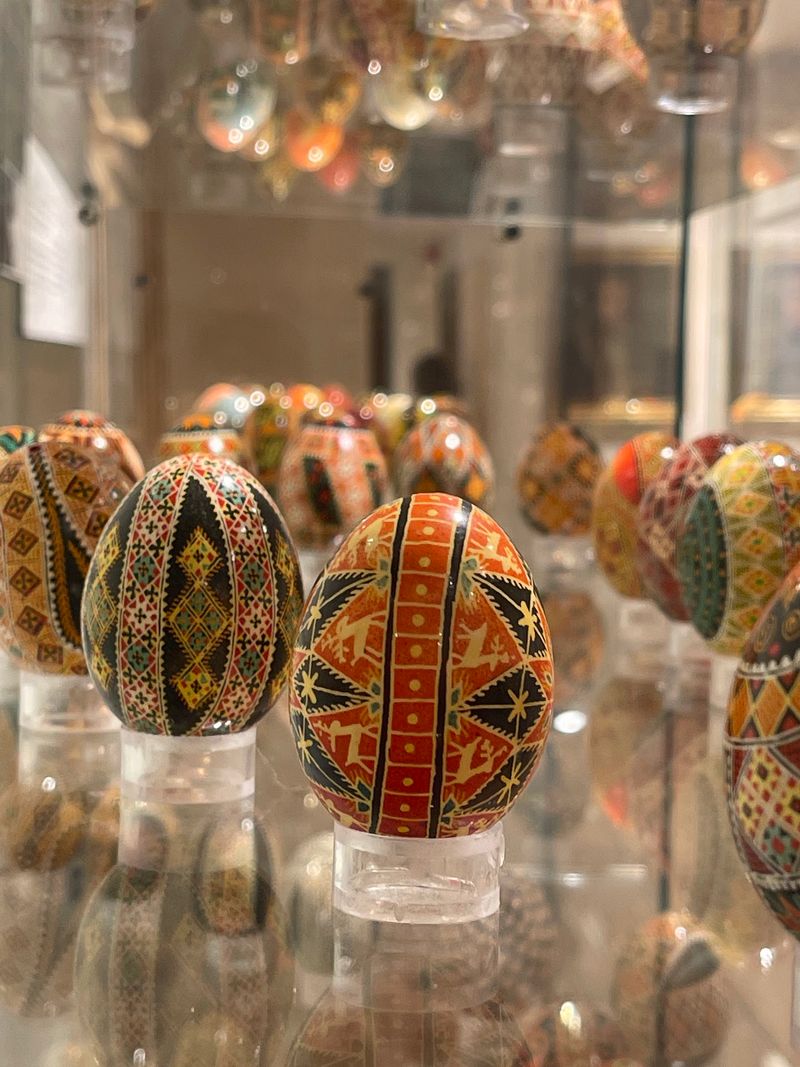
Did you know a single egg can hold an entire region’s artistic identity? At this museum, it absolutely can.
Traditional painted eggs, known as pysanky, show up throughout the galleries. Many are paired with textiles from the same region, so you can compare the patterns side by side.
Swirls, stars, and wheat-like designs repeat in ways that feel both ancient and surprisingly modern.
Staff members love explaining how these eggs are made and what the symbols mean. One past visitor learned all about the craft from the women running the museum and even bought a few wooden versions to bring home, a sturdier souvenir than the real thing.
Kids tend to be fascinated by how much detail fits on such a small surface. Grown-ups, honestly, are just as amazed.
It is easy to linger at these cases far longer than planned, trying to pick a favorite before giving up entirely.
Musical Instruments You Can Actually Hear
Here is a fun surprise: the instrument collection talks back. Several displays include QR codes, so you can pull out your phone and listen to sample sounds while you look.
Antique folk instruments fill this part of the museum, showing how music wove through daily life, celebrations, and storytelling in Ukraine. Hearing the tones makes the wood and strings feel alive rather than frozen behind glass.
The real showstopper, though, has a pop culture twist. On display is one of the instruments connected to Ukraine’s 2022 Eurovision win.
Visitors mention it with genuine delight, often adding a playful “yes, really” when describing it to friends. For music fans, this section alone justifies the trip.
Pop in some earbuds if you want a quieter listen, and give yourself time to compare how an old folk melody and a modern stage performance can share the same roots across many generations.
Guided Tours That Steal the Show
Ask anyone who has visited what they remember most, and the answer is rarely an object. It is almost always the guide.
Docents here offer personal tours that often last 45 minutes to an hour. Visitors describe them as knowledgeable, passionate, and genuinely warm.
One guide, Slava, comes up again and again for making Ukraine’s history engaging and easy to follow. Some guests even had their tour tailored to their own family heritage.
Guides connect the past with today, explaining how history shapes current culture and how Ukrainians continue to persevere. Many visitors say the experience helped them understand current events far better than headlines ever did.
The advice from past guests is simple: sign up for a guide. Wandering alone is pleasant, but a docent turns quiet displays into vivid stories.
Questions are welcomed, too, so come curious and do not be shy about asking whatever pops into your head.
Two Floors, Two Moods
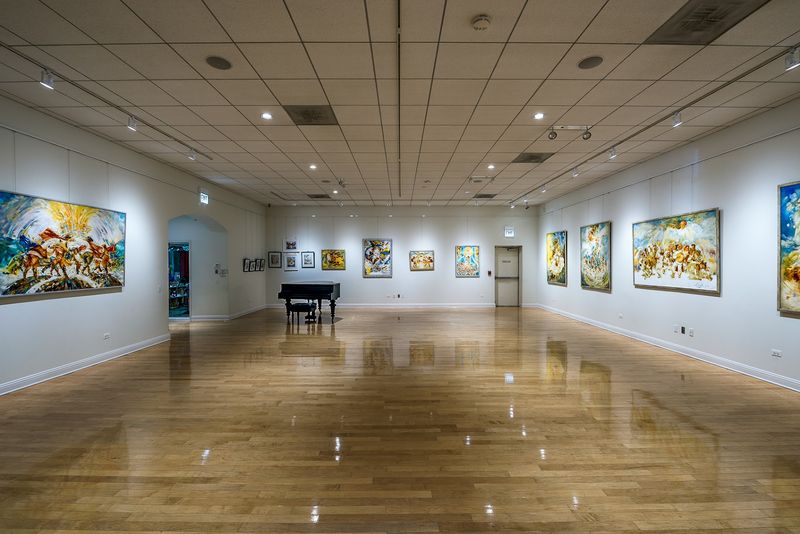
Start downstairs, and you might be surprised to find Chicago staring back at you. The first floor features delightful paintings of the city, plus a changing exhibit space up front that rotates periodically.
That rotating gallery has hosted things like a photography exhibit, so repeat visits can feel fresh. Visitors mention planning return trips simply because there will be something new to see.
Head upstairs and the mood shifts toward history. The second floor holds detailed historical information about Ukraine, including its long struggle for independence and difficult chapters such as the Holodomor of the 1930s.
Guides handle these topics thoughtfully, giving context without overwhelming younger guests. Regulars also point toward the library as a must for anyone hungry for deeper reading.
Together, the two floors balance color and reflection, art and memory, which makes the visit feel complete even in a compact building you could cross in a few minutes.
Small Rooms, Big Welcome
Cozy is the word that keeps coming up. Visitors call it small but charming, the kind of spot where you feel like a guest rather than a ticket number.
Staff greetings are sincere, and several people say they were blown away by how welcoming everyone was. One traveler walked in looking for a Ukrainian gift shop and stumbled onto the museum instead, then left amazed by the quality and amount of art on display.
Who will love it? History buffs, craft lovers, families with curious kids, and anyone following current events.
Travelers visiting Chicago find it an easy add-on, while Illinois locals get the thrill of discovering something right in their own backyard. Despite its modest size, more than one guest has called it among the best museums they have ever visited.
That kind of praise says plenty about the people inside and the care they pour into every visit.
Events, Movie Nights, and the Library
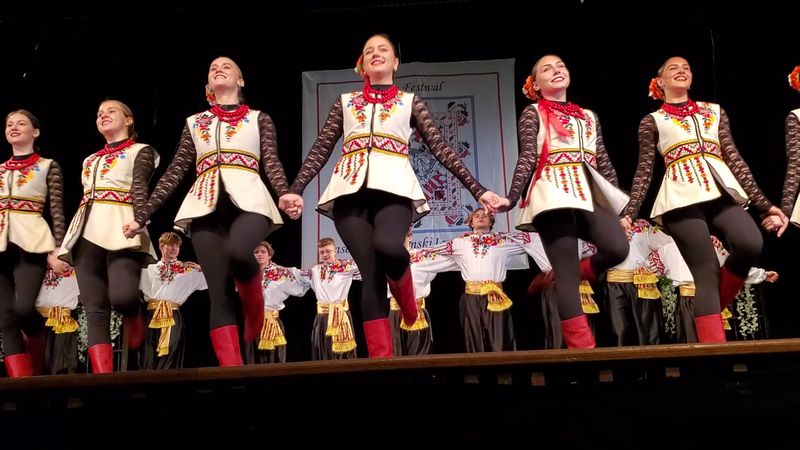
Most people come for the galleries, but those who stay connected discover a busier calendar than expected. According to regulars, the museum hosts events and movie nights fairly often.
Programs like these turn the building into a community hub rather than a place you visit once and forget. Locals in Ukrainian Village and beyond can return for screenings and gatherings that keep traditions active and conversations flowing.
Then there is the library. Visitors who explored it recommend it highly, especially paired with the detailed second floor.
Archival materials and books offer a deeper look for researchers, students, or anyone with a family connection to Ukraine. Supporting the museum also matters to many guests, who see it as a way to help preserve Ukrainian culture during a challenging time.
Checking the website before you go is a smart move if you hope to catch a special program during your trip.
Hours, Donations, and Getting There
Planning ahead pays off, since the doors are open only part of the week. Hours run Wednesday through Sunday, 11 AM to 4 PM, and the museum is closed Monday and Tuesday.
Cost is refreshingly gentle. A recent visitor described paying a $10 donation for a 45-minute personal tour, while an older visit noted a $5 admission with cash and cards accepted.
Calling ahead at 312-421-8020 or checking ukrainiannationalmuseum.org can confirm current details.
Getting there is straightforward. The address is 2249 W Superior St, Chicago, IL 60612, in the heart of Ukrainian Village and close to the United Center, so it pairs nicely with a game, concert, or neighborhood stroll.
Give yourself at least an hour, more if you take a guided tour. Weekend afternoons make for a relaxed outing, and Sunday visitors have mentioned receiving especially thorough tours from welcoming staff.
Why the Trip Is Worth It
Some places impress you with size. This one wins you over with heart, and that is a rarer thing.
For a modest donation, you get folk costumes, painted eggs, singing instruments, Chicago paintings, a deep library, and guides who treat your questions like gifts. Visitors keep saying they plan to return and bring friends, which may be the most honest recommendation of all.
For Illinois day-trippers, the Ukrainian National Museum feels like a neighborhood secret worth claiming. It rewards curiosity, it honors seven decades of heritage, and it might just change how you see the news.
Go on a slow weekend afternoon, sign up for a tour, and leave room for surprises. You will probably walk back onto Superior Street with a souvenir egg, a fuller understanding of a resilient culture, and the quiet urge to tell everyone you know about the little museum they somehow missed.
Share this story