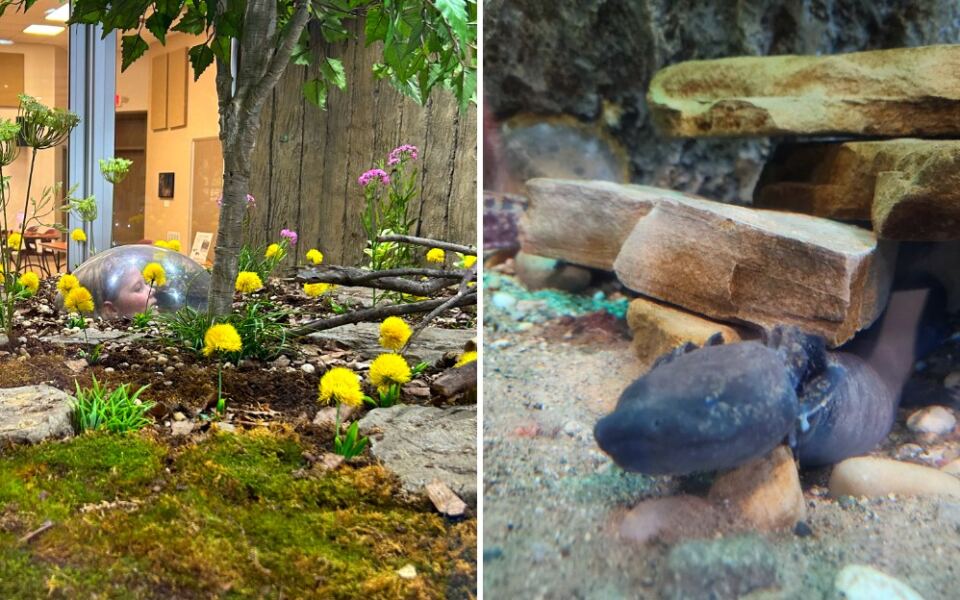
A salamander with feathery red gills, native Michigan turtles, and a working honeybee hive are among the surprises waiting at Belle Isle Nature Center in Detroit. Even better, admission is completely free.
Located on an island in the Detroit River, the center introduces visitors to wildlife they might never notice in Michigan’s lakes, wetlands, and forests. You can watch live reptiles and amphibians, observe birds, and explore outdoor nature trails without leaving the city.
One of the biggest attractions is the mudpuppy, an unusual salamander that spends its entire life underwater. There’s also an outdoor nature play area for children and plenty more to discover around Belle Isle Park.
The nature center itself is free, although vehicles entering the state park generally need a Michigan Recreation Passport. For families planning an affordable Detroit outing, this little-known attraction offers more than you might expect.
An Island Address Worth Knowing

Few cities can say their nature center sits on an island. Belle Isle Nature Center is located at 176 Lakeside Drive in Detroit, Michigan, on Belle Isle in the Detroit River.
The island is home to Belle Isle Park, a Michigan state park situated between Detroit and Canada. Visitors driving from the city reach it by crossing the MacArthur Bridge.
The nature center is a relatively small attraction within the much larger park. Its mission focuses on helping visitors understand the wildlife and natural habitats of southeast Michigan.
That local approach makes the experience especially interesting. Rather than concentrating on animals from distant continents, the center introduces visitors to creatures that inhabit the region’s rivers, wetlands, and woodlands.
Native reptiles and amphibians are among the highlights, alongside exhibits exploring birds, pollinators, and other parts of the local ecosystem.
Admission to the nature center itself is free. However, vehicles entering Belle Isle generally require a Michigan Recreation Passport.
Visitors arriving on foot, by bicycle, or by public transit do not need one.
The center’s regular hours are 10 a.m. to 5 p.m., with last admission at 4:30 p.m. It closes on New Year’s Day, Thanksgiving, and Christmas, so checking the schedule before visiting is a good idea.
Once inside, one of the most unusual residents is waiting in an aquarium.
Turtles Get a Starring Tank
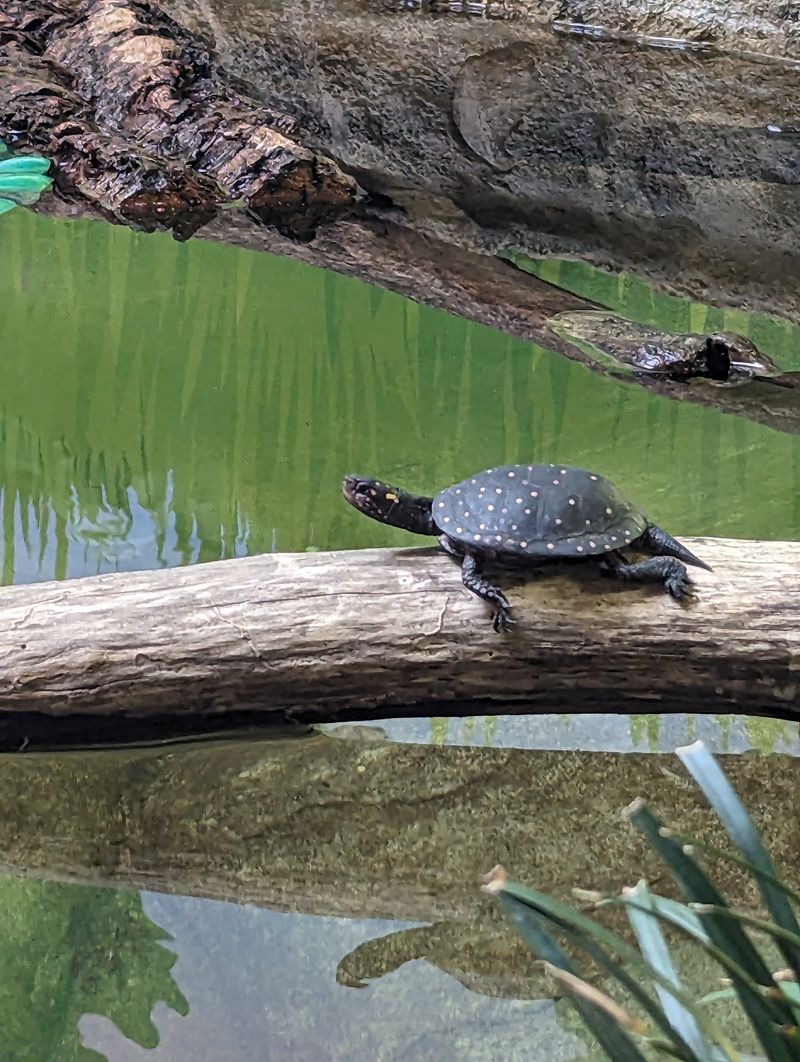
Turtles are crowd favorites here, and for good reason. The center keeps native turtle species in a roomy tank setup where you can watch them swim, paddle, and climb out onto logs.
Michigan is home to several turtle species, including painted turtles and snapping turtles. Seeing them indoors gives you a close look at their shells and markings without wading into a muddy pond.
Kids tend to press right up to the glass. That is part of the fun, since turtles move slowly enough for small children to follow along.
I would spend a few minutes just watching one turtle at a time. You start to notice how they use their back legs to steer and how they stretch their necks to breathe at the surface.
The tank also offers a quiet lesson. Many of these turtles depend on healthy wetlands, and Michigan has lost a lot of those over the years.
So the next time you see a turtle crossing a road near a pond, you might recognize the species. That kind of everyday knowledge is what this center hopes you take home, along with a fresh appreciation for slow and steady swimmers.
Say Hello to a Mudpuppy
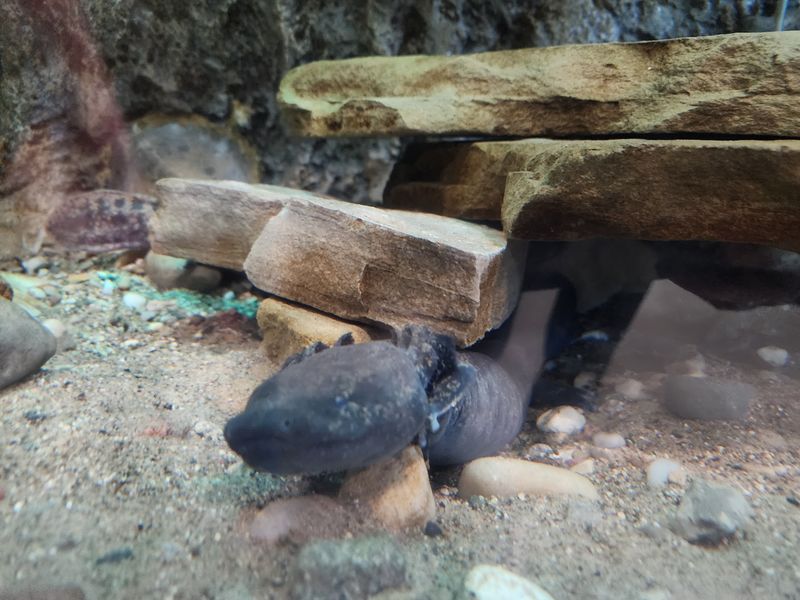
Bright red, feathery gills make the mudpuppy look almost like a cartoon character. It’s a real salamander, though, and one that naturally inhabits the Great Lakes region, including the Detroit River.
Unlike many salamanders, mudpuppies remain aquatic throughout their lives. They retain their external gills as adults and typically spend much of their time along the bottoms of lakes and rivers.
Their preference for underwater hiding places makes them difficult to spot in the wild. At Belle Isle Nature Center, an aquarium habitat gives visitors a much better opportunity to observe one.
The name mudpuppy comes from an old association between these salamanders and puppy-like sounds. Accounts of their vocalizations vary, so the story is best understood as part of the animal’s unusual reputation rather than a reliable description of its behavior.
Mudpuppies are also interesting to scientists studying freshwater ecosystems. Like other aquatic animals, they can be affected by habitat degradation, pollution, and changes in water conditions.
That doesn’t mean finding one automatically proves a river is clean. Their presence is simply one piece of information researchers can consider when studying aquatic habitats.
I like that such an unusual animal lives so close to a major city. It makes the Detroit River feel a little more mysterious.
And once you’ve met a mudpuppy, the other amphibians and reptiles at the center deserve a closer look too.
Frogs, Snakes, and a Crawl-Under Habitat
Some of Michigan’s most interesting animals are also among its easiest to overlook. Belle Isle Nature Center gives visitors a closer look at native amphibians and reptiles that might otherwise remain hidden in ponds, wetlands, and wooded areas.
Frogs, snakes, turtles, and salamanders help tell the story of the region’s biodiversity. Their exhibits encourage visitors to notice details such as markings, body shapes, and the different ways animals adapt to their habitats.
For children, seeing these creatures up close can make a big difference. A frog or snake that seems mysterious outdoors becomes easier to understand when there’s time to observe it carefully.
Michigan is home to several snake species, and most pose little danger to people. Many help control populations of rodents and other small animals.
The center’s displays offer a comfortable way to learn about them without disturbing animals in the wild.
I’d suggest turning the visit into a little wildlife challenge. See how many different animals you can identify, then look for information about where each one lives.
Some animals may be resting or hiding during your visit, so patience is useful. Even a small movement can reveal something interesting about how they behave.
It’s a simple lesson that carries beyond the building. The more you know about local wildlife, the more you begin noticing it outdoors.
A Beehive You Can Watch Safely
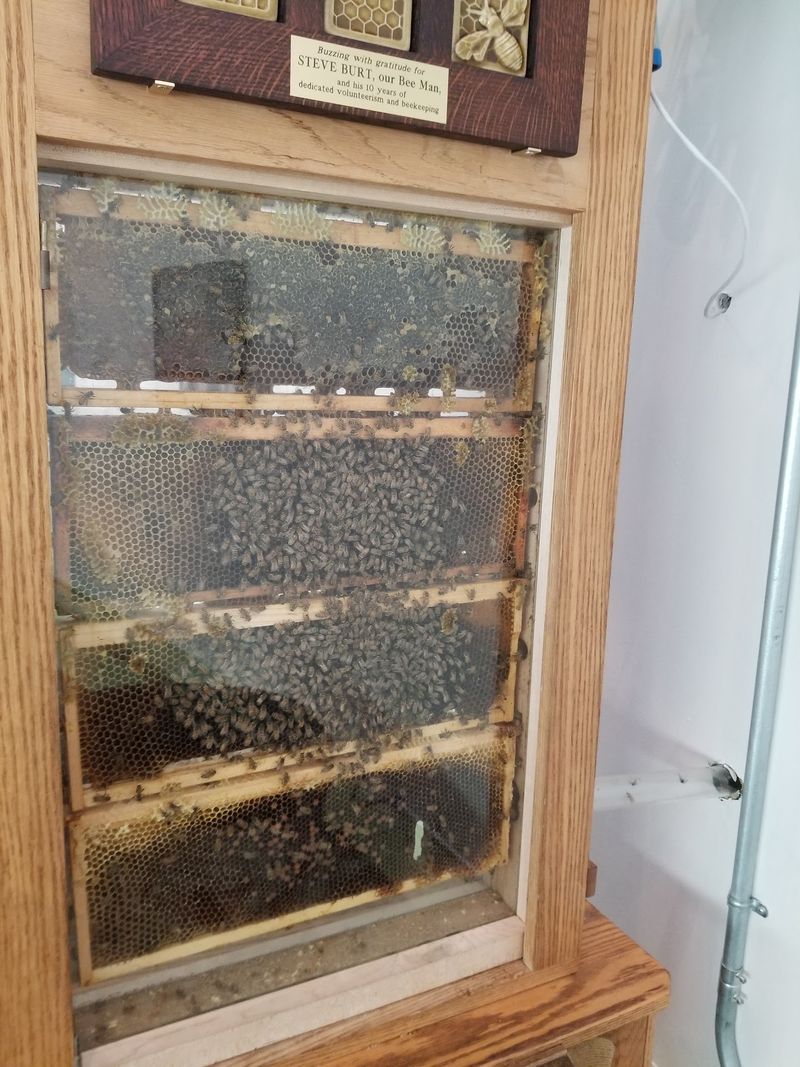
Honeybees are some of the busiest residents at Belle Isle Nature Center. An enclosed observation hive gives visitors a chance to watch a working colony from close range without disturbing the bees.
Through the viewing area, you can observe bees moving across the comb and interacting with one another. Depending on activity inside the hive, you may see workers tending to the colony or moving stored food.
Finding the queen can become a little challenge of its own. She’s generally larger than the workers, although spotting her among so many moving bees isn’t always easy.
Honeybees aren’t native to Michigan, but they play an important role in agriculture. They help pollinate crops such as apples, blueberries, and cherries.
Michigan also has many native bee species, which are important pollinators in natural habitats and gardens. Learning about honeybees provides a useful starting point for understanding the wider world of pollination.
The observation hive is especially appealing for visitors who feel nervous around flying insects. It offers a controlled way to study bees without approaching an outdoor colony.
I’d spend a few minutes simply watching their movements. There’s plenty happening inside a hive, even when it looks like a jumble of activity at first.
And after exploring the insects indoors, visitors can turn their attention to the birds living around the nature center.
Bird Feeders Behind the Building
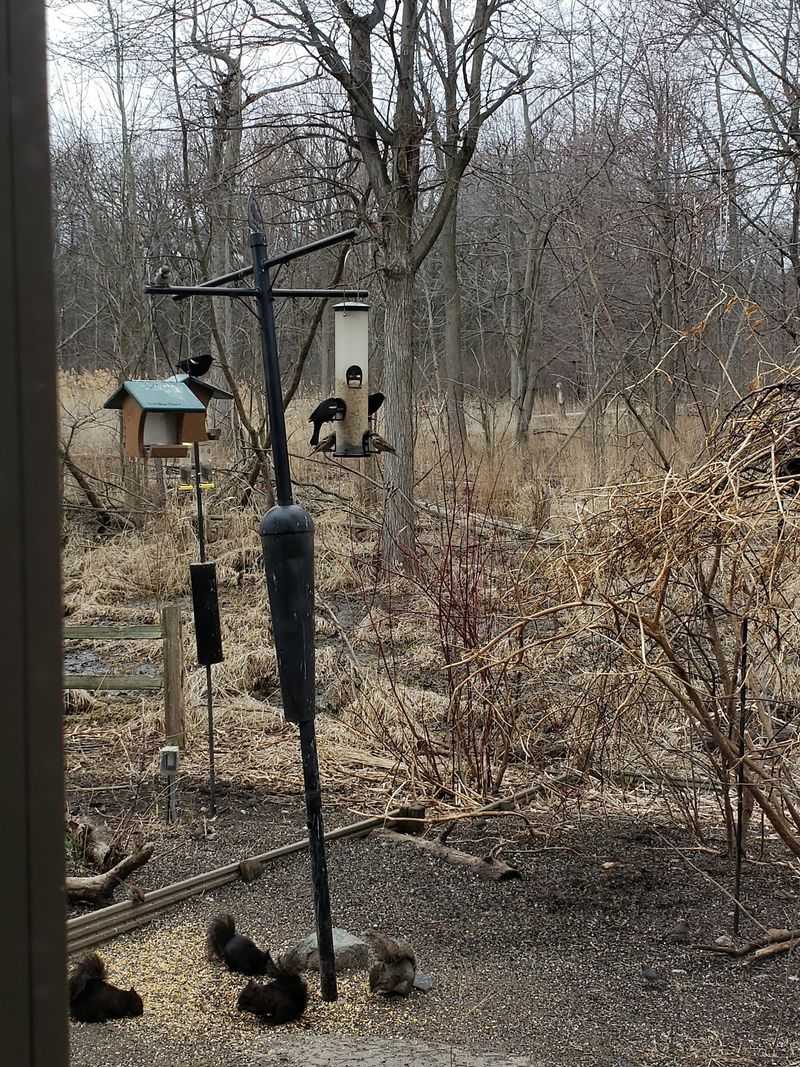
Some of the most entertaining wildlife at Belle Isle Nature Center doesn’t live in an exhibit. Wild birds visit the area around the building, and the center’s bird-viewing space gives guests an opportunity to observe them.
Belle Isle is a rewarding place for birdwatching because of its location in the Detroit River. Migrating birds pass through the region, while other species remain throughout the year.
Chickadees, cardinals, and woodpeckers are among the birds found in southeast Michigan. Which species you actually see will depend on the season, weather, and activity around the viewing area.
Watching from indoors can be especially pleasant when temperatures drop or the wind picks up. You can take your time identifying birds without needing to spend the entire visit outside.
A simple field guide or bird-identification app can make the experience more engaging. Children may enjoy keeping track of the different species they recognize.
The bird-viewing area also introduces an important idea: wildlife observation doesn’t always require traveling deep into the wilderness.
Sometimes the best way to notice animals is to sit quietly and give them time to appear.
Outside, Belle Isle offers more opportunities to explore the habitats that support these birds and other creatures.
Mud, Sand, and Outdoor Play
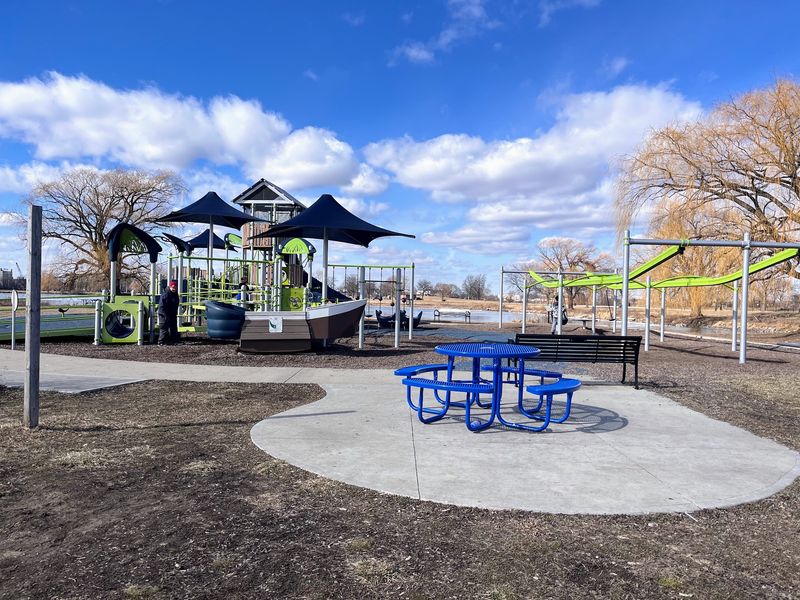
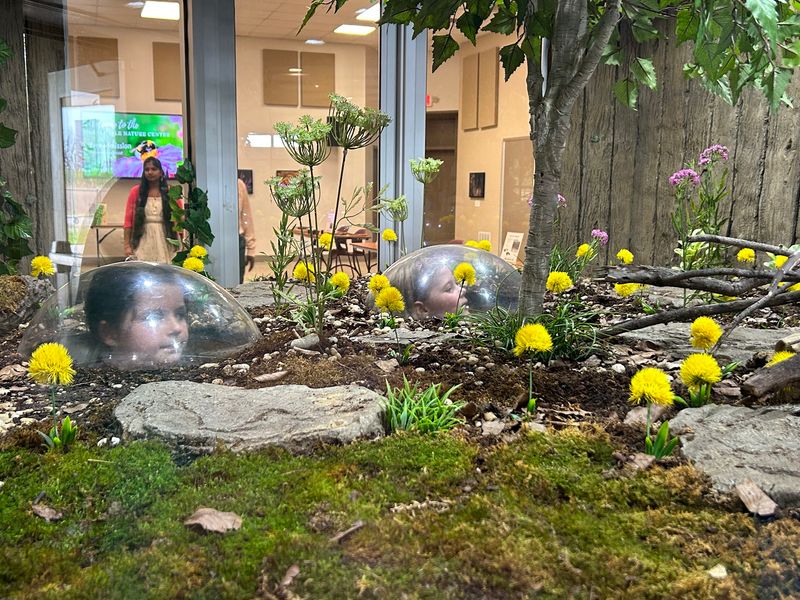
Not every part of a nature center needs to involve standing in front of an exhibit. At Belle Isle Nature Center, outdoor nature play gives children opportunities to explore, move around, and interact with their surroundings.
The designated play area encourages hands-on discovery rather than simply looking at displays. It’s a welcome change for young visitors who learn best when they can move, investigate, and use their imaginations.
Natural materials and outdoor spaces can turn ordinary play into an introduction to the environment. Children may become interested in plants, insects, or the different things they notice on the ground.
That kind of curiosity fits the center’s educational mission. The goal isn’t just to teach children animal names, but to help them feel comfortable exploring nature.
Parents may want to bring clothes suitable for outdoor play, particularly after wet weather. Comfortable shoes are also a good idea if the family plans to explore more of Belle Isle afterward.
Inside, the center offers educational displays that provide another way for children to engage with the natural world.
I like that the experience doesn’t require every visitor to approach learning in exactly the same way. Some children will spend their time studying the animals, while others may be most interested in exploring outdoors.
Either way, the nature center provides a starting point for discovering the island’s larger landscape.
Trails That Lead Into the Island Woods
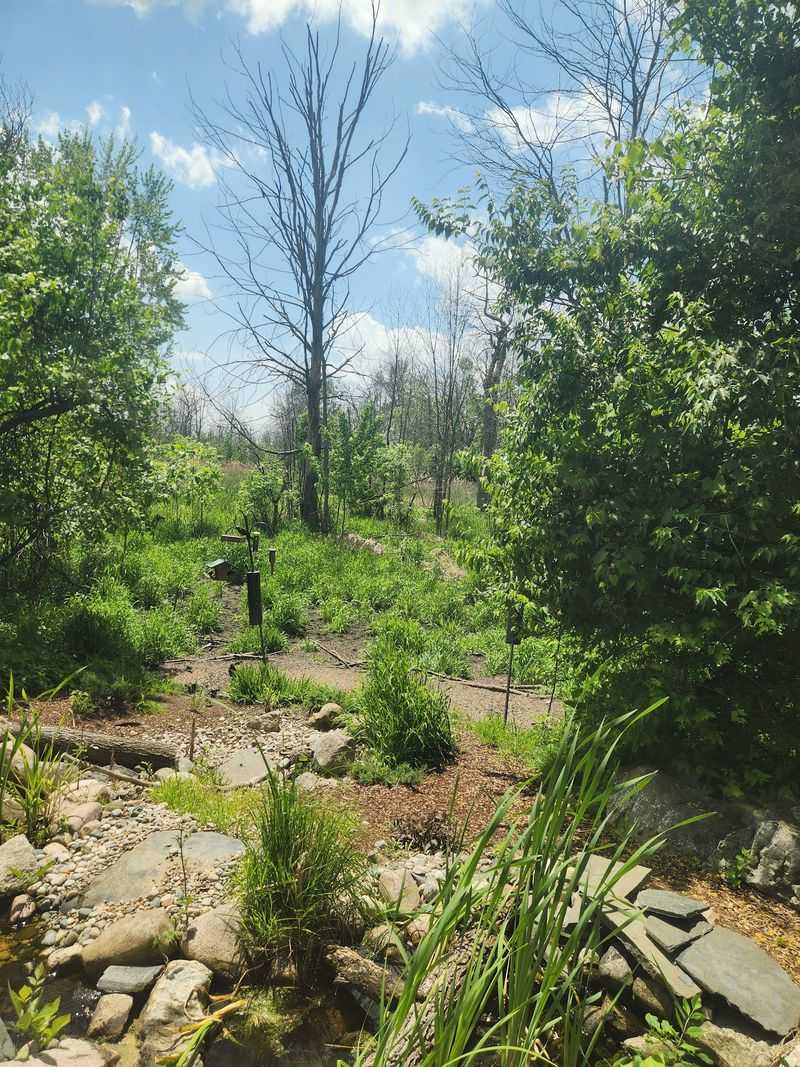
Belle Isle holds a surprising amount of forest for an island in a big city. Trails near the nature center lead into wooded areas where you can stretch your legs.
The island has wetlands and woods that support many native plants and animals. Walking these paths lets you see the habitats the indoor exhibits describe.
Wear sturdy shoes. Some paths can get muddy after rain, and spring is often the wettest season.
Bug spray is a good idea in summer. Mosquitoes love the island’s damp spots as much as the frogs do.
Keep an eye out for deer. They are often seen around the area, and spotting one is a highlight for many families.
I would combine the trails with a stop inside. Learn about an animal at the displays, then try to spot its home outdoors.
The center also runs educational programs and guided outings at times. Checking the schedule ahead of a trip can help you catch one.
After a walk, many people want a place to rest. Luckily, the area around the center is full of picnic spots and open space.
Free Admission With a Friendly Ask
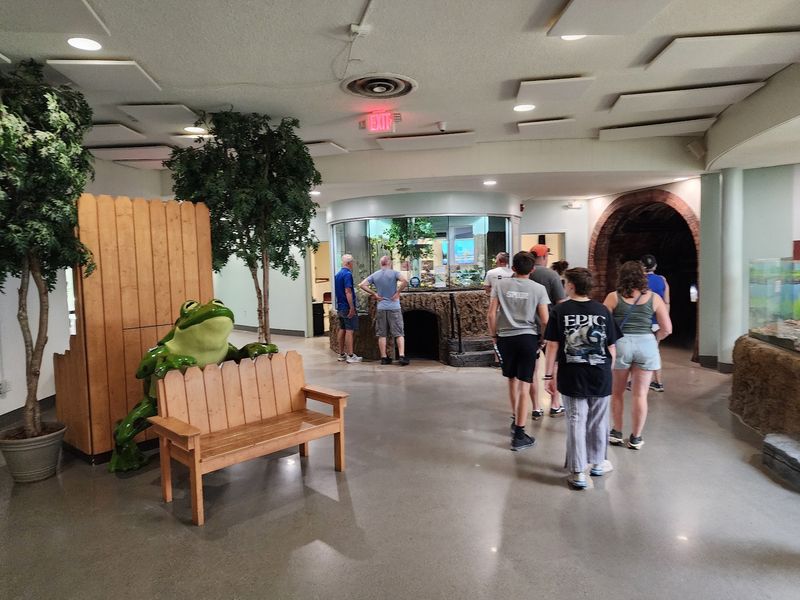
One of the nicest things about Belle Isle Nature Center is that visitors don’t need to purchase an admission ticket. Entry is free, making it an accessible option for families, school groups, and anyone curious about Michigan wildlife.
You can stop in for a short visit or spend more time exploring the exhibits without worrying about an admission charge.
The center also accepts donations to support its work. Caring for live animals, maintaining exhibits, and providing educational programs all require resources, so contributions can help support those efforts.
There’s one important distinction to understand before arriving. Although the nature center is free, most vehicles entering Belle Isle Park need a Michigan Recreation Passport.
Michigan residents can purchase the passport through the state’s vehicle registration process or other authorized channels. Visitors entering the island on foot, by bicycle, or by public transit do not need a Recreation Passport.
Inside, the center focuses on wildlife education, with exhibits introducing visitors to animals and habitats found in the region.
Staff and educational materials can help answer questions about the animals and the surrounding environment.
The center is generally open from 10 a.m. to 5 p.m., with last admission at 4:30 p.m. It closes on New Year’s Day, Thanksgiving, and Christmas.
With no separate admission fee for the nature center, it’s easy to combine a visit with other attractions around Belle Isle.
And there’s certainly enough on the island to fill the rest of an afternoon.
Share this story