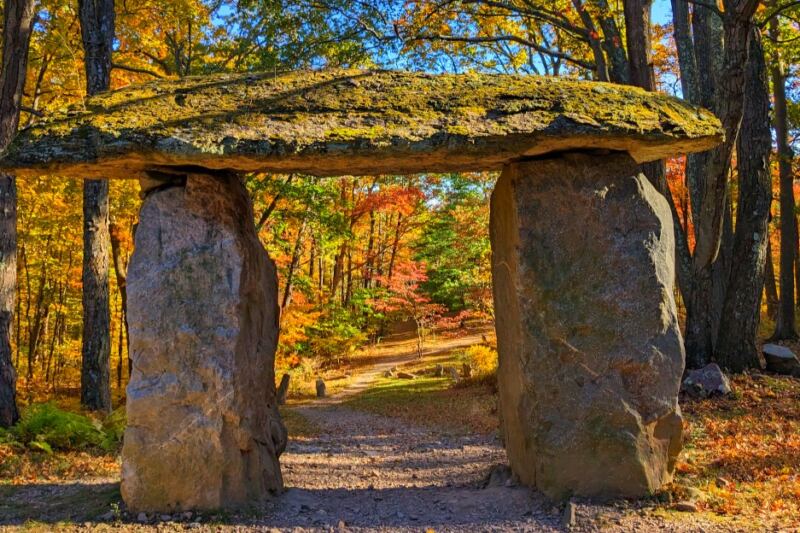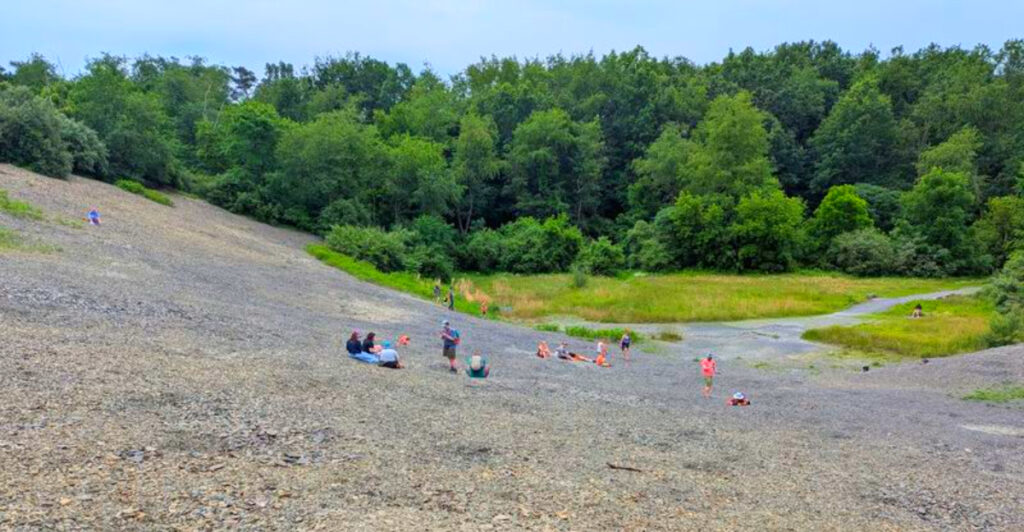
Near Danville, a free 1,200-acre preserve hides one of central Pennsylvania’s most unusual outdoor adventures. Visitors can search for 395-million-year-old fossils, explore more than 15 miles of trails, watch for bald eagles around a 165-acre lake, and even walk through a scale model of the solar system.
The biggest surprise is a fossil pit where ancient marine remains can be uncovered from exposed shale – and visitors can keep what they find. With forests, wetlands, wildlife, and plenty of room to explore, this overlooked destination offers far more than an ordinary day in nature.
Where Exactly This Preserve Is and Why It Matters
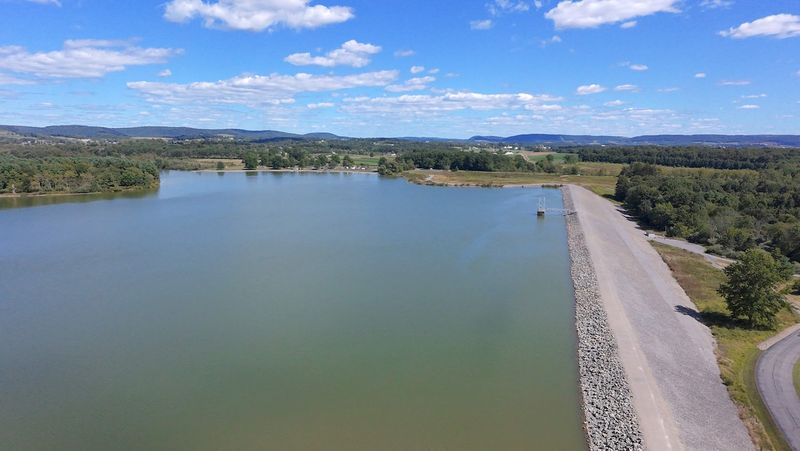
Montour Preserve sits at 374 Preserve Road, Danville, PA 17821, in Montour County, tucked into a quiet corner of central Pennsylvania near the small community of Washingtonville. The Montour Area Recreation Commission, known as MARC, manages the property, and they do a remarkable job keeping it clean, well-marked, and welcoming to visitors of all ages.
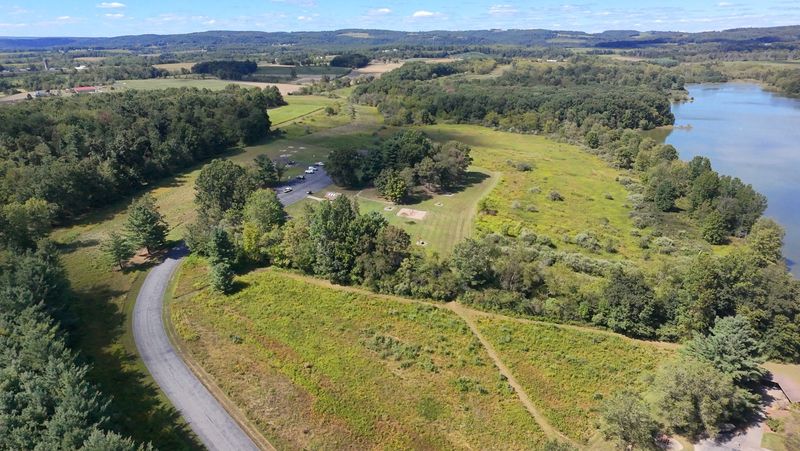
The preserve covers approximately 1,200 acres in total, with a dedicated 640-acre nature preserve area at its heart. That heart, quite literally, is Lake Chillisquaque, a 165-acre reservoir that shapes everything around it, from the trail network to the wildlife habitats to the recreational activities available on the water.
Admission is completely free, and the preserve is open daily from dawn to dusk, which makes spontaneous visits very easy to pull off. The Visitor Center operates from 8 AM to 4 PM daily. Whether you live nearby or are passing through central Pennsylvania, this place rewards every single visit with something new to discover.
The Fossil Pit That Takes You Back 395 Million Years
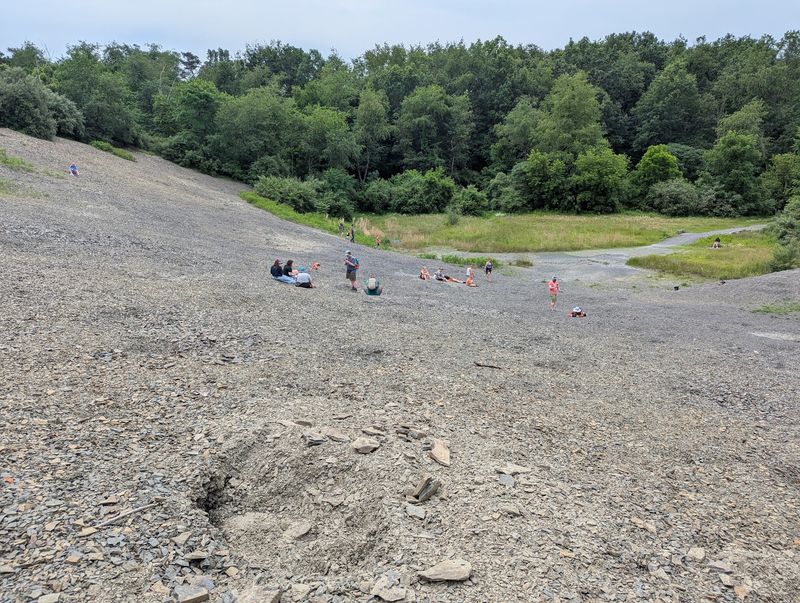
There are not many places in the United States where you can legally dig up ancient sea creatures and take them home for free, but the Fossil Pit at Montour Preserve is exactly that kind of place. The site is located at 160 Sportsmans Road, Danville, PA 17821, and covers about one acre of exposed Mahantango Formation shale.
The fossils here date back to the Devonian Period, roughly 395 million years ago, when this entire region of Pennsylvania sat beneath a warm, shallow sea. Brachiopods are the most common find, often called lamp shells, and they turn up in impressive numbers. Pelecypods, which are ancient relatives of modern clams and mussels, also appear regularly, along with fragments of trilobites, various corals, bryozoans, crinoids, gastropods, and cephalopods.
Complete trilobite specimens are rare, which makes finding even a fragment feel like a small victory. The pit is open year-round from dawn to dusk, and everything you unearth is yours to keep, making it one of the most uniquely rewarding outdoor activities in the state.
What to Pack Before You Start Digging
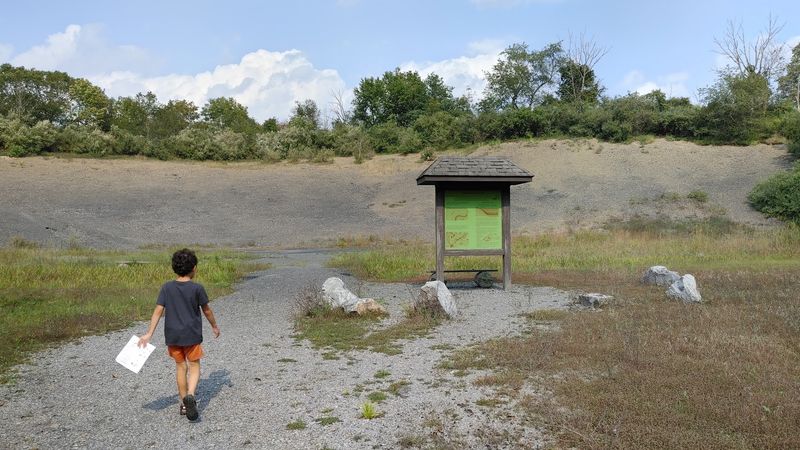
The Fossil Pit rewards preparation, and showing up without the right gear can turn a fun afternoon into a frustrating one. A small geologist’s hammer and a chisel are the most useful tools for splitting shale and exposing fossils hidden inside. Safety goggles are strongly recommended because shale fragments can fly in unpredictable directions when struck.
A soft brush helps clear debris from a newly found specimen without scratching it, and a bag or bucket gives you somewhere to collect your finds. Wrapping delicate pieces in newspaper before placing them in your bag prevents breakage on the way home. The shale edges can be surprisingly sharp, so sturdy closed-toe shoes and long pants are a smart call.
The Fossil Pit has very little shade, which becomes noticeable quickly on a warm day. Sunscreen, a hat, and plenty of water are not optional extras here. Dogs are not permitted at the Fossil Pit or on the preserve trails, with the exception of service animals, so plan your visit accordingly.
Over 200 Bird Species and the Eagles That Call This Lake Home
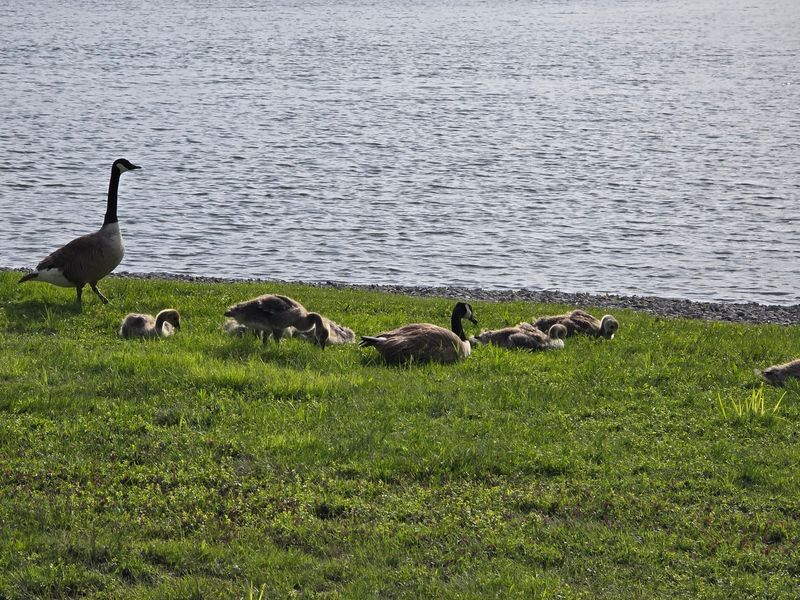
Birdwatchers who visit Montour Preserve tend to leave with their notebooks full. More than 200 species of birds have been recorded here, and the variety of habitats, including forests, open fields, wetlands, ponds, creeks, and the lake itself, creates ideal conditions for an enormous range of species throughout the year.
A nesting pair of bald eagles has made the preserve their home, and spotting them soaring low over Lake Chillisquaque is the kind of moment that stops you mid-stride. During spring and fall migrations, warblers like the Magnolia Warbler pass through in good numbers, along with hawks, geese, and various duck species. Tundra swans make a particularly spectacular appearance during their migration, stopping at the lake in November and again from late February through late March.
Two wildlife observation blinds along the lakeshore give visitors a closer look at waterfowl without disturbing them, though a permit from the preserve office may be required to use them. The diversity here is genuinely hard to match anywhere else in central Pennsylvania.
The Lake That Was Built for a Power Plant and Became So Much More
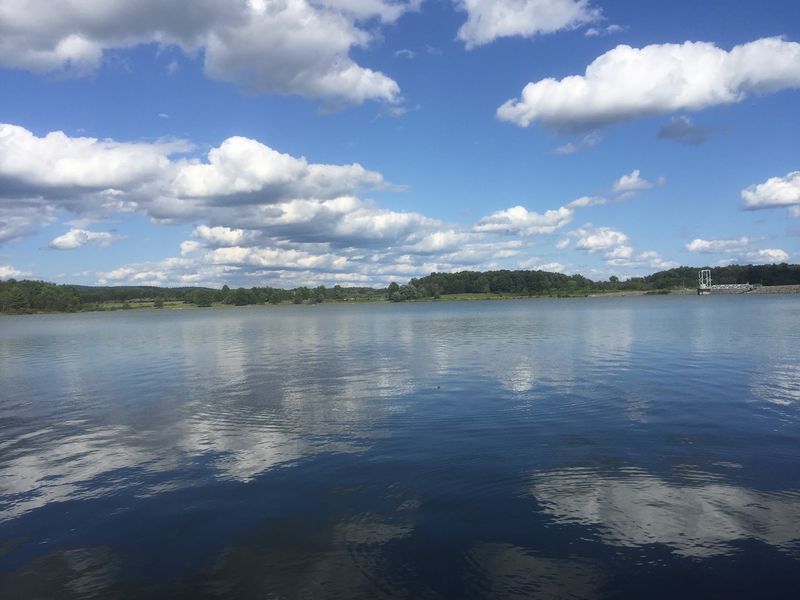
Lake Chillisquaque has an origin story that most visitors would never guess. The 165-acre reservoir was created in 1972 to serve as a backup cooling source for a nearby power plant. Today, it functions as the scenic centerpiece of one of central Pennsylvania’s most beloved outdoor destinations, which is quite a career change for a body of water.
The lake is open for kayaking, canoeing, and stand-up paddleboarding, and its sheltered, calm surface makes it especially welcoming for beginners. Only electric motors are permitted on the water, which keeps the lake quiet and peaceful in a way that motorized lakes rarely manage. Kayak rentals are available on-site, making it easy to get out on the water without hauling your own gear.
Fishing draws a steady crowd as well, with bluegill, crappie, yellow perch, bass, northern pike, and catfish all present in the lake. A fishing pier provides shoreline access for anglers without boats. Boating is restricted from March 15 to April 30, and the Goose Cove refuge area remains closed to boating year-round to protect nesting wildlife.
Trails for Every Pace, From Gentle Loops to Rocky Climbs
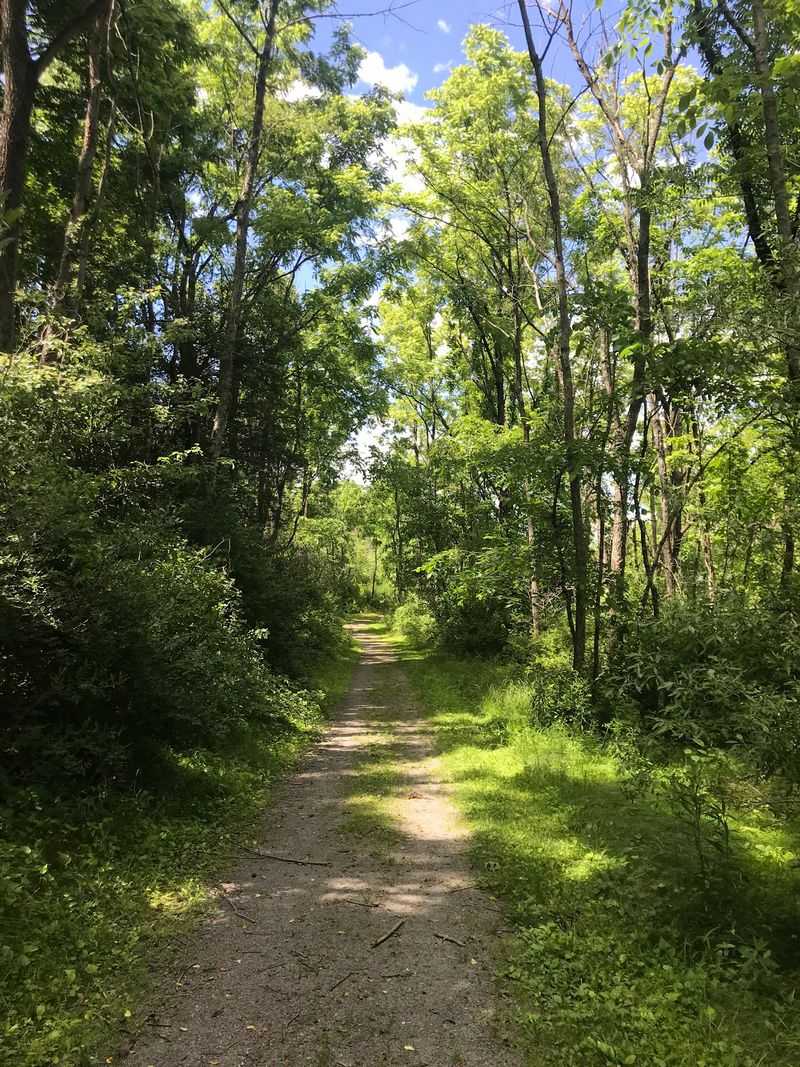
More than 15 miles of well-maintained trails wind through Montour Preserve, covering a range of terrain that suits everyone from casual walkers to serious hikers. The trail system is pedestrians-only, with no bikes, horses, or motorized vehicles permitted, which keeps the paths quiet and the wildlife undisturbed.
The Chilisuagi Trail is the most popular route, a loop that circles Lake Chillisquaque over approximately 3.8 to 4.7 miles. Most people complete it in one to two hours, and the lakeside views along the way make the time feel shorter than it actually is. For families with young children, the 0.2-mile Hummingbird Trail offers a short, accessible stroll through wildflower-filled surroundings where wildlife sightings are common.
The 0.9-mile Goose Woods Trail meanders through the preserve’s maple sugaring area on a soft mulch surface, making it one of the most pleasant easy walks on the property. Hikers who want a genuine physical challenge can head to the 5.5-mile Challenge Trail, which features steep climbs and rocky terrain that will test your legs and reward you with satisfying views at the top.
The Planet Walk That Scales the Solar System on Foot
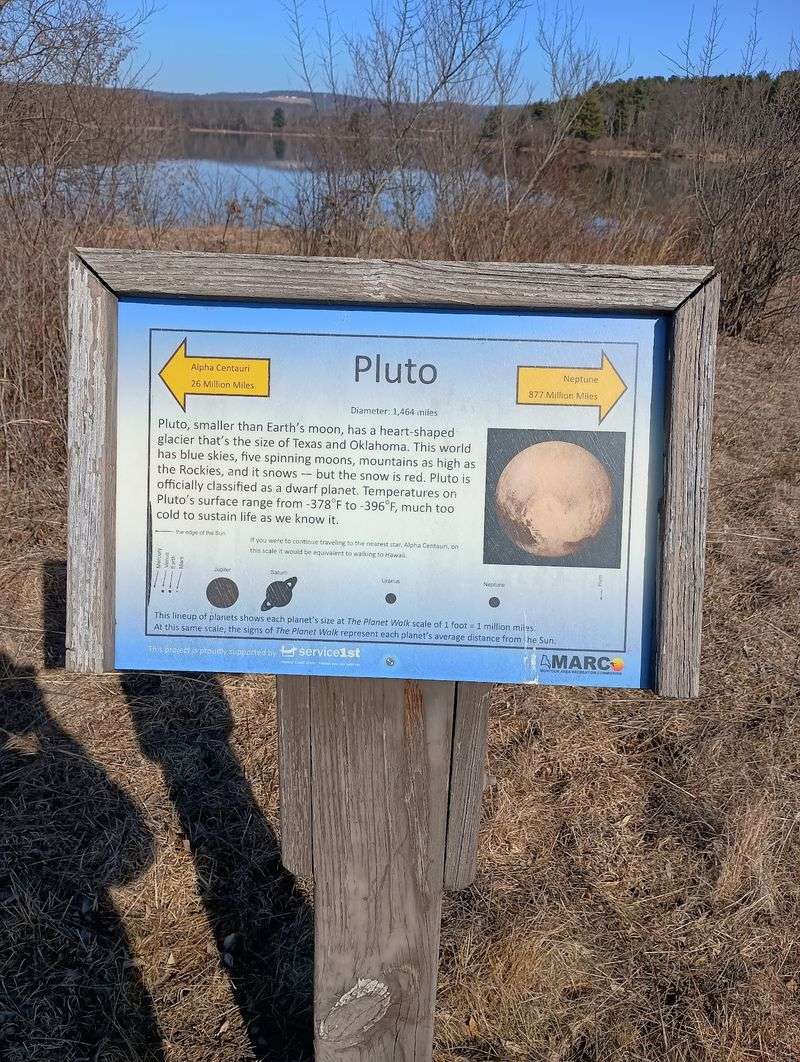
Hidden among the trail options at Montour Preserve is one of the quirkier outdoor experiences you can have in Pennsylvania. The Planet Walk is a three-quarter-mile interpretive trail that represents the solar system to scale, starting at the sun and ending all the way out at Pluto. Each planet appears along the path at a distance proportional to its actual position in space.
What makes this trail genuinely interesting is how it translates those enormous astronomical distances into something a person can physically experience. By the time you reach the outer planets, you have a much better sense of just how vast the solar system actually is, and that understanding comes from walking it rather than reading about it.
Families with curious kids find this trail particularly engaging because it turns abstract science into a tangible outdoor adventure. The walk is easy enough for all ages and short enough to complete without much effort, making it a natural add-on to any visit. It is the kind of unexpected feature that makes Montour Preserve feel like more than just a typical nature area.
Maple Sugaring, Cross-Country Skiing, and Year-Round Reasons to Return
Montour Preserve has a way of offering something genuinely new no matter what time of year you show up. In late winter and early spring, the maple sugaring operation becomes one of the most popular draws on the property. The preserve runs a working sugar shack and hosts seasonal demonstrations that show visitors exactly how maple syrup moves from tree to table.
The Goose Woods Trail passes directly through the maple sugaring area, which means even a casual walk during that season puts you right in the middle of the action. The smell alone is worth the trip. When winter settles in and snow covers the trails, cross-country skiing takes over as a favorite activity, and the groomed trails draw regular visitors who appreciate having a local spot that stays active through the colder months.
Ice fishing on Lake Chillisquaque also becomes an option in winter, giving anglers a reason to bundle up and head out even when temperatures drop. The preserve’s calendar shifts with the seasons in a way that keeps it feeling fresh on every return visit.
A Visitor Center That Feels More Like a Natural History Museum
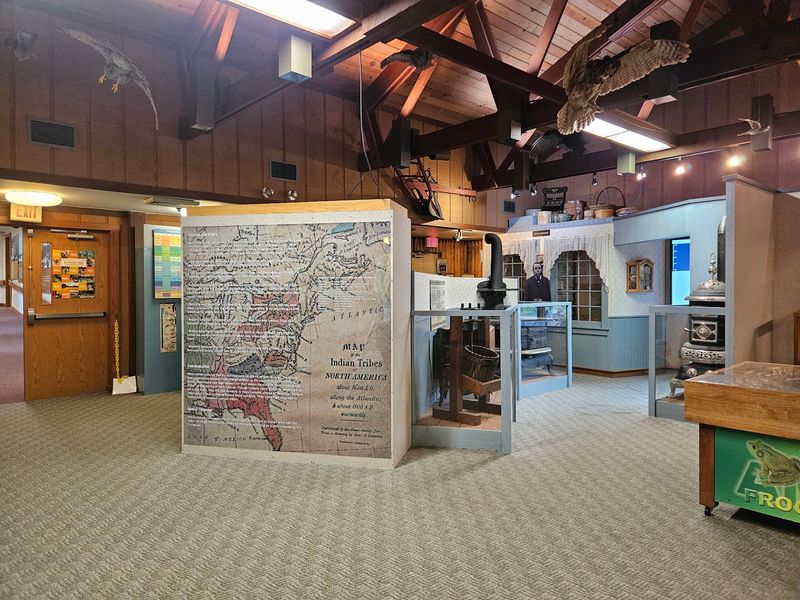
The Visitor Center at Montour Preserve consistently surprises people who wander in expecting a simple information desk. The building functions more like a compact natural history museum, with exhibits covering Pennsylvania wildlife, local geology, cultural history, and the ecological systems that make the preserve so diverse and productive.
A large area dedicated to taxidermy mounts showcases the local animal species in remarkable detail, and the displays are arranged to be genuinely educational rather than just decorative. Visitors have learned about species here that they had never encountered before, including the Eastern Hellbender, a large native salamander that few people outside of Pennsylvania are familiar with. Interactive displays and hands-on exhibits make the center especially engaging for younger visitors.
The center also hosts classes and educational programs several times each week, making it a resource for schools, families, and curious individuals alike. Hours run from 8 AM to 4 PM daily, with some adjustments during winter months. Even a quick stop inside adds meaningful context to everything you see on the trails and at the water.
Wildlife Beyond Birds: Deer, Turtles, and Unexpected Encounters
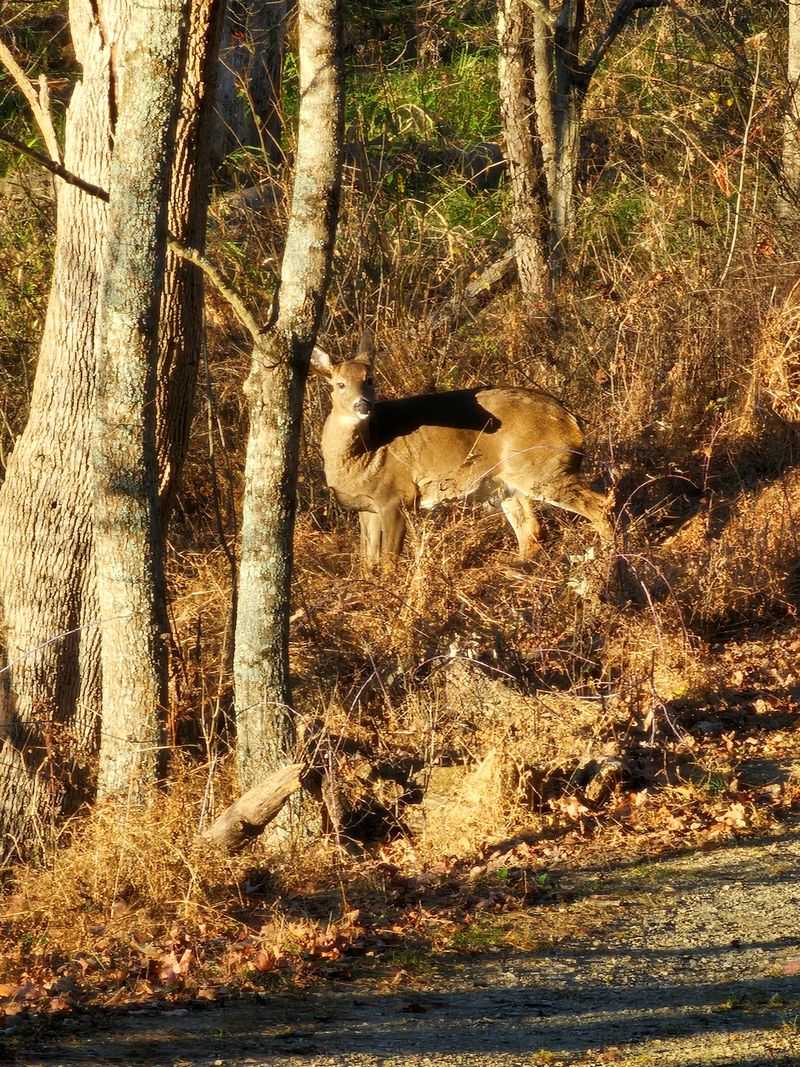
The birdlife at Montour Preserve gets a lot of attention, and rightfully so, but the wildlife list extends well beyond feathered species. White-tailed deer are common throughout the preserve’s forests and field edges, and early morning visitors frequently spot them grazing in the open areas near the lake. Wild turkeys, rabbits, and mink also inhabit the property, and patient observers can sometimes catch a glimpse of mink moving along the water’s edge.
The preserve is also home to one of Pennsylvania’s more elusive and endangered reptiles: the bog turtle. These small turtles rely on the wet meadow and boggy habitats found within the preserve, and while sightings are not guaranteed, knowing they are out there adds a layer of ecological significance to every walk through the wetland areas.
Frogs are abundant around the lake and ponds, particularly in spring and early summer when their calls fill the air in the evenings. The diversity of habitats, from open water to dense forest to scrubby field edges, creates a patchwork that supports an impressive range of animal life in a relatively compact area.
Practical Tips for Planning the Perfect Visit
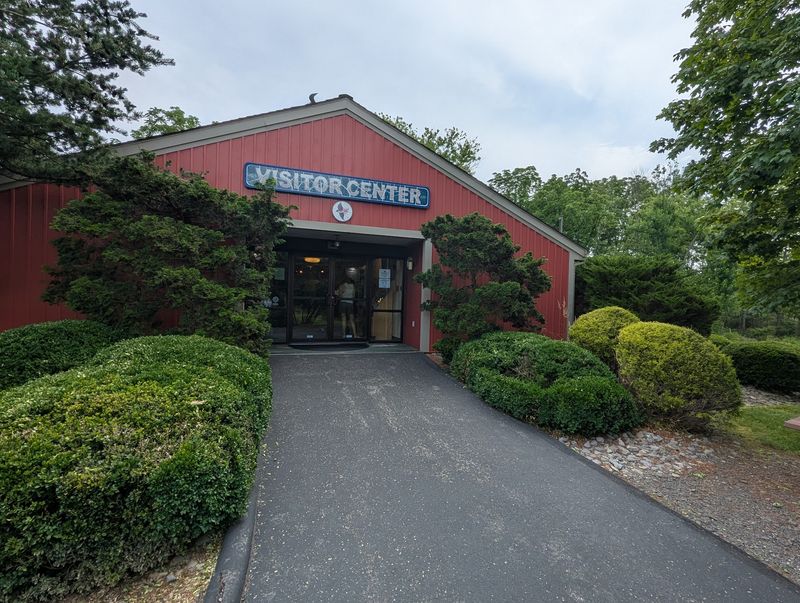
A little planning goes a long way at Montour Preserve, and a few practical details can make the difference between a smooth outing and a frustrating one. Cell phone service is unreliable in some areas of the preserve, so downloading trail maps or the preserve’s information before you leave home is a genuinely useful step. The preserve’s website and Google Maps listing provide accurate hours and contact information, and the phone number for the Visitor Center is 570-336-2060.
No restaurants or stores operate immediately at the preserve, so packing a picnic lunch and enough water for the day is the right move. Danville, the nearest town with a full range of dining and shopping options, is a short drive away. Turbotville is slightly closer and has basic amenities including a gas station and a couple of restaurants if you need a quick stop.
Remember that dogs are not allowed on the trails or at the Fossil Pit, with service animals being the only exception. Arriving early on weekends gives you the best chance of finding parking easily and enjoying the trails before the crowds build up later in the morning.
Share this story