George Washington stopped for lunch in a modest New Jersey house on his way to becoming president. Today, you can walk through those same rooms without paying a single cent.
The meal happened in April 1789, just days before his inauguration in New York. His host was a founding father most people have never heard of, which makes the story even more fun to uncover.
I like how this place skips the velvet ropes and fancy ticket booths. Instead, you get a guided walk through two floors of rooms, usually led by someone who clearly loves every date and detail.
There’s also a backstory about a community that refused to let the building vanish. I can’t imagine a cheaper way to stand where Washington once paused for a meal, so why do so few people know it exists?
An Eighteenth-Century Home Holding Its Ground in a Busy City
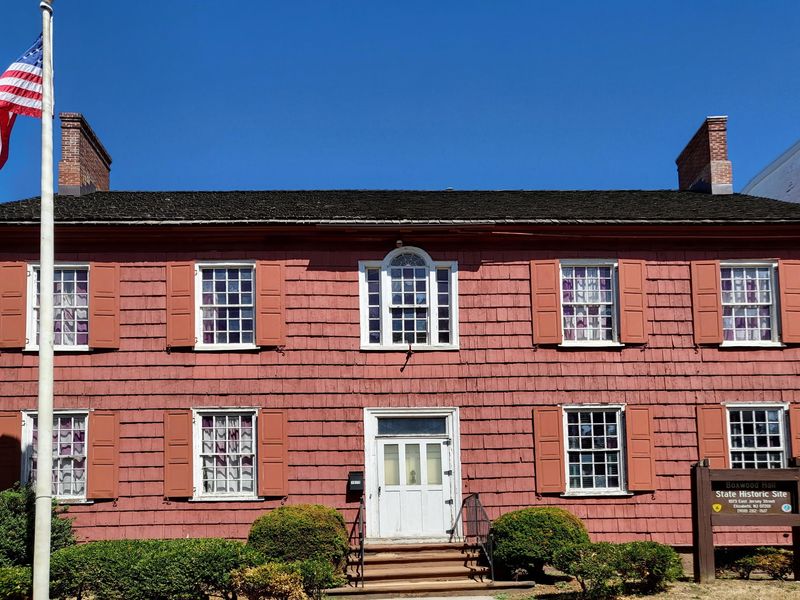
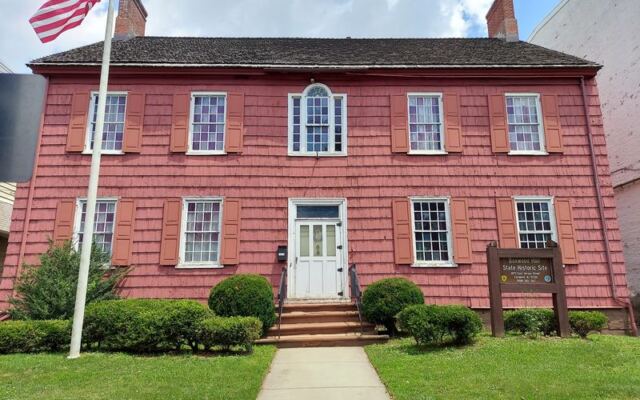
Plenty of New Jersey towns claim a little Revolutionary history, but few can point to a lunch guest quite like this one. Boxwood Hall State Historic Site sits on a city street in Elizabeth, surrounded by modern life on every side.
The house dates to the mid-1700s, back when the town was known as Elizabethtown. That makes it older than the country itself, which is a wild thought when cars roll past outside.
Today the state of New Jersey runs it as a historic site and small museum. It’s open on weekdays for guided visits, and the price of admission is a happy zero.
One Spanish-speaking visitor summed it up as an eighteenth-century structure that gives the city a cultural identity. That feels right, because the building quietly anchors a neighborhood that has changed enormously around it.
The outside looks fairly plain compared with grand mansions elsewhere. Step through the door, though, and you start meeting the people who shaped the early United States.
Consider it a time capsule with a front porch. Local residents may drive past it often without realizing a future president once ate there.
The Forgotten Founding Father Who Called Boxwood Hall Home
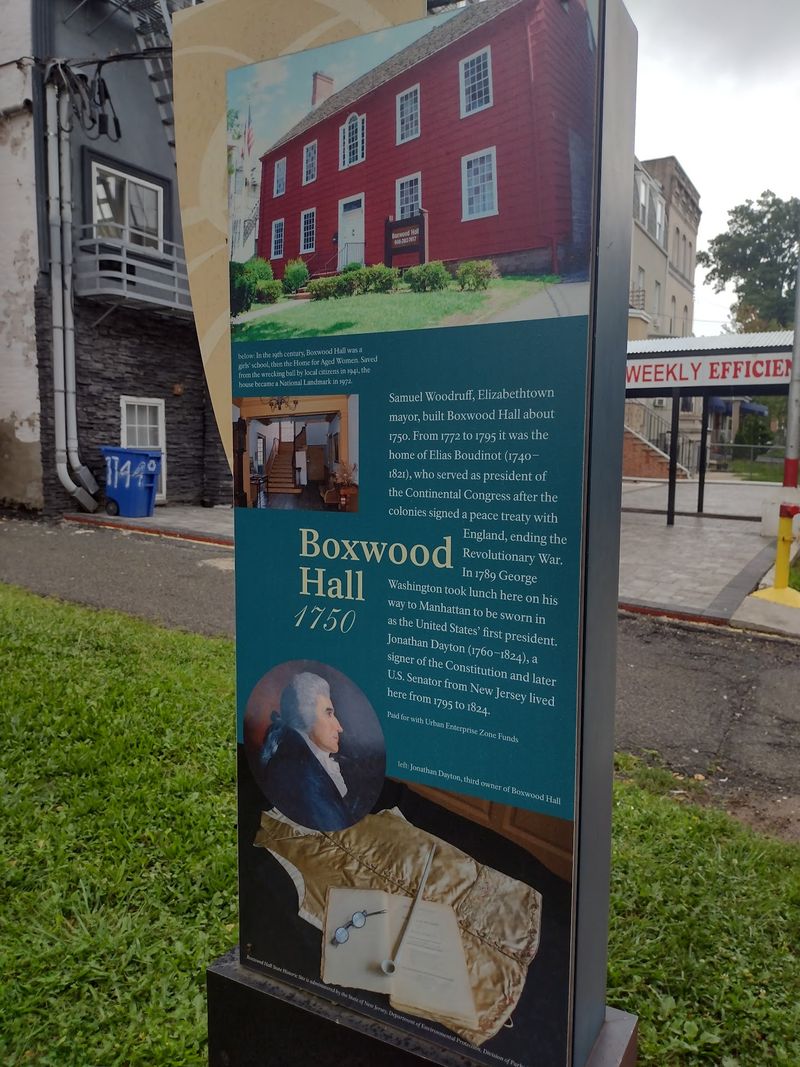
Elias Boudinot once held a title that sounds a lot like president. He served as President of the Continental Congress in the early 1780s, years before the Constitution created the modern office.
Boudinot lived at Boxwood Hall, and his story gives the house its main personality. He was a lawyer, a statesman, and a busy figure in the young nation’s politics.
Somehow his name slipped out of most classroom lessons. That’s a big part of the charm here, since you get to discover someone who mattered far more than his fame suggests.
Think of him as the founding father who never got his own musical. His connections linked him to leaders whose names still fill history books today.
His friendships also explain why Washington knew exactly where to stop in Elizabethtown. A trusted host with a comfortable home was a smart choice for a traveling general.
Learning about Boudinot feels a little like finding a missing puzzle piece. Once you hear his story, the early years of the republic make a lot more sense, and his house becomes the perfect place to hear it.
A Presidential Lunch Break Before the Big Day
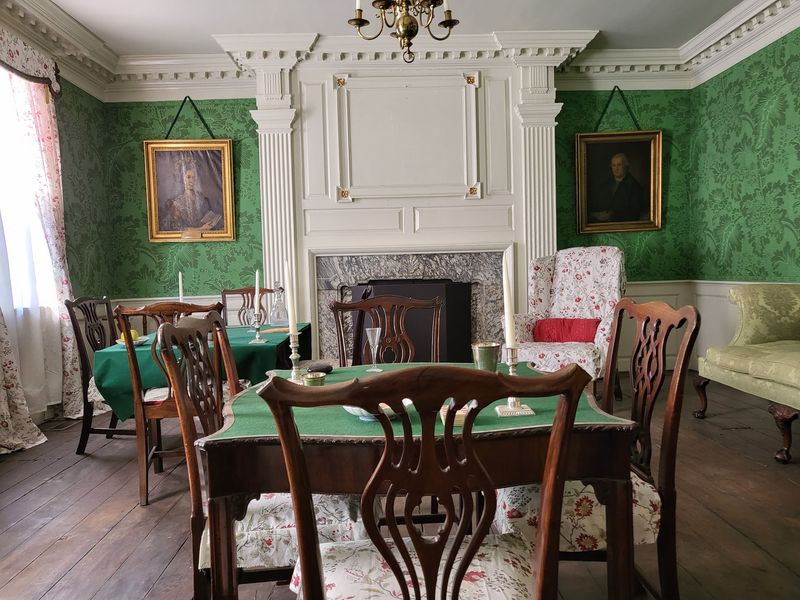
April 1789 was a busy month for George Washington. He was traveling to New York to take the oath as the first President of the United States.
Along the route, he stopped in Elizabethtown and enjoyed a luncheon at Boxwood Hall with Elias Boudinot. From there, he continued toward the barge that would carry him across the water to New York.
So yes, this is the house where the future president grabbed a meal before his career changed forever. That detail alone makes it worth a detour for any history fan in New Jersey.
It’s fun to imagine the nerves and excitement that day. Washington was heading into a job nobody had ever done before, with no instruction manual waiting for him.
Standing in the rooms connected to that moment brings the story down to human size. Big historic events often come with small, ordinary details, like a lunch break among friends.
Guides at the site can walk you through how the visit fit into the larger journey. That context turns a quick anecdote into a vivid snapshot of a nation getting started.
Neighbors Who Saved a Landmark From the Wrecking Ball
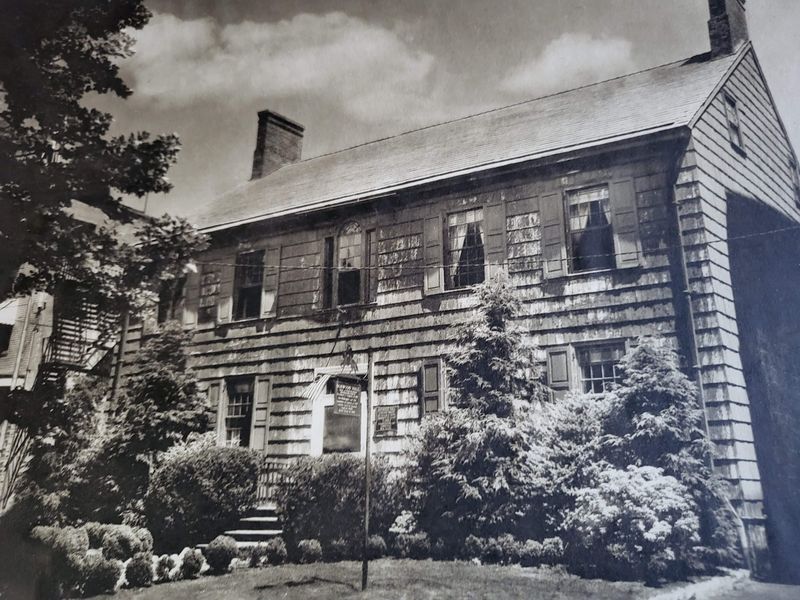
Here’s a plot twist worth cheering for. Nearly a century ago, this historic house faced the real possibility of being torn down.
The community stepped in and saved it. Thanks to that effort, Boxwood Hall State Historic Site still stands for New Jersey families to explore today.
The building went through many chapters after Boudinot’s time. Over the years it served different purposes as the city grew and needs shifted.
Restoration work later brought the interior back toward its earlier character. Guides explain how the house was restored with care, keeping the various eras of its life in mind.
That layered history is part of the appeal. In a single tour you can trace the chronology from colonial home to rescued landmark to public museum.
It’s a solid reminder that preservation often starts with ordinary people paying attention. Without that push, this stop would be a footnote rather than a door you can actually open.
Many old houses across the country weren’t so lucky. This one survived because residents decided its stories were too important to lose.
Tour Guides Who Treat Every Question Like a Gift
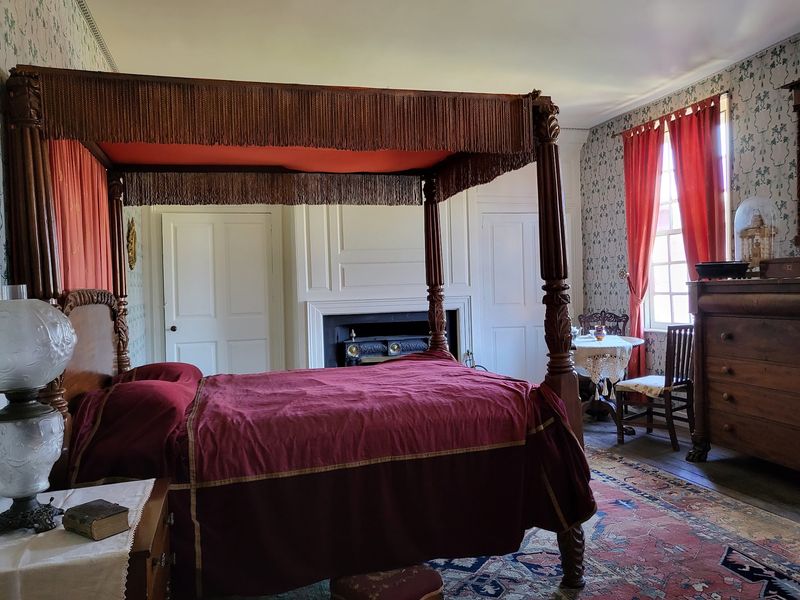
Tangents are welcome here, and they might be the best part. The guided tours at Boxwood Hall lean into conversation rather than a stiff, memorized script.
Docents walk you through the first and second floors, sharing facts, dates, and stories about the people who lived there. A visit usually runs anywhere from about thirty minutes to an hour.
The guides are known for deep knowledge and genuine enthusiasm. Ask about early American society, the restoration, or the town itself, and you’ll likely get a thoughtful answer.
Some people even use the visit to help with family genealogy research. Insights about Elizabeth’s past can fill in surprising gaps for anyone tracing local roots.
My advice is simple: leave a little extra time in your schedule. Rushing through would mean missing the side stories that make the house feel alive.
Small groups get a more personal experience too. It feels less like a museum lecture and more like chatting with a friend who happens to know everything about 1789.
More Famous Names Than One Small House Should Hold
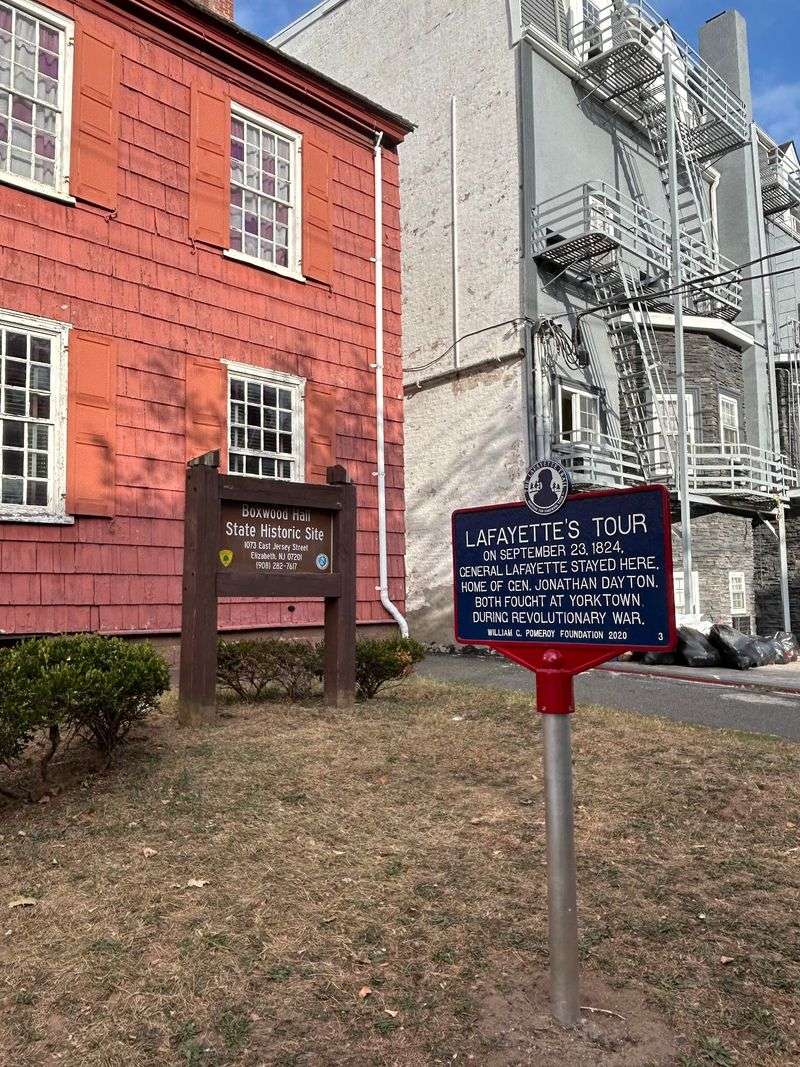
Washington and Boudinot are only the opening act. Boxwood Hall also connects to Jonathan Dayton, who later owned the house.
Dayton was the youngest person to sign the United States Constitution. Visitors in recent years have spotted his original Masonic apron on display, a rare personal artifact from a signer.
Then there’s Alexander Hamilton, whose early years in America brought him into Boudinot’s circle. The house carries ties to him, which adds extra excitement for fans of his story.
Few homes of this size can claim so many links to the nation’s founding. It’s a bit like a small-town diner where half the booths once hosted famous faces.
Exhibits and the interior rooms help connect these figures to real spaces. Seeing a personal object in person hits differently than reading about it in a textbook.
Displays can change over time, so ask your guide what’s currently on view. Either way, you’ll leave knowing more names than you expected, and probably wanting to look up a few of them later.
Outdoor Markers and a Neighborhood Packed With Revolutionary Stops
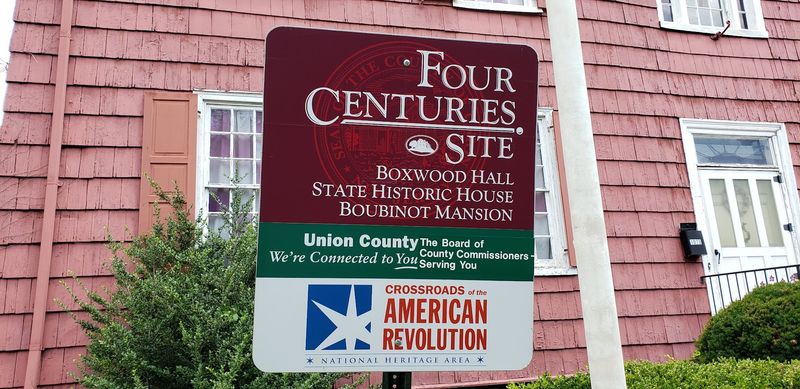
Even before you knock, the grounds start teaching. Posted signs outside Boxwood Hall highlight historic points about the house and its era.
The site appears on the Crossroads of the American Revolution map, which lists dozens of New Jersey places connected to the fight for independence. History lovers sometimes use that map to plan multi-stop road trips across the state.
Elizabeth played a major role during the Revolution, so other historic sites sit nearby. That makes this an easy anchor for a longer day of exploring.
A past archaeological dig on the property even turned up finds that visitors got to see. Projects like that show the story is still being uncovered, quite literally underground.
The atmosphere suits curious students, homeschool families, genealogy buffs, and anyone who enjoys a calm, low-key outing. Calm is the key word, since this is a thoughtful stop rather than a flashy attraction.
Spanish speakers have praised it as a nice place to relax and explore antiquities. That welcoming feel extends to the whole community around it.
Weekday Hours, Free Admission, and a Tip About the Back Door
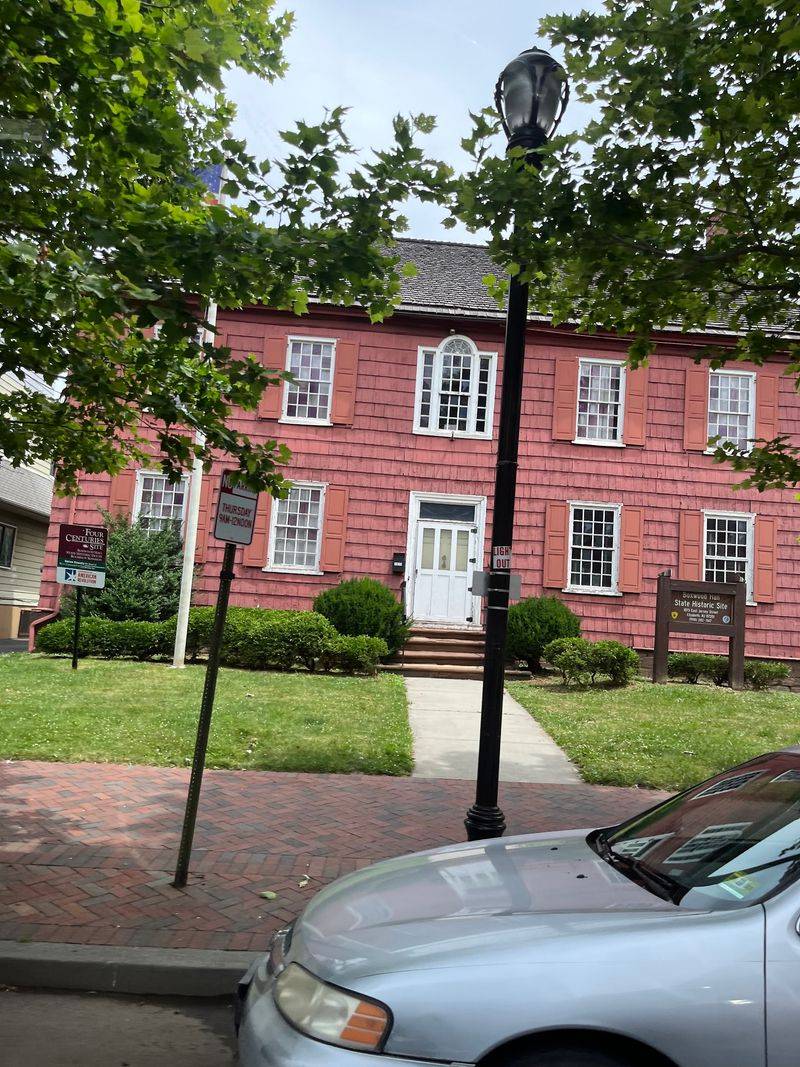
Mark your calendar for a weekday, because weekends are off the table. Boxwood Hall is open Monday through Friday from 9 am to 5 pm and closed Saturday and Sunday.
That weekday schedule is actually a perk for some visitors. Many historic sites only open on weekends, so this one fills a handy gap.
Admission is free, which makes it a budget-friendly pick for families and school groups. You’ll find the house at 1073 E Jersey St, Elizabeth, NJ 07201.
Street parking is one option nearby. There may also be parking behind the hall, reached through a narrow alley in the back.
A back door with a ramp leads into the house. If the door is locked during open hours, knock and wait a moment for someone to answer.
Staffing can be limited, so calling ahead before a special trip is a smart move. A quick check helps make sure a guide is available when you arrive.
Why This Free Stop Deserves a Spot on Your Weekday Plans
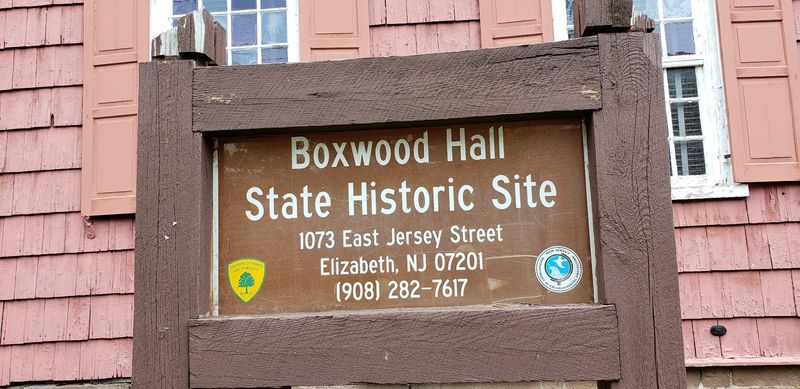
Free history rarely comes with this many famous connections. Boxwood Hall State Historic Site packs a president’s lunch, a forgotten founding father, and a Constitution signer into one modest home.
The tour is short enough for a lunch-hour adventure yet rich enough to fill an afternoon. Bring questions, because the guides clearly enjoy answering them.
It won’t overwhelm you with crowds or gift-shop glitz. Instead, it offers a quiet, personal look at how the early nation actually lived and worked.
For New Jersey residents, it’s a reason to see Elizabeth with fresh eyes. The city holds more founding-era stories than many people realize, and this house is a great place to start.
Pair it with nearby Revolutionary sites for a fuller day. Or simply pop in, take the tour, and head home a little smarter.
Washington only stayed for a meal, but his visit left a lasting mark. Your own visit might be brief too, yet the stories have a way of sticking around long after you leave the front steps.
Share this story