Some of the best finds in Oklahoma sit far from the highway, down quiet streets you would never pick on purpose. I went looking for a quick roadside stop and found a place so stuffed with cowboy history that I lost track of time completely.
Old movie posters, faded photographs, and stories from the golden age of Westerns wait inside, and you can walk in without paying a cent. If you grew up on Saturday matinee heroes, or know someone who did, this little treasure deserves a spot on your next road trip.
A Small Town Named for a Big Star
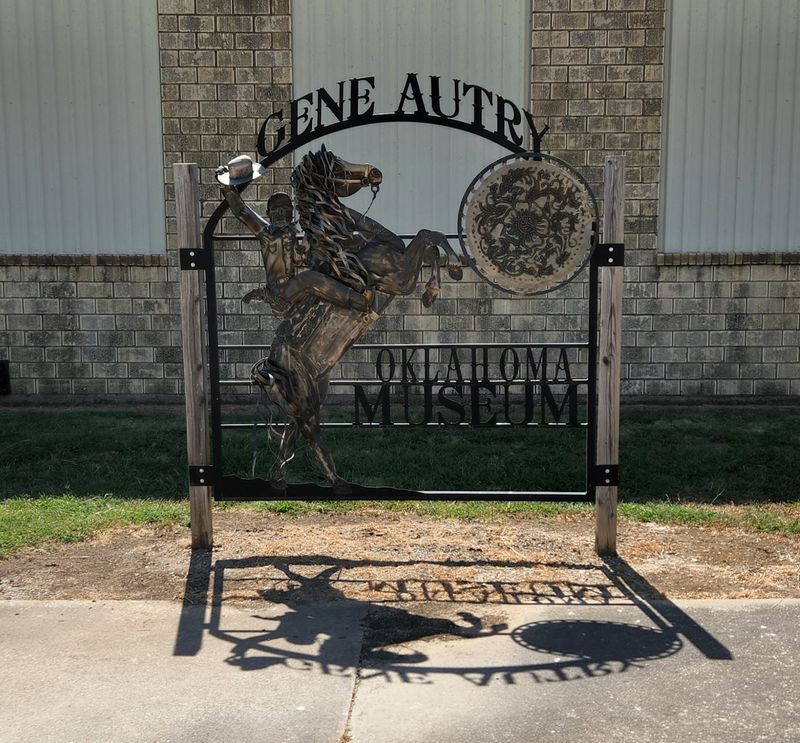
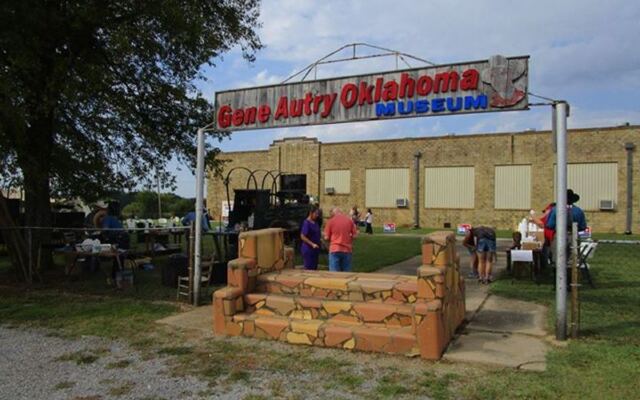
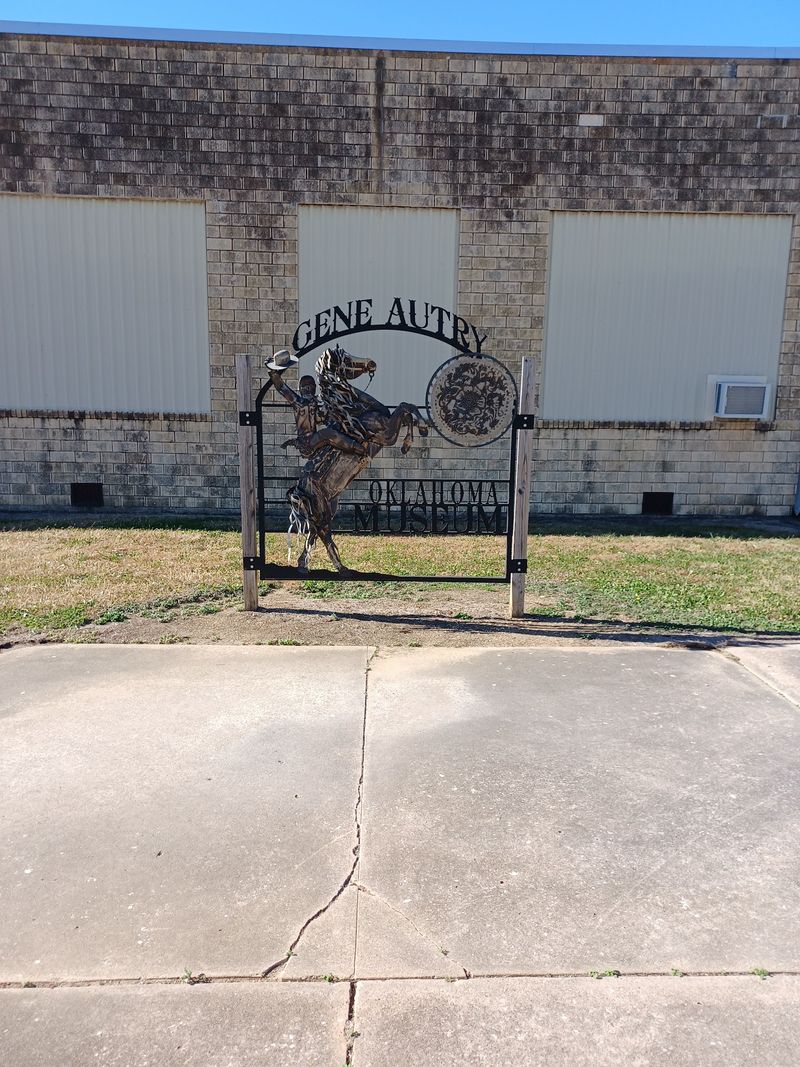
Picture a tiny southern Oklahoma town that took its name from one of the most famous singing cowboys in history. That is exactly where you will find the Gene Autry Oklahoma Museum, at 47 Prairie St in Gene Autry, OK.
The setting feels sleepy and far from busy city life, which is part of the charm.
The museum focuses on vintage cowboy memorabilia. More specifically, it tells the story of how cowboys have been shown in entertainment, starting in the 1920s and running all the way to the present.
Think silver screen heroes, radio stars, television favorites, and the songs that made people dream of the open range.
Visitors often describe it as tucked away and off the beaten trail. Some call it the middle of nowhere, and they mean it kindly.
The quiet streets outside make the stuffed rooms inside feel even more surprising.
Travelers mention that it is not far from Oklahoma City and sits near other interesting stops in the region. Lake Murray visitors have made the drive over too.
So while it feels hidden, it is easier to fit into a weekend loop than you might guess, especially if you love history with a little bit of twang.
Silver Screen Saddles Through the Decades
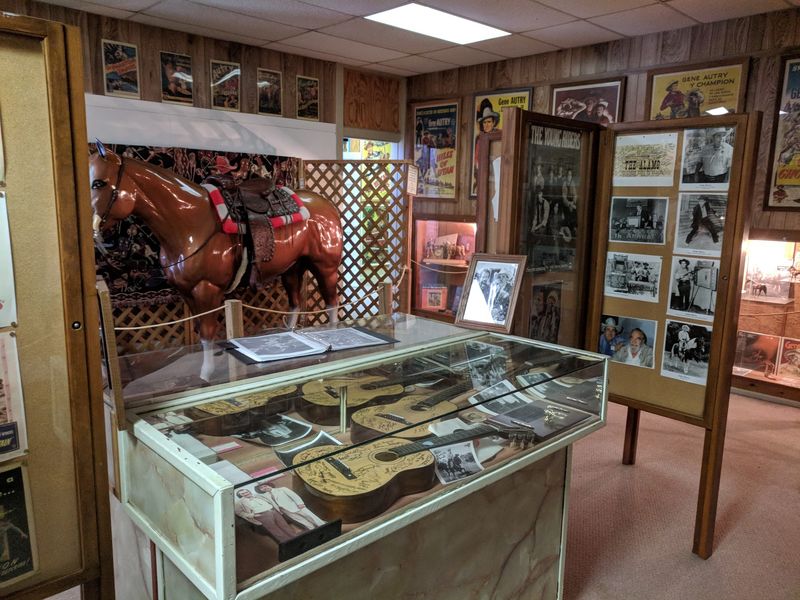
Long before streaming services, kids lined up at small theaters to watch heroes in white hats ride across the screen. The collection here captures that whole era and beyond.
Its main mission is showing how cowboys appeared in movies, music, radio, and television over roughly a hundred years.
One visitor called it the biggest collection of cowboy memorabilia they had ever seen. Another described it as very extensive, packed with Western movie items that will thrill anyone who remembers the old films and the actors who starred in them.
Plenty of the material leans toward 1950s cowboy history, a time when singing cowboys were superstars. Yet guests also spot some Oklahoma history mixed in, which gives the stop a local flavor that national museums cannot copy.
What makes it special is the sheer volume. Shelves, walls, and cases hold layer after layer of pictures and keepsakes.
You do not just glance at one famous saddle and leave. Instead, you wander slowly, recognizing faces, reading captions, and discovering stars you had forgotten.
For fans of classic Westerns, it feels a little like opening a grandparent’s attic and finding it full of Hollywood gold.
Posters, Flyers, and Famous Faces
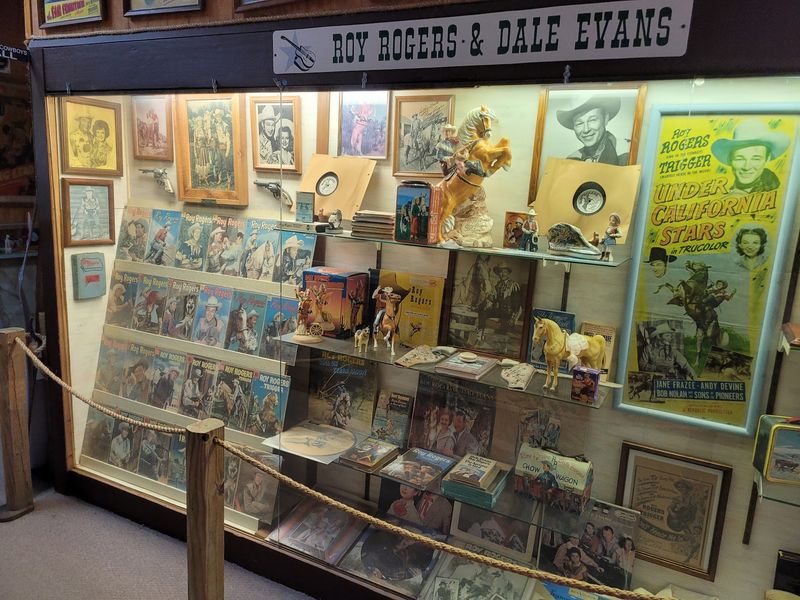
Bold lettering, dramatic drawings, and the promise of action at the local picture show. Old show bills and flyers are a highlight for many guests, and there are lots of them.
They trace Gene Autry’s singing, movie, and television career from start to finish.
Gene is not the only star on the walls, though. Visitors spot flyers featuring Will Rogers, John Wayne, and Tex Ritter, among others.
Roy Rogers and Dale Evans show up too, along with many classic actors and actresses from the Western heyday.
Photographs are everywhere. One guest admitted to spending three or four hours just looking at pictures of old country stars, Western stars, and movie stars.
Another praised the wonderful photographs as a reason to recommend the visit.
Part of the fun is playing a quiet game of name that cowboy as you go. You might recognize a face from a late night rerun or a song your parents used to hum.
Even younger visitors who have never seen these films can enjoy the bright artwork and the old style of advertising. It is pop culture history you can actually stand in front of, no screen required.
Trivia Worth the Trip
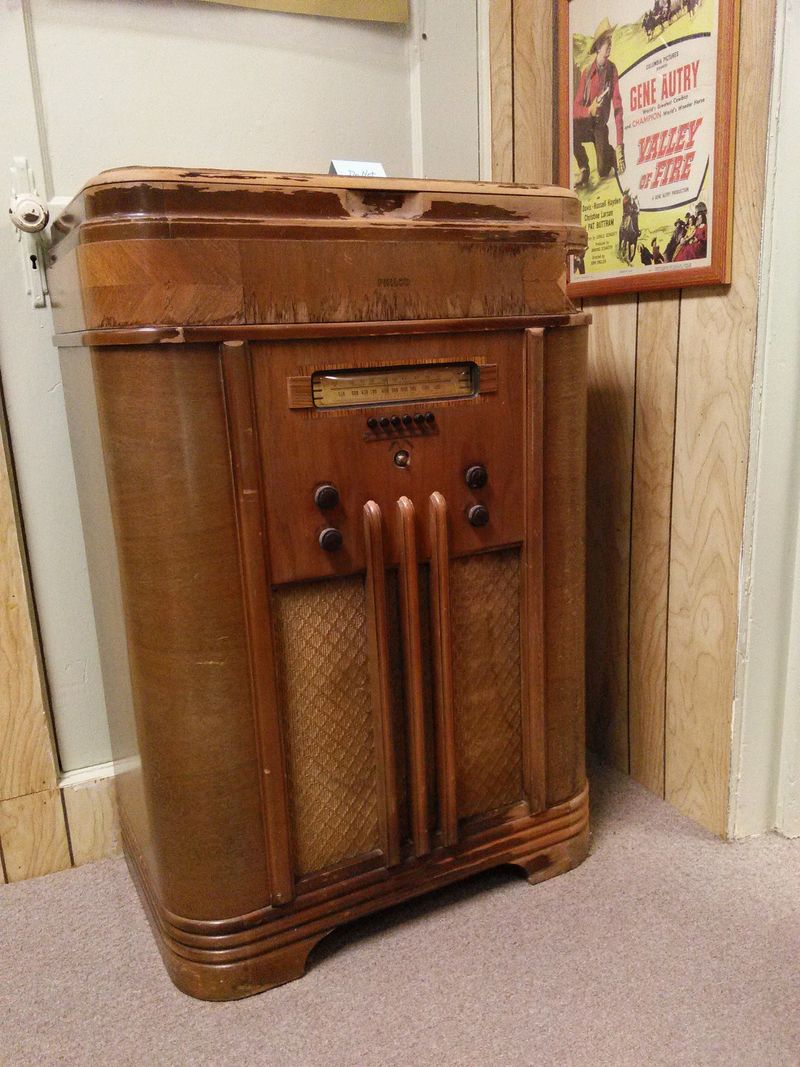
Did you know the actor who played Jed Clampett on The Beverly Hillbillies also starred as Barnaby Jones? And before both of those roles, he was a singing cowboy.
One visitor learned exactly that during a stop here and left delighted.
Moments like that pop up all over the museum. The displays connect dots between eras of entertainment, showing how cowboy performers moved from movies to records to television.
Guests regularly say they learned things they never knew before.
Letters and stories add another layer. Many items come with notes about the people who donated them and how they first got their hands on such pieces.
One guest loved reading those backstories almost as much as seeing the objects themselves.
That personal touch turns the place into more than a room of old stuff. Each item carries a little tale, sometimes about a famous star and sometimes about an everyday fan who held onto a treasure for decades.
Bring your curiosity and maybe a notebook. You will probably walk out with a handful of fun facts to spring on friends at dinner, and a few new favorite cowboys to look up once you get home.
Local Roots and a Hometown Sawmill
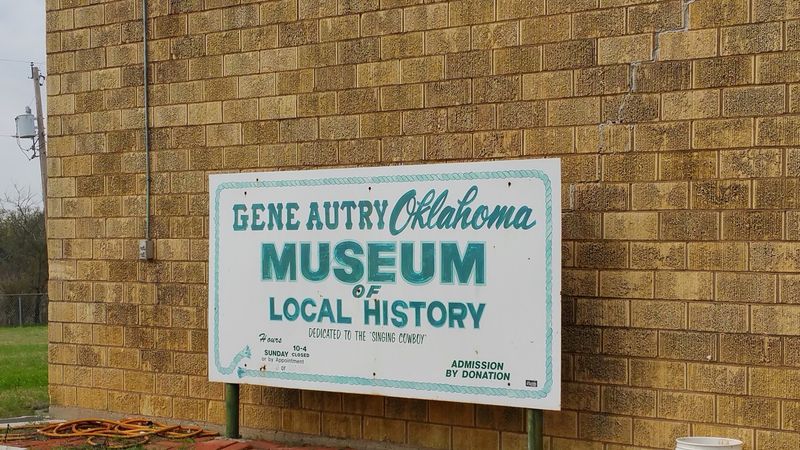
Hollywood gets plenty of attention, but the hometown story deserves a moment too. Mixed among the movie relics are displays about local history and the people who built this corner of Oklahoma.
One standout, according to a visitor, is the display of Buck Hale’s home owned sawmill. That guest called the museum a little known jewel full of local history and encouraged others to step back in time and get to know the townsfolk.
Those local exhibits help balance the glitz of the cowboy stars. Here, you see how real rural life looked while audiences across the country were cheering for screen heroes.
It is a reminder that the cowboy image did not appear out of thin air. It grew from places a lot like this one.
Families especially seem to enjoy that mix. Kids get the exciting Western side, while grown ups can chat about how small towns worked in earlier days.
Some visitors mention other kinds of displays as well, so the experience does not feel like a single theme repeated over and over.
If you like your history personal and close to the ground, give these corners extra time before you head back toward the posters.
Friendly Guides Who Know Their Cowboys
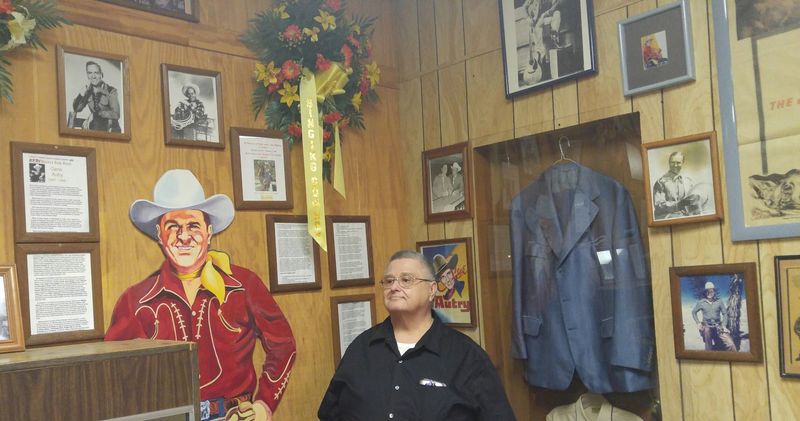
Ask almost anyone who has visited, and the people come up quickly. Knowledgeable staff is one of the most talked about parts of this museum, and for good reason.
Guests describe the gentlemen who greet them as a wealth of information. One traveler was impressed that the guide knew not just about the exhibits but also about other museums and things to do across Oklahoma.
Another described the visit as great southern hospitality in action.
Visitors use words like kind, friendly, informative, and fun to chat with. One guest arrived about half an hour before closing time and was never rushed.
The staff member walked them through exhibits on Gene Autry, Roy Rogers and Dale Evans, and other cowboys with a down to earth style that made the whole stop memorable.
That kind of attention is rare at big city museums. Here, you can ask questions, swap stories, and maybe hear a detail that never made it onto a placard.
Some visitors even describe the experience as mostly self guided, so you can explore at your own pace too.
Either way, do not be shy. Strike up a conversation, and the collection comes alive in a whole new way.
Nostalgia You Can Almost Smell
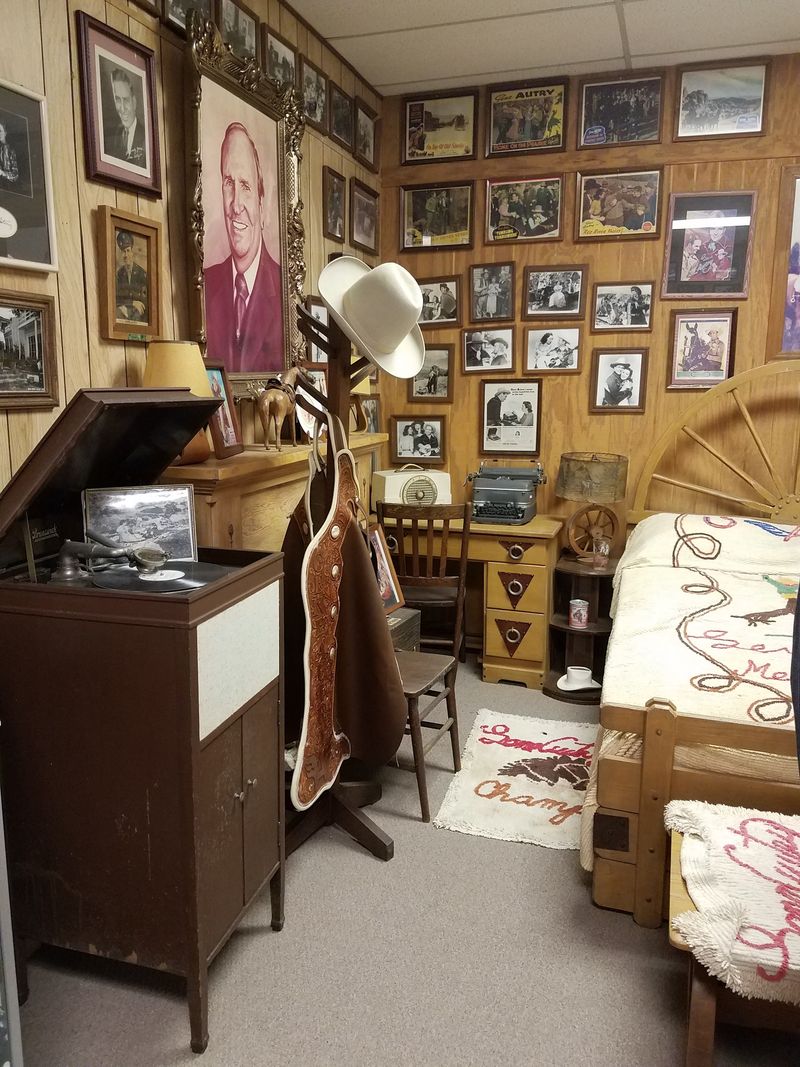
Memories are the word visitors mention most when talking about this place. For many, walking through the door feels like a trip back to childhood.
One guest said the distinctive smell of the old building instantly reminded them of the small school they attended as a kid. Another said they were taken back to their earliest childhood memories and thoroughly enjoyed every minute.
A sweet story stands out. One parent brought their son here when he was twelve.
Years later, at thirty five, the son brought the parent back. Both found it full of great memories.
That same visitor shared a gentle worry that fewer people remember Gene, Roy, and the other stars as time goes on.
So the museum works on two levels. Older guests get a warm wave of nostalgia, recognizing heroes from Saturday matinees and early television.
Younger guests get a peek into what their grandparents loved.
A family that visits every year described it as wonderful. A nephew who loved cowboys was in total awe of the old heroes.
If you have little ones who adore cowboys and cowgirls, consider bringing them along. Sharing those stories across generations might be the most valuable souvenir of all.
Free Entry and the Donation Box
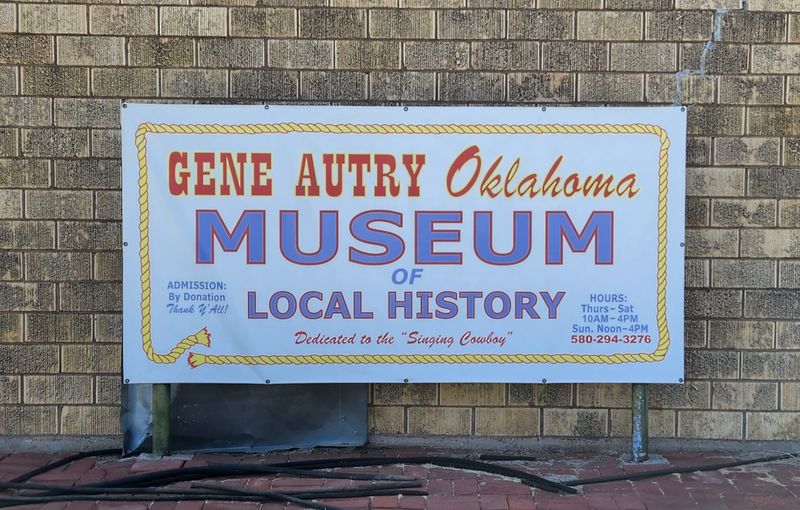
Good news for budget road trippers. Admission is free, and there is no set entrance fee at all.
Instead, the museum accepts donations. Visitors mention a donation box that helps keep the place running and in good shape.
Several guests encourage others to give generously, with one suggesting you donate about what you would normally pay for admission elsewhere so the museum can stay open for everyone.
That simple setup is part of what makes this stop feel like such a find. You can spend an hour, or several, surrounded by cowboy history without opening your wallet unless you choose to.
In a world where attractions often charge steep prices, that feels refreshing.
Earlier visitors have also mentioned a very nice gift shop and a snack area. One long ago guest even recommended asking whether sarsaparilla was available.
Offerings may have changed over the years, so treat that as a happy bonus rather than a promise.
Bathrooms are available, and visitors describe easy access for all. That makes it a comfortable stop for families, older travelers, and anyone needing a break from a long drive.
Bring a few dollars for the box, and you will help keep this little gem alive.
Planning Around Saturday Hours
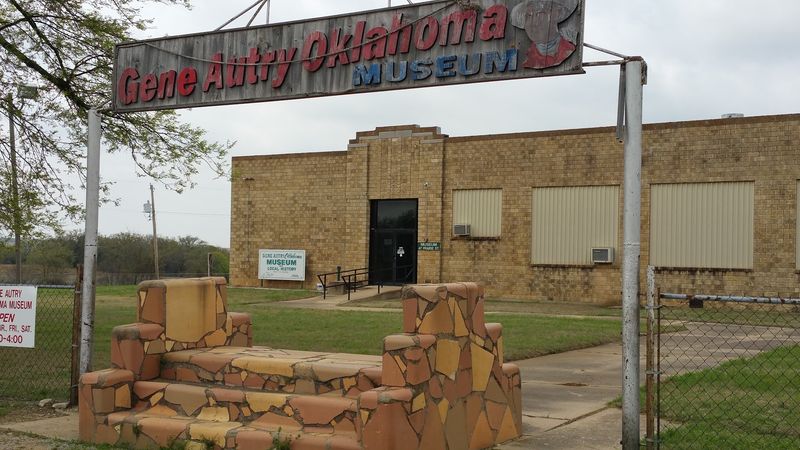
Timing is everything here. According to current listings, the museum is open only on Saturdays from 10 AM to 2 PM, and closed the rest of the week.
That short window matters. Several visitors have shown up to find the doors locked, including one family that drove two and a half hours.
Another group arrived on a rainy Saturday and found a temporarily closed sign. Past guests have even described the hours as weird, and some noted the phone sometimes goes unanswered.
The smart move is to check ahead. Call +1 580-294-3276 before you leave, and peek at the website, gaokm.wordpress.com, for any updates.
Visitors have mentioned the website as a helpful resource.
Give yourself plenty of time once inside. Guests say you could easily spend at least an hour, and devoted fans have stayed three or four.
Arriving right at opening is a good idea so you are not racing the clock.
The town itself is very quiet, and one guest noted there was little else going on nearby. Plan snacks, gas, and other stops around the visit.
A little preparation turns a possible letdown into a smooth, rewarding outing.
Worth the Detour for Western Fans
Some road trip stops fade from memory by the next exit. This one tends to stick around.
Guests often say it was much more than they expected, and plenty call it a quirky, out of the way spot they truly love.
Who will enjoy it most? Fans of singing cowboys, classic Westerns, and old Hollywood will be in heaven.
History lovers will appreciate the local exhibits. Families with young cowboy fans will find plenty to point at and talk about.
Travelers who want flashy, interactive displays or a busy town around them may find it a little too quiet. A few visitors noticed the surrounding area felt sleepy, with little activity nearby.
Knowing that ahead of time helps set the right mood.
Still, the heart of the experience shines through. A huge collection, friendly guides, free admission, and a strong dose of nostalgia make a powerful combination.
It is the kind of place that reminds you why Oklahoma back roads are worth exploring.
So check the Saturday hours, call ahead, and point your car toward Prairie Street. Bring a few dollars for the donation box and an open mind.
You might just ride away with a new favorite hidden treasure.
Share this story