In the heart of Gettysburg, the Gettysburg Heritage Center offers an engaging look at the Civil War through the experiences of the soldiers and civilians who lived it. With interactive exhibits, historic artifacts, and immersive displays, it provides valuable context before exploring the battlefield.
Highlights include a realistic cellar simulation, rare 3-D Civil War photography, a battle film, guided tours, and stories of Gettysburg’s residents. Whether it’s your first visit or a return trip, the Gettysburg Heritage Center is one of the best places to begin your Gettysburg experience.
A Steinwehr Avenue Starting Point Worth Finding
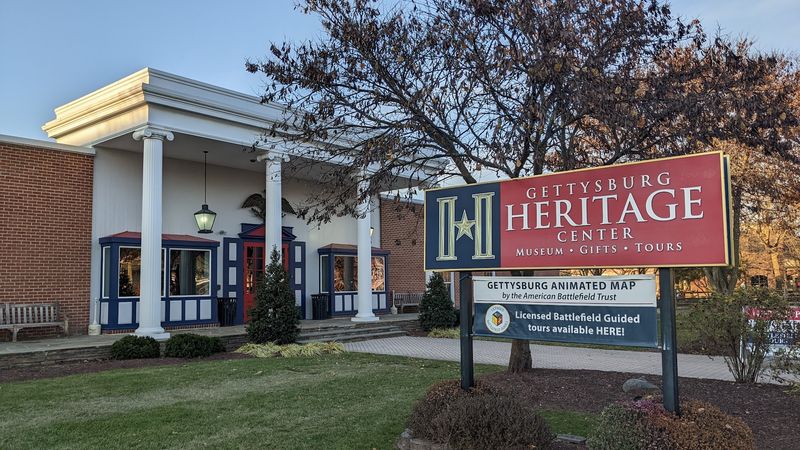
Right at 297 Steinwehr Ave, Gettysburg, PA 17325, the Gettysburg Heritage Center occupies a prime spot in the heart of the town’s historic district. The location is genuinely convenient, placing you within easy walking distance of the Gettysburg National Cemetery and several key battlefield sites.
Free parking is available in the back of the building, which is a real relief in a town that draws large crowds, especially during the summer months. The surrounding block on Steinwehr Avenue buzzes with shops, lodging options, and local services, so every practical need is covered before you even step inside.
The center is operated by the Gettysburg Nature Alliance, a nonprofit organization with a mission that stretches beyond history into environmental preservation. That combination of purposes gives the whole experience a thoughtful, community-rooted feeling that you notice right away. It is the kind of place that feels genuinely invested in the town it calls home.
How the Museum Grew from Wax Figures to Real Stories
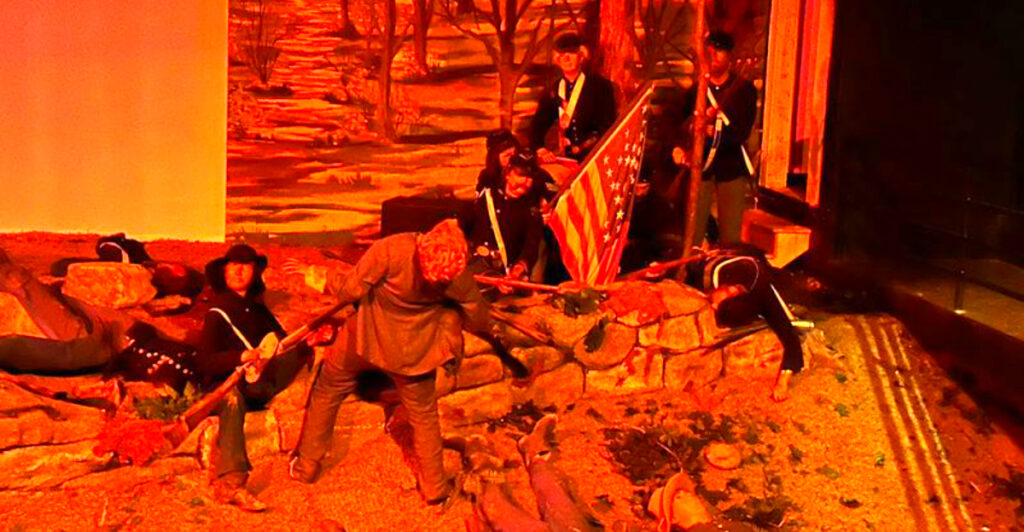
For more than five decades, from 1962 to 2013, this same building was home to the American Civil War Wax Museum. It was a beloved fixture for generations of Gettysburg visitors, but the world of historical interpretation had moved on, and the stories being told needed to evolve with it.
After extensive renovations, the space reopened in early 2015 as the Gettysburg Heritage Center, with a sharper focus on interactive storytelling and civilian perspectives. In 2019, the center officially became a 501(c)(3) nonprofit, deepening its partnership with the Gettysburg Nature Alliance and cementing its long-term mission.
The transformation from wax figures to dynamic, multi-sensory exhibits represents a meaningful shift in how history gets shared with the public. Rather than simply displaying the past behind glass, the new model invites visitors to engage, question, and connect. It is a compelling example of a historic institution choosing to grow rather than stay comfortable with what once worked.
The Cellar Experience That Puts You Inside the Battle
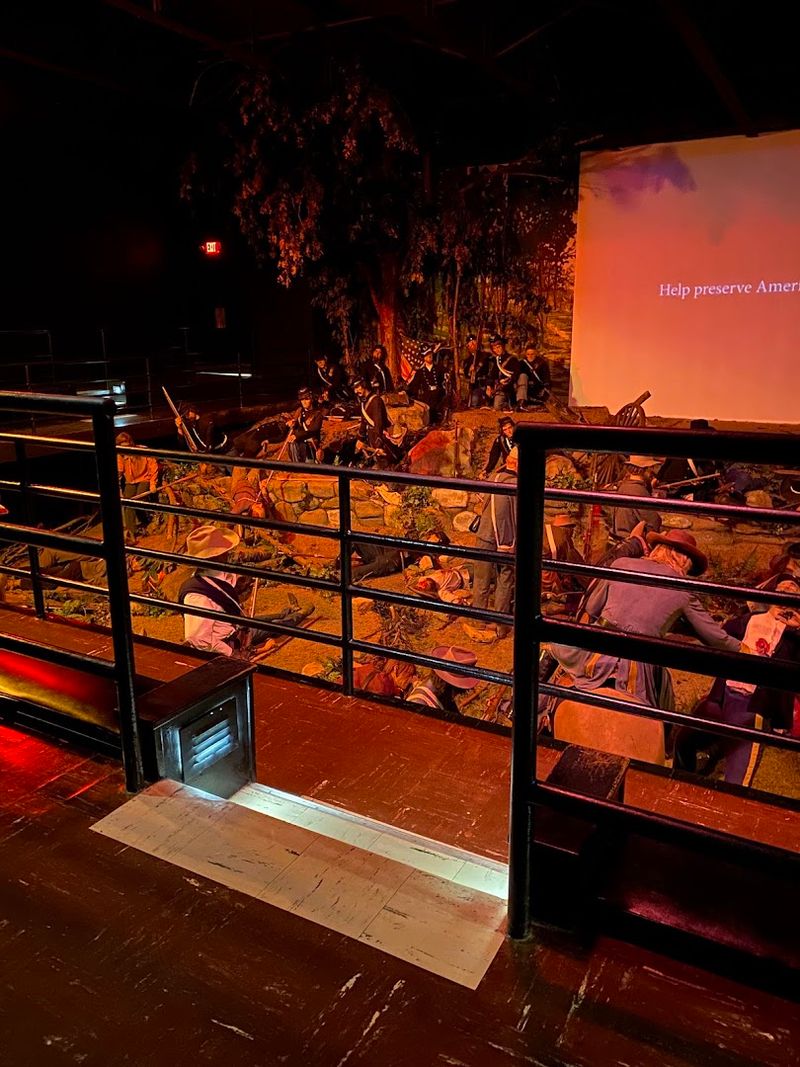
Of every exhibit in the building, the Cellar Experience is the one that visitors mention first when describing their time here. The setup is deceptively simple: you enter a darkened room, and within seconds, the sound of cannon fire and the whiz of bullets fills the air with a physical intensity that catches you off guard.
Video screens positioned like cellar windows show soldiers’ boots rushing past, voices murmur anxiously in the dark, and the whole room seems to vibrate with urgency. The effect is not theatrical in a gimmicky way; it is genuinely sobering. You begin to understand, in a way that reading never quite delivers, what it felt like to crouch beneath your own floorboards while a battle raged above.
For residents of Gettysburg in July 1863, that cellar was not a museum exhibit but a desperate refuge. This experience honors their fear without dramatizing it, and that restraint is exactly what makes it so powerful. Few moments in any museum have stayed with me as long.
Civilian Voices That History Almost Forgot
The heart of the Gettysburg Heritage Center is its commitment to telling the civilian story, and that commitment shows in every corner of the exhibit space. Sarah Broadhead, whose detailed diary entries captured the terror and resilience of the town’s residents, receives prominent attention here, her words given the weight they deserve.
Joseph Broadhead, despite having limited sight, joined local men in felling trees to slow Confederate advances, a quiet act of defiance that rarely makes it into the broader historical record. Basil Biggs, an African American man who served as a conductor on the Underground Railroad, later oversaw the careful relocation of thousands of Union soldiers to the Soldiers’ National Cemetery, a task of enormous emotional and logistical difficulty.
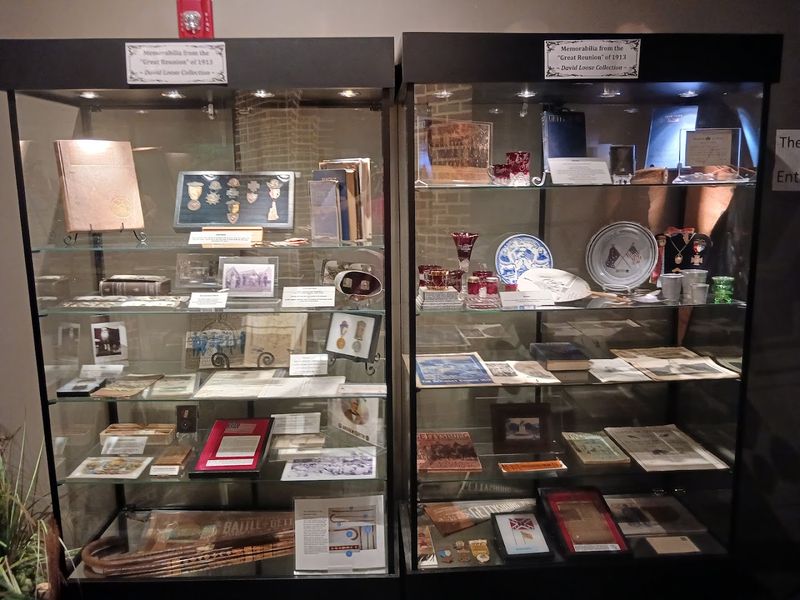
These are not footnotes; they are the center of the story here. The museum treats each of them with specificity and respect, using artifacts, documents, and interactive displays to make their contributions feel immediate rather than distant. Their courage reframes everything you thought you knew about this battle.
An Award-Winning Film That Makes the Battle Click
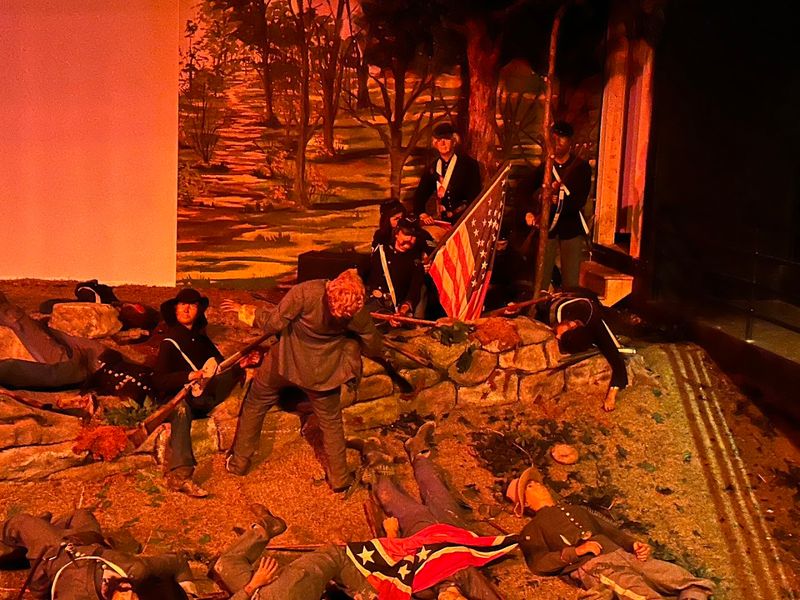
History documentaries can easily slide into monotony, but the 20-minute animated map film shown at the Gettysburg Heritage Center is genuinely impressive. Produced in cooperation with the American Battlefield Trust, it uses high-definition animated maps to walk viewers through all three days of the battle with remarkable clarity.
Troop movements that look impossibly tangled on a static map suddenly make sense when you watch them unfold in real time. The film blends historical reenactment footage with those animated sequences, giving you both the emotional texture of the conflict and the strategic overview needed to make sense of the battlefield later.
Many experienced Gettysburg visitors recommend watching this film before doing anything else in town, and after seeing it myself, that advice is hard to argue with. It transforms a walk among historical markers from a series of disconnected plaques into a coherent, moving narrative. Think of it as the orientation that makes every other part of your visit sharper and more meaningful.
3-D Photography That Brings 1863 Into Sharp Focus
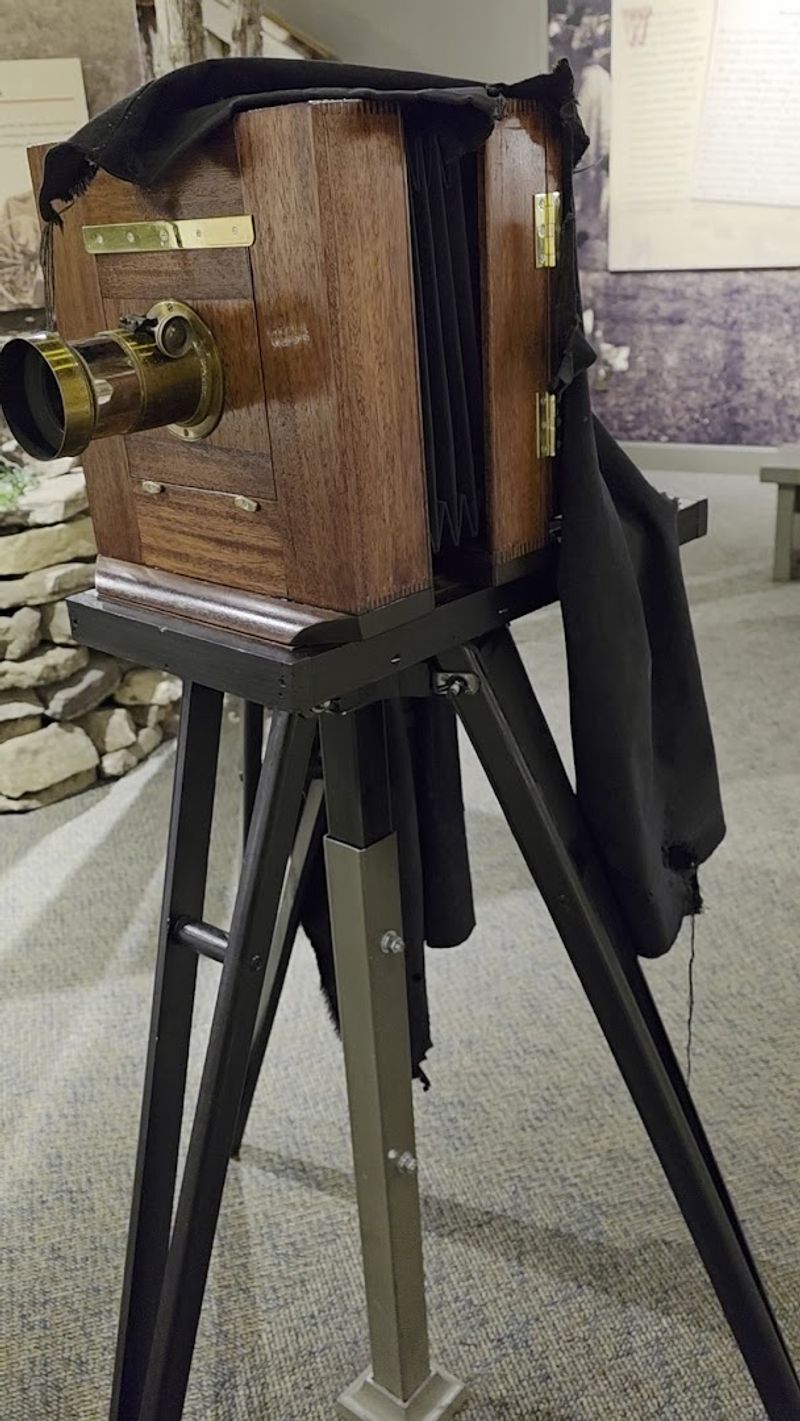
At the entrance, every visitor receives a pair of 3-D glasses, and they are not just a novelty prop. Throughout the museum, stereoscopic photographs from the Civil War era are displayed in a format designed to be viewed with those glasses, recreating the original viewing experience that was popular in the 1860s.
The depth these images reveal is startling. Photographs that would otherwise feel flat and distant suddenly carry a spatial reality that brings the scene uncomfortably close. Some of the images depict the aftermath of the battle, and that added dimension makes them harder to look away from and harder to forget.
The technique is historically accurate, since stereoscopic viewers were widely used during the era to share images of the war with the public back home. Using modern 3-D glasses to replicate that original experience is a clever, low-tech bridge between then and now. It is one of those small curatorial decisions that reveals genuine thought about how people actually absorb history rather than just observe it.
The Witness Tree Exhibit and Nature’s Long Memory
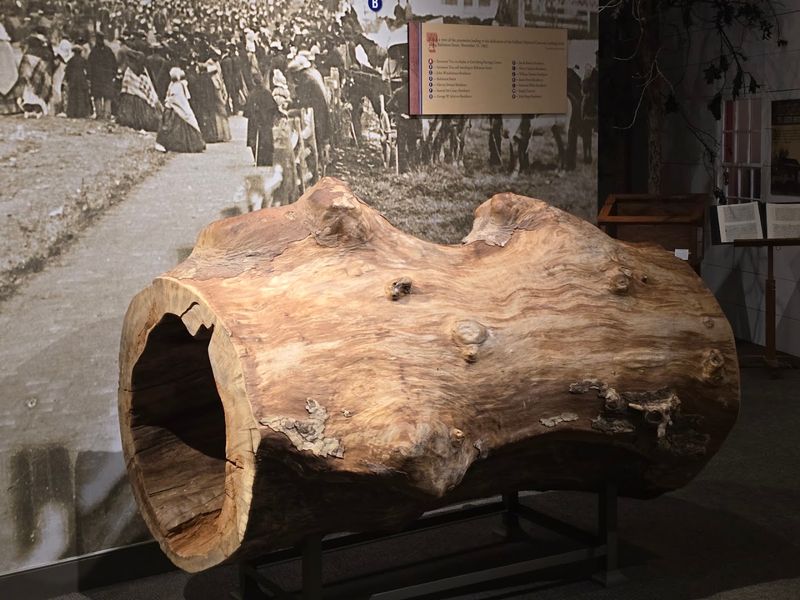
Not every exhibit here focuses on human drama. The Witness Tree display offers something quieter and equally affecting, a section of an actual tree that stood on the Gettysburg battlefield during the conflict, now preserved and available for visitors to examine up close.
Visitors can learn how scientists use tree ring analysis to date these living witnesses with precision, connecting the physical object in front of them to a specific moment in time. The exhibit reflects the broader mission of the Gettysburg Nature Alliance, which actively plants native trees and other plants in the area, particularly near the historic Sachs Covered Bridge and the organization’s Learning Barn.
There is something grounding about touching a piece of wood that absorbed the same summer heat as the soldiers and civilians of 1863. The natural world observed everything that happened here, and this exhibit makes that silent witnessing feel tangible. It is a reminder that history is not only recorded in documents but also written into the landscape itself.
Pre-War Gettysburg and the Town That Vanished Overnight
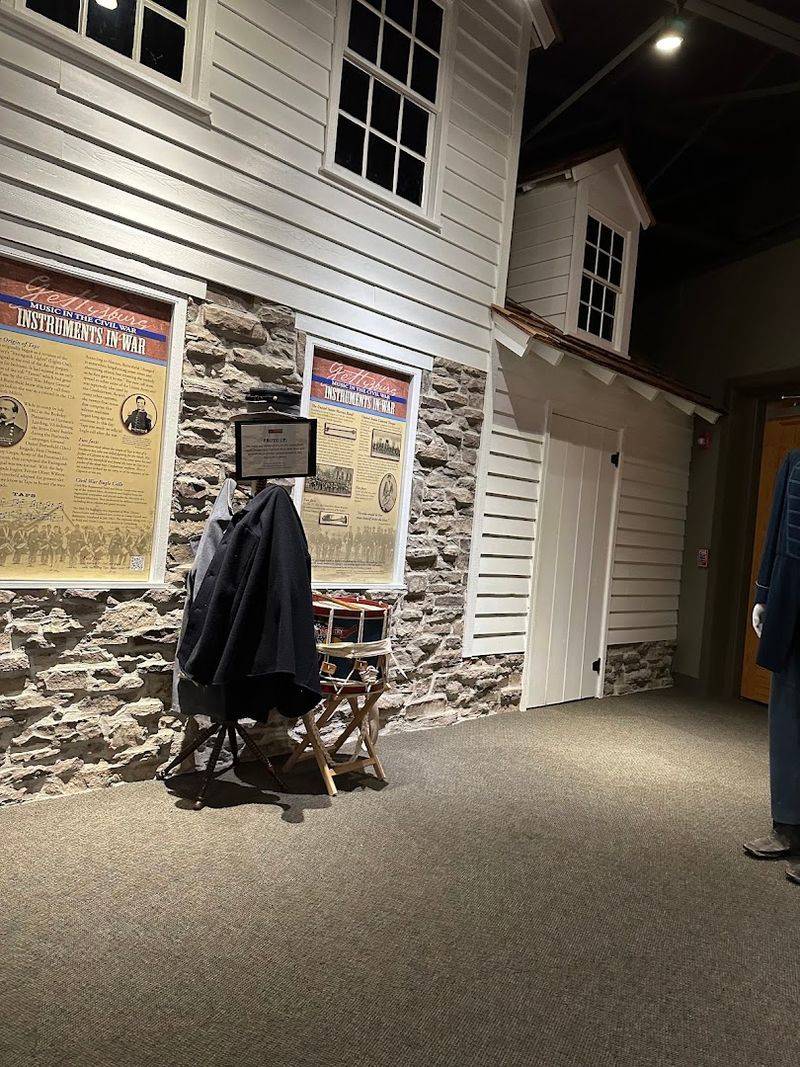
Before the cannons arrived, Gettysburg was a thriving small town with its own rhythms and routines, and the museum does not skip over that context. Exhibit sections recreate the look and feel of the town as it existed before July 1863, complete with storefronts, a train station facade, and a theater marquee.
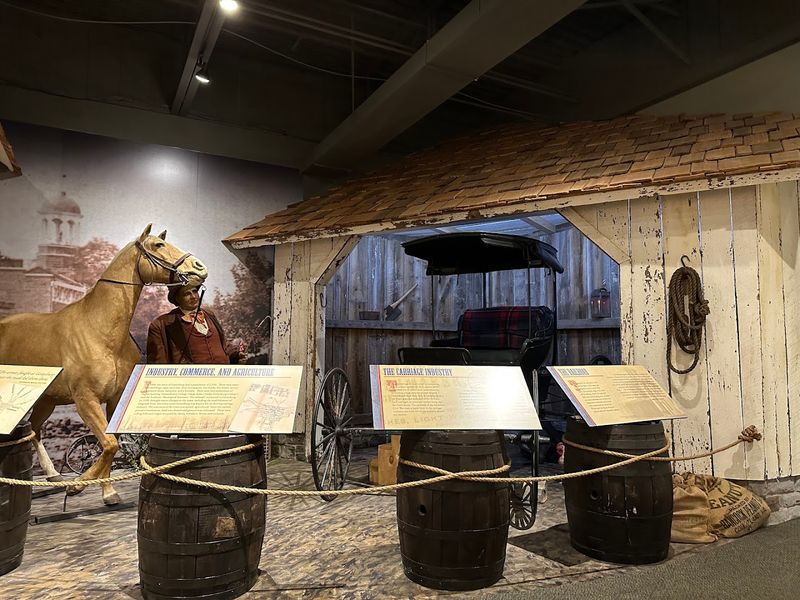
These recreations are specific enough to spark genuine imagination without tipping into theme-park territory. You get a real sense of what daily life looked like for the people who would soon find their world completely overturned. The displays also explore Gettysburg’s pre-war industries and the local men who left to fight, some of whom ended up returning to battle in their own hometown.
Understanding the town as it was makes the disruption of the battle far more vivid. The contrast between ordinary community life and sudden, violent upheaval is one of the most affecting parts of the entire museum. That before-and-after framing is something the broader battlefield experience rarely provides in such a personal, grounded way.
Living History Events That Keep the Past Breathing
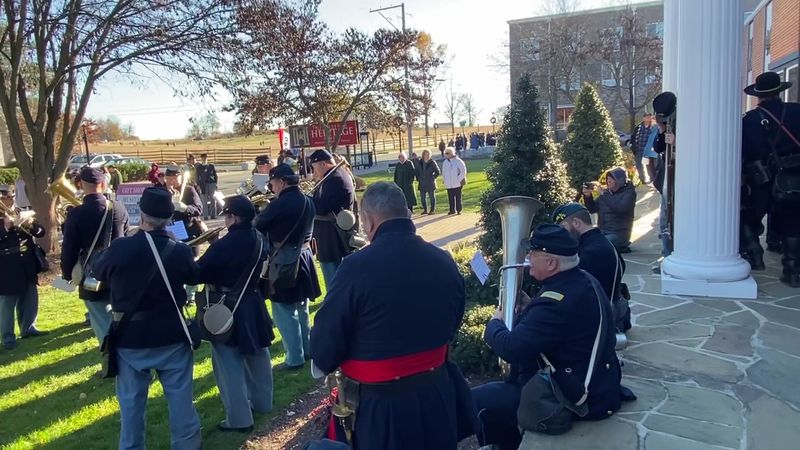
The calendar at the Gettysburg Heritage Center is one of its most underappreciated features. Throughout the year, the center hosts a rotating series of events that go well beyond the standard museum visit, including author signings, historical lectures, museum theater performances, and living history demonstrations.
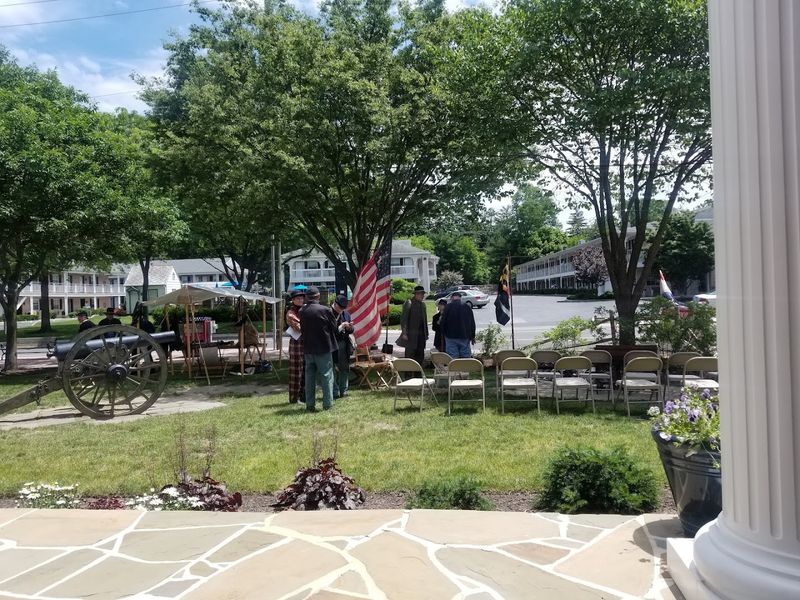
On certain weekends, reenactors set up camp on the front lawn, bringing their equipment, uniforms, and firsthand knowledge of period life to curious visitors. These interactions are particularly memorable for younger visitors, who respond to the tangible, hands-on quality of talking directly with someone in full 1860s kit.
Special events have included “Night at the Museum, 1863” live performances, wood carving demonstrations, sound meditation sessions, and even an annual motorcycle meet-up, which gives you a sense of how broadly the center interprets its role in the community. Checking their schedule before your visit is genuinely worthwhile, since landing on an event day can transform a good museum trip into an extraordinary one. The variety here is real.
Guided Battlefield Tours That Start Right Here
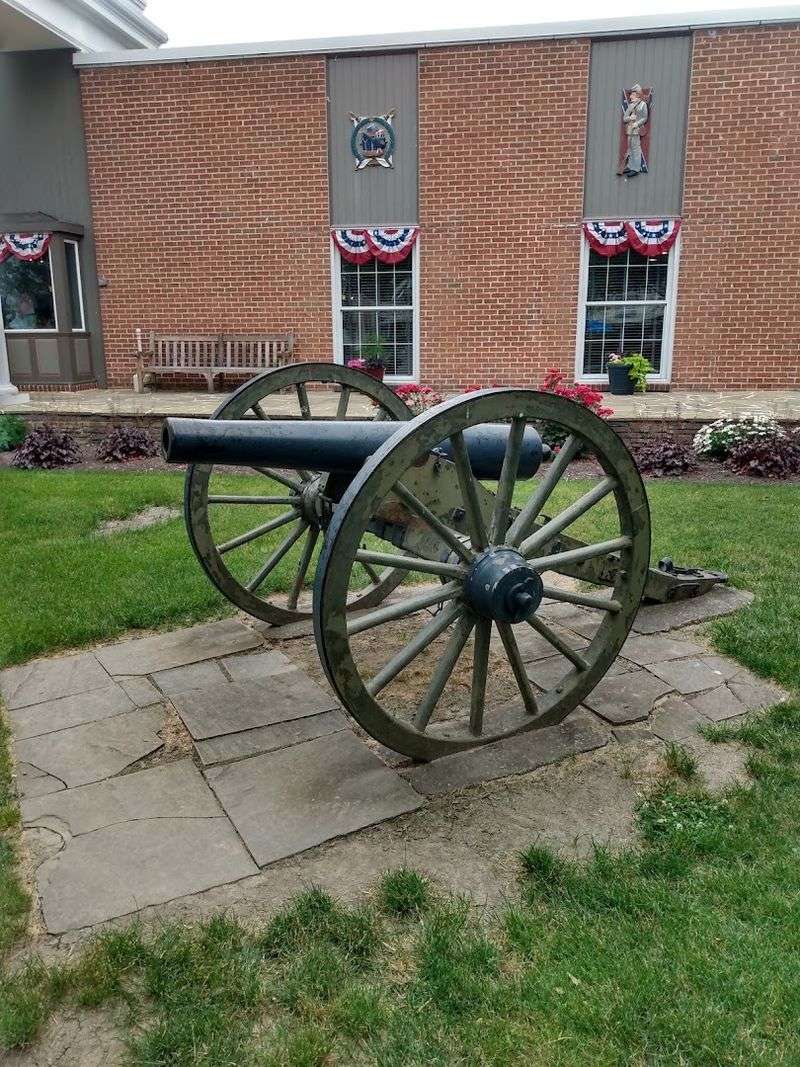
One of the most practical things about the Gettysburg Heritage Center is that it serves as a launching pad for licensed battlefield guide tours, and those tours are genuinely worth booking. Guides drive your personal vehicle through the battlefield, narrating the action at each stop with a level of detail and personal storytelling that no audio tour or self-guided map can match.
Tours typically run two to three hours, though enthusiastic guides and engaged visitors have been known to stretch them to four. The guides are licensed by the National Park Service, which means their knowledge has been formally tested, and their ability to read the landscape and connect it to specific moments in the battle is remarkable.
The center also offers carriage ride tours, which book up quickly during peak season, so reserving ahead online is strongly recommended. Combining the museum’s indoor orientation with an outdoor guided tour creates a layered experience that covers both the human stories and the military strategy. It is the most complete way to understand Gettysburg.
The Gift Shop and Bookstore That Deserve Your Time
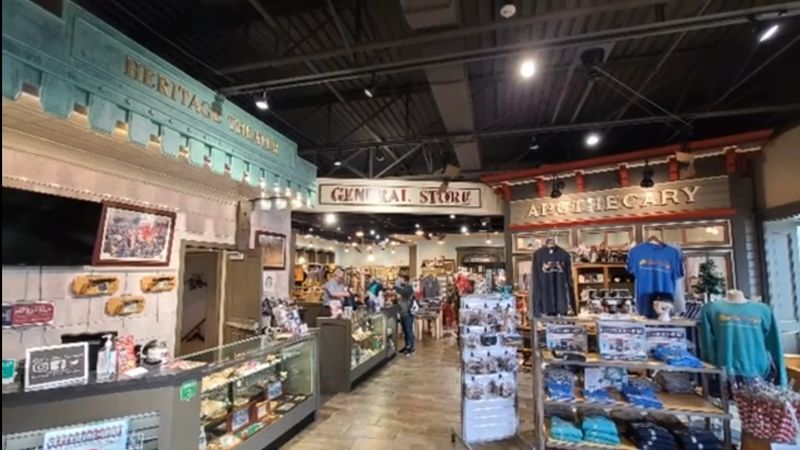
Gift shops at historical sites can feel like afterthoughts, but the one at the Gettysburg Heritage Center is genuinely worth browsing. The bookstore section specializes in Civil War literature, covering everything from detailed military histories to personal memoirs and children’s educational titles, making it easy to find something for every level of interest.
Beyond books, the shop stocks apparel, replica weapons, home decor, collectibles, games, and toys, with a price range that accommodates both the casual souvenir hunter and the serious collector. The selection is large enough that many visitors spend a surprisingly long time just working their way through the shelves.
Staff members are consistently described as helpful and knowledgeable, ready to offer a recommendation without hovering. AAA members should ask about the discount at the door, since it is not always prominently advertised but is readily available. A good bookstore attached to a good museum is one of travel’s quiet pleasures, and this one earns its reputation. Pick up something to read on the drive home.
Practical Tips for Making the Most of Your Visit
The Gettysburg Heritage Center is open most days of the week, with extended hours on Fridays and Saturdays running until 7 PM, and standard closing at 5 PM on other days. Winter hours shift to weekend-only access, so checking the website at gettysburgmuseum.com before your trip saves potential frustration. The phone number is +1 717-334-6245 if you prefer to call ahead.
Admission is reasonably priced at $11 for adults and $9 for children ages 6 to 12, with free entry for children 5 and under. Plan for roughly 60 to 90 minutes inside, and note that the last entry is accepted one hour before closing. A research room stocked with old maps, property deeds, and Adams County historical records is available for those with a deeper academic interest.
Accessibility inside the main exhibit areas is generally good, though the parking area sidewalk can be uneven, so visitors using mobility equipment may want to plan accordingly. Starting your Gettysburg visit here, before the battlefield, is advice worth taking seriously. The context it provides makes everything else richer.
Share this story