A small bakery stop in New Jersey can turn into a much bigger discovery when gluten-free tiramisu enters the conversation. Suddenly, an ordinary dessert run feels worth planning around.
The real draw here goes beyond one treat: it is a bakery built around giving people with food restrictions more choices. Before heading over, there are a few useful things to know about its kitchen, takeout setup, and hours.
A Berkeley Heights Bakery With a Clear Purpose
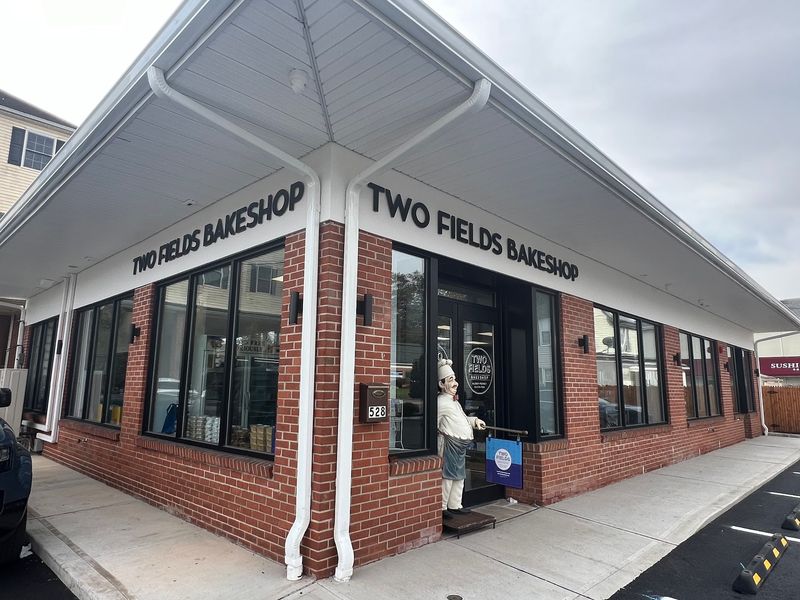
A dessert errand has a specific destination here: Two Fields Bakeshop, at 528 Springfield Ave, Berkeley Heights, New Jersey 07922, United States. The business is a bakery with an open kitchen and a takeout focus.
Gluten-free baking is central to its identity, rather than a small addition to a conventional selection. Its appeal also reaches people managing other food restrictions, although individual needs still deserve a direct conversation with the staff.
The setup matters as much as the headline dessert. Packaged products, ingredient labels, and on-site baking help explain why the space differs from a traditional bakery counter.
For a local outing, the promise is refreshingly specific: a place to pick up baked goods while asking practical questions about what goes into them. Tiramisu supplies the curiosity, but the bakery’s broader approach gives that curiosity somewhere useful to go before an order is placed.
An Owner-Led Story

Behind the business is an owner who remains closely connected to the work. Customer accounts identify him as Nick and describe conversations with him during pickups and stops at the bakery.
One account places him near the entrance finishing a large group of orders. Others describe help with choosing products or planning something for a celebration, giving the business a hands-on character.
In a public response, the owner stated that the business had been operating for 52 years. That statement supports a long business history, but it does not establish how long the current shop has occupied this address.
The more useful thread is continuity of purpose. Another owner response describes a commitment to bringing normalcy and safety to the allergy community.
That goal helps explain the attention given to packaging, questions, and choices, without turning any single customer’s experience into a promise for everyone.
Tiramisu Earns the Spotlight
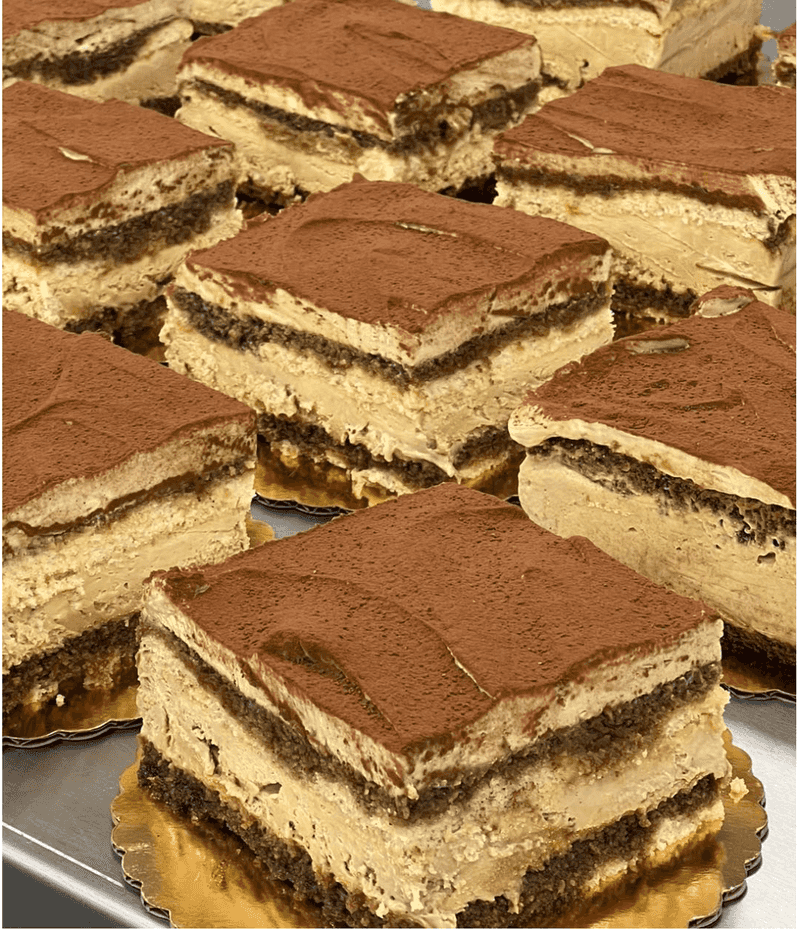
Tiramisu gives this bakery story its most specific reason to stop. It appears in more than one customer account, including a purchase that remained memorable afterward and a separate encounter involving samples.
Those accounts establish that the dessert has been part of the bakery’s offerings. They do not establish its daily availability, portion size, recipe, or current price, so a dedicated trip should begin with a direct check.
The gluten-free angle is the important distinction. For someone who usually has to pass over familiar desserts, finding this option can expand the choices available for an ordinary treat or a planned gathering.
There is no need to invent an elaborate description to make the case. The documented appeal is already clear: tiramisu belongs in the conversation at a bakery focused on gluten-free baking.
Confirm that it is available, ask the necessary ingredient questions, and let that answer guide the order.
More Choice for Gluten-Free Customers
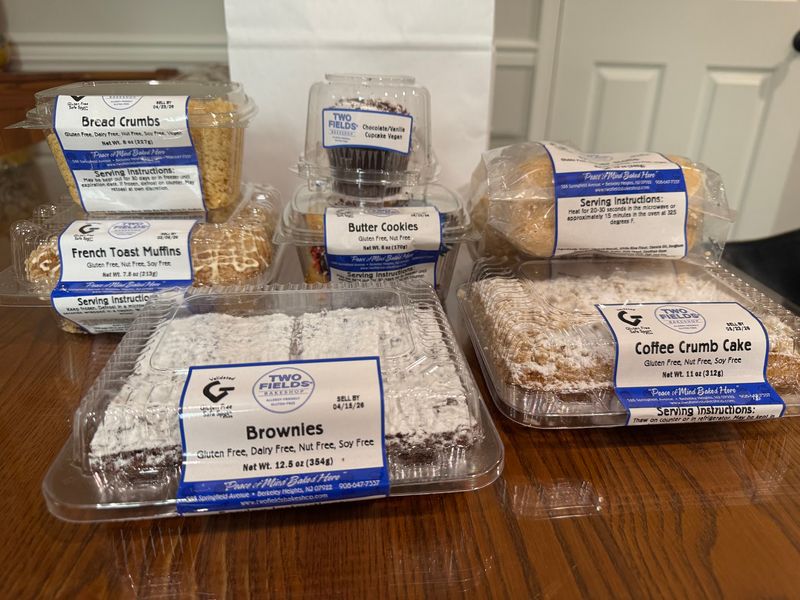
Choice can be the biggest attraction when eating restrictions usually narrow the options. Several customer accounts describe the relief of finding a broader selection here, including people shopping for themselves and relatives.
One family account centers on a parent with celiac disease who could finally choose among multiple treats. Another describes staff explaining the available goods, making the selection process easier to navigate.
Those experiences help explain the bakery’s significance without establishing a medical guarantee. Anyone with celiac disease or another specific requirement should discuss ingredients and preparation directly rather than rely on someone else’s successful purchase.
The useful distinction is between having an option and having a choice. A bakery organized around gluten-free products can make the purchase feel less restricted, while still requiring thoughtful questions.
That combination of variety and information is a stronger reason to stop than any broad claim that every item suits every person.
A Nut-Free Facility With Individual Questions
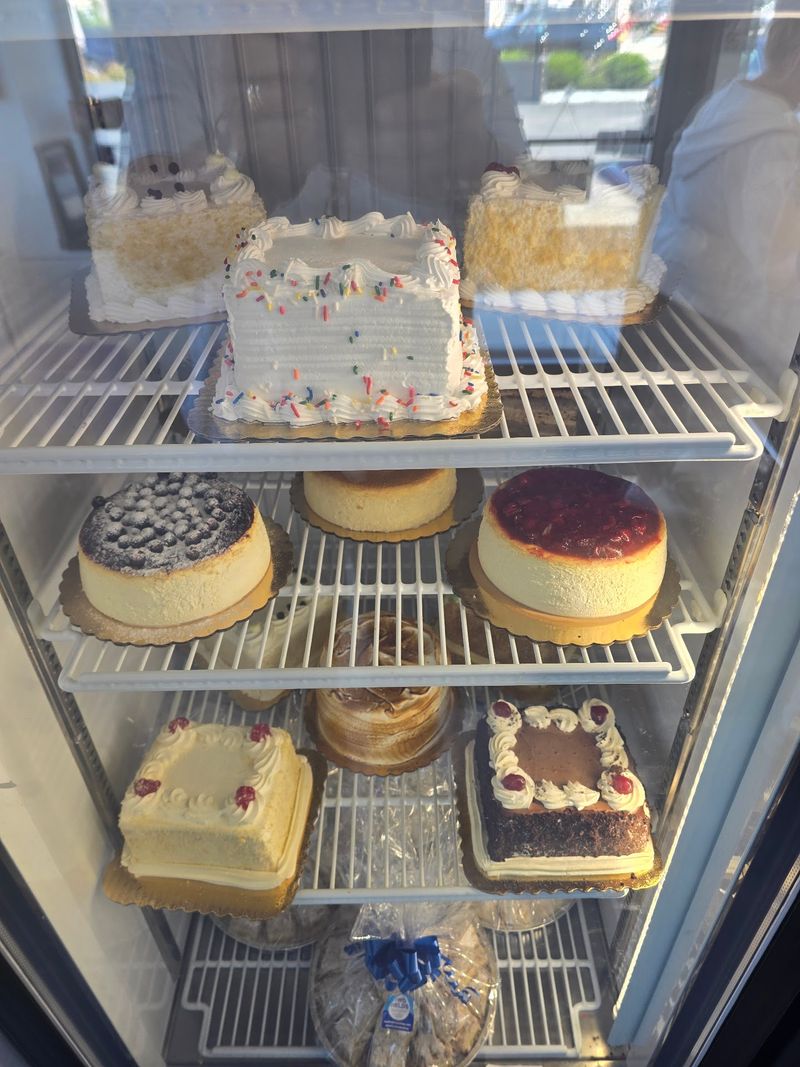
Ingredient questions deserve clear answers, especially when several restrictions overlap. The owner explicitly states that the bakery is a completely nut-free facility and that nuts are not used in its products or ingredients.
Customer accounts also describe purchases for people avoiding dairy, eggs, and other ingredients. Those experiences show that individual requests have been accommodated, not that every product automatically meets every restriction.
That distinction is especially relevant to the tiramisu. Gluten-free does not, by itself, establish anything about other ingredients, and the supplied information does not provide its full recipe.
Before ordering, explain the exact restriction and ask about the specific item under consideration. Product labels and a conversation with the bakery can help clarify the choice.
The goal is an informed purchase, not a blanket assumption based on a single label or another family’s experience, however encouraging that experience may have been for their own circumstances.
Packaging With a Practical Role
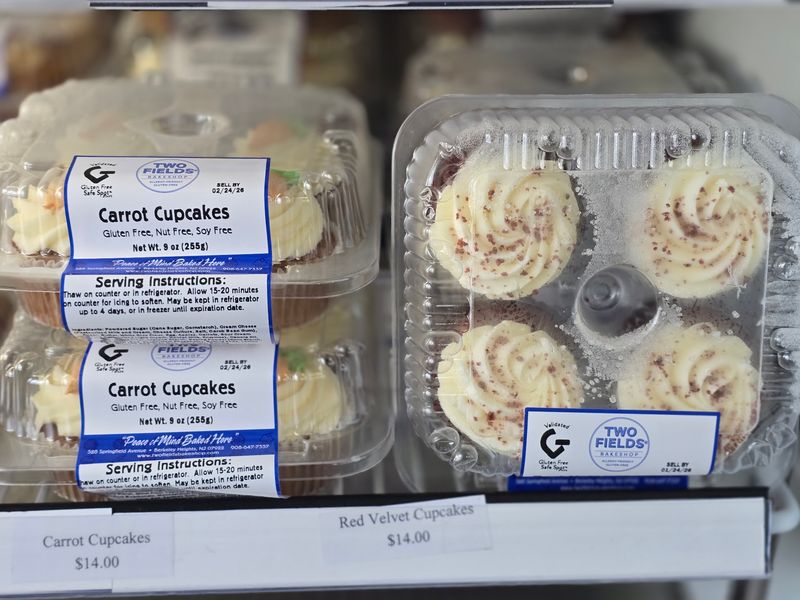
Packages are part of the bakery’s approach, not merely something added at checkout. In an owner response, the business explains that its products are packaged and labeled because it serves people with serious food allergies.
That explanation puts the shop’s unusual format into context. A customer expecting a conventional display may instead find a more practical arrangement built around protected products and information.
Labels can also make a takeout order easier to organize once it leaves the shop. Keeping the original packaging with each item preserves the information supplied by the bakery rather than separating the purchase from its details.
Still, a label should not replace a question when something is unclear. Ask the staff to explain unfamiliar ingredients or handling instructions before leaving.
Here, packaging earns its place in the story because it supports the same purpose as the baking: helping customers make a more informed choice.
Shared Celebrations With Fewer Assumptions

Group occasions bring a different kind of planning challenge. The supplied accounts include families ordering for birthdays, a wedding, a baby shower, and another special gathering involving several food restrictions.
Those examples establish experience with celebration orders. They do not establish that tiramisu is available in a custom size or that every request can be fulfilled, so those details need direct confirmation.
For a host, the first step is collecting accurate requirements from the people who will share the order. A general request for something allergy-friendly leaves too much open to interpretation.
The next step is giving the bakery those requirements clearly and asking what it can provide. Confirm the agreed product, quantity, pickup date, and any handling directions.
The bakery’s documented role in family events makes it relevant to celebration planning, while the best plan still starts with specifics rather than expectations built around someone else’s successful occasion.
Fresh and Frozen Takeout
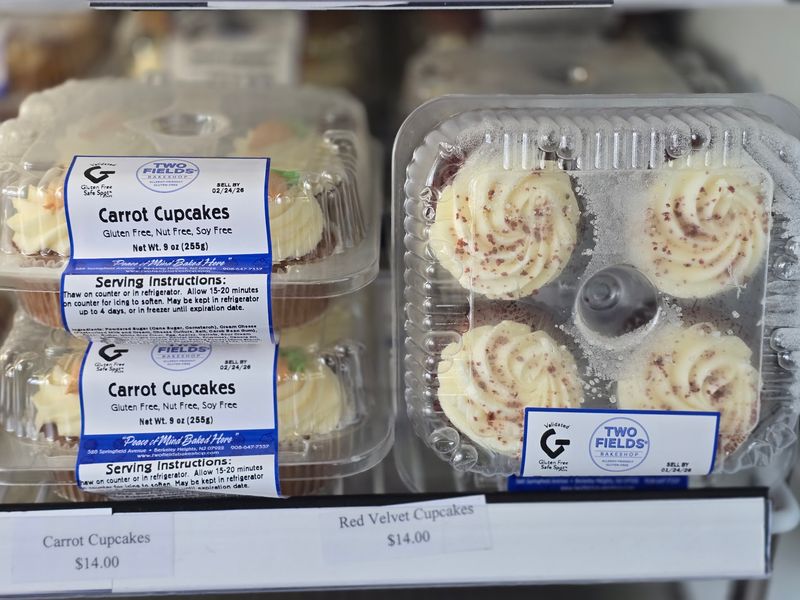
Pickup time and serving time are not always the same thing. The supplied accounts describe both fresh and frozen products, making storage and preparation questions an important part of the purchase.
A documented order problem involved an item that was not ready to serve when expected. The owner’s response pointed to product instructions, underscoring why those details should be checked before an occasion.
That experience does not establish how the tiramisu is sold or handled. Its storage needs, readiness at pickup, and serving guidance should come directly from the bakery for the actual order.
Ask what condition the product will be in when collected and what needs to happen before it is served. Keep any written directions with the package.
This is a small planning step, but it can prevent a dessert purchase from becoming a last-minute scheduling problem, especially when the order is intended for a gathering.
A Tuesday Through Saturday Schedule
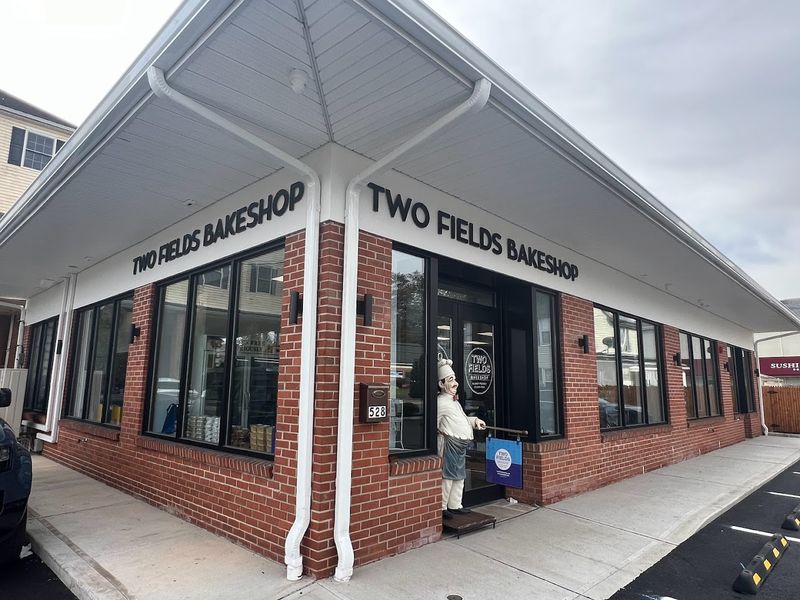
The calendar rules out a Sunday dessert run. Listed operating hours are Tuesday through Saturday, 9 AM to 5 PM, with the bakery closed on Sunday and Monday.
That schedule gives local customers a clear planning window, but it does not guarantee that a particular product remains available throughout the day. Tiramisu availability should be confirmed separately from the opening hours.
Advance orders require another conversation. An older customer account mentions a week’s notice for customized work, but that should not be treated as a current deadline or a promise that all requests follow the same timetable.
Use the bakery’s website, twofieldsbakeshop.com, as a starting point, then verify anything essential to the trip directly. For a celebration order, confirm the pickup day and time alongside the order itself.
A shop can be open as scheduled while a specific dessert still requires planning of its own.
Arrival and Order Costs
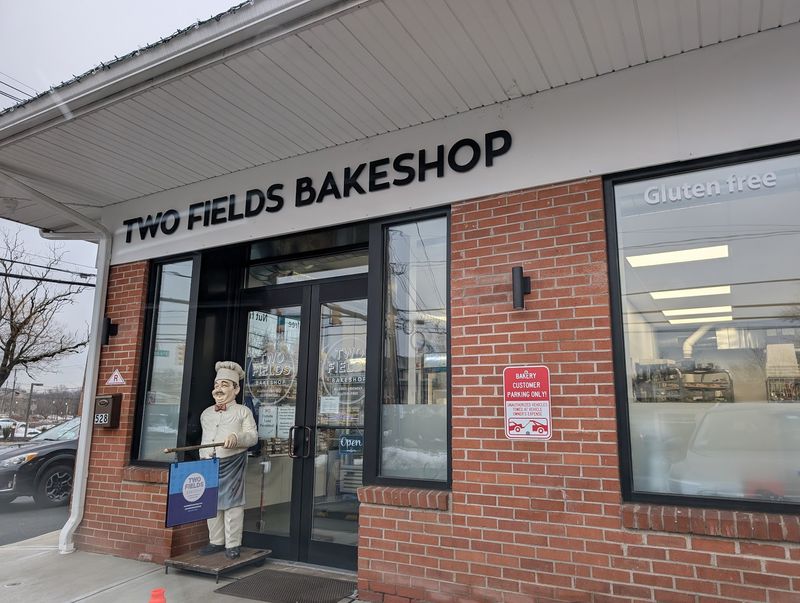
Front parking is noted in a customer account, offering one useful detail for a takeout stop. The supplied information does not establish parking capacity, step-free access, or public transportation connections.
Anyone with a specific access requirement should confirm it before traveling. That is more helpful than assuming the entrance or parking arrangement will meet every need.
Costs also require a direct check because no current prices are supplied. There is no supported basis for calling the tiramisu inexpensive, estimating an order total, or comparing it with another bakery.
Ask for the current price, available size, and total before committing to a planned purchase. For advance work, confirm payment deadlines and retain the written order details.
Those practical questions may be less exciting than the dessert itself, but they make the outing easier to organize and keep a promising discovery grounded in a plan that fits the occasion.
A Specific Reason to Return

The strongest case for a stop is not an extravagant promise. It is the combination of a documented gluten-free tiramisu offering and a bakery whose working methods reflect attention to food restrictions.
Packaged products, ingredient labels, an open kitchen, and staff explanations give the place a clear identity. Its takeout format also sets a useful boundary: plan to collect an order, not settle in for cafe service.
A few details remain essential to confirm, especially tiramisu availability, individual ingredient requirements, cost, and handling instructions. Those questions do not diminish the discovery; they help turn it into a workable outing.
For New Jersey residents seeking a more considered dessert stop, the appeal is specific enough to explore. Start with the tiramisu, keep expectations tied to what the bakery confirms, and leave room for the simple pleasure of having another option.
Sometimes that is exactly what makes a small bakery memorable.
Share this story