Out in the rolling plains of western Oklahoma, there is a quiet stretch of land that most drivers pass without a second look. It has no flashy signs or roadside thrills, just grass, sky, and a winding river.
But the story hidden in this valley is one of the most important chapters in the history of the American West. Once you learn what happened here, you will never look at this peaceful landscape the same way again.
A Quiet Valley With a Heavy Story
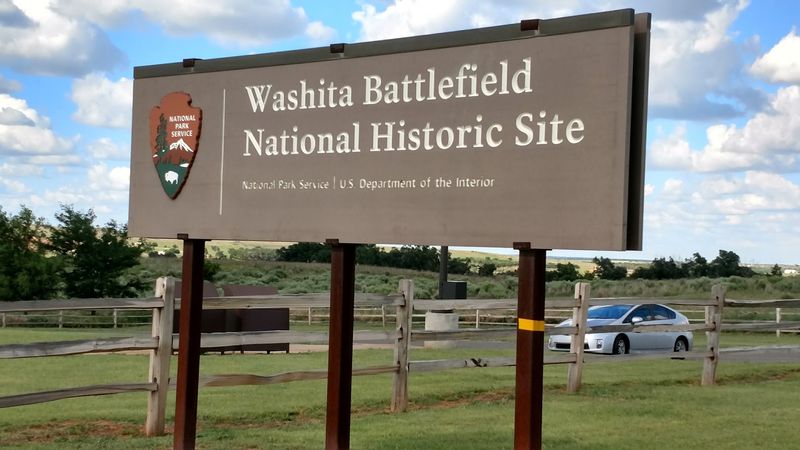
Picture a wide valley in western Oklahoma where the wind moves the grass in long waves. That calm scene is the Washita Battlefield National Historic Site, found near the small town of Cheyenne.
At first glance, it looks like simple open country.
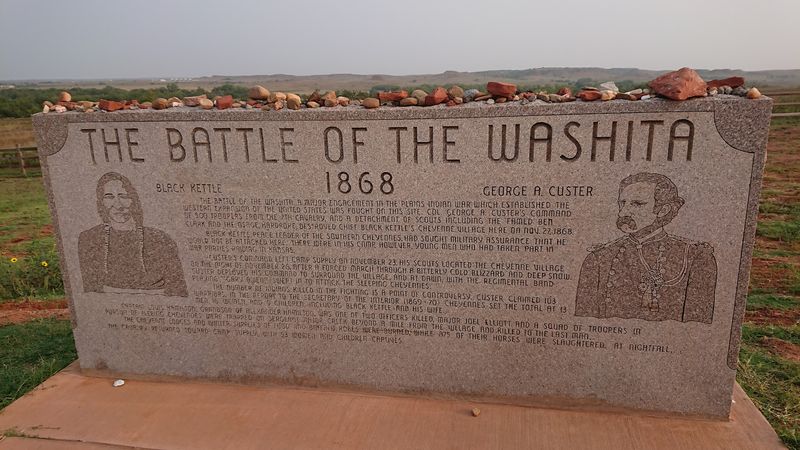
Look closer, though, and the land starts to speak. The site marks the spot of a dawn attack in 1868, led by George Armstrong Custer, on a Cheyenne village camped along the river.
Today, the National Park Service protects it as a memorial so the story is never lost.
Many travelers come expecting a quick stop. What they find instead is a place that asks them to slow down, listen, and think.
The silence here feels meaningful rather than empty.
Unlike busy attractions with crowds and gift shops at every turn, this site keeps things simple. A trail, a few displays, and the landscape itself do most of the talking.
That simplicity is part of the power.
For anyone curious about the real history of the Great Plains, this spot is a strong starting point. It is honest, moving, and very much worth a detour off the main highway on your next Oklahoma road trip.
The Winter Morning of 1868
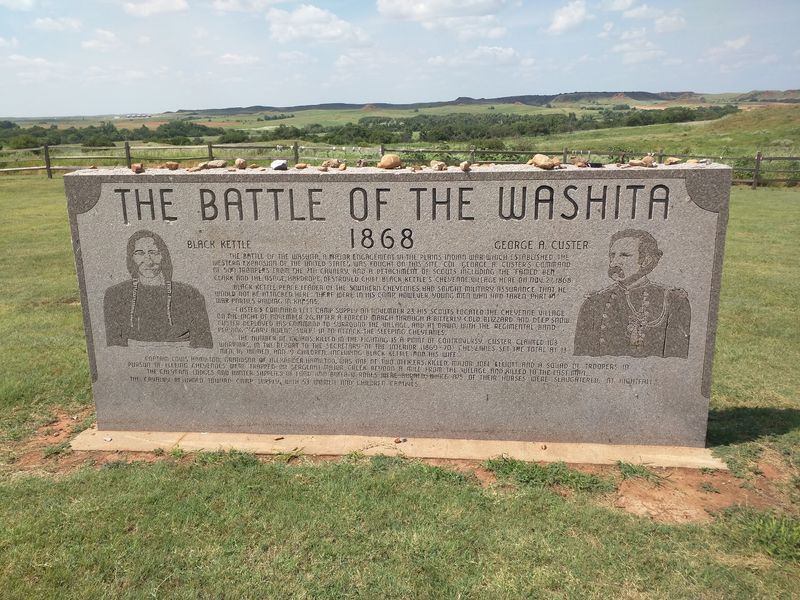
Long before highways and towns, the Washita River valley was home ground for Cheyenne families. In 1868, a village stood along the riverbanks, settled in for the season.
Life there was centered on family, community, and the rhythms of the plains.
Then came a dawn that changed everything. U.S.
Army troops under Custer rode in and attacked the village at first light. Families were caught by surprise, and the camp was left shattered by the time the morning ended.
Historians often point out that this event was part of a larger and painful struggle over land on the Southern Plains. The U.S. government was pushing tribes onto reservations, and conflict spread across the region.
Washita became one of the best-known moments of that era.
For a long time, the attack was told mostly from the Army’s point of view. Some called it a battle, while others saw it as an assault on a peaceful village.
The site today works to share a fuller, more balanced telling of what took place.
Standing here, the past stops feeling like a textbook chapter. It becomes a real morning, in a real valley, with real people whose stories still matter to their descendants.
Why It Is Called a Memorial, Not Just a Battlefield
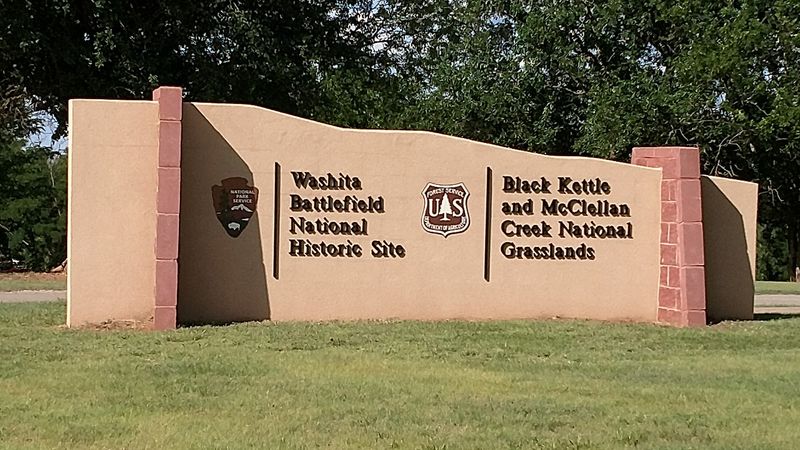
Words carry weight, and at Washita they matter a great deal. The site is officially a battlefield, but it is also described as a memorial.
That second word tells visitors how to approach the ground they are walking on.
Memorials are made for remembering and honoring. Here, the focus is on the Cheyenne families who lived in the village and on the lasting impact of that winter morning.
The goal is respect, not celebration.
Many visitors say this changes the whole experience. Instead of reading about troop movements like a game, they find themselves thinking about the people who called this valley home.
It feels personal in a way few historic sites manage.
Here is a helpful way to frame your visit. Think of it less like a museum of victories and more like a place of reflection, similar to visiting a family landmark.
Speak softly, move slowly, and take your time.
That shift in mindset makes the trip far richer. Kids and adults alike often walk away with deeper questions about fairness, history, and whose voices get heard.
And honestly, those are some of the best souvenirs any trip can offer.
Walking the Trail Through the Village Site
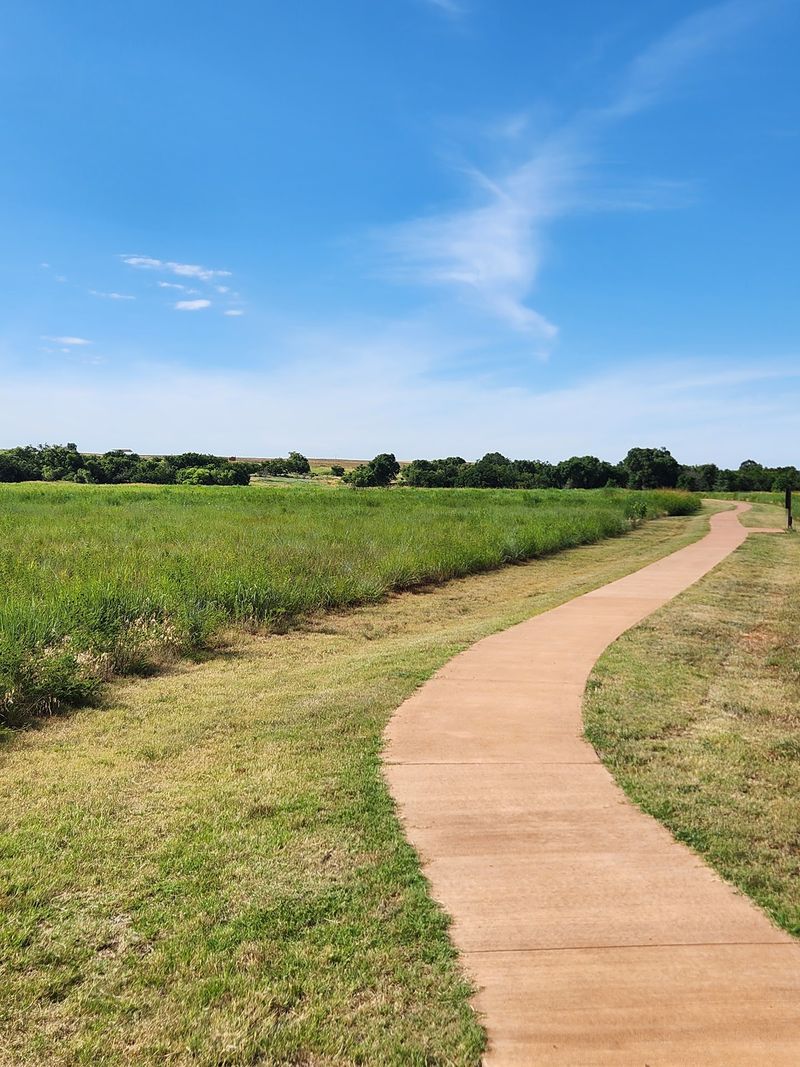
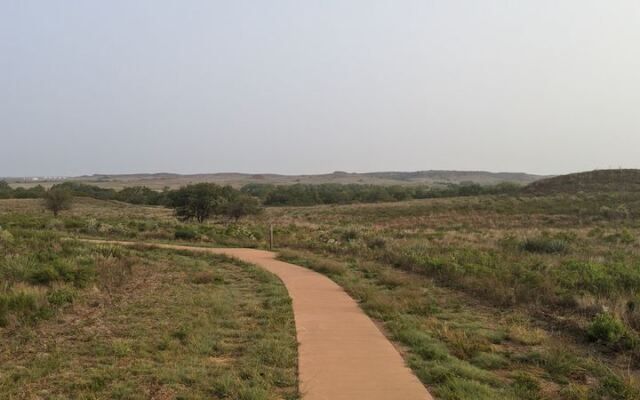
Lace up comfortable shoes, because the best way to understand Washita is on foot. The site includes a trail that leads visitors through the landscape tied to the 1868 attack.
Every step brings you closer to the story.
Out on the path, the scale of the land becomes clear. You can see the river valley, the gentle hills, and the open sky that framed the village.
It is easy to imagine how the camp might have looked tucked along the water.
The walk is peaceful, with birdsong and rustling grass as your main soundtrack. Many people pause often, simply to look around and let the setting sink in.
There is no rush out here.
Plains weather can shift quickly, so plan ahead. Bring water, a hat, and layers, since sun and wind are both common in western Oklahoma.
A little preparation keeps the outing pleasant.
For outdoor lovers, the trail offers a rare mix of fresh air and meaningful history. You are not just hiking, you are reading the land itself.
Few walks in the state carry this much weight in such a calm and open space.
Displays That Fill in the Missing Pieces
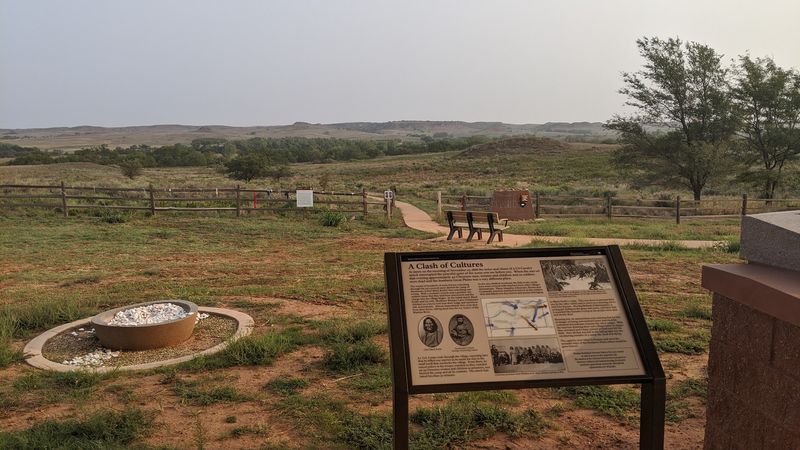
Ever stood on historic ground and wondered what exactly you were looking at? The displays at Washita solve that problem.
They help connect the quiet landscape to the events that unfolded here.
The exhibits explain the 1868 attack and the wider history around it. They guide visitors through who was in the village, why the Army came, and what followed.
Without them, the valley would feel beautiful but mysterious.
Reading them in order gives the visit a natural flow. Many travelers like to stop at the displays first, then head out on the trail with a clearer picture in mind.
The land feels different once you know the story.
Families will find them helpful for younger visitors, too. The information gives parents an easy way to start conversations about history, culture, and respect.
Kids often ask great questions after just a few minutes of reading.
Take photos of anything that grabs your attention so you can look it up later. Plenty of guests leave curious to learn more about the Cheyenne people and the Southern Plains.
A short stop at these displays can easily spark a lifelong interest in Oklahoma history.
Prairie, River, and an Enormous Sky
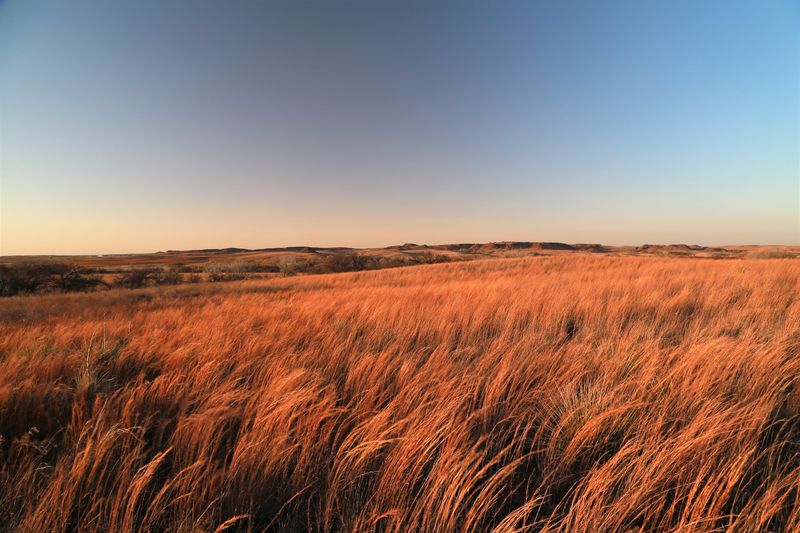
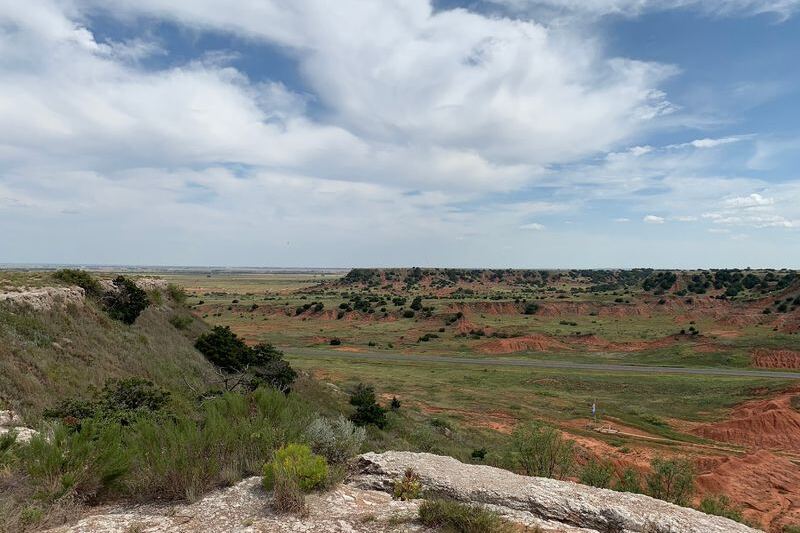
Western Oklahoma has a way of making the sky feel twice as big. At Washita, that endless blue stretches over a valley shaped by the river below.
The setting alone is reason enough to stop.
Grasslands roll out in every direction, changing color with the seasons. Spring brings fresh green, summer turns things golden, and cooler months paint the land in soft browns and tans.
Every visit can look a little different.
The river is the heart of the scene. Its winding path explains why a village would settle here, with water, shelter, and space all in one place.
Standing near it, the choice makes perfect sense.
Photographers tend to love the early morning and late afternoon light. Long shadows stretch across the hills, and the whole valley seems to glow.
Just remember to treat the ground with care while you shoot.
There is also something quietly powerful about how little has been built here. No skyline, no traffic noise, just open country.
That untouched feel helps visitors picture the past more clearly than any painting could. It is the plains at their most honest, and it lingers with you long after the drive home.
Who Will Feel Most at Home Here
History buffs, this one is calling your name. Washita offers a chance to stand right where a major event in Western history took place.
Reading about it is one thing, but seeing the land is another.
Road-trippers crossing western Oklahoma will appreciate it as a meaningful break from long highway miles. It adds depth to any plains adventure.
Pair it with other nearby stops for a full day of exploring.
Families with curious kids can find real value here too. The site opens doors to big talks about fairness, culture, and how stories get told.
Just prepare younger children for a calm, reflective visit rather than an action-packed one.
Nature lovers and quiet seekers also tend to enjoy it. The open space, gentle trail, and big views offer a peaceful escape from busy daily life.
Few places feel this still.
On the other hand, anyone hoping for rides, loud fun, or nonstop activity may want to adjust expectations. The atmosphere is respectful and slow-paced by design.
Come with an open mind and a willingness to listen, and the valley will reward you with an experience that feels honest and surprisingly personal.
Planning the Drive Out West
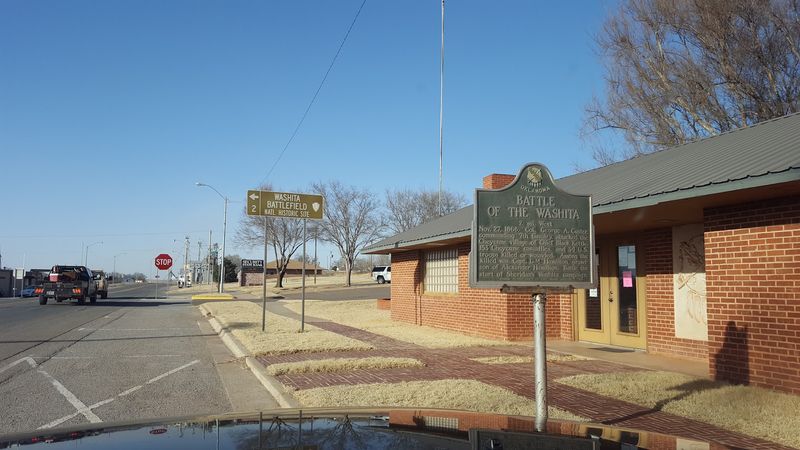
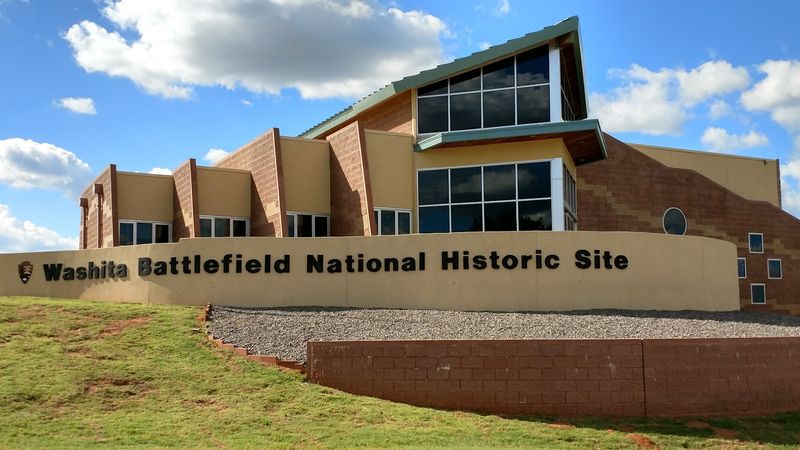
Getting there is part of the adventure. Washita Battlefield National Historic Site sits near Cheyenne, Oklahoma, in the far western part of the state.
The address is simply listed as Cheyenne, OK 73628.
Plan on rural roads and wide-open views along the way. Services can be spread out in this region, so filling the gas tank before you leave a larger town is a smart move.
Snacks and water in the car never hurt either.
Hours and any fees can change, so check the National Park Service website before heading out. That quick step saves you from surprises after a long drive.
It is also a good way to learn about any special programs.
Weather deserves attention too. Western Oklahoma can bring strong sun, gusty wind, and quick storms, especially in spring and summer.
Dress in layers and pack sunscreen for the trail.
Give yourself enough time to enjoy the visit without hurrying. Between the displays, the trail, and moments of quiet reflection, it is easy to stay longer than planned.
A relaxed schedule turns this stop from a quick photo into a memory that sticks.
Worth the Detour, and Then Some
Some places entertain you, and some places change you a little. Washita falls firmly into the second group.
It is not loud or flashy, yet it leaves a lasting mark.
The story of the 1868 dawn attack on the Cheyenne village is hard, but it is also important. Visiting helps keep that memory alive and honors the people connected to it.
That alone makes the trip meaningful.
Add in the peaceful trail, the helpful displays, and the sweeping plains scenery, and you have a well-rounded stop. It works for a short visit or a slower afternoon of reflection.
Either way, you leave knowing more than when you arrived.
For Oklahomans, there is extra value in understanding this piece of home. The state’s history is rich, layered, and sometimes painful.
Places like this help tell the full story with care.
So next time you are cruising across western Oklahoma, consider taking that turn toward Cheyenne. Walk the valley, read the stories, and listen to the wind in the grass.
Chances are, this quiet corner of the plains will stay with you far longer than you expected.
Share this story