Some places in Illinois stop you cold the moment you walk through the door, not because they’re fancy or loud, but because they feel unmistakably real. You might pass the entrance a dozen times without a second glance, and then one evening you step inside and wonder how you ever missed it.
The walls are packed with paintings, the jukebox hums something soulful, and the people around you look genuinely happy to be there. That kind of place is rarer than it should be, and when you find one, you hold onto it.
Location and Identity of Old Town Ale House
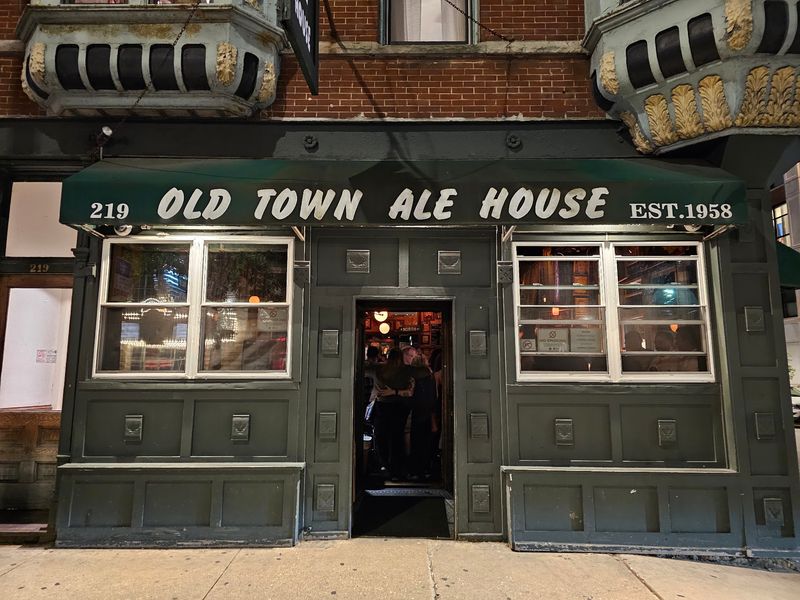
Planted right on West North Avenue in Chicago’s Old Town neighborhood, this bar sits just steps away from the legendary Second City comedy club. The address is 219 W North Ave, Chicago, IL 60610, and the location alone tells you something about the crowd that finds its way here.
Comedy writers, night-shift workers, curious tourists, and longtime regulars all share the same worn stools.
Old Town Ale House is, by every honest measure, a dive bar. No pretension, no craft cocktail menu printed on reclaimed wood, no velvet rope.
What it offers instead is something harder to manufacture: genuine character built up over decades in one of Chicago’s most storied neighborhoods.
The bar wears its identity without apology, and that straightforwardness is a big part of why people keep coming back long after novelty should have worn off.
A History Soaked Into the Walls
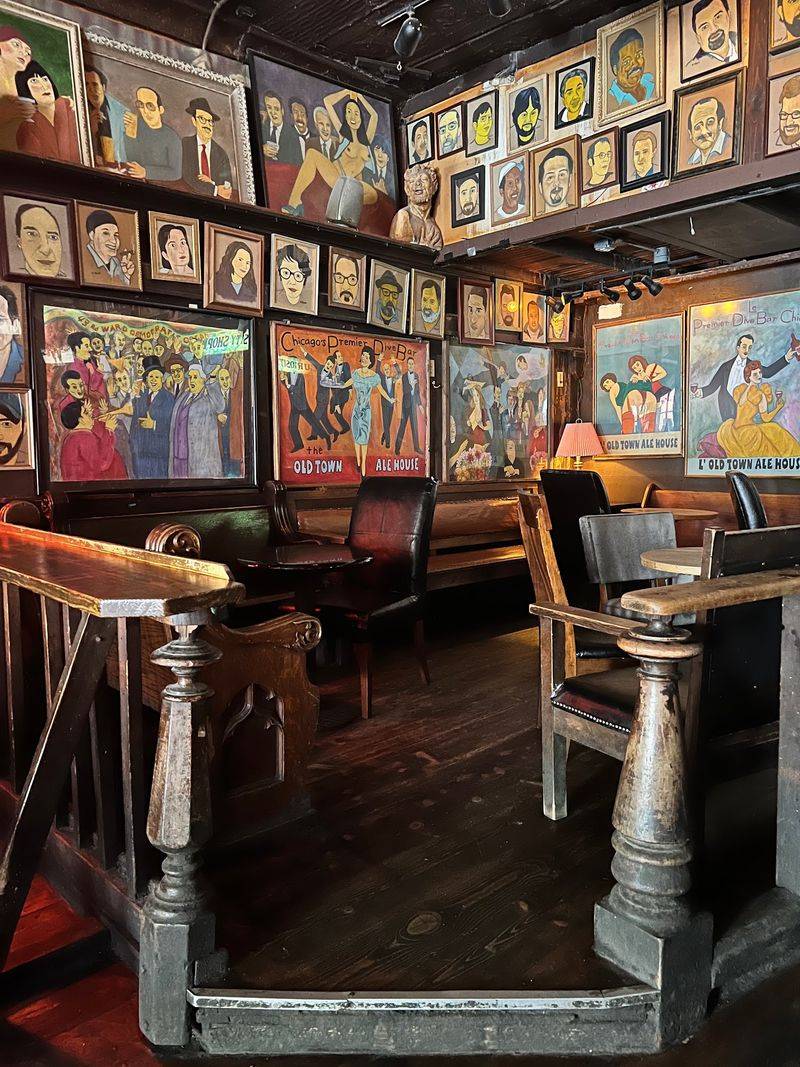
Few bars in Chicago carry the kind of lived-in history that Old Town Ale House has quietly accumulated over the years. The Old Town neighborhood itself has been a hub for artists, writers, and performers since at least the mid-twentieth century, and this bar absorbed all of that creative restlessness like a sponge.
Visitors who pay attention can feel the weight of the place. Regulars mention sensing the history the moment they walk in, something almost impossible to fake or recreate with clever interior design.
Heritage here is not a marketing angle; it simply exists because the bar has been part of the neighborhood’s fabric for so long.
That layered past gives the space a texture that newer establishments spend fortunes trying to imitate. Old Town Ale House never had to try.
It just kept showing up, night after night, decade after decade.
The Owner’s Artwork That Covers Every Surface
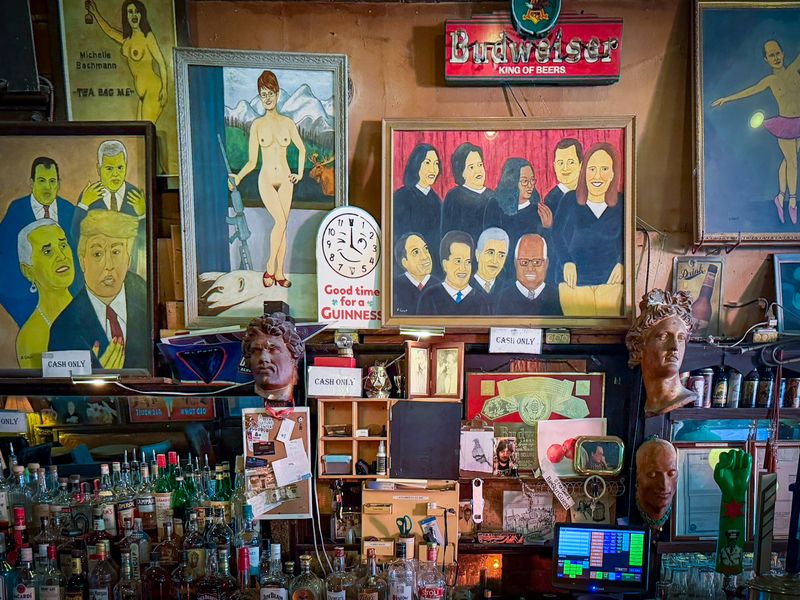
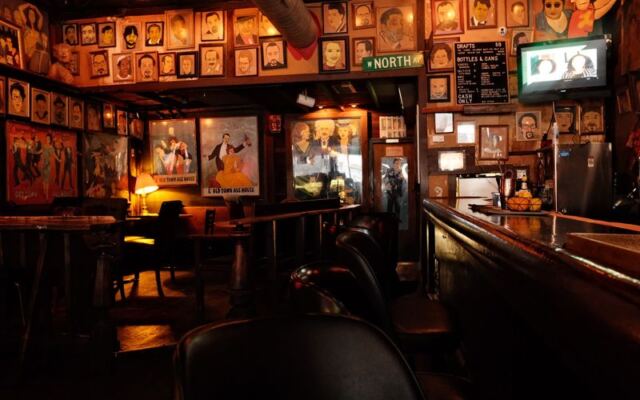
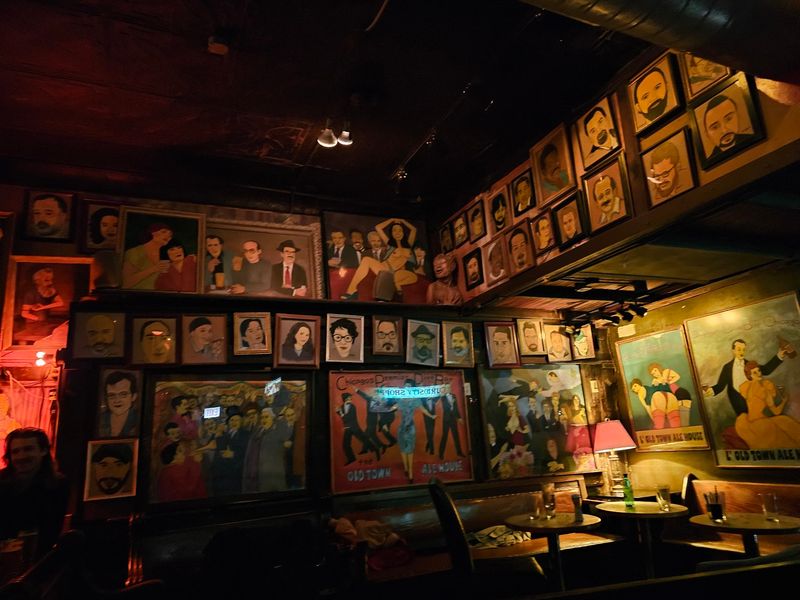
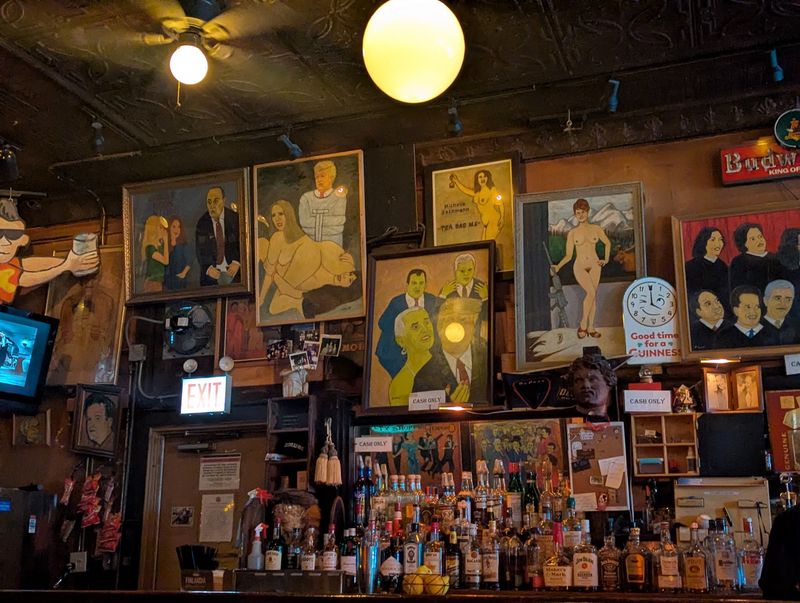
Walk in and your eyes will not know where to land first. Every wall of Old Town Ale House is covered in paintings created by the bar’s own owner, and the effect is somewhere between an art gallery and a fever dream.
The work leans satirical and politically charged, with visitors noting a heavy dose of anti-establishment commentary woven through the imagery.
One reviewer who stopped in before a Second City show described the moment of realization with genuine delight: the bar owner is a painter, and thankfully a good one. The humor in the work lands, which matters when you’re spending an evening staring at it.
Art gets the most mentions of any topic in visitor conversations about this place, appearing in discussions more than any other feature. That kind of organic attention is earned, not engineered.
The paintings make the bar feel like nowhere else in the city.
The Cash-Only Policy That Sets the Tone
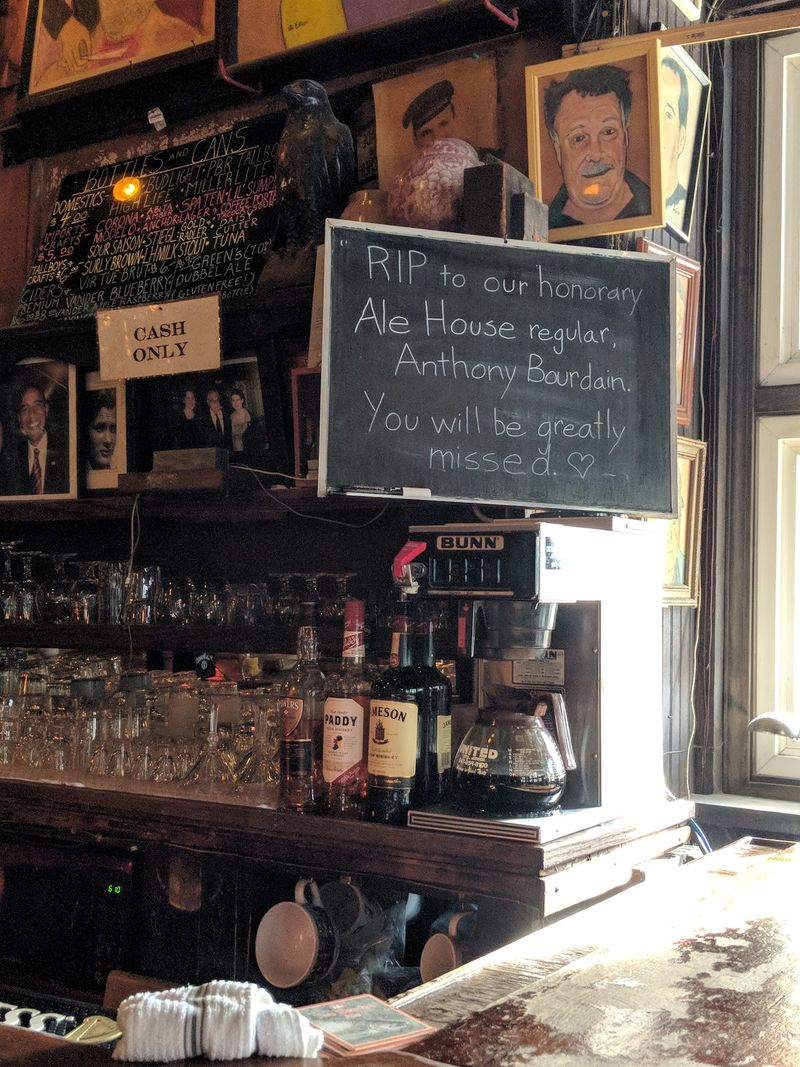
Pull out your card and you will be redirected to the ATM on site, because Old Town Ale House operates strictly on cash. For some visitors this is a minor inconvenience; for regulars it is part of the bar’s charm and a reliable signal that you have found a place that does things its own way.
Cash-only comes up in visitor conversations more than almost any other topic, clocking in at 45 mentions. That number suggests it lands as a distinctive feature rather than a dealbreaker.
Prices are described as reasonable, so the cash requirement rarely stings much once people adjust.
There is something refreshing about a bar that refuses to optimize itself for modern convenience. The cash policy slows things down just enough to encourage conversation, eye contact, and the kind of unhurried interaction that most bars have quietly abandoned in favor of tap-to-pay efficiency.
The Jukebox That Sets the Soundtrack
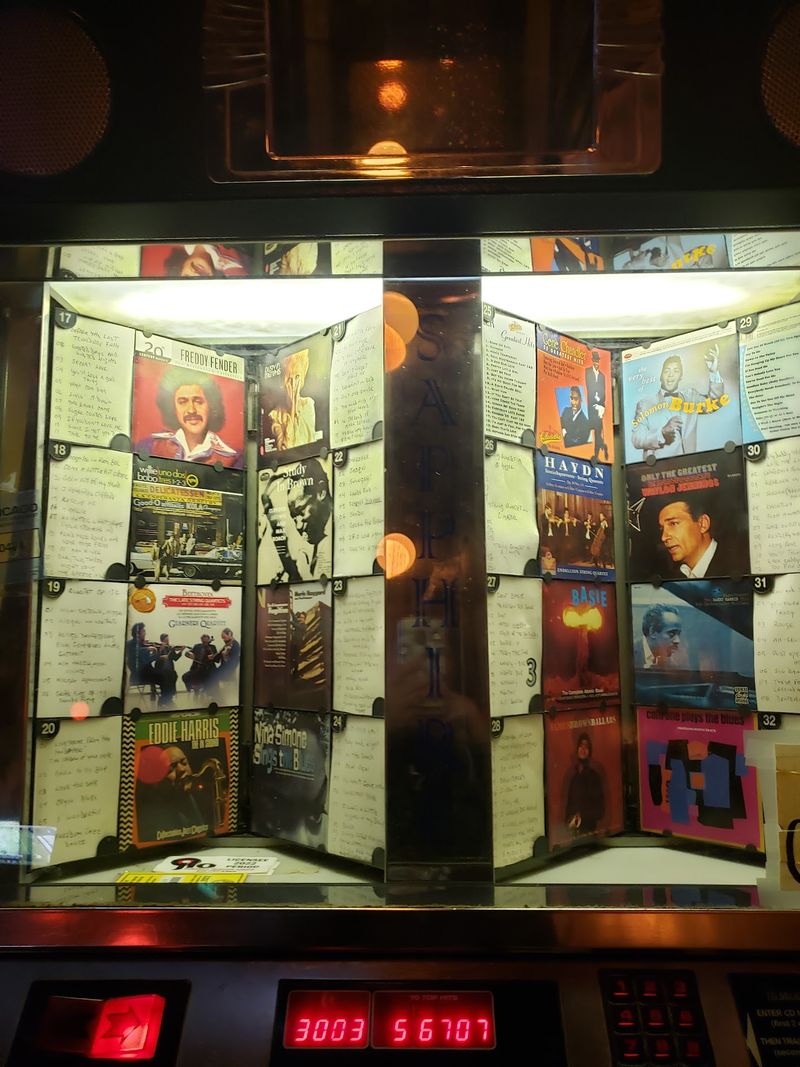
Not every bar can claim a jukebox worth talking about, but Old Town Ale House can. The machine is CD-based, which in an era of algorithm-generated playlists feels almost radical.
Visitors describe it as a jazz lover’s dream, and the curated selection gets credit for giving the place its particular mood on any given night.
The jukebox earns 36 mentions in visitor conversations, making it one of the bar’s most talked-about features. One regular described the combination of wall-to-wall paintings and a carefully chosen jukebox as the source of the bar’s truly unique atmosphere.
That pairing is hard to argue with once you have experienced it.
Stepping up to a physical jukebox and making a real selection feels like a small but meaningful act. At Old Town Ale House, that act connects you to everyone else who has stood in that same spot and chosen a song over the past several decades.
The Anthony Bourdain Connection
Anthony Bourdain filmed a segment at Old Town Ale House during his exploration of Chicago’s food and culture scene, and that visit left a permanent mark. His name comes up 27 times in visitor conversations, often from people who tracked the bar down specifically because of the segment.
Bourdain had a talent for finding places that felt genuinely human, and this bar fit that description precisely.
Being chosen by someone with that level of cultural credibility added a layer to the bar’s story without changing what the bar actually is. Regulars and newcomers alike mention the Bourdain connection as a reason they first walked in, even if they stayed for entirely different reasons.
The bar does not lean heavily on the association as a marketing tool. It is simply part of the history now, woven into the conversation the same way the artwork and the jukebox are, present without being overplayed.
Stephen Colbert’s Laminated Legacy
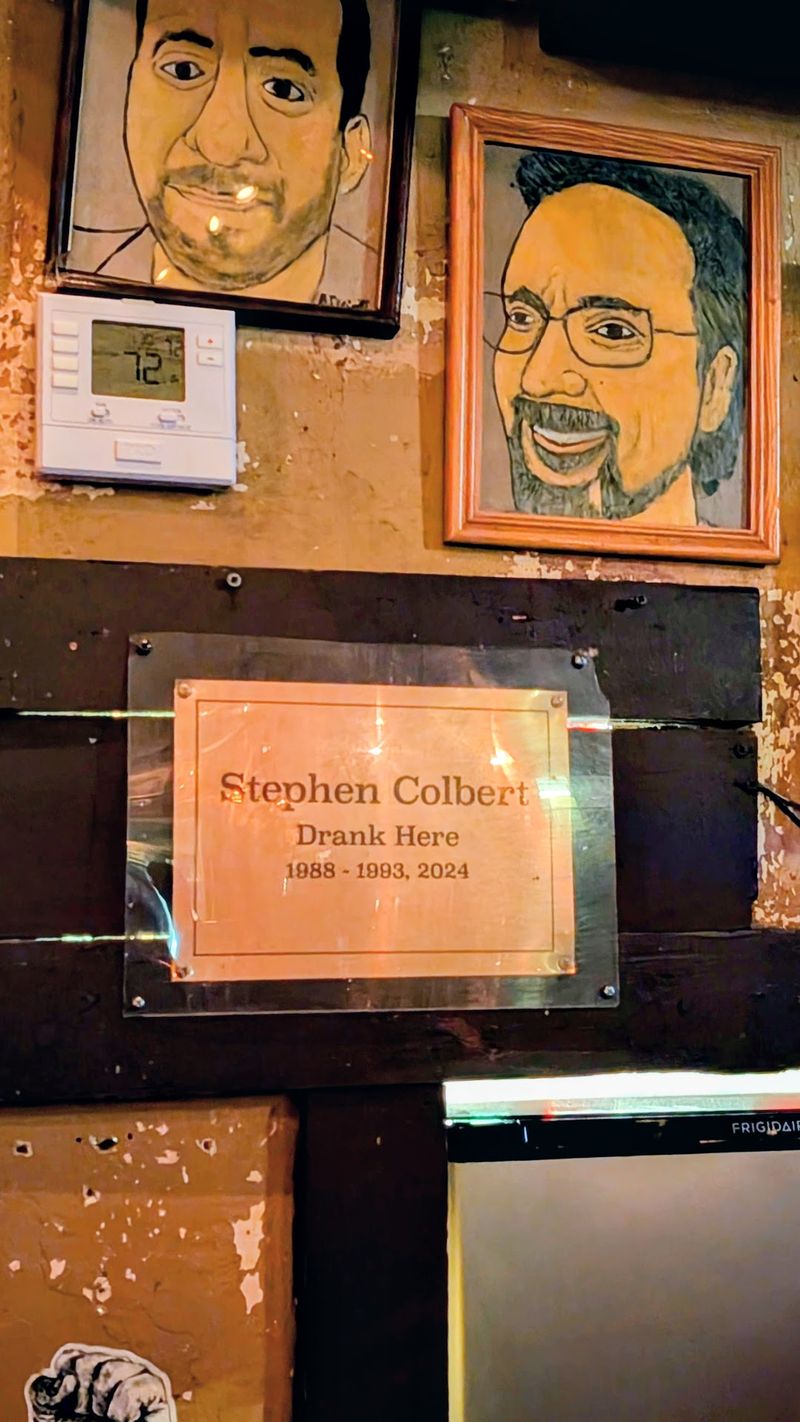
Somewhere on the walls of Old Town Ale House, among the paintings and the history, hangs a laminated sign listing all the years that Stephen Colbert visited the bar. It is exactly the kind of detail that makes a place feel lived-in and real rather than curated for effect.
Visitors mention it as a charming, low-key touch that fits the bar’s personality perfectly.
Colbert’s connection to the bar likely grew from its proximity to Second City, where he trained early in his career. The neighborhood has long attracted performers, writers, and creative people who needed a nearby place to decompress after a show or a long rehearsal.
Old Town Ale House became that place for many of them.
A laminated sign is not a trophy case or a shrine. It is more like an inside joke shared between the bar and the people who already know the story, which makes discovering it feel like a small reward for paying attention.
The Bartenders Who Make It Work
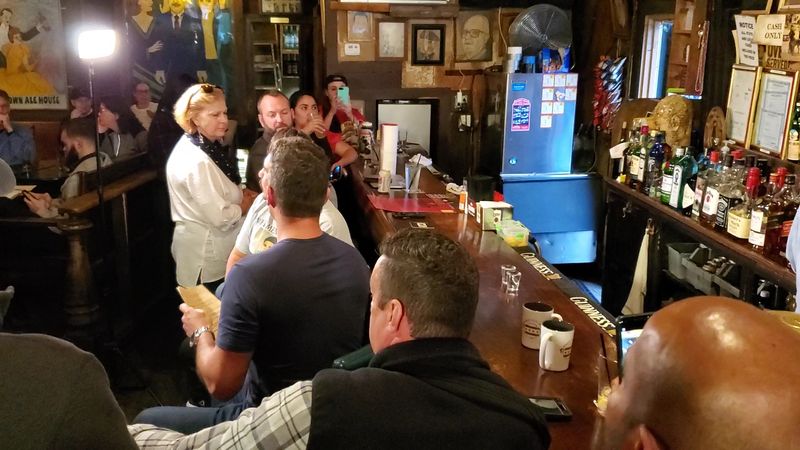
A bar’s staff can make or break the experience, and at Old Town Ale House the people behind the counter get consistent praise for being attentive, personable, and genuinely warm. Visitors who stopped in randomly before catching a train back to Michigan described their bartender as someone who poured well and kept the conversation moving.
That combination is rarer than it sounds.
Friendly bartender earns 15 mentions in visitor discussions, and the friendly crowd adds another 13. The two tend to reinforce each other: a welcoming staff sets a tone that the customers pick up and carry forward.
On a good night, everyone in the room seems to be in on the same relaxed, easy vibe.
The bar is small enough that the person pouring your drink is never far away, which creates a kind of intimacy that larger venues simply cannot replicate. Regulars tend to notice when that connection is working well.
Atmosphere Inside the Room
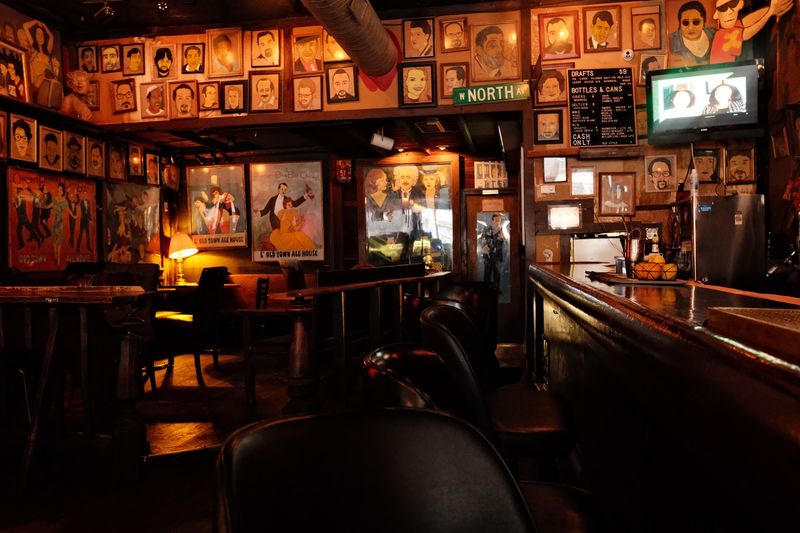
Dim lighting, paintings stacked floor to ceiling, a jukebox humming in the corner, and a room full of people who look genuinely glad to be there: the atmosphere at Old Town Ale House is easy to absorb and hard to describe without underselling it. Visitors reach for phrases like stepping back in time and feeling the history, which sounds cliche until you are actually standing inside.
The bar is small, which means it fills up fast on weekends and stays buzzing well into the early morning hours. Regulars note that the turnover keeps things lively without ever feeling frantic.
Comfy chairs appear in more than one visitor account, suggesting the place rewards settling in rather than rushing through.
Dimly lit comes up in visitor conversations as a defining quality, and it shapes everything about the mood. The low light softens the edges of the evening and makes the artwork on the walls glow in a way that brighter spaces simply could not achieve.
Who Belongs Here and Who Will Love It
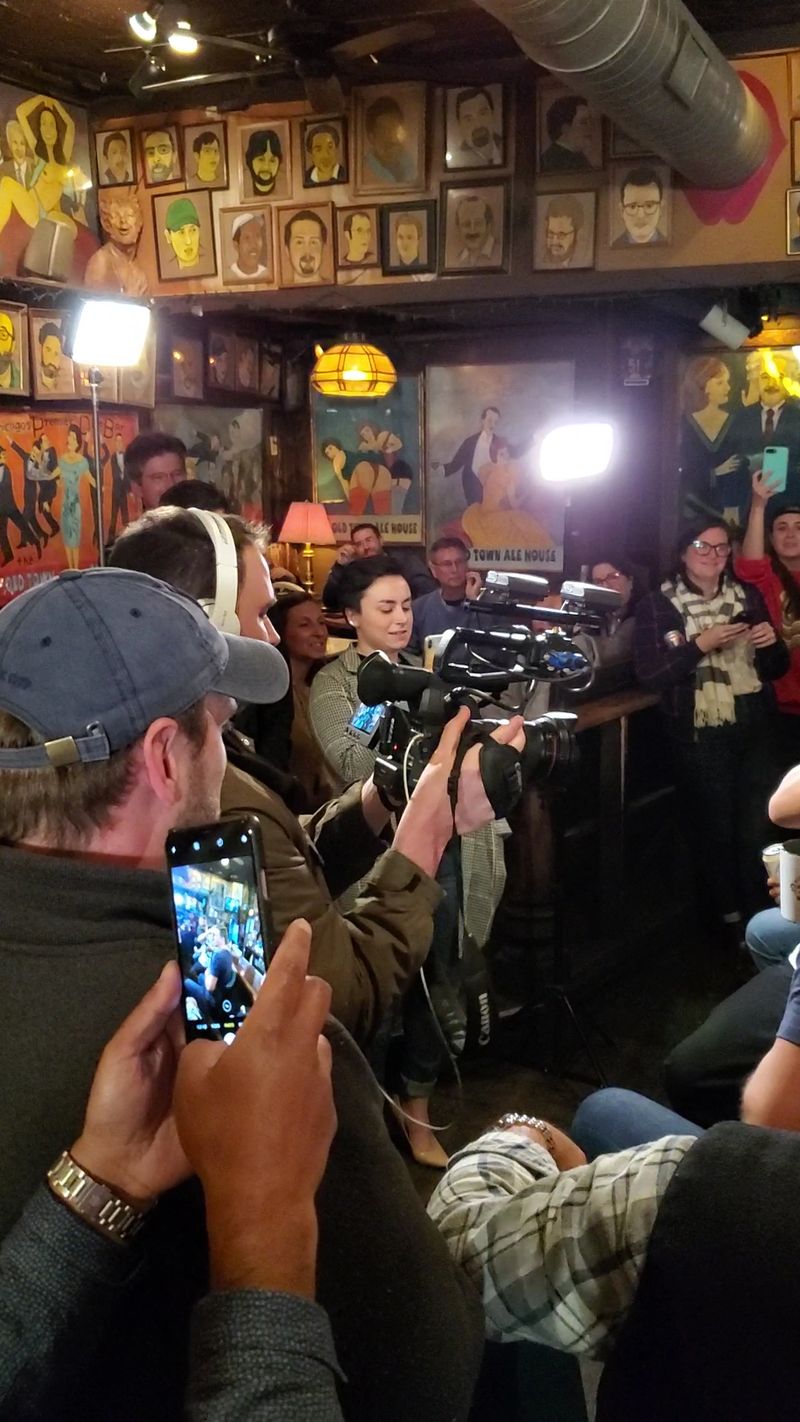
Old Town Ale House is not trying to appeal to everyone, and that is precisely why the people who belong there feel so at home. The crowd on any given night might include comedy fans fresh off a Second City show, longtime neighborhood residents, curious visitors from out of state, and people who have been coming in since before some of the paintings on the walls were finished.
Visitors describe the crowd as friendly and easy to talk to, the kind of mix that makes a solo visit feel comfortable rather than awkward. One person who stopped in alone before a train home ended up having good conversations with multiple strangers before their departure time arrived.
Anyone who appreciates character over polish, history over trendiness, and a room where the decor actually means something will find this bar rewarding. People who need a curated cocktail list and a sound system playing current chart music will probably want to look elsewhere.
Hours, Prices, and What to Bring
Old Town Ale House opens at 3 PM every day of the week, which makes it a solid option for an afternoon stop before a show or an early evening outing. Closing time runs to 4 AM on most nights, stretching to 5 AM on Saturdays.
Those hours make the bar a genuine late-night option in a city that knows how to stay up.
Prices are described by visitors as reasonable and cheap, which matters when you are operating cash-only. Bringing enough cash to cover a few rounds and a tip is the smartest move, and the on-site ATM is available as a backup for anyone who arrives underprepared.
The bar’s phone number is 312-944-7020, and the website at theoldtownalehouse.com carries additional information for planning a visit. Given the late hours and the proximity to Second City, timing a stop around a comedy show makes for a natural and satisfying evening in Old Town.
Why the Drive Is Worth Making
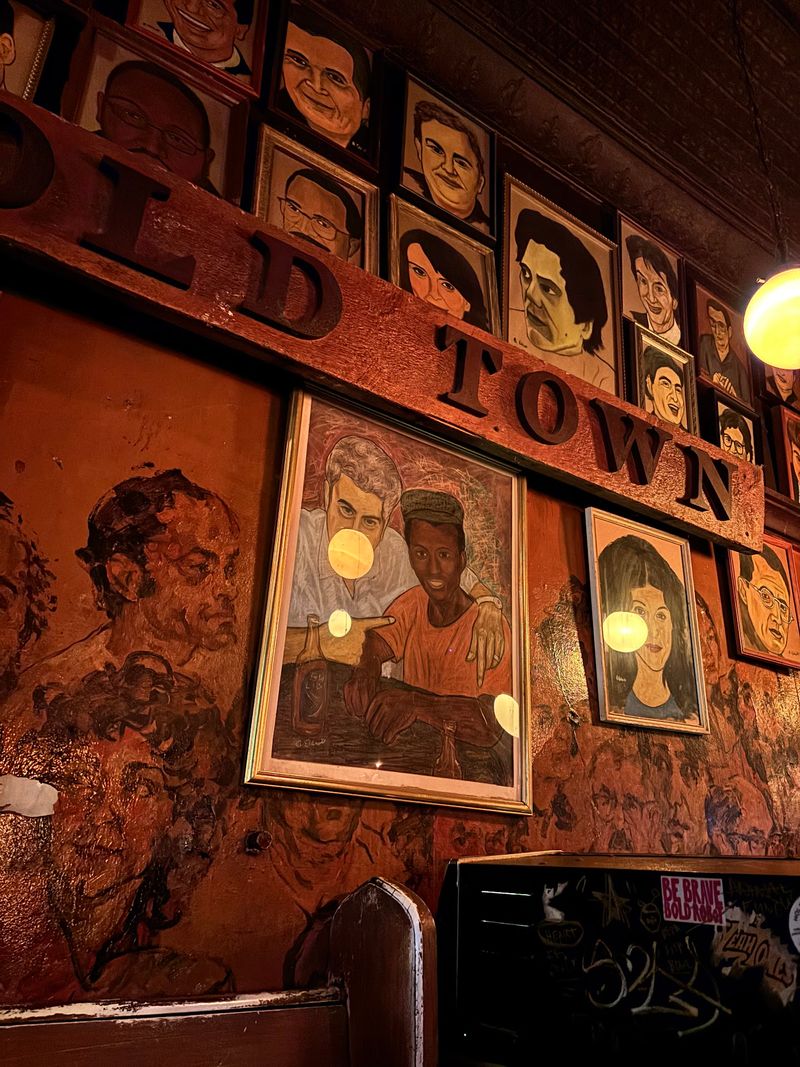
Places like Old Town Ale House do not get manufactured. They accumulate slowly, through years of the same owner showing up, painting another canvas, curating another batch of songs for the jukebox, and keeping the lights low enough that everyone feels comfortable staying a little longer than planned.
For Illinois day-trippers and Chicago visitors, the bar represents the kind of find that rewards curiosity. Stumbling in before a comedy show or tracking it down because of a television segment both lead to the same result: a room that feels genuinely unlike anywhere else in the city.
The cash-only policy, the paintings, the jukebox, the late hours, and the easy crowd all add up to something that is genuinely hard to replicate. Old Town Ale House at 219 W North Ave earns its reputation not through hype but through consistency, which is ultimately the only thing that keeps regulars crowding back through the door night after night.
Share this story