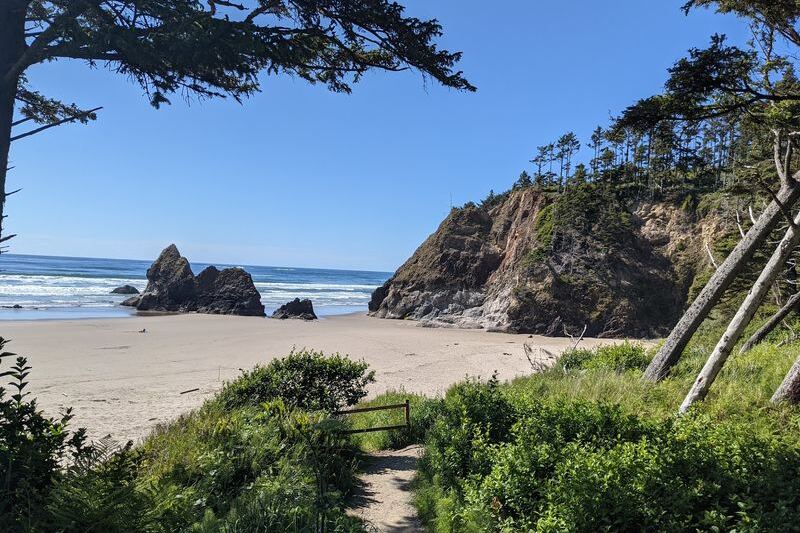
From the highway, it looks like nothing more than a small parking lot and a sign you could miss in a blink. Pull over anyway, because what waits beyond the picnic tables is one of the quietest, most surprising walks on the Oregon coast.
Marsh, forest, dunes, and a hushed beach all fold into one easy loop that feels like a secret kept by the birds. Fellow Oregonians, consider yourselves let in.
A Quiet Pullout Off Sandlake Road
Blink on the drive between Lincoln City and Tillamook and you will sail right past it. Sitka Sedge State Natural Area sits along Sandlake Road near Cloverdale, on the north Oregon coast, and from the pavement it honestly resembles a simple rest stop.
One visitor admitted they had no idea what to expect and were stunned by how big it turned out to be. Another spotted the sign on a whim, pulled in, and was thrilled they did.
That reaction comes up again and again.
The park protects roughly 357 acres of coastal forest, wetlands, dunes, tidal flats, and the edge of the Sand Lake Estuary. About 3.5 miles of looping trails weave through it all, and entry is free.
So the next time you are cruising Highway 101 with no plan, slow down near Sand Lake. The best part of the coast might be hiding behind a modest little lot.
From Cattle Farm to Protected Estuary
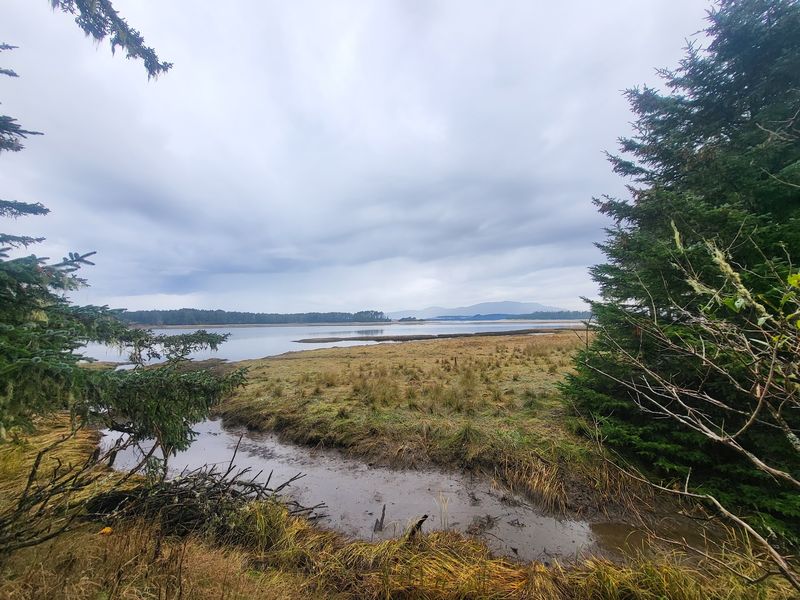
Picture cows grazing where herons now wade. Before it became a park, this land was the Beltz property, a working cattle farm tucked against the estuary.
Over the years, it reportedly faced several attempts to become a golf course or a resort. Instead, Oregon State Parks purchased it in 2014 to help protect the Sand Lake ecosystem, and the gates officially opened to the public in 2018.
One longtime fan put it simply: the state won the lottery on this one.
Traces of the farming days remain. An old dike still crosses the marsh, and a rusted tide gate helps keep the nearby community of Tierra Del Mar from flooding.
The area also sits within the traditional territory of the Nestucca group of Tillamook Indians, a reminder that people have cherished this shoreline for a very long time. Knowing that history makes every step feel a little more meaningful.
Walking the Dike Between Two Waters
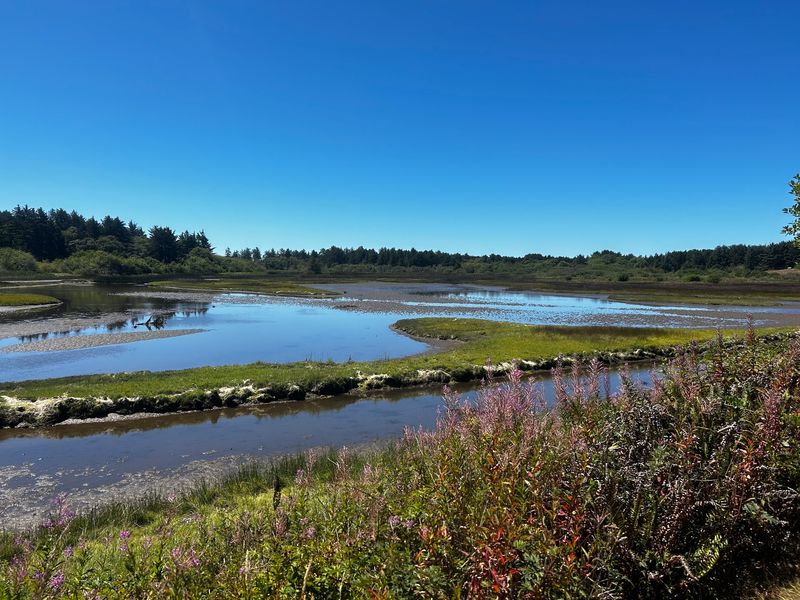
Here is a fun trick of geography. Stand on the manmade dike and look left, and you will see a freshwater stream.
Look right, and a salt marsh stretches toward the estuary.
That split view is one of the first highlights once you leave the picnic area. The path runs flat and open, giving wide looks across mudflats, tall grasses, and the channel beyond.
Tall wading birds often stand motionless in the shallows here, patient as statues.
Visitors describe the scenery as a mix of lakes, forest, and coastal wetlands framed by green hills. Everything feels spotless and calm.
You can start by following the marsh and mudflats south before swinging northwest, which lets the estuary set the mood early. Bring your camera ready, because the reflections on a still morning are hard to beat.
Even a short stroll out and back along this stretch feels rewarding.
Birders Call It a Small Paradise
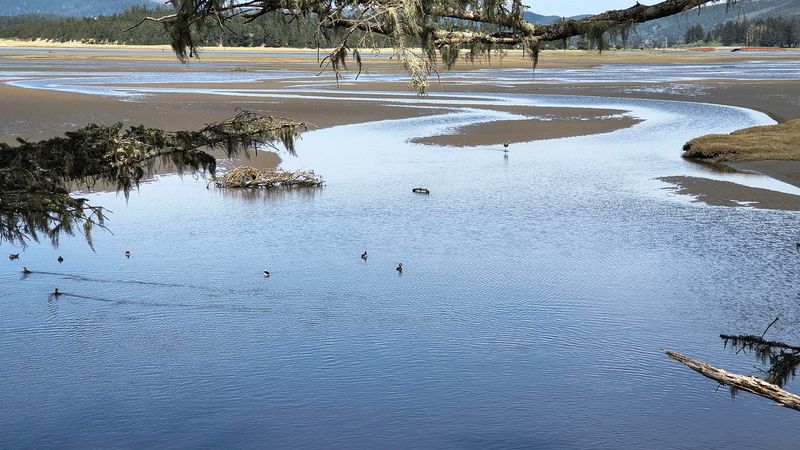
Binoculars? Pack them.
Birders keep describing this place as a small paradise, and the list of sightings backs that up.
Visitors report eagles, gulls, terns, kingfishers, vultures, and snowy plovers, plus plenty more they could not even list. The mix of fresh water, salt marsh, forest edge, and open dunes means very different birds show up within a short walk of each other.
Snowy plovers deserve special care. Seasonal nesting restrictions run from March 15 to September 15 every year, so check the information board at the parking lot to see where people, dogs, and horses may go.
Larger wildlife wanders through too. Elk are common, and black bears have been known to pass by, so keep your eyes open and your distance respectful.
Early mornings tend to be the quietest, when the marsh is still and wings are busiest.
Shady Forest Paths and Wild Berries
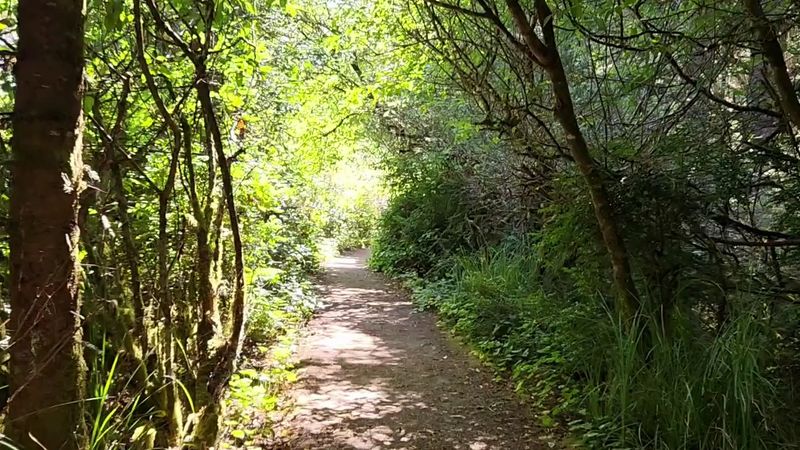
Slow down, and the trail starts offering snacks for the eyes. Along the forest sections, visitors spot native trailing blackberry, salal heavy with dark purple-black berries, and bright wild rose hips, likely Nootka rose.
One hiker mentioned blueberries and wildflowers seemingly everywhere. In late summer, all that color turns an ordinary walk into a treasure hunt of small details.
Autumn brings another crowd-pleaser. Regulars say the damp, shaded woods are a great place for spotting mushrooms, so a fall visit pairs nicely with a cozy coastal weekend.
The canopy also offers welcome shade, which is why folks say it stays pleasant even on a hot day. It also helped one couple dodge a 20 mph wind.
A friendly heads up though: that shade and moisture can mean bugs. Several visitors recommend bug spray, especially in the warmer months.
Soft Sand Dunes and a Secluded Beach
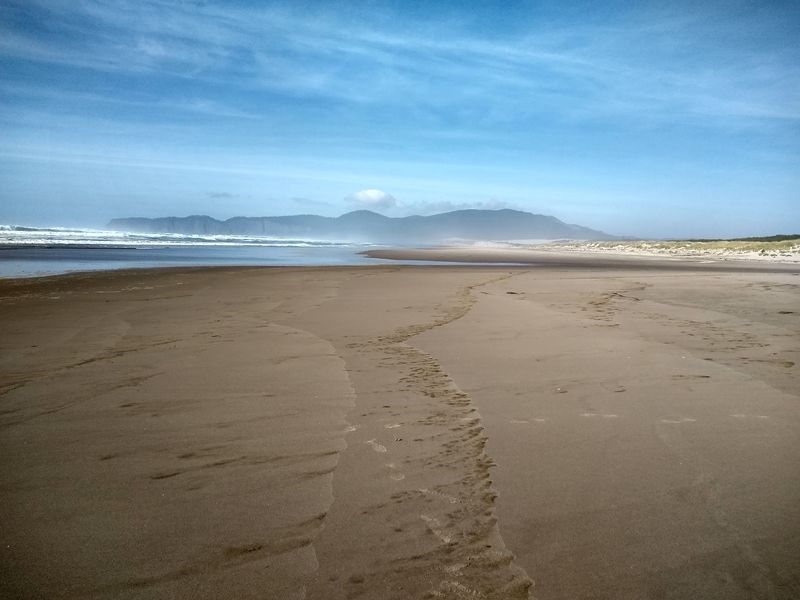
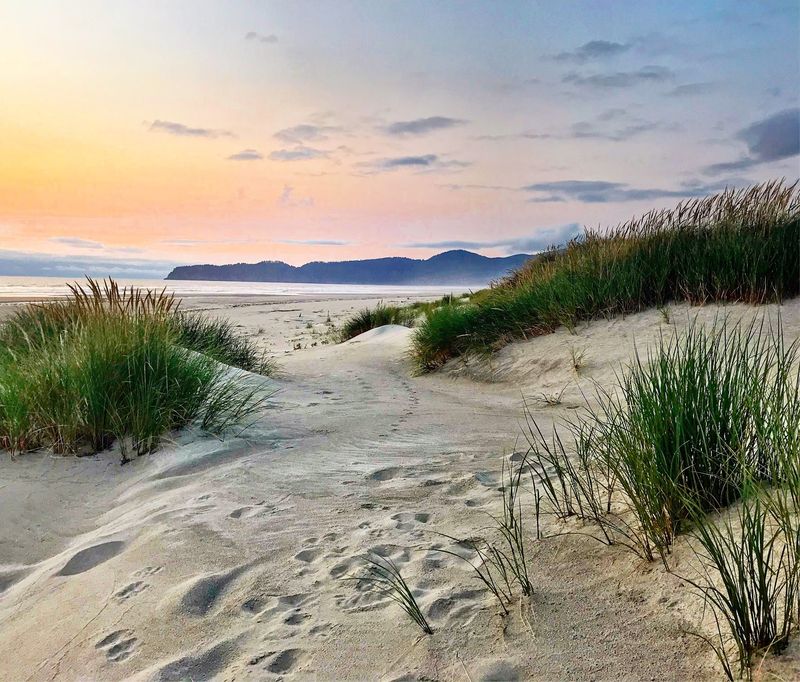
Kick off your shoes for this part. The ocean side of the loop turns into soft, loose sand, and one hiker swears going barefoot feels grounding and makes for a solid workout.
The payoff is a quiet, secluded beach. Visitors describe white sand, few people even on a summer Saturday, and views of Haystack Rock in the distance.
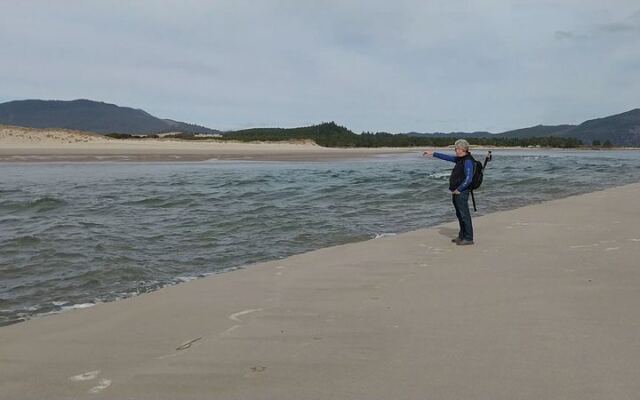
Some spots look across toward Sand Lake and Whalen Island over the river channel.
Distance depends on your route, with reports ranging from about a quarter mile on one approach to roughly a mile and a half on others. The final climb over the dunes gets a little steep and deep.
So think of this as a nature walk that ends at the ocean, not a quick park-and-sand stop. Bring a blanket and some food, and you could happily lounge by the waves for hours.
Two Loops, Endless Combinations
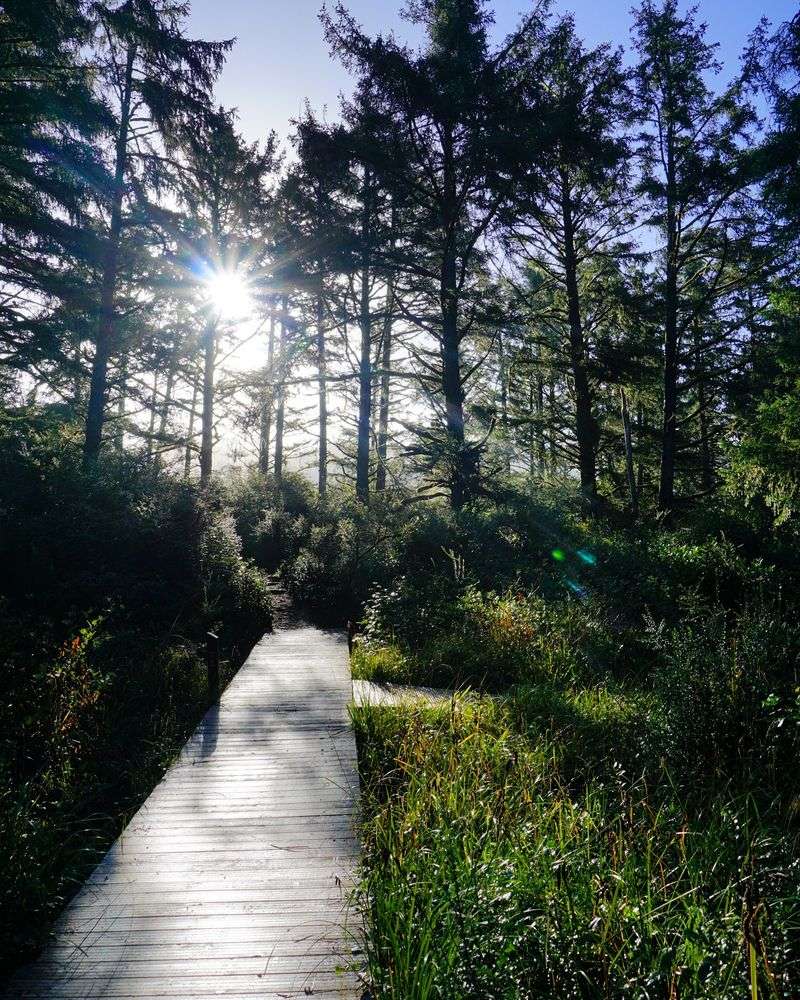
Choose your own adventure. The trail system centers on two loops, each about a mile, running in opposite directions with different scenery on each side.
One option heads straight west to the beach and then curves south and southeast to close the circuit. Another follows the marsh first.
Hikers who did everything logged around three miles, while one group stretched it to about 7 kilometers.
Short on time? Shortcuts cut across the loops, and heading west to rest on the beach is the flattest, best-groomed half.
An accessible path offers a shorter walk too, and one visitor felt most of the beach trail works for people with disabilities, until the last quarter turns sandy.
Newer reports mention map posts with a You Are Here marker at intersections. Earlier visitors got turned around, though, so snapping a photo of the trailhead map is still smart.
Easygoing Trails for Families and Pups
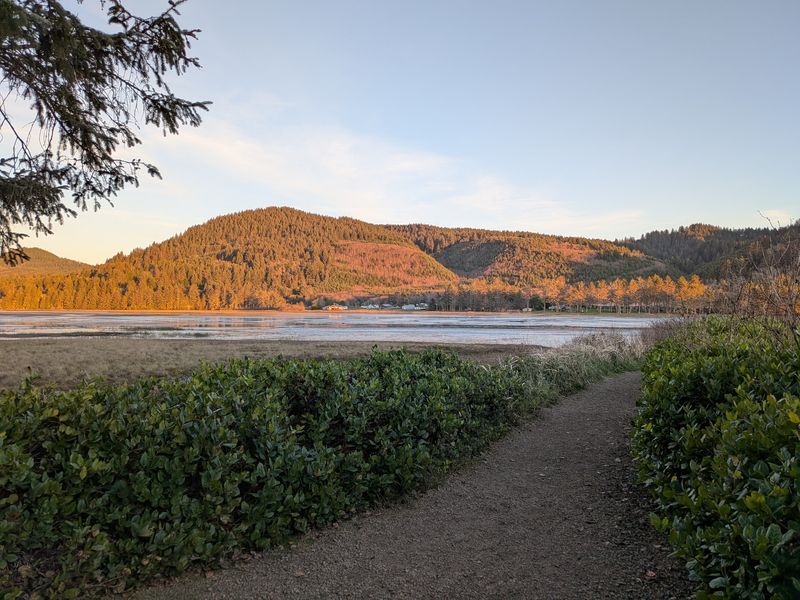
Grandparents, toddlers, and tail-wagging companions all fit right in. With minimal inclines, the trails suit families and seniors who want a scenic outing without a tough climb.
Kids especially love the mudflats. One visitor watched children using clamming guns to catch ghost shrimp, a popular bait, which added a real slice of local coastal life to the hike.
Dogs are welcome on most parts of the park, and one visitor mentioned an off-leash area on the beach. Still, this is a fragile habitat, so keep pups leashed on trails, stay on the paths, and check the posted rules about plover zones.
Trail runners enjoy it too, weaving past forest, estuary, and ocean in one easy go. The vibe stays unhurried, with no signs of heavy tourism beyond the trails and a few benches.
It is the kind of place where everyone naturally lowers their voice.
Hours, Parking, and What to Pack
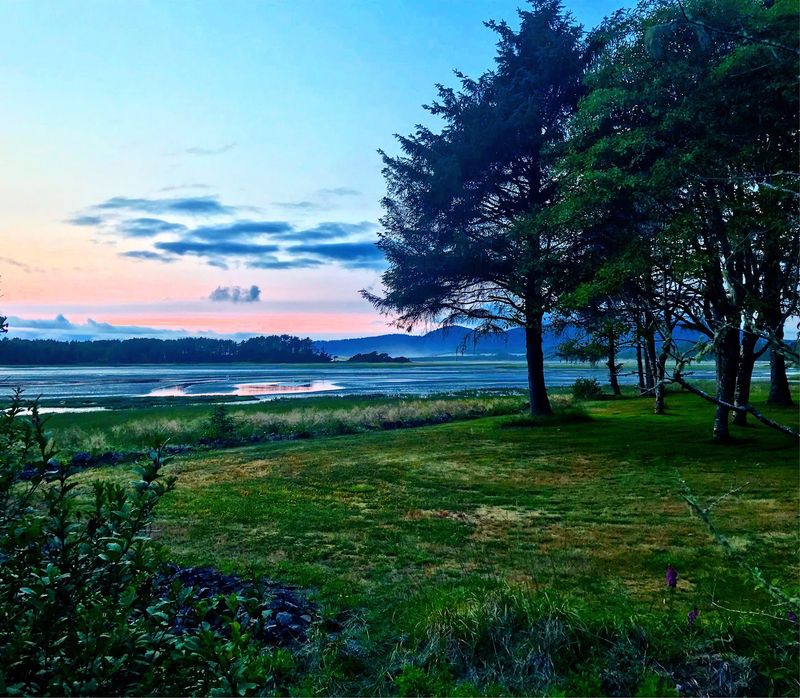
Planning helps here, since cell service can be spotty or missing entirely. Download a trail map before you go.
The park is open daily from 8 AM to 8 PM, and it is a day-use area only, with gates closing at dusk. Entry and parking are free on a first-come, first-served basis.
The lot is fairly small and cannot handle oversized vehicles, so arrive early on busy weekends.
Near the trailhead, you will find picnic tables, well-kept vault toilets, information boards, and a water spout. There are no restrooms out on the trails.
State parks follow a pack-in, pack-out approach, so bring a bag for your trash.
Pack bug spray, water, and sandals or shoes you do not mind filling with sand. Questions?
Call Oregon State Parks at 503-842-3182. Park hosts keep the grounds impressively tidy, so do your part too.
Worth Every Minute of the Detour
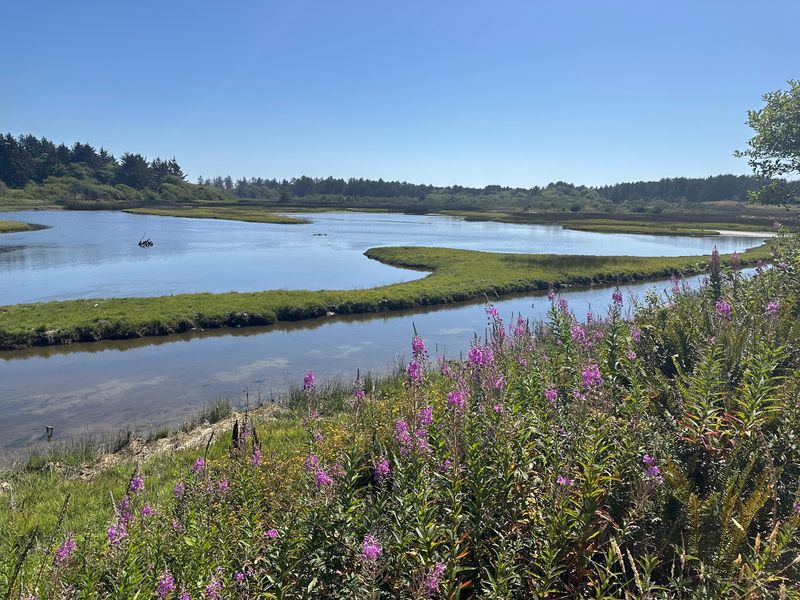
Some places shout for attention. Sitka Sedge simply waits for the curious.
One visitor said they might not drive to the coast just for it, but would absolutely stop if nearby. That feels like the honest sweet spot.
It is not a grand destination with crowds and gift shops. It is a peaceful, well-cared-for pocket of estuary, forest, and dunes that rewards anyone willing to pull over.
Go in spring for wildflowers, late summer for berries, or fall for mushrooms and cool, crowd-free trails. Even foggy winter mornings could bring a moody calm to the marsh.
Treat it gently, stay on the paths, and leave nothing behind. Visitors praise how clean and litter-free it stays, and that is something worth protecting.
Just maybe keep this one between fellow Oregonians. The herons seem to prefer it that way.
Share this story