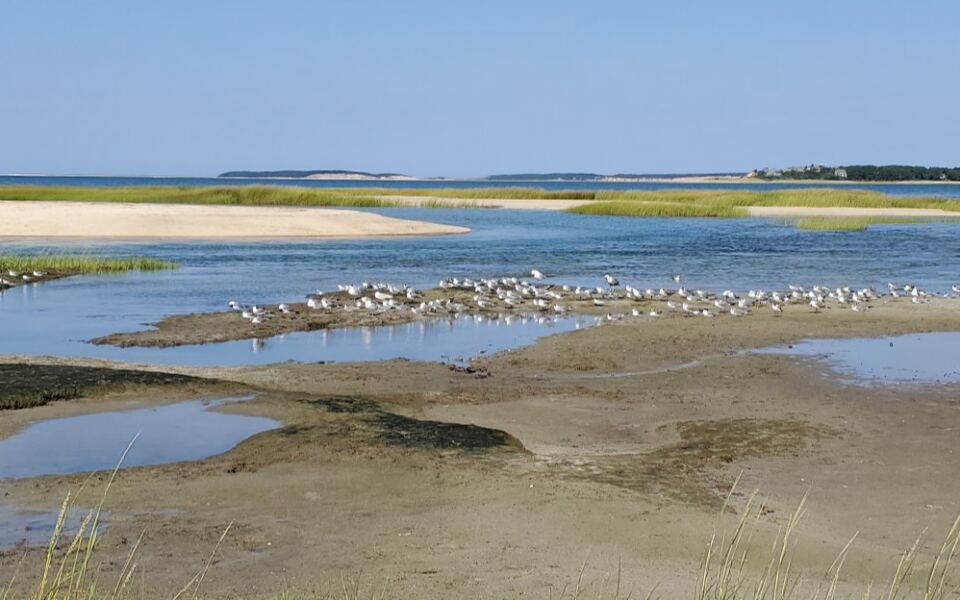
Most people race down the Cape without ever tapping the brakes, and that is exactly how a place like this stays quiet. Tucked off a busy road in Massachusetts sits a sanctuary where boardwalks cross open salt marsh, tiny crabs scatter at every step, and the bay stretches out without a crowd in sight.
It costs less than a takeout lunch to get in, yet it can fill half a day with trails, tanks of sea creatures, and sweeping water views. Keep reading to learn where it is, how the tides shape a visit, and the small tips locals wish everyone knew before they arrived.
A Sanctuary Hiding in Plain Sight
Plenty of drivers zip past without a second glance, which is part of the charm. Mass Audubon Wellfleet Bay Wildlife Sanctuary sits at 291 US-6, South Wellfleet, MA 02663, right along the main road that runs down the length of Cape Cod.
Officially, it is a wildlife refuge run by Mass Audubon. In practice, it is a mix of woodlands, beach, heath, and salt marsh, all stitched together by about five miles of trails.
A modern nature center anchors the property, with an aquarium area, education programs, and a gift shop. Outside, a goose pond, boardwalks, and bay views wait for anyone willing to lace up.
Some people discover it by pure luck while driving by. Others plan around it for years.
Either way, the entrance turn is easy to miss, so keep an eye out once you reach South Wellfleet on the Outer Cape.
Five Habitats Packed Into One Property
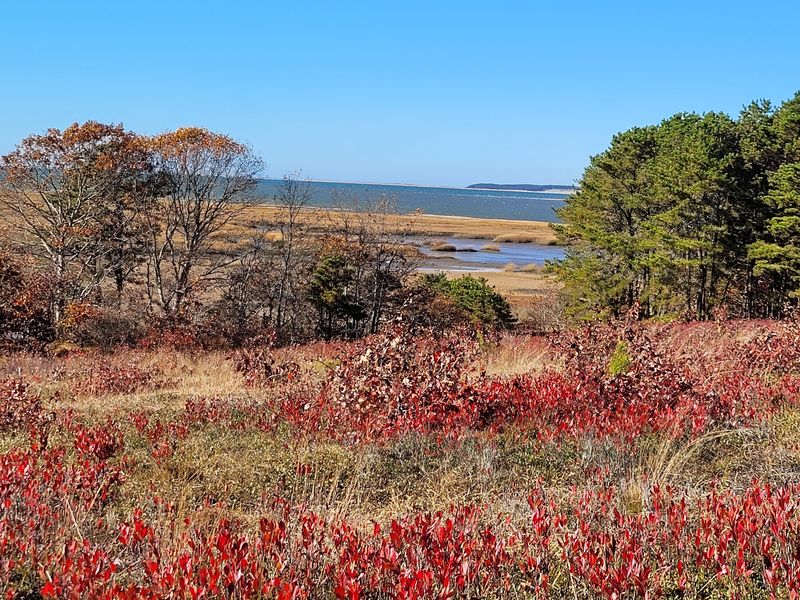
Variety is the secret ingredient here. Few places in Massachusetts let you move from shady coastal pine forest to open marsh to a bayside beach in a single loop.
The property covers woodlands, heath, salt marshes, a pond, and shoreline. Each section of trail feels like a new chapter rather than a repeat of the last.
That mix explains why the trail network gets so much love. The paths are level, groomed, and sandy single-track, which keeps the walking easy even for younger legs.
Heathland is especially interesting for curious plant fans. Large colonies of bearberry spread across parts of the Try Island area, a plant many people only spot on rocky ledges elsewhere in the state.
So while the marsh tends to steal the spotlight, the quieter habitats deserve a slow look too. They are what make the place feel bigger than its five miles.
Inside the Nature Center
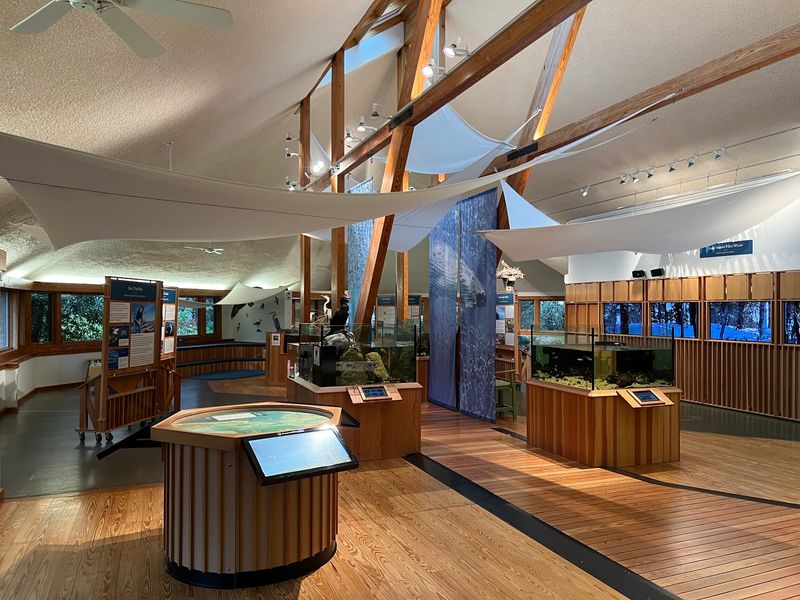
Expect more than a ticket booth. The nature center is modern, airy, and noticeably bigger than first-timers tend to expect.
Straight ahead from the door is the info desk, where staff explain the sanctuary mission and point you toward the best routes for your time. They are known for being friendly, patient, and genuinely passionate about the work.
Turn right and you land in the gift shop, which carries a solid selection. Turn left and a hallway leads to the exhibits.
Restrooms here are kept clean, a small detail that matters before a long trail walk. The center also hosts education programs throughout the year.
Families often spend fifteen to twenty minutes inside before heading out. That short stop gives helpful context, so the creatures and birds you meet later make a little more sense once you are on the boardwalk.
Tanks Full of Local Sea Life

A northern puffer fish is not something most people expect to meet on a nature walk. At the sanctuary, it might be one of the first faces you see.
The exhibit area holds a number of live animals in aquariums and tanks. Past residents have included a sea robin, a fish with wing-like fins that looks almost too odd to be real.
These displays give a close-up look at the creatures living just beyond the windows in the bay and marsh. For kids, it turns a walk into a treasure hunt, since they now know what might be hiding outside.
Wildlife displays round out the room with useful background on the local ecosystem. Nothing here feels stuffy or overly technical.
Treat the tanks as a warm-up act. Ten or twenty minutes inside can sharpen your eyes for everything waiting on the trails ahead.
Goose Pond and the Trail Out
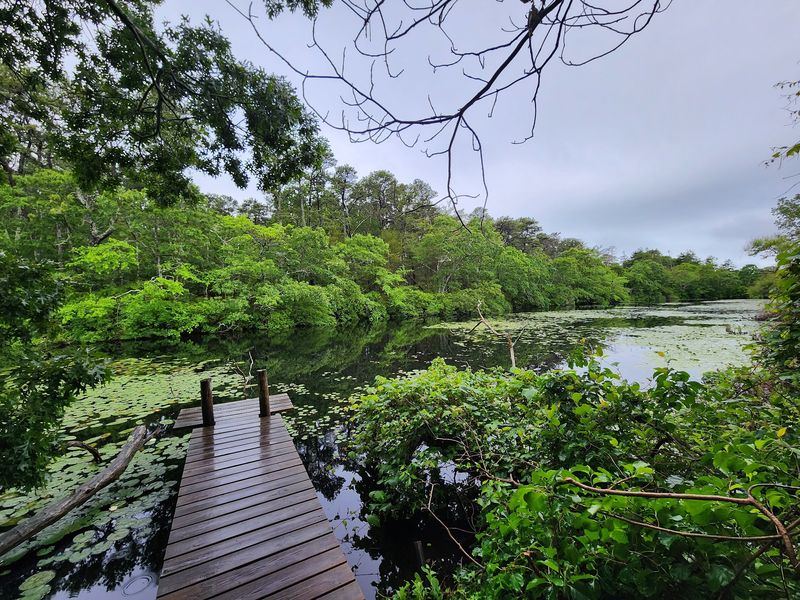
Most adventures here begin with the same simple move: follow the Goose Pond Trail. It heads out from the nature center and quickly leaves the parking lot behind.
The pond itself makes a calm first stop. A bridge and boardwalk carry walkers across, and from there the route links up with other paths.
Keep watch at the water’s edge for small surprises. A school of tiny minnows has been spotted in the little creek that runs from Goose Pond into Silver Spring Brook.
From the pond, you can continue onto the Try Island Trail or stay left toward the long boardwalks over the marsh. Both choices pay off.
The trail map at the kiosk helps with planning, especially if time is short. Even a quick pond loop gives a real taste of the sanctuary, and it often tempts people into walking much farther than planned.
Boardwalks Over the Salt Marsh
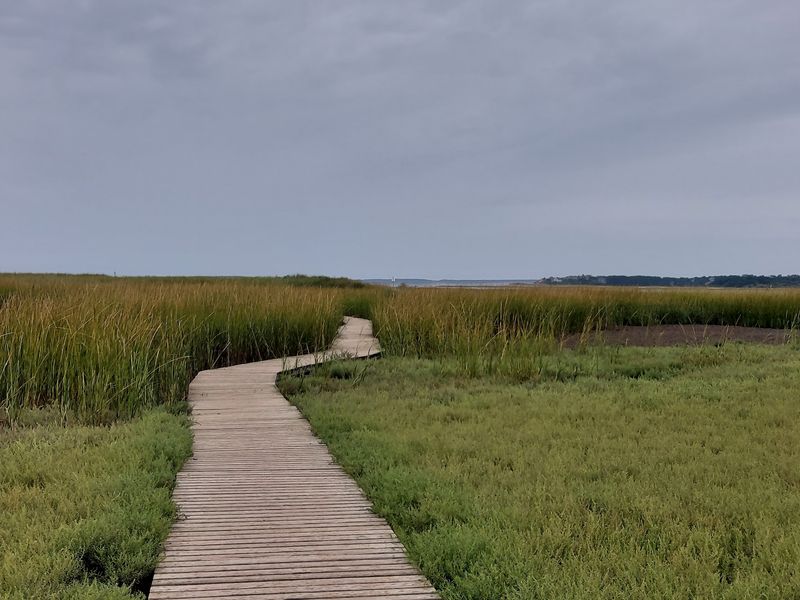
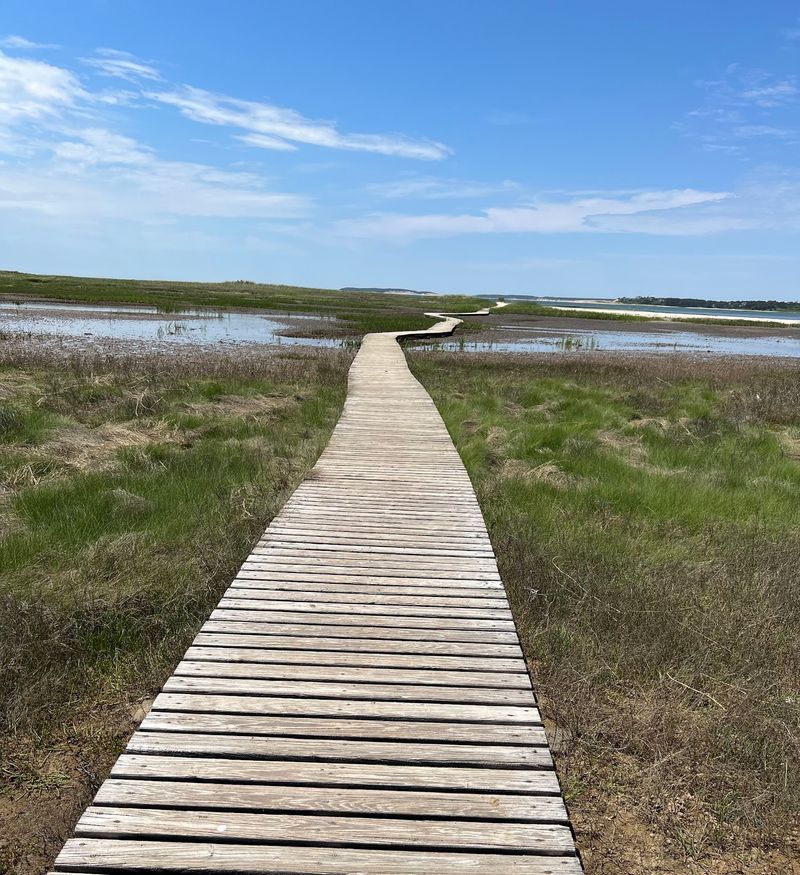
Here is the headline act. A boardwalk stretches across the open salt marsh toward Hatches Creek, delivering wide views of marsh grass and bay.
The walk feels open and unhurried. On a busy weekend afternoon, it is possible to pass only three or four other groups the whole time.
That quiet makes the boardwalk one of the most photogenic spots on the Outer Cape. Many people say the views stay impressive even on cloudy days.
Paths approaching the marsh get quite sandy, so choose shoes you do not mind filling up. Some walkers simply give in and go barefoot.
One thing to plan around is water. The boardwalk can go under water at high tide, so parts of the route may not be passable if you arrive too early.
A quick tide check before leaving home can save the best stretch of the day.
Fiddler Crab Parade

Small claws, big entertainment. Fiddler crabs are easily the sanctuary’s most beloved scene-stealers.
Along the boardwalk, they appear in numbers that are hard to count. They scurry away as walkers pass, which kids find endlessly funny.
The boardwalks put families right up close without anyone stepping into the fragile marsh. That combination of access and protection is a big reason the crabs are so easy to watch.
Low tide is the sweet spot. With the water pulled back, the flats reveal crabs, mussels, and sometimes mermaid’s purses, the egg cases left behind by skates.
Patience helps but is not really required. Even a short morning stroll at low tide can turn into a full-blown crab safari, and young explorers usually want to linger far longer than the grown-ups expected.
Herons, Ospreys, and Shorebirds
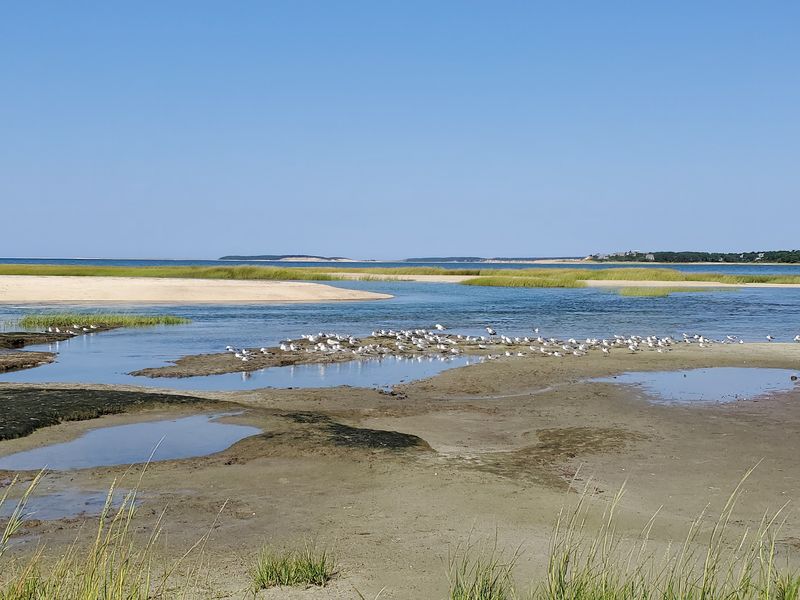
Birders, take note: a board near the entrance lists in great detail which birds you are likely to see. It is a handy cheat sheet before setting out.
Bird watching ranks among the top reasons people come. Wading birds, seabirds, and shorebirds all use the marsh and bay at different times.
An osprey nest is a highlight for many walkers, and watching it can be the moment a casual stroll turns memorable. Songbirds add their own soundtrack in the woods.
Timing matters, though. On some windy days or at certain hours, sightings can be thin, even for those hoping for ducks and sea birds.
Guided shorebird walks offer a deeper look. Staff naturalists explain the conservation and restoration work underway for shorebird habitats, turning a pleasant outing into a real lesson about why this marsh matters.
Quiet Shoreline on the Bay
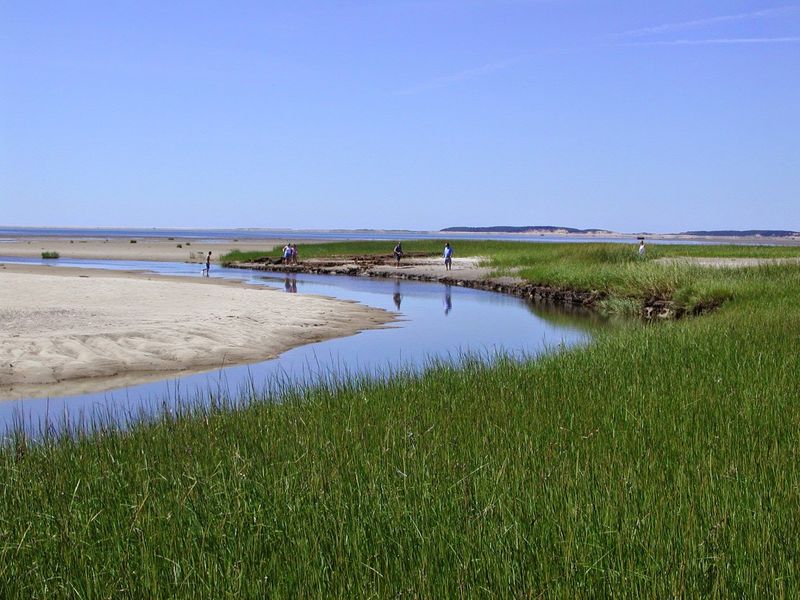
At the end of the trail, the land simply opens up. A bayside beach offers wide water views without the crowds of the Cape’s famous ocean shores.
Shell hunting is a favorite pastime here. Walkers often spend long stretches strolling the sand and checking out what the tide left behind.
There is a great spot by the shore to stop and take it all in. Ocean views rank high among the things people remember most.
Weather can change the mood quickly. In October, the water’s edge can turn windy and cold, so a light jacket earns its place in your bag.
Many guests leave thinking sunset would be spectacular from here. Since the grounds stay open until dusk, a late visit may let you test that theory for yourself.
Try Island and the Pollinator Garden

Not every highlight is out on the marsh. The Try Island Trail loops through quieter terrain that rewards walkers who take the long way back.
Bearberry spreads across the ground in large colonies, a sight that surprises even seasoned Massachusetts hikers. Coastal pines line the route and offer some welcome shade.
Back near the nature center, a lovely pollinator garden adds another stop. It is a nice place to slow down before heading to the car.
Kids get their own mission, too. Staff at the front desk offer a scavenger hunt bingo card that keeps young explorers engaged, even children as young as three.
These smaller features help the sanctuary work for many attention spans. Someone who gets bored of birds can switch to plants, bugs, or bingo squares without ever leaving the property.
Who Feels Right at Home Here
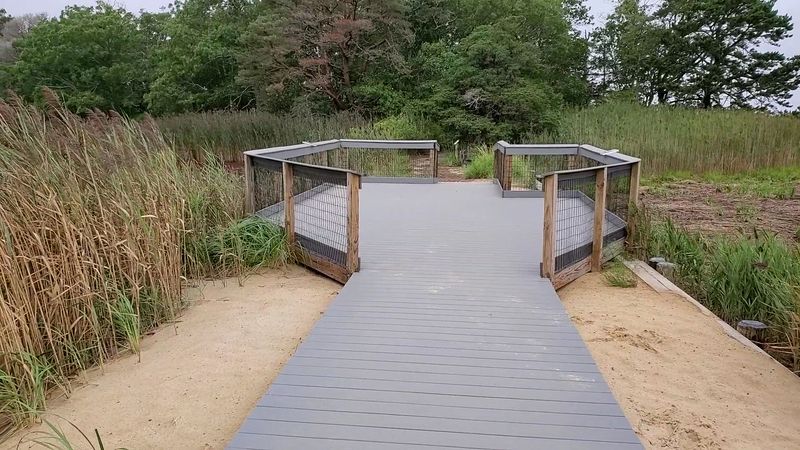
Families with curious kids, patient birders, and road-weary travelers all find something here. Many describe it as a nice short hike for people of all ages.
The trails are accessible for different age groups, and some parents happily cover about two miles with a child in tow. Others simply need to stretch their legs after a long drive down the Cape.
There is one important ground rule. Children should stay on the paths and respect the environment, since this is a protected habitat first.
Dogs are not allowed, as it is a bird sanctuary. Plan to leave pets at home or with a friend.
The overall pace is calm and peaceful. Two hours can disappear quickly, and some first-timers say it is among the best stretches of time they have spent in years.
Bugs, Ticks, and Smart Packing

Nature comes with neighbors. In the warmer months, mosquitoes and biting insects show up along the trails.
Most walkers find them manageable as long as they keep moving. Birders who stand still for long periods may have a tougher time.
Ticks deserve real attention. Some trails are lined with dried pine needles, and ticks have been found on children even when everyone stayed on the path.
Long pants are a smart choice, along with a quick tick check afterward. Bug spray and sunscreen belong in every bag.
A hat helps on the open boardwalk, where shade is scarce. Footwear matters too, since the sandy trails can fill shoes fast.
A bit of rain need not end the fun either. Some groups keep exploring through showers until they are thoroughly soaked, and still leave smiling.
Hours, Admission, and Parking

Good news for budget planners: this outing will not drain your wallet. Admission is $8 for adults, $5 for seniors 65 and up, and $3 for children ages 2 to 12.
Mass Audubon members get in free, and memberships are considered very affordable. Various groups and programs also offer free admission.
The nature center is open daily from 9 am to 5 pm, seven days a week. Grounds stay open until dusk, with a side exit for late walkers.
When the building is closed, an honor-system pipe near the kiosk collects entrance fees. Restroom access after closing is less certain.
Parking is free on a well-kept lot of packed gravel and dirt, with shady trees. Expect a short walk to the entrance, though ADA spots sit closer.
Camping is also available on site.
A Local Secret Worth Sharing Carefully
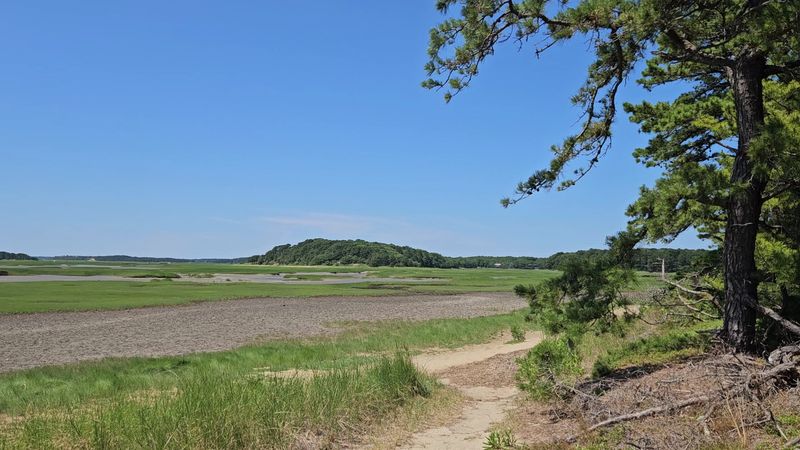
Some places shout for attention. This one waits patiently along Route 6 for anyone curious enough to turn in.
For about the cost of a sandwich, you get a nature center, tanks of sea creatures, and five miles of trails. Add marsh boardwalks, crab-filled flats, and a quiet bayside beach.
Half a day is a comfortable amount of time for a first trip. Even an hour offers a meaningful sample, though most people leave wishing they had stayed longer.
Check the tide, pack bug spray, and wear pants. Those three habits make the experience far smoother.
Locals who live nearby often say they would grab a membership in a heartbeat. After one easy loop, it is simple to understand why, and just as easy to start planning a return trip before reaching the parking lot.
Share this story