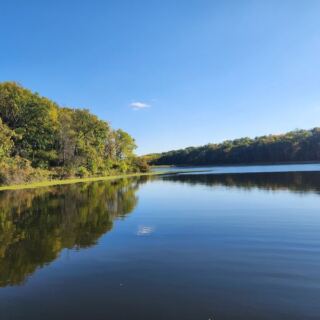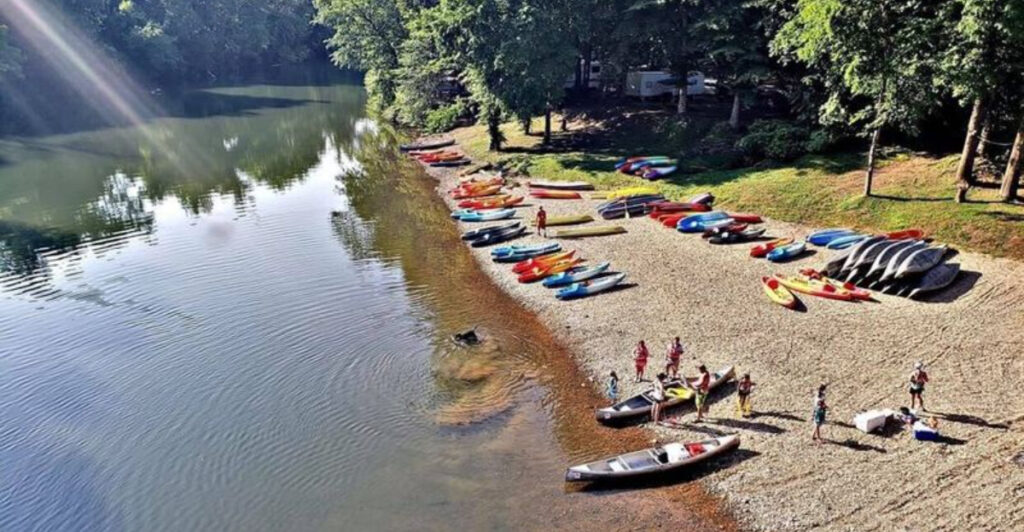
Tucked along the banks of the Buffalo River in Wayne County, Tennessee, there is a place where the water runs clear, the campsites fill up fast on summer weekends, and people keep coming back year after year. A park that offers canoe and kayak rentals, multi-day river trips, full campground hookups, and access to some of the most underrated natural scenery in the state has been quietly drawing outdoor lovers for decades.
This river is one of Tennessee’s last free-flowing rivers, and the park sitting right on its banks knows exactly how to make the most of it. Whether this is your first time hearing about it or you have been meaning to check it out for years, keep reading to find out what makes this spot so hard to forget.
The Buffalo River: Tennessee’s Best-Kept Floating Secret
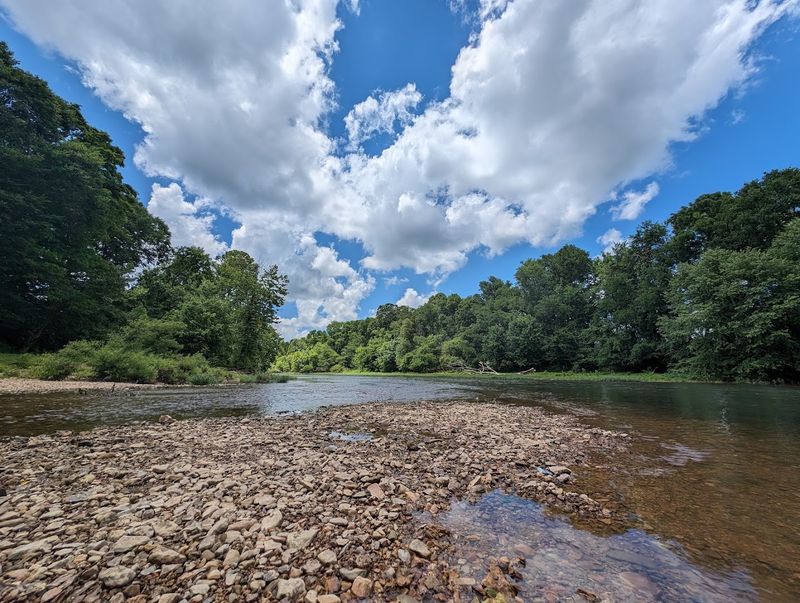
The Buffalo River does not get the same headlines as some of Tennessee’s bigger waterways, but that is honestly part of its appeal. The water runs clear over gravel and limestone beds, and the river moves at a pace that works well for both beginners and more experienced paddlers.
Unlike heavily trafficked rivers in the region, the Buffalo stays relatively uncrowded, especially during weekday trips. There are wide, shallow sections where families can wade and relax, and deeper stretches that keep things interesting for those who want a little more challenge on the water.
Wildlife sightings along the banks are common. Great blue herons, turtles, deer, and even the occasional horse and rider dipping into the water have all been spotted during floats.
The river corridor is lined with natural forest for most of its length, which keeps the whole experience feeling removed from everyday life.
Canoe and Kayak Rentals That Actually Make It Easy
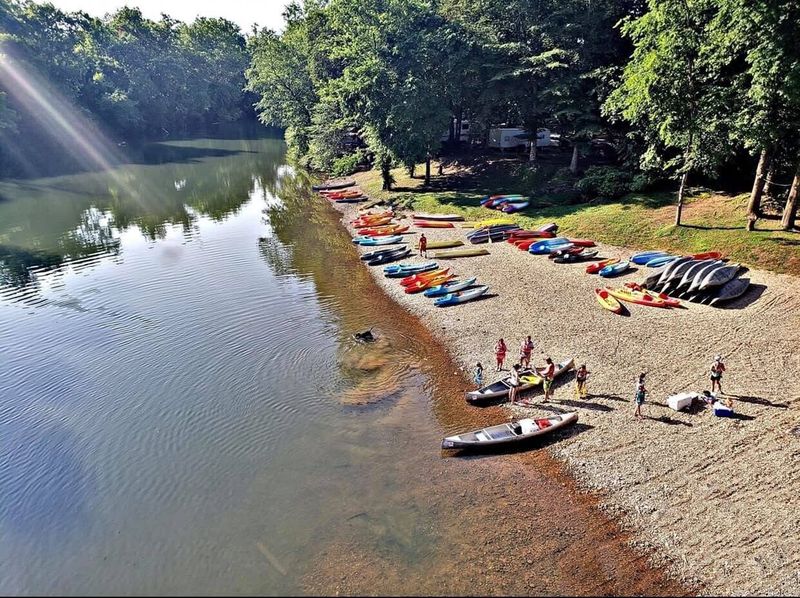
Renting gear at Crazy Horse is a straightforward process that does not require a lot of pre-planning. The park stocks a solid fleet of canoes and single kayaks, and the rental rates have been noted as reasonable compared to similar outfitters across the region.
The equipment is well-maintained and ready to go, which matters when you are loading up for a full day on the water. Staff walk renters through the basics, point out any sections of the river worth paying attention to, and make sure everyone has what they need before heading out.
One thing to keep in mind is that double kayaks can be in limited supply during busy weekends, so calling ahead or arriving early helps. The park also handles shuttle logistics, dropping paddlers upstream and picking them up at designated takeout points, which makes the whole trip much easier to manage from start to finish.
Trip Length Options: From a Few Hours to Two Full Days
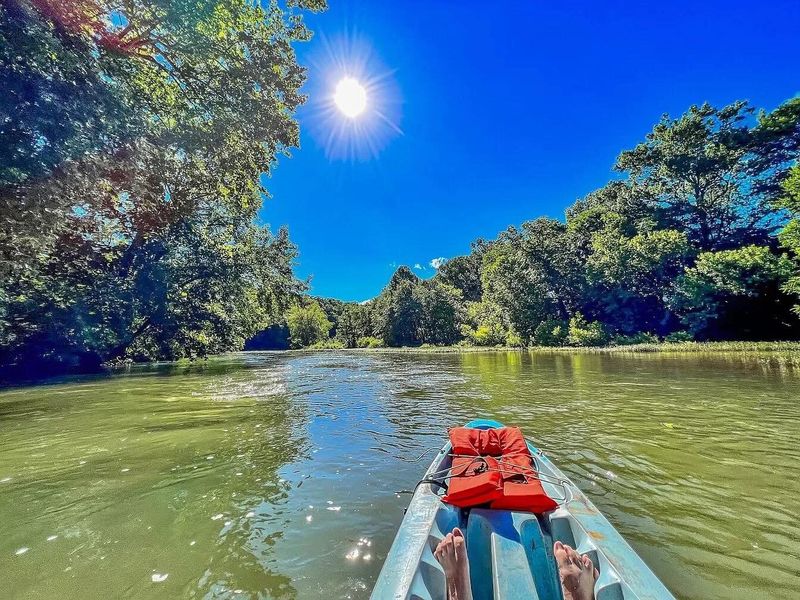
One of the stronger features of Crazy Horse is the range of trip lengths available. The park offers shuttle services for floats covering roughly 8 miles, 10 miles, and 16 miles, giving groups the flexibility to choose based on their pace, energy level, and schedule.
The 8-mile trip typically takes around 4 to 6 hours, making it a solid full-day option for families or casual paddlers. The 10-mile route stretches that out a bit more and tends to attract people who want a quieter, more relaxed experience on the water.
The 16-mile, two-day trip is where things get more adventurous. Paddlers camp overnight along the river, sleep under open skies, and finish the float the following day.
Staff do warn about a particular turn on that longer route that deserves attention, and it is the kind of heads-up that is worth taking seriously before you reach it.
Camping Options That Cover All the Bases
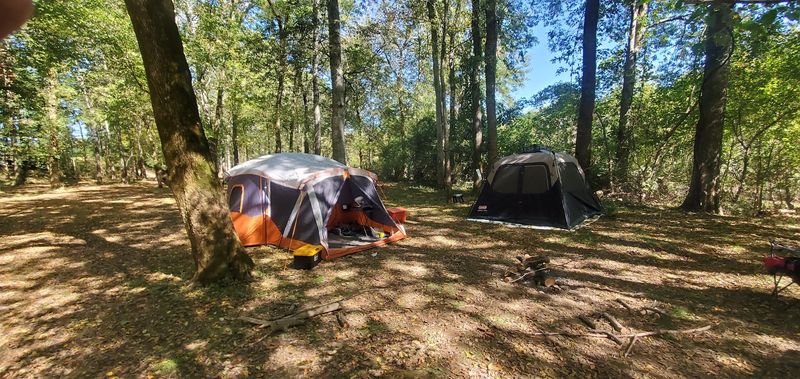
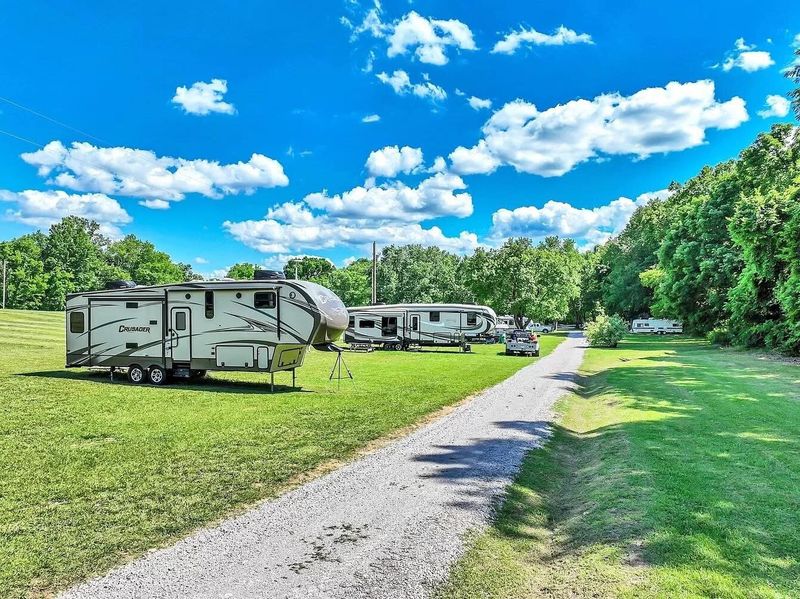
The campground at Crazy Horse covers a wide range of setups, from basic tent sites to full RV hookups with electric, water, and sewer connections. That kind of range is not always easy to find at smaller parks, and it makes the place work for groups with different camping styles traveling together.
Primitive sites are also available for those who prefer a more stripped-down experience. The main campsites near the office were updated with gravel to make parking easier, which is a practical improvement that benefits anyone without four-wheel drive.
Hot showers and clean bathroom facilities are available on-site, which is a bigger deal than it sounds after a full day on the river. The campground can get lively on summer weekends, with a younger crowd and more activity in the evenings, but quiet hours are enforced to keep things manageable for everyone sharing the space.
The Caves Along the River Corridor
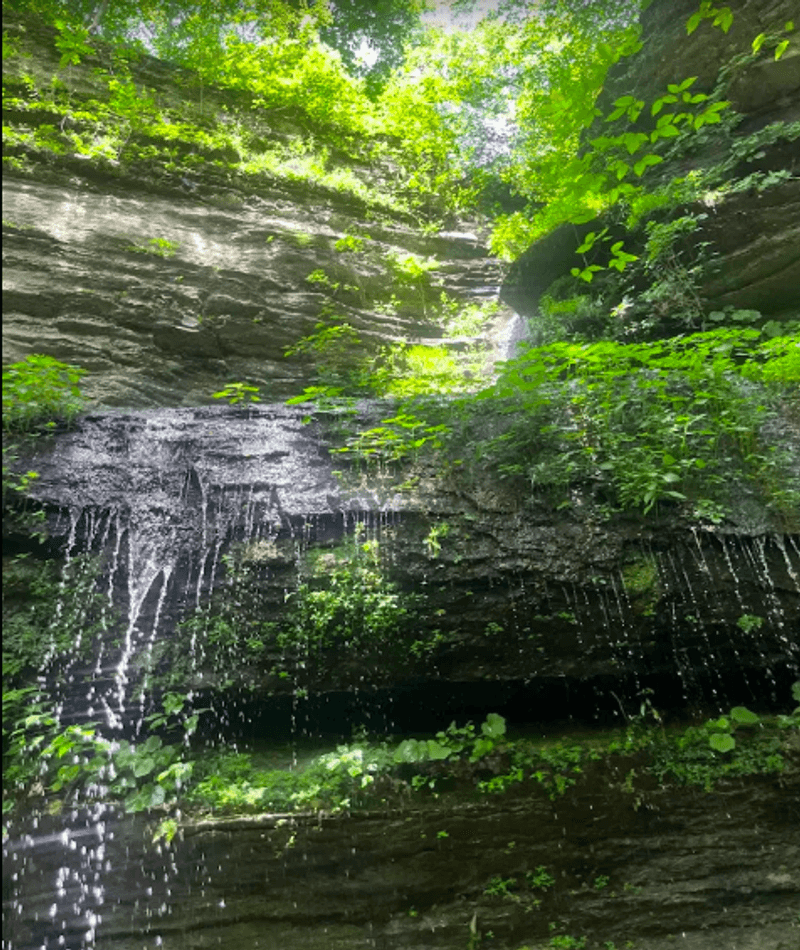
Wayne County sits on a karst landscape, which means the underlying limestone has been slowly carved by water over thousands of years. The result is a region dotted with caves, sinkholes, and bluffs that show up along the Buffalo River corridor in ways that catch paddlers off guard the first time they see them.
Some of these cave openings are visible directly from the water, tucked into the bluffs that line certain stretches of the river. They are not developed or commercialized, which keeps the experience feeling genuinely natural rather than staged.
Exploring the area around the river on foot reveals more of this geology up close. The rock formations along the banks and the small spring-fed tributaries feeding into the Buffalo are all part of the same karst system.
It is the kind of landscape detail that makes the whole trip feel like more than just a paddle, turning it into something closer to a genuine outdoor discovery.
Wildlife Along the Water That Keeps Things Interesting
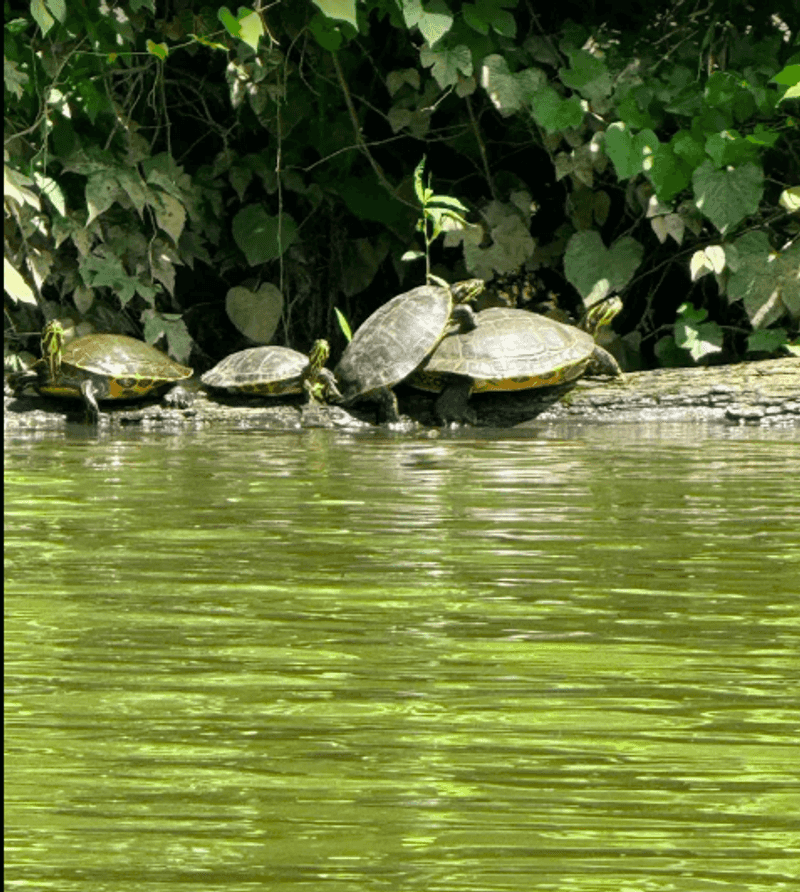
The Buffalo River corridor supports a healthy mix of wildlife, and floating through it quietly puts paddlers in a good position to spot animals that would disappear at the sound of a motor. Great blue herons are common, often standing motionless in the shallows before lifting off with a slow, heavy wingbeat.
Turtles pile onto logs in the warmer months, deer appear along the banks in the early morning and late afternoon, and the tree canopy overhead stays active with birds throughout the day. One detail that comes up regularly is the sight of horses and their riders wading into the river, which adds an unexpected and genuinely charming layer to the whole experience.
Fishing is also part of the picture here. The Buffalo supports smallmouth bass and other native species, and fly fishing in particular has drawn attention from anglers who appreciate the river’s relatively clear water and natural character compared to more pressured fisheries in the region.
Fly Fishing on the Buffalo River
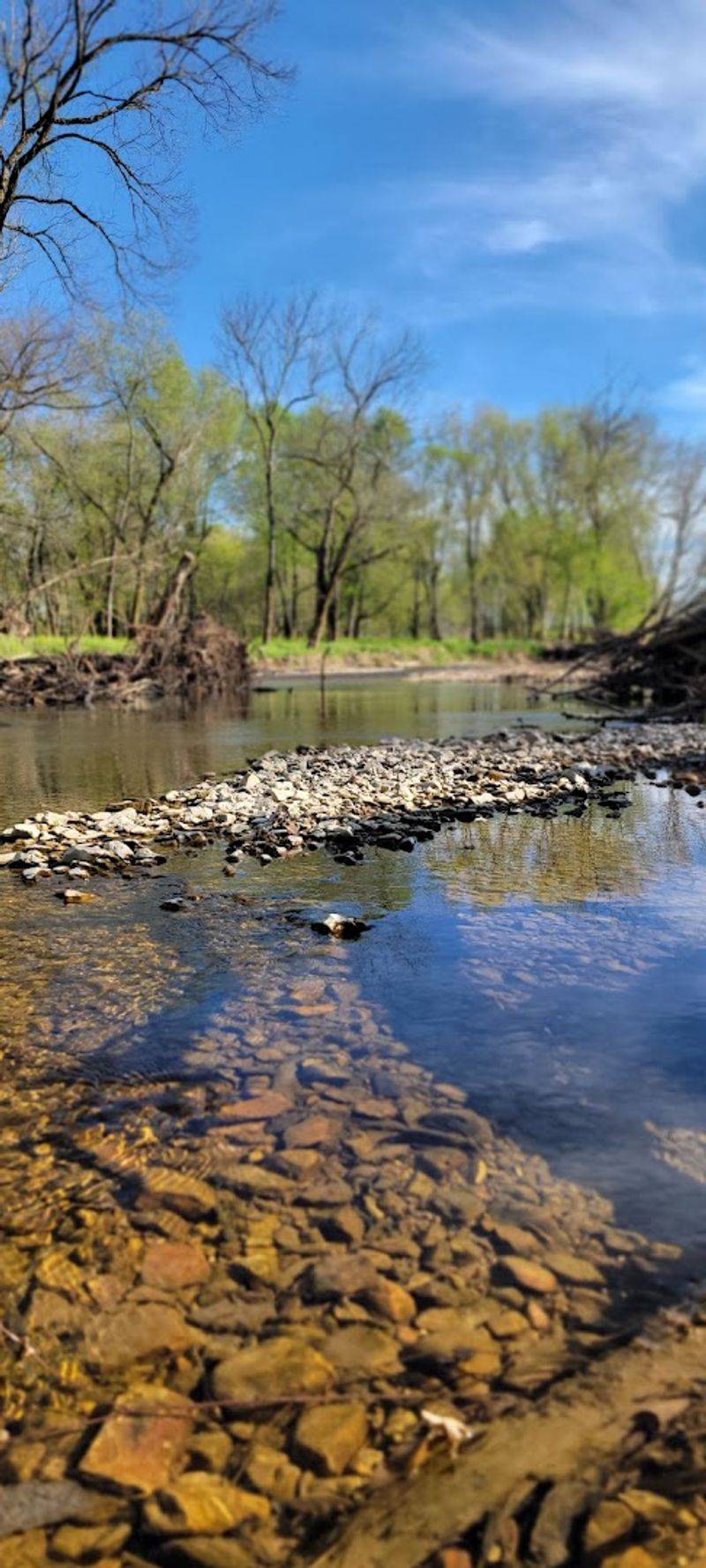
The Buffalo River has quietly built a reputation among fly fishing enthusiasts in Tennessee and the surrounding region. The clear water, natural gravel beds, and relatively light fishing pressure combine to create conditions that are hard to find on more well-known waterways.
Smallmouth bass are the main draw, and the river’s structure, with its mix of riffles, deeper pools, and rocky outcrops, gives fish plenty of places to hold. Wading is practical in most sections during normal water levels, and the park’s shuttle system makes it easy to cover a long stretch of river in a single day without doubling back.
Younger anglers get a lot out of the experience here too. The river is approachable enough for kids learning to cast, and the wildlife activity along the banks keeps the trip engaging even during slower fishing periods.
It is the kind of place that turns a first-time fly fishing trip into a habit that sticks around for years.
What to Know About the River’s Difficulty Level
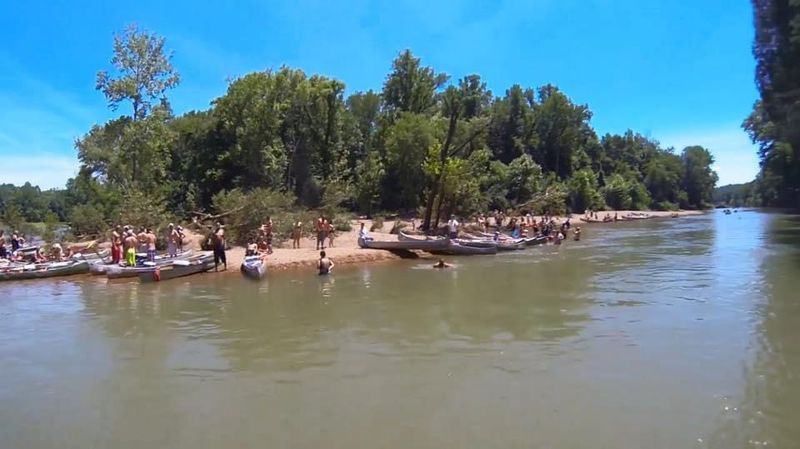
The Buffalo River is generally considered a beginner-friendly waterway, which is a big part of why it works well for families and first-time paddlers. Most of the river moves at a calm pace, with wide sections and plenty of flat water where people can relax and drift without much effort.
That said, there are spots that require attention. The 8-mile section has two areas with noticeably stronger current that can catch younger or less experienced paddlers off guard.
The 16-mile route has a specific turn that staff at Crazy Horse consistently flag as one to watch, and that warning is based on real experience rather than just precaution.
Water levels also change the character of the river significantly. Higher flows after rain make the current faster and certain sections more technical.
Checking conditions before heading out and listening to the guidance from park staff goes a long way toward keeping the trip safe and enjoyable for everyone in the group.
The Shuttle System and How It Works
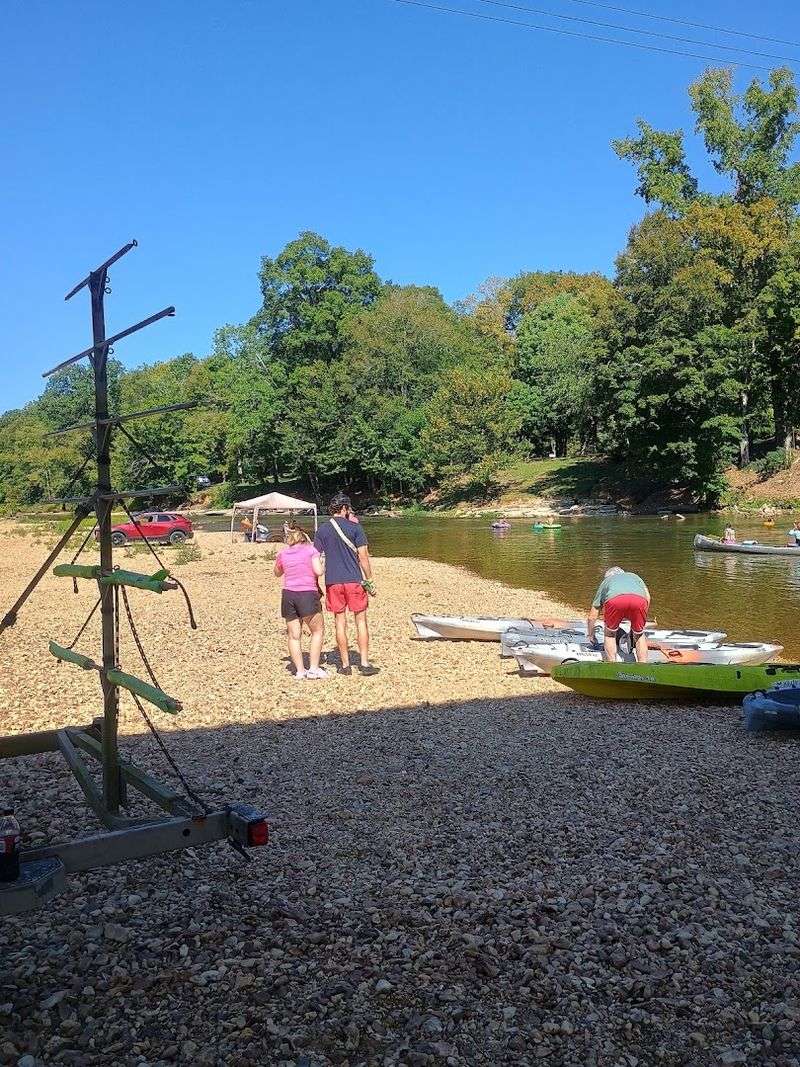
One of the practical things that sets Crazy Horse apart from a simple river access point is the shuttle system. Rather than dealing with the logistics of leaving a vehicle at a takeout point, the park handles transportation for paddlers, dropping groups upstream and picking them up when the float is done.
Wait times at the pickup points are generally short, which matters after a long day on the water when energy levels are running low. The system works for all the standard trip lengths, and staff are familiar with the river well enough to give useful advice about timing and conditions before the trip begins.
For groups arriving on weekdays, the whole process tends to move even more smoothly because overall volume is lower. Getting shuttled upstream rather than starting from the campsite is also a useful option during peak season, since it puts paddlers in a quieter stretch of river before the weekend crowd builds up downstream.
Stand-Up Paddleboarding on the Buffalo
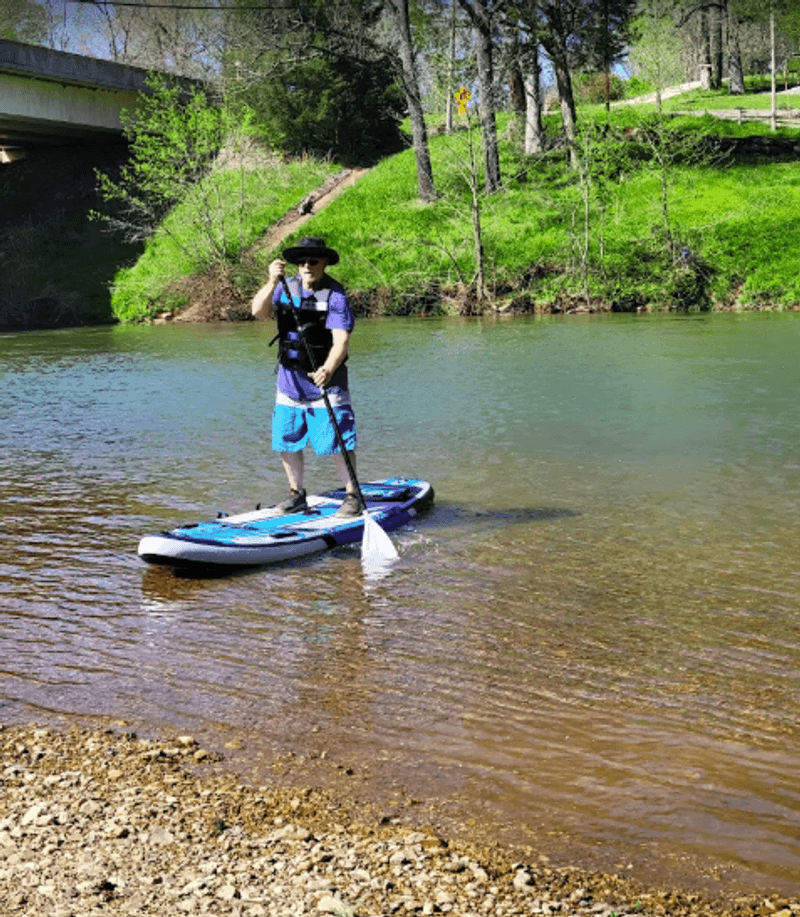
Canoes and kayaks get most of the attention at Crazy Horse, but the Buffalo River also works well for stand-up paddleboarding. The calmer sections of the river provide enough flat water to make SUP a genuinely enjoyable option, and some visitors bring their own boards and use the park’s shuttle service to cover a full stretch of river.
Balance and core strength get a real workout on a paddleboard, especially through sections where the current picks up or the water gets a bit choppier. For paddlers who have done a lot of kayaking and want a different kind of challenge, SUP adds a new dimension to the same river they already know.
The park accommodates guests who bring their own equipment, which keeps the option open for those who prefer their own gear over rentals. The 10-mile trip in particular has been highlighted as a peaceful and manageable distance for paddleboarders who want a full day on the water without overdoing it.
Swimming Holes and Relaxing Spots Along the Float
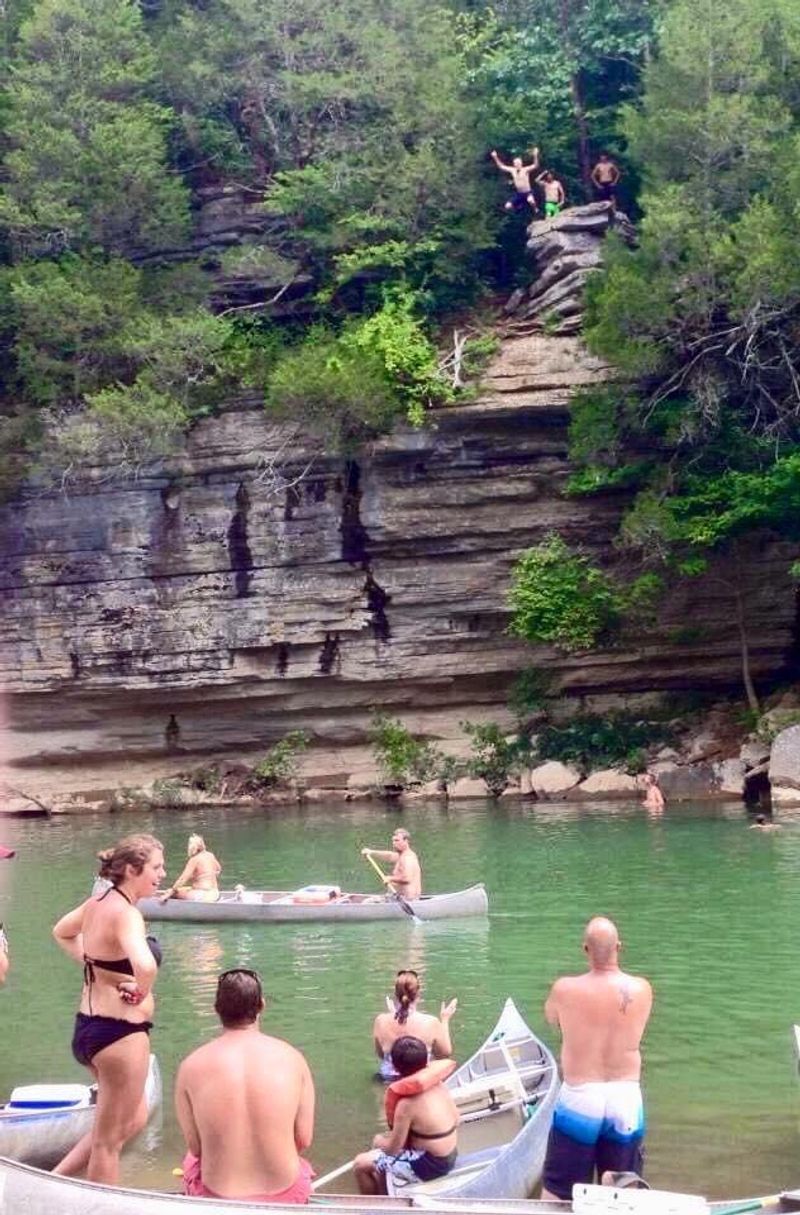
Not every minute of a Buffalo River float has to be spent paddling. The river has natural swimming holes scattered throughout the sections covered by Crazy Horse’s shuttle routes, and pulling over to swim or relax on a gravel bar is very much part of the experience for most groups.
The water clarity makes swimming more appealing than it would be on murkier rivers. Gravel bars provide easy access points for getting in and out of the water, and the shallow sections are calm enough for younger kids to play safely while adults keep watch from nearby.
These stops also tend to be where the best wildlife sightings happen, since sitting quietly near the bank for a few minutes draws more activity than a moving boat does. Groups that budget extra time for these unplanned breaks consistently come away feeling like they got more out of the trip than those who paddled straight through without stopping.
Tips for Planning Your Visit to Crazy Horse
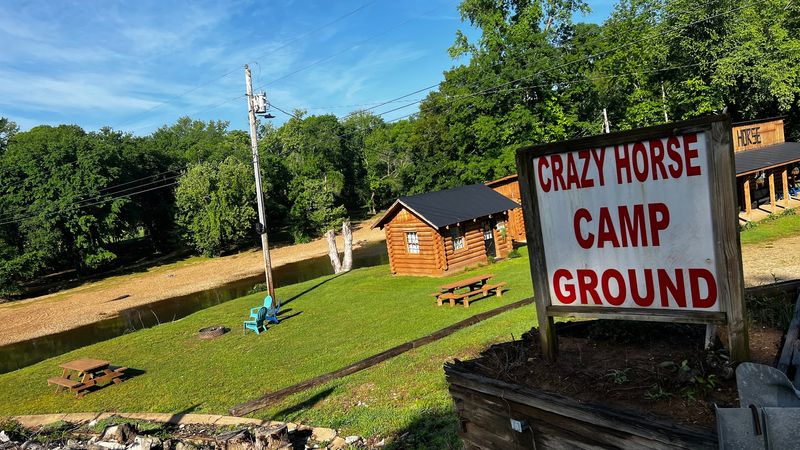
A few practical details make a real difference when planning a trip to Crazy Horse Recreational Park. Weekday visits are noticeably quieter than weekends, which is worth considering for anyone who prefers a more relaxed pace both on the river and in the campground.
Dry bags are a smart investment for protecting phones, keys, and any gear that cannot get wet. The river is generally calm, but capsizing is always a possibility, especially on longer floats where conditions can change.
The park learned this lesson the hard way for at least one group that started their 16-mile trip by flipping in the first five minutes.
Booking campsites or cabins ahead of time during summer weekends is strongly recommended, as availability fills up quickly once the weather turns warm. Calling the park directly before arrival to confirm trip availability, water conditions, and any equipment needs saves time and keeps the whole experience running smoothly from the start.
Why People Keep Coming Back Season After Season
There is something about Crazy Horse that turns first-time visitors into regulars. Some people have been floating the Buffalo River here since childhood and are now bringing their own kids along for the same trip.
That kind of multi-generational loyalty says more about a place than any single feature could.
The combination of a well-run outfitter, a genuinely beautiful river, and a campground that handles everything from tent sites to full RV hookups creates a package that covers most of what outdoor families are looking for in a summer destination. The prices staying reasonable over the years has helped keep it accessible to a wide range of groups.
The park at 2505 Waynesboro Hwy has built its reputation on consistency. The river does not change, the equipment stays in good shape, and the staff know what they are doing.
For a lot of people across Tennessee and beyond, that reliability is exactly what keeps the drive worth making year after year.
Where the Park Actually Is and How to Find It
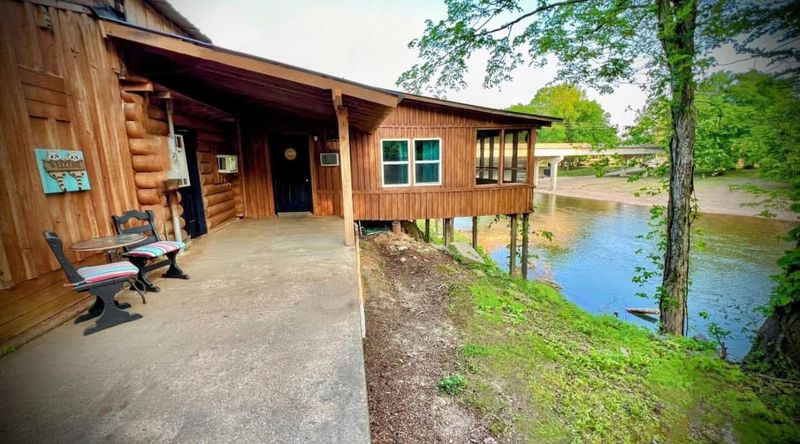
Crazy Horse Recreational Park sits at 2505 Waynesboro Hwy, Waynesboro, TN 38485, right in the heart of Wayne County in southern Middle Tennessee. The drive to get there winds through rolling hills and farmland, which already sets the mood before you even pull into the parking area.
The park is positioned directly on the Buffalo River, one of the few remaining free-flowing rivers in Tennessee. That geographic detail matters a lot, because it means the water moves naturally, the wildlife stays active, and the floating experience feels genuinely wild compared to more commercialized spots.
For first-timers, the address is straightforward to navigate using any GPS app. The surrounding area is rural, so cell service can get spotty closer to the river.
Downloading offline maps before the trip is a smart move that saves a lot of headaches on arrival day.
Share this story