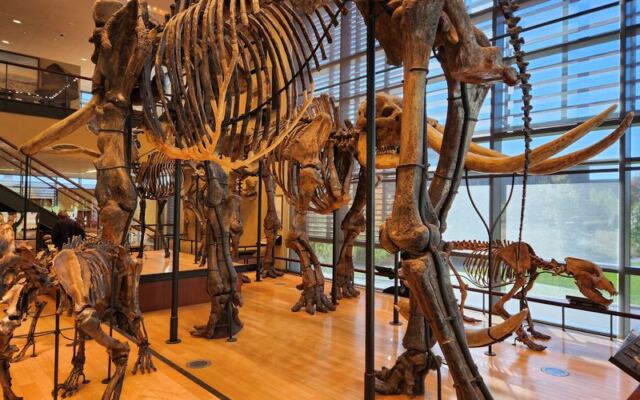
Some of the best places in Massachusetts do not shout for attention. Tucked onto a college campus in the western part of the state sits a three-story collection that traces life on earth back hundreds of millions of years, and it costs nothing to walk through the door.
Two full mammoth skeletons, a T-Rex skull, and one of the largest sets of dinosaur tracks anywhere wait inside. Curious yet?
Keep reading, because this quiet spot may become your new favorite day trip.
Where to Find This Fossil-Packed Wonder

Set at 11 Barrett Hill Dr in Amherst, Massachusetts, the Beneski Museum of Natural History anchors the Amherst College campus in the heart of the state’s western region.
The building itself is modern and bright, spread across three floors connected by both stairs and an elevator. Restrooms are available inside, which makes longer visits comfortable for families.
Reaching it takes a short drive through narrow campus streets, so a little patience helps. The reward is a collection that stretches from ancient bacteria to giant mammals, all under one roof.
Regulars mention that once you arrive, the layout feels welcoming and easy to navigate. Staff greet you near the entrance and offer to help you get your bearings.
For a place so rich in natural history, its low-key location on a quiet campus makes finding it feel a bit like uncovering a well-kept local secret.
A Wall of Gemstones That Greets You at the Door
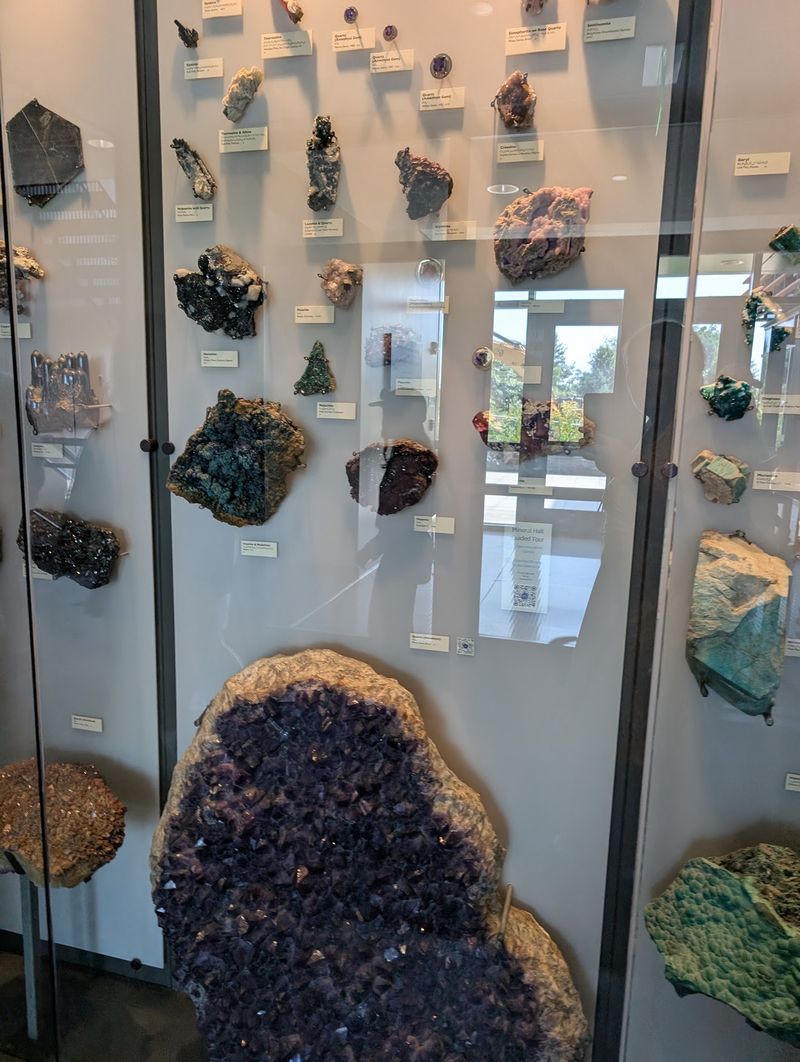
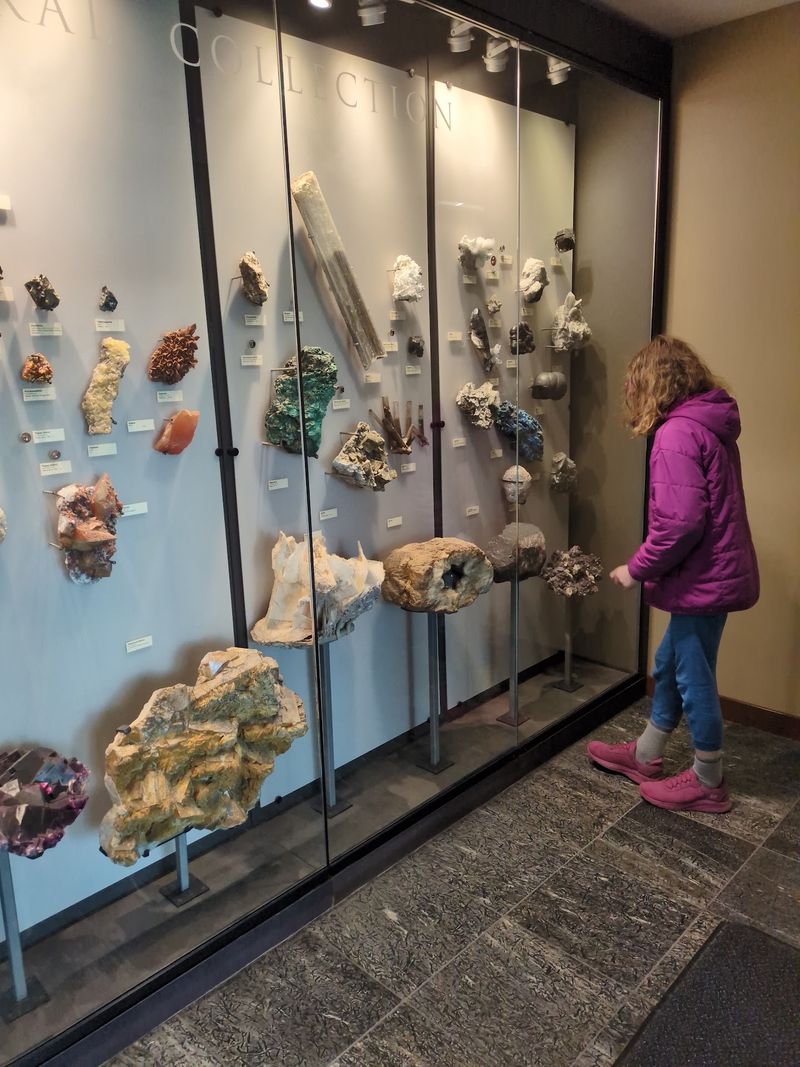
Right as you walk in, a shimmering display of gemstones and minerals sets the tone for everything that follows.
Rock hounds tend to linger here, studying the spectrum of colors, textures, and shapes packed into the cases. Kids and teens often find themselves fascinated by the variety, and adults are just as likely to slow down for a closer look.
The mineral collection may be smaller than the dinosaur exhibits, but it earns its spot as a proper attraction in its own right. It offers a quiet moment of wonder before the bigger fossils take over.
Beyond the sparkle, the arrangement is thoughtful and clearly labeled, so you learn as you browse. It is the kind of opening that makes you want to explore every floor.
Do not rush past it, because this colorful welcome hints at the depth waiting deeper inside the building.
The Famous Dinosaur Tracks of the Connecticut River Valley
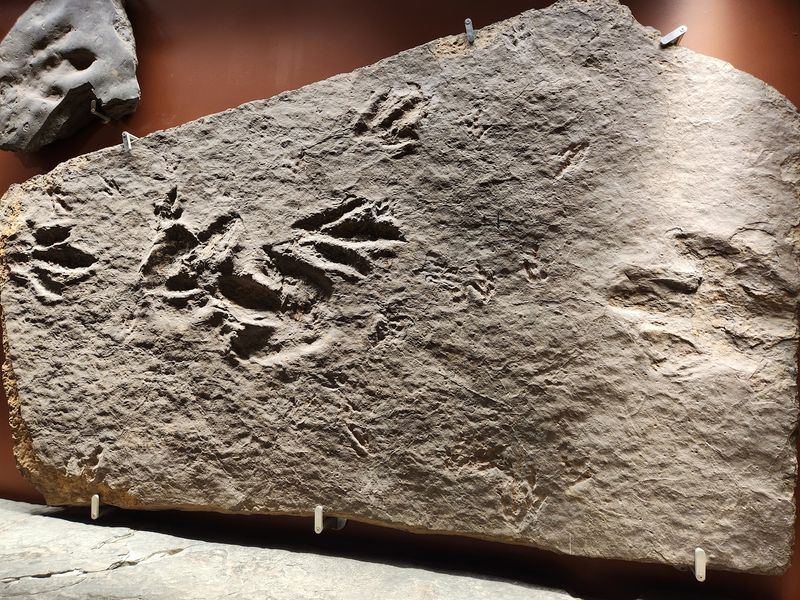
Fossilized footprints are the true stars here, and the museum leans proudly into them.
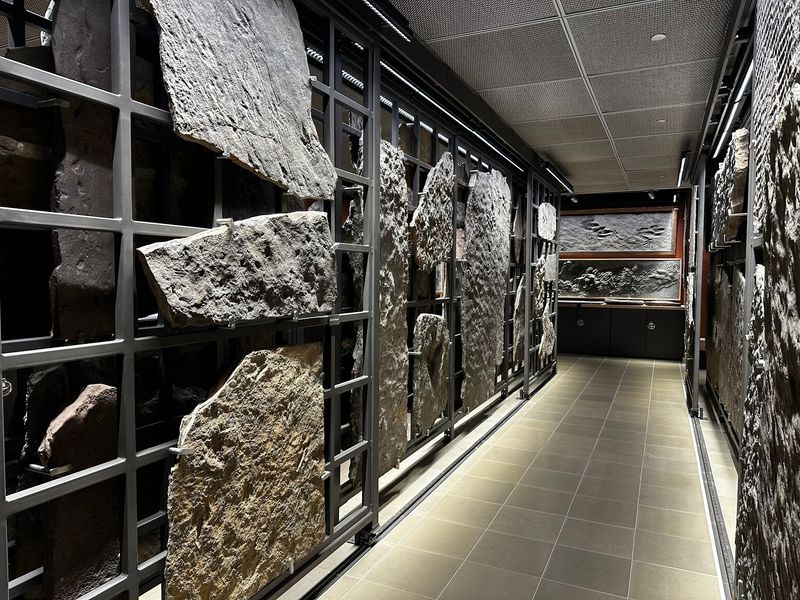
Many of the tracks on display were discovered locally, pressed into stone across the Connecticut River Valley long before humans walked the earth. That local connection gives the exhibit a special sense of place for Massachusetts residents.
According to a well-known claim once shared through a popular mobile game, the collection ranks among the largest sets of dinosaur footprints anywhere. Whether you count them or simply admire them, the sheer number is striking.
The displays focus heavily on this footprint story, tying together local geology and the creatures that left their mark. One family enjoyed the exhibit so much that they later went to see the actual footprint sites along the riverbank themselves.
For anyone curious about what once roamed this region, these tracks turn ancient history into something you can stand right in front of.
Two Full Mammoths Towering Overhead
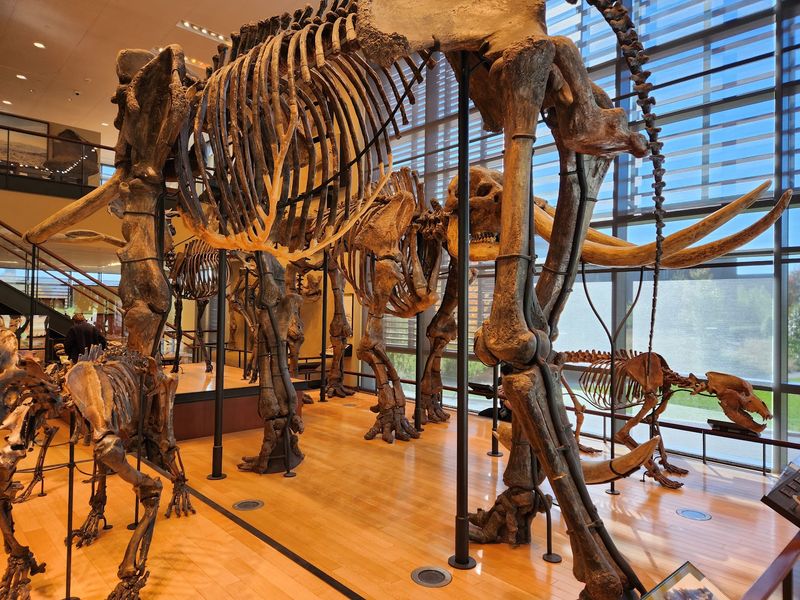
Few sights inside stop people in their tracks quite like the pair of full mammoth skeletons.
Standing tall with their curved tusks and massive frames, these giants represent the era of huge mammals that followed the age of dinosaurs. Having two of them together is a genuine treat, since many museums count themselves lucky to display even one.
The scale alone makes them a favorite for kids and grown-ups, and photos rarely capture just how commanding they feel up close.
They fit neatly into the museum’s larger story, which traces life from the tiniest organisms all the way up to these towering creatures. The journey through time feels complete when you reach them.
Positioned to be admired from multiple angles, the mammoths anchor one of the most memorable stops in the whole building. They are exactly the kind of surprise you would never expect to find tucked onto a quiet campus.
Coming Face to Face With a T-Rex Skull
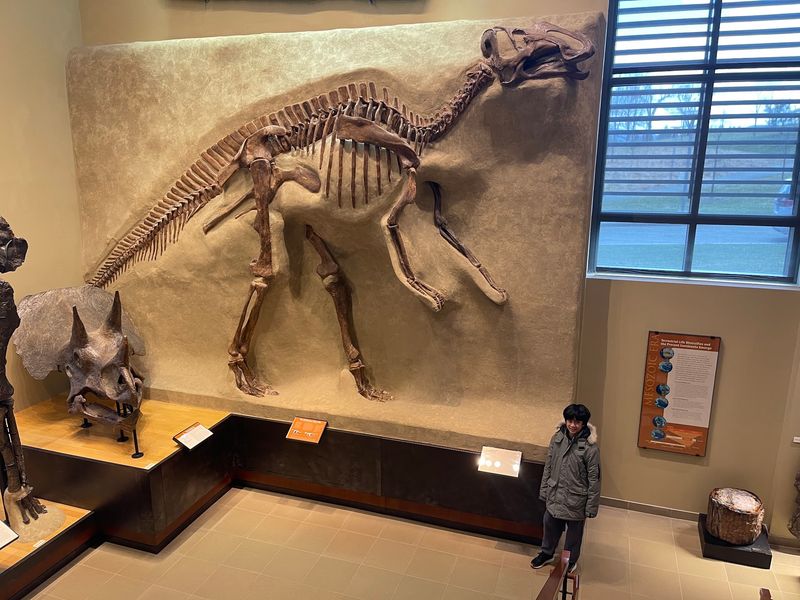
Rows of teeth and a massive jaw make the T-Rex skull an instant crowd magnet.
It is one of those specimens that draws gasps from young dinosaur fans and quiet admiration from the adults tagging along. The detail in the skull rewards a slow, careful look.
Alongside it, a triceratops head keeps the prehistoric predators and plant-eaters in good company. Together they capture the drama of the dinosaur age in a single stretch of the museum.
Children who arrive already obsessed with dinosaurs leave thrilled, and the collection consistently lives up to their high expectations. Parents of the smallest visitors, even two and three year olds, find the exhibits engaging without being overwhelming.
What makes this stop special is how accessible it feels. There are no long lines or crowds fighting for a view, just an incredible fossil waiting patiently for whoever wanders up to say hello.
Three Floors of Skeletons and Preserved Fossils
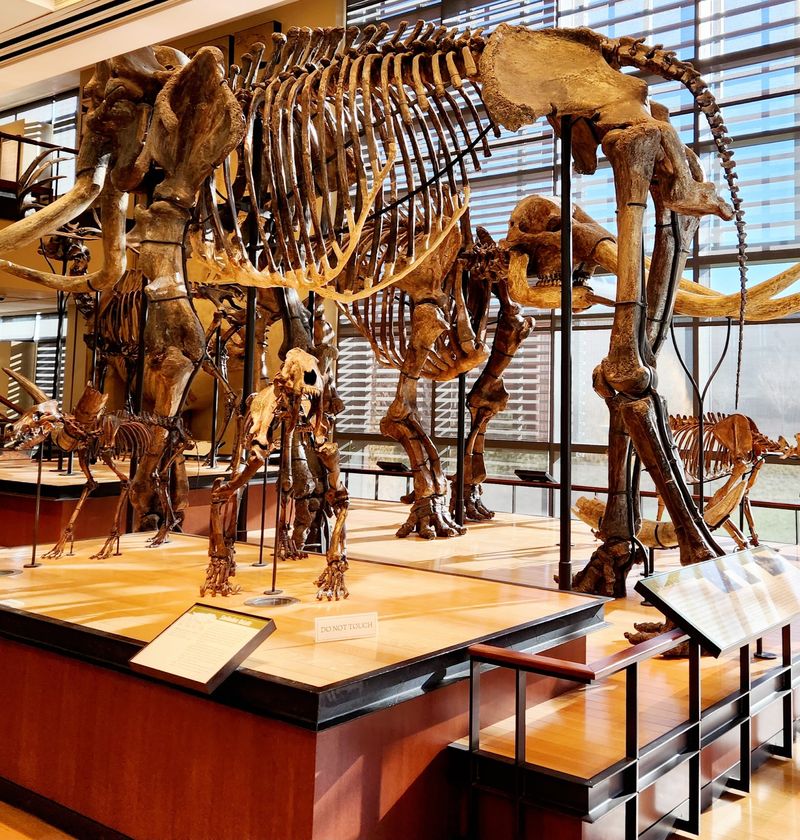
Spread across three levels, the museum packs far more into its footprint than first impressions suggest.
Full skeletons, preserved fossils, and carefully cataloged specimens fill each floor, giving you plenty of reasons to keep climbing. Some people describe the place as small, yet the collection is remarkably complete and diverse.
Elk, horses, and other animals join the ancient creatures, broadening the story beyond dinosaurs alone. There is genuinely a lot to read and absorb at every turn.
Plan for a couple of hours if you want to take it all in, and even then you might feel like there is more to discover. One person on a time crunch managed two hours and still wished for a full day.
The organization is clean and modern, with clear labels that make learning effortless. For a free attraction, the depth on display here easily rivals museums that charge admission.
A Self-Guided Tour Built Around QR Codes
Technology quietly improves the visit through a smart QR-code guide scattered around the exhibits.
Scan a code with your phone and you get details that are just the right length, informative without dragging on. It hits a sweet spot between too little information and an exhausting wall of text.
The track tour in particular benefits from this setup, adding context that makes the footprints even more exciting to examine.
Because the whole museum runs on self-guided exploration, you set your own pace. Families can slow down for curious kids or breeze through the sections that interest them most.
There are also hidden touches, like drawers on the walls you can pull open to reveal extra surprises. Little details like that reward the curious.
Staff remain nearby if you would rather ask a person, but the digital guide means you never feel lost or rushed while wandering the floors.
Friendly Student Docents Who Know Their Stuff
Warm greetings set the mood the moment you step inside, and the people behind them make a real difference.
The museum sits on a college campus, so student docents and knowledgeable staff are often on hand to answer questions. They are patient with the youngest guests and happy to share what they know with curious adults.
One family with toddlers found the students remarkably calm and helpful, turning a rainy afternoon into a hit. Another guest brought an older relative and both left delighted by how easy everything felt.
Beyond fielding questions about fossils, staff have been known to point newcomers toward nearby dining spots and parking tips. That extra kindness leaves a strong impression.
Their enthusiasm is contagious, sparking curiosity in kids who might not have known they loved natural history. Helpful people like these are a big part of why guests keep planning return trips.
Over 1,700 Species Spanning Millions of Years
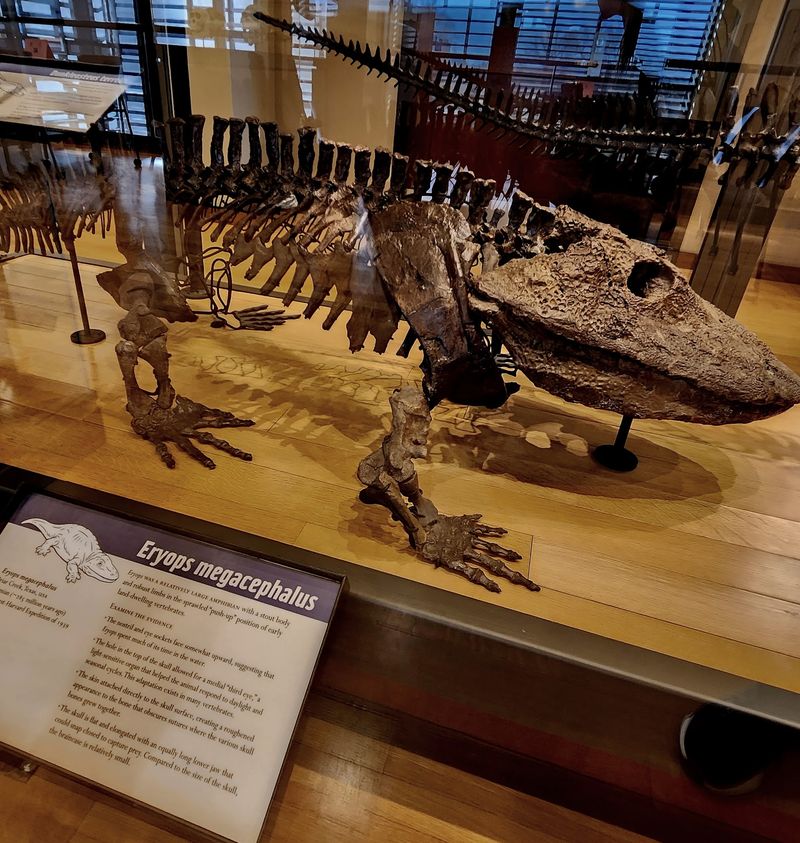
Ambition drives this collection, which traces the history of life on earth from simple bacteria all the way to giant mammals.
More than 1,700 species are represented, giving the exhibits a scope that feels far bigger than the building itself. Some specimens reach back hundreds of millions of years, with material dating to around 530 million years ago.
That timeline turns a casual visit into a walk through deep history. You move from the earliest forms of life toward the towering creatures of more recent eras, all in a logical, easy-to-follow flow.
Detailed models help explain how these ancient events unfolded, doing a fine job of educating without overwhelming.
The result is a place that satisfies both quick curiosity and genuine study. Whether you spend twenty minutes or two hours, the sense of scale sticks with you long after you leave the campus behind.
A Rainy-Day Rescue for Families
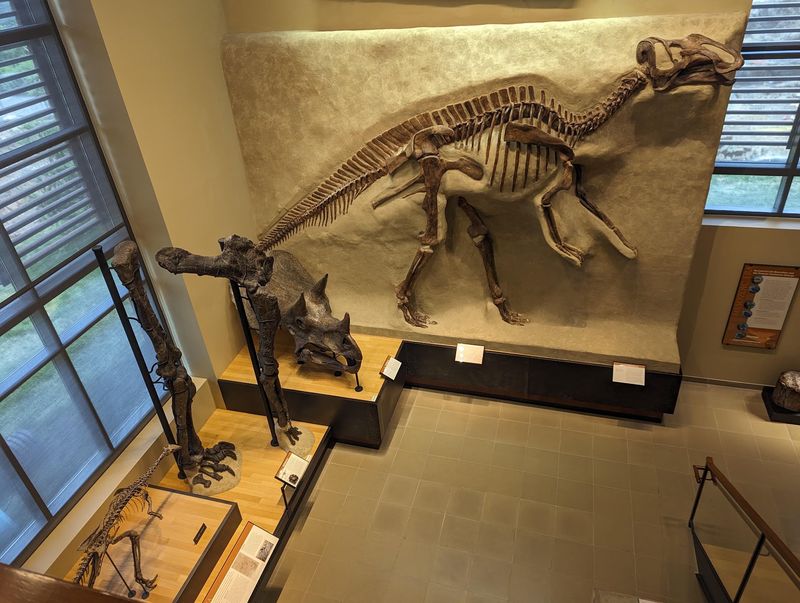
Weather can wreck the best-laid plans, and this museum quietly solves that problem.
Families frequently name it a go-to for rainy afternoons and blazing hot summer days alike, thanks to the comfortable indoor setting and good air conditioning. Kids stay engaged while parents stay cool.
The exhibits work for a surprisingly wide age range, entertaining toddlers and teenagers with equal ease. Little ones marvel at the big skeletons while older kids dig into the details on the labels.
Because entry costs nothing, it is an easy call when you need to fill a few hours without stretching the budget. That combination of free and family-friendly is hard to beat.
Arriving right at opening on a weekend can mean having much of the place to yourselves. One small wish among guests is for a few more chairs so grown-ups can rest while kids explore.
Otherwise, it earns its reputation as a reliable family outing.
Hours, Parking, and Getting There

Planning ahead makes this trip smooth, starting with the schedule.
The museum opens Tuesday through Friday from 10 AM to 4 PM, and stays open a little later on Saturday and Sunday, from 10 AM to 5 PM. Mondays it is closed, so plan around that.
Best of all, admission is completely free, and there is no charge for parking either.
The one hiccup guests mention is finding a spot, since the campus streets are narrow and the closest lot fills quickly. A common tip is to search for Amherst Museum Parking, which points you to a free lot down the road and across the street, just a short walk away.
Once that puzzle is solved, everything else is simple. The WWII memorial nearby offers a pleasant bench and a scenic view, making it a fine spot for a quick picnic before or after your visit.
Why This Quiet Campus Museum Deserves Your Day
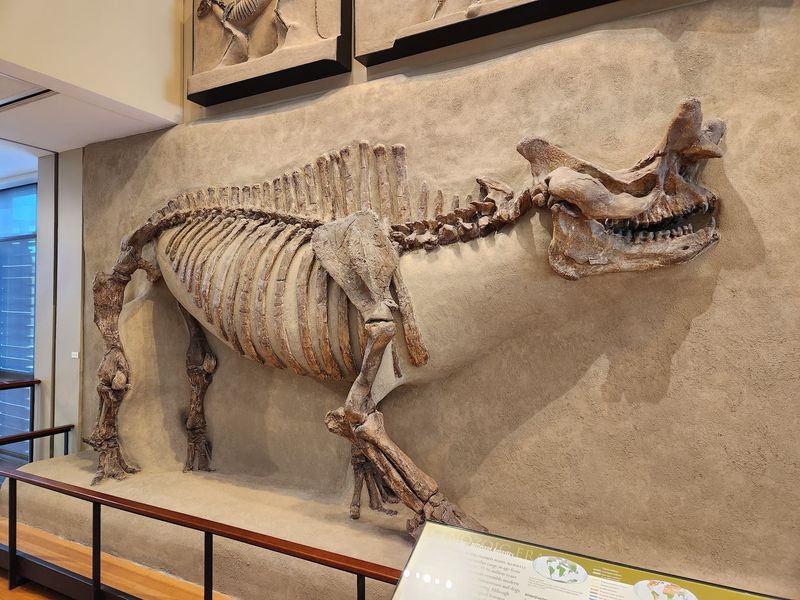
Putting it all together, this is one of western Massachusetts’ most rewarding free outings.
Three floors, mammoth skeletons, a T-Rex skull, a triceratops head, and one of the largest sets of dinosaur tracks around add up to an experience that punches well above its size. Add friendly staff, a clean modern space, and a clever self-guided tour, and the value becomes obvious.
It suits nearly everyone, from toddlers chasing their first dinosaur obsession to adults who simply love learning something new.
The only minor snags are the tricky parking and a wish for a few more seats, both easily forgiven once you are inside.
For a low-cost, low-effort day trip that feels like a genuine discovery, the Beneski Museum of Natural History is tough to top. Locals in the know keep coming back, and after one visit, you will understand exactly why they do.
Share this story