Somewhere in northern Illinois, tucked behind an unassuming parking lot and a modest visitor center, lies one of the strangest and most quietly spectacular places in the entire state. Most people drive past without ever knowing it exists.
But those who wander onto the floating boardwalk find themselves standing above a living, quaking bog, surrounded by carnivorous plants and ancient geological history that stretches back to the last ice age. Volo Bog State Natural Area is the kind of place that makes you feel like you stumbled onto a secret the rest of the world somehow missed.
What Volo Bog Actually Is
Calling Volo Bog just a nature trail would be like calling the Grand Canyon a nice ditch. Located in Ingleside, Illinois, this state natural area holds the distinction of being the only open-water quaking bog in the entire state of Illinois.
That is not a small claim.
A quaking bog forms when a mat of sphagnum moss and other vegetation grows over a body of water, creating a surface that literally trembles and shifts beneath your feet as you walk across it. The sensation is unlike anything you experience on an ordinary hiking trail.
Managed by the Illinois Department of Natural Resources, Volo Bog protects a rare and fragile ecosystem that took thousands of years to form. Visitors consistently describe it as a one-of-a-kind environment, and the science behind it backs that up completely.
This place is genuinely irreplaceable in the Illinois landscape.
The Glacial Story Behind the Bog
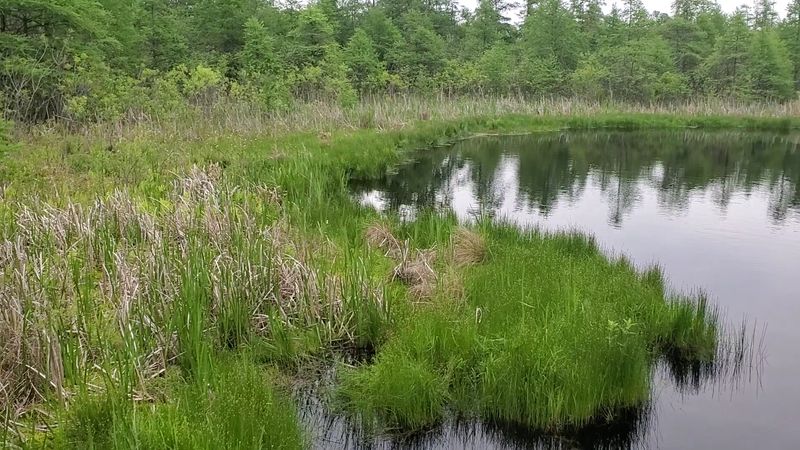
Long before Illinois had highways or cornfields, a massive prehistoric glacier crept across this region and eventually stopped right here. As it slowly melted over thousands of years, it left behind a deep kettle lake, a bowl-shaped depression filled with cold, still water.
That lake became the foundation for everything you see at Volo Bog today.
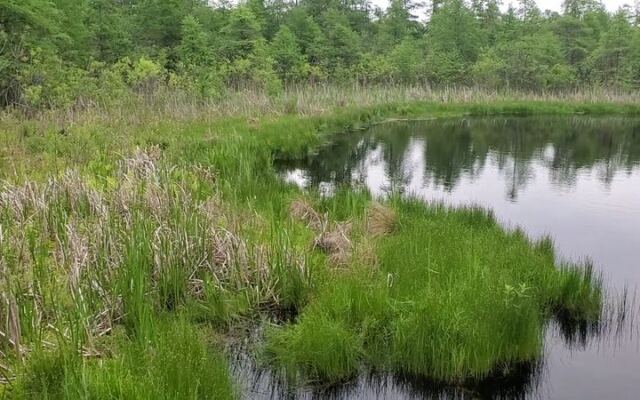
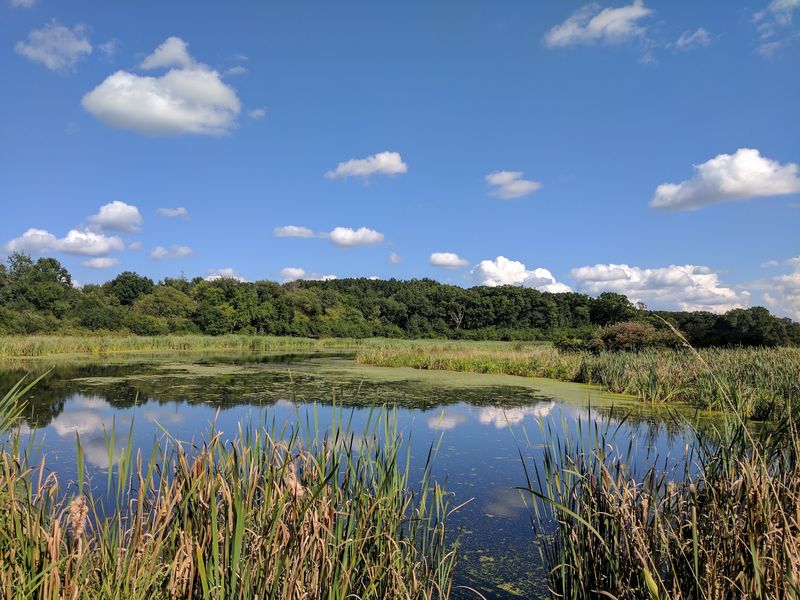
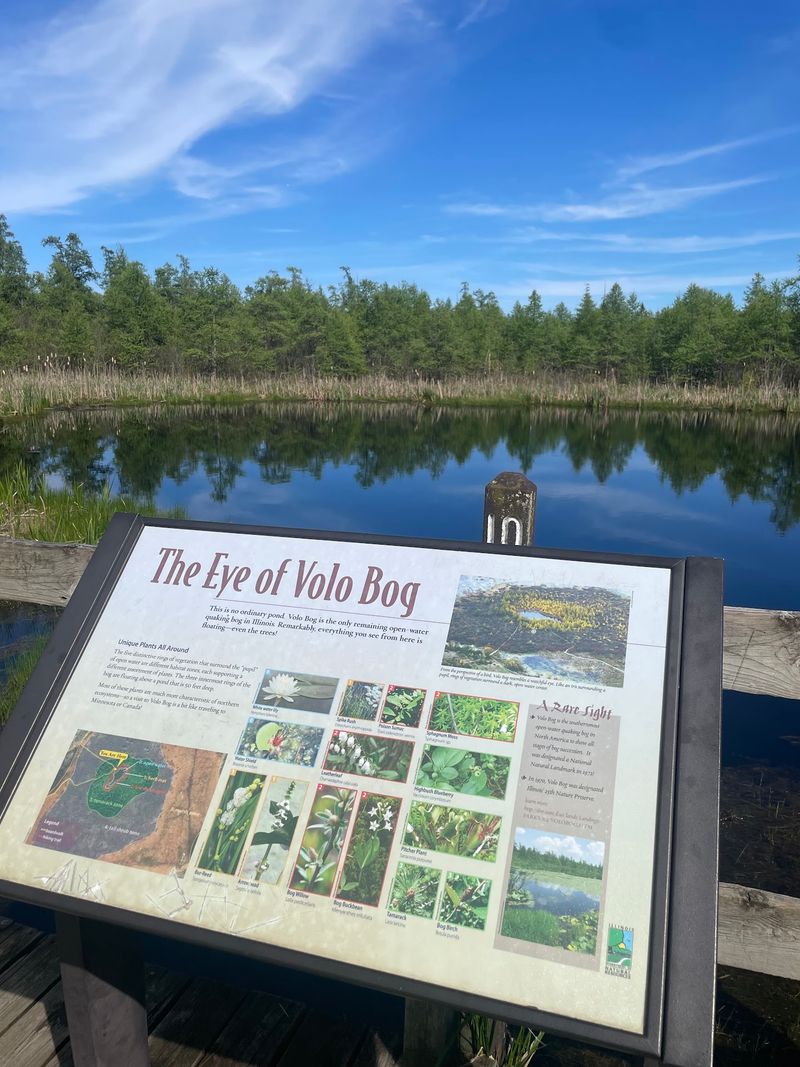
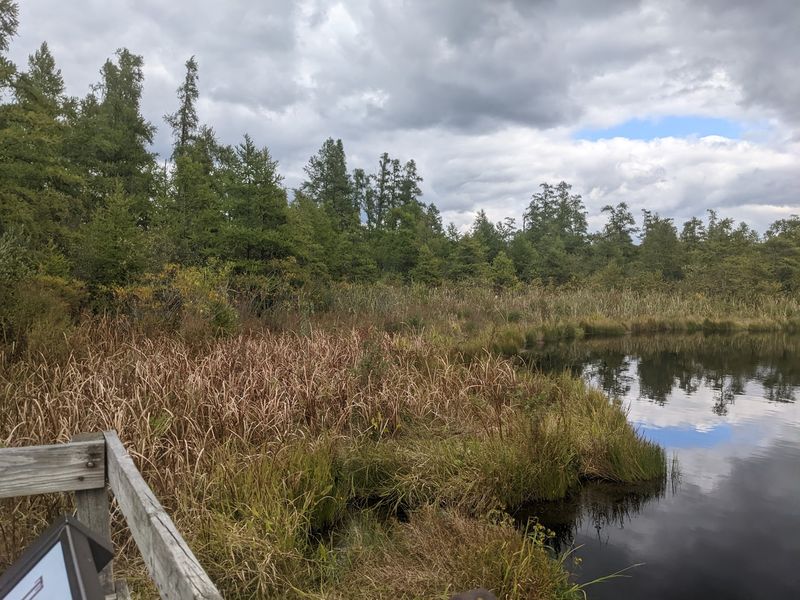
Over millennia, sphagnum moss began creeping in from the edges, slowly building a floating mat toward the center. The open eye of water at the bog’s heart is what remains of that original glacial lake, now ringed by layers of living and compressed vegetation.
Interpretive signs placed along the trail walk visitors through this geological timeline in clear, accessible language. Many visitors say reading those plaques felt like a proper history lesson, one that made the landscape feel even more extraordinary once the science clicked into place.
The past is literally underfoot.
The Floating Boardwalk Experience
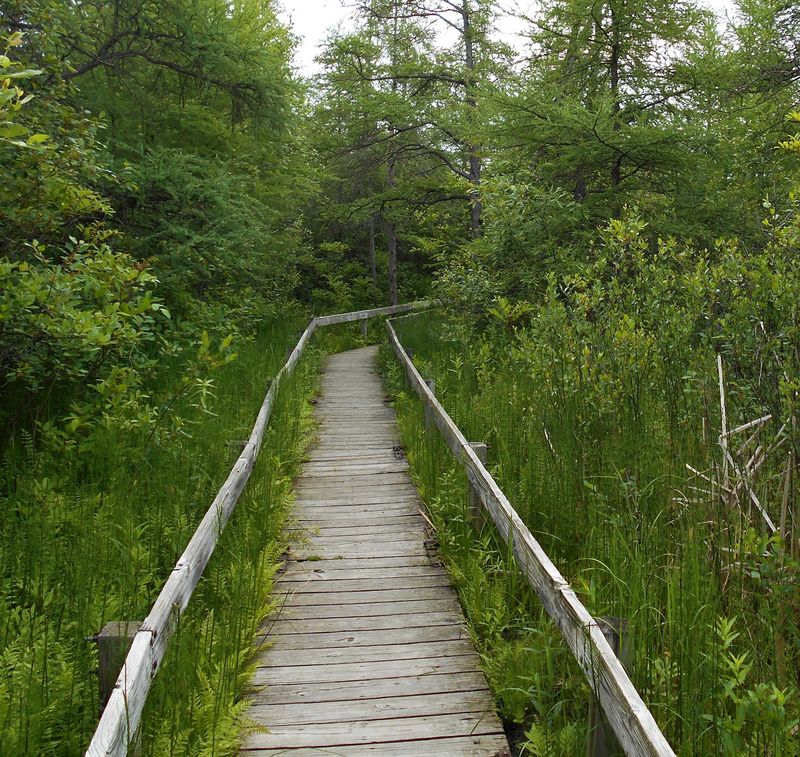
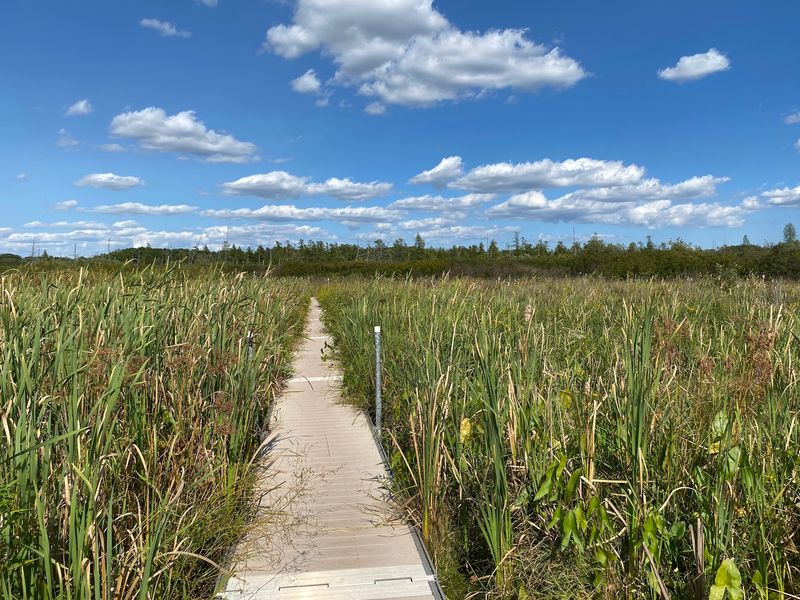
Walking onto the interpretive boardwalk at Volo Bog is the moment everything shifts from interesting to genuinely thrilling. The wooden planks float directly on top of the bog mat, and as you step forward, the ground beneath you sways and bounces in a way that feels almost playful.
First-timers often pause mid-step, unsure whether to laugh or hold their breath.
The half-mile boardwalk leads visitors through the heart of the bog, offering close-up views of the sphagnum moss, sedges, and specialized plants that thrive in this low-nutrient, highly acidic environment. Lookout points along the route frame the open water eye of the bog in a way that feels almost cinematic.
Visitors are advised to wear slip-resistant shoes since the floating surface can shift unexpectedly. After heavy rain, sections of the walkway may sit below the waterline, so checking conditions before visiting is a smart move for anyone planning the trip.
Carnivorous Plants Living in the Bog
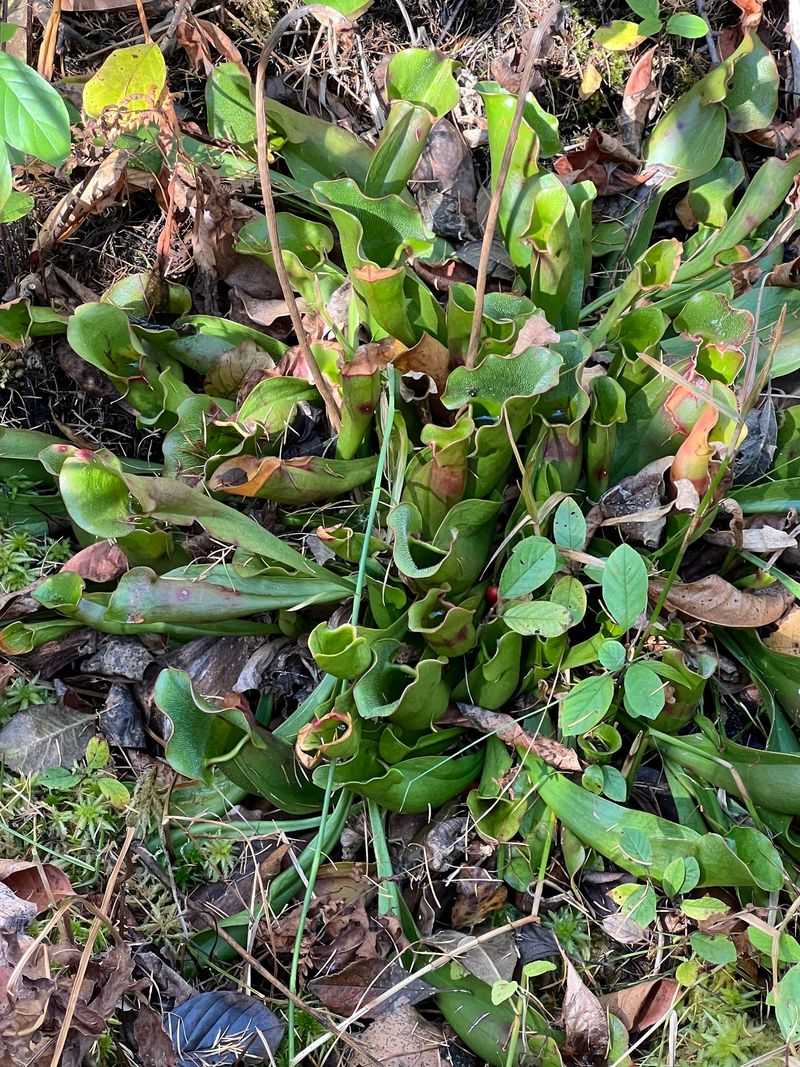
Here is the detail that tends to stop people cold: meat-eating plants grow in this bog, and they are not behind glass in a greenhouse. They are right there, growing wild in the sphagnum moss along the boardwalk, doing exactly what they evolved to do.
Sundews are the most commonly spotted carnivorous plant at Volo Bog. These small, reddish plants use sticky, glistening hairs on their leaves to trap insects, which they then slowly absorb for nutrients.
In a bog where the soil is too acidic and nitrogen-poor to support most plant life, carnivory is simply a clever survival strategy rather than something dramatic.
Pitcher plants, another carnivorous species, have also been documented in the area. The bog’s chemistry, low in nutrients and high in acidity, creates exactly the conditions these specialized plants need to thrive.
Spotting them along the boardwalk feels like finding something genuinely wild and unexpected in the middle of the Midwest.
Wildlife That Calls the Bog Home
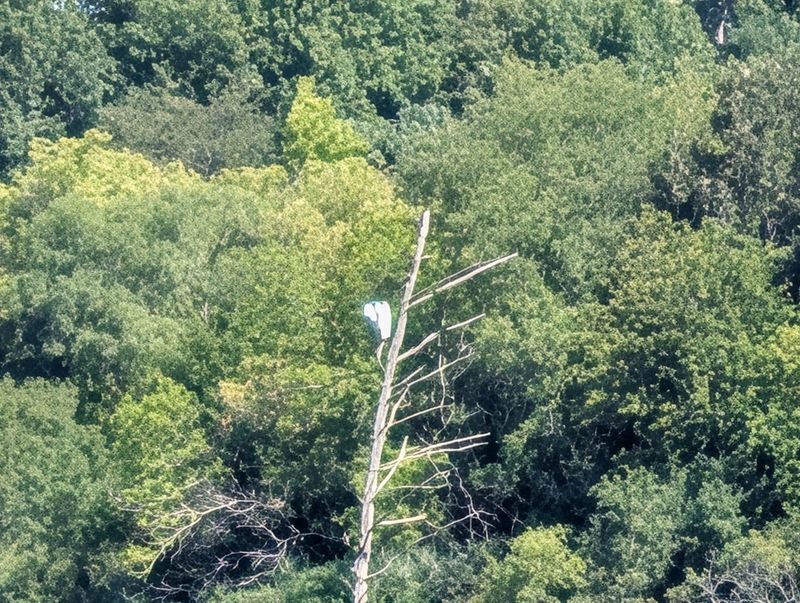
Beyond the plants, the animal life at Volo Bog has a way of surprising visitors who come expecting a quiet walk and nothing more. Cranes, herons, tree swallows, and a wide variety of songbirds have all been spotted here, making the preserve a genuine draw for birdwatchers who know where to look.
Reptiles and mammals round out the wildlife roster in impressive fashion. Turtles bask along the water’s edge, muskrats move through the marsh, snakes slide through the grass, and rabbits and chipmunks appear along the outer trails with cheerful regularity.
One visitor mentioned spotting sandhill cranes overhead, an unforgettable sight above the bog’s open water.
Mushroom enthusiasts have also found the preserve rewarding, with multiple species documented across different seasons. The sheer variety of creatures concentrated in one relatively small area reflects just how rich and layered the Volo Bog ecosystem truly is beneath its quiet surface.
The Trail System Beyond the Boardwalk
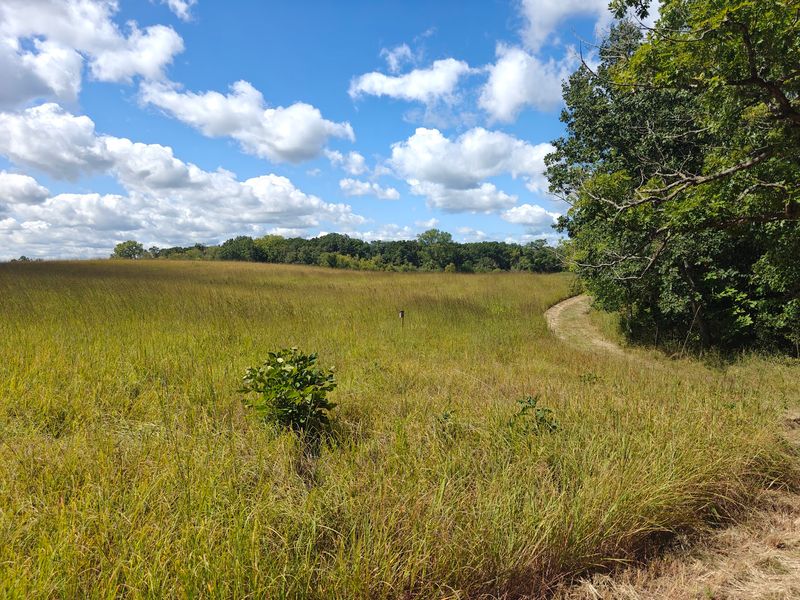
The floating boardwalk gets most of the attention, and rightfully so, but Volo Bog offers far more trail mileage than the half-mile interpretive loop. Roughly five additional miles of trails branch out through a genuinely varied landscape that keeps changing character as you move through it.
Hikers report moving from open fields thick with cattails into meadows bursting with wildflowers, then into shaded woodland sections with gnarly, character-filled trees, all within a single outing. The Prairie Ridge trail earns praise for its scenery, while the outer loop covering just over three miles circles the marsh with plenty of open views.
Trail surfaces shift between grass, dirt, gravel, and boardwalk sections, so footwear matters. Some single-track sections are narrow and feel genuinely remote.
Signage has received mixed feedback from visitors, so downloading a trail map before heading out is a practical step worth taking, especially for first-time visitors exploring the full trail network.
The Visitor Center and What It Offers
Arriving at Volo Bog, the visitor center is worth more than just a restroom stop. Staff members here are genuinely knowledgeable and enthusiastic, regularly fielding questions from curious visitors of all ages with patience and real depth of information.
Families with young children have specifically noted how staff engaged with kids’ questions in a way that felt warm and unhurried.
Inside, exhibits explain the bog’s ecology, geology, and the plant and animal species that depend on it. A small gift shop carries nature-themed books and items, including some priced as low as one dollar, making it easy to bring a little piece of the bog home without spending much.
Guided tours of the floating boardwalk are also offered through the visitor center, led by knowledgeable staff who bring the ecosystem to life with commentary that goes well beyond what the interpretive signs alone can convey. For first-time visitors, the guided experience is genuinely worth the extra time.
Seasonal Changes That Reward Return Visits
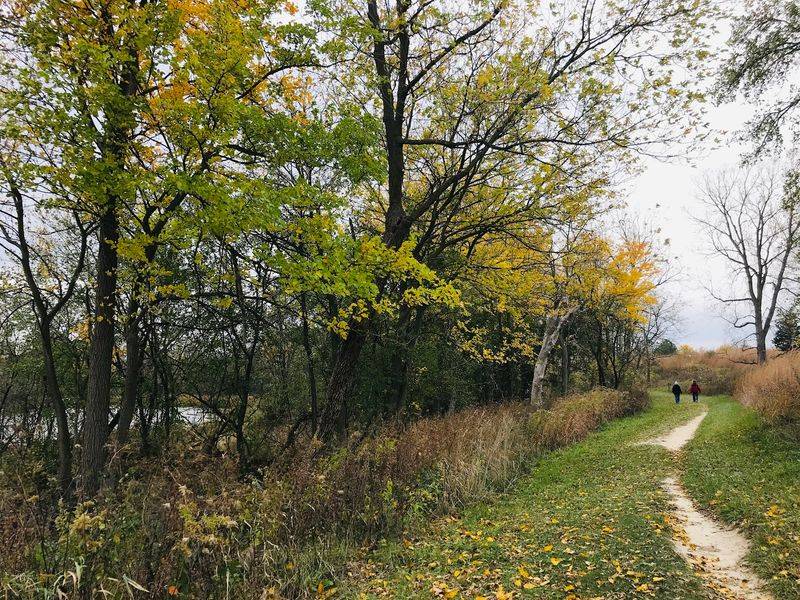
Few natural areas in Illinois shift as dramatically with the seasons as Volo Bog, and locals who have visited repeatedly are quick to point this out. Summer brings blooming wildflowers in spectacular variety, with fields of color surrounding the trails in a way that feels almost extravagant for northern Illinois.
Fall is widely considered the most visually striking time to visit. The tamarack trees, which are deciduous conifers, turn a brilliant gold around late October, just in time for Halloween.
The sight of golden tamaracks reflected in the dark bog water is something visitors consistently describe as genuinely unforgettable and unlike anything else in the region.
Winter opens the preserve to cross-country skiing, giving the landscape a completely different and peaceful personality under snow. Spring brings frogs, early migrating birds, and fresh growth pushing through the moss.
There is honestly no bad time to show up here, just different reasons to come back again.
Birdwatching at the Bog
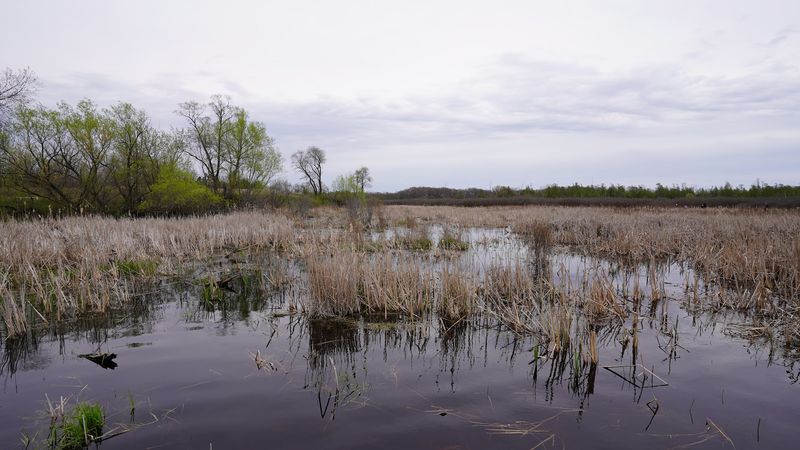
Birders who visit Volo Bog tend to leave with long lists and wide smiles. The variety of habitats packed into a relatively compact area, open water, marsh, prairie, and woodland, creates ideal conditions for an impressive range of species across all four seasons.
Tree swallows with their blue-tinged plumage have delighted visitors who caught them in flight over the bog’s open water. Great blue herons stand motionless at the water’s edge with the kind of patience that makes human hikers feel restless by comparison.
Sandhill cranes have been heard and spotted overhead, their calls carrying across the marsh with an almost prehistoric resonance.
The preserve’s quiet atmosphere helps enormously. Without the noise of crowds or traffic, it becomes easy to hear birds long before spotting them, a detail that experienced birders appreciate deeply.
Bringing binoculars is strongly recommended, especially for the outer trail sections where the marsh opens up into broader viewing angles.
Atmosphere and Who Will Love This Place
Volo Bog has a specific kind of quiet that feels earned rather than empty. Out on the floating boardwalk, surrounded by moss and open water, the noise of everyday life genuinely fades.
Visitors who come seeking mental clarity consistently describe the experience as unexpectedly restorative, the kind of reset that a full weekend away sometimes fails to deliver.
Nature lovers, photographers, curious families, and solo hikers all find something meaningful here. The terrain is relatively flat and accessible, making it approachable for a wide range of fitness levels, though the floating boardwalk requires sure footing and comfortable footwear.
Children are often fascinated by the carnivorous plants and the bouncing walkway.
Artists have found inspiration here too, with the preserve hosting seasonal art shows connected to the natural environment. The monthly nature-themed book discussion group, called Of Bogs and Books, reflects the kind of thoughtful community that has formed around this genuinely unusual place in northern Illinois.
Practical Tips Before You Go
Planning ahead makes a real difference at Volo Bog. The preserve is open every day of the week from 8 AM to 7:30 PM, giving visitors a generous window for morning walks, afternoon explorations, or golden-hour strolls along the outer trails.
Admission is free, which makes it one of the most accessible natural destinations in northern Illinois.
Bug spray is non-negotiable, especially from late spring through early summer. Gnats, deer flies, and ticks have all been mentioned by visitors, and the tick situation in particular deserves attention.
Doing a thorough check before getting back in the car is strongly recommended, even for those who stick to the main trail.
Wear sturdy, slip-resistant footwear rather than gym shoes, especially if visiting after rainfall. The preserve operates as a pack-it-in, pack-it-out site, so bringing a bag for your own trash is part of being a good guest.
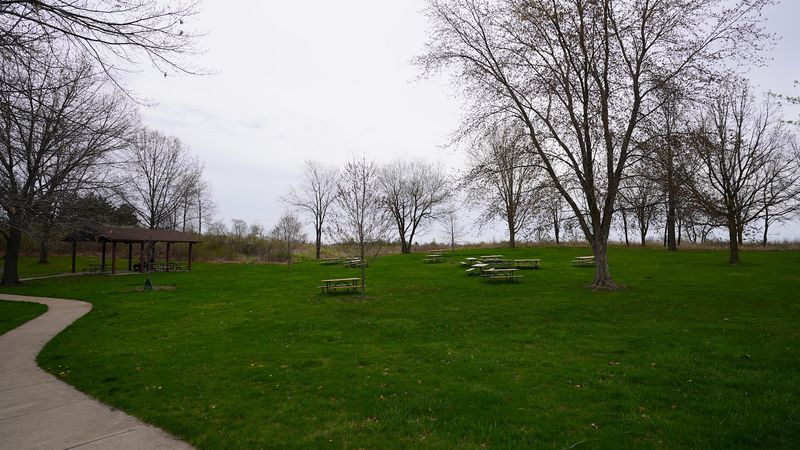
Picnic tables near the parking lot make a pre-hike or post-hike snack a pleasant option.
Why Volo Bog Deserves a Spot on Your Illinois List
Some places earn their reputation through spectacle. Volo Bog earns its through strangeness, patience, and the slow reveal of something genuinely rare.
Standing on a floating mat of moss above a glacial lake, surrounded by carnivorous plants and calling birds, is an experience that simply does not exist anywhere else in Illinois.
The fact that it is free, open year-round, and located within reasonable driving distance of the Chicago metro area makes it even more remarkable. A place this ecologically singular could easily charge admission and still draw crowds.
Instead, it sits quietly in Ingleside, waiting for the people curious enough to find it.
Regulars return season after season, drawn back by the golden tamaracks in October, the wildflowers in July, or simply the particular stillness the bog holds on a weekday morning. If Illinois has a hidden natural wonder, this floating, quaking, meat-plant-filled bog is absolutely one of them.
Share this story