Perched on the wooded slopes of Mount Penn, the Reading Liederkranz has celebrated German culture for nearly 140 years. Known for its authentic cuisine, traditional beer, lively festivals, and warm hospitality, the historic club offers visitors a memorable taste of German heritage.
Beyond the dining room, guests can enjoy folk dancing, live music, a scenic biergarten, and one of the country’s most celebrated Oktoberfests. Whether you’re visiting for a special event or a classic German meal, the Reading Liederkranz is one of Pennsylvania’s most unique cultural destinations.
A Historic Address With a Story Worth Knowing
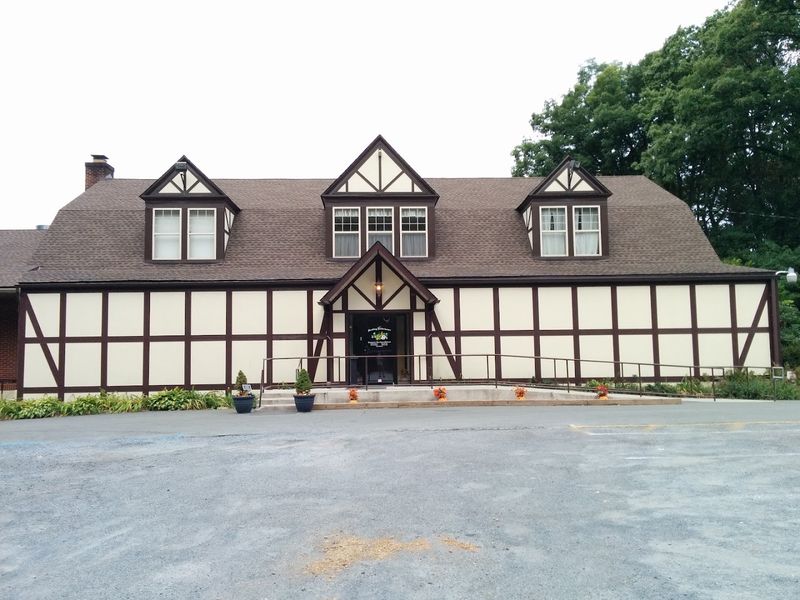
The club that has become a cultural landmark in Berks County sits at 143 Spook Lane, Reading, Pennsylvania 19606, perched on the wooded hillside of Mount Penn near the famous Pagoda, Stokesay Castle, and Antietam Lake. That address alone tells you something interesting: this is not a place that blends into a strip mall or a generic commercial corridor.
The club traces its roots to July 23, 1885, when eight German immigrants formed a German Singing Society in Bowman’s Hall on North Tenth Street in Reading. For 17 years, the group rehearsed in rented spaces across the city before finally securing their own property on Chestnut Street, where a dedicated singing hall opened in 1910.
That building served the community for 88 years before the club acquired its current expansive property on Spook Lane in 1990. More than ten acres of grounds now host everything from quiet weekday dinners to massive multi-day festivals, making it one of the most distinctive cultural destinations in all of Pennsylvania.
From Eight Singers to a Global Community
Eight people started this. Just eight German immigrants with a shared love of their homeland’s music and a determination to keep those traditions alive in a new country. That original nucleus has since grown into a membership of over 2,000 people spread across the world, which makes the Reading Liederkranz one of the most enduring German-American cultural organizations in the United States.
The club formally identifies itself as a German Singing and Sport Society, and that dual identity has always been central to its mission. Music and physical activity were both considered essential expressions of cultural pride, and that philosophy still shapes the programming today.
You do not need German ancestry to become a member or to feel genuinely welcome here. The club has always extended its invitation broadly, believing that cultural appreciation is not limited by bloodlines. What began as a tight-knit immigrant community singing society has evolved into something much larger, yet the warmth of those original eight voices somehow still echoes through every gathering.
The Food That Keeps People Coming Back
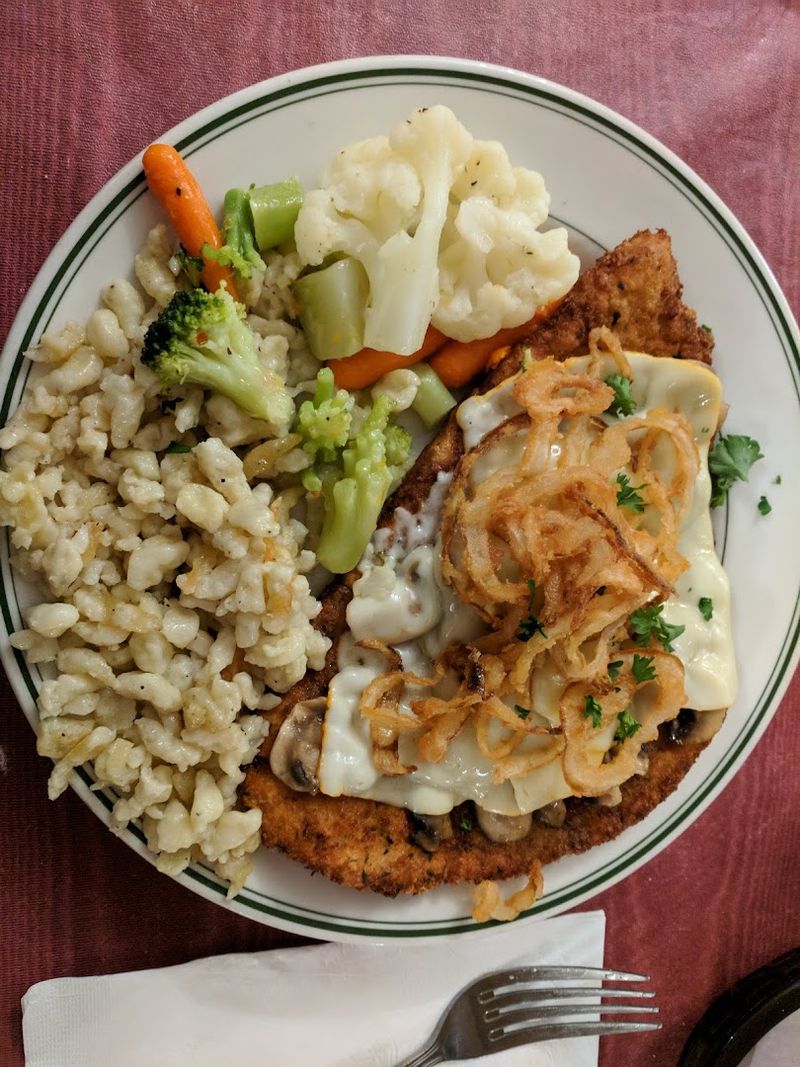
The sauerbraten here deserves its own paragraph. This German pot roast arrives tender enough to cut with a fork, marinated with pickling spices that create a subtle, pleasantly sour depth, then finished with a rich gravy studded with raisins that adds a surprising sweet complexity. Paired with delicate spaetzle and tangy red cabbage, it is the kind of dish that makes you rethink everything you thought you knew about comfort food.
A section of the menu called the Schnitzel Ecke, or schnitzel corner, lets you choose from various cuts and preparations, including a gypsy-style chicken schnitzel topped with pan-fried onions, peppers, and paprika that hits every flavor note in the right order. The soft, warm pretzels are a simple addition that somehow feels essential.
Weekly specials keep the menu fresh, and the kitchen clearly takes pride in crafting homemade entrees rather than relying on shortcuts. The goulash, in particular, carries just enough spice to keep things interesting without overwhelming the palate, and the sauerkraut is properly tangy and satisfying.
Pennsylvania’s Oldest and Largest Oktoberfest
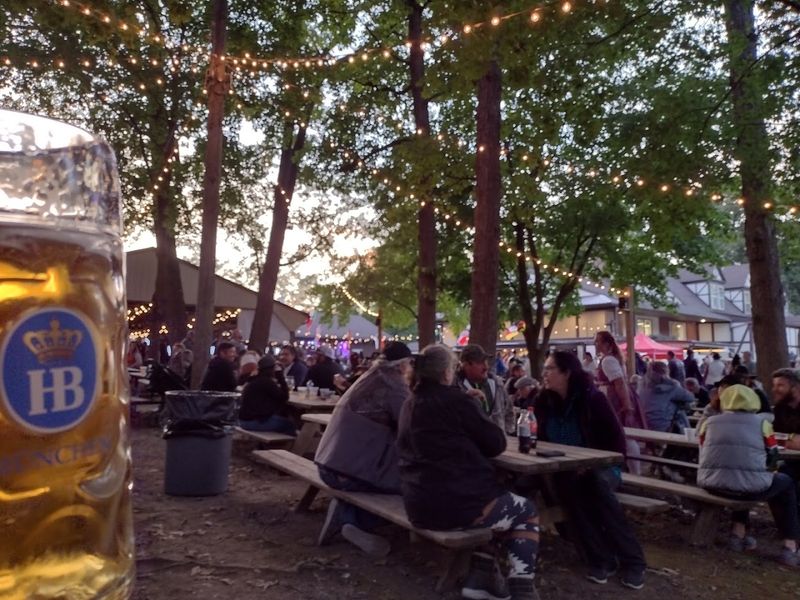
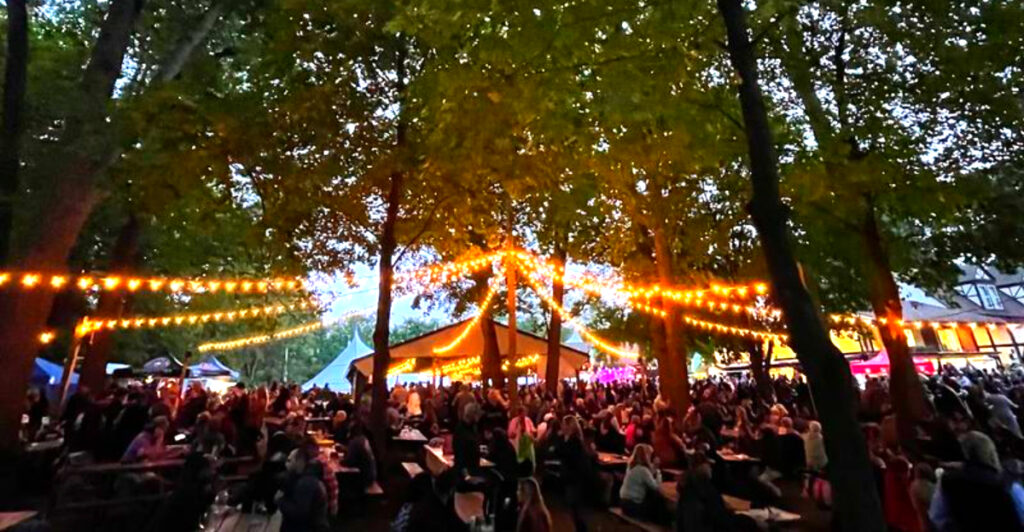
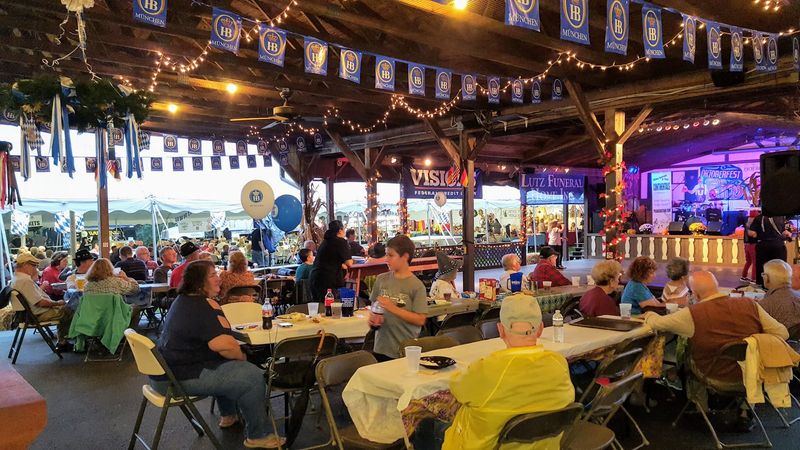
Rated the number one Oktoberfest in the USA by USA Today in both 2015 and 2017, and recognized as the fourth best in the world by Business Insider in 2012, this festival has earned its accolades through sheer consistency and genuine cultural authenticity. The event spans five continuous days, typically wrapping up on the first Sunday of October, and draws thousands of visitors who come specifically for this experience.
The Josef Kroboth Band and the club’s own singers provide the musical backbone, while the G.T.V. Edelweiss Schuhplattlers deliver the kind of energetic traditional dance performances that stop conversations mid-sentence. The large tents mean the celebration continues even when rain decides to make an appearance.
Parking during Oktoberfest is off-site at the Antietam Valley Pool, with shuttle buses running continuously to the grounds. Wednesday nights tend to draw lighter crowds and often come with lower admission prices, which makes them a smart choice for first-time visitors who want to absorb the atmosphere without navigating the largest crowds of the week.
Maifest, Wurst Fest, and a Calendar Full of Reasons to Visit
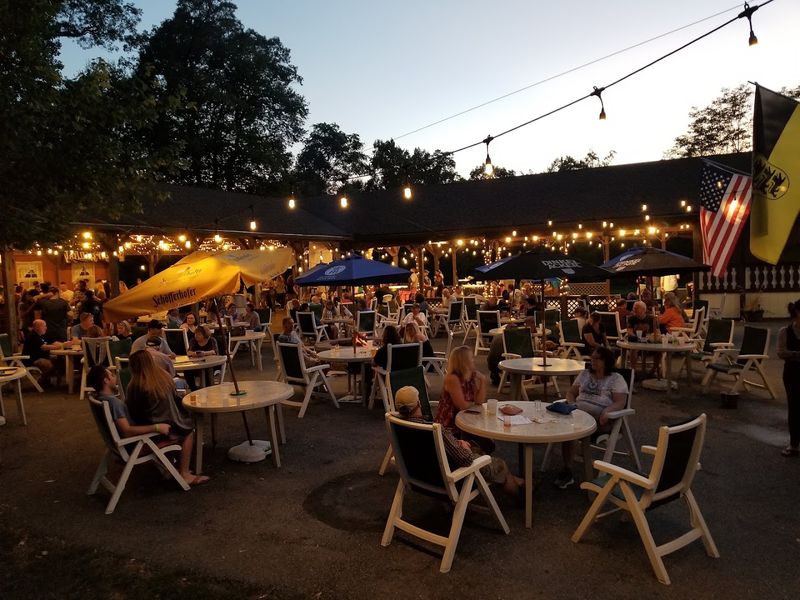
Oktoberfest gets most of the headlines, but the Reading Liederkranz runs a full calendar of celebrations that reward visitors in every season. Spring brings the Maifest, an ancient festival welcoming the return of warmer weather through the joyful custom of dancing around a maypole and the crowning of a May Queen. It is a genuinely charming event that feels refreshingly unhurried compared to the scale of the fall festival.
The Wurst Fest celebrates the club’s anniversary with a hearty focus on sausages in all their glorious variety, creating a convivial atmosphere that perfectly suits the occasion. As the year winds toward the holidays, the Christkindlmarkt transforms the grounds into a German-style Christmas market, complete with ornaments made in Germany and seasonal treats that make the cold air feel like part of the charm.
The club also hosts a Berks Celtic Fest and provides its grounds as a venue for community events like the Romanian Community Festival. Each event adds a new dimension to what is already an impressively layered cultural calendar, ensuring that no two visits feel quite the same.
Live Music That Sets the Tone All Year Long
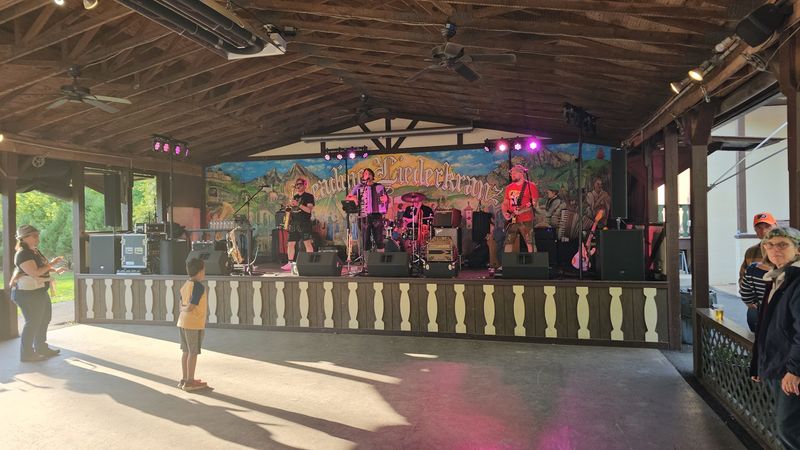
Music has been central to this club since its founding, and that commitment has never wavered. The Reading Liederkranz Singers maintain the tradition that the original eight members started in 1885, performing at club events and keeping the sound of traditional German choral music alive in a region that genuinely appreciates it. Their performances carry a weight of history that adds meaning to every note.
Beyond the choral tradition, the outdoor Grove and Biergarten host a rotating lineup of live acts throughout the warmer months, ranging from local favorites like Frog Holler and the Good Lovin’ Jam Band to nationally recognized performers. Jazz Open Mic and Swing Dance nights bring an entirely different energy to the venue, attracting dancers and music fans who might not otherwise think to visit a German cultural club.
Monthly trivia nights add a lighter, more casual entertainment option, and they have quietly become a favorite among regulars who enjoy the friendly competition. The variety of musical offerings across the year means the club functions as a genuine community entertainment hub rather than a single-purpose event space, which is part of what makes it so hard to categorize neatly.
The Grounds That Make Every Visit Feel Like an Escape
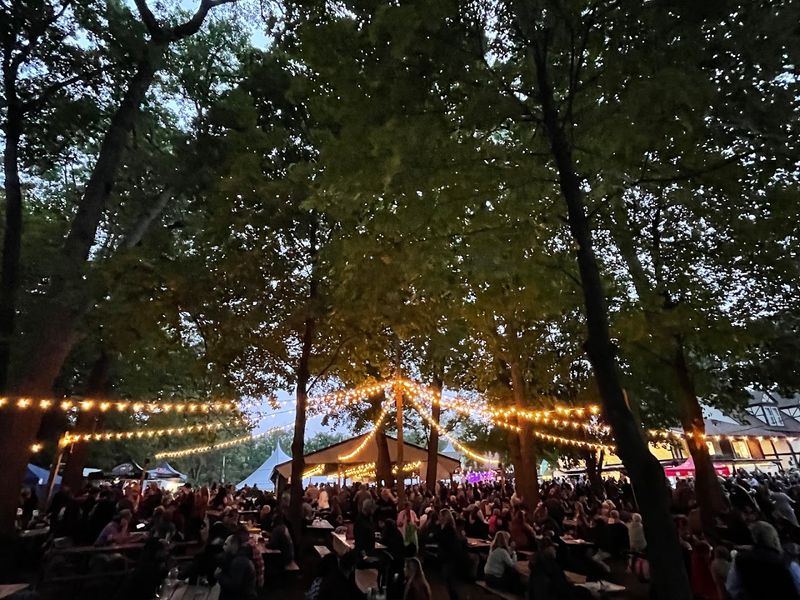
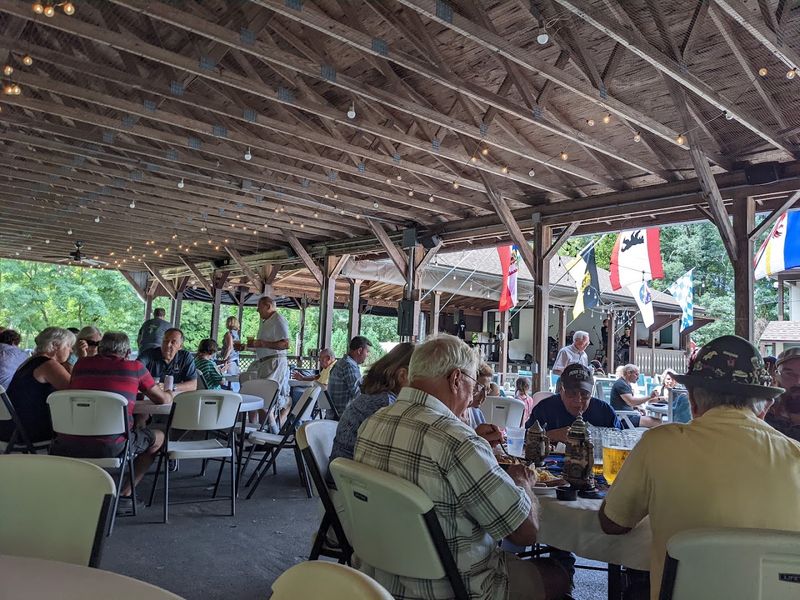
Ten-plus acres on the slopes of Mount Penn is a lot of space to work with, and the club has used it thoughtfully. The Biergarten and Grove create an outdoor setting that feels genuinely removed from everyday life, with mature trees providing shade and the hillside location adding a natural drama to the surroundings. On a clear evening, the setting is hard to beat anywhere in Berks County.
The main clubhouse contains a spacious dining room with a stage and a dance floor, the latter positioned in front of a wall painted with a charming Alpine scene that immediately signals where you are and what this place is about. Two large outdoor pavilions extend the capacity significantly, one featuring its own stage and dance floor for larger outdoor events.
Families with younger children will find a dedicated play area that keeps kids engaged while adults enjoy the atmosphere. A firepit in the Grove becomes a natural gathering point on cooler evenings, drawing people together in the way that fires always have. The grounds also include an outside kitchen and bar, which allows the club to run large-scale outdoor events without compromising on food quality or service speed.
The Schuhplattler Dancers Who Steal Every Show
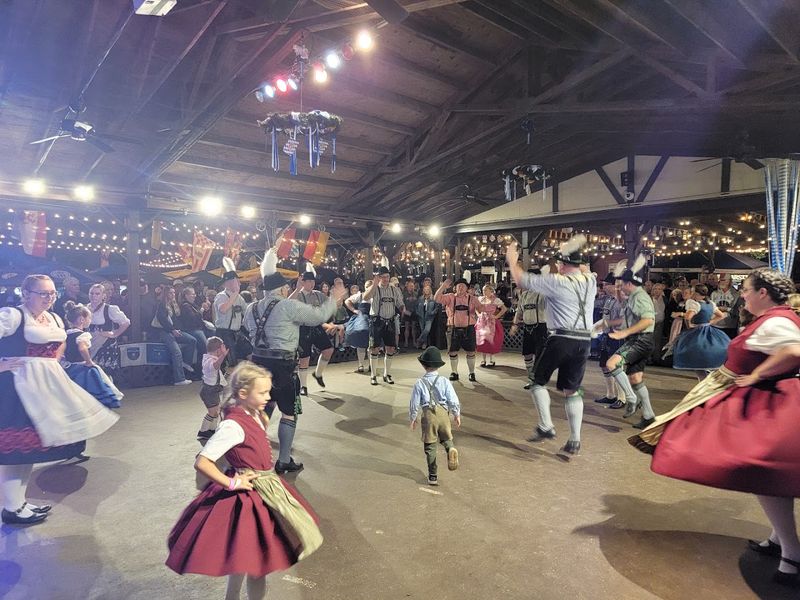
Few things in the club’s entertainment lineup generate as much immediate audience reaction as a performance by the G.T.V. Edelweiss Schuhplattlers. This traditional Bavarian folk dance involves a combination of stomping, clapping, and slapping the soles of shoes and the thighs in rhythmic patterns, and watching it live has a way of making even the most reserved audience member lean forward in their seat.
The dancers perform in full traditional tracht, which adds a visual dimension that reinforces the cultural authenticity of the experience. The precision and physical energy required for Schuhplattler dancing is genuinely impressive, and the performers clearly take their craft seriously without losing the joyful spirit that makes folk dance so appealing to watch.
At Oktoberfest, the Schuhplattlers perform alongside the live bands, creating moments where music, dance, and crowd energy converge into something that feels genuinely celebratory rather than staged. For many first-time visitors, these performances become the memory they carry home, the one detail they describe when telling friends why they should make the trip to Reading.
Tracht, Tradition, and the Pride of Dressing the Part
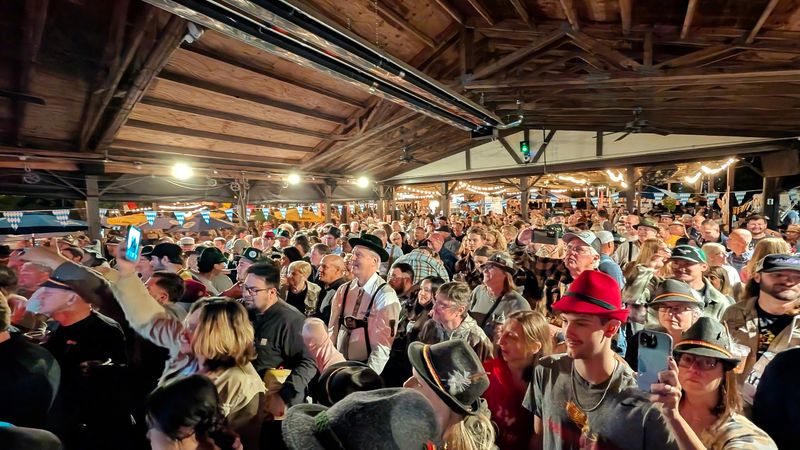
One of the most visually striking aspects of any major event at this club is the widespread wearing of tracht, the traditional German regional attire that transforms a gathering into something that feels genuinely connected to Bavarian cultural heritage. During Oktoberfest in particular, the grounds fill with dirndls and lederhosen in a display that is both festive and historically meaningful.
The dirndl, with its fitted bodice, full skirt, and apron, comes in countless regional variations, each carrying its own subtle signals about origin and tradition. The lederhosen worn by men, those distinctive knee-length leather trousers paired with rustic shoes and wool socks, are equally varied in their regional details. Historically, specific tracht styles could indicate a wearer’s social standing, trade, or hometown, making each outfit a kind of wearable biography.
Today, the symbolic layers have simplified somewhat, but the tradition remains a powerful act of cultural connection. Visitors who arrive in tracht are greeted with visible appreciation, and the overall effect of hundreds of people dressed this way creates an immersive atmosphere that no amount of decoration alone could replicate.
The Culinary Tour That Goes Beyond the Classics
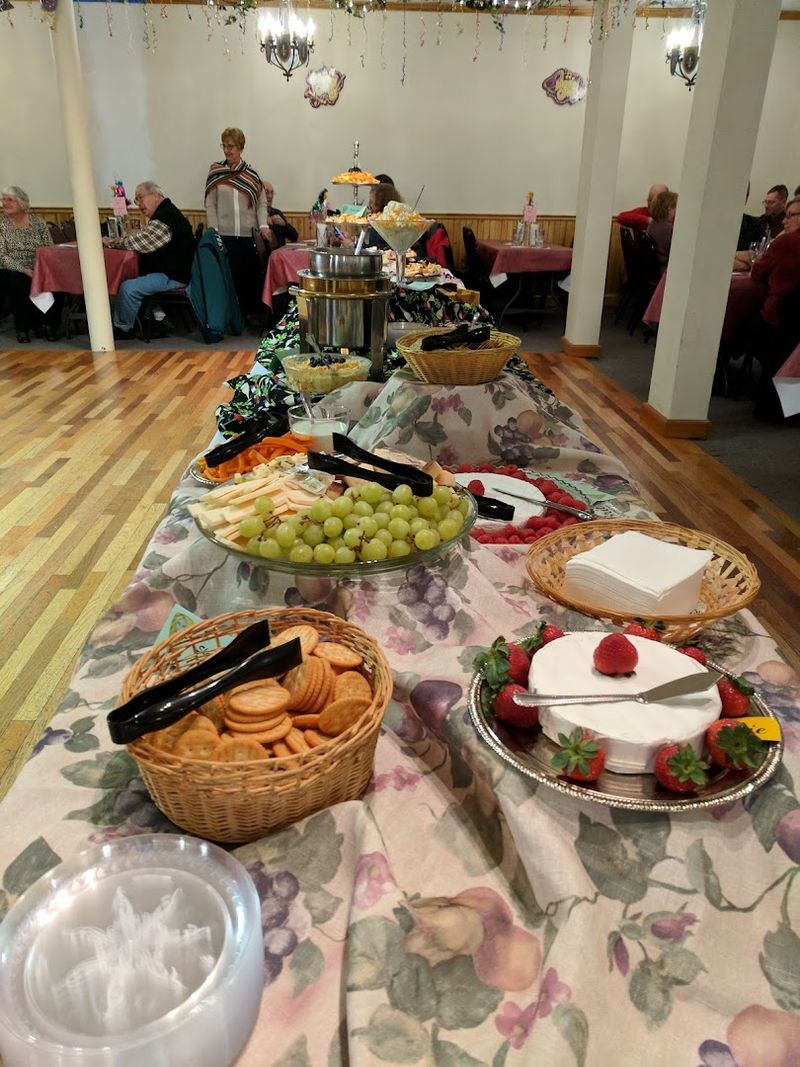
Every third Wednesday of the month, the club hosts an all-you-can-eat buffet that rotates through different culinary traditions, a program they call the Culinary Tour. The concept reflects the club’s broader mission of recognizing the diverse cultural influences that have shaped German culture over centuries, and it gives the kitchen a chance to experiment beyond the schnitzel and spaetzle that anchor the regular menu.
Friday Night BBQ events bring a distinctly American flavor to the lineup, with half-chickens cooked to order and served alongside baked potatoes, corn on the cob, coleslaw, and fresh rolls. Thursday Wing Nights offer seventeen different flavor options, which is a number that suggests someone in the kitchen has thought very seriously about the subject of chicken wings.
The range of offerings across the week means that a regular visitor can eat something genuinely different on every visit without exhausting the menu. The kitchen’s willingness to move fluidly between traditional German recipes and contemporary American favorites reflects the same cultural flexibility that has kept the club relevant and well-attended for over a hundred years.
What to Know Before Your First Visit
A few practical details can make the difference between a smooth visit and an avoidable frustration. The club is open Wednesday through Friday from 4 p.m. to 10 p.m. and Saturdays from noon to 10 p.m., though checking the website at readingliederkranz.com or calling ahead at 610-373-3982 is always worth the effort, since special events can shift the regular schedule in either direction.
During Oktoberfest, parking on-site is reserved for members with passes. The practical solution is the off-site parking at the Antietam Valley Pool, where shuttle buses run continuously and get you to the grounds faster than trying to navigate the surrounding streets on foot. Purchasing tickets online in advance simplifies the entry process significantly during the busiest nights.
The club asks that no outside food or drinks be brought onto the grounds without prior consent, which is a reasonable policy that supports the kitchen and its staff. Dogs are sometimes welcome in the outdoor Grove during designated warm-weather events, but confirming this before arrival saves everyone involved a difficult conversation at the gate. A little preparation goes a long way toward making this the kind of visit you will want to repeat.
Share this story