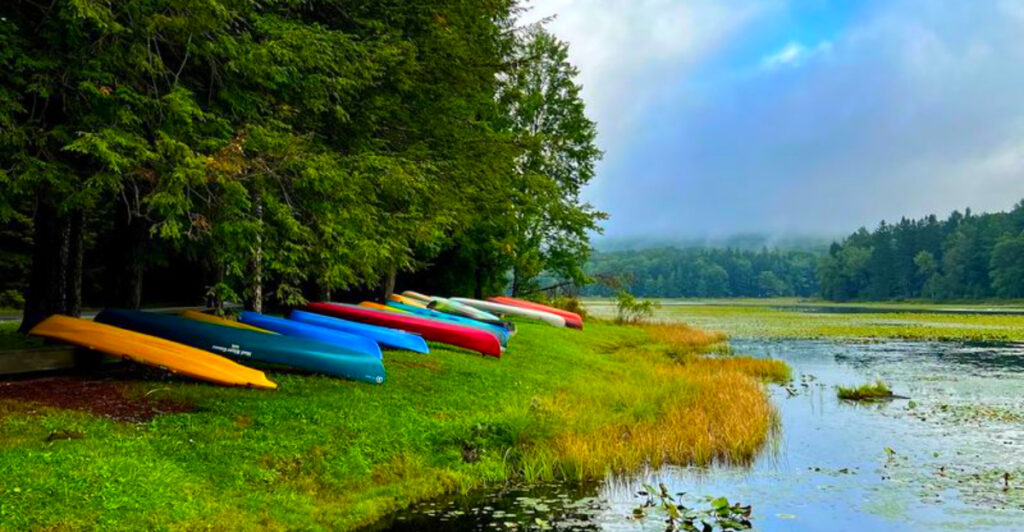
High atop Pennsylvania’s Allegheny Front, Black Moshannon State Park is known for its tea-colored lake, rare bog ecosystems, and peaceful mountain scenery. Visitors come to hike forest trails, paddle across the unique tannin-stained waters, spot wildlife, and experience one of the state’s most unusual natural landscapes.
Beyond the lake, the park features rare carnivorous plants, historic Civilian Conservation Corps cabins, excellent birdwatching, and year-round outdoor recreation. Whether you’re planning a weekend getaway or hoping to explore one of Pennsylvania’s hidden natural treasures, Black Moshannon State Park is a destination unlike any other.
Where the Dark Waters Begin: The Park’s Address and Setting
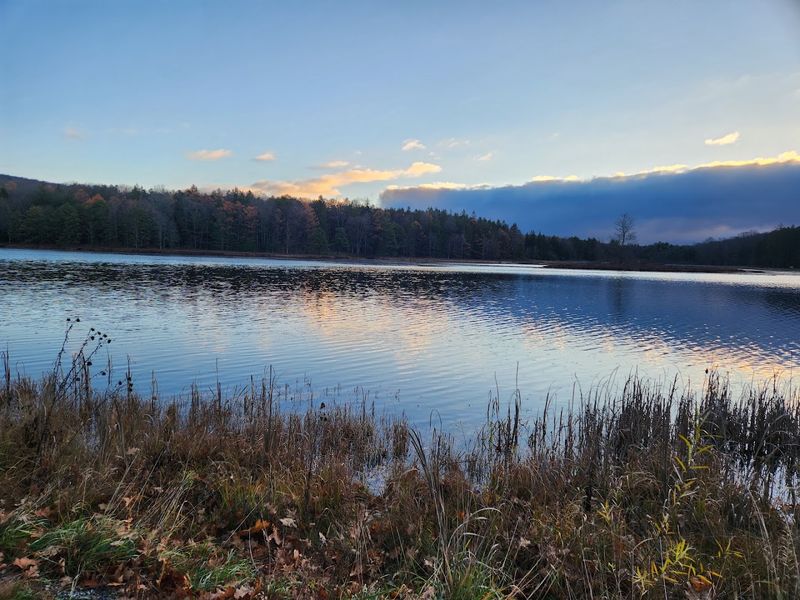
There is something quietly theatrical about arriving at Black Moshannon State Park for the first time, especially when the dark lake comes into view through the tree line. The park sits at 4216 Beaver Road, Philipsburg, PA 16866, in Rush Township within Centre County, Pennsylvania.
About nine miles east of Philipsburg along Pennsylvania Route 504, and roughly twenty miles north of State College, the location manages to feel genuinely remote without requiring a full-day expedition to reach it. The park covers 3,394 acres of forests and wetlands, with an additional 43,000 acres of Moshannon State Forest wrapping around its borders like a protective embrace.
At an elevation of approximately 1,900 feet atop the Allegheny Front, the park experiences cooler summers and colder winters than many surrounding areas. That elevation is part of what makes this place ecologically unique, and it sets the stage for everything else worth discovering here. The park office operates Monday through Saturday from 8 AM to 4 PM, and the phone number is 814-342-5960.
The Mystery Behind the Tea-Colored Lake
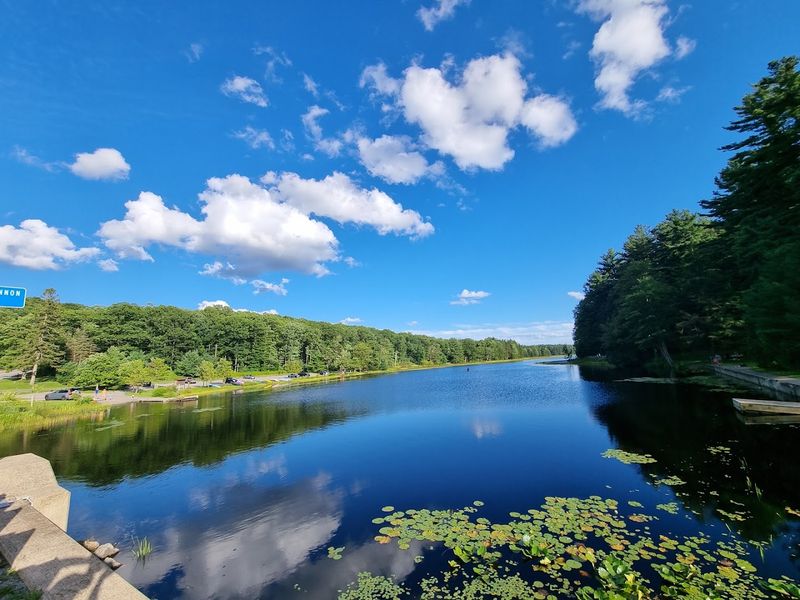
Most people do a double take the first time they see Black Moshannon Lake. The 250-acre lake shimmers with an almost inky, amber-brown hue that looks less like a swimming hole and more like a freshly brewed cup of dark tea left out on a forest porch.
The cause is entirely natural and genuinely fascinating. Springs and small streams that feed the lake flow through extensive sphagnum moss bogs stretching from its shores. As the water moves through layers of decomposing plant material, it absorbs tannins, which are the same compounds found in tea leaves and tree bark, staining the water a deep, rich color.
Despite the dramatic appearance, the water is clean. The tannins create an acidic environment that actually inhibits bacterial growth, making the lake healthier than it looks. This tannin-staining process is the ecological heart of the entire park experience, and understanding it transforms a simple glance at the lake into something that feels almost like a science discovery. More botanical surprises are waiting just beyond the shoreline.
A Bog Unlike Anything Else in Pennsylvania
Pennsylvania is not exactly famous for its bogs, which makes the wetland complex here all the more remarkable. Black Moshannon State Park is home to the largest reconstituted bog and wetland complex in the entire state, with the Black Moshannon Bog Natural Area now spanning an impressive 1,992 acres of protected land.
What makes a bog different from an ordinary marsh is its chemistry. Sphagnum moss decomposes so slowly that it forms deep layers of peat beneath the living surface, creating acidic, low-nutrient, and often very cold conditions. Only highly specialized plants survive here, and the result is a botanical lineup that feels almost otherworldly.
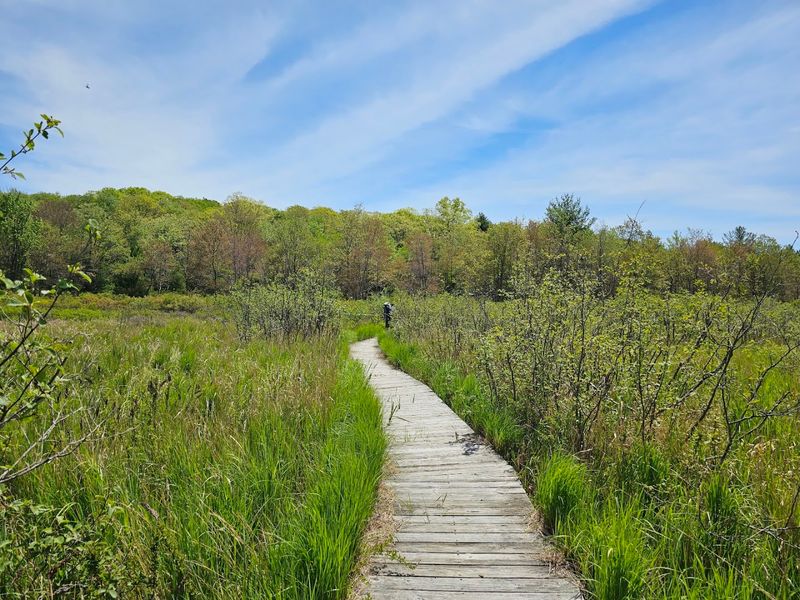
The park hosts seventeen species of orchids and all three carnivorous plant species native to Pennsylvania, including the pitcher plant, sundew, and bladderwort. Visitors also find leatherleaf, arctic cotton grass, sedges, and delicate lilies scattered across the bog surface. Walking the Bog Trail boardwalk here is like flipping open a field guide and finding that every page is already illustrated and waiting right at your feet.
The Trails That Wind Through It All
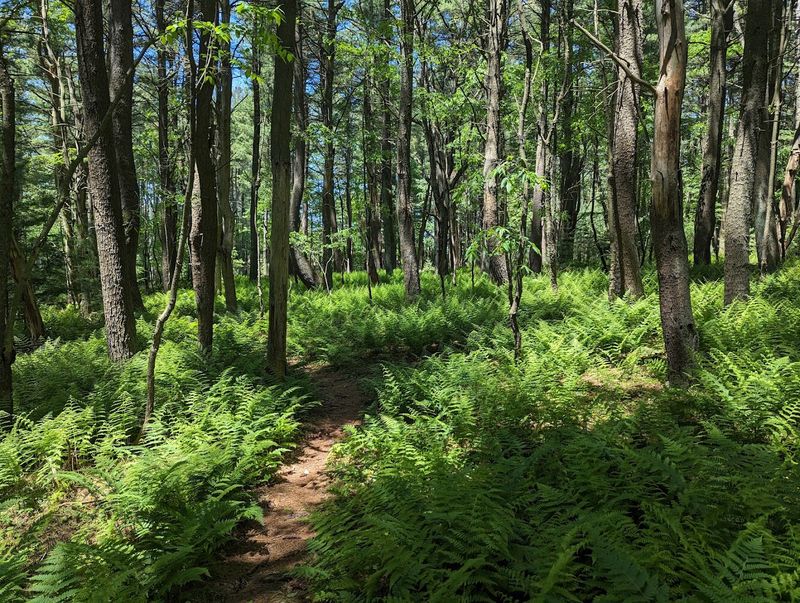
Twenty miles of trails thread through the park itself, and an additional forty miles are available on the Allegheny Front Trail that circles the surrounding parklands. That is a lot of ground to cover, and the variety of terrain keeps things interesting no matter how many times you return.
The Bog Trail is a crowd favorite, a short 0.3-mile boardwalk path that is fully wheelchair accessible from Boating Area 3, making the wetland experience available to nearly every visitor. The 0.7-mile Lake Loop Trail hugs the shoreline and offers steady views of the dark water, while the 7.7-mile Moss-Hanne Trail ventures deep into the bog natural area, where waterproof footwear is strongly recommended due to persistently wet sections.
For those who enjoy mountain biking or horseback riding, designated trail areas accommodate both activities. Cross-country ski trails and snowmobile paths mean the trail network stays active even in winter. Each path here feels less like exercise and more like a conversation with the landscape, one that changes tone with every season and every step forward.
From Clear-Cut Wasteland to Thriving Forest: The Park’s Dramatic History
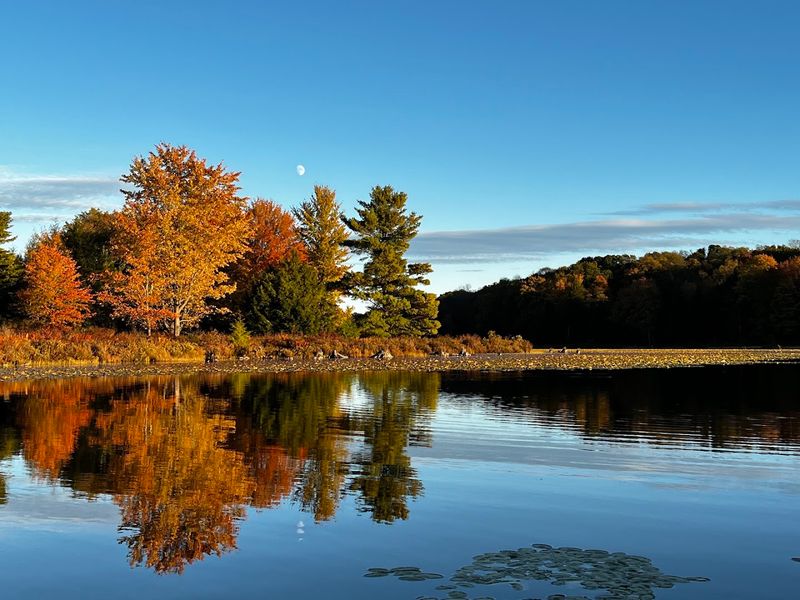
The lush forests blanketing the park today did not arrive without effort. Long before the park existed, this land belonged to the Seneca people, who hunted and fished the Moshannon watershed for generations. The name Moshannon itself traces back to a Lenape term meaning roughly elk river place, a nod to the wildlife that once thrived here in abundance.
European settlers arrived after the 1768 Treaty of Fort Stanwix opened the region, and the Philadelphia-Erie Pike, now PA 504, cut through in 1821. Taverns and trading posts followed. But the most destructive chapter came with the logging boom, when companies like the Beaver Mill Lumber Company deployed up to twenty saws at once, stripping vast stands of old-growth white pine and eastern hemlock from the hillsides.
The aftermath was grim. Wildfires swept through the depleted land, and erosion carved up what remained. The local economy collapsed as the timber ran out. What stands here today is not an original forest but a carefully rebuilt one, and its beauty carries the weight of that difficult past just beneath the surface.
How the CCC Rebuilt This Corner of Pennsylvania
After the logging industry stripped the land bare and moved on, a new kind of workforce arrived with shovels, seeds, and determination. The Civilian Conservation Corps, launched in 1933 under President Franklin D. Roosevelt as a Depression-era relief program, transformed Black Moshannon from a scarred landscape into the thriving park it is today.
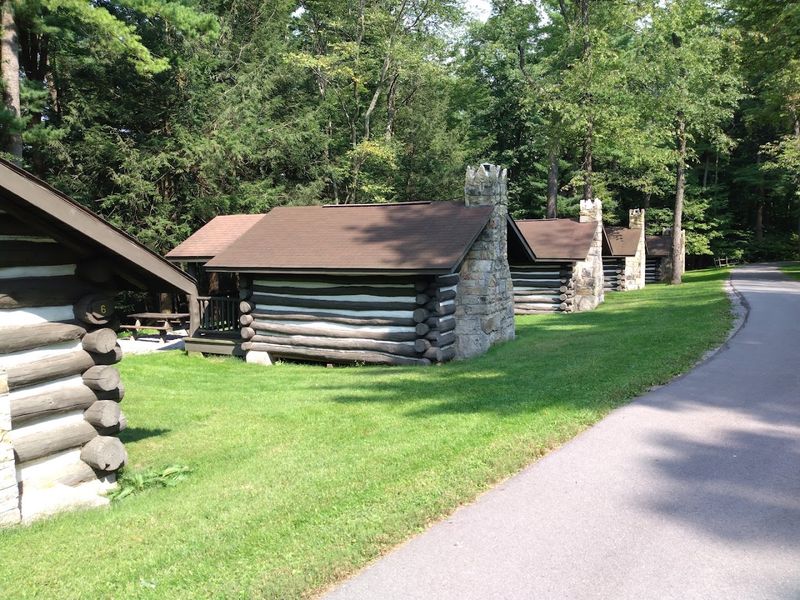
The Beaver Meadow CCC Camp S-71 opened in May 1933 near the abandoned town of Beaver Mills, housing over 200 young men who got to work immediately. They planted rows of red pines that still stand today, built roads for fire access, and constructed the dam that created the lake itself. The log cabins, picnic pavilions, and food concession stand they built are still in active use nearly a century later.
Many of these structures are now listed on the National Register of Historic Places. Sitting in one of those original log cabins on a cool evening, surrounded by trees the CCC planted decades ago, you are not just enjoying a state park. You are resting inside a piece of living history that took extraordinary collective effort to create.
Wildlife That Belongs Further North
One of the park’s quieter surprises is the collection of species it harbors that have no business being this far south. Because the park sits at roughly 1,900 feet in a subtle basin that traps cold air, it functions as a microclimate refuge for plants and animals normally found in more northern latitudes.
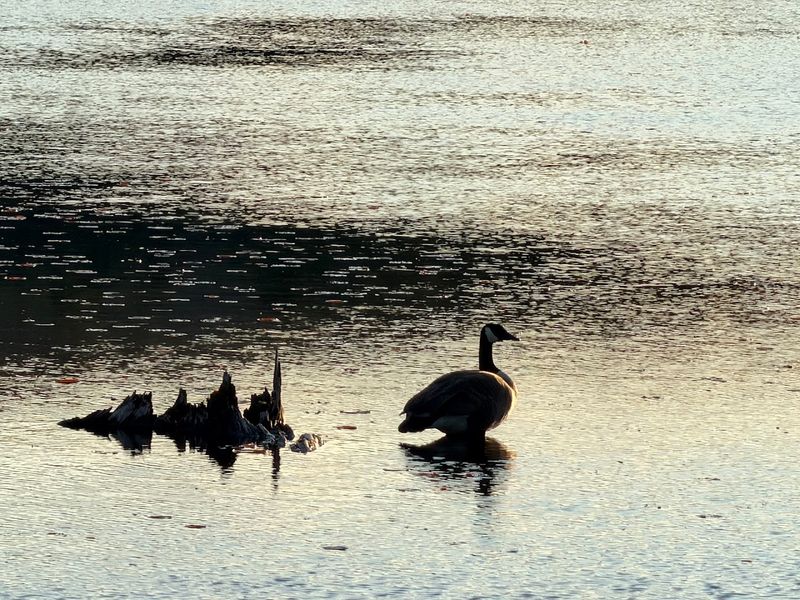
The park has recorded 175 bird species and holds designation as a Pennsylvania Important Bird Area. Canada warblers, great blue herons, wood ducks, and common loons are regular sightings. During spring and fall migrations, the lake becomes a stopover for tundra swans, snow geese, buffleheads, mergansers, and grebes, turning a quiet paddle into an impromptu birdwatching event.
On land, white-tailed deer, wild turkey, raccoons, porcupines, and black bears move through the forest with surprising regularity. The wetlands shelter frogs, salamanders, and northern water snakes. Early mornings and late evenings are the most rewarding times to spot wildlife, especially during spring and fall when migratory activity peaks. Keep your binoculars close and your footsteps quiet, because this park rewards patience generously.
Water Activities on a Lake Like No Other
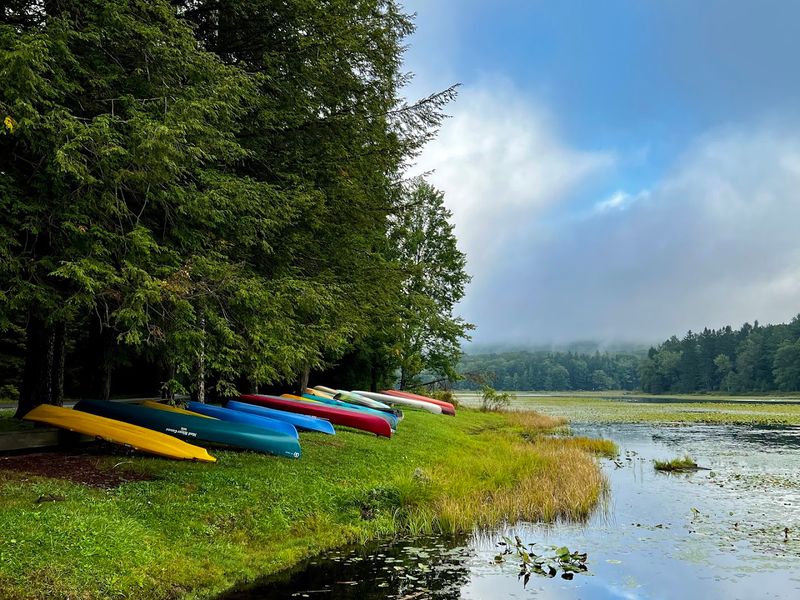
The lake’s unusual color does nothing to dampen the enthusiasm of visitors who arrive with kayaks, fishing rods, and swimwear. Black Moshannon Lake is 250 acres of calm, tannin-stained water that is remarkably well-suited for a range of activities, all without the noise of gas-powered motors, which are not permitted here.
Kayak and canoe rentals are available during summer, making it easy to get out on the water even without your own gear. Fishing from the shoreline or the park’s dedicated fishing pier turns up yellow perch, bluegill, largemouth bass, crappie, and pike with reasonable regularity. The lake is also dotted with lily pads so plentiful that the park has to periodically clear them from the swimming beach.
The beach area opens from mid-May through mid-September and includes a bathhouse, changing facilities, and an ADA-accessible design. For boaters, four launch areas and ninety mooring spots are available, and electric motors are permitted. There is also something quietly wonderful about floating on water this dark, watching the forest reflect back at you from below.
Camping and Cabins: Staying the Night in the Forest
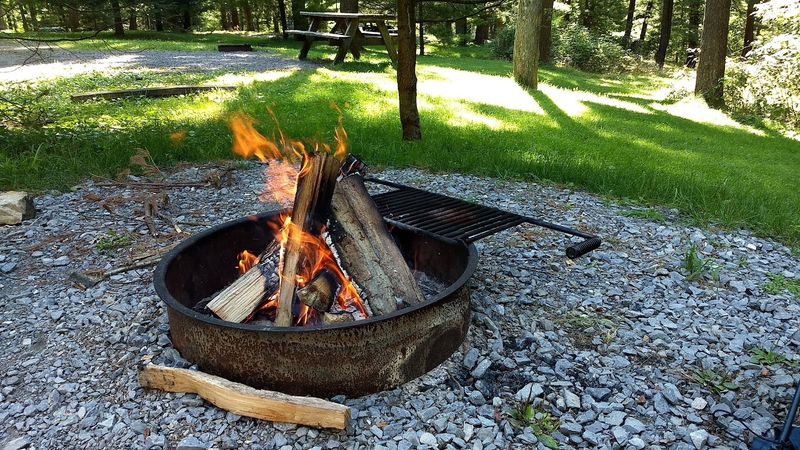
Spending one day at this park is satisfying. Spending several nights here is a completely different kind of experience, one where the forest starts to feel familiar and the morning fog on the lake becomes part of your daily routine. The campground offers over 70 sites, each equipped with a picnic table and fire ring, with access to modern washhouses featuring flush toilets, hot showers, and coin-operated laundry facilities.
Cabin options range from rustic retreats to modern units with electric heat, plus two deluxe camping cottages for those who want more space and comfort. The modern cabins make year-round stays genuinely practical, even during Pennsylvania winters when the park transforms into a snow-covered wonderland. Many visitors return annually and have a favorite site number already memorized.
The camp store, known as Sleepy Hollow Outpost, is a short walk from most sites and serves food, ice cream, and basic supplies. Firewood is available on-site. Reservations can be made online or by calling 888-PA-PARKS between 7 AM and 5 PM, Monday through Saturday. Booking ahead is strongly recommended for summer weekends, as popular sites fill quickly.
Winter at the Park: A Quieter, Colder Kind of Magic
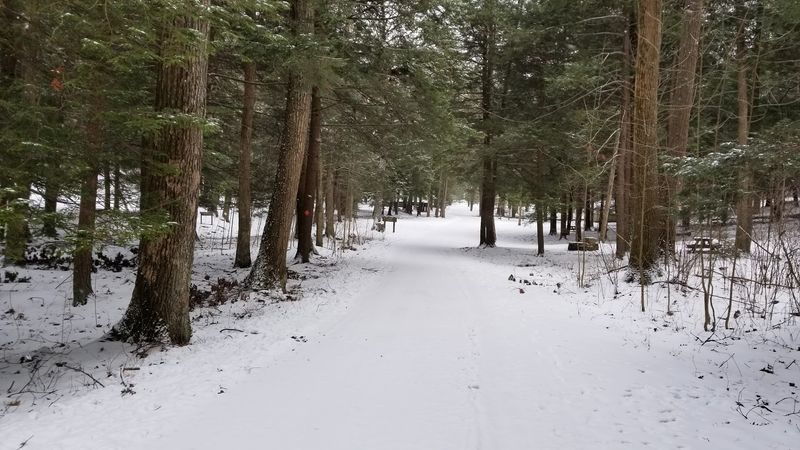
Many parks go quiet in winter. This one simply changes its language. When snow blankets the trails and ice forms across the lake, Black Moshannon shifts into a slower, more contemplative version of itself, and that version has a loyal following of visitors who prefer the cold-season atmosphere to the summer crowds.
Cross-country skiing and snowshoeing are popular on the trail network, and the park office lends out equipment for both activities when conditions allow. Snowmobile trails are also designated within the park, offering a faster way to move through the winter landscape. The frozen lake invites ice fishing, ice skating on a maintained area near Boating Area 1, and even iceboating for those with the right equipment.
Safety guidelines require at least four inches of ice for a single skater or angler, and seven inches for a small group. Anyone on a boat under sixteen feet from November through April must wear a Coast Guard-approved life jacket. Sunset reflections on a partially frozen Black Moshannon Lake on a clear winter evening are the kind of sight that makes the cold entirely worth it.
Planning Your Visit: Practical Tips for a Smooth Trip
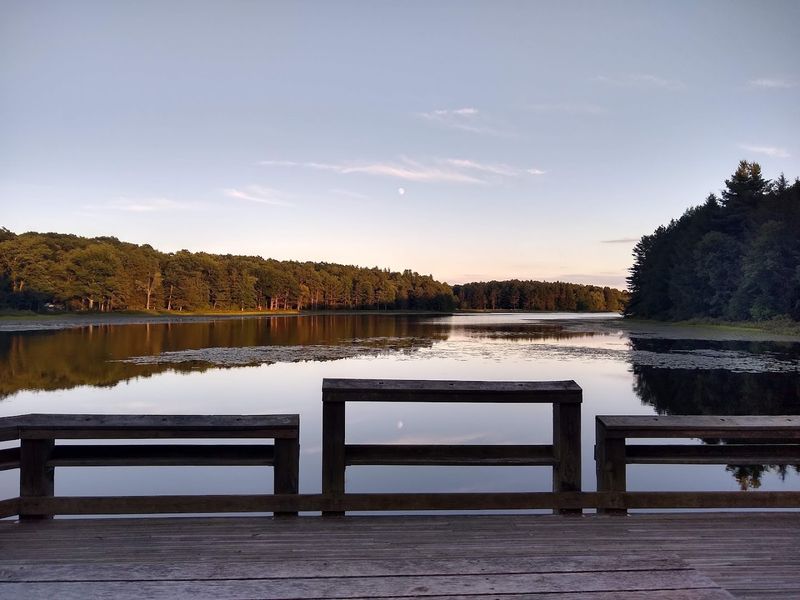
A little preparation goes a long way at a park this layered. The park is open year-round from sunrise to sunset, and the office operates daily from 8 AM to 4 PM. Cell service is essentially nonexistent throughout most of the park, which is either a dealbreaker or the whole point, depending on your perspective.
Waterproof footwear is worth packing if the Moss-Hanne Trail is on your itinerary, as sections stay wet even after dry weather. The Bog Trail boardwalk and the main swimming area are ADA accessible, as is Boating Area 1. Dogs are welcome in many areas of the park, and rangers at the office are genuinely helpful about directing visitors to pet-friendly spots near the water.
Fall foliage typically peaks in late September through early October, making it one of the most visually dramatic times to visit. Spring brings woodland wildflowers, and mountain laurel blooms along several trails in mid to late June. Whatever season brings you here, the park holds something specific and real worth seeing, and the best way to find it is simply to show up and start walking.
Share this story