An ordinary weekend plan gets a lot more interesting when an alpaca joins the walk. At one small New Jersey farm, a simple stop can turn into time with animals, a lesson in lavender, and a browse through locally made gifts.
The surprise is how much happens in a place that keeps things small and personal. Here is what makes the outing worth considering, plus the details to check before heading over.
A Small Farm With Two Specialties
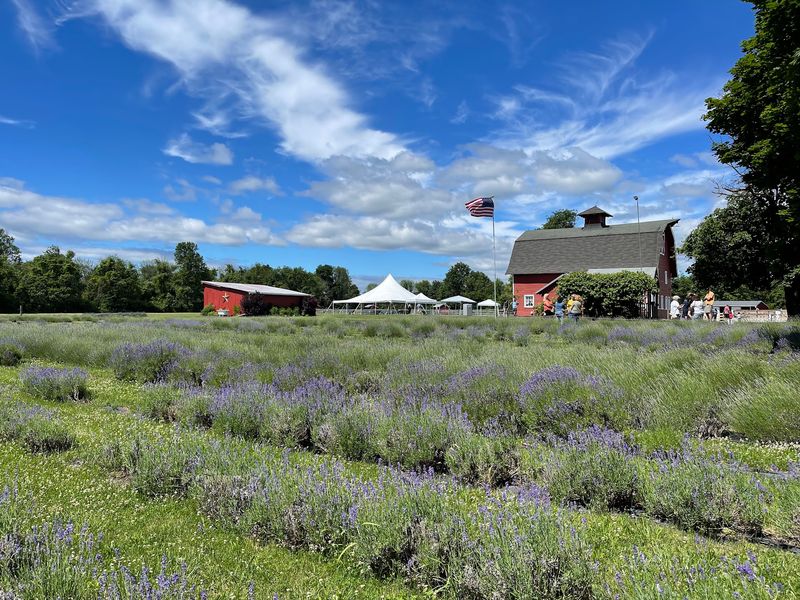
A weekend outing does not need a sprawling property to offer something different. Hidden Spring Lavender & Alpaca Farm sits at 890 Belle Mead-Blawenburg Rd, Skillman, NJ 08558, United States, bringing lavender growing and alpaca encounters together at one family-owned destination.
The setup includes a small gift shop, lavender fields, and areas where the alpacas spend their time. Rather than offering a long list of attractions, the farm centers the experience on those two specialties and the products connected to them.
Its family-run character matters more than an elaborate backstory. The available information supports a working farm with owners, staff, and volunteers involved in helping people learn about the animals and plants.
That gives the stop a clear identity before any reservation is made. Come for the chance to walk an alpaca, but leave room for the other parts of this compact farm experience.
An Alpaca on the Walking Schedule
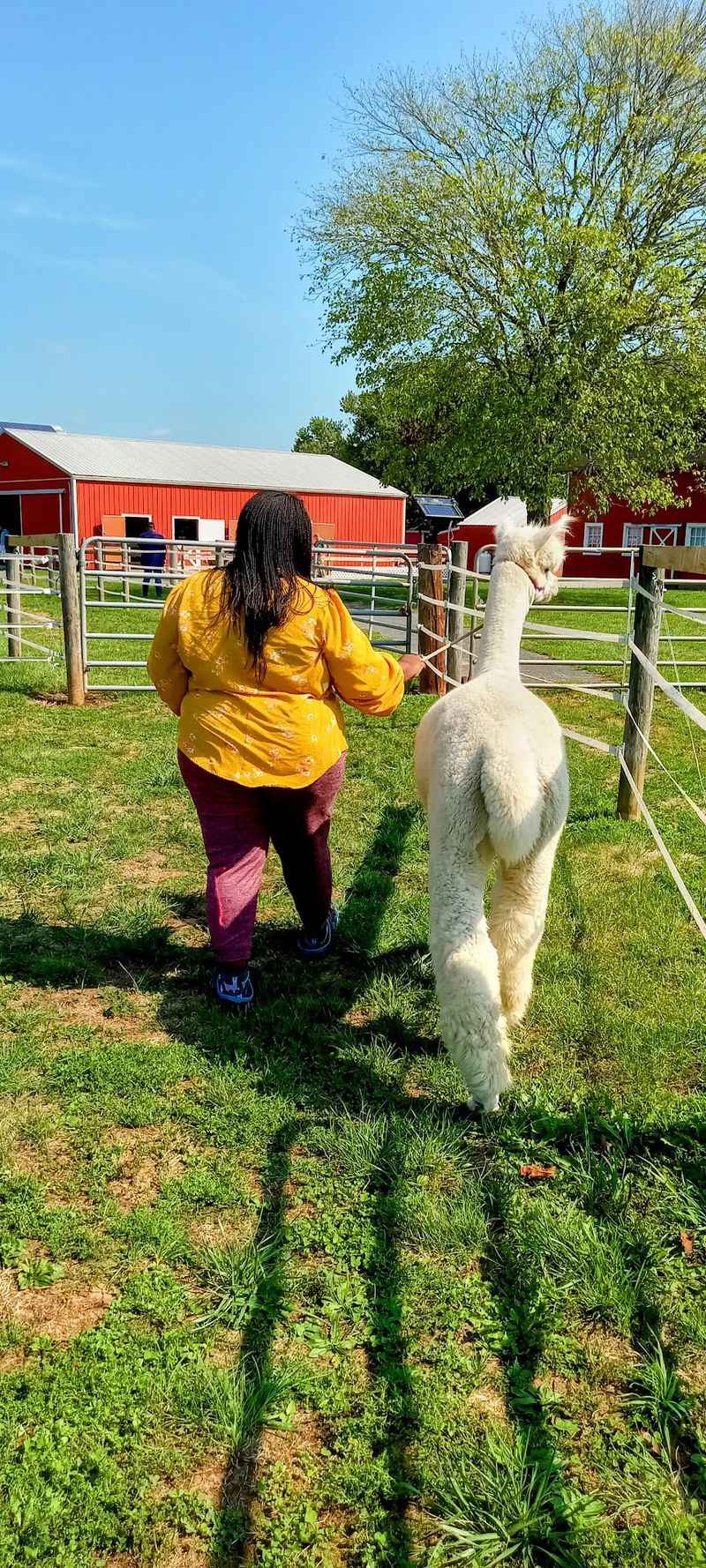
The headline activity requires a little planning rather than a spontaneous decision at the gate. Alpaca walks are offered by advance reservation, making the booking an essential part of the outing rather than an optional extra.
A past account describes a walk lasting about 15 minutes. Treat that as a useful sense of scale, not a guaranteed current duration, and check the details attached to the available booking.
People who have taken part describe opportunities to ask questions along the way. The appeal is not covering a great distance; it is spending focused time with an alpaca while learning more about the animal.
Keep the rest of the day flexible instead of expecting a lengthy trek. A short walk can still be the main event, especially when the farm shop and additional animal encounters give the outing somewhere to go afterward without requiring another stop.
Feed Bags and Unhurried Encounters
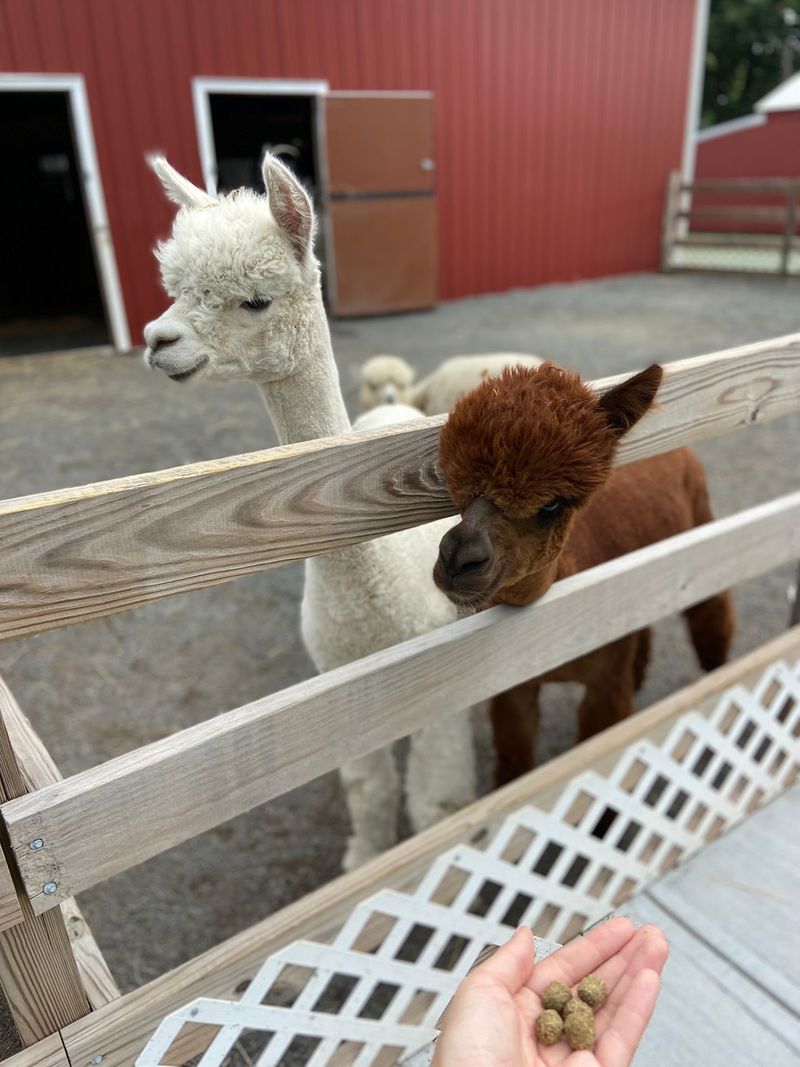
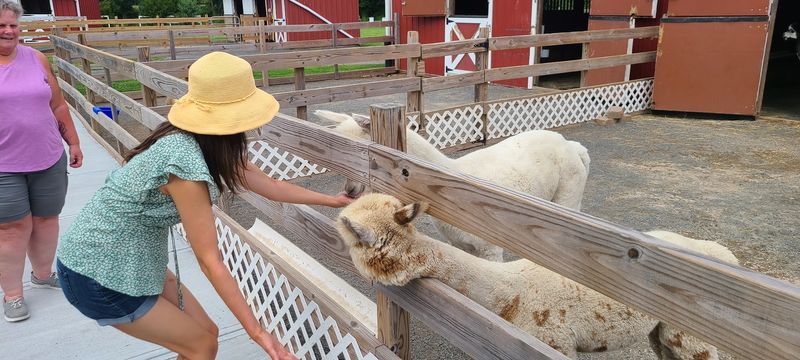
A small feed bag offers another way to spend time with the alpacas. Feed is sold through the gift shop, so an animal encounter does not have to depend entirely on securing a walking reservation.
More recent accounts in the supplied information mention bags costing $2, while older accounts list $1. Bring a little flexibility about the amount, and confirm the current charge before buying.
Use the feed supplied by the farm and follow the directions given there. That keeps the interaction connected to the animals’ routine rather than turning it into an improvised activity.
Some alpacas may remain around their barn areas instead of spending time in the larger field. Let their location and the farm’s guidance shape the encounter, rather than expecting every animal to approach.
For families keeping the schedule simple, feeding can be a worthwhile activity on its own, with no elaborate itinerary needed.
Lavender With Its Own Calendar
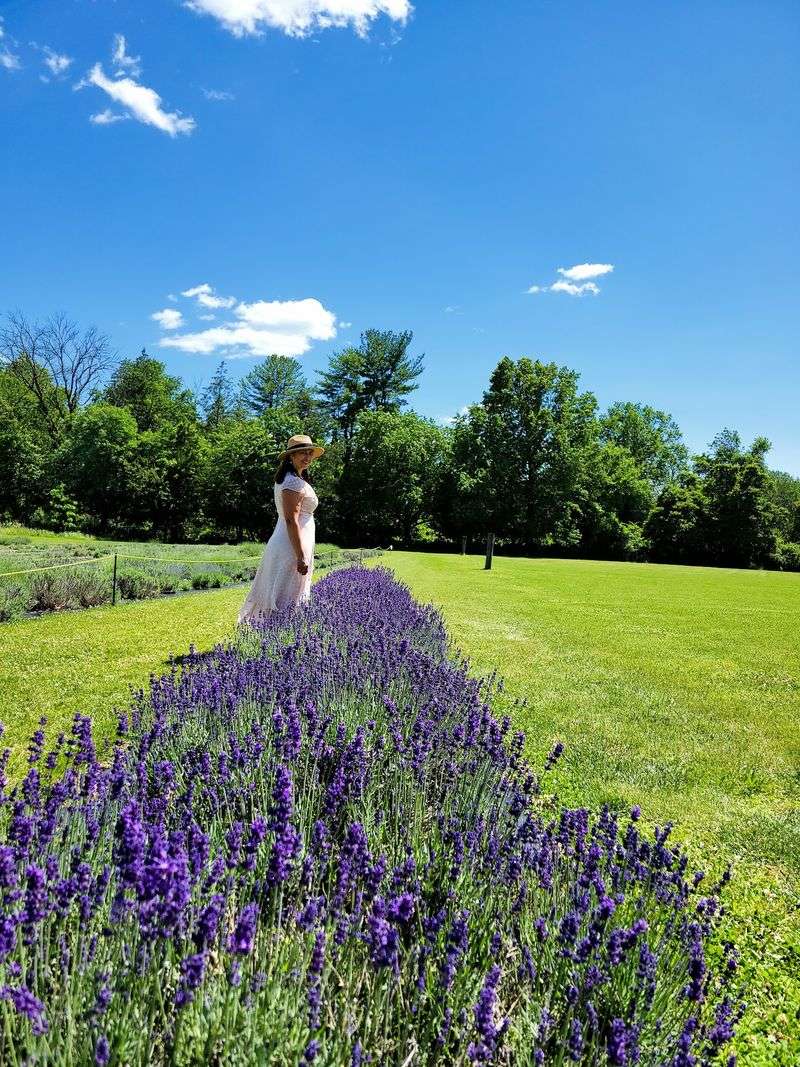
Calendar choices matter when lavender is the main reason for the trip. The farm grows lavender, but a weekend opening does not mean the plants will be in bloom.
Accounts supplied for this article point toward late June and early July as a better target than May or early June. Those observations are helpful planning clues, not a promise that the field will follow an exact schedule every year.
Check with the farm before making a special trip around flowering. Any interest in picking lavender should also lead to a direct question about current availability and arrangements.
Outside the bloom period, the alpacas and gift shop remain meaningful reasons to consider a stop. Several accounts describe enjoyable outings without flowering lavender.
The practical distinction is simple: book the animal activity around its availability, and plan a lavender-focused outing around current field conditions. One calendar does not automatically answer both questions.
Lavender Beyond the Field
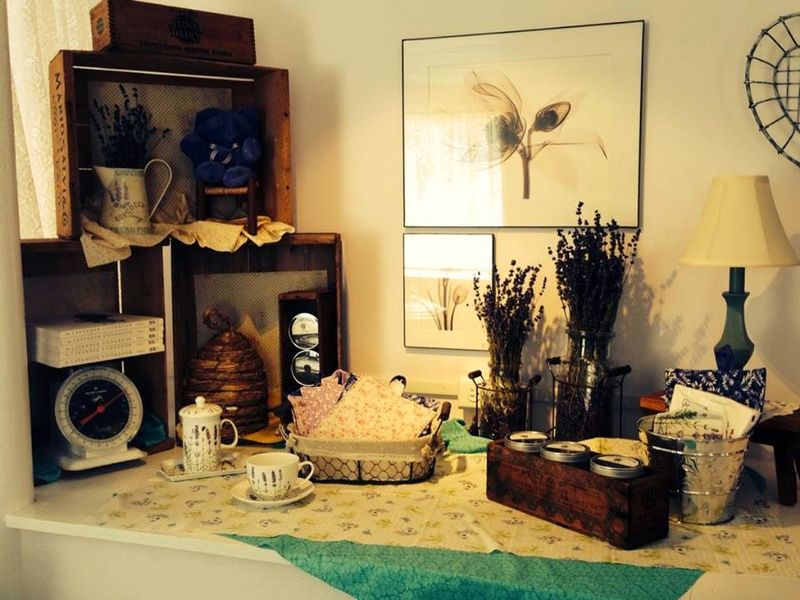
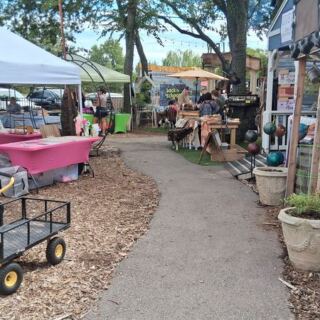
The shop gives lavender a role beyond its growing season. Its selection includes soaps, lotions, linen spray, and candles, allowing the farm’s plant-focused side to remain part of the outing even when the field is not flowering.
Despite its small size, the store carries a varied range of lavender-related items. Shampoo and conditioner also appear in the supplied accounts, though individual products should be treated as subject to availability.
Some products are made by the owner, and the selection connects shopping with the farm’s work. Ask which items use lavender grown on the property if that connection is important to a purchase.
A browse here can be practical rather than purely souvenir-driven. Household and personal-care products give shoppers several ways to choose something they might actually use.
Leave a little room in the schedule for questions. The shop is part of the destination, not merely the place to finish paying.
Alpaca Fiber on the Shelves
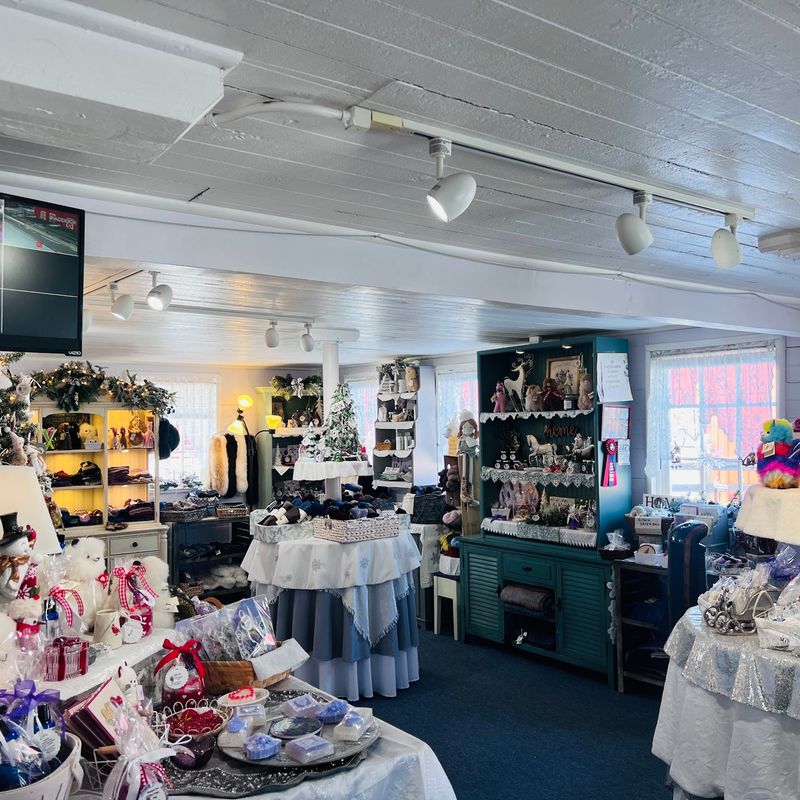
Socks might seem like an unlikely highlight of an animal outing, yet alpaca-fiber goods are a notable part of the shop. The supplied information mentions socks, hats, gloves, scarves, sweaters, and yarn.
That range gives the animal side of the farm a second chapter after the outdoor encounter. A person interested in the alpacas can also explore products made with this type of fiber.
Do not assume every item comes from the farm’s own herd or is made on the property. The available information does not establish that connection for each product, so ask about an item’s origin before treating it as farm-produced.
Yarn adds an option for people who would rather make something themselves. Finished accessories offer a simpler choice for gift shopping or everyday use.
Stock can change, so approach the selection with curiosity rather than a fixed shopping list. The animals may inspire the purchase, but the product details deserve attention too.
Questions Welcome Along the Way
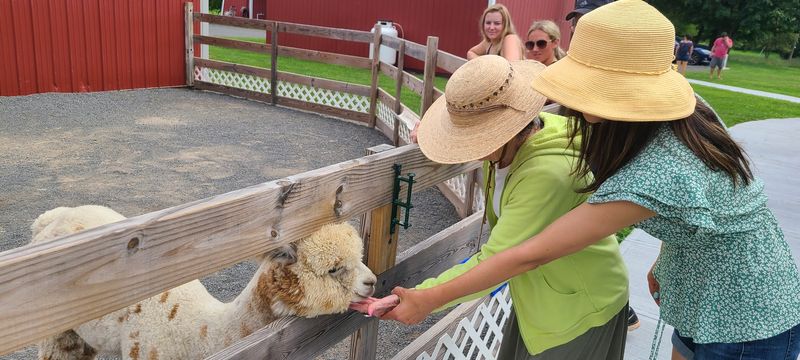
Curiosity has a useful place on the schedule here. The supplied accounts repeatedly describe staff and volunteers answering questions about alpacas, lavender, and products rather than simply directing people toward the next activity.
That makes the destination a good match for people who enjoy learning through conversation. A walk or feeding session can lead naturally to questions about the animals without needing a formal classroom setting.
Families, friends, and couples all appear in accounts of past outings. The shared thread is an interest in a small farm experience, not a need for a packed day of organized entertainment.
Children may enjoy feeding the alpacas, but adults still need to check the participation rules for booked walks. Interest in the animals and eligibility for an activity are separate matters.
Bring a few genuine questions and allow time for the answers. The people helping around the property are part of what gives the stop substance.
Reservations and Easier Routes
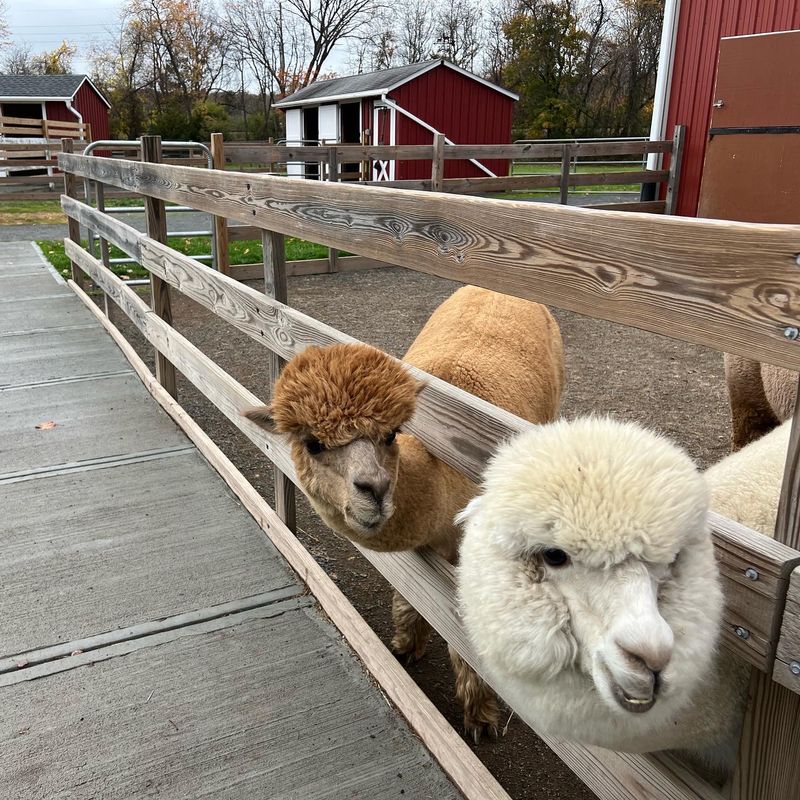
A family booking deserves a careful head count. One past account describes a reservation allowing one adult and one child, with another adult unable to join under the same booking.
That is a reason to confirm the current rules, not assume every ticket still follows that arrangement. Check how many adults and children each reservation covers, along with any age requirements, before completing a purchase.
Mobility planning deserves the same attention. A concrete sidewalk has been described between the parking lot, gift shop, and alpaca barns, offering a useful connection between those parts of the property.
That detail does not establish that every field or walking route is accessible. Ask specifically about surfaces, distances, and the alpaca activity if someone in the group needs a step-free route or mobility support.
A few clear questions ahead of time can prevent a booking mismatch and help everyone understand which parts of the outing suit their needs.
Weekend Hours and Visit Costs
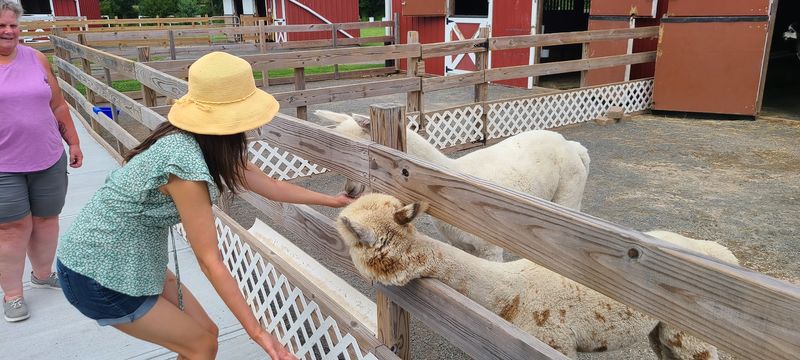
Saturday and Sunday are the days to build around. The supplied operating schedule lists opening hours of 10 a.m. to 4 p.m. on both days, with the farm closed Monday through Friday.
Confirm that schedule before departure, especially when planning around an activity reservation. General opening hours should not be treated as proof that alpaca walks are available throughout the day.
Past accounts describe free general admission and free parking, with donations appreciated. Paid feed and booked walks are separate considerations, and a current walk price is not included in the supplied information.
Bring some cash as a precaution. An older account mentions cash-only purchases below $10, although the current payment policy needs confirmation.
The farm website, hiddenspringlavender.com, is the useful starting point for checking arrangements. Match the trip to the latest booking information rather than relying on an old feed price or assuming that general entry includes every activity.
A Modest Outing With a Clear Purpose
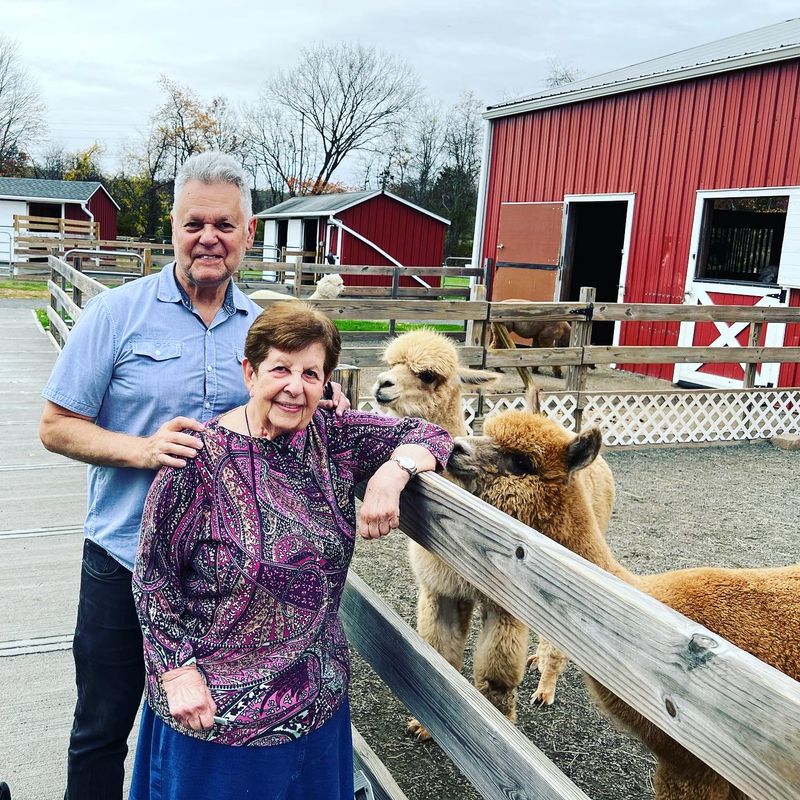
Not every worthwhile day trip needs to fill the entire day. The strongest reason to choose this farm is its focused combination of alpaca encounters, lavender growing, and a shop connected to those interests.
Expect a small destination rather than a long menu of attractions. Reserve the walk if that is the priority, then give feeding, questions, and browsing whatever time fits the group.
A lavender-centered trip calls for an extra check on the field’s condition. An animal-centered trip calls for attention to booking availability and participation rules, especially when children are joining.
The outing will suit people who prefer a few meaningful activities over a crowded schedule. It may be less suitable for someone expecting hours of continuous organized programming.
With those expectations in place, the appeal is straightforward: spend time learning about alpacas, explore the farm’s other specialty, and let a simple weekend plan stay pleasantly simple from start to finish.
Share this story