American history looks a lot different when you trace it through the places where women organized, pushed back, and refused to be ignored. Some of those places are grand houses with sweeping staircases.
Others are surprisingly ordinary rooms where decisions were made that eventually reached across the entire country. From a chapel in upstate New York where a revolution quietly began, to a Victorian townhouse in Denver where a real-life legend rewrote her own story, each of these 15 historic sites connects visitors with women who reshaped politics, literature, civil rights, aviation, and everyday life.
These are not dusty relics behind velvet ropes. They are active, living destinations where the stories of remarkable women become surprisingly personal, and where history stops feeling like something that happened to other people a long time ago.
1. Women’s Rights National Historical Park, Seneca Falls, New York
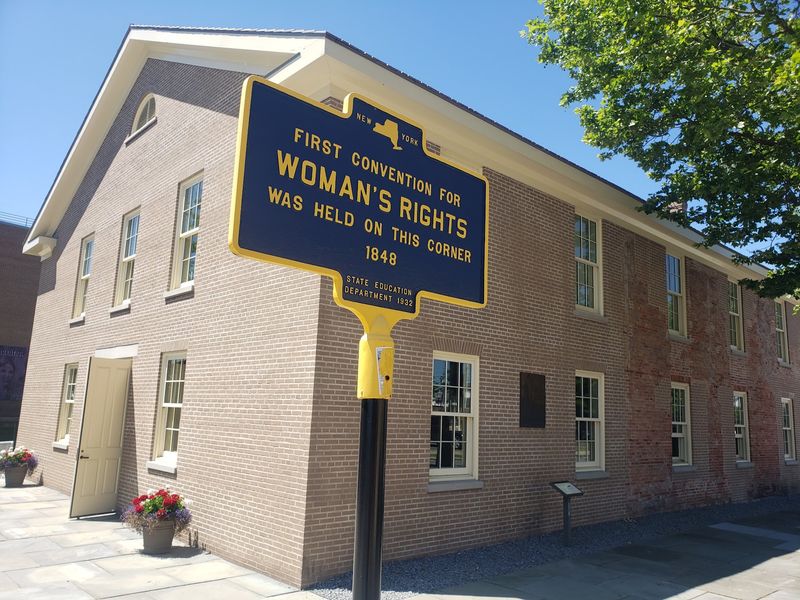
July 1848 was a hot month in upstate New York, and more than 300 people crowded into a Wesleyan Chapel to do something that had never been done before on American soil: hold a formal convention demanding equal rights for women.
The Women’s Rights National Historical Park preserves that moment across several connected sites, including the chapel itself and the home of Elizabeth Cady Stanton, who called it the “Center of the Rebellion.” Stanton was 32 years old, a mother of three, and completely done with being told what she could and could not do.
Declaration Park displays the full text of the Declaration of Sentiments on a 100-foot bluestone waterwall, while the visitor center offers exhibits, an orientation film, and a bronze sculpture honoring key attendees. Few parks make a national movement feel this tangible.
2. National Susan B. Anthony Museum & House, Rochester, New York
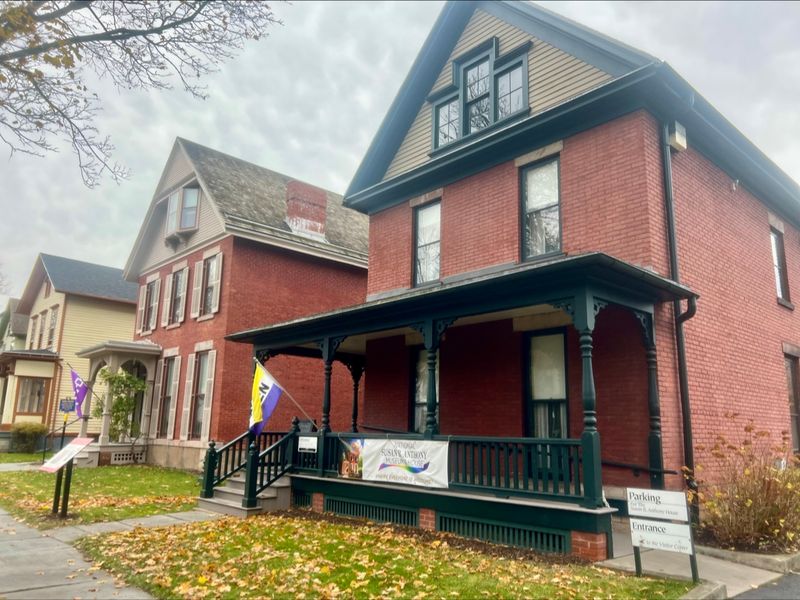
That brick house on Madison Street in Rochester was never just a home. For Susan B.
Anthony, it was a campaign office, a strategy room, and eventually the address where federal marshals showed up to arrest her after she voted in the 1872 presidential election.
Voting while female was illegal at the time, and Anthony knew exactly what she was doing. Her arrest turned into one of the most publicized trials of the era and made her an even more visible symbol of the suffrage movement.
Guided tours move through the rooms where Anthony lived and worked during her most politically active decades. The museum is open six days a week and remains one of the strongest surviving links to the long, determined campaign that finally resulted in the 19th Amendment in 1920.
3. Eleanor Roosevelt National Historic Site, Hyde Park, New York
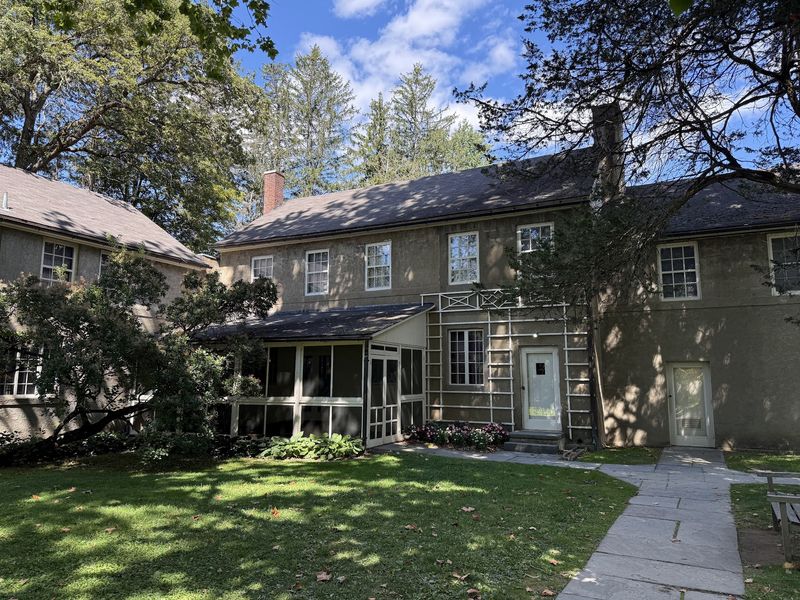
Val-Kill was Eleanor Roosevelt’s escape from the formal world of the White House and Hyde Park’s grand estate, and it tells a more personal story than any official portrait ever could. She developed the property with two close friends, Nancy Cook and Marion Dickerman, turning it into a quiet retreat that somehow managed to host world leaders, student groups, family gatherings, and political organizers all at once.
The cottage, walking trails, and wooded grounds give Val-Kill a relaxed atmosphere that feels genuinely different from more ceremonial historic sites. Eleanor considered it the one place that truly belonged to her.
Val-Kill holds the distinction of being the only National Historic Site dedicated to a First Lady, which says something about how far outside the usual First Lady role Eleanor Roosevelt actually operated throughout her public life.
4. Belmont-Paul Women’s Equality National Monument, Washington, D.C.
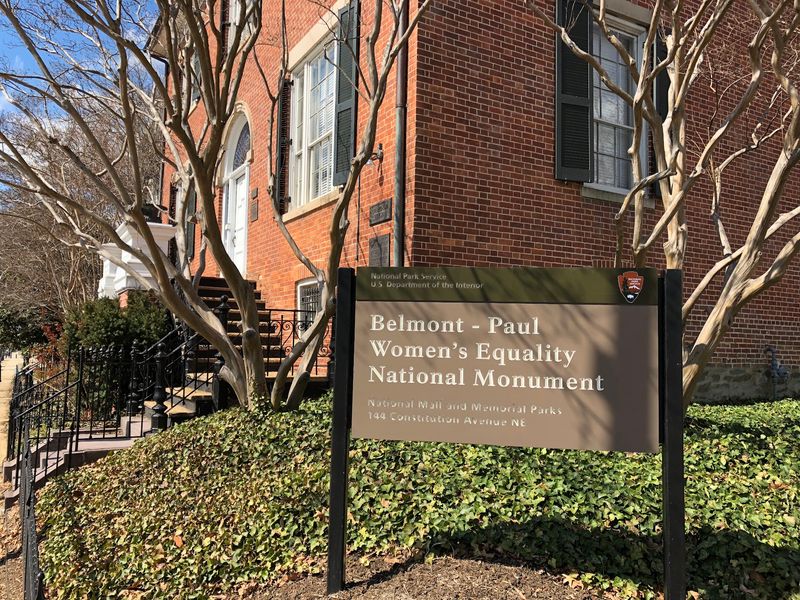
A short walk from the U.S. Capitol stands a house that served as the headquarters of the National Woman’s Party for more than 90 years, which means it was literally next door to the institution its occupants were trying to change.
Alice Paul and her colleagues used the building as a base while campaigning for women’s political equality and, later, the Equal Rights Amendment. The exhibits inside trace the strategies, demonstrations, arrests, hunger strikes, and decades of persistence that defined the organization’s approach to advocacy.
The monument is currently open Friday through Sunday. Its Capitol Hill address is not just convenient geography.
It is a reminder that the women who worked here were always keeping one eye on the building down the street, watching for the moment when the door might finally open.
5. Harriet Tubman National Historical Park, Auburn, New York
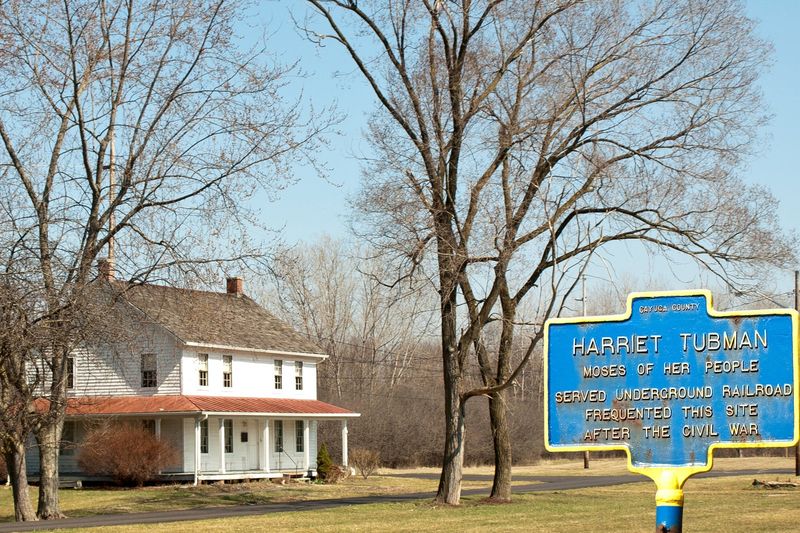
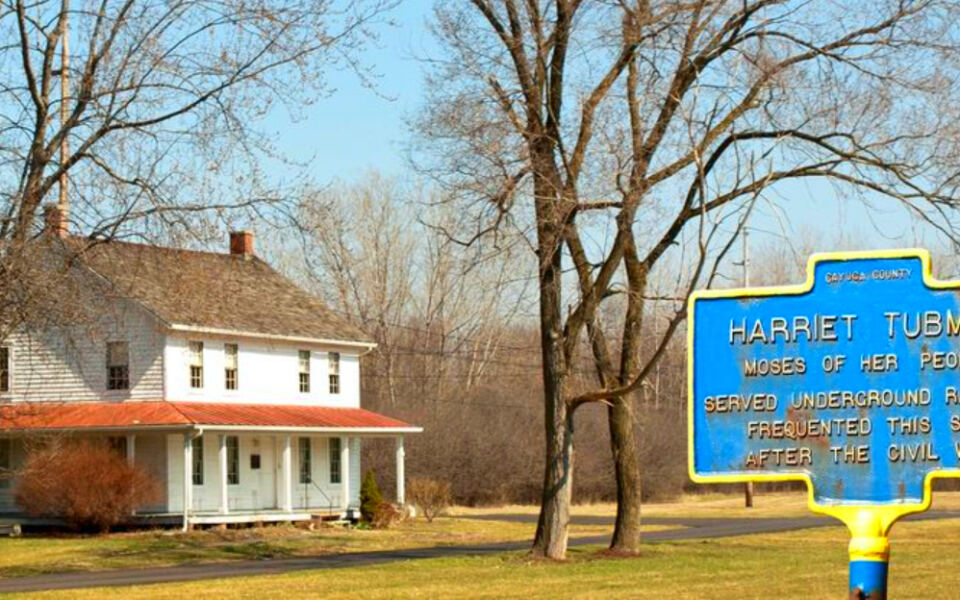
Most people know Harriet Tubman for the Underground Railroad, but her story kept going long after the last journey north. She settled in Auburn, New York, in 1859 and spent the next five decades building a life centered on community, faith, and relentless advocacy for human rights.
The Harriet Tubman National Historical Park brings together several properties connected to those later years, including her residence, the Home for the Aged she established for vulnerable African Americans, and Thompson Memorial A.M.E. Zion Church, where she worshipped, helped fund construction, and eventually had her funeral.
Visiting Auburn makes it clear that Tubman was not a single-chapter figure. She was a person who kept showing up, kept organizing, and kept demanding better for her community until the very end of her long life.
6. Mary McLeod Bethune Council House National Historic Site, Washington, D.C.
Mary McLeod Bethune grew up the daughter of formerly enslaved parents in South Carolina and eventually became an advisor to President Franklin D. Roosevelt.
The distance between those two points is one of the most remarkable journeys in American history.
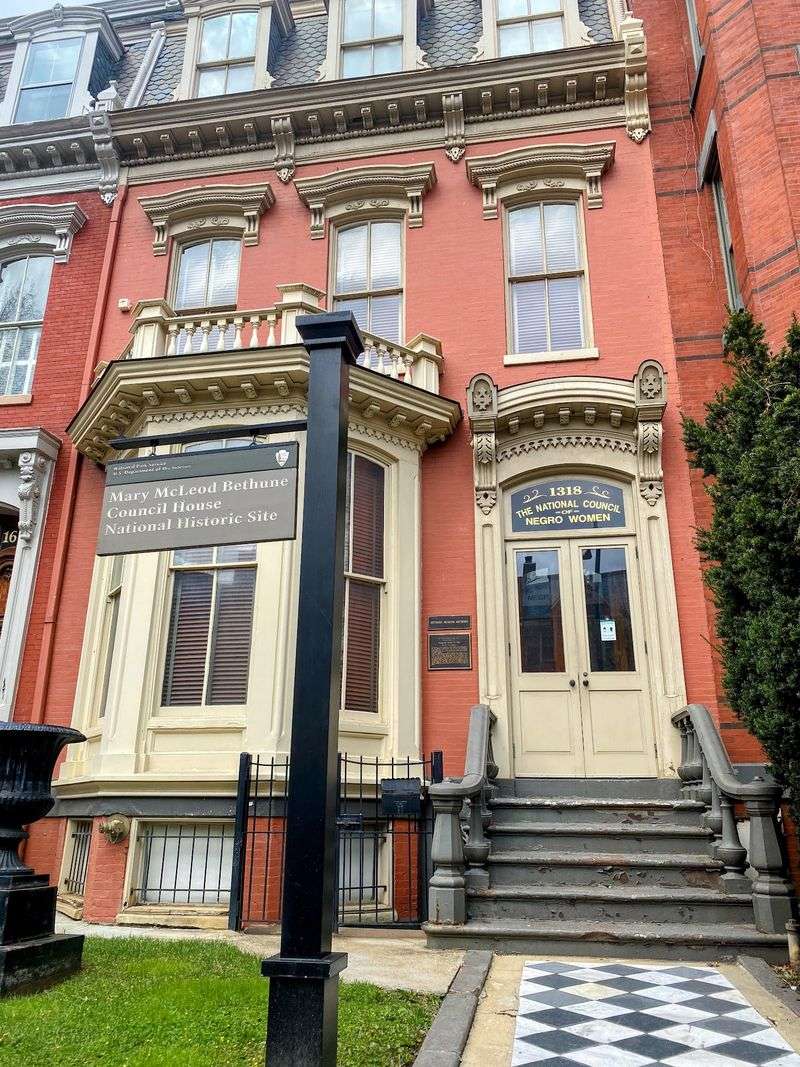
Her Washington townhouse served as the first national headquarters of the National Council of Negro Women and her personal home during her final years in the city. From rooms including a formal boardroom and president’s office, Bethune and the NCNW developed programs addressing issues affecting African American women, families, and communities across the country.
Visitors can tour the preserved spaces and learn how Bethune connected grassroots community organizing with national political influence. Her story stretches from founding a college in Florida to shaping federal policy, and this house holds a key chapter of it.
7. Clara Barton Missing Soldiers Office Museum, Washington, D.C.
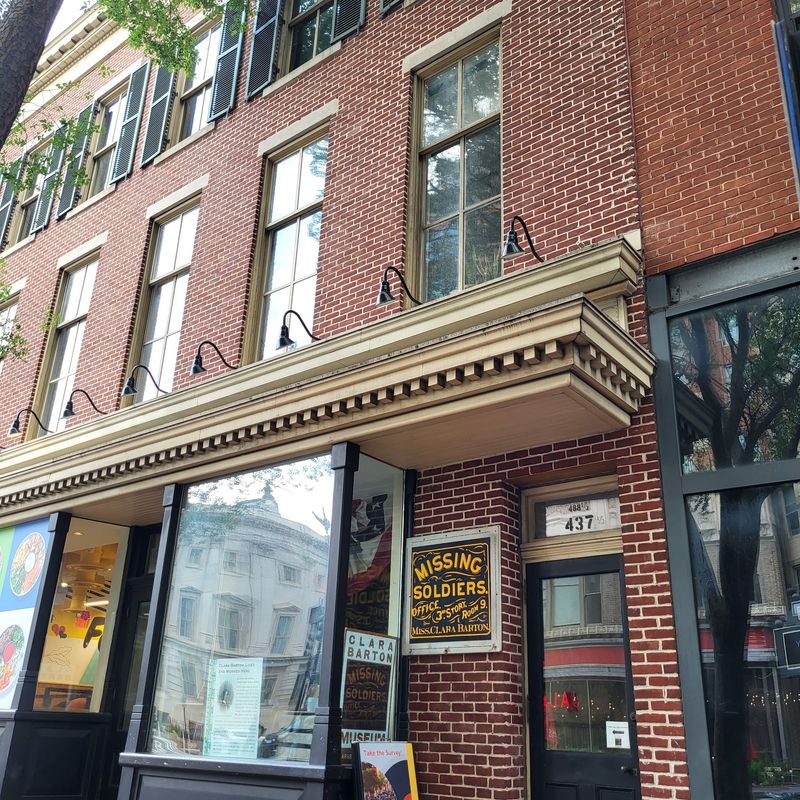
Before she founded the American Red Cross, Clara Barton spent years in a Washington boarding house doing something almost nobody else was doing: helping families find soldiers who had vanished during the Civil War era and were never officially accounted for.
The rooms above Seventh Street where she lived and worked have been preserved as the Clara Barton Missing Soldiers Office Museum. The space is surprisingly intimate for a site connected to such large-scale humanitarian work, which makes the personal scale of Barton’s effort feel even more remarkable.
The museum currently welcomes walk-in visitors on Thursdays, Fridays, and Saturdays. It captures a side of Barton that often gets overshadowed by her more famous Red Cross legacy, showing the methodical, determined record-keeping that helped reunite thousands of families with information about their missing relatives.
8. Rosa Parks Museum, Montgomery, Alabama
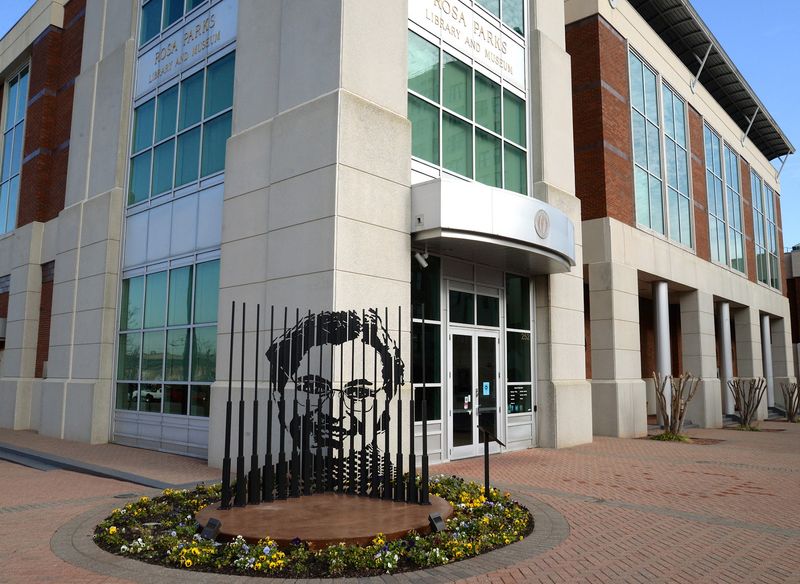
The address of this museum is not an accident. It stands at the exact site where Rosa Parks was arrested in December 1955 after refusing to give up her bus seat, making it one of the few American museums that occupies the precise location of the event it commemorates.
Operated by Troy University, the museum places Parks’ act of refusal within the larger story of the Montgomery Bus Boycott, a 381-day community effort that involved tens of thousands of people and eventually led to a Supreme Court ruling against bus segregation.
Rather than treating Parks as a lone figure who acted on impulse, the exhibits show the organized community that surrounded her and sustained the boycott through months of pressure. That fuller picture is what makes this museum worth the visit, not just the famous moment, but everything that made it possible.
9. Maggie L. Walker National Historic Site, Richmond, Virginia
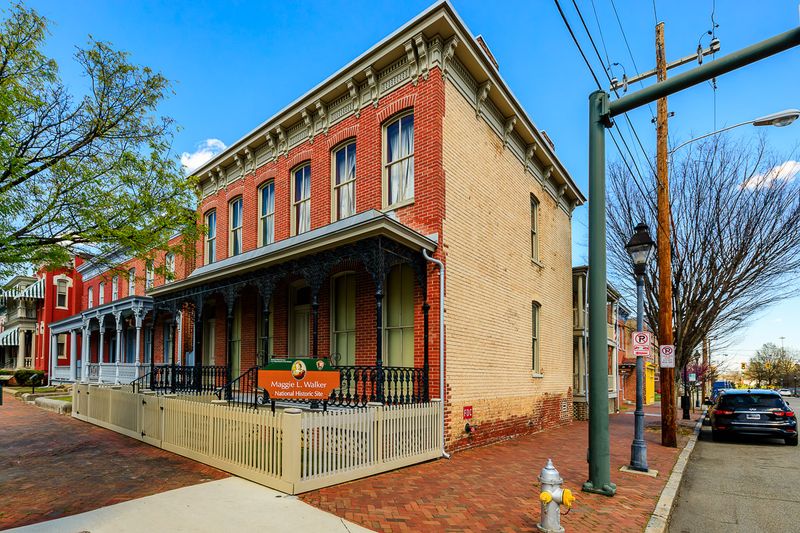
In 1903, Maggie L. Walker became the first woman in the United States to found and serve as president of a bank.
That bank, the St. Luke Penny Savings Bank in Richmond, was designed specifically to support economic independence in the city’s Black community.
Her longtime home in Richmond’s historic Jackson Ward neighborhood is now a National Historic Site, interpreted to reflect the years she lived there with much of the original Walker family furniture still in place. The domestic setting makes her professional achievements feel less like distant history and more like the work of a very determined person who happened to live in a nice house.
Walker was also a journalist, a community organizer, and a civil rights advocate. The site tells all of those stories, not just the banking headline that tends to get the most attention in history books.
10. Emily Dickinson Museum, Amherst, Massachusetts
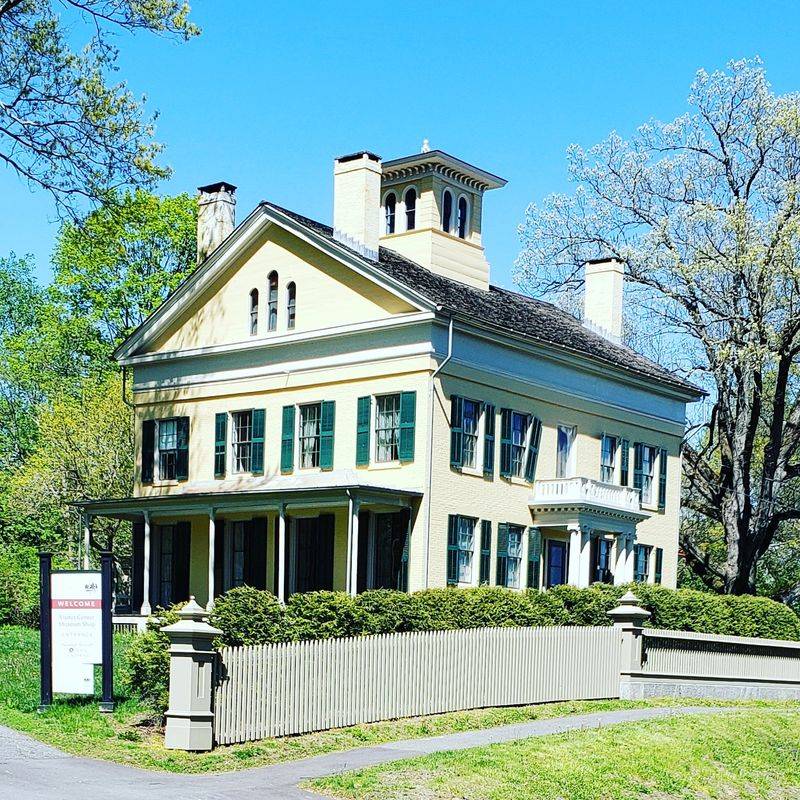
Emily Dickinson wrote nearly 1,800 poems during her lifetime and published fewer than a dozen of them. She spent most of her adult years within a remarkably small geographic area, which makes visiting her Amherst home one of the more quietly surprising experiences in American literary tourism.
The Emily Dickinson Museum includes two houses: the Homestead, where Dickinson was born and wrote most of her work, and The Evergreens next door, where her brother Austin and his family lived. The Evergreens still contains original Dickinson family furnishings and 19th-century finishes, while the Homestead is being carefully restored to reflect the poet’s writing years.
Together, the two houses transform one of America’s most studied literary figures into someone connected to real rooms, real relationships, and daily routines that shaped some of the most original poetry in the English language.
11. Louisa May Alcott’s Orchard House, Concord, Massachusetts
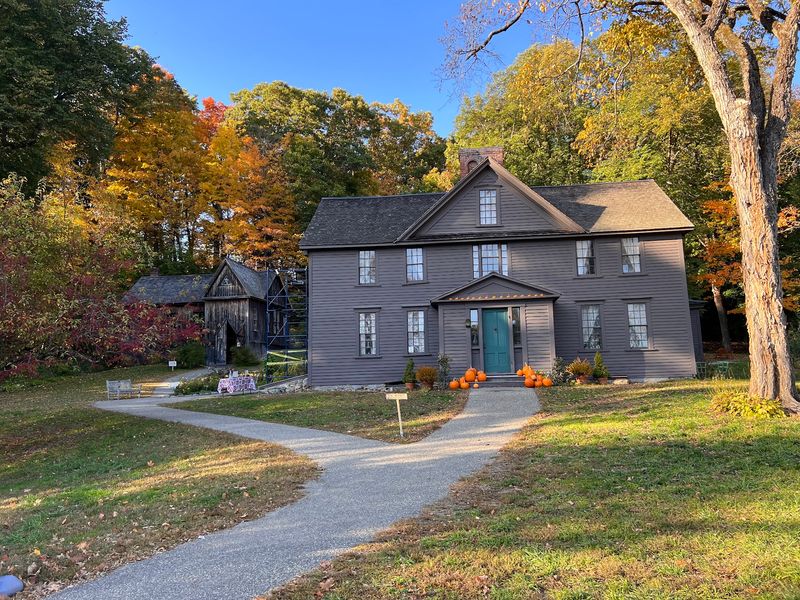
Louisa May Alcott did not just write Little Women in this house. She set the novel here, too, basing the March family home directly on the Concord property where the Alcott family lived from 1858 to 1877.
Orchard House has undergone no major structural changes since the Alcotts lived there, which gives the building an unusual sense of continuity. The rooms feel genuinely connected to the world that shaped the novel, rather than reconstructed for effect.
Guided tours run year-round and explore both the literary history and the Alcott family’s broader intellectual life. Louisa’s father Bronson was a progressive educator and philosopher, and the house was a gathering place for thinkers from across the region.
Visiting makes it clear that Little Women did not come from nowhere. It came from a very specific, very lively household in Concord.
12. Amelia Earhart Birthplace Museum, Atchison, Kansas
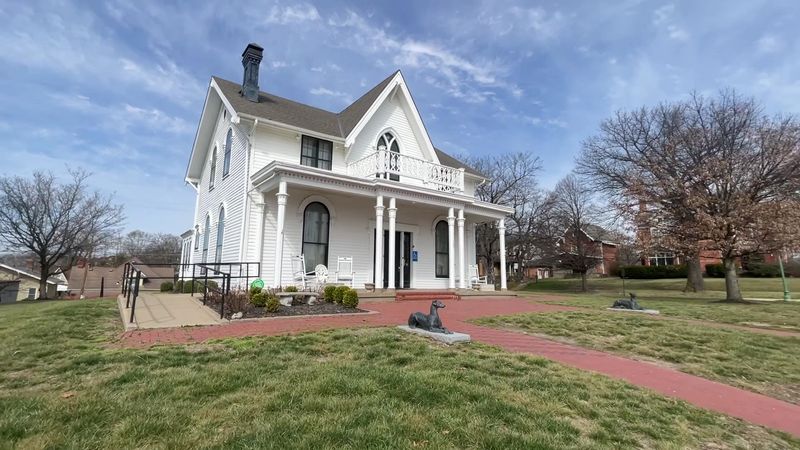
High above the Missouri River in Atchison, Kansas, a Gothic Revival house sits on a bluff with a view that seems perfectly suited to someone who would spend her adult life looking at the world from above. Amelia Earhart was born here in 1897 and spent portions of her childhood in and around the property.
The museum is maintained by The Ninety-Nines, the international organization of women pilots that Earhart served as the first president. Period rooms and exhibits connect the personal details of her early life with the aviation career that made her one of the most recognized figures of the 20th century.
The riverfront setting adds a dramatic backdrop that the house earns on its own merits. Visitors who make the trip often note that the location itself feels like a fitting starting point for someone who never stayed grounded for long.
13. Rosie the Riveter WWII Home Front National Historical Park, Richmond, California
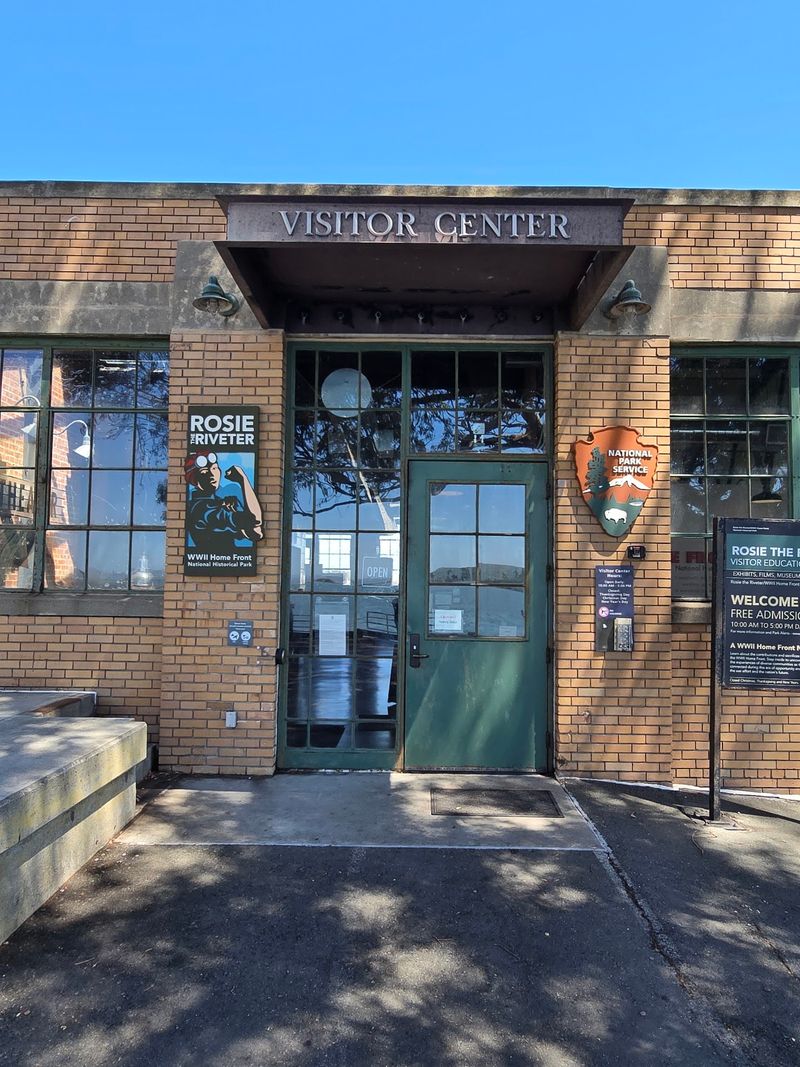
Not every woman who changed America became famous by name, and this park makes that point with unusual honesty. During World War II, the shipyards of Richmond, California, employed tens of thousands of workers, many of them women entering industrial jobs for the first time, and their collective labor helped power one of the largest wartime production efforts in American history.
The national historical park preserves that broader Home Front story, including the experiences of workers from diverse racial and cultural backgrounds who are rarely featured in the more familiar Rosie the Riveter imagery.
The waterfront setting and surviving industrial landscape help visitors grasp the enormous physical scale of wartime Richmond. Ranger-led programs and oral history recordings add personal voices to the larger story, turning what could easily be an abstract history lesson into something far more grounded and human.
14. Molly Brown House Museum, Denver, Colorado
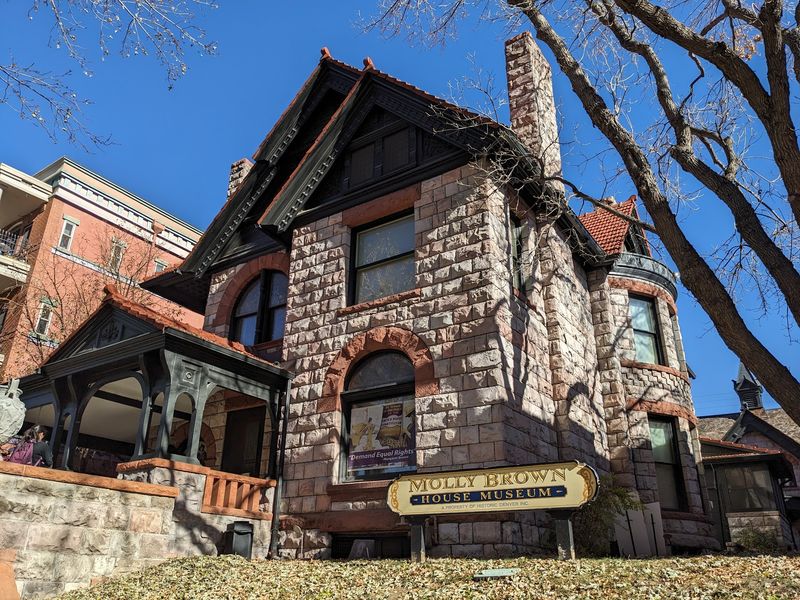
Margaret Brown survived the Titanic, yes, but that is honestly the least interesting thing about her. From her ornate Victorian home in Denver, visitors discover a woman who supported women’s suffrage, advocated for labor rights, lectured on social issues across Europe and America, and seriously considered running for a U.S.
Senate seat decades before women could legally vote.
The house itself is a visual statement. Built in the American Foursquare style with decorative Victorian details, it reflects the ambitions of a woman who grew up in poverty in Missouri and refused to be defined by where she started.
Her work drawing public attention to labor conditions after the 1914 Ludlow Massacre is one of the chapters the museum handles especially well. The real Margaret Brown was far more complex than the cheerful nickname “Molly” suggests, and this house does her justice.
15. Juliette Gordon Low Birthplace Museum, Savannah, Georgia
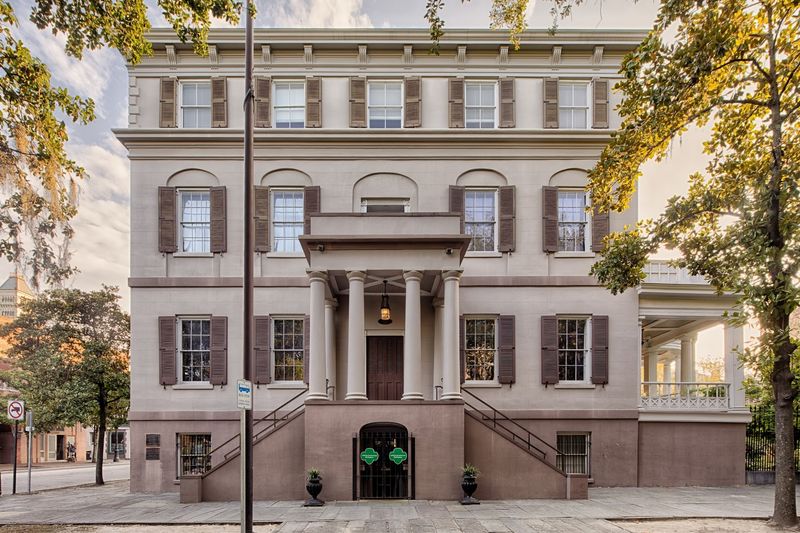
Before there were 3.8 million Girl Scouts in the United States, there was one troop in Savannah, Georgia, organized in March 1912 by a woman named Juliette Gordon Low who had just returned from time spent abroad with the Girl Guide movement and had a very clear idea of what she wanted to build next.
Her birthplace, a Regency-style house in Savannah’s historic district, is now a museum that connects Low’s family history with the organization she created. The architecture alone earns a visit, but the exhibits add layers of personal history that make Low’s vision feel genuinely original rather than borrowed.
With period rooms, family artifacts, and a legacy familiar to generations of American families, the museum closes this list on a story that has never really ended. The organization Low founded continues to shape the lives of young women across the country every single day.
Share this story