Bees here gather nectar from wild tupelo gum trees growing in river swamps. That one detail turns a simple jar of honey into something close to a regional treasure.
The flavor gets described as smooth, floral, and not overly sweet. It also comes from a family operation that has kept at it for generations.
I love that kind of quiet staying power.
The shop itself is modest, almost like the back room of a house. Finding it might take a little effort.
I believe that only adds to the fun of tracking it down in Florida.
Some treats travel well, and this one ships across the country. Still, I can’t imagine a better way to get it than straight from the source.
Who wouldn’t want honey with a swamp-born story behind every spoonful?
A Family Honey Farm Worth Hunting Down
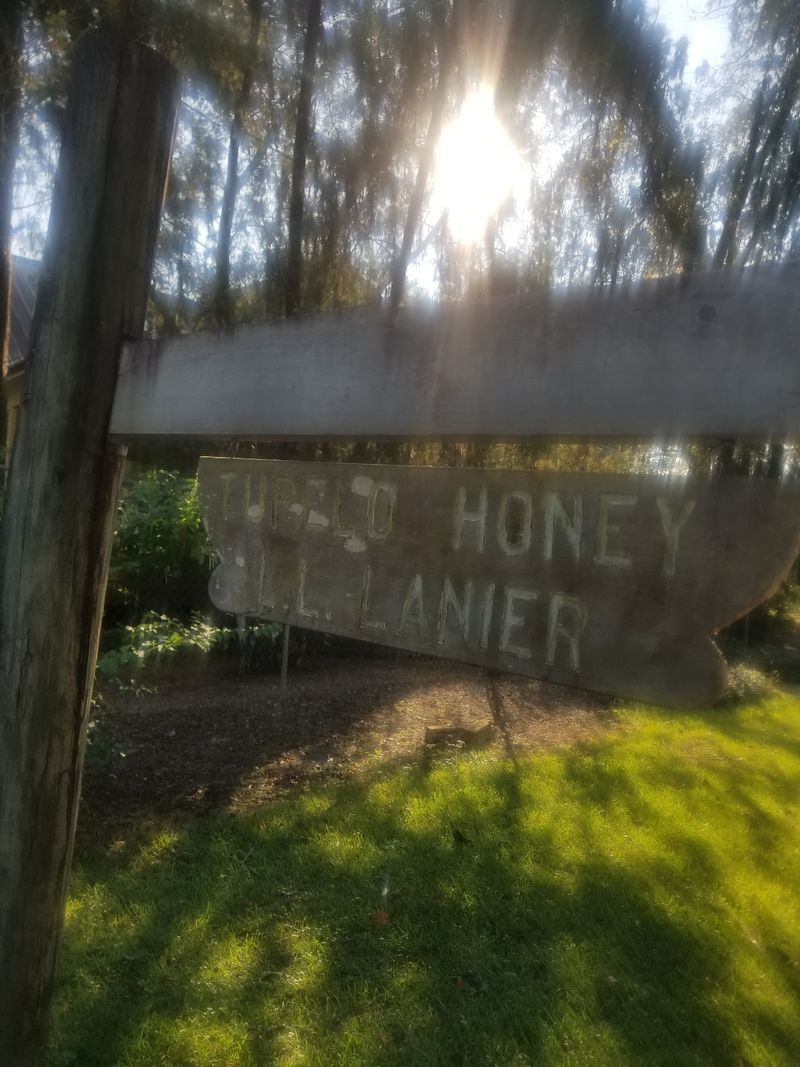
Golden jars and a family name carry a lot of weight in this corner of the Panhandle. L.L.
Lanier & Son’s Tupelo Honey is a working honey farm built around one very special crop.
The farm sits in Wewahitchka, a small town in Gulf County, Florida. Folks there often shorten the name to Wewa, which is easier on the tongue.
Tupelo honey is the star here, and it’s the reason people make the trip. The farm focuses on honey made from the blossoms of wild tupelo gum trees.
That focus matters more than you might think. Real tupelo honey depends on a short bloom and careful timing, so it isn’t something any beekeeper can produce.
L.L. Lanier & Son’s Tupelo Honey has become a Wewa staple over the years.
It’s the kind of name that pops up whenever people talk about honey from this region.
So what makes a small family farm this well known? The answer comes down to patience, place, and a very particular tree.
Each piece of that story is worth unpacking before you start planning a drive to rural Florida.
Generations of Honey Know-How in One Family
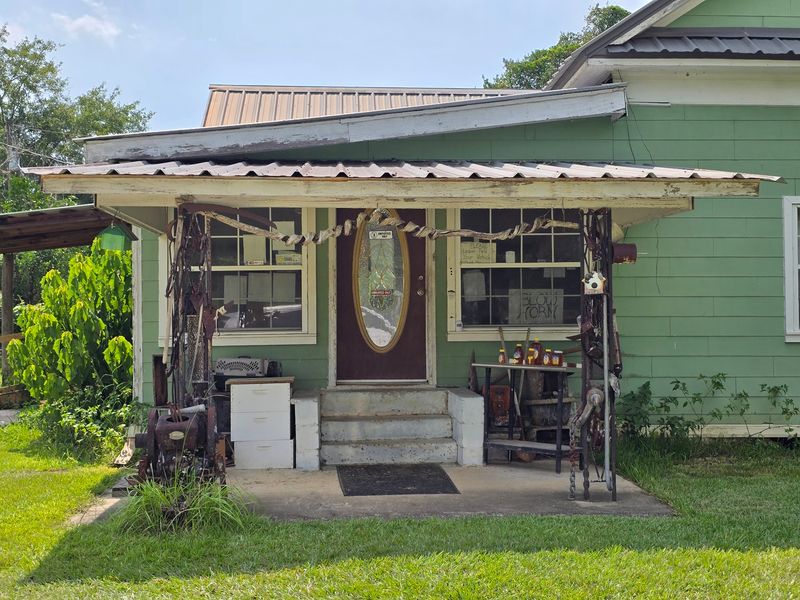
Some family businesses fade after one generation. The Lanier family kept the honey flowing and passed the craft down the line.
The name itself tells part of the story, with father and son right there on the label. Later, Ben and Glynnes Lanier helped carry the business forward with plenty of hard work.
Here’s a fun twist. The Lanier story drew national attention when The New York Times wrote about the family and their tupelo harvest.
That coverage also touched on Hurricane Michael, which struck the Panhandle hard in 2018. Pushing through a storm like that says a lot about a family’s commitment to its bees.
People who read about the Laniers often mention how much the family story adds to the honey. Knowing who made your jar makes each spoonful feel more personal.
The farm’s devotion shows in small ways too. Owner replies to customers focus on one steady goal, which is producing the highest quality product they can.
That mix of history and grit gives L.L. Lanier & Son’s Tupelo Honey its quiet reputation.
It’s honey with a backbone, and a family tree almost as deep as the tupelo groves.
Wild Tupelo Trees Along the Apalachicola River
Honey starts with flowers, and these flowers grow in a swamp. Tupelo gum trees thrive wild in the wet, low areas along the Apalachicola River in Florida.
That river setting makes Wewahitchka a natural home for tupelo honey. Few places offer the right trees in enough numbers to support a true harvest.
The Laniers take special care with timing. Their bees gather nectar from the tupelo gum blossoms, giving the honey its distinct character.
Why does that care matter so much? Mixing in other blooms would change the taste, and tupelo fans can usually tell the difference.
There’s a cautionary note floating around too. Some sellers blend tupelo with cheaper honey, which helps explain why the real stuff costs more.
The river swamps also give the harvest a wild, untamed feel. These aren’t neat orchard rows, but tangled trees standing in watery ground.
It’s a reminder that great honey is really a team effort. The trees, the river, the bees, and the beekeepers all play their part.
Without any one of them, that famous jar simply wouldn’t exist in the same way.
That Smooth, Floral Taste Everyone Talks About
Describing tupelo honey is tricky, even for people who love it. Many say it tastes smooth and not overpoweringly sweet, unlike some wildflower honey.
Others reach for richer words. Thick, luscious, and deep are common ways people try to capture the flavor.
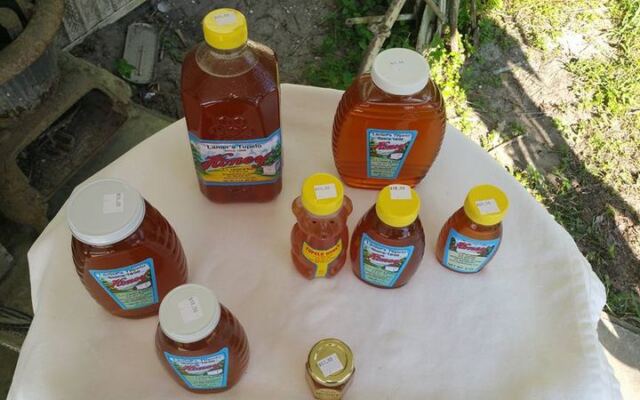
The fragrance gets attention too, often called beautifully floral. Its golden color is part of the appeal, catching the light right in the jar.
For folks who grew up in the area, the taste goes beyond flavor. Some say a spoonful brings back childhood memories and the comfort of home.
That emotional pull explains why the honey shows up in care packages. People have hauled jars all the way to Kansas to share with friends and family.
Fans often call Lanier’s the golden standard for tupelo. It’s a fitting nickname for honey this glowing.
And yes, someone joked that it tastes nothing like tilapia and onions. A strange comparison, but a good laugh all the same.
Spread it on toast, stir it into tea, or simply eat it from a spoon. Good luck stopping at just one taste.
Products Beyond a Single Jar
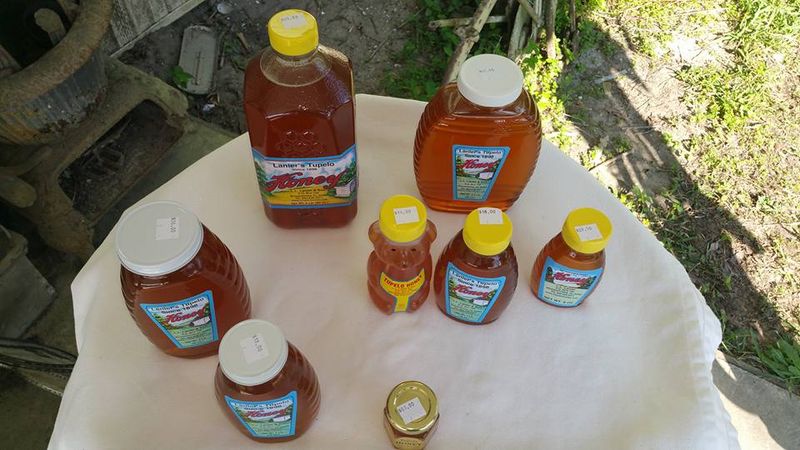
Choices are part of the fun at a honey farm. L.L.
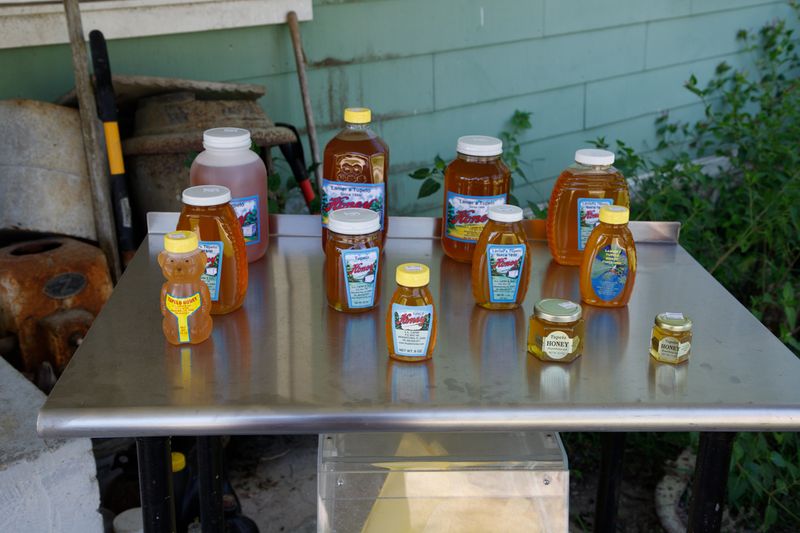
Lanier & Son’s Tupelo Honey offers a wide selection of products for honey lovers.
That variety makes it easier to shop for yourself or others. A larger jar for the pantry and a few smaller gifts can come home in one trip.
Shoppers often praise the farm’s careful packaging. Sturdy boxes help protect the honey during shipping, which matters with glass and sticky goods.
Prices come up in conversation too. Some call the honey pricey, while others say it’s reasonably priced and competitive for genuine tupelo.
Both views make sense once you know the backstory. Real tupelo takes time, skill, and a narrow bloom window, so it naturally costs more than blended honey.
Plenty of longtime buyers think it’s worth every penny. Some even call it a bargain, given the quality and care involved.
The key is knowing what you’re paying for. Here, the focus stays firmly on quality over shortcuts.
So browse thoughtfully and pick what fits your kitchen. Your toast will thank you later.
A Homey Shop With Friendly Faces
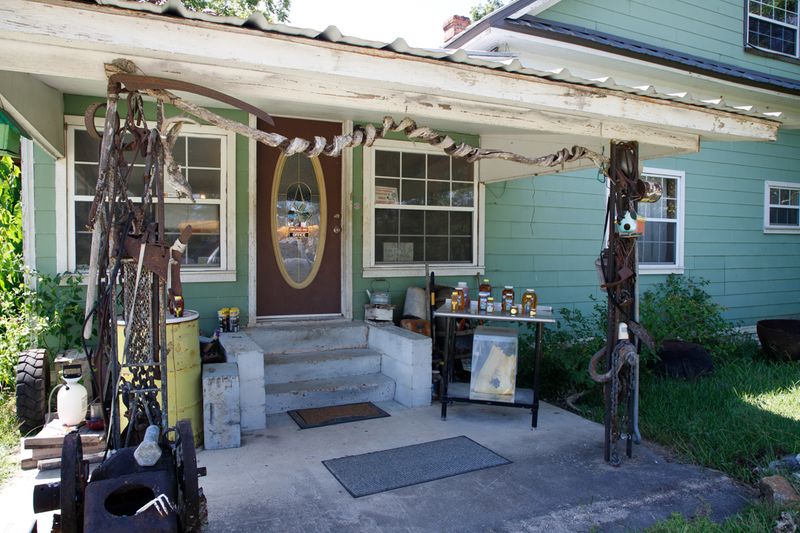
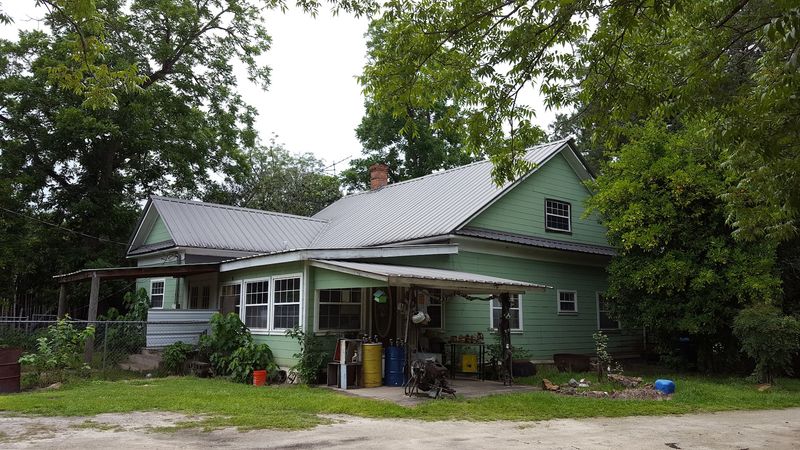
Forget fancy storefronts and glossy displays. The shop here feels more like the back room of someone’s house than a retail space.
That simple setup can catch first-timers off guard. A little searching may be needed, so give yourself extra time on arrival.
What stands out most is the warmth. Staff are often described as very friendly, helpful, and kind.
Families tend to love it, and it’s easy to see why. Shopping here feels personal, like buying straight from a neighbor who happens to keep bees.
It suits travelers who prefer authentic Old Florida stops over polished tourist shops. Honey lovers, food gift hunters, and road trippers will all find something to enjoy.
Some customers have returned again and again over decades. One couple started visiting back in 1984, which says plenty about the welcome.
Kids may enjoy learning where honey comes from too. A quick talk about bees and swamp trees can turn a snack into a mini lesson.
It’s small, simple, and full of heart. Sometimes that’s exactly the kind of place worth seeking out.
Hours, Directions, and Ordering From Home
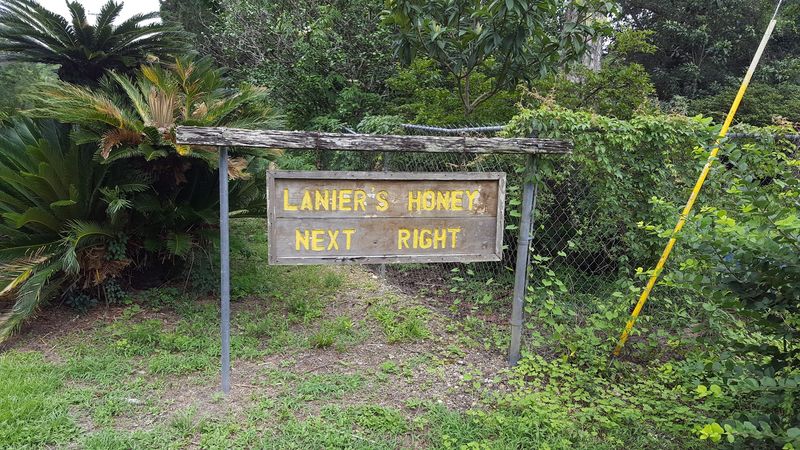
Planning ahead pays off with this stop. You’ll find the farm at 318 Lakegrove Rd, Wewahitchka, FL 32465.
Hours run Monday through Saturday, from 9 AM to 4 PM. The shop is closed on Sundays, so plan weekend trips carefully.
Wewahitchka sits in the Florida Panhandle, inland from the Gulf Coast. Because the shop can be easy to miss, keep your directions handy as you get close.
Can’t make the drive? Online ordering is available, and the honey ships to customers around the country.
People living far away often rely on that option. It’s a sweet lifeline for anyone missing the taste of Northwest Florida.
Shipping tends to be quick, and customer service gets praise for being polite and exact. That makes gifting simple, even from a distance.
Still, buying in person has its own charm. You get to see the place, meet the family, and carry the honey home yourself.
Either way, the honey ends up in your kitchen. You just choose the route.
A Sweet Reason to Detour Through Gulf County
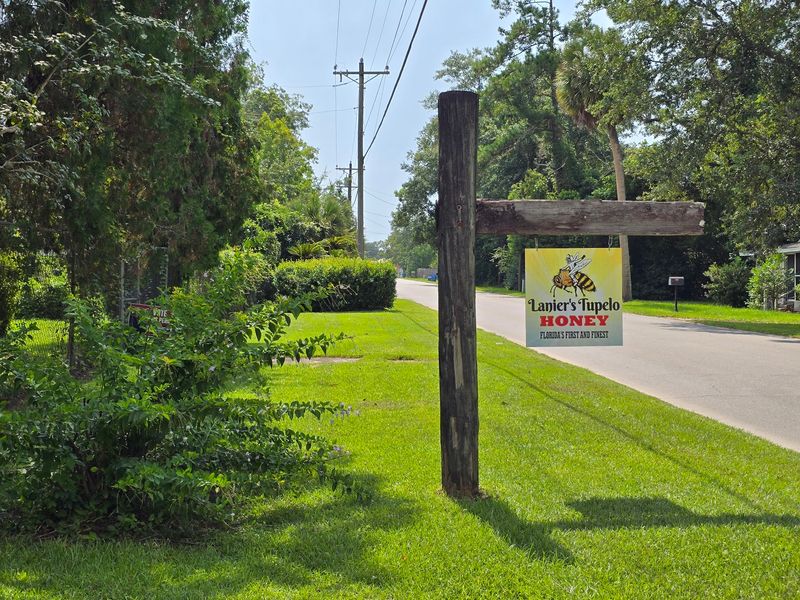
Small towns often hold the best surprises. Wewahitchka proves that with a jar of honey tied to wild river trees.
L.L. Lanier & Son’s Tupelo Honey brings together family history, a rare harvest, and old-fashioned service.
Few stops in Florida pack that much story into such a modest space.
It’s ideal for road trippers crossing the Panhandle. Food lovers chasing regional flavors will feel right at home too.
Gift shoppers can stock up on something truly local. Honey makes a thoughtful present, especially one with a story attached.
Tupelo fans also keep an eye on the local festival that celebrates this famous honey. Pairing a festival visit with a farm stop could make a fine weekend.
Sure, the honey costs more than grocery store bottles. But that price reflects careful work and a crop you can’t fake.
The verdict feels easy here. If golden, floral honey and family charm sound appealing, this farm deserves a spot on your route.
Bring a cooler bag and room in the trunk. One jar rarely feels like enough once you’ve tasted it.
Share this story