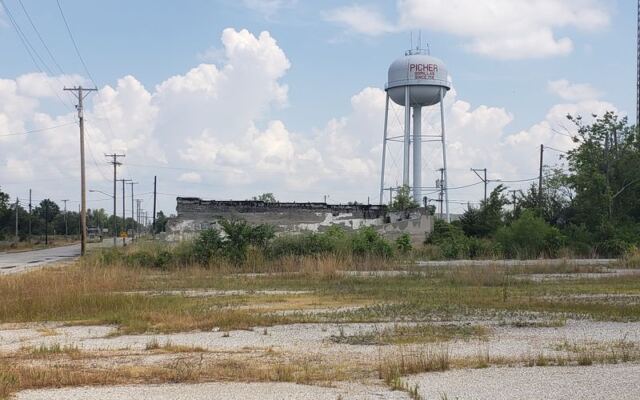
Some places on an Oklahoma map look like nothing more than a tiny dot you would zip past without a second thought. Then you learn the story behind one of those dots, and suddenly you cannot stop wondering about it.
Imagine a town that once helped power a whole nation, now sitting quiet in the far corner of the state. Grab a snack for the road, because this is a story worth slowing down for.
A Quiet Dot in Ottawa County
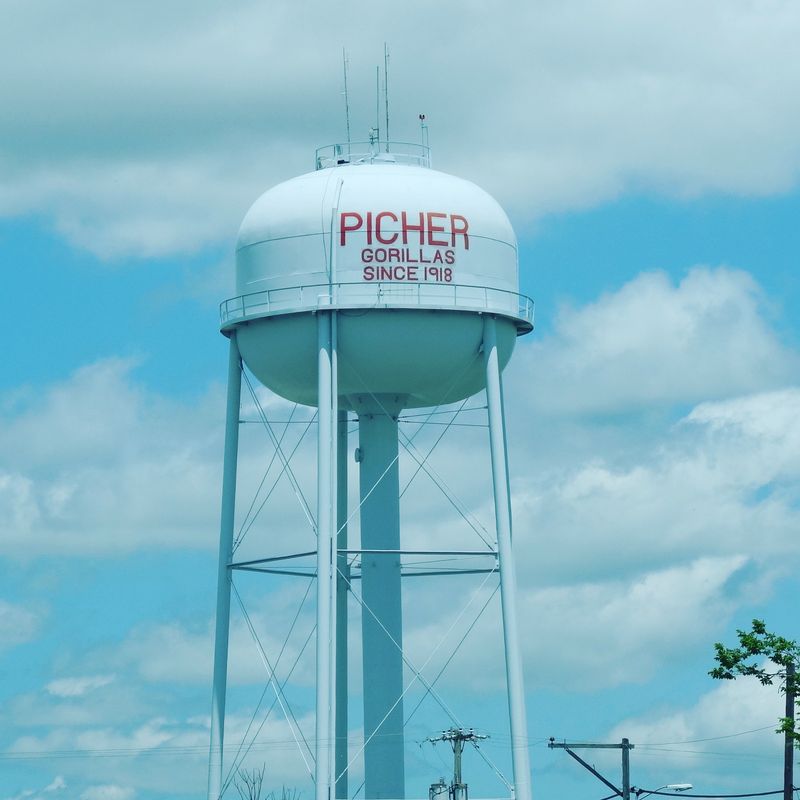
Look closely at the northeastern tip of Oklahoma and you will find a name that still shows up on maps, even though almost nobody lives there. Picher sits in Ottawa County, tucked into the corner where Oklahoma brushes up against its neighbors.
Its official address is simply Oklahoma 74360, a ZIP code that once belonged to a busy community.
Today the place is described as a ghost town and former city. That phrase alone tends to grab road-trippers by the collar.
A city that is no longer a city raises plenty of questions, and the answers reach back more than a century.
For map lovers, the coordinates land at roughly 36.98 north and 94.83 west. Plug them into a navigation app and you will see a patch of land that once hummed with activity.
The streets may be quiet now, but the outline of a former town still shapes the landscape.
What makes the spot so famous is the contrast. Few places in the state swung so far from bustling to empty.
Understanding that swing is the key to understanding why curious travelers keep looking it up, and why its name still carries such weight across Oklahoma.
The Heart of the Tri-State Mining District
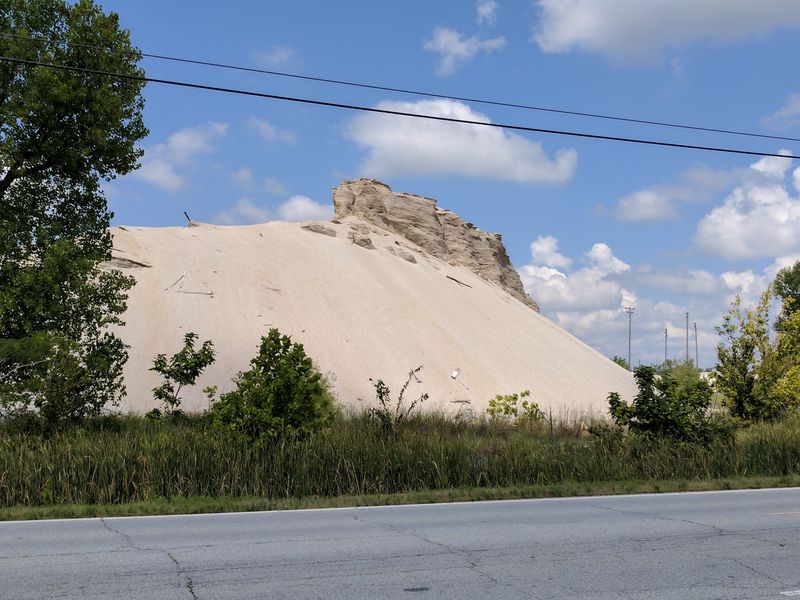
Geography made all the difference here. Picher sat right in the center of the Tri-State Mining District, a region famous for what lay underground rather than what grew above it.
The name gives away the basic idea. Three states shared this mineral-rich zone, and the Oklahoma side held one of its busiest hubs.
Being at the center meant Picher was not some sleepy outpost on the edge of the action. It was the action.
Picture a giant underground treasure chest stretching across state lines. Companies and workers flocked to wherever the richest deposits waited, and this corner of Ottawa County delivered again and again.
That steady payoff turned a patch of prairie into a place people moved to on purpose.
For history buffs, the district is a reminder that Oklahoma’s story is not only about oil and cattle. Minerals pulled from beneath the northeastern corner of the state shaped industries far beyond its borders.
Standing near the old town site, it is easy to forget that the ground under your shoes once ranked among the most valuable in the country.
Fun fact: the district’s reach crossed borders so smoothly that the minerals never cared which state claimed them.
Lead, Zinc, and a Century of Digging
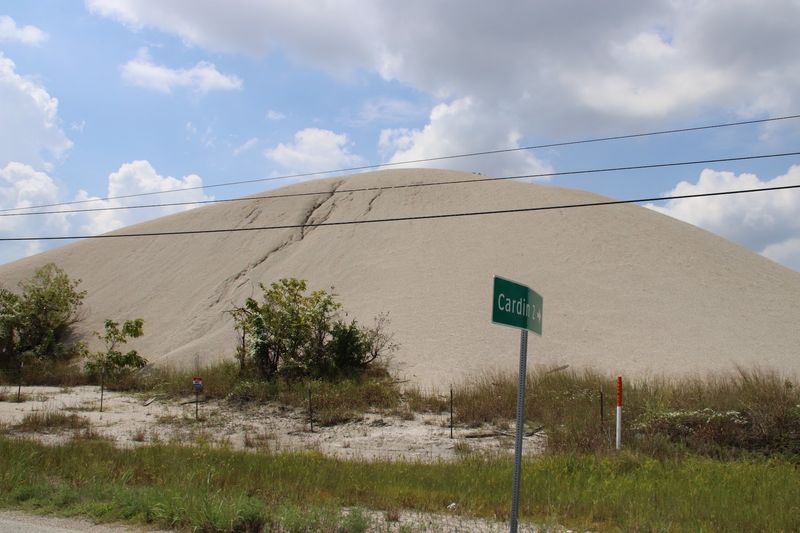
More than one hundred years. That is how long Picher served as a major national center for lead and zinc mining, a run most towns can only dream about.
Those two metals might not sound glamorous, but they mattered enormously. Zinc and lead found their way into countless everyday products and industrial uses across the country.
When demand climbed, places like Picher answered the call.
Think about what a century of digging really means. Generations of families likely grew up hearing the rhythm of mining work as a constant soundtrack.
Kids who watched their parents head off to the job may have followed the same path years later.
The word national is the real eye-opener here. Picher was not just a local supplier serving nearby counties.
It ranked as a major center for the entire United States, which puts a small Oklahoma town on a much bigger stage than its size suggests.
That long streak also explains why the town grew deep roots. People do not invest in schools, shops, and neighborhoods for a quick boom that fizzles in a few years.
A hundred-plus years of steady work built a real community, which makes its later emptiness feel even more striking.
Boomtown Days on the Oklahoma Prairie
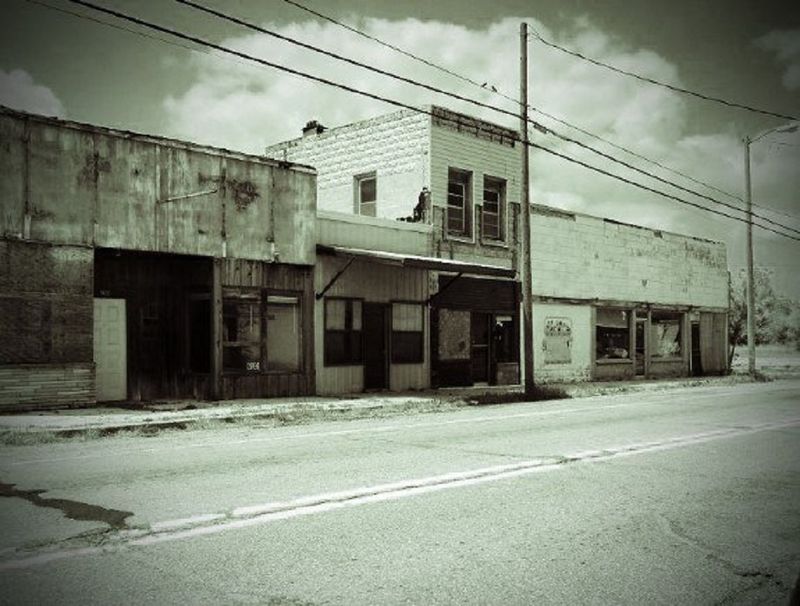
Close your eyes and try to hear it. Wagons, workers, chatter on the sidewalks, and the constant hum of an industry that never seemed to slow down.
A town that stands as a national mining hub for over a century naturally becomes a magnet for people. Workers needed homes, families needed groceries, and everybody needed a place to gather.
Main streets in boom towns like this one typically filled with shops and services to keep pace with all that energy.
The phrase former city tells us Picher reached a real size and status. It was not merely a camp of tents next to a dig site.
It held the official standing of a city, with the organized community life that comes with that title.
Here is where imagination comes in handy for visitors. The quiet you notice today stands in sharp contrast to the busy days when the town’s name meant opportunity.
Many travelers say that contrast is exactly what makes a stop here so memorable.
Boomtown history is part of the larger Oklahoma pride story. Hardworking people built something impressive in an unlikely corner of the state, and that grit deserves a nod every time the name comes up.
When the Mines Fell Silent
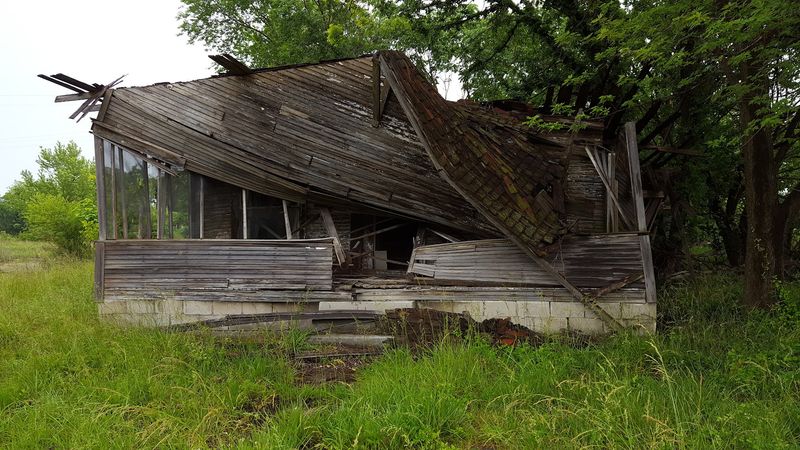
Every boom carries a hidden expiration date. For Picher, the end of its long mining run marked the start of a very different chapter.
Mining towns rely on what is under the ground. Once a region’s main industry winds down, the jobs that supported families tend to shrink, and the businesses that served those families feel the squeeze too.
It is a pattern seen in mining communities across the country.
Picher’s story followed that general arc from busy hub to quiet ghost town. The community that once stood at the center of a famous district eventually lost the population that kept it going.
Over time, a city became a former city.
What makes this shift so fascinating is the sheer scale of the change. Places that were small to begin with can fade without much notice.
A town that was a major national center does not slip away quietly, and people keep talking about it long after the last whistle.
For travelers who love stories with a twist, this is the turning point. The same ground that brought prosperity for generations ended up shaping the town’s emptiness, a reminder that history rarely moves in a straight line.
From City Limits to Ghost Town Status
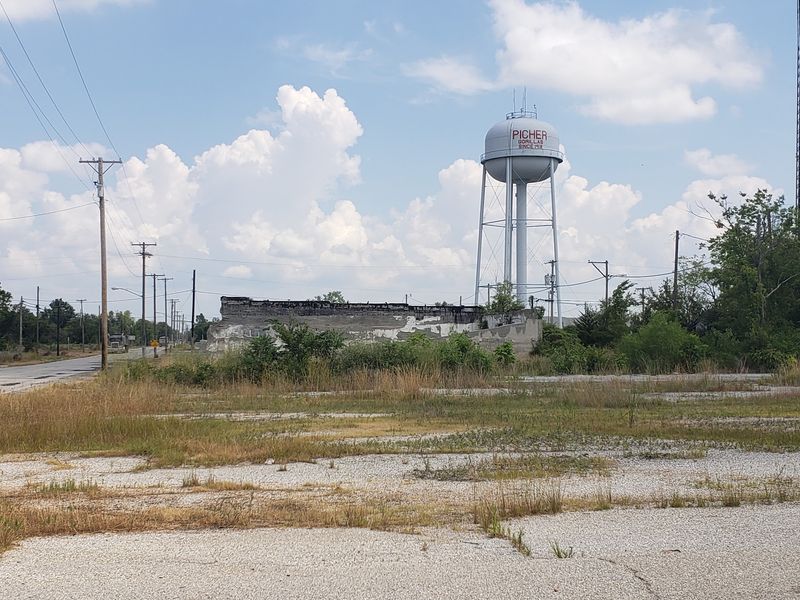
Ghost town. Two simple words that send a little shiver down the spine of any road-tripper.
Picher now officially carries that label, and it explains the town’s odd fame. It still appears on maps and still holds its ZIP code, yet the community that once filled those streets has largely moved on.
That gap between the name on the map and the reality on the ground is what earns it the empty map dot reputation.
Plenty of Oklahoma towns have shrunk over the decades. Very few went from being a nationally important mining center to a recognized ghost town.
That dramatic fall is the reason history fans, photographers, and curious drivers keep adding it to their lists.
Visitors often describe a strange feeling when they roll through. The layout hints at a full town, yet the energy feels paused.
Some compare it to walking onto a movie set after the crew has gone home.
Keep in mind that ghost town does not mean free-for-all. Land and remaining structures may still belong to someone, so stick to public roads and respect any posted signs.
Quiet curiosity goes a long way in places like this.
Eerie Calm and Local Lore
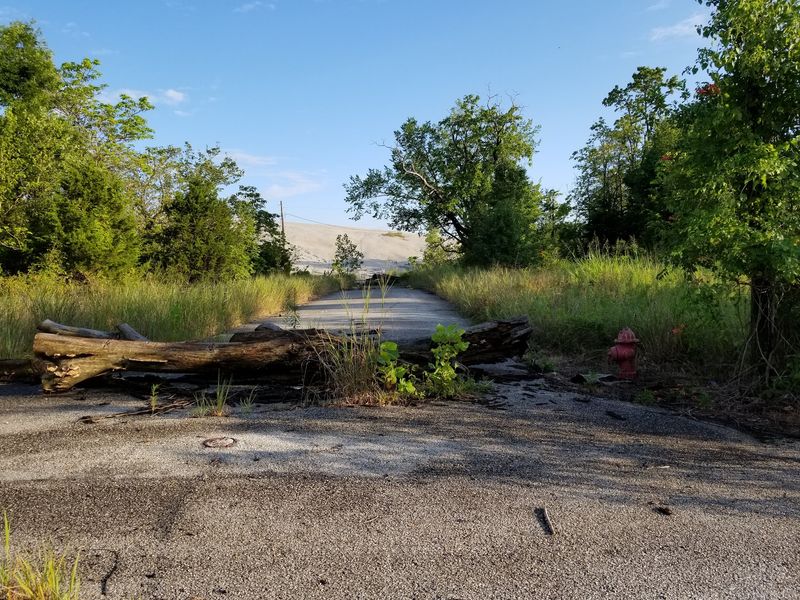
Silence has a sound out here, and it is louder than you might expect. Wind in the grass, a distant bird, and not much else.
Ghost towns naturally attract stories, and Picher is no exception. Locals and travelers alike swap tales about the strange stillness and the feeling of being watched by empty lots.
Treat those as local lore rather than proven fact, but they certainly add flavor to a visit.
Fall is when this kind of place really shines. Cooler air, early sunsets, and changing leaves give the area a moody glow that fits its reputation perfectly.
Mystery lovers often plan trips around that season for maximum atmosphere.
Even without spooky stories, the calm itself is the main attraction. It is rare to stand in a spot that once buzzed with a whole city’s worth of life and hear almost nothing.
That quiet invites reflection on how quickly fortunes can change.
Bring a notebook or a camera and let the setting speak for itself. Many visitors say they came for the oddity and left thinking about the people who once called this corner of Oklahoma home.
Who Will Love a Trip Here
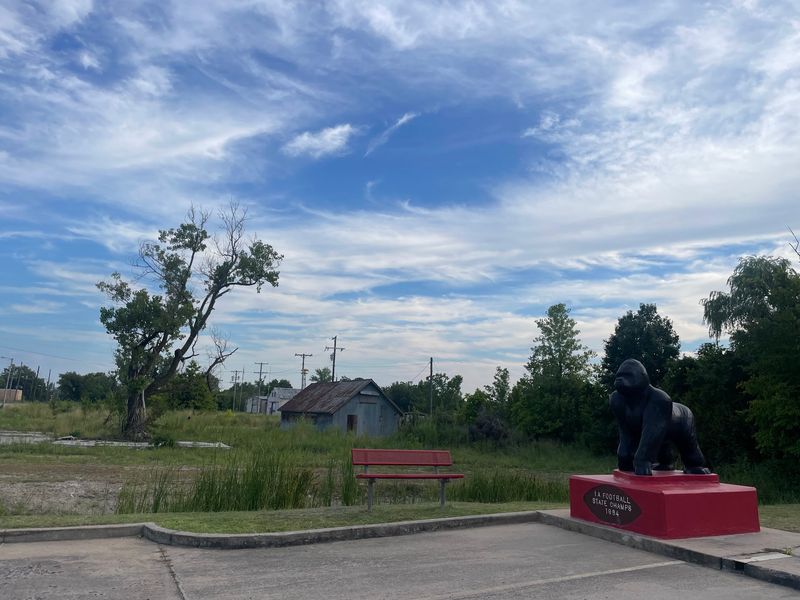
History buffs, this one is calling your name. A century-long mining story packed into one small corner of Oklahoma offers plenty to chew on.
Photographers tend to adore spots like this as well. Wide skies, quiet roads, and the lingering outline of a former city create images that feel both lonely and beautiful.
Golden hour adds an extra dose of drama.
Road-trippers chasing the quirky side of the state will find a perfect stop too. It is not a polished attraction with gift shops and ticket booths.
Instead, it is raw, unusual, and the kind of place you will be describing to friends for weeks.
Families with older kids can turn a visit into a living history lesson. Talking about how lead and zinc shaped a town, and how a town can fade, makes classroom topics suddenly feel real.
On the flip side, travelers hoping for restaurants, guided tours, or lively crowds may want to pair this stop with a nearby town. Picher rewards the curious and the patient.
If you enjoy filling in a story with your own imagination, you are exactly the right audience.
Finding Your Way to the Northeast Corner
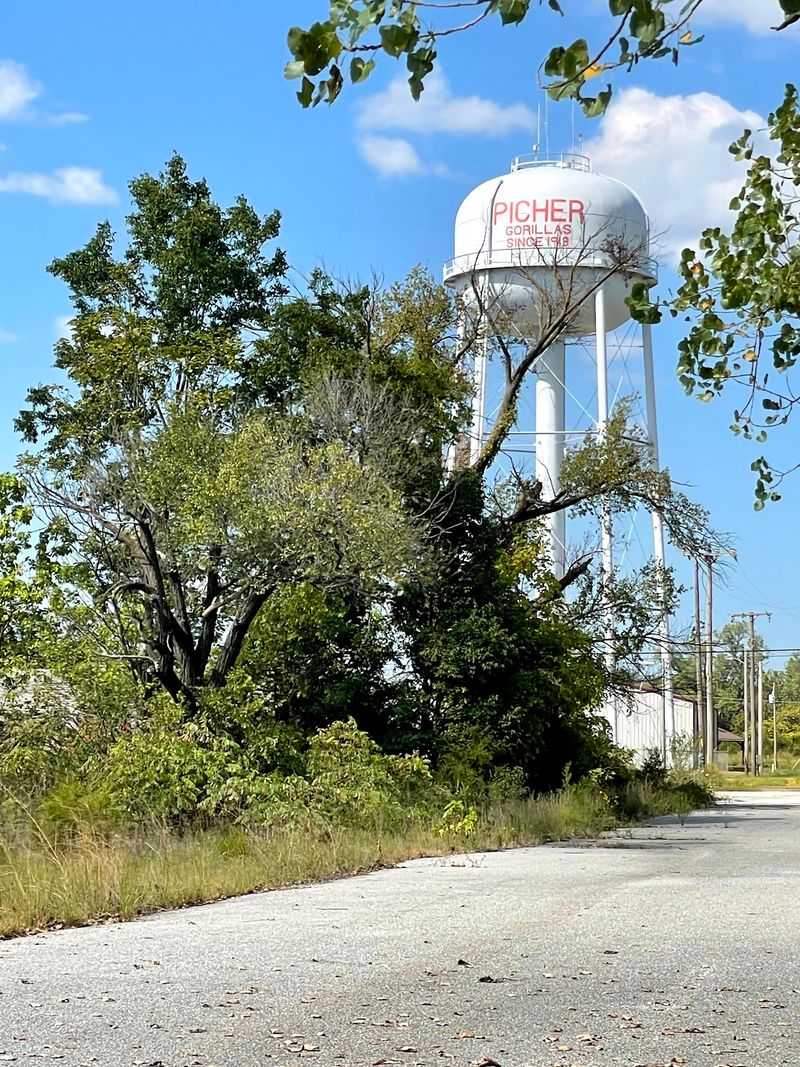
Navigation is refreshingly simple. Punch in Picher, Oklahoma 74360, or use the coordinates 36.9870116, -94.8307844, and your map app will guide you to the old town site.
The location sits in Ottawa County in the far northeastern part of the state. That makes it a natural add-on for anyone already exploring this corner of Oklahoma or crossing between neighboring states in the Tri-State region.
Plan your fuel and snacks before you arrive. A ghost town is not the place to count on finding open shops or gas stations, so stocking up in a nearby community is a smart move.
Bring water too, especially on warm days.
Cell signal can be unpredictable in rural areas, so downloading an offline map ahead of time is a helpful backup. It also saves battery for all the photos you will want to take.
Give yourself a little extra time. Rolling slowly through the area lets you notice details that fly past at highway speed.
Many travelers say the quiet drive itself becomes part of the memory, turning a quick detour into one of the more surprising stretches of their Oklahoma road trip.
Hours, Costs, and Visiting Etiquette
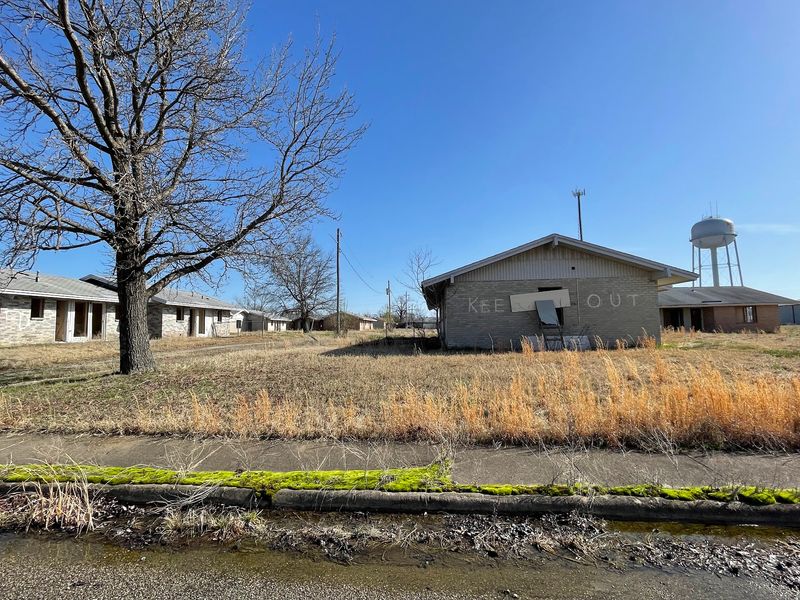
Good news for budget travelers: there is no ticket booth here. Picher is a former city rather than a run attraction, so no official hours or admission prices are listed.
That freedom comes with responsibility. Since this is a real place with real history, treat it with the same respect you would show any community.
Stick to public roads, avoid entering structures, and pay attention to any posted signs.
Daylight visits are the wisest choice. Better visibility helps you spot uneven ground and makes photography easier.
Arriving in the morning or late afternoon also tends to give the best light for capturing the open landscape.
Leave no trace, just like you would on a hiking trail. Pack out every wrapper and water bottle, and resist the urge to take souvenirs.
Everything left behind is part of the story that future visitors deserve to see.
Because conditions in former mining areas can change, checking current local guidance before your trip is a good idea. A quick look at county or state resources can help you plan safely.
A respectful, careful visit keeps the experience positive for everyone, including the people who still care deeply about this place.
Why the Name Still Echoes Across Oklahoma
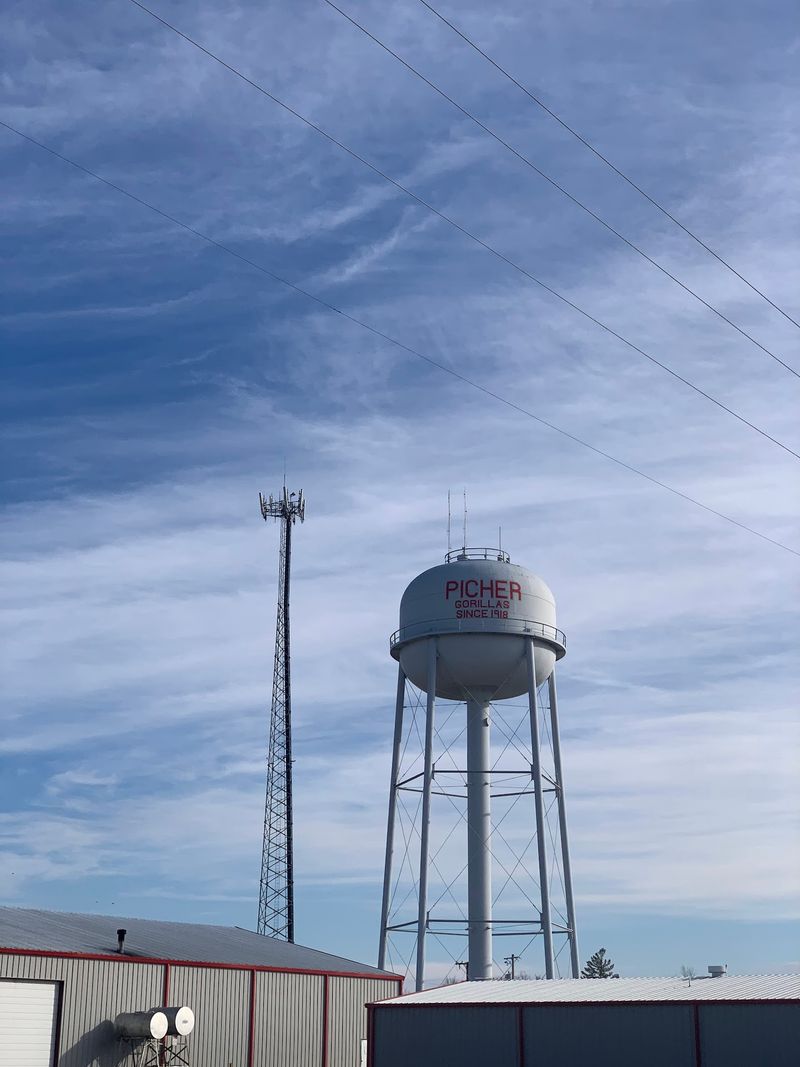
Ask around the state and you will be surprised how many people recognize the name. For a place with so few residents, Picher holds an outsized spot in Oklahoma’s memory.
Part of that comes from its role in national history. Being a major center of lead and zinc mining for over a century means its influence stretched well beyond Ottawa County.
Materials pulled from this ground helped keep industries moving across the country.
Another part comes from the drama of its story. People are naturally drawn to tales of rise and fall, and few Oklahoma towns have such a clear before and after.
The empty map dot nickname captures that contrast in a way that sticks.
There is also a sense of pride wrapped up in the memory. The workers and families who built this community represent the grit that Oklahomans love to celebrate.
Remembering them keeps their effort from fading along with the streets.
Every time someone looks up the coordinates or plans a detour, the story gets another breath of life. In a way, curious visitors have become the newest caretakers of the town’s legacy.
A Detour Worth Taking
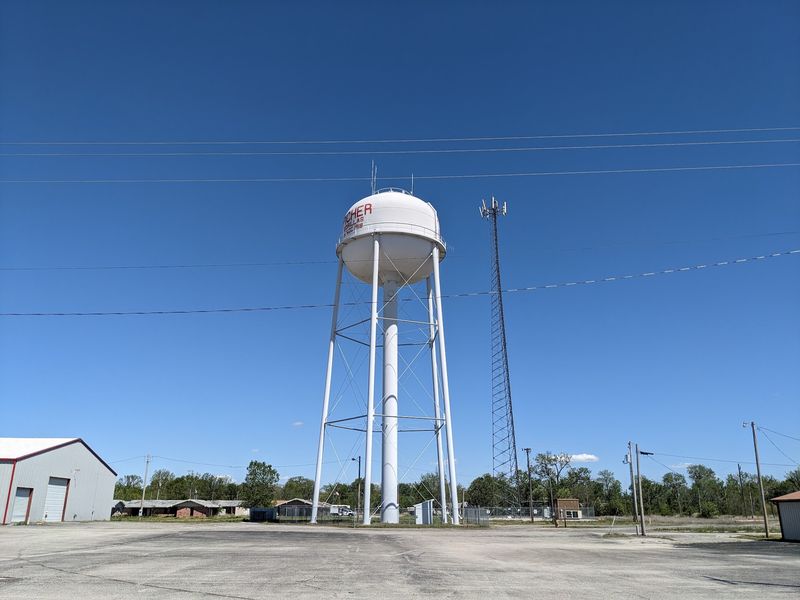
So, should you go? If your idea of a great road trip includes a little mystery and a lot of history, the answer leans toward yes.
Picher will not wow you with flashy attractions or busy streets. Its charm is quieter and stranger than that.
You come for the story of a former city that sat at the center of the Tri-State Mining District, and you leave with a fresh appreciation for how much can change in one lifetime.
Pair it with other stops in northeastern Oklahoma to round out the day. A morning of exploring here followed by lunch in a livelier nearby town makes for a balanced adventure.
Autumn visits add extra atmosphere for anyone who loves an eerie mood.
Above all, travel with respect. The empty lots and quiet roads were once someone’s neighborhood, school route, and workplace.
Treating the area kindly honors the generations who built it.
Some places shout for your attention. Others whisper and wait for the curious to notice.
This little dot on the Oklahoma map belongs firmly in the second group, and that is exactly why it is so hard to forget.
Share this story