A small place in Monmouth County has the kind of story that makes people slow down, look twice, and talk a little more quietly. It is not a grand landmark with polished monuments or a long list of tour stops, and that is exactly why it stays with people.
The strange pull comes from numbered markers, local ghost talk, and the uneasy feeling that a forgotten corner of New Jersey still asks to be noticed. Keep reading, because this is less about a scare and more about why a plain cemetery can feel heavier than any haunted headline.
A Quiet Cemetery On CR-520
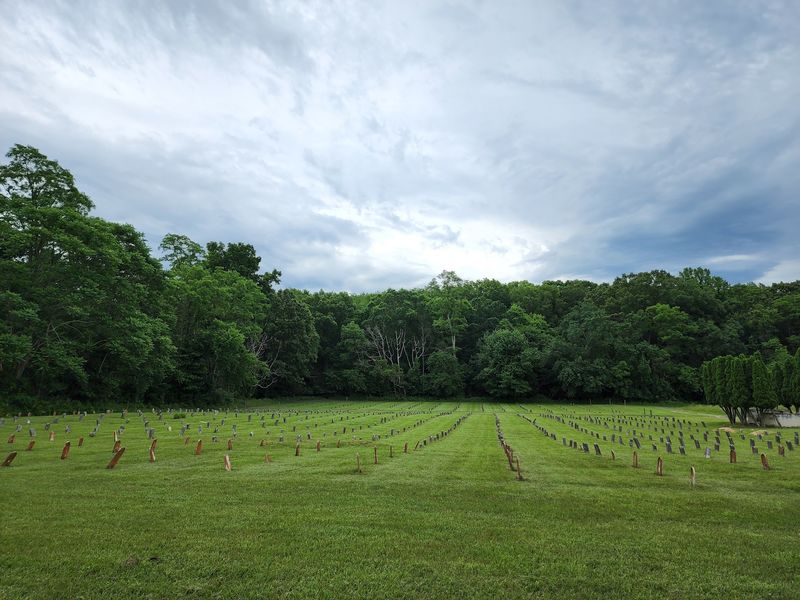
Some New Jersey places announce themselves with signs, crowds, and a plan for the day. State Hospital Cemetery is much more restrained, sitting at CR-520, Marlboro Township, NJ 07746, in Monmouth County, New Jersey, United States.
The map listing identifies it simply as a cemetery, which fits the plain truth of the site. Its address places it in Marlboro Township, a community many local drivers know more for roads, neighborhoods, and errands than for eerie side stories.
That contrast gives the place its pull. A regular New Jersey route carries people near a site tied to numbered graves, online ghost chatter, and a mood that has made the cemetery stand out far beyond its small footprint.
The cemetery has a public map presence, and the shared comments attached to it are unusually pointed. People describe it as spooky, small, forgotten, and sad, while also treating it as a strange place to check out rather than a polished attraction.
Nothing in the available listing turns it into a formal tourist stop. That matters, because the most useful way to understand State Hospital Cemetery is as a real cemetery first and a curiosity second.
The Numbered Markers That Change The Mood
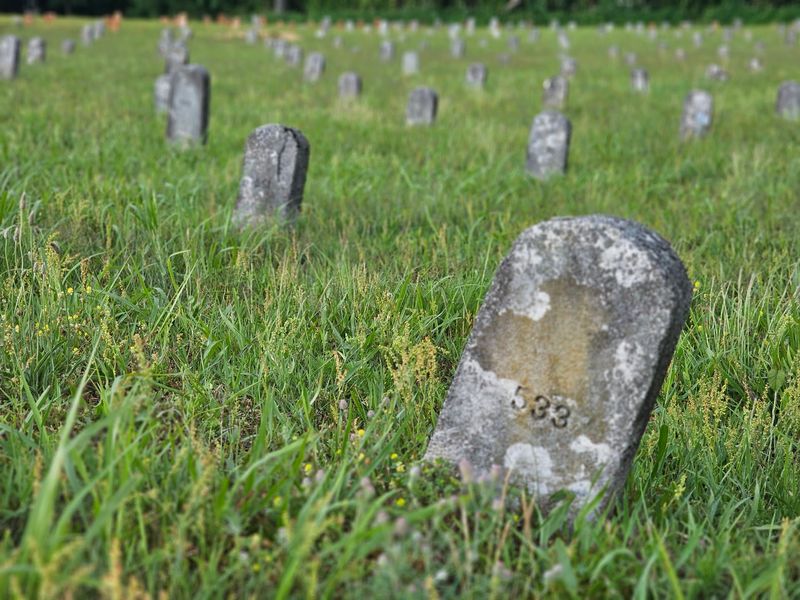
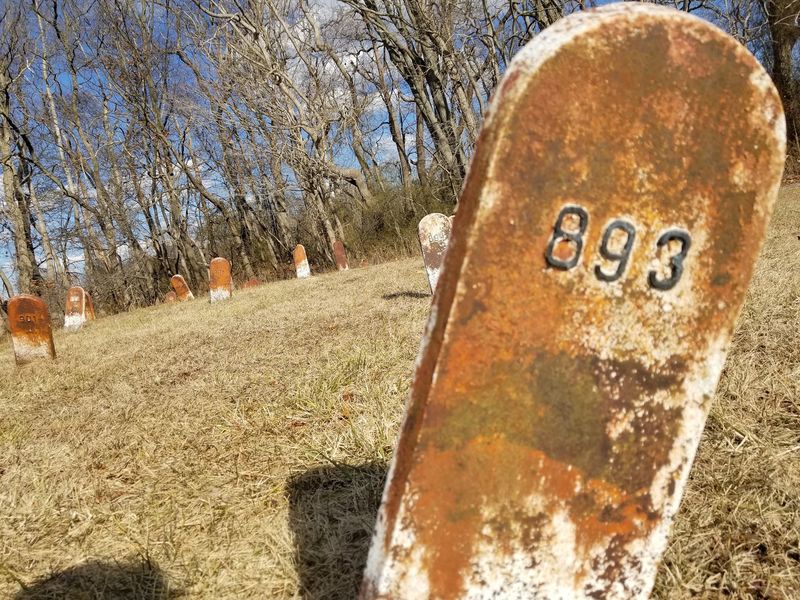
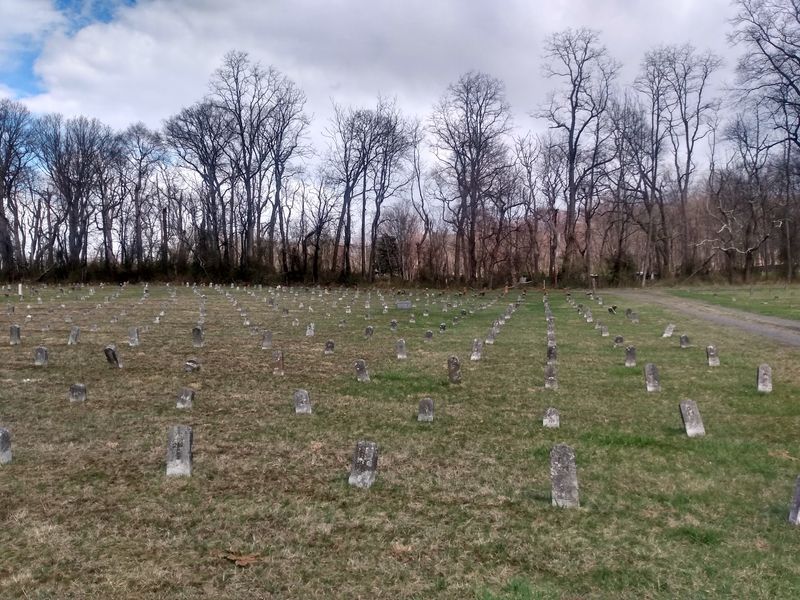
Numbers can feel colder than names, and that is the detail that makes this cemetery linger in local talk. The title attached to the place points to 900 numbered graves, and that framing explains why the site feels different from a cemetery lined with family stones and familiar inscriptions.
A numbered marker does not give a passerby much of a story. It does not share a favorite name, a family connection, or the sort of personal line that helps strangers understand who is remembered there.
That absence is what gives the ghost stories a sadder edge. The spooky part may grab attention first, but the numbered graves steer the mind toward the people connected to the site and the ways a life can become reduced to a system.
Available public comments do not provide a complete historical record, so the honest approach is to stay careful. The cemetery is tied in public discussion to an abandoned hospital nearby, and the numbered markers are the standout feature people connect with its atmosphere.
For New Jersey locals, the place lands as a reminder that not every historic stop has a museum label. Sometimes the most memorable detail is a number where a name might be expected.
Ghost Stories With A Sad Center
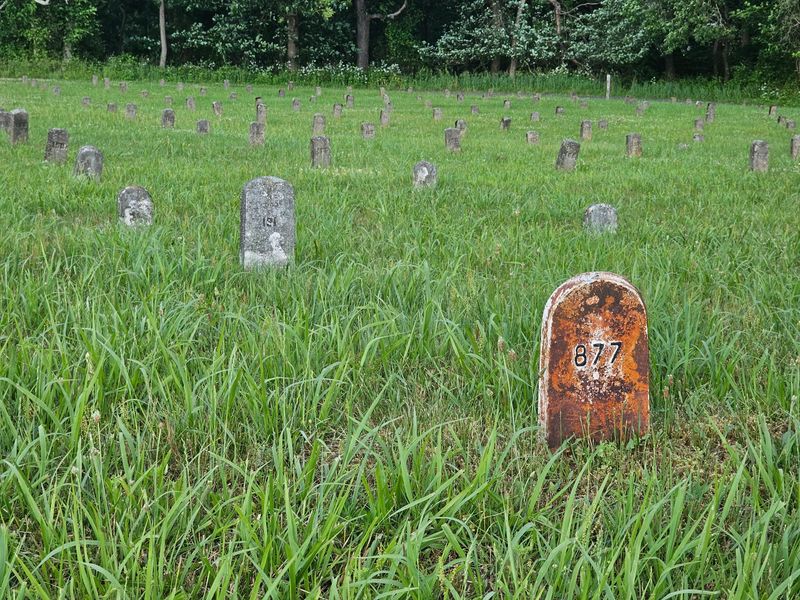
Local ghost talk has a way of sprinting ahead of the facts, especially when an abandoned hospital is part of the background. State Hospital Cemetery has become one of those places where people mention ghouls, ghosts, and odd photos in the same breath as a quick stop on a New Jersey drive.
One public comment describes finding the cemetery at night as one of the spookiest encounters the writer had experienced. The same comment mentions tales of ghouls and ghosts and photos with creepy orbs, which is exactly the sort of detail that keeps a place circulating in local lore.
The stronger story, though, is not just the thrill-seeking part. A small cemetery with numbered graves gives those ghost stories a different weight, because the setting is not a prop and not a seasonal attraction.
That balance is important for anyone curious about going. The folklore may be what gets people searching the map, but the cemetery asks for a calmer kind of attention once the page loads and the address becomes real.
New Jersey has plenty of places with spooky reputations. This one stands apart because the sadness is not decoration, and the hush around the numbered markers does most of the talking.
The Nearby Abandoned Hospital Connection
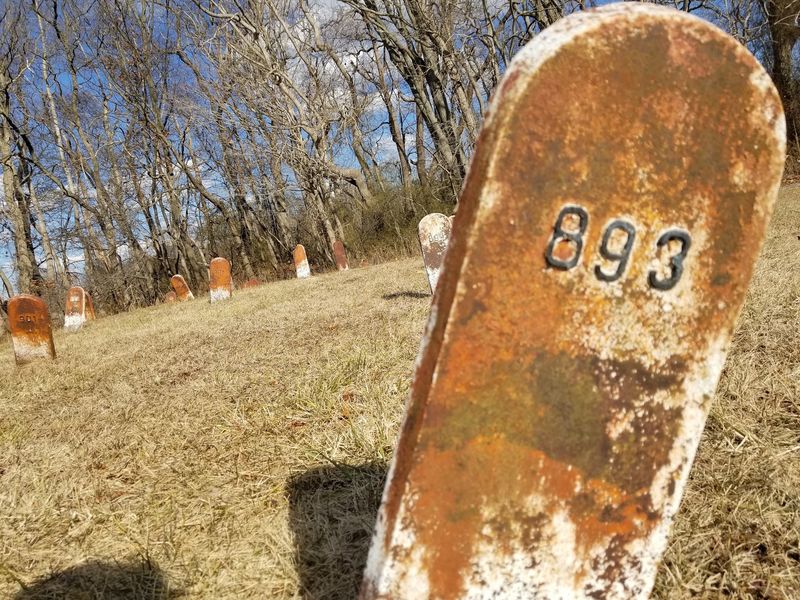
A sharp little clue sits inside the public comments: the cemetery is described as being next to an abandoned hospital. That nearby connection is one reason the place draws curiosity from people who follow New Jersey oddities, forgotten sites, and unusual map finds.
The available information does not give enough detail to build a full hospital history here. What can be said responsibly is that the cemetery’s public identity is tied by commenters to an abandoned hospital nearby, and that connection shapes how people talk about it.
Hospital-adjacent cemeteries carry a different kind of public interest than ordinary community burial grounds. The setting suggests institutional history, and the numbered markers strengthen that impression without needing extra embellishment.
One comment even wonders why the cemetery has a better public reception on the map than the abandoned hospital next to it. The remark is casual, but it points to something real: the cemetery has become a more focused object of attention than the larger site around it.
Curiosity is fair, but boundaries matter. The cemetery can be understood from the information available without turning the nearby abandoned property into a dare, which is a good rule for both safety and basic respect.
Small Forgotten And Sad
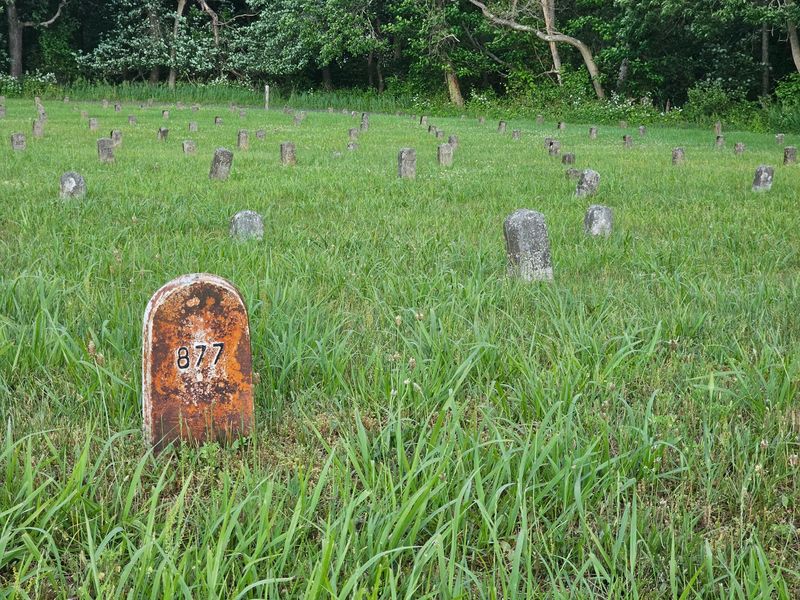
Three words from the public map comments explain the emotional core better than a long brochure could: small, forgotten, and sad. That simple description has become part of the cemetery’s public identity because it matches the plainness of the place.
Grand cemeteries can distract with architecture, famous names, and carefully planned paths. State Hospital Cemetery appears in public discussion as the opposite, a modest site where the lack of grandeur becomes the main thing people remember.
The sadness comes from scale as much as story. A small place with many numbered graves creates a tension between how little is visible and how much seems to be represented by those markers.
That is also why the ghost chatter can feel secondary after a few moments of thought. The better question is not whether a photo shows an orb, but why so many people connected to a site like this are represented in such a restrained way.
New Jersey is full of history tucked behind ordinary roads and everyday errands. State Hospital Cemetery fits that pattern in a sharper way, because its quietness does not feel decorative, and its plain markers do not ask for attention so much as deserve it.
Marker 666 And The Strange Fame Problem
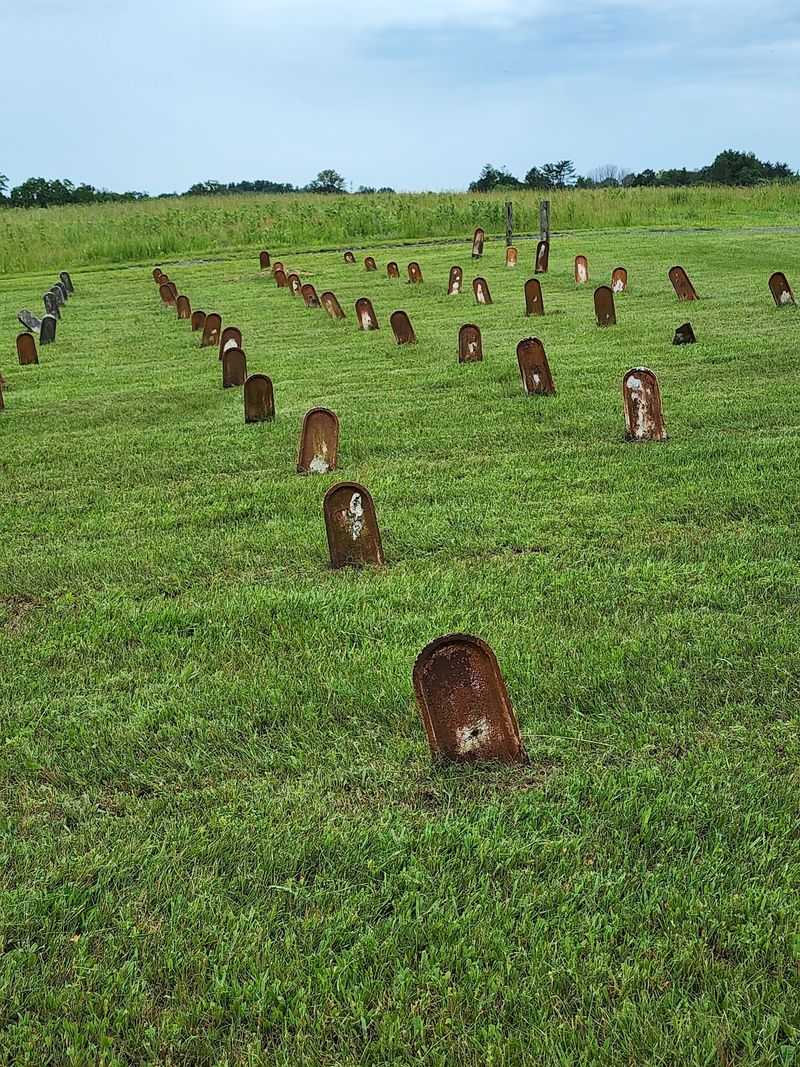
Odd fame can be unhelpful, and the story of marker 666 proves the point. A public comment says it was unfortunate that someone stole marker 666, a detail that reveals how quickly spooky curiosity can slip into disrespect.
The number itself likely attracted attention because it carries a built-in pop-culture charge. In a cemetery already linked to ghost stories, a marker with that number would naturally become a magnet for the wrong kind of souvenir thinking.
That is the part worth slowing down for. A marker is not a prop, and taking one removes a piece of the site’s already limited way of acknowledging who is there.
The comment attached to the missing marker is frustrated and pointed, but the takeaway is broader than one object. When a place becomes known online for spooky reasons, the people behind the place can get pushed out of the frame.
State Hospital Cemetery works best as a stop for people who can handle curiosity without treating the site like a scavenger hunt. The numbered markers are the story, and leaving them alone is the bare minimum for keeping that story intact.
A Map Listing With Unusual Reactions
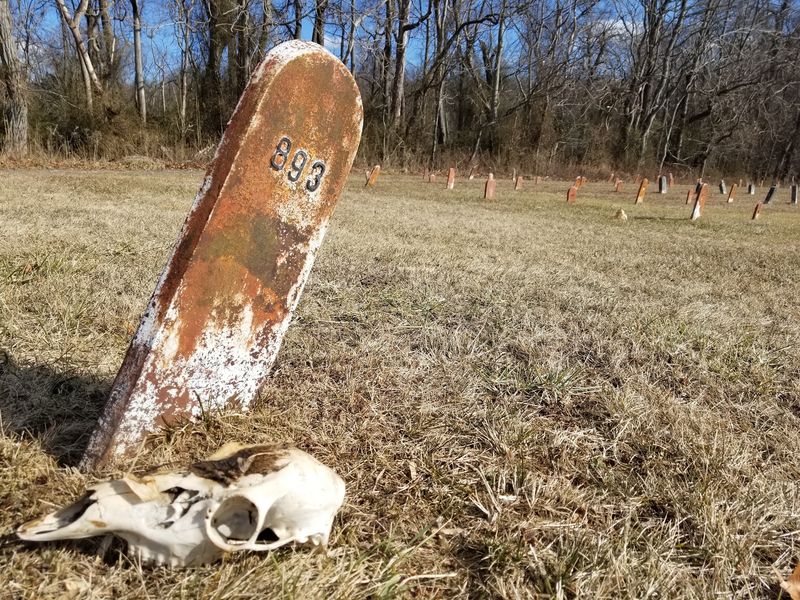
Most cemetery map pages are fairly uneventful. State Hospital Cemetery’s listing is different because the comments read like a tiny local message board full of ghost talk, frustration, dark humor, and plain sorrow.
The public listing shows a 4.4-star score from seven posted comments. That number is less interesting than the range of reactions, which swing from high marks and curiosity to one sharply negative experience connected to claims about the hospital setting.
Several entries are brief, and a couple carry no written text at all. The written ones, however, are enough to show how the cemetery has picked up a public personality far bigger than its size.
People mention spooky encounters, ghouls, ghosts, orbs in photos, the stolen marker, the nearby abandoned hospital, and the site’s sad forgotten quality. That is a strange amount of character for a place identified simply as a cemetery on CR-520.
Readers should treat those comments as impressions, not verified history. Still, they help explain why a small cemetery in Marlboro Township has become the kind of New Jersey place people search for after hearing only one odd detail.
A Place For Patient Curiosity
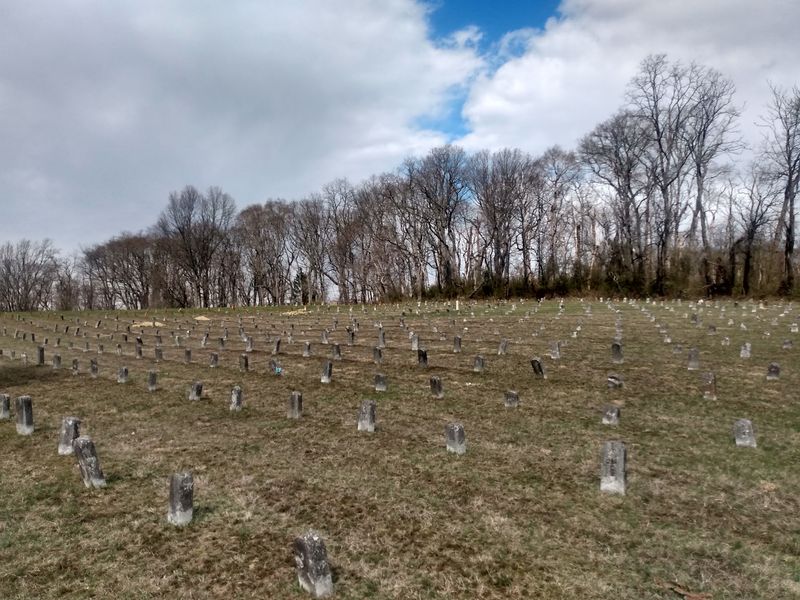
Not every curious stop needs a full afternoon, and not every strange place should be treated like entertainment. State Hospital Cemetery suits people who are interested in local history, offbeat New Jersey map finds, and quiet places that raise questions without supplying easy answers.
The cemetery does not have a listed museum, tour route, or interpretive program in the provided public data. That means a potential stop should be approached with modest expectations and a respectful mindset.
Its appeal is narrow but real. People drawn to cemetery symbolism, abandoned hospital lore, or overlooked Monmouth County sites may find it worth knowing about, especially because the numbered markers are so unusual in public conversation.
Thrill-seekers looking for a scare checklist may miss the point. The site’s reputation includes ghost stories, but its emotional center is the plain marker system and the feeling that the people connected to it were not given the kind of public memory many expect.
That makes State Hospital Cemetery more suited to thoughtful curiosity than spectacle. New Jersey has enough loud attractions; this one asks for a lighter footprint and a little restraint, which may be the most underrated travel skill of all.
Respect Before Spooky Chatter
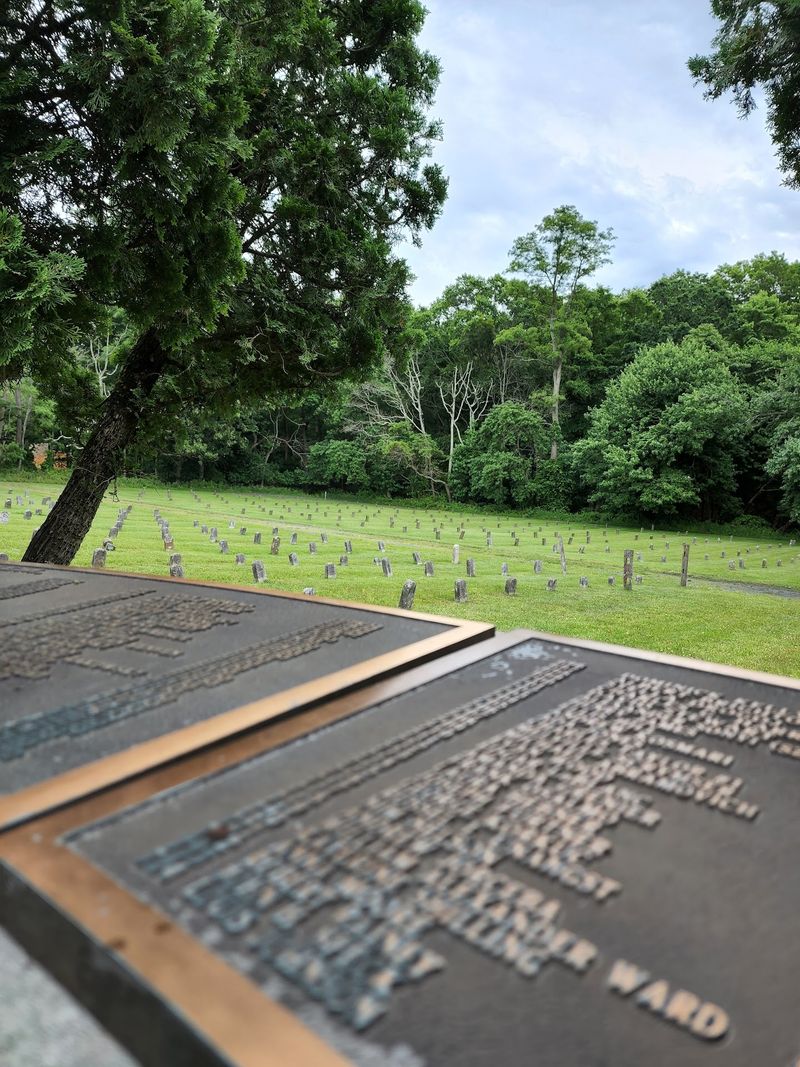
A cemetery with ghost stories still remains a cemetery. That sentence may sound obvious, but State Hospital Cemetery’s public comments show why it needs saying.
The missing marker 666 detail is a reminder that attention can harm a small place when people treat it like a novelty. The same public chatter that makes the cemetery searchable can also make it vulnerable to careless behavior.
Respect here does not require a complicated code. Stay mindful of the setting, do not disturb markers, do not remove anything, and remember that online curiosity should never outrank the purpose of the grounds.
The cemetery’s numbered graves already carry a sense of reduced identity. Adding damage or theft to that story only makes the place feel more neglected.
There is still room for curiosity, and there is nothing wrong with learning about strange local spots. New Jersey’s overlooked places often survive because people care enough to notice them, but the caring part has to be more important than the spooky part.
State Hospital Cemetery is most compelling when approached as a site of memory with an eerie reputation, not the other way around. That small shift changes the entire experience.
Practical Notes For A Careful Stop
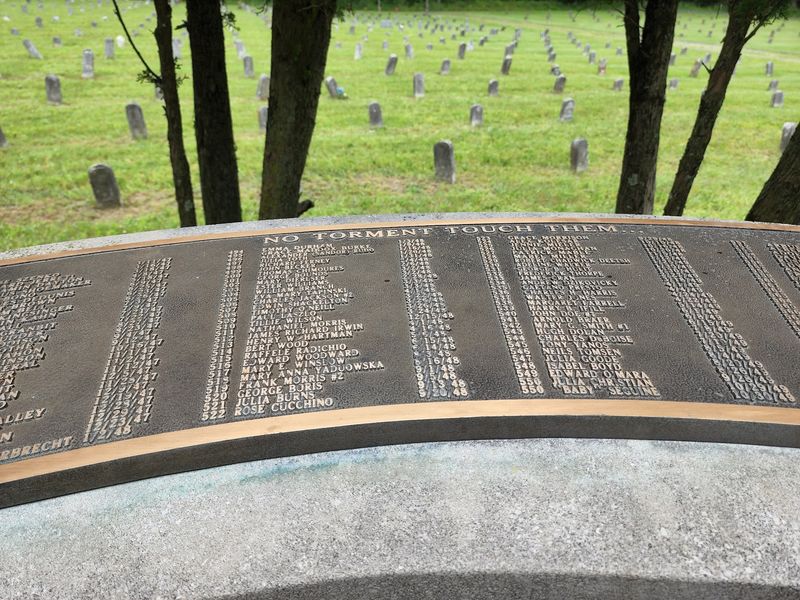
Useful planning information for State Hospital Cemetery is limited in the provided public listing, so the smartest advice is to keep expectations simple. The map identifies the place as a cemetery at CR-520, Marlboro Township, NJ 07746, but no official hours are included in the supplied data.
No admission fee is listed in the provided information. That does not automatically mean the site operates like a staffed public attraction, only that the available listing does not show a price.
Getting there is best understood through the address rather than a broad tourist route. CR-520 is the key location detail, and the cemetery’s map presence makes it searchable for people already moving through Marlboro Township or nearby Monmouth County communities.
Because the comments mention discovering it at night, some readers may be tempted to copy that approach. The responsible choice is to avoid turning a cemetery visit into a late-night stunt, especially when the place is small and tied to concerns about missing markers.
There is no provided information about parking, restrooms, guided access, or staff on site. Treat the stop as brief, cautious, and centered on observation rather than activity, which is a practical plan and a decent human one.
Why New Jersey Locals Notice It
New Jersey residents have a good radar for places that outsiders overlook. State Hospital Cemetery fits that category because it is not flashy, not polished, and not trying to become the next must-post stop.
The state is often flattened into easy jokes about highways and shore traffic, but places like this show another layer. A small cemetery in Marlboro Township can carry institutional history, local folklore, and an online afterlife without needing a ticket booth or a gift shop.
That local pull comes from recognition. Many New Jerseyans know the feeling of passing something ordinary for years, then learning it has a story that changes the way the area looks on a map.
State Hospital Cemetery also reflects how local memory works now. A few public comments, a strange marker detail, and a connection to an abandoned hospital are enough to keep a place circulating in conversations among people who enjoy nearby discoveries.
The site is not presented in the provided data as restored, interpreted, or heavily promoted. Its appeal comes from the opposite condition, which is why it feels like the kind of New Jersey place people quietly defend once they learn it exists.
A Soft Verdict On The Numbered Graves
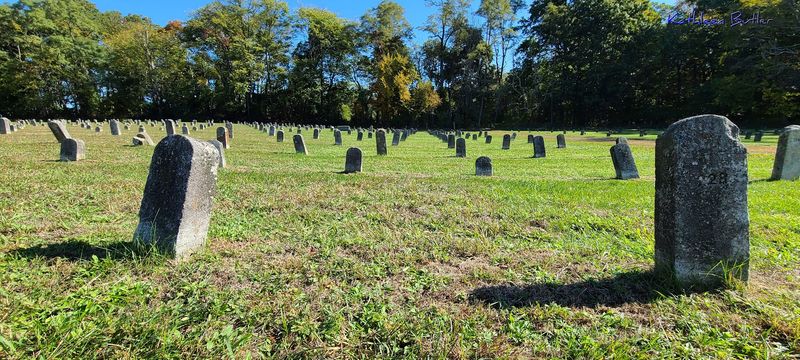
State Hospital Cemetery is not an easy place to package, and that is probably for the best. Its public story blends numbered graves, ghost talk, a nearby abandoned hospital, a missing marker, and a sadness that shows up even in the briefest comments.
The cemetery’s main lesson is not that New Jersey has another spooky stop. The better takeaway is that a small place on CR-520 can hold enough mystery and unease to make people think more carefully about memory, respect, and what gets left behind.
Curious locals may find it worth knowing about, especially if they are drawn to unusual Monmouth County sites and understated history. The stop should be brief, careful, and grounded in the understanding that the markers are not props for a story someone else invented.
The ghost stories may be what bring readers to the map, but the numbered graves are what make the story stay. In a state full of underestimated corners, State Hospital Cemetery proves that the quietest places can carry the heaviest questions.
That is the soft verdict: go only with respect, leave everything as it is, and let the sadness matter more than the scare.
Share this story