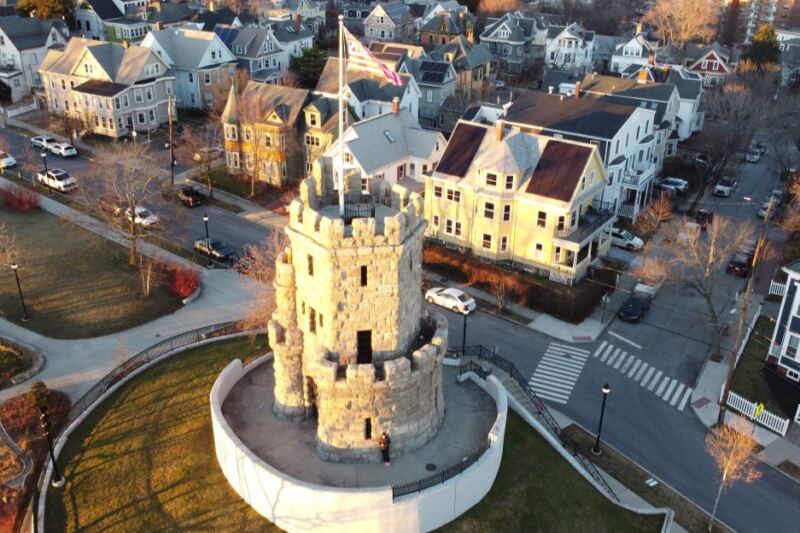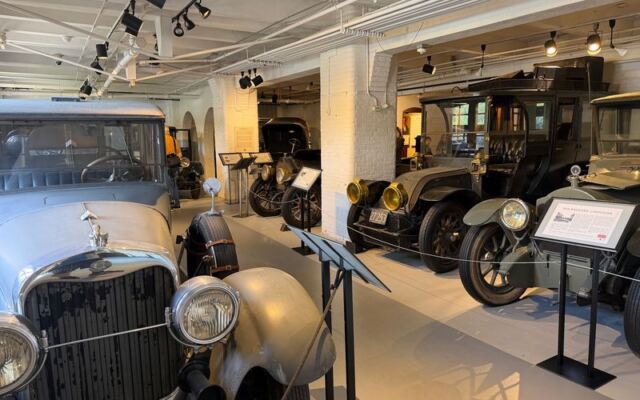
A car built before 1900 sits inside a horse stable designed to look like a French château. That fact alone made me stop scrolling.
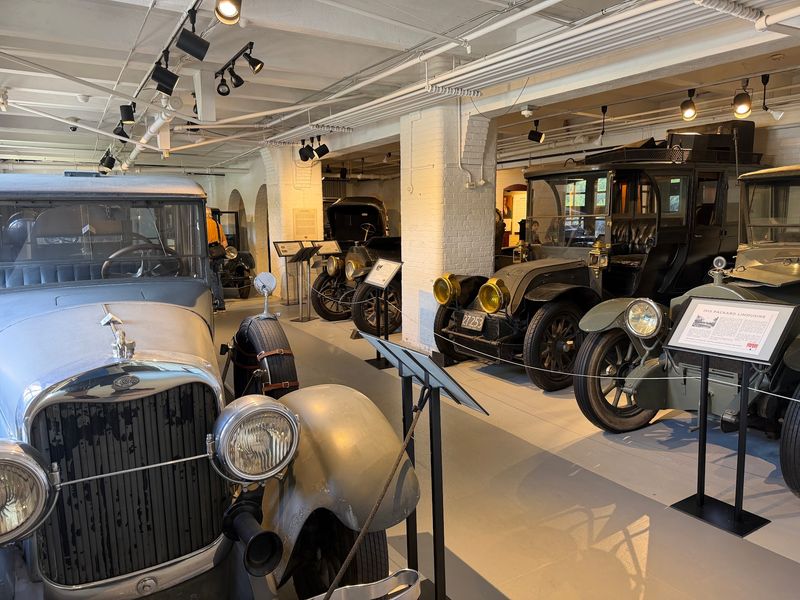
The collection includes original vehicles kept in their unrestored state, plus vintage bicycles from the early days of the road.
I like how the building steals almost as much attention as the cars. It began life as a carriage house and stables.
A small tack room display still nods to that horse-powered past.
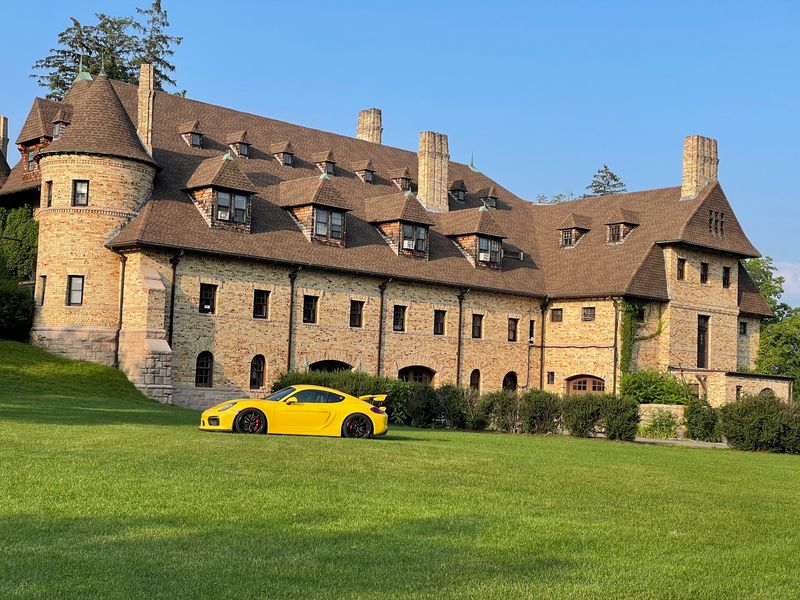
Then there’s the lawn. During warmer months, dozens to hundreds of interesting vehicles can roll onto a grassy hill with views for miles.
Some of those gatherings, like Cars and Coffee, cost nothing to enjoy.
I can’t imagine an easier way to feel like an in-the-know local in Massachusetts. Old cars, a fairy-tale building, and a hilltop park in one stop?
So why do so many people drive right past it?
A Car Museum Living Inside a Storybook Carriage House
Horses once lived here, and now engines do. The Larz Anderson Auto Museum fills a château-style Victorian carriage house with antique motors and vintage bicycles.
It sits in Brookline, Massachusetts, just outside Boston. That makes it one of the easiest car-history outings in the Greater Boston area.
The museum describes itself simply as a home for an antique car and vintage bicycle collection. That modest label undersells the setting.
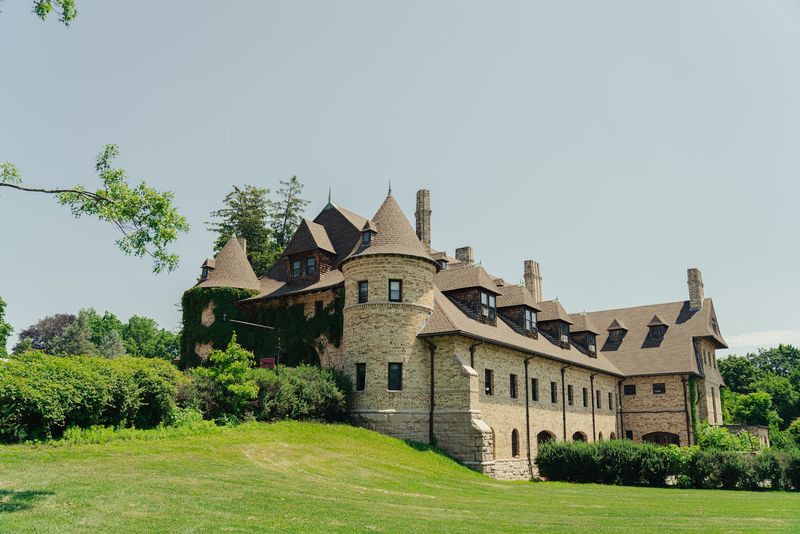
The building looks more like something from the French countryside than a garage.
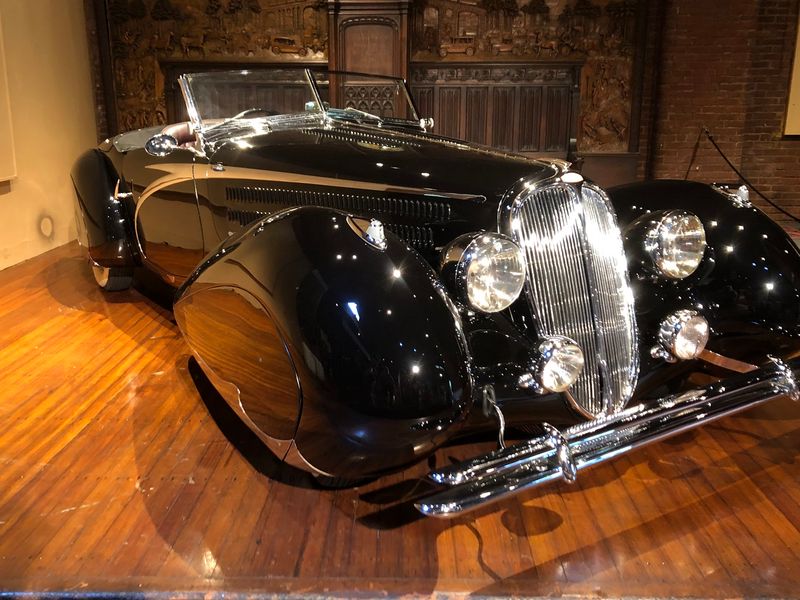
Inside, the displays spread across two floors. Historic vehicles share space with newer cars, so the timeline stretches from the earliest horseless carriages to far more modern machines.
The collection is not enormous, and that works in its favor. You can take your time with each car instead of racing through endless halls.
Many people spend about two hours reading the history and the vehicle descriptions.
Car fans will obviously feel at home. Still, the museum aims its storytelling at everyone, including folks who couldn’t name a carburetor if you paid them.
The early history of cars and bicycles in America gets explained clearly here.
Consider it a small museum with a big personality and a seriously good roof line.
The Andersons and Their Early Love of the Open Road
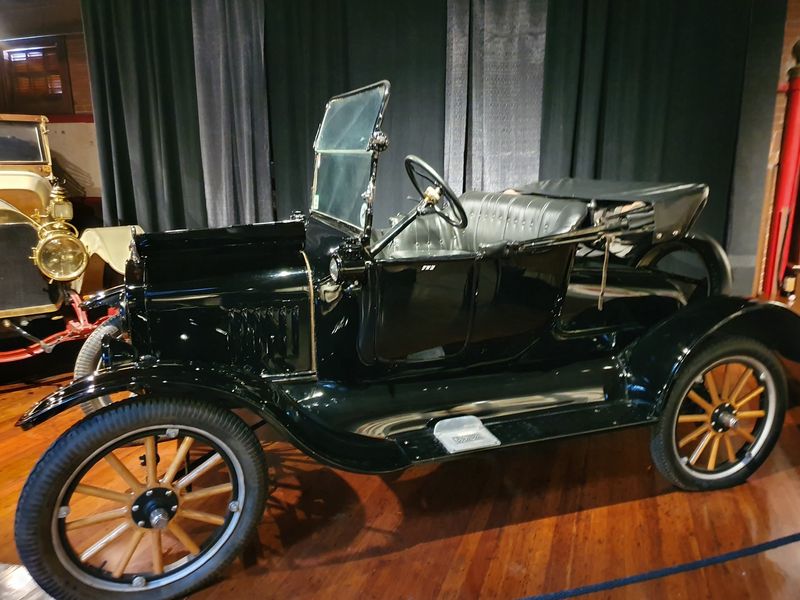
Long before road trips were a thing, the Anderson family was collecting cars. Their story forms the backbone of what you see inside today.
The museum shares the history of the Andersons’ lives alongside their automobiles and bicycles. You get a sense of who they were, not just what they drove.
That personal angle makes the collection feel warmer than a typical showroom. Each vehicle connects back to real people who bought, used, and kept these machines.
Fourteen original vehicles from the family remain part of the experience. Seeing them together feels a bit like flipping through a family photo album, only with wheels and brass lamps.
The family also left behind the grounds that surround the museum. Today that land is known as Larz Anderson Park, a public space that people across Massachusetts enjoy.
History lovers will appreciate how the exhibits tie the cars to their era. The early 1900s come alive through the vehicles, the memorabilia, and the descriptions posted beside them.
Read slowly here. The little placards carry a lot of charm.
By the end, the Andersons may feel less like strangers and more like eccentric neighbors with very good taste in transportation.
Turrets, Brick, and a Building That Deserves Its Own Ticket
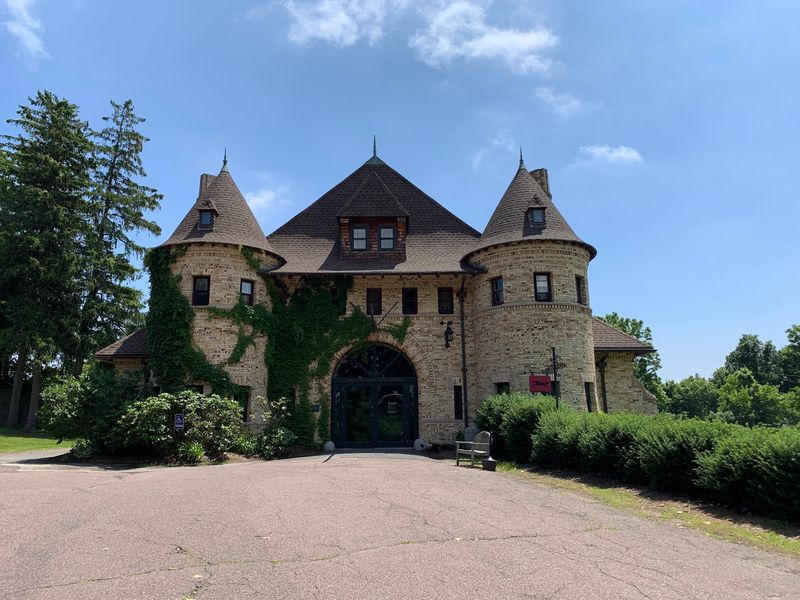
Who builds a stable that looks like a castle? Apparently, someone with grand ideas about where carriages should sleep.
The museum sits in a massive carriage house designed to resemble a French château. Plenty of visitors call the architecture a delight all on its own.
Original purpose matters here. The structure served as a carriage house and stables before cars ever moved in.
That backstory gives every room a sense of layered history.
Walking the exterior is worth a few extra minutes. The building sits on beautifully kept grounds, and the setting makes the château style feel even more dramatic.
Photographers, take note. The rooflines and brickwork frame classic cars in a way no modern glass building ever could.
A shiny vintage roadster parked outside on an event day looks like a postcard from another century.
Inside, the bones of the old stable still show through. That contrast between horse-era architecture and gasoline-era machines is half the fun.
Some museums are just boxes for the stuff inside. This one is part of the exhibit, and honestly, it might be the most photogenic thing on the property.
Unrestored Antiques Hiding Downstairs
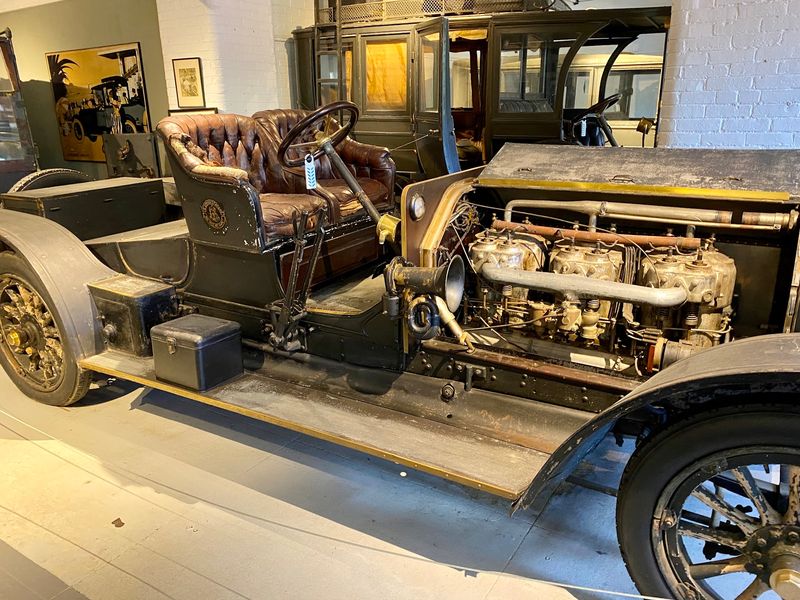
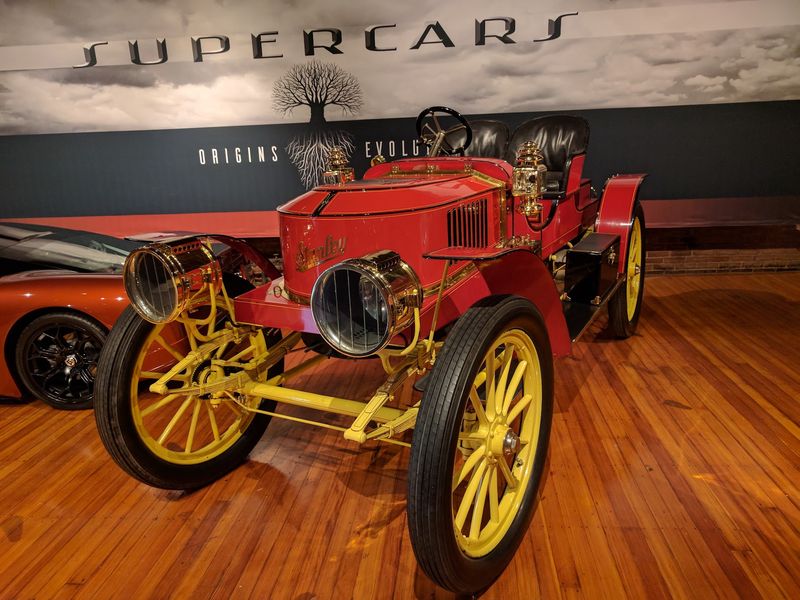
Scratches, faded paint, and original leather tell better stories than a fresh polish ever could. Down in the lower level, the oldest vehicles keep their honest wear.
The museum displays original models in their unrestored state. That means you’re seeing these cars close to how they actually looked after decades of life.
One vehicle dates from before 1900. Standing near something that old feels a little like meeting a great-great-grandparent of your daily commute.
Auto memorabilia from the early 1900s fills out the basement as well. The objects help explain how people thought about cars when they were brand new and slightly terrifying.
Displays here are known for being informative. Even people who don’t consider themselves car people tend to walk away knowing far more than they expected.
Take your time with the signs. They connect each vehicle to its moment in history, and that context makes a simple brass headlamp suddenly fascinating.
Opinions vary on how much space this section gets compared to the newer cars upstairs. For anyone curious about where driving began, though, this lower level is the heart of the story.
Electric Cars Were Already Here in 1908
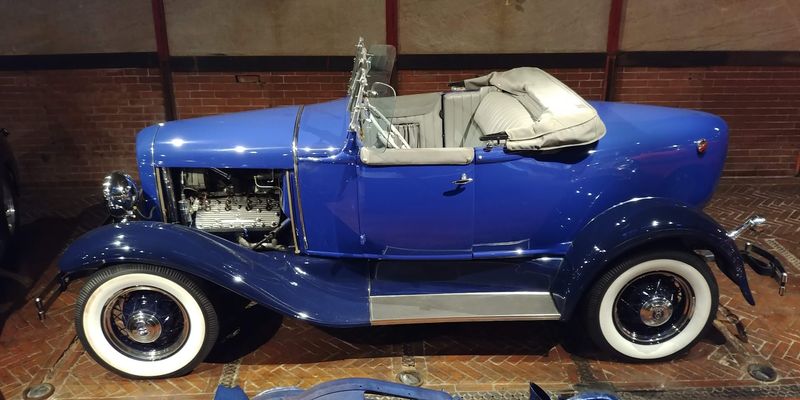
Electric vehicles feel brand new, right? The displays here gently correct that idea with a fun twist from more than a century ago.
Museum exhibits explain that electric cars were sold back in 1908. They were marketed to appeal to women drivers of the era.
That detail tends to stick with people. It reframes the whole modern conversation about electric cars and shows how old the idea really is.
Early electrics were quieter and simpler to start than many gas cars of the time. The museum uses stories like this to show how car buyers once had several very different choices.
Electric cars come up often when people talk about this place. It’s one of those facts you’ll want to repeat at the next family dinner.
The best part is how the information sneaks up on you. You come for shiny fenders and leave with a history lesson you didn’t know you needed.
Kids especially might enjoy the surprise. Telling them that great-great-grandma’s era had electric cars is a solid way to spark questions on the ride home through Massachusetts traffic.
Pedal Power From the Early Days of the Road
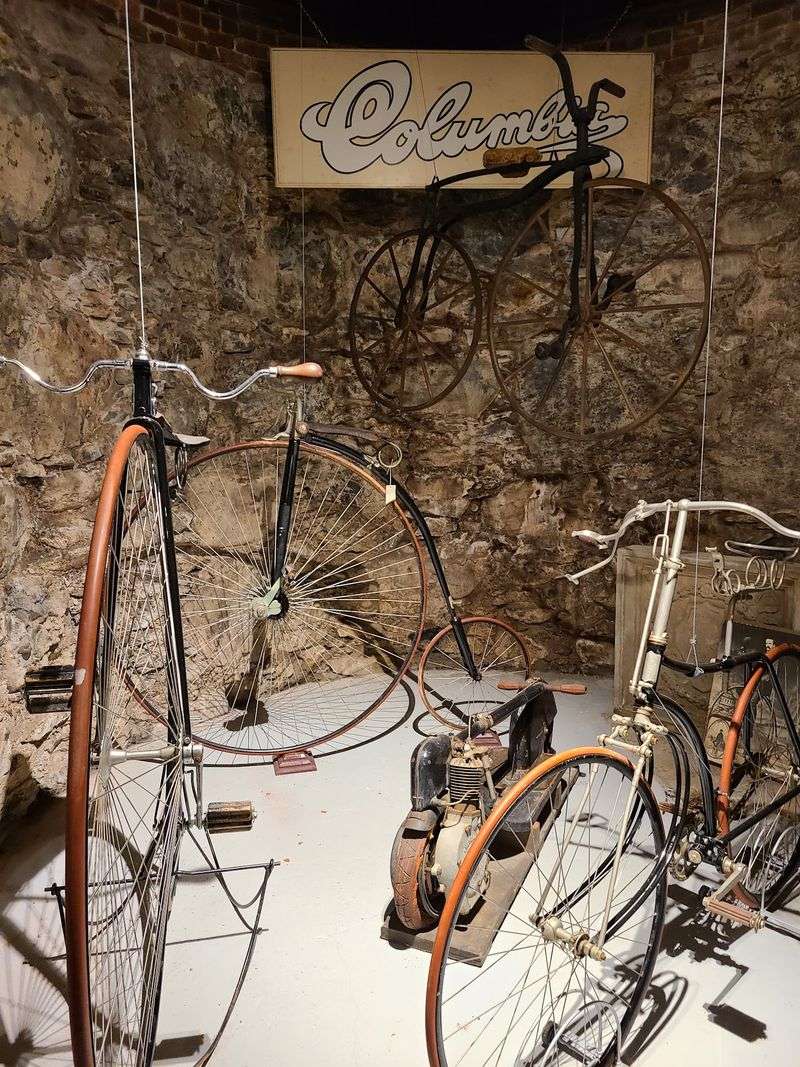
Before engines, there were pedals. The collection gives vintage bicycles real attention instead of tucking them into a corner.
Period bicycles appear alongside the cars. Together, they tell the larger story of how Americans first learned to move faster than a walking horse.
The museum’s own description highlights its vintage bike collection right next to the antique motors. That pairing makes sense once you see them in person.
Bicycles helped pave the way, sometimes literally, for early roads. Seeing them near the first automobiles shows how quickly personal travel changed around the turn of the century.
Cyclists will get a kick out of the designs. Some of these frames look nothing like the bikes leaning against garages today.
History of bicycles comes up again and again when people describe their visit. It surprises folks who arrive expecting only cars.
Families with young riders might find this section a great conversation starter. Ask kids which bike they’d ride to school, and watch them wince at the idea.
Either way, these two-wheeled ancestors add a fresh layer to the whole visit.
Saddles, Bridles, and the Stable That Came First
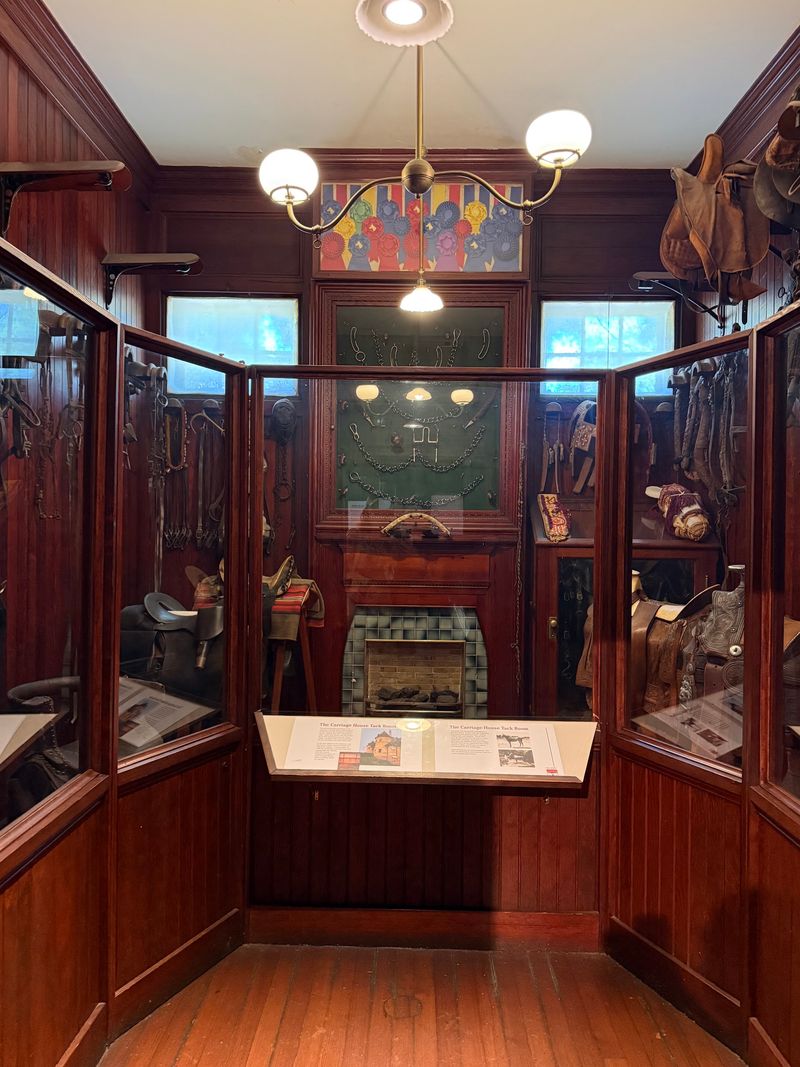
Hay came before horsepower in this building. A small tack room display keeps that chapter of the story alive.
The structure was originally a carriage house and stables. Visitors can still see a corner set aside to show how the horses and their gear were once kept.
It’s a quick stop, but a meaningful one. The tack room reminds you that the cars arrived in a world still built around hooves and carriages.
That transition is the quiet theme running through the whole museum. Horses gave way to bicycles, which gave way to engines, all under the same château roof.
Picture-ready details make this spot fun to explore. Old leather, wooden fittings, and stable features feel worlds away from the chrome nearby.
Kids may be surprised that a car museum has a room about horses. Grown-ups might be surprised too, honestly.
Don’t skip it on your way to the flashier vehicles. A few minutes here makes the rest of the collection feel more grounded.
The cars become the next step in a longer journey, not just objects behind velvet ropes.
Rotating Showstoppers Waiting on the Upper Floor
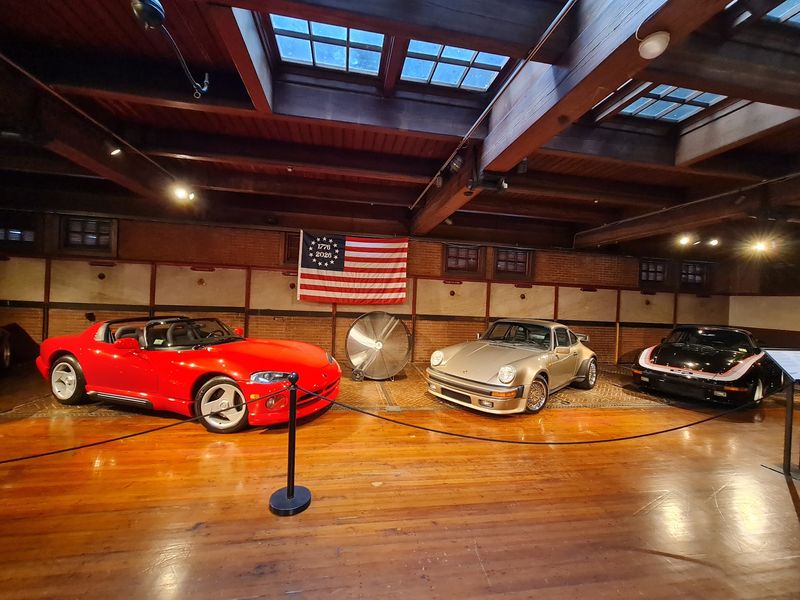
Modern machines take over once you head upstairs. The newer side of the Larz Anderson Auto Museum offers a lively contrast to the antiques below.
More contemporary cars sit on the upper level. Some vehicles are on loan, which helps keep the lineup fresh.
The first floor features rotating themed displays. Cars get changed out every so often, so a return trip could mean a completely different show.
Past displays have included rally cars, which drew plenty of excitement. Classic, exotic, and vintage cars have all appeared, including a one-of-a-kind vehicle.
Here’s a nice surprise for some fans. The museum has featured Japanese cars, which isn’t common at many car museums.
Not every gallery in America bothers to look beyond the usual muscle-car suspects.
Not every visitor finds the modern section equally thrilling. Still, the variety means most people find at least one car that makes them linger.
Checking what’s on display before you go makes sense. Themes change, and timing your visit could put your dream car right in front of you.
Call it a museum that refuses to stand still.
Lawn Events That Turn a Hill Into a Car Show
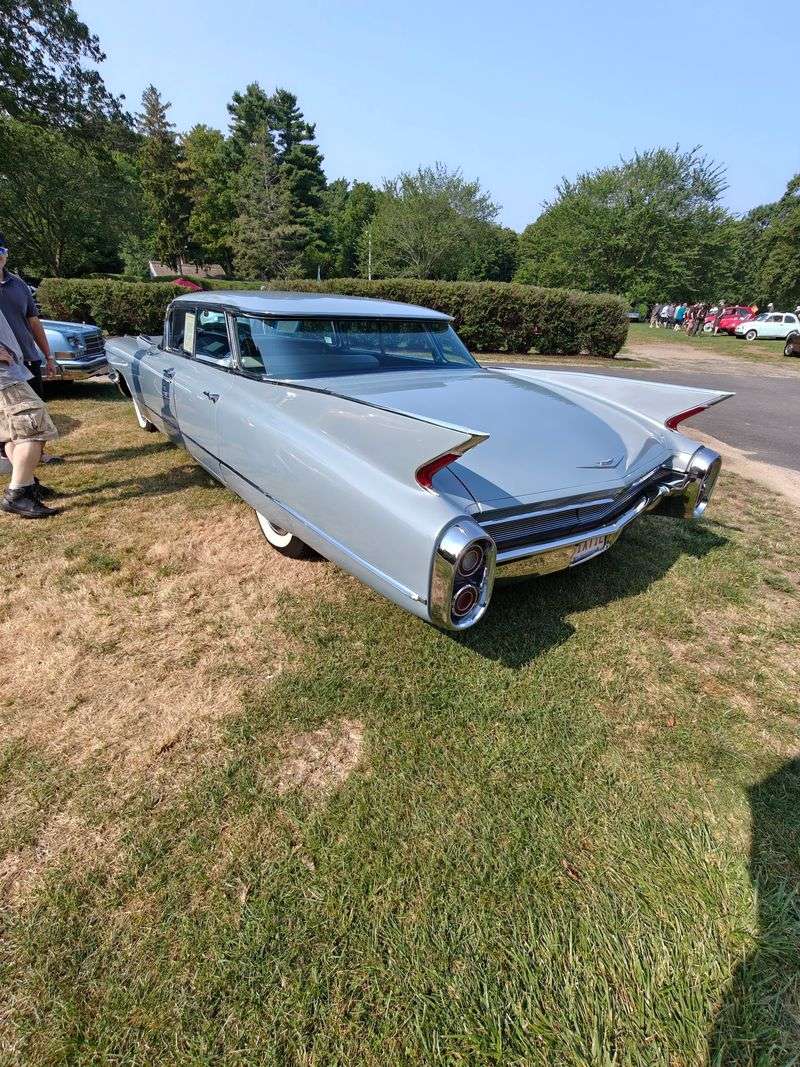
Swedish Car Day. Porsche day.
Tutto Italiano. The event calendar reads like a passport for gearheads.
During warmer months, the museum hosts lawn events on its grassy grounds. Dozens to hundreds of interesting vehicles can fill the hill on a single day.
Many weekends bring outdoor car gatherings. Rare and unusual vehicles often show up, which makes each event feel a little different.
The Italian Cars event has earned plenty of praise. Food and souvenirs have been available at events, which turns a quick look into a relaxed afternoon.
Some people compare these gatherings to the closest thing Boston has to Cars and Coffee. In fact, a Cars and Coffee event has been offered here, and it has been free.
Event days can easily become the highlight of a visit. Plenty of folks say the museum shines brightest when the lawn fills up.
One tip helps a lot. Check the museum’s event schedule before planning your trip, since details can be hard to find at the last minute.
Catching the right theme day is like finding a bonus level in your favorite game.
Speaker Nights and Perks for the Truly Hooked
Some people just want to look at cars. Others want to hear every detail about how they were built and why they matter.
For that second group, the museum offers lectures on cars. Enthusiasts consider these talks a big part of what makes the place special.
Topics connect to the history of automobiles and the people behind them. It’s a chance to go deeper than any placard allows.
Membership is another option for regulars. Members receive notices about speakers and events they might otherwise miss.
That matters because event information isn’t always easy to track down. Being on the inside list keeps you a step ahead of the crowd.
For Massachusetts car lovers, this turns the museum into more of a community hub. You don’t just visit once and move on.
The staff adds to that welcoming feeling. They’re widely described as friendly, knowledgeable, and passionate about teaching.
Combine good speakers with helpful people, and the museum starts to feel like a club where curiosity is the only membership requirement that really counts.
A Hilltop Park Wrapped Around the Whole Thing
Views for miles come free with the scenery. The museum sits within Larz Anderson Park, and the grounds deserve their own slice of your day.
The address is 15 Newton St, Brookline, MA 02445. It’s close enough to Jamaica Plain that some folks associate it with that neighborhood.
The property covers a huge grassy hill. From the top, the views stretch far beyond the estate.
Visitors often describe the grounds as serene and beautifully maintained. A walk around the park pairs naturally with a museum visit.
Sunny days make the combination even better. Explore the cars first, then head outside to stretch your legs and soak in the scenery.
Autumn could be an especially pretty time to wander the hill. New England trees around the park make an easy backdrop for photos of the château-style building.
Bring a light jacket if it’s breezy up top. Hilltops in Massachusetts love a surprise gust.
Families with kids who need room to roam will appreciate the open space. The park gives everyone a break between galleries, and that makes the whole outing feel easy and unhurried.
What to Know Before You Point Your Car Toward Brookline
Timing is everything here. The museum keeps fairly short hours, so a little planning goes a long way.
Doors open from 10 am to 3 pm, Tuesday through Sunday. Mondays are closed.
Those hours fill up faster than you’d think. Plan on around two hours if you like reading every display.
Admission is modest, and the same fee has applied on event days. The museum accepts both cash and card, which keeps things simple.
Free days do pop up. The museum has taken part in the Highland Street Foundation’s free summer program, and events like Cars and Coffee have been free.
Event days can change the feel of your visit completely. Food and souvenirs have been available during larger gatherings.
Checking the event schedule ahead of time is the smartest move. Some visitors who skip the big events find the museum smaller than expected.
Others stumble onto a themed car day by luck and leave thrilled.
Either way, it’s an affordable, low-effort outing close to home. For Greater Boston residents, that’s hard to beat on a free weekend afternoon.
Why This Château of Cars Earns a Spot on Your List
Old engines, a castle-like stable, and a hill full of shiny surprises. Not a bad lineup for one modest stop in Massachusetts.
The Larz Anderson Auto Museum works best for curious people. Car lovers will find plenty to geek out over, but newcomers get a friendly history lesson too.
It’s not a giant museum, and it doesn’t try to be. The charm lives in the details, from unrestored antiques to a tiny tack room.
Pairing a visit with a lawn event takes it up a notch. Those themed days give the place real energy and draw cars you won’t see anywhere else nearby.
The park adds even more value. A walk across the hill turns a museum trip into a full, easygoing outing.
Locals who haven’t been yet are missing a classic piece of the area. It’s the kind of place you’ll want to show off to out-of-town friends.
So check the hours, peek at the event calendar, and go. Odds are you’ll leave talking about 1908 electric cars and wondering why you waited so long to visit.
Share this story