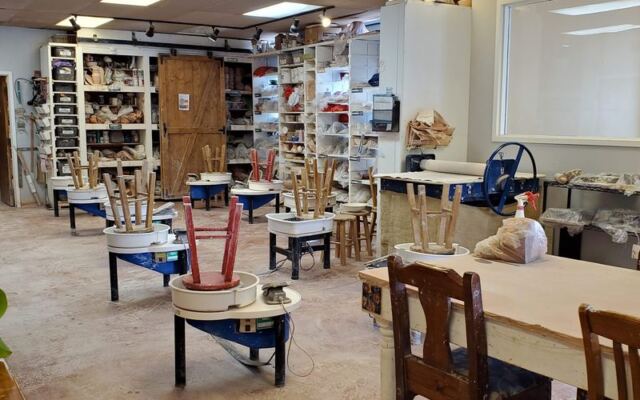
Some of the coziest outings in North Carolina start with a plain door and a room full of soft, damp clay. You walk in with cold hands and a little worry, then you spend an afternoon watching a lump of mud spin into something that looks almost like a bowl.
Beginner pottery-wheel classes are popping up around the state, and they work very differently from one another. Here is what to expect, what to ask, and how to plan for the wait if you hope to take something home.
A pottery wheel can make a cold Saturday hands-on
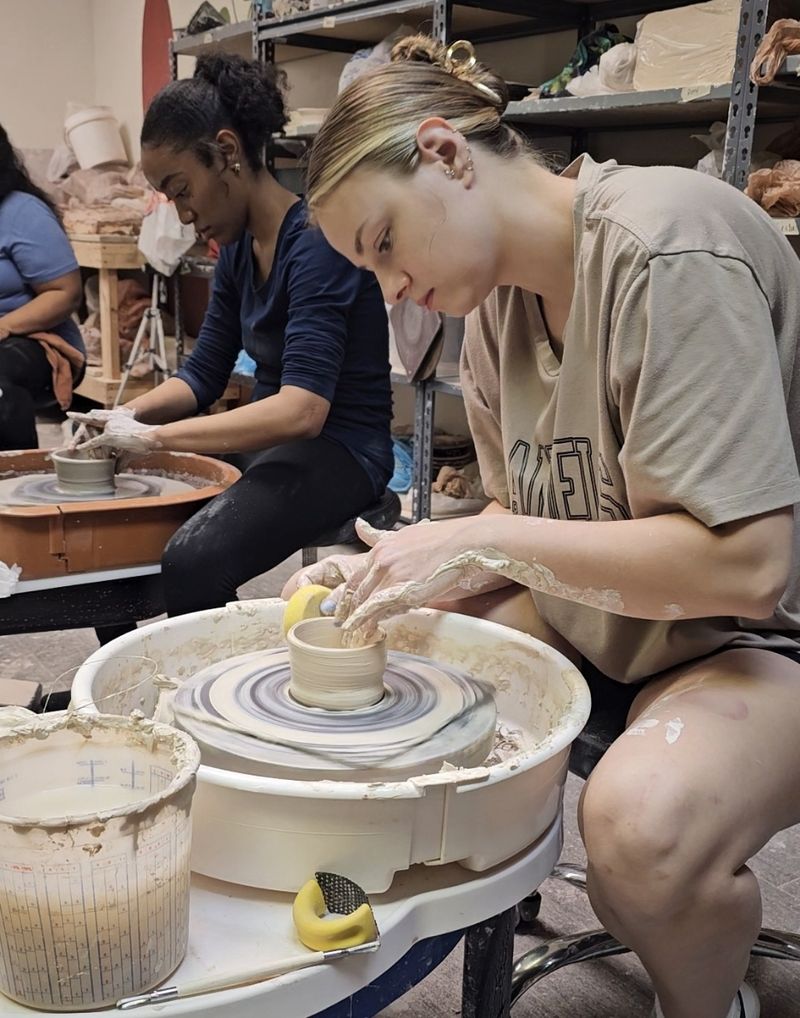
Gray skies and chilly air make a warm studio sound pretty nice. A beginner wheel class puts your hands right into the clay, and you learn a process instead of just watching someone else do it.
Take the North Carolina Pottery Center’s Learn to Turn workshop as one example. It is a one-time beginner session for ages 16 and up, no experience is required, and clay, glaze, and firings are included.
Students practice centering, opening, and pulling clay, and an instructor helps each person prepare a pot.
Is it the best way to spend a winter Saturday? That is a matter of taste.
It is simply one appealing, indoor, hands-on option.
Start with centering the clay, not a perfect bowl
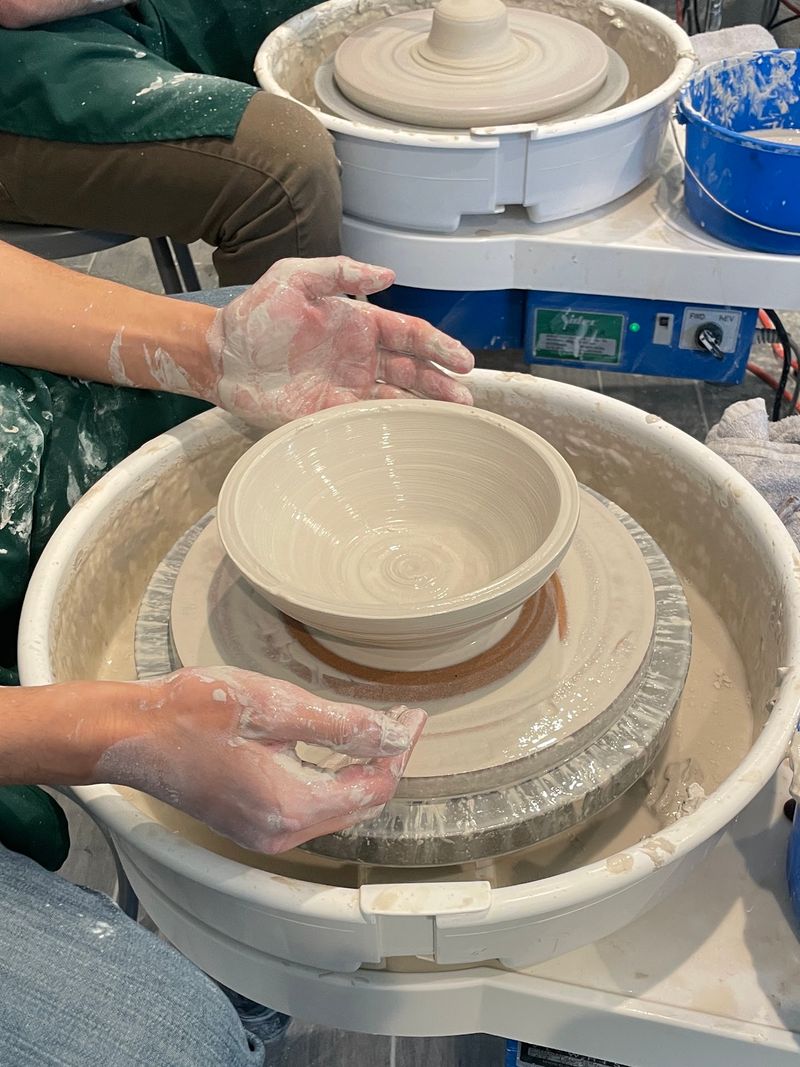
Wheel work follows a sequence. You prepare the clay, often by wedging it to push out air pockets, then center it on the wheel so it spins evenly.
After that comes opening the clay and pulling the walls up and out to shape a bowl or cup.
Centering is the step that humbles most newcomers, so expect to spend real time on it. A beginner course described by NC State’s Crafts Center covers wedging, centering, forming bowls, trimming, and glaze application across a longer course.
A single workshop, like the one at the North Carolina Pottery Center, is more of a taste of the wheel. Trimming and glazing may happen later or not at all, depending on the format.
A wobbly first attempt is normal, and a polished bowl is not a promise.
Some beginner classes do not produce a keepsake
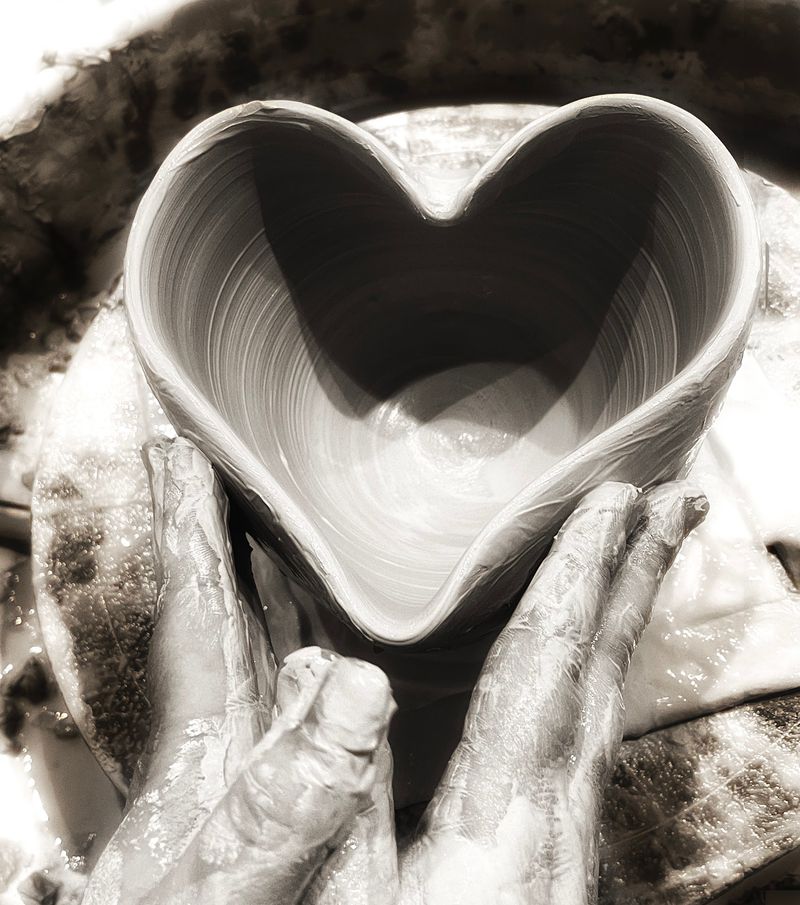
Not every wheel session ends with something to put on a shelf. The North Carolina Pottery Center helps each student prepare a pot, but it says kiln outcomes are not guaranteed, so even a pot that goes into the fire may not come out the way you hoped.
Duke offers a different format. Duke’s introductory wheel workshop teaches basic techniques, but students recycle their clay instead of firing or keeping practice pieces.
That workshop is free for Duke students, faculty, and staff. It is not a general public class, so most readers would need to look elsewhere.
The takeaway: if a keepsake matters to you, ask before you sign up.
A piece you make may take weeks to collect
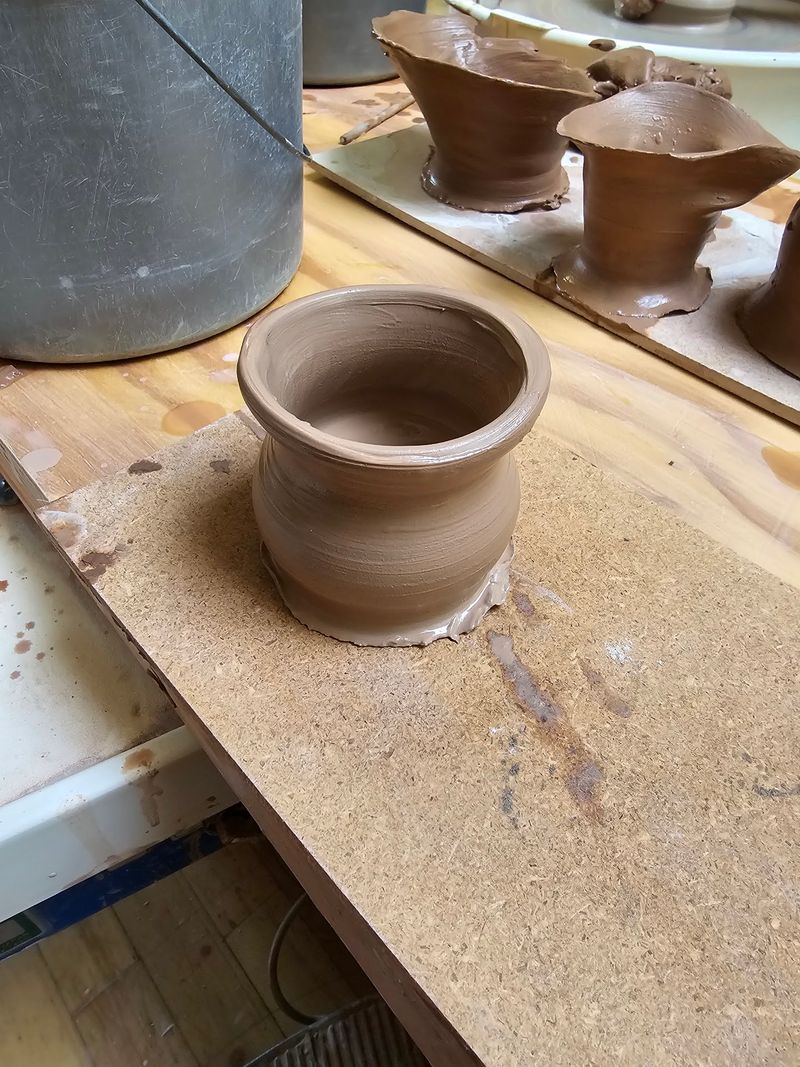
Shaping clay is only the first chapter. After class, a piece usually needs time to dry, then it may be glazed and fired before anyone can pick it up.
That is why a bowl is not handed over at the end of the session.
The North Carolina Pottery Center estimates pickup about four weeks later, and students may keep up to three pieces. Two Ships Pottery in Charlotte lists pickup about four to six weeks after its private wheel class, with bowls among the project options.
Those are two specific offerings, not a statewide rule. Also, a bowl or keepsake is never guaranteed, since not every piece survives the process.
What should you ask before booking?
A few quick questions can save you from surprises. Class details vary a lot, so keep this list handy when you call or email a studio.
- What is the total price per person?
- Do the fees include clay, glaze, and firing?
- Can each student keep a piece?
- Is a bowl an offered project?
- What are the age limits and class length?
- When can finished work be picked up?
The cited examples show how much details differ. The North Carolina Pottery Center lists ages 16 and up, while Two Ships Pottery lists $110 per person, ages 10 and up, and up to 1.5 hours.
Prices, age rules, and timelines can change, so confirm current details directly with the studio.
Ask whether the finished piece is intended for food use

A handmade bowl can look wonderful and still leave you wondering about soup. Looks and handmade charm do not tell you whether a piece is meant for food.
Ask the studio whether its clay and glaze, once fired, are intended for food use, and follow its care guidance.
The FDA explains in its guidance on lead-glazed pottery that improperly made or fired lead-glazed pieces can leach lead. That is a reason to ask, not a sign that class pieces are unsafe.
As for dust, a NIOSH resource covers silica dust in pottery manufacturing, not a short beginner class. A simple habit is enough: follow the studio’s cleanup rules and avoid stirring up dry clay dust.
Make the experience the plan and a finished piece a bonus
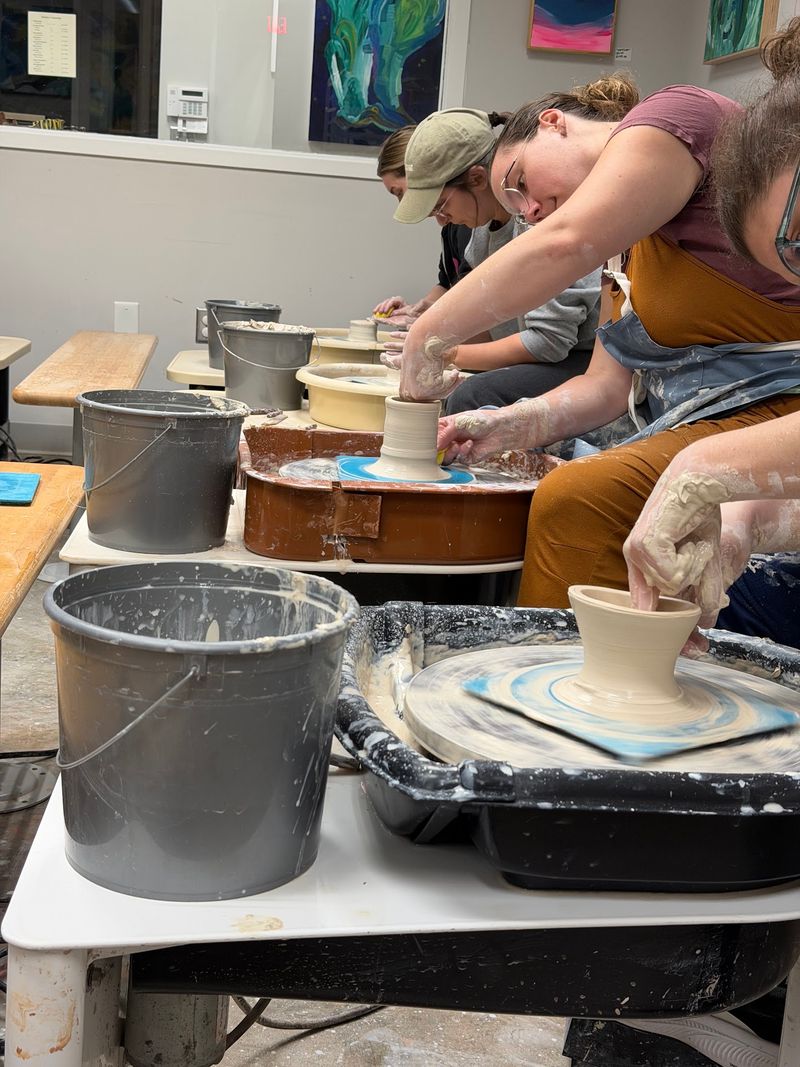
Pick a format that fits your goal. A workshop like the one at the North Carolina Pottery Center may lead to a fired piece, while a practice-focused session like Duke’s is all about learning.
Check current details with the studio first.
Either way, you get a cold Saturday spent warm, curious, and a little muddy. If a bowl shows up weeks later, call it a bonus.
Share this story