Some places in Oklahoma look like nothing special until you step out of the car and feel the past tug at your sleeve. I pulled over expecting a quick photo, maybe five minutes of stretching my legs, and left with goosebumps and a head full of questions.
Old steel, old brick, and an old local whisper about crying in the dark all meet at one quiet creek crossing. So is it truly the spookiest spot on the Mother Road in Oklahoma, or just a beautiful relic with a great story attached?
A Steel Survivor on the Ozark Trail
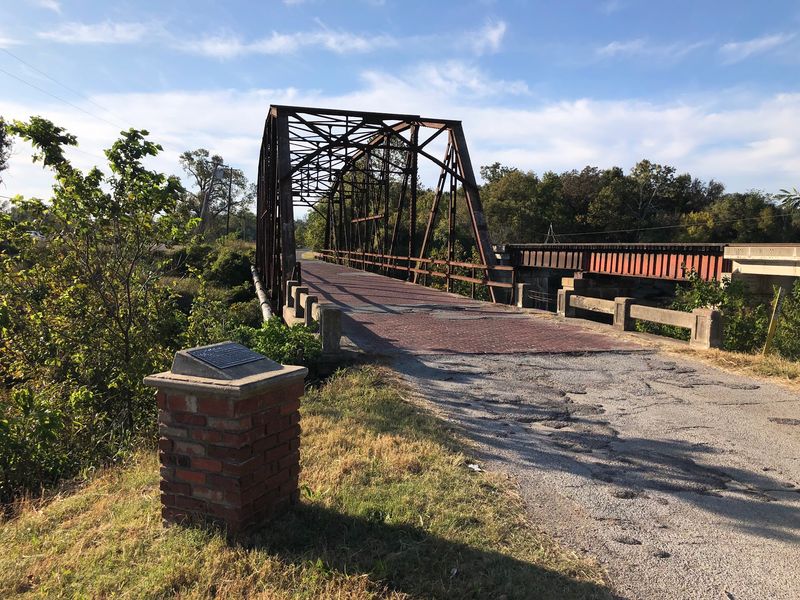
Tucked along W Ozark Trail in Sapulpa, the Rock Creek Bridge sits just far enough off the modern highway that plenty of drivers zoom right past it. That would be a mistake.
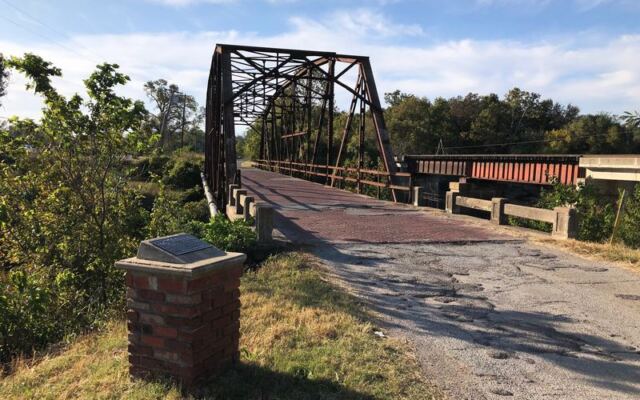
Here stands an original Route 66 bridge, a narrow metal crossing stretched over Rock Creek, still holding its ground after generations of travelers.
Getting your bearings is easy once you know where to look. The bridge lies on the western side of Sapulpa, on a short, winding stretch of the old road that feels worlds away from the smooth four-lane routes nearby.
Visitors describe the surroundings as quiet and tree-lined, with the sound of moving water drifting up from below.
One recent traveler admitted their group almost skipped the stop entirely, then called it a hidden surprise they were very glad they did not miss. That sentiment pops up again and again.
People arrive expecting a quick look and end up lingering, snapping photos, and walking the span end to end.
For road-trippers chasing the original Mother Road through Oklahoma, few spots deliver such a pure, hands-on taste of the early highway days. Think of it as a time capsule you can actually walk across, no ticket required.
Roots Reaching Back to the Early Road
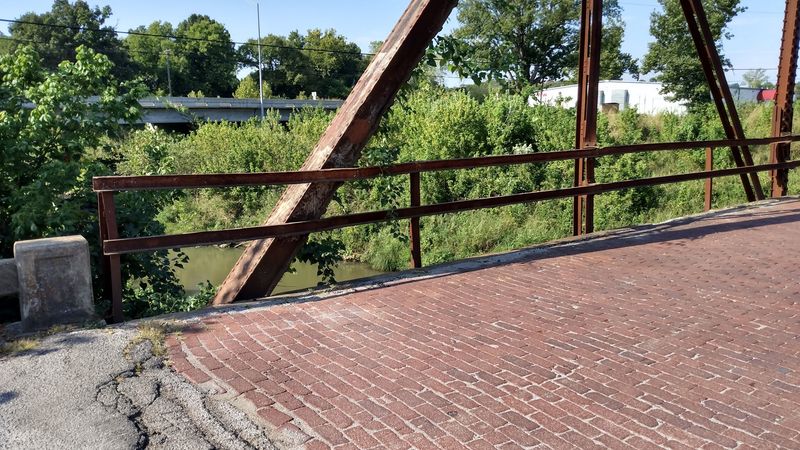
Before Route 66 earned its famous nickname, this little corner of Oklahoma was already carrying travelers. One visitor described the area as an actual road from 1912 tied to the original highway, and the old pavement still hints at those beginnings.
Walking here, you get a feel for how motorists once moved across the state. The road is narrow and curvy, hugging the land instead of slicing through it.
Later highways straightened things out and sped everyone up, but this section kept its older personality.
Fans of history will appreciate how much of the original character survives. A weekend road-tripper who tracked down this section called it a wonderful old single-lane bridge that was part of the first alignment.
Another simply named it a beautiful piece of history, which honestly sums it up pretty well.
Fun detail: the stretch is part of what locals still call the Ozark Trail, a name that reaches back to an even earlier network of roads crossing the region. That layering of routes, one on top of another, makes the spot a favorite for anyone who loves tracing how Oklahoma travel changed over the decades.
Bring curiosity. The history here rewards slow looking.
The Cry Baby Bridge Legend
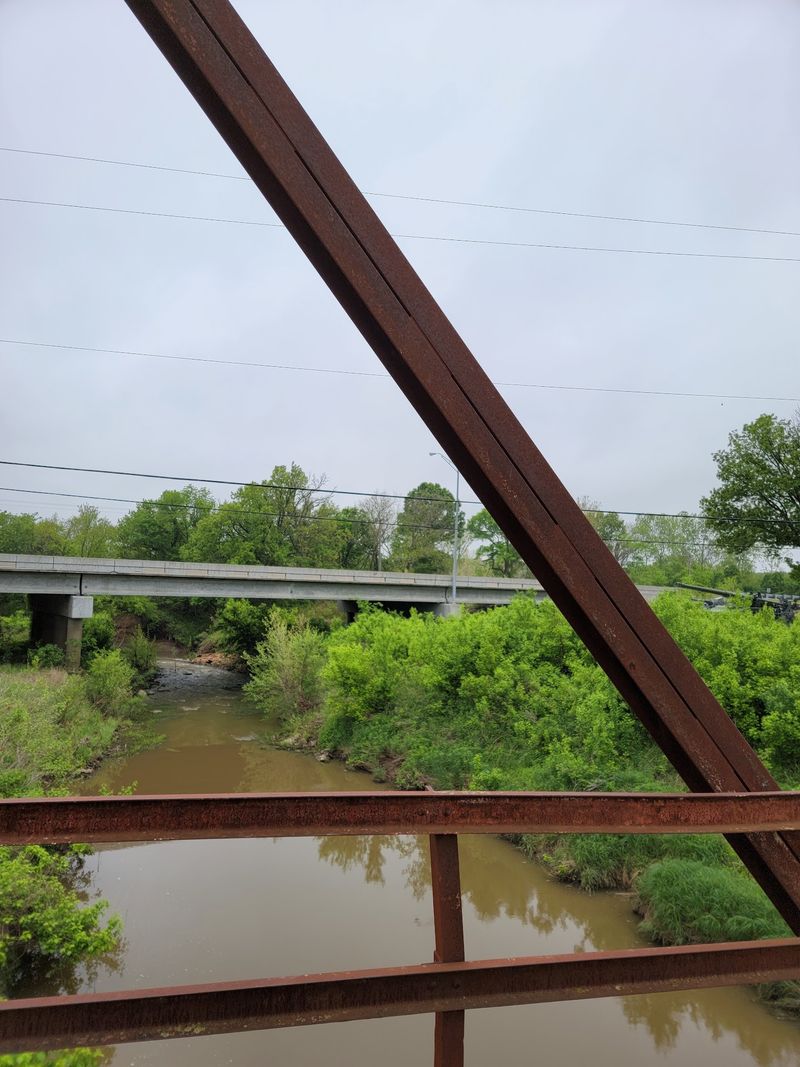
Every small town seems to have one story told in lowered voices, and around Sapulpa, this bridge carries it. Local lore labels Rock Creek Bridge a cry baby bridge, the kind of spot where people claim to hear faint crying near the water after dark.
Cry baby bridge tales are a classic of American folklore, found in many states, and they tend to share the same shape. A lonely crossing, a quiet creek, and a sound that may or may not be the wind.
Nobody can prove where the Sapulpa version started, and that uncertainty is part of the fun.
At least one visitor said they did their own paranormal investigating here and came away convinced, describing the evidence they gathered as fulfilling. Others visit, take pictures, and leave with nothing stranger than a mosquito bite.
So take the legend for what it is: a piece of local storytelling attached to a real and very old structure. Treat it with respect, keep things lighthearted, and let your imagination do the rest.
Whether you believe or not, standing over that dark water as the sun drops does make the stories feel a little more possible.
Haunted or Just Hauntingly Pretty
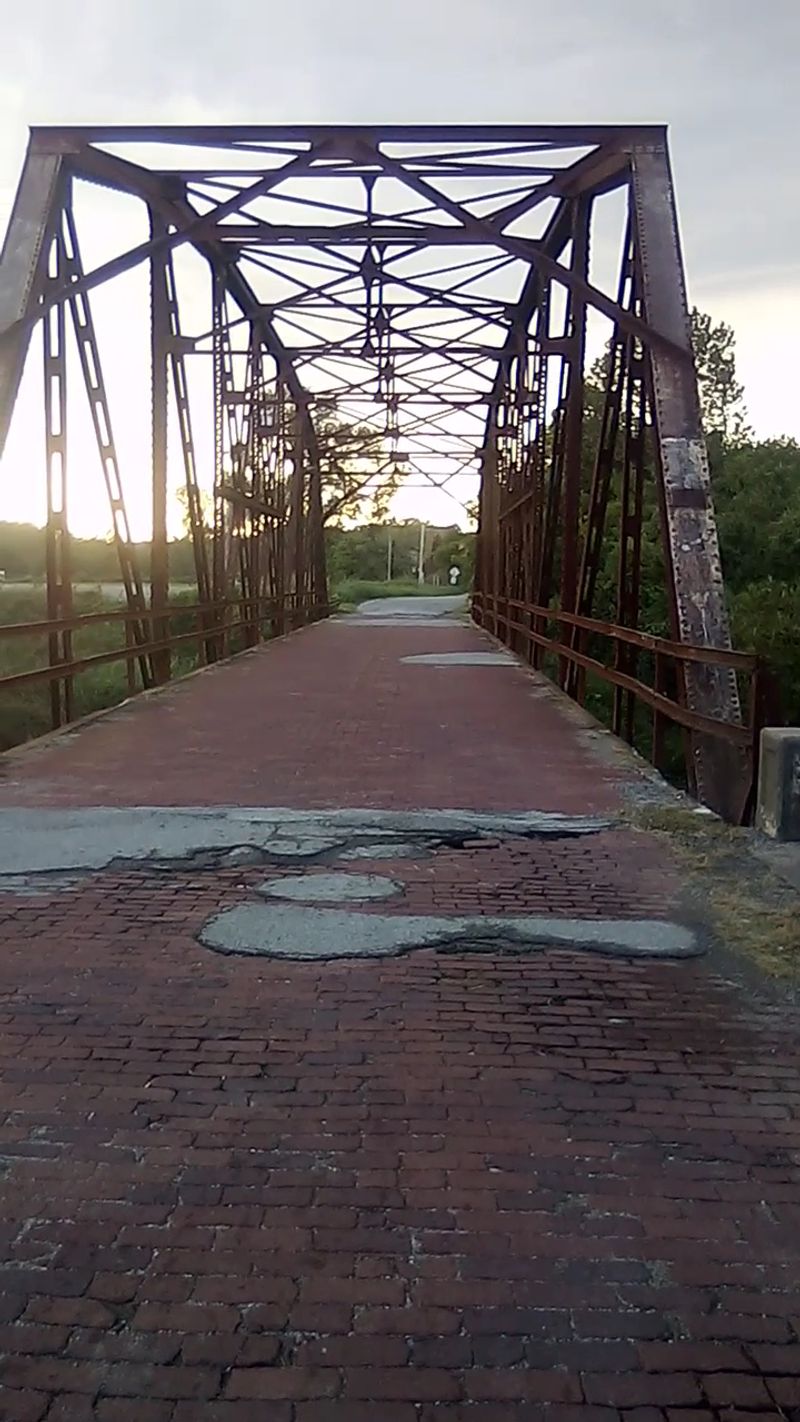
Let us weigh the big question honestly. Oklahoma’s stretch of Route 66 runs hundreds of miles and passes plenty of old motels, abandoned stations, and dusty crossings with their own spooky claims.
Calling any single spot the most haunted is a bold title to hand out.
What Rock Creek Bridge has going for it is a rare mix. It holds a well-known local legend, it is genuinely old, and it sits in a quiet, wooded pocket where shadows stretch long at dusk.
Add the ruins of a vanished drive-in theater nearby, and the setting almost writes its own ghost story.
Yet most visitor comments focus on charm rather than chills. People praise the brick, the steel, the photo opportunities, and the peaceful feeling.
One person even said it is a good place to clear your head, which hardly sounds like a horror movie set.
The fair verdict is that it is one of the most atmospheric and story-rich stops on the Oklahoma route. Whether it earns the most haunted crown depends on what you hear, or think you hear, when you stand there yourself.
Steel Trusses and Single-Lane Charm
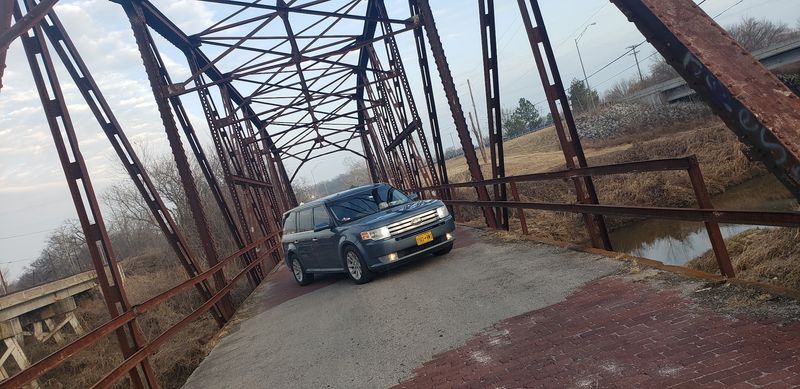
Modern concrete overpasses do their job, but nobody pulls over to admire them. Metal truss bridges are another story, and this one wears its age proudly.
One road-tripper put it nicely, saying these metal bridges have far more charm than the cement versions built today. Look up as you walk across and you will see why.
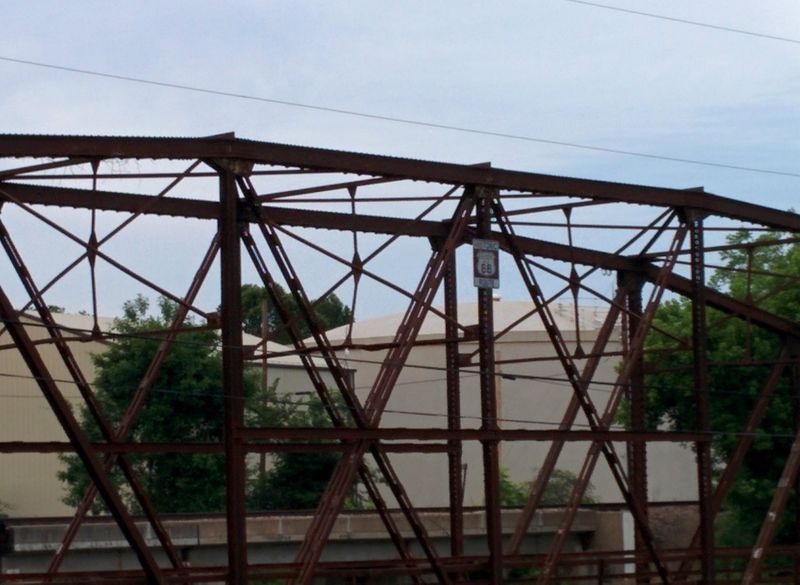
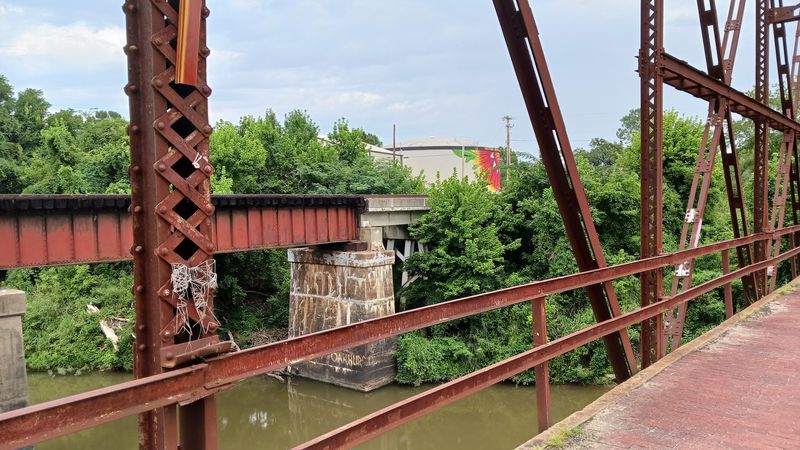
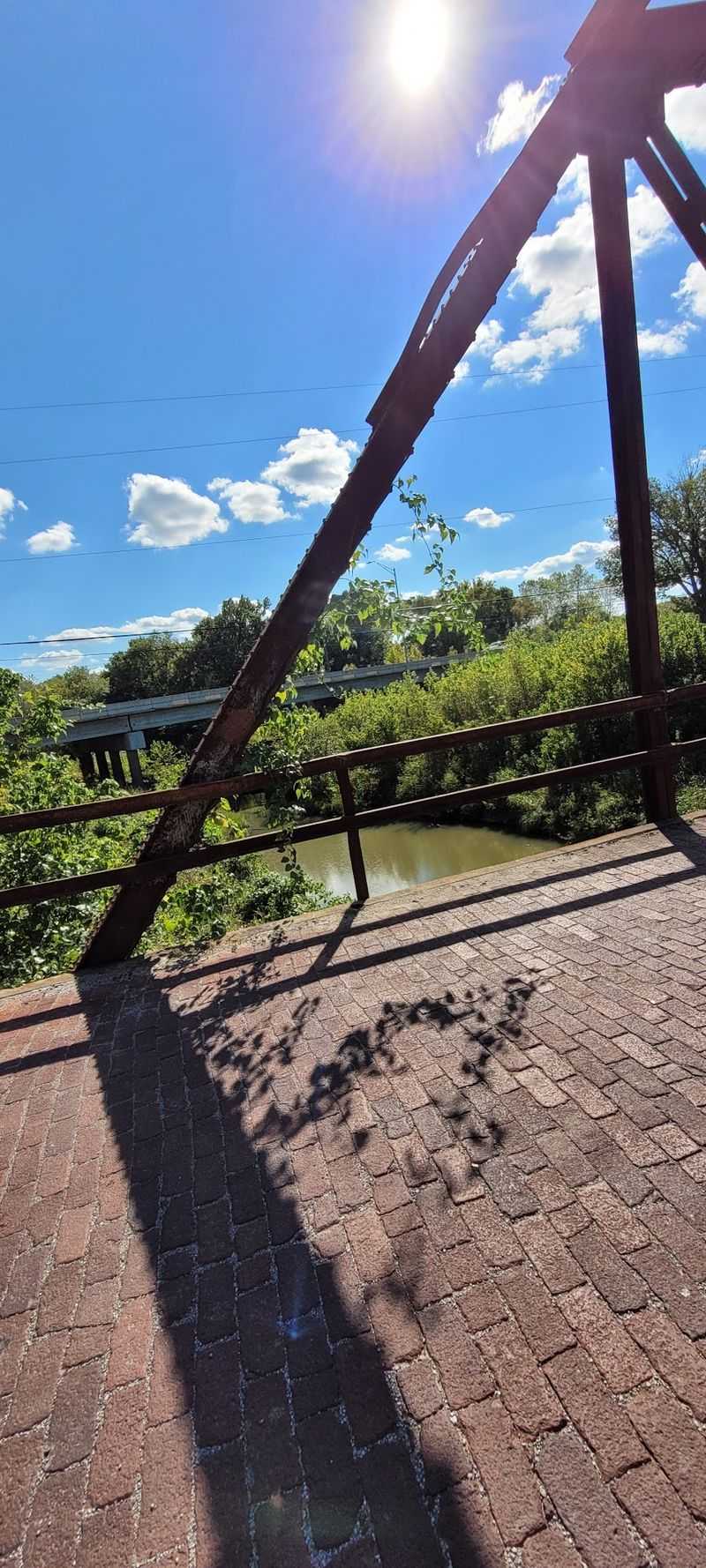
The steel framework crisscrosses overhead and along the sides, creating a frame for every view of the creek and trees beyond.
The bridge is just one lane wide. Picture two cars meeting here decades ago, with one politely waiting for the other.
That narrow width tells you a lot about early motoring, when traffic was lighter and vehicles were smaller.
A few regulars have pointed out a modern problem connected to that old design. Tall trailers and box trucks have struck the structure over the years, which is one reason height and access limits matter so much now.
For photographers and engineering buffs alike, the geometry is the star. Shoot straight down the center for that classic tunnel effect, or step back to the bank to capture the full silhouette against the sky.
Either way, the steel steals the show.
Brick Pavement Underfoot
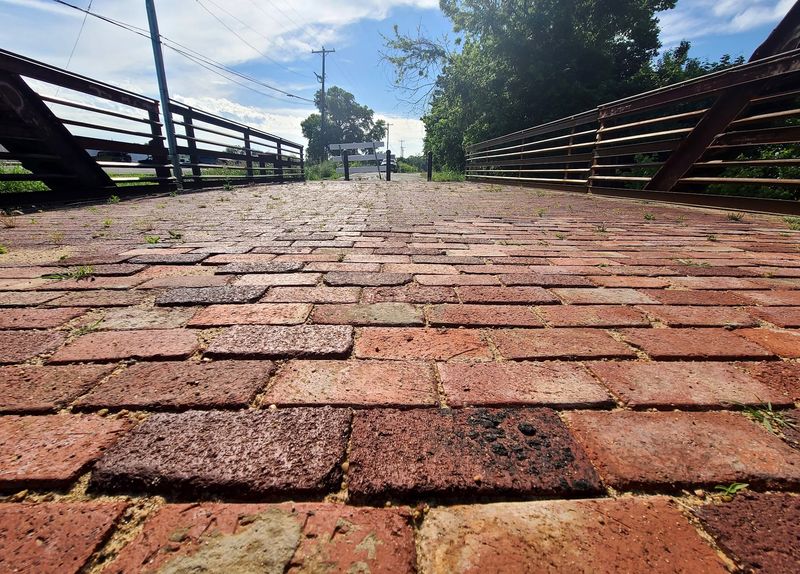
Worth the trip, brick is cool. That short and sweet verdict from one visitor captures a detail many people do not expect.
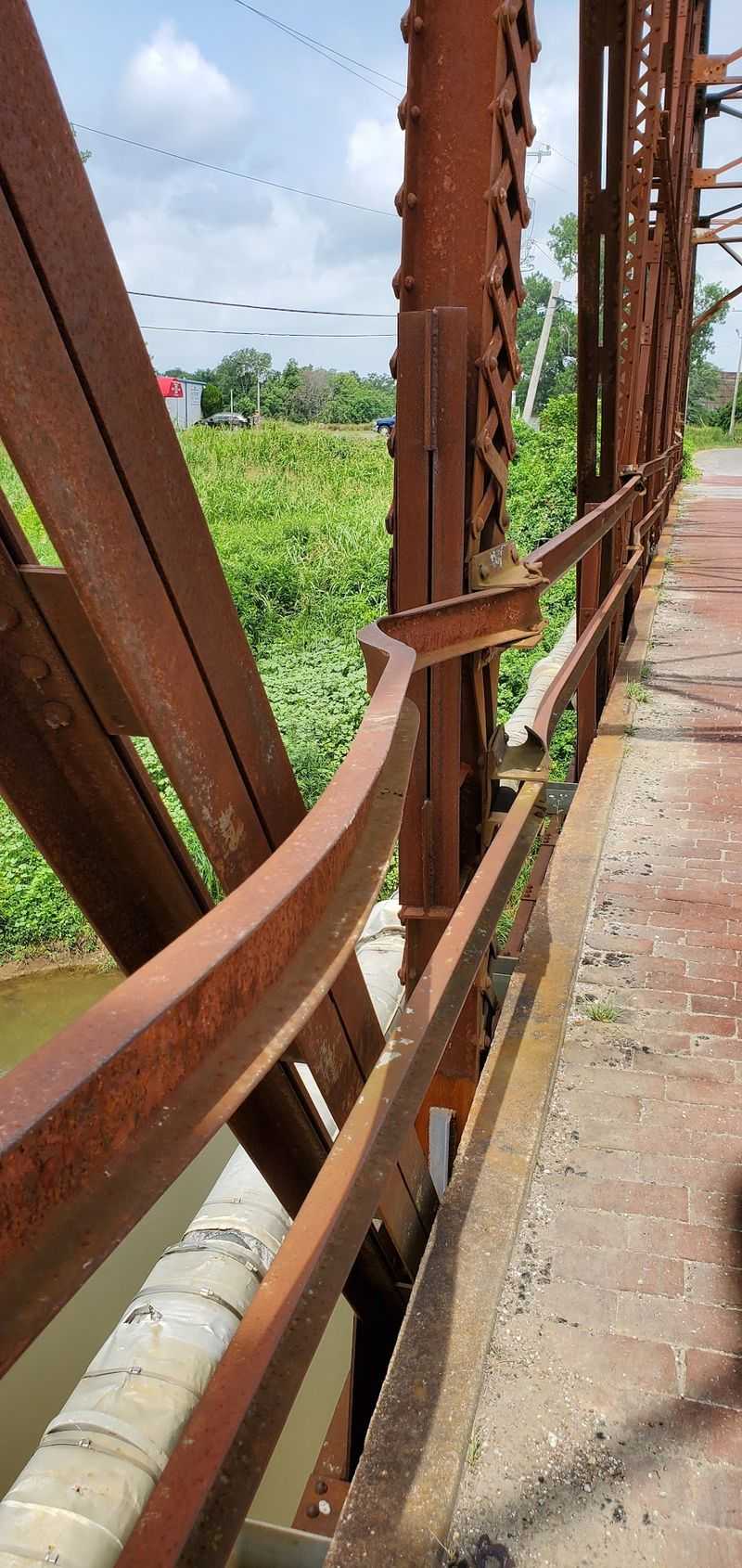
Parts of the old road surface around the bridge feature brick, a texture you rarely see on highways anymore.
Brick roads were a sign of serious investment back in the early automobile era. They held up better than dirt and gave drivers a sturdier ride, even if it was a bumpy one.
Walking over them now feels a bit like stepping into an old postcard.
Not everything is perfectly polished, though. Some longtime drivers who crossed it daily mentioned the road through the bridge could use repaving, and others noted the surface shows its years.
Those bumps and uneven spots are part of the authenticity, but wear sturdy shoes, especially if the ground is damp.
Kids tend to love spotting the pattern of the bricks, and history fans enjoy imagining the tires of early travelers rolling across the very same surface. It is a small feature that makes a big impression.
Snap a close-up shot. Old brick with a bit of steel in the background makes for a striking, texture-rich photo.
A Little Park With Paved Paths
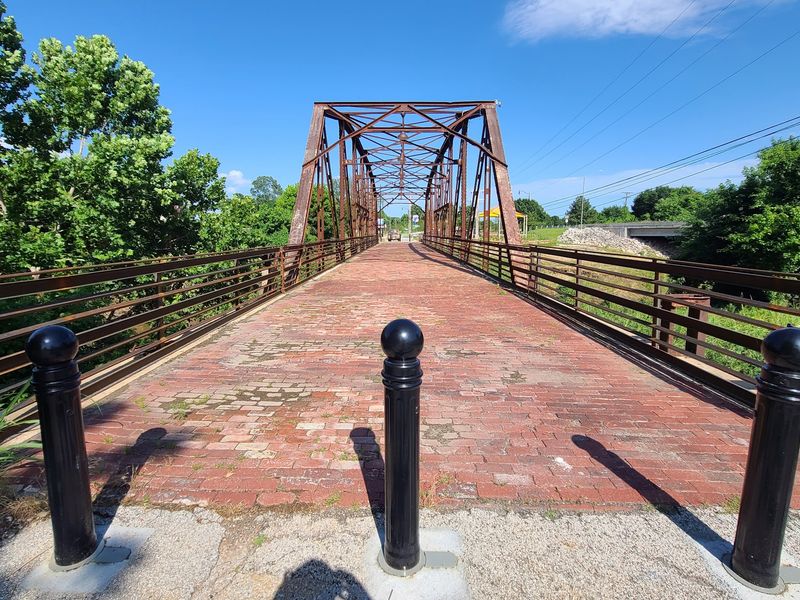
Good news for anyone worried about scrambling through weeds to reach a relic. Recent visitors report that the old Route 66 bridge area has been turned into a little park, complete with a paved parking area and walkways.
That is a big change from a few years back. Earlier comments described overgrown grass and a less-than-welcoming row of barricades that made the place feel forgotten.
More recent travelers call the area clean and updated, which suggests real effort has gone into caring for it.
The paved paths make the visit easier for families, casual walkers, and folks who simply want a comfortable stroll. You can park, wander over, read the scene, and head back without much fuss.
It is still a small site, so do not expect a sprawling visitor center or gift shop. One person summed it up as very small, and that is accurate.
The appeal lies in the bridge and the setting, not in extra amenities.
Plan for a relaxed stop rather than an all-day outing. Twenty minutes to an hour feels right for most people, depending on how many photos you take and how long you stand listening to the creek.
The Tank Waiting on the Far Side
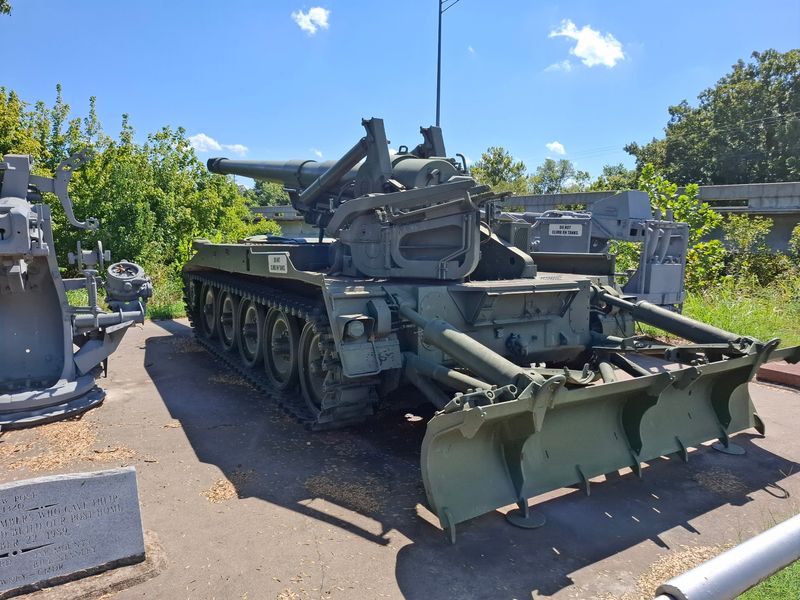
Here is a tip plenty of first-timers miss. One recent visitor urged everyone to walk the bridge all the way across to see the tank.
Yes, a tank. On the other side of the crossing sits a VFW post, and the military display there adds an unexpected twist to a stop most people visit for steel and folklore.
It is the kind of surprise that turns a quick walk into a mini adventure.
A longtime local also mentioned that the VFW often has something happening, so you might catch a bit of community life while exploring. That small-town energy contrasts nicely with the quiet, old-road feeling of the bridge itself.
Kids especially tend to perk up when they spot it, and veterans or history-minded visitors may appreciate the nod to service and sacrifice in the community. Pausing there gives your visit a second focus point beyond the bridge.
Keep it respectful, since the space belongs to the post and the people who gather there. Admire from the appropriate areas and enjoy the unexpected pairing.
Odd combinations like this are exactly what make Oklahoma road trips so memorable. Who expects armor at the end of a haunted bridge walk?
Ghosts of the Tee Pee Drive-In
Picture a giant movie screen glowing over the Oklahoma night, kids on a playground in front, and cars lined up in rows. Not far from the bridge, that scene once played out at the Tee Pee Drive-In Movie Theater.
Today, visitors note that only remains of the drive-in are left near the bridge. Still, the memory lingers.
One local recalled going there as a small child, remembering the huge screen and the playground right in front of it.
For mystery lovers, the presence of a vanished landmark adds to the eerie mood. An abandoned entertainment spot next to a bridge with a crying legend?
It is easy to see why imaginations run wild here after sunset.
For nostalgia fans, the drive-in remnants tell a different story, one about family outings, summer nights, and how Route 66 towns once buzzed with roadside fun. Drive-ins were a huge part of highway culture, and few survived.
Look around as you arrive and see if you can spot what is left. Even fragments help you picture the old rhythm of life along this stretch, when the bridge was the final landmark before rolling into town.
Memories Carried Across the Creek
Some landmarks impress you. Others become part of who you are.
For one longtime local, this bridge was the latter.
They shared a sweet memory of crossing it daily as a tiny child, recognizing the sound the car made rolling over the span. That sound meant home was close, so they could relax and doze off in the back seat.
When the family first took a newer, faster highway instead, the youngster protested loudly that the new road was not the right way home.
Stories like that reveal why the old route still matters. The narrow, curving road wound past deer, rabbits, birds, and thick greenery.
The faster road skipped all of it. The bridge was the last grand landmark before emerging into town.
Other people have built their own traditions here. One visitor said they generally come every Independence Day to watch fireworks from the bridge, which sounds like a wonderful way to celebrate.
Bring your own stories, or start a new one. Whether you grew up nearby or are just passing through, the place has a way of tucking itself into your memory.
Quiet Water, Painted Tower, Peaceful Mood
Listen closely and the first thing you notice is the creek. Moving water below the bridge sets a calm soundtrack, and plenty of visitors say the spot feels like a great place to get away from everyone and clear your head.
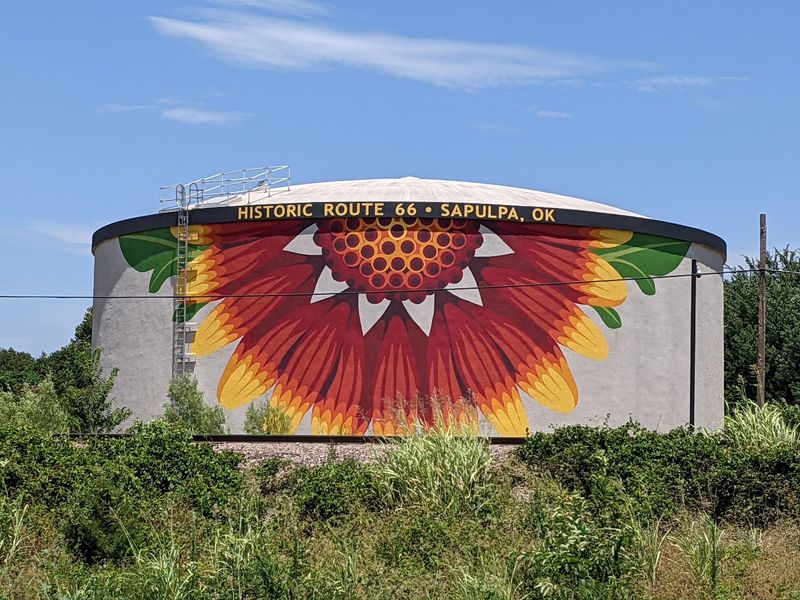
Look around too. One local suggested pausing to glance at a nearby tower freshly painted with a sunflower, a cheerful splash of color that brightens the landscape.
Sunflowers feel right at home on the plains, and spotting one painted high above makes for a fun little scavenger moment.
A cyclist who rode out here one afternoon said they enjoyed the scenery from the bridge, and another described it as a great spot for a stroll on a fall afternoon. Autumn really suits the setting, with cooler air and leaves turning along the banks.
Who will love it most? Route 66 fans, photographers, families wanting a short leg stretch, cyclists, and folklore fans hoping to feel a shiver.
Anyone seeking big crowds or nonstop action may find it too low-key.
That low-key mood is the point. Come slow, wander a bit, and let the creek do the talking.
Getting There and Walking Safely
Plug W Ozark Trail, Sapulpa, OK 74066 into your map and you are almost there. The bridge sits on the old Route 66 alignment on the edge of town, with a paved parking area reported by recent visitors.
Access rules have shifted over time, so stay alert to posted signs. Several years back, visitors reported barricades blocking vehicles and described the bridge as open to foot traffic only.
Other locals mentioned driving across it regularly at different points. Simply follow whatever signage and barriers are in place when you arrive.
Opinions on safety vary. Some regulars call it sturdy and perfectly safe, while one cautious visitor felt it should be preserved like a museum piece.
The sensible approach is to treat it gently, stay on walkways, and never attempt to bring tall vehicles near it.
No hours or admission prices are listed in available information, so plan your trip during daylight for the easiest, clearest experience. Evening visits add atmosphere for legend hunters, but bring a flashlight and good footing.
Pair the stop with other Route 66 sights around Sapulpa to make a full afternoon of exploring the Mother Road.
A Soft Verdict From the Riverbank
So, does it deserve the title of Oklahoma’s most haunted stretch of Route 66? Honestly, the jury is still out, and that may be exactly how it should stay.
What we can say for sure is that Rock Creek Bridge offers far more than its small size suggests. You get original steel, old brick, a working piece of 1910s and 1920s road history, a local cry baby legend, the leftover traces of a beloved drive-in, and a surprise tank waiting across the creek.
Not bad for a free roadside stop.
Fans of eerie folklore will find enough mood to spark a good campfire story. History lovers will find authenticity.
Families will find a quick, easy walk with a few surprises along the way.
Visitors keep using words like hidden surprise, beautiful, and worth the trip. Some worry it may not last forever, which adds a gentle push to see it while you can.
Go on a crisp fall afternoon, linger until the light turns golden, and listen for the water. If you hear anything else out there, well, you will have your own answer to share.
Share this story