You turn off a quiet road in Illinois expecting a short walk and maybe a glimpse of a cow or two. Instead, you find a farmhouse bell ringing, chickens strutting past your shoes, and someone in old-fashioned clothes inviting your kids to help collect fresh eggs.
It feels like stepping through a door into another century, and nobody wants to leave. Places like this are rare, and once you find one, you start planning your next visit before you even reach the car.
A Working 1890s Farm in DuPage County
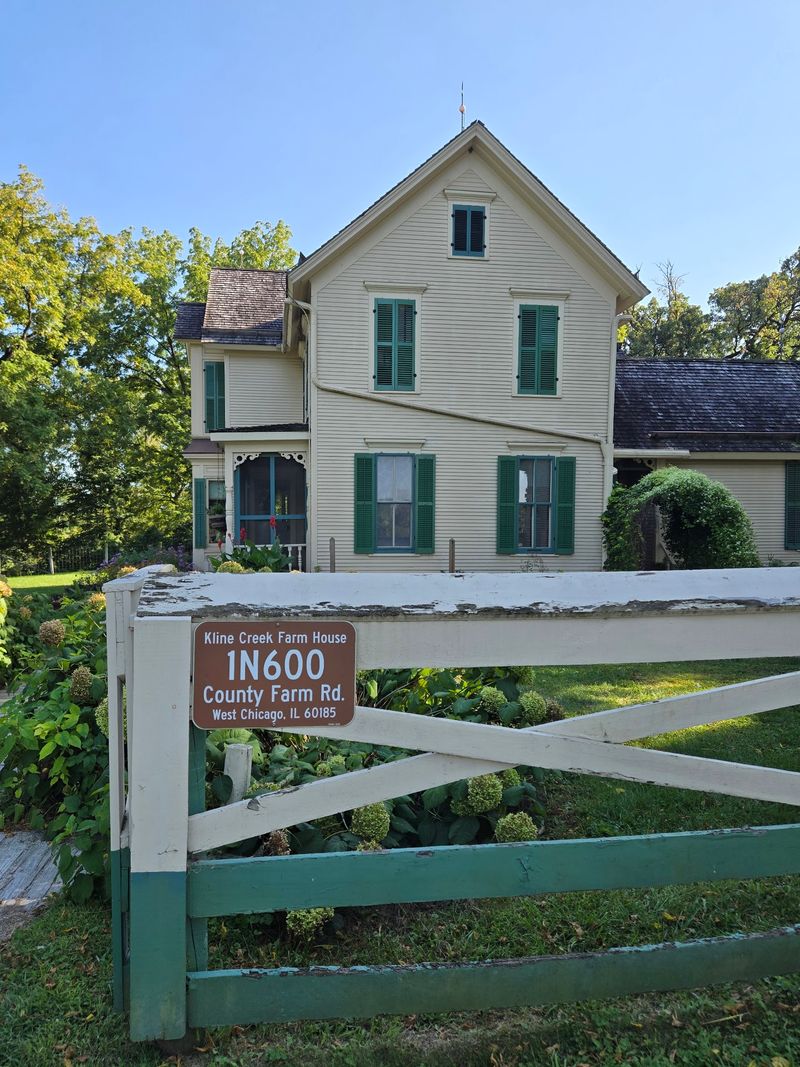
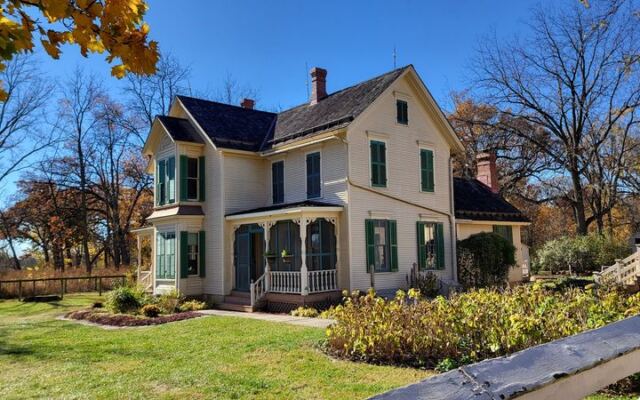
Tucked along County Farm Road in West Chicago, Kline Creek Farm is a living history museum run through the DuPage County forest preserve system. The address is 1N600 County Farm Rd, and the setting feels miles away from the suburbs around it.
Here is the twist that surprises first-timers. The animals, the plowing, the cooking and the chores are all real, recreating life on a northern Illinois farm in the 1890s.
Costumed staff and volunteers go about their work much as a farm family would have more than a century ago.
Visitors often describe it as a hidden gem they somehow never knew existed, even after years of living nearby. One family stumbled in on a whim during a warm winter day and left calling it their new favorite outdoor destination.
That kind of reaction is common here, and it sets the tone for everything else you will find on the grounds.
Roots Reaching Back to the Late Nineteenth Century
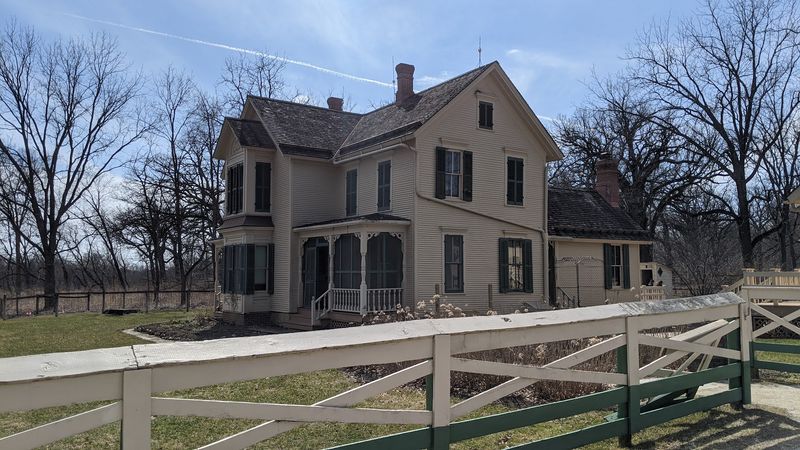
Long before families arrived with strollers and picnic baskets, this land belonged to a real farming household in the late 1800s. The museum builds its whole experience around that era, so every fence, tool and recipe points back to that time.
Want the backstory before heading out to the barns? The visitor building near the parking lot has photographs lining its walls that walk you through the history of the farm.
Guests mention lingering there longer than planned, studying old faces and fields.
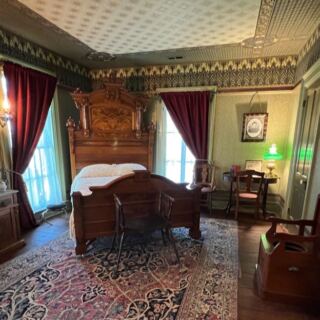
Guided house tours add even more color. Visitors say they came away knowing a lot about the people who started the farm and how their days actually unfolded, from chores to meals.
Kids especially seem to connect when they learn that children their age once lived and worked on these same acres. History stops feeling like a textbook and starts feeling like a neighbor’s story, told right where it happened.
Egg Gathering With the Chickens
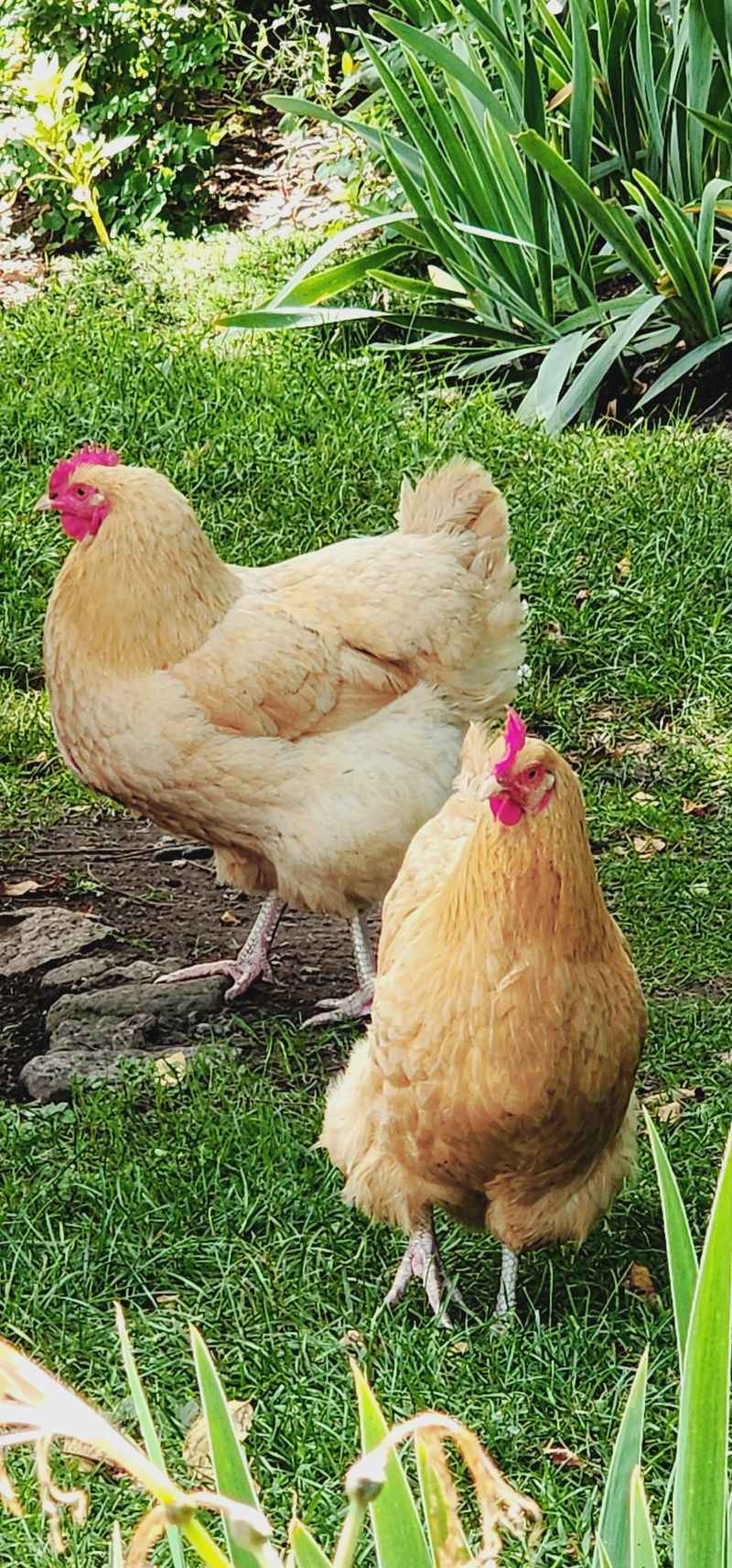
Picture a toddler clutching a warm egg like it is buried treasure. That exact moment happened for one visiting family when the tour guide paused to check the coop and invited them along to help gather what the hens had left.
Chickens are a big deal here. Free-range birds wander around the grounds, and parents report that their kids name the chickens as the highlight of the whole day.
Some families say the little ones simply roam, following the hens from one corner of the yard to another.
Not every visit includes a chance to collect eggs, since it depends on the daily chores and timing. Still, catching the staff during coop duty is worth the hope.
Even without an egg in hand, watching the flock peck and scratch is endlessly entertaining for small visitors. Turkeys have also been spotted strolling the yard, adding a bit of extra feathered personality.
Lambs, Calves and a Barnyard Full of Friends
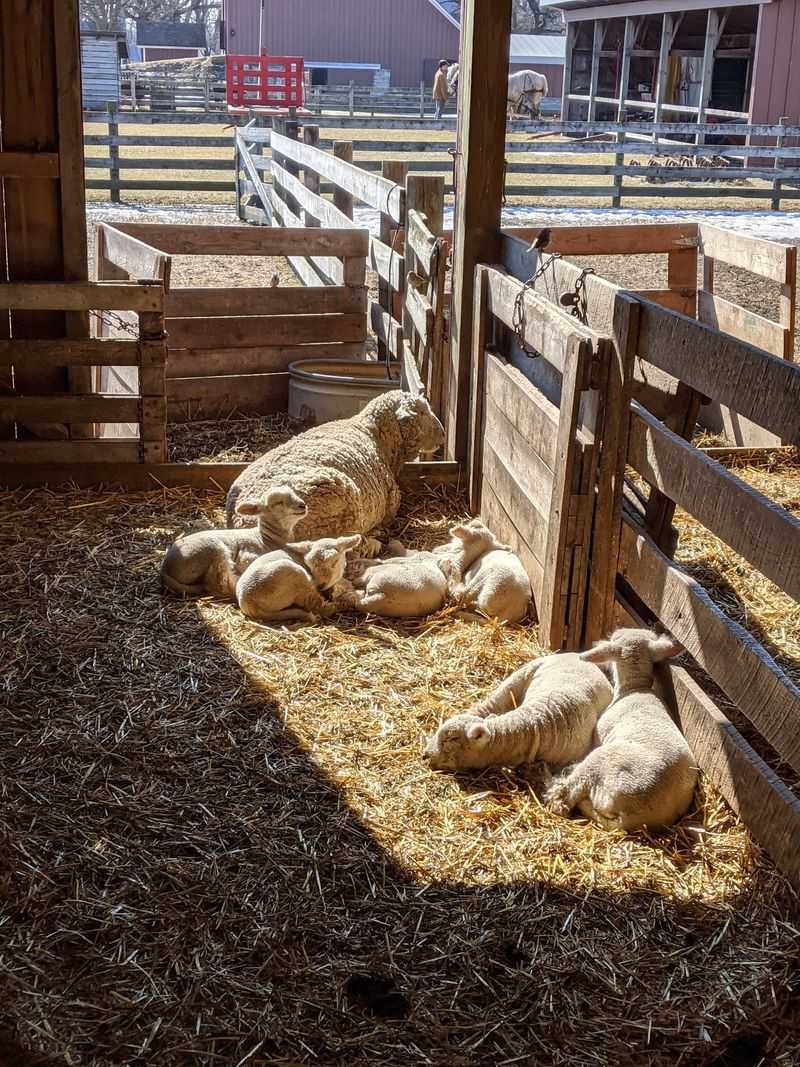
Seventeen new lambs and two new calves. That was the count one guest reported during lambing season, and it gives you a sense of how lively the pastures can get in spring.
The animal roster is generous. Visitors list horses, cows, sheep, pigs, chickens, turkeys, barn cats and even a snake spotted on one trip.
Several families say the animals seemed friendly and eager for attention, which makes the experience feel personal rather than behind glass.
Repeat guests get to watch the herd grow. One mother and daughter come so often that they know the horses by name and have followed calves from newborns to yearlings.
Others recall calves running and jumping in the sunshine, a sight that makes everyone smile. A quick heads-up for expectations, though.
One visitor noted the farm does not have a huge number of animals, so think charming variety rather than a giant petting zoo.
The Farmhouse Tour and Its Ringing Bell
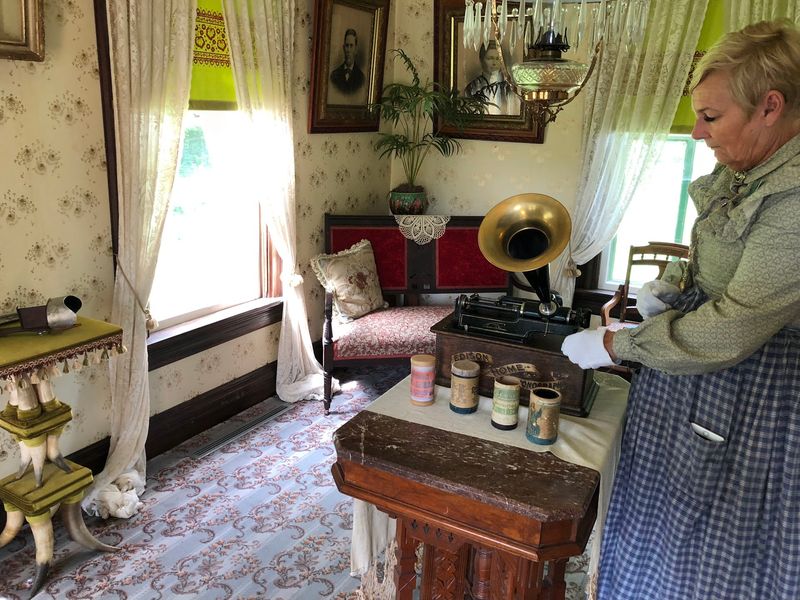
Listen for the bell. When it rings, a guided tour of the farmhouse is about to start, and these tours happen at the top of each hour.
Guests rave about this part of the visit, calling it excellent, very cool and genuinely interesting. Costumed guides lead groups through the rooms, explaining how the family cooked, cleaned and lived without modern conveniences.
People often leave surprised by how much they learned in such a short stretch of time.
The tour is free, which only adds to the appeal. A few visitors have even named their favorite guides, praising them as warm, patient hosts who made the family feel welcome.
If you arrive and just missed a tour, no worries. Wander the yard, visit the animals, and wait for the next chime.
Timing your day around the hourly bell is a simple trick that helps you catch the best of the farm without feeling rushed.
Hammers, Horseshoes and Hard Work
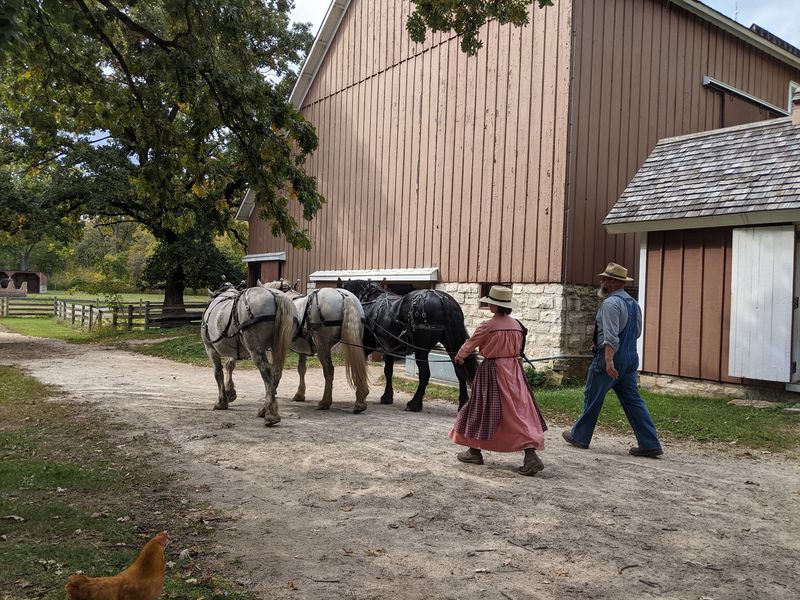
Clang, clang, clang. One family followed the sound of hammering to a barn near the house and found workers fitting winter horseshoes on the horses.
They stayed and watched for quite a while, completely absorbed.
Blacksmithing comes up again and again when visitors talk about this farm. Seeing iron shaped the old way is mesmerizing for kids who have only known machines that hum quietly.
It also helps explain why farm families needed so many skills just to keep things running.
The labor on display goes beyond the barn. Guests have watched a horse team pulling a plow with a gentleman guiding it across the field, and others have seen docents milking the cows by hand.
One parent joked that nobody back then needed a gym membership, given all the work a farm required. It is a fun, eye-opening reminder of how much muscle went into every single day.
Seasonal Traditions From Maple Sap to Ice Cream
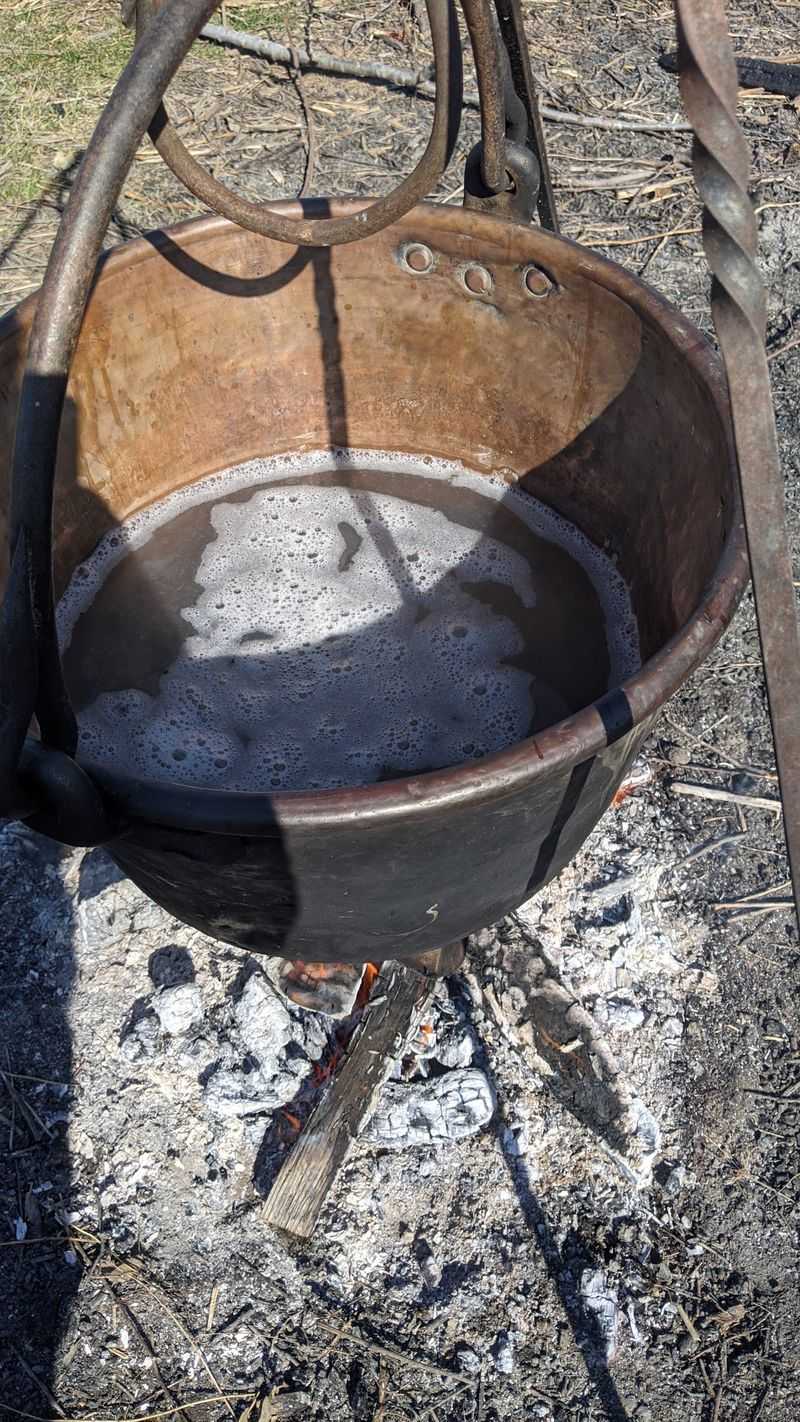
Every season brings a new chore, and the farm turns those chores into events. Families mention maple sugaring demonstrations where kids can drill a hole for the spile and tap it into the tree with a hammer.
Spring means sheep shearing, an event that longtime fans call their absolute favorite. Some visitors have helped out in the potato field with a patient volunteer showing them the ropes.
Others watched volunteers demonstrate how laundry was done in the 1880s, scrub boards and all.
Winter offers a clever tradition, too. Staff collect ice to store for the warm months and later use it to make ice cream, which has some families already planning a summer return just for a taste.
Storytelling times and popcorn experiences pop up as well. Checking the schedule before your trip can help you match your visit with an activity your crew will love.
Hands-On Fun Inside the Visitor Center
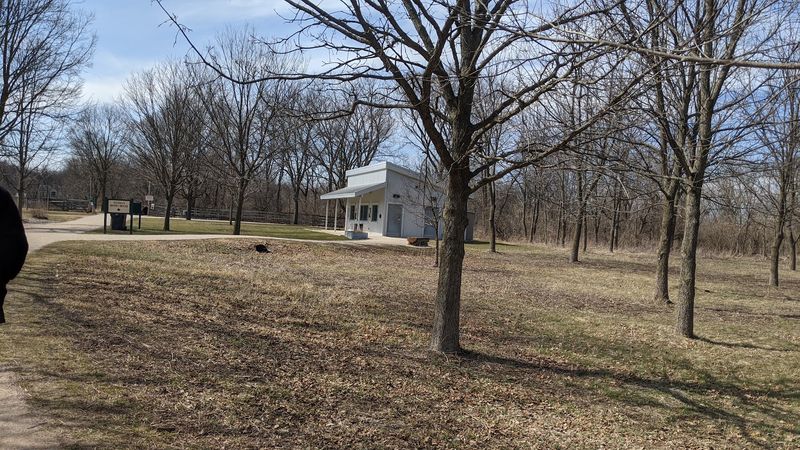
Parents have one firm piece of advice: do not skip the building by the parking lot. Inside, kids find hands-on activities, including a model cow they can pretend to milk and a play chicken coop to explore.
It makes a great warm-up before the walk out to the real animals. Little ones get a feel for farm chores in a safe, playful way, and then they get to see the real thing minutes later.
Many families circle back here at the end too.
Helpful staff work the front desk and share what is happening that day, including when the next house tour starts. One mom recalled how the woman at the visitor center pointed her toward the hourly tour, which led to the egg-gathering moment her toddler still talks about.
Restrooms are available here as well, which every parent will appreciate before heading out across the grounds.
Honey, Bonnets and Other Gift Shop Finds
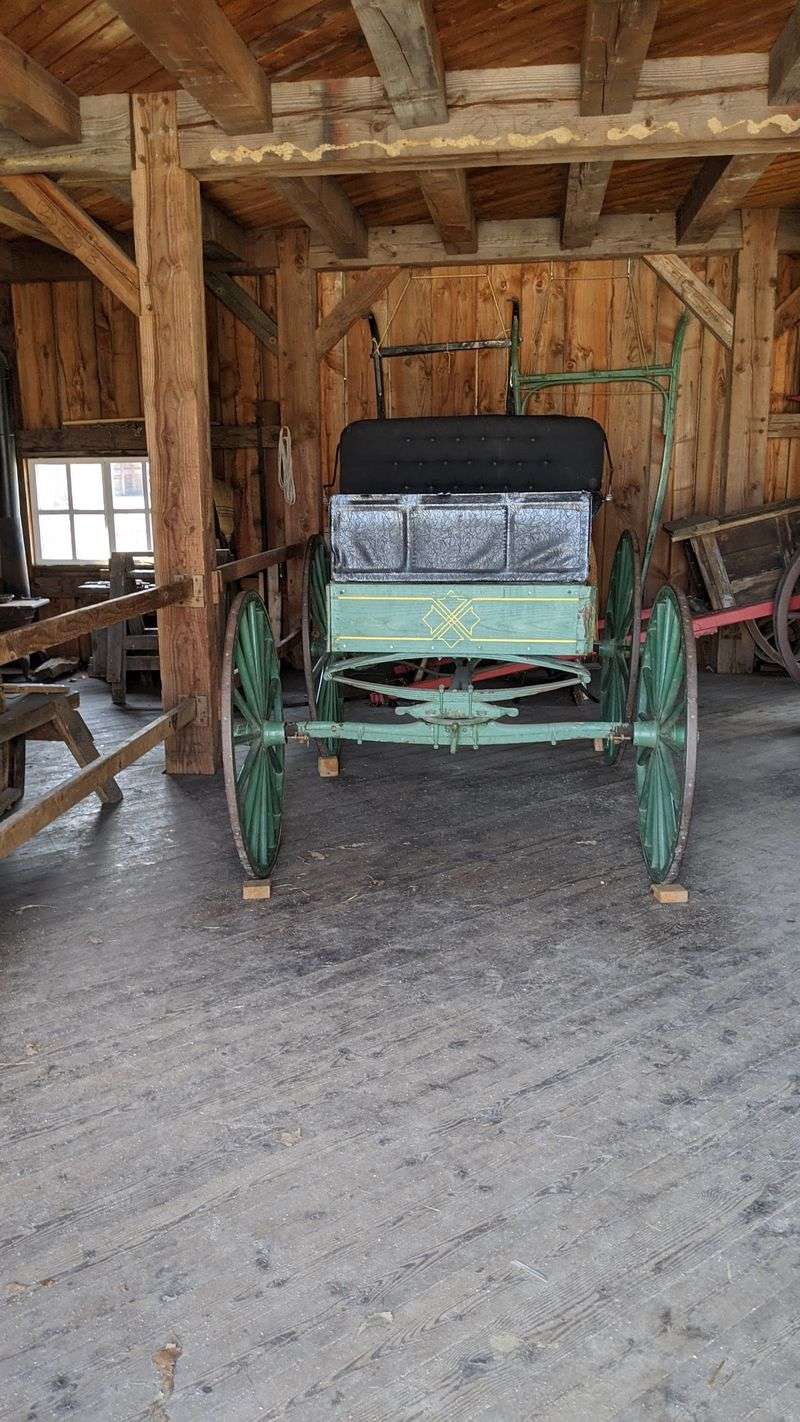
Local honey sits on the shelves right next to bonnets and old-fashioned games, which tells you a lot about this charming little shop. Guests call it cute, affordable and full of surprises.
Shoppers have found recipe books, period dresses, nature goods, iron pieces and homemade wax candles. A honey shop adds an extra sweet stop.
Families who attended the maple sugaring program even brought home maple products to try in their own kitchens.
What makes browsing fun is how closely the items connect to what you just saw on the farm. A child who watched the blacksmith might want an iron trinket, while a young history fan could fall for a bonnet.
The shop attendants get warm praise for being kind and full of information. Give yourself a few minutes here, because it is easy to wander longer than expected while picking a small souvenir.
Creekside Calm and Woodsy Trails
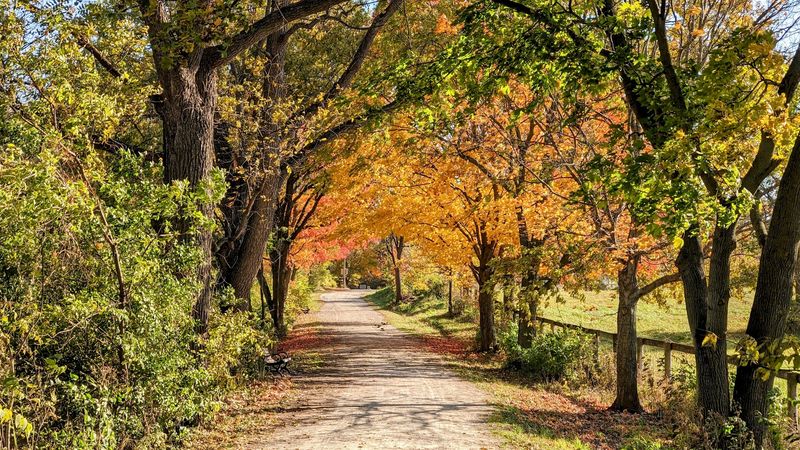
Some visitors come for the animals and leave talking about the scenery. Giant oak trees, wide open spaces and a pretty creek give the property a peaceful feel that guests describe as an escape from the busy world.
Trails loop around the farm for walking and biking, and dogs are welcome on them. Once you reach the main entrance of the farm itself, though, pets and bikes are not allowed.
The stroll out to the farmstead is a lovely stretch, with shade and sun mixed along the way.
Autumn brings beautiful fall colors along the hiking paths. Benches dot the grounds for anyone who needs a breather, and plenty of families pack a picnic so the kids can explore freely.
Kids love poking around near the creek and woods. Because the farm connects with a larger park, it is easy to turn a short visit into a full outdoor afternoon.
Hours, Donations and Muddy-Boot Advice
Planning matters here, since the farm keeps a slightly unusual schedule. It is open Thursday through Monday from 9 am to 5 pm and closed on Tuesdays and Wednesdays.
Entry runs on a suggested donation of about five dollars, dropped in a box at the gate. Visitors note it is appreciated but not required.
Parking is free and plentiful, and restrooms are available. For questions, call 630-876-5900 or check the DuPage forest preserve website for event listings.
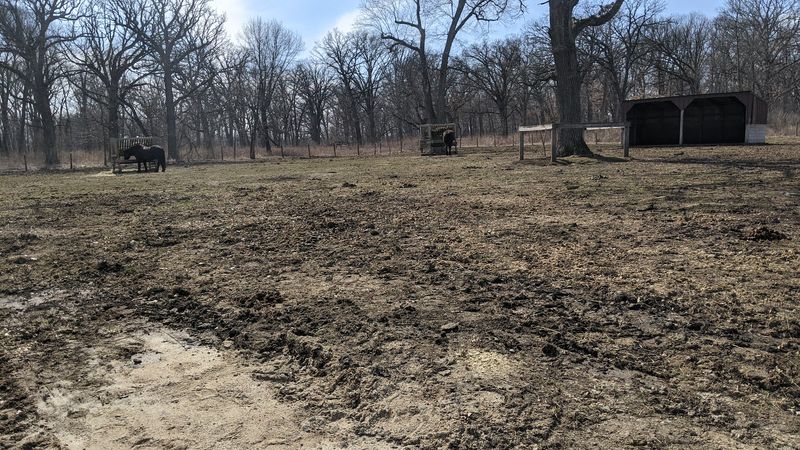
Now for the tip seasoned guests swear by. Wear rubber boots or old shoes, because the paths can get quite muddy and horses leave droppings along the way.
Sunny days get high marks from regulars as the best time to go. Many people find an hour or two is plenty, though event days can easily stretch longer.
Families say the place rarely feels crowded, which keeps things relaxed.
Worth the Drive for Curious Families
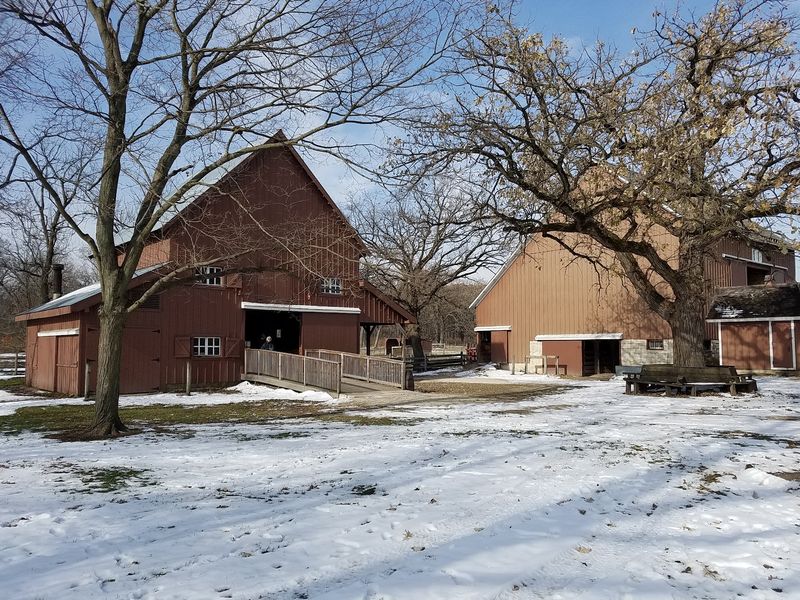
Homeschool groups, church kids clubs, toddlers, teens and grandparents all seem to find something here. One parent with kids ranging from a fifth grader to a high school grad said everyone had a great time, which is no small feat.
So who should go? Anyone who loves animals, history or simply a calm afternoon outdoors.
The farm is not huge, so it works beautifully as a pop-in visit, yet regulars keep returning year after year because each season offers something fresh. Some say it keeps getting better.
For northern Illinois families, it feels like a local secret worth claiming. You get real chores, real animals and friendly volunteers who make the past feel close enough to touch.
Bring muddy shoes, a picnic and a sense of wonder. Chances are good your kids will ask to come back before you even pull out of the lot.
Share this story