
Some of the most memorable Oklahoma outings start with a plain door and a simple question: what happens in there? Picture a room where a coach shows you how to stand, hold, and throw, and then you get a chance to try it yourself.
It is a hands-on skill night that fits inside a single hour. Here is what a first-timer can expect, and what is worth checking before you go.
The documented Tulsa session is about axe throwing

Start with the venue itself. A&R Axe Throwing in Tulsa lists a beginner-friendly option on its Axe Throwing Tulsa page, and the information reviewed for this article describes axes, not knives.
That detail matters because plenty of people hear “throwing night” and picture blades of every kind. The published session details do not say that knife throwing is part of this booking.
So this article sticks with what is documented: a beginner axe-throwing session.
If knives are what you have your heart set on, treat that as a question for the venue. Call or message A&R before booking and ask whether knife throwing and knife instruction are offered for the specific session you want.
Until they confirm it in writing or by phone, it is safest to plan for axes only.
Tulsa does have a bigger throwing scene, but a city’s reputation does not tell you what a single beginner booking teaches. Think of the venue’s own listing as the final word on what is included.
The good news is that the listing says no prior experience is needed. That makes it a friendly starting point for curious locals, friends looking for a new activity, or weekend travelers passing through the Tulsa area.
You can arrive as a total beginner and still have a clear path from the front desk to the first throw.
What the one-hour booking includes
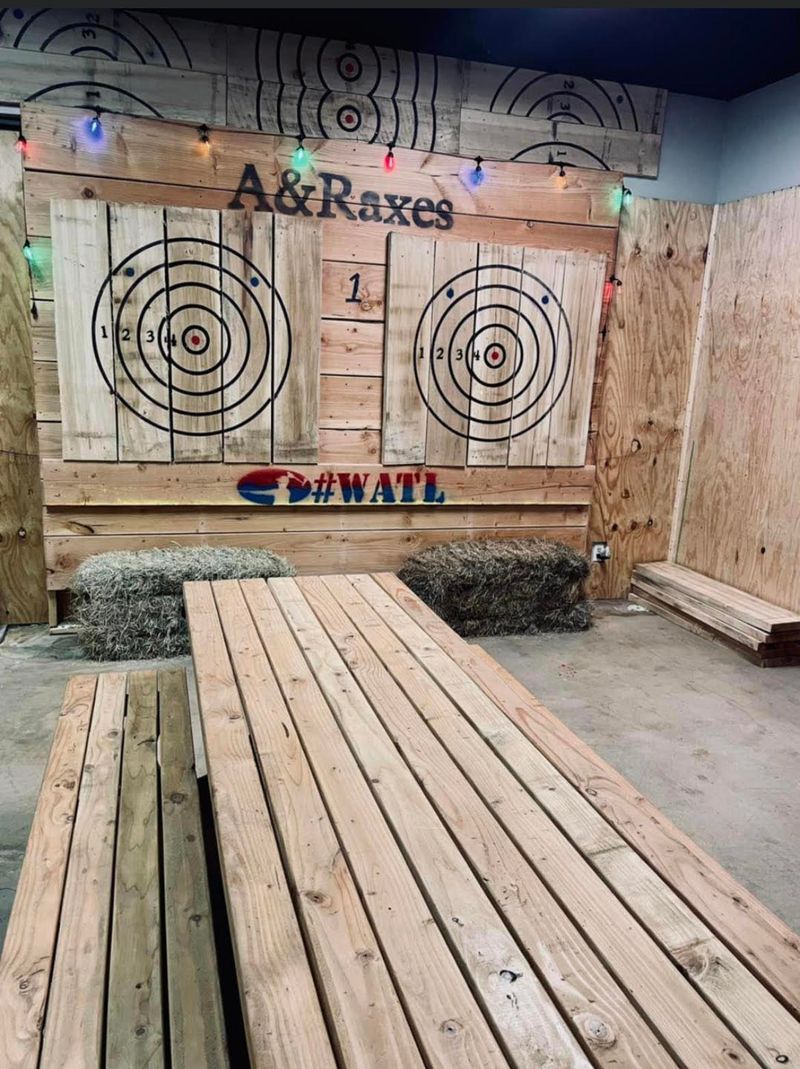
Sixty minutes sounds like a full lesson, but the format is a little different. A&R describes a one-hour booking in which its coach spends about 10 to 15 minutes on instruction, and the rest of the time is for practice.
You can see the setup on the venue’s Tulsa page and its 60-minute session listing.
Here is a simple way to picture it. The booking is the whole hour on the calendar.
The coaching is the short opening stretch. Practice is what fills the remainder after that introduction.
That split is useful to know before you arrive. If you expect an hour of nonstop teaching, you may be surprised.
If you expect a short briefing and then time to try what you heard, you will be on the right track.
Results will vary from person to person. Some guests may find the motion comes quickly, and others may need more tries.
A one-hour booking offers an introduction and some practice, not a promise of skill.
One more tip: arrive a little early so the instruction portion is not squeezed by paperwork or parking. Ask the staff how the practice portion is handled, including how much help you can expect once the coaching wraps up.
The coach introduces the throwing fundamentals
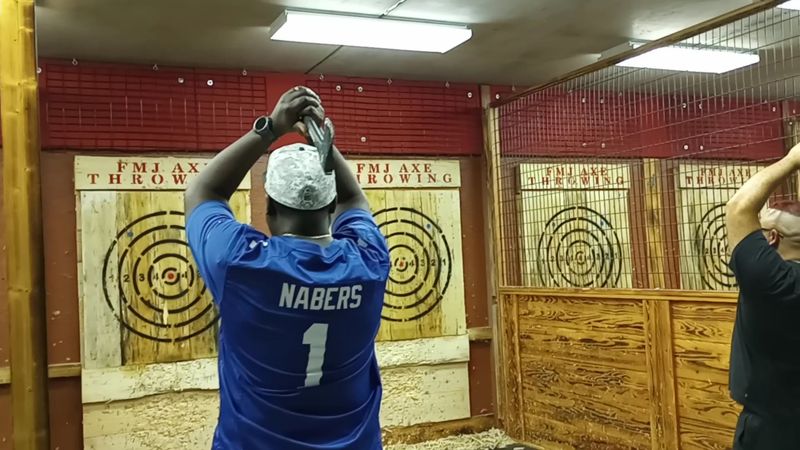
Every new skill has a few basics that everything else is built on. According to the venue, its coach covers four topics before guests practice: stance, grip, throwing motion, and safety.
That list comes from A&R’s published session information.
Stance is how you set your feet and body before you throw. Grip is how you hold the handle.
Throwing motion is the movement that sends the axe toward the target. Safety is the thread that ties all three together.
The listing does not spell out exact hand positions, foot placement, or drills, so this article will not invent them. Your coach on the day is the right source for the specifics, and their instructions are the ones to follow.
What you can do is show up ready to learn. Listen closely during the short coaching window, since it is the main chance to hear the basics in person.
If something is unclear, ask a question before you step up to throw.
It also helps to treat that first stretch like a map. You will not remember every detail, but a few key reminders can guide your early tries.
Keep your attention on the coach, and let the practice time be where those ideas start to settle in.
The venue also says many first-timers stick axes within their first few throws. That is A&R’s own statement, not an independent measurement, so take it as encouragement rather than a guarantee.
Follow range directions and wait for authorization
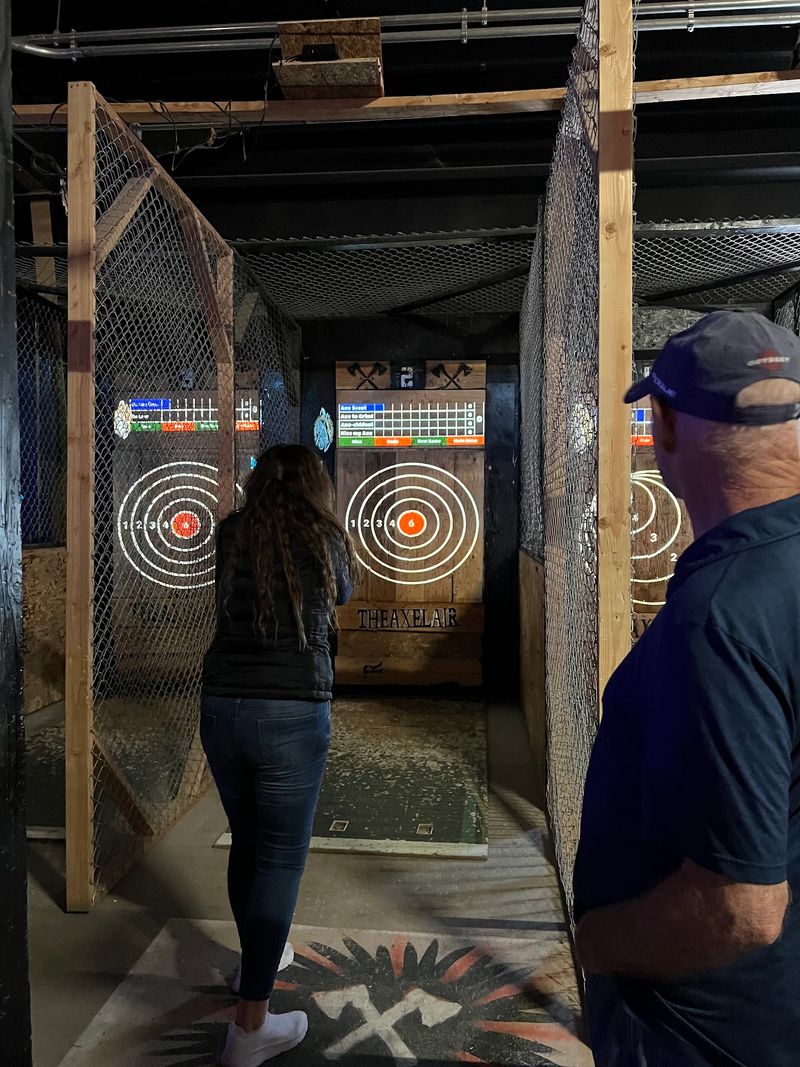
Range etiquette is the quiet hero of any throwing activity. The ideas below are general range-safety principles, not A&R’s confirmed house rules, so always follow the venue’s current instructions first.
First, follow the supervisor’s commands. The Scouting America range and target activities manual stresses that throwing items should be retrieved only when authorized.
In plain terms, wait for the signal before you walk toward the target.
Second, stay in designated areas. The World Axe Throwing League’s official rules require competitors and spectators to remain in designated areas.
Those are competition rules, so do not treat details such as their fault-line distance as measurements a commercial venue must use.
Third, never retrieve equipment while others are still throwing. A quick walk to grab an axe can wait until the lane is clear and you have the go-ahead.
Fourth, ask staff before changing your technique or equipment. A quick question is much better than a guess.
None of this makes the activity risk-free. Throwing an axe carries real risk, which is why listening matters so much.
Skip any urge to practice at home or improvise your own gear, and save your throwing for a setting with proper rules and staff.
Confirm the practical details before booking
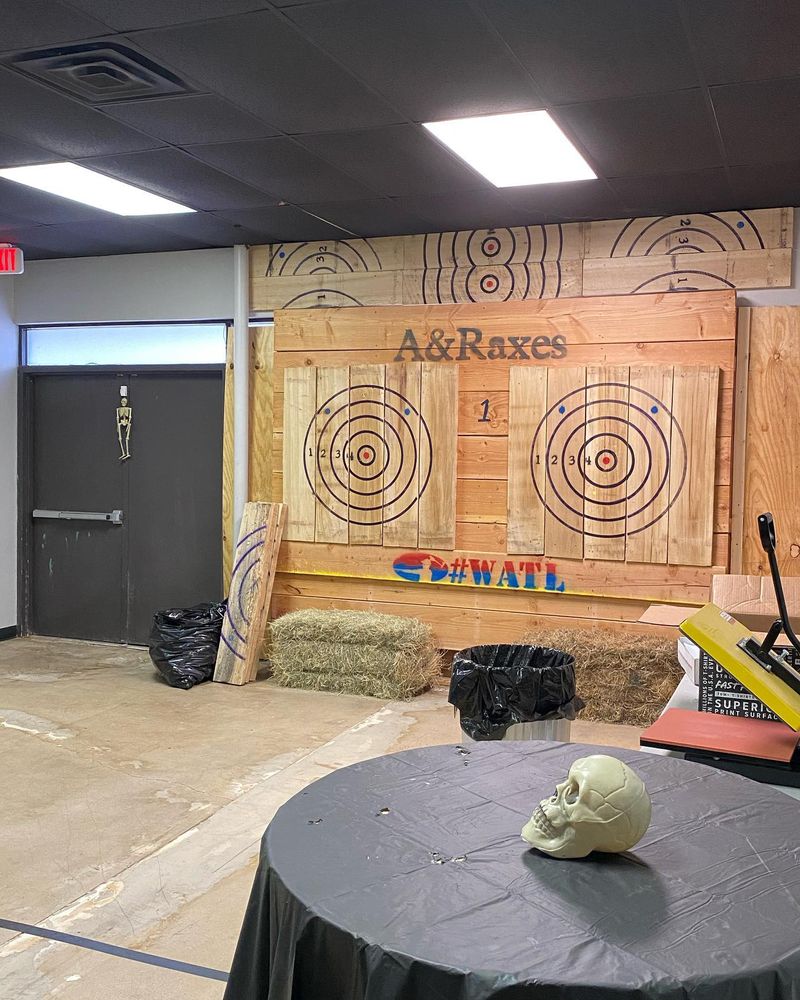
A little prep makes the night smoother. A&R’s Tulsa page lists a one-hour session at $16 per person, requires closed-toe shoes, and says participants under 18 need a parent or guardian.
Those are published details, and published details can change. Prices, rules, and open time slots may be different by the time you plan your visit.
The venue’s 60-minute session page is another place to look, but a quick call or message is the surest way to confirm.
Here is a short checklist to bring to that conversation. Ask about the current price.
Ask about availability for your group size and preferred day. Ask what the closed-toe-shoe rule means for your footwear, and what the parent or guardian requirement looks like for any teens in your group.
Since the session is described as axe throwing, you can also ask once more whether knife throwing is available. If the answer is no, you will know exactly what to expect.
Wear sneakers or other closed-toe shoes, and give yourself a few extra minutes to arrive. With the details confirmed, you can focus on the fun part.
Treat the session as a first try, not a finish line
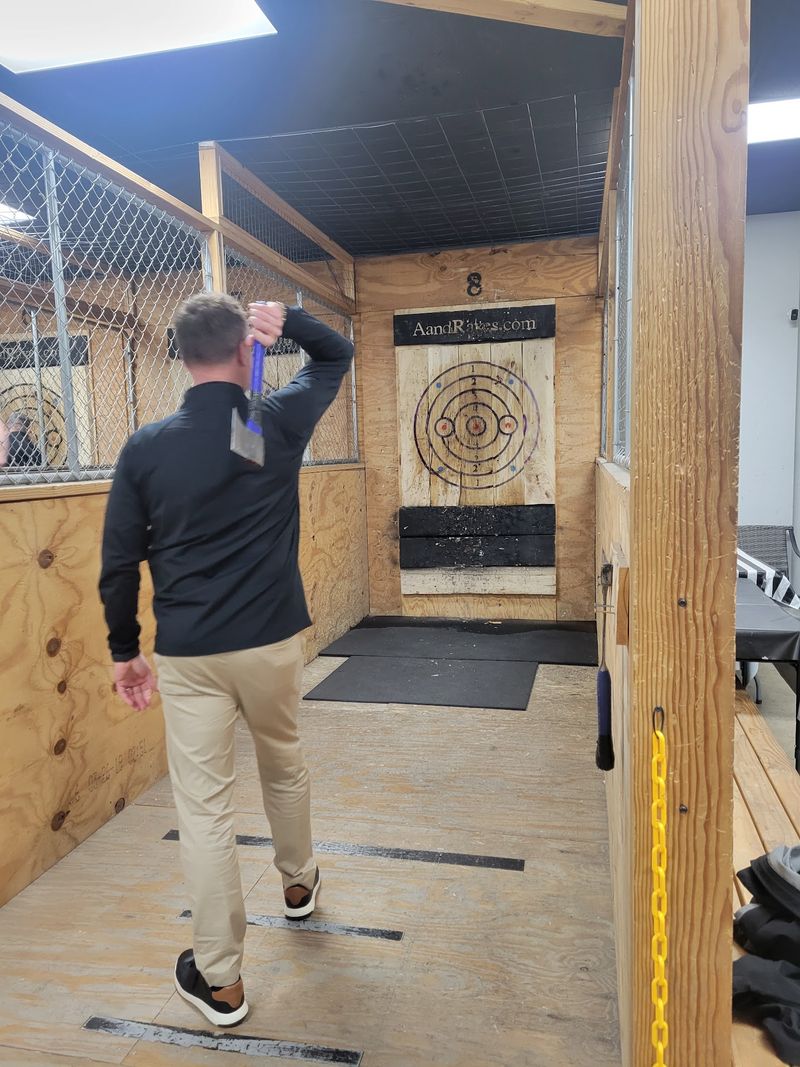
Think of this booking as a first chapter. A&R’s listing describes a short coaching period followed by practice, and nothing in it promises mastery or confirms that a coach watches throughout the practice time.
Knife instruction also remains unconfirmed for this session, so ask before you count on it. Go in curious, and let the hour be a start rather than a verdict.
Every great thrower once stood in a lane wondering where to put their hands.
Share this story