You know that feeling when you find a sleepy little town in Oregon with a cozy cafe, a quiet main street, and houses that seem almost too good to be true? Lately, a lot of those places are getting noticed by people with deep pockets and big plans.
Longtime locals are watching homes turn into rentals and prices climb faster than paychecks. Here is a look at the Oregon towns where neighbors are starting to whisper, and why it matters to anyone who loves this state.
1. Manzanita, Oregon, Manzanita
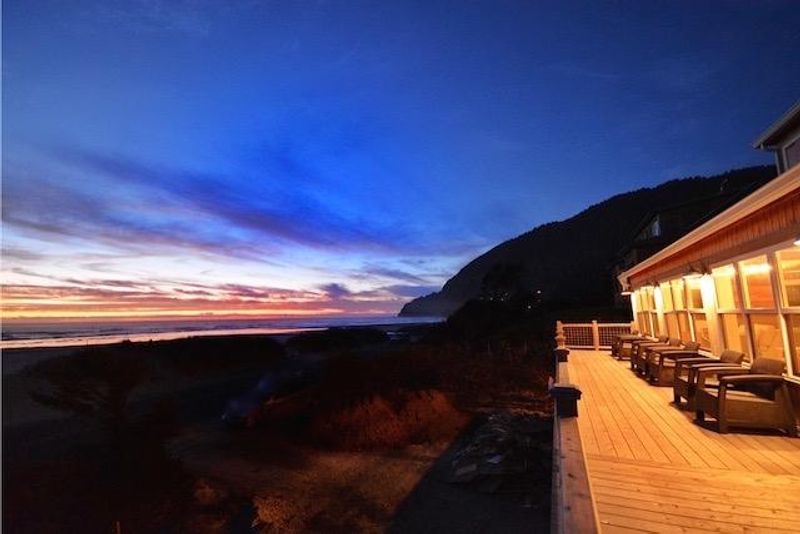
Walk down Laneda Avenue on a foggy February morning and you might count more lockboxes than porch lights. Manzanita has long been the north coast’s hushed alternative to busier Cannon Beach, with a wide sandy beach tucked under Neahkahnie Mountain.
That calm is exactly what outside buyers crave. Over the past decade, a large share of homes here have become second homes or short-term rentals, and year-round residents say it can feel like a ghost village in the off-season.
Tillamook County has even debated caps on vacation rental permits to protect neighborhoods.
For locals who work at the bakery or the grocery, finding a place to live nearby is a real puzzle. Many commute from Nehalem or Wheeler.
Still, a winter visit reveals the old Manzanita charm: storm-watching from the sand, warm clam chowder, and hardly another soul in sight.
2. Sisters, Oregon, Sisters
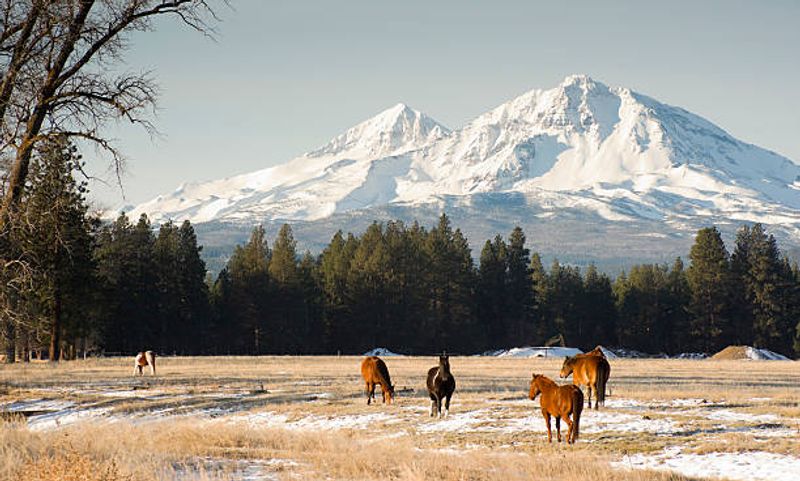
Picture a cowboy-themed main street framed by three snowy volcanoes. Sisters looks like a postcard, and investors have noticed.
Once a modest stop on the road over Santiam Pass, the town has grown quickly as Central Oregon boomed. Bend’s soaring prices pushed buyers west, and many landed here, snapping up homes as vacation rentals or remote-work retreats.
Locals point out that teachers, firefighters, and shop workers increasingly live in Redmond or beyond because rent in town is simply out of reach.
Fun fact: the famous Sisters Outdoor Quilt Show draws thousands every July, hanging colorful quilts from nearly every storefront. It’s a joyful tradition, but it also shows how tourism shapes the local economy.
Visit in late fall, when the aspens turn gold and the crowds thin, to see the everyday Sisters that longtime families are working hard to keep alive.
3. Joseph, Oregon, Joseph
Bronze statues line the sidewalks, and the Wallowa Mountains rise like a wall at the end of Main Street. Joseph feels like a secret most Oregonians have only heard about, tucked in the far northeast corner of the state.
Remoteness used to protect it. Then remote work arrived, and suddenly a ranch-country town of about a thousand people started getting calls from buyers across the West.
Old farmhouses and cabins near Wallowa Lake now sell quickly, sometimes sight unseen, and prices have jumped well beyond what local wages support.
Residents worry about losing workers who keep the foundries, ranches, and cafes running. The town’s bronze-casting history, which began in the 1980s, gave it an artsy identity worth protecting.
If you go, try September, when summer visitors head home and the high peaks catch the first dusting of snow.
4. Yachats, Oregon, Yachats

Say it right: YAH-hots. Getting the name correct is the first sign you actually know this tiny central coast gem.
Yachats sits where lava rock meets roaring surf, and its tide pools and spouting horns are pure magic in winter. Yet with only around a thousand residents, even a small wave of investment changes everything.
Short-term rentals make up a noticeable chunk of the housing, and the city has tightened rules more than once to slow the trend.
Locals love their volunteer-run community spirit, from the village library to the famous mushroom festival each October. The fear is simple: fewer full-time neighbors means fewer volunteers and fewer kids in the local schools.
Come during storm season with a thermos of cocoa, watch the waves explode at Thor’s Well nearby, and you’ll understand why people fight so hard for this place.
5. Hood River, Oregon, Hood River
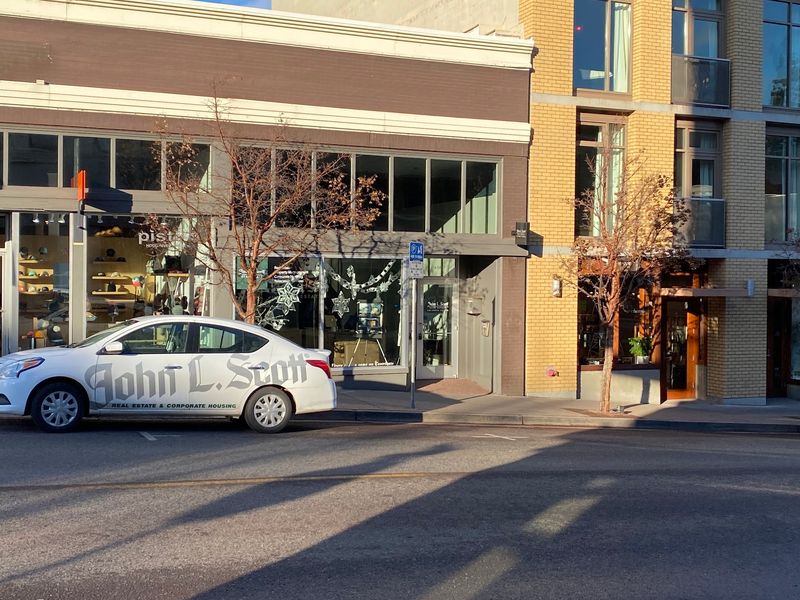
Kiteboarders zip across the Columbia while orchards bloom on the hills above. That combo turned Hood River from a fruit-packing town into one of the most wanted addresses in the Gorge.
Housing here has become some of the priciest in rural Oregon. Out-of-area buyers and investors have scooped up homes for weekend escapes, and farmworker housing remains a constant challenge for the valley’s pear and apple growers.
City leaders have passed rental limits and pushed for affordable projects, but demand keeps rising.
Here’s a sweet detail: the Fruit Loop, a 35-mile drive through orchards and farm stands, is a spring and fall favorite. Go on a weekday in April, when blossoms cover the valley and the roads are quiet.
You’ll taste why people fall for Hood River, and why locals wish more of those who fall in love would actually stay year-round.
6. Pacific City, Oregon, Pacific City
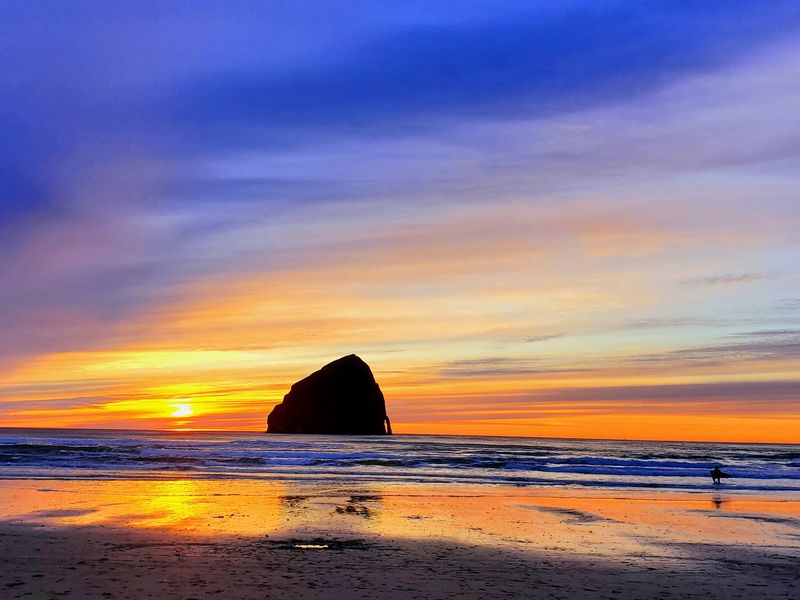
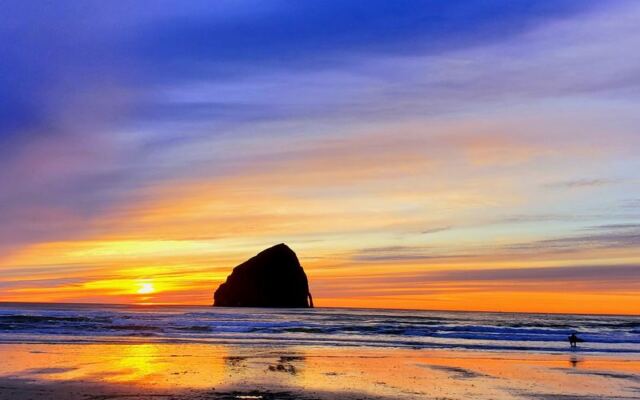
Few places in America launch fishing boats straight off the sand. Pacific City does, and the sight of dory boats sliding into the surf near Cape Kiwanda is something special.
Not long ago, this was a quiet, unincorporated hamlet with a handful of beach shacks. Now shiny new vacation homes crowd the hillsides, many built or bought purely as rental investments.
Because it’s unincorporated, Tillamook County handles its rules, and residents have pushed hard for limits on new rental permits.
Longtime families remember when you could buy a cottage here on a regular salary. Those days feel far away.
Even so, an early morning climb up the big dune, with Haystack Rock glowing offshore and fishermen heading out, still feels like a private show. Try a rainy weekday in winter, when the beach belongs mostly to gulls and locals.
7. Sunriver, Oregon, Sunriver
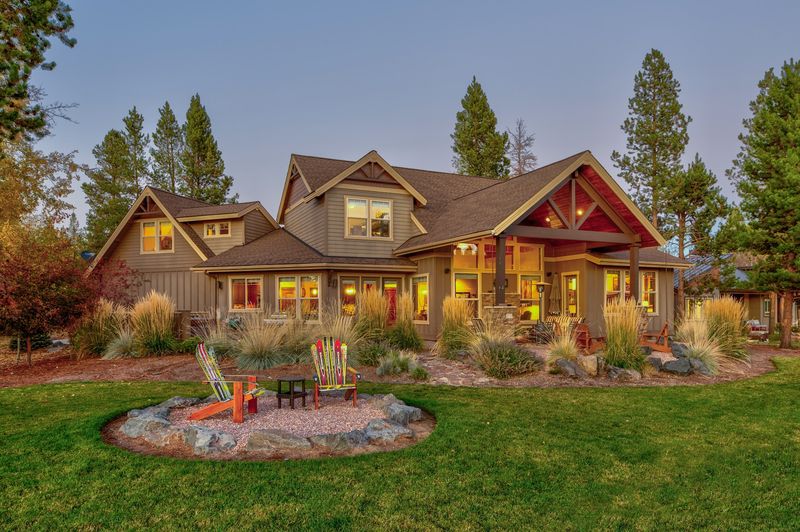
Bike paths wind through ponderosa pines, and nearly every cabin seems to have a lockbox by the door. Honestly, that tells the whole story of Sunriver.
Built as a planned resort community in the late 1960s, this spot south of Bend was always vacation-friendly. What has shifted is scale.
Big investors and rental companies now own many homes, and full-time residents are a small minority. Workers at the lodge, the shops, and the nature center often drive in from La Pine because there’s little housing they can afford.
Fun history bit: the land once hosted Camp Abbot, a World War II training site, and the Great Hall is its last original building. Sunriver shines during shoulder season in October, with crisp mornings, empty trails, and golden light on Mount Bachelor.
That’s when it feels most like a real neighborhood again.
8. Bandon, Oregon, Bandon
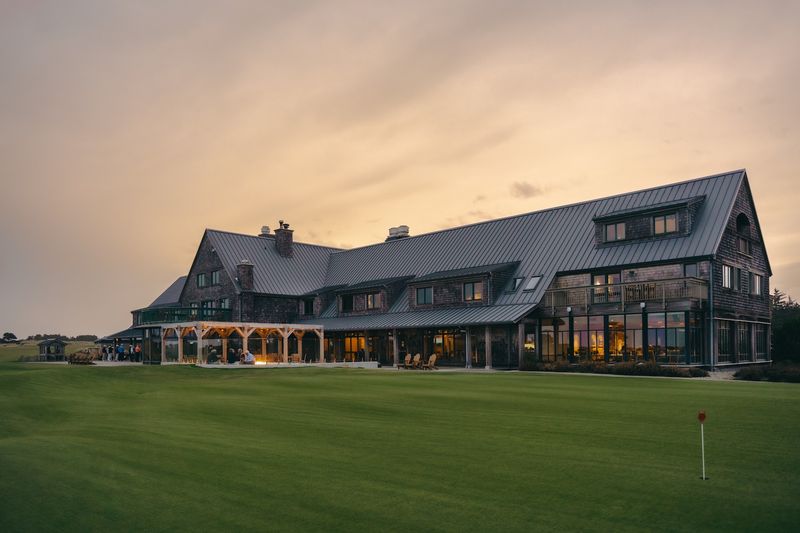
Golfers from around the world fly in for the famous links courses. Then they wander into Old Town, taste the fish and chips, and start browsing real estate listings.
Bandon on the south coast has changed a lot since the Bandon Dunes resort opened in 1999. The resort brought jobs, but also fresh demand for homes from wealthy visitors and investors.
Prices have climbed, and residents say younger families struggle to find a foothold near the town where they grew up.
Beyond the golf buzz, Bandon keeps its quirky heart. Look for the Washed Ashore art sculptures made from ocean plastic, and walk Face Rock beach, where sea stacks rise like giants from the sand.
A misty winter afternoon is the best time to roam, when the harbor is calm and you can grab a table at nearly any spot in town.
9. Cannon Beach, Oregon, Cannon Beach
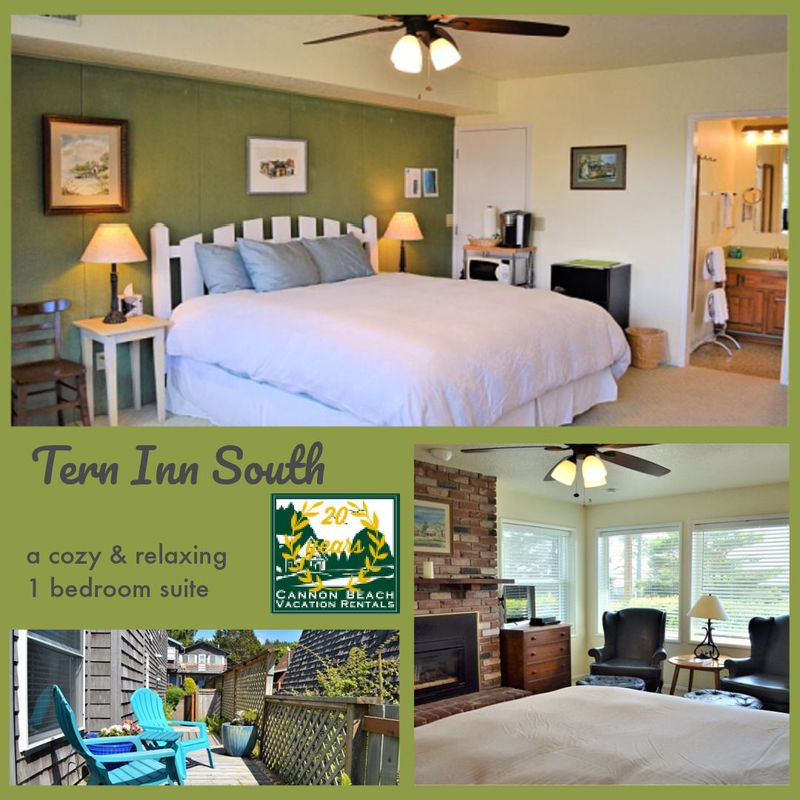
Everyone knows Haystack Rock, but fewer people know how few actual residents live in its shadow. Cannon Beach has fewer than 1,500 full-time neighbors, while a huge share of homes sit empty much of the year.
The town has fought back harder than most. It limits short-term rentals through a permit system and has explored ways to create workforce housing.
Even so, hotel workers and restaurant cooks often commute from Seaside or farther. Business owners say hiring gets tougher every season.
What keeps locals hopeful is the town’s strong sense of identity: no chain stores dominating downtown, cedar-shingled galleries, and gardens bursting with hydrangeas. For the quiet version, skip summer weekends.
A foggy January morning, with tide pools exposed and puffin fans gone, reveals the peaceful village that residents hope investors never fully buy out.
10. Cottage Grove, Oregon, Cottage Grove

Movie buffs might recognize the streets from classic films shot here. Cottage Grove, south of Eugene, is known for its covered bridges and old-time main street, and lately for something new: rising investor interest.
As prices in Eugene and Portland shot up, buyers began looking at affordable Willamette Valley towns. Cottage Grove fit the bill.
Investment groups have picked up single-family homes to rent out, and locals feel the squeeze as rents rise. The city made national news for creative housing ideas, like a tiny home village for people in need.
There are six covered bridges nearby, and the Row River Trail makes a lovely bike ride past several of them. Come in October, when maple leaves turn orange and the valley smells like harvest.
You’ll see a hardworking town trying to keep its friendly, small-town soul.
Share this story