Lunch plans do not usually require a boarding time, which is part of the appeal of this New Jersey outing. An unassuming riverfront departure leads to a paddlewheel boat where a sit-down meal shares the schedule with a trip along the water.
The surprise is how much fits into one afternoon: local history, time together, and a shoreline that keeps changing as the boat moves. Here is what makes this floating lunch worth considering, plus the details to check before booking.
A Riverfront Departure in Toms River
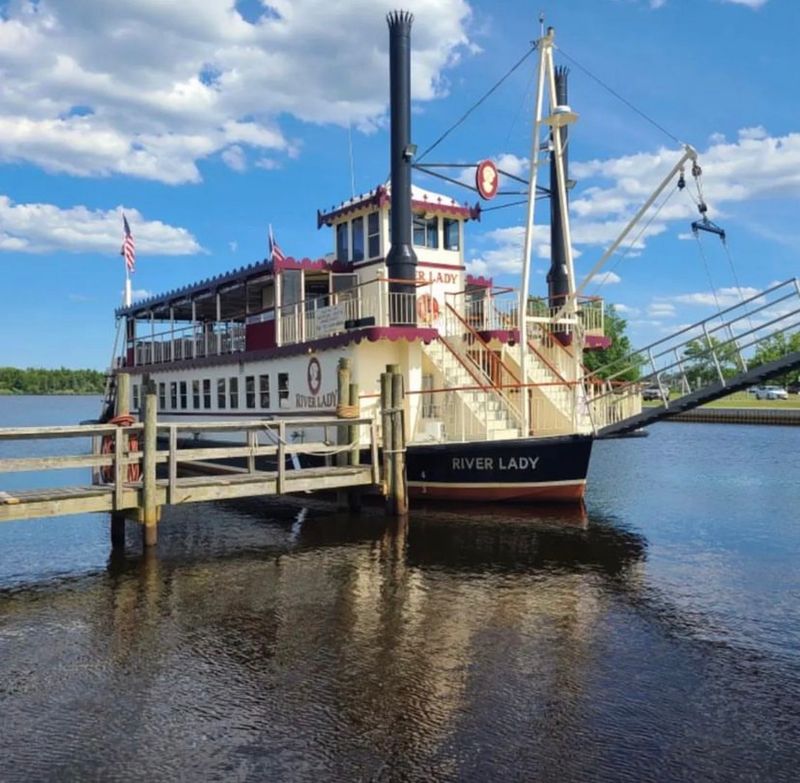
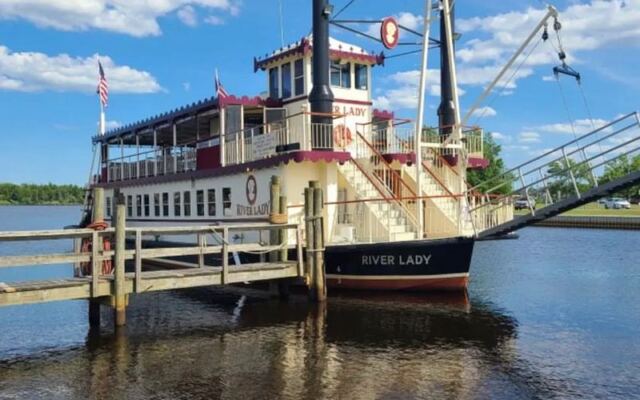
A lunch reservation takes a different turn when the table leaves the dock. River Lady Cruises operates from 1 Robbins Pkwy, Toms River, NJ 08753, United States, giving this outing a specific waterfront starting point.
The business is a boat tour agency rather than a restaurant that stays in one place. Its luncheon cruises combine a seated meal with a trip along the river, so the journey is part of the reason to book.
For local residents, that distinction makes an ordinary lunch plan into an afternoon activity without requiring a separate attraction. Nearby day-trippers can build their plans around one departure instead of several stops.
Keep the dock address handy when arranging transportation, and confirm boarding instructions with the operator before leaving home. A boat departure calls for more planning than a casual restaurant arrival, but the payoff is straightforward: lunch and a river outing share the same reservation.
The Paddlewheel Boat at the Center
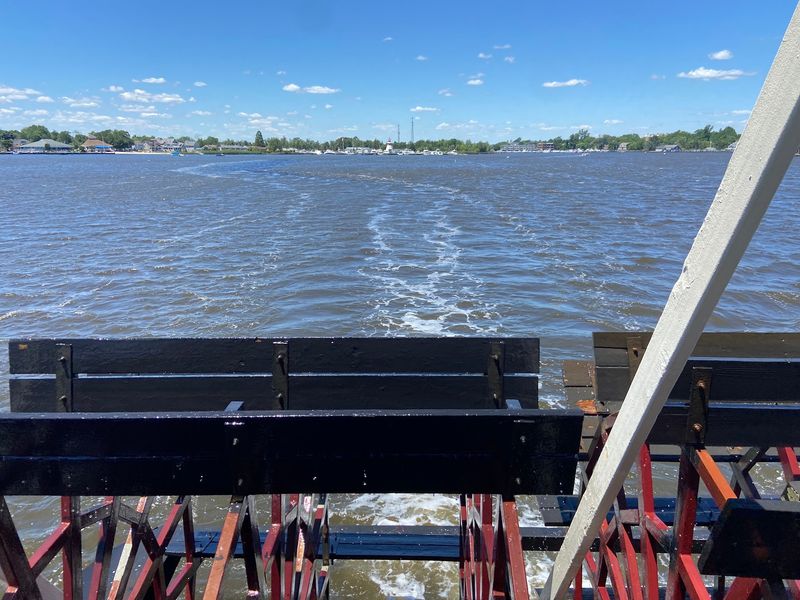
Two rear paddle wheels give the boat a feature that deserves attention before lunch begins. The vessel is a paddle wheeler, and its design is a major part of what separates the trip from an everyday meal.
Passenger accounts describe a smooth ride and note the interest of sitting near a wheel. That combination gives the boat itself a role in the afternoon rather than treating it only as transportation.
The supplied information does not establish a construction date or a detailed vessel history. Its appeal can stand on the documented design without adding a story about its age or origins.
Anyone particularly interested in the paddle wheels should ask about seating when booking, rather than assume a nearby table is guaranteed. Even without that seat, the outing offers a chance to spend time aboard a distinctive boat while the meal and river trip unfold together at an unhurried pace.
A Route Toward Barnegat
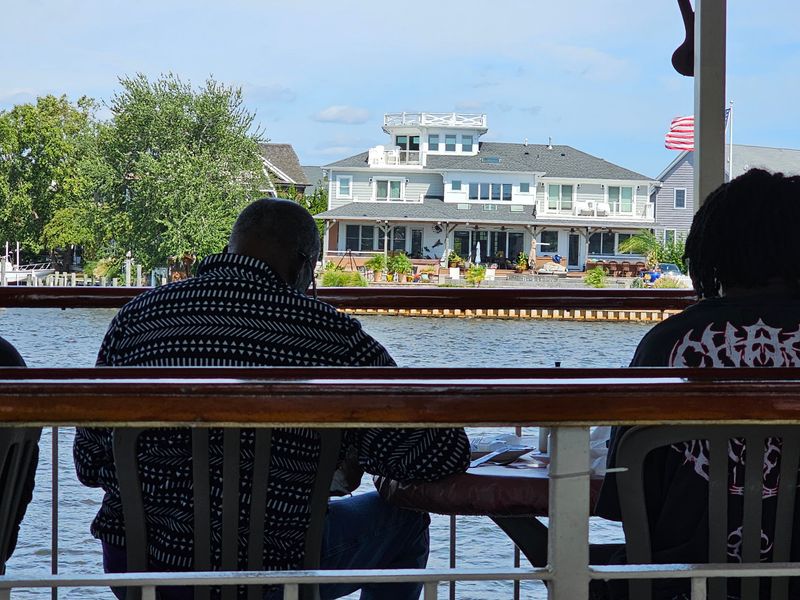
The route supplies the changing backdrop that a land-based lunch cannot offer. Documented trips travel along the Toms River toward Barnegat, stopping short of the Route 37 Bridge.
That detail helps set expectations: the river journey is the attraction, not an arrival at another dining destination. Passengers stay aboard while the shoreline becomes part of the afternoon.
There is no need to turn the outing into a checklist of landmarks. A seat at the table already gives the trip a clear purpose, and the passing riverfront adds another reason to take time over it.
Confirm the route for the particular departure you select, since a past account is not a promise about every sailing. The useful distinction is that this is a meal with movement, not simply a dockside boat used as a restaurant.
The river remains part of the experience throughout the scheduled outing.
Local History Along the Way
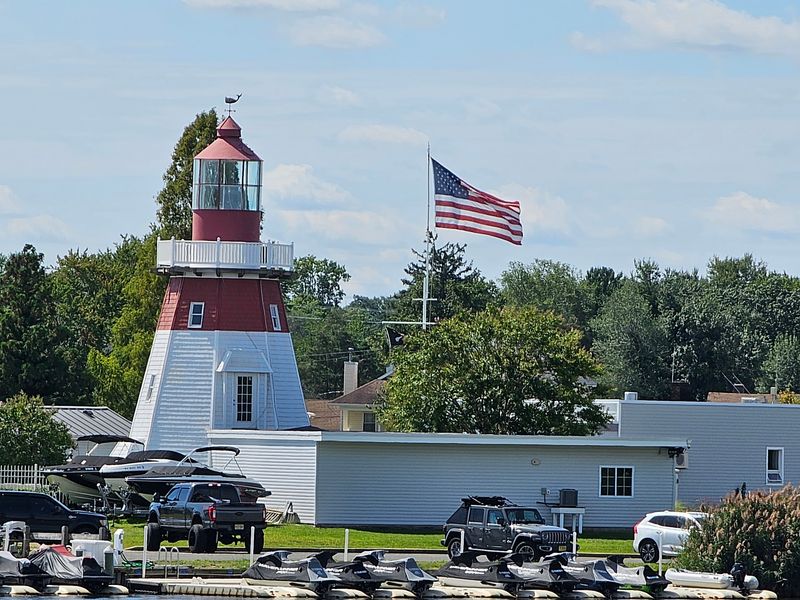
A familiar town can still have a few surprises left to explain. Narration on documented cruises covers local history and present-day details, including discussion of how the river received its name.
The captain’s commentary adds context to the route without requiring passengers to prepare for a formal history lesson. Even people who already know the area can find something new in the account.
However, narration should not be treated as identical on every departure. The supplied experiences include a dinner sailing without commentary, making the specific cruise format an important distinction.
Ask about narration when choosing a luncheon cruise if local history is a main reason for going. That small question can help match the booking to your interests.
Lunch provides the structure, but the commentary can give the afternoon another layer, connecting the passing riverfront with stories that might otherwise remain outside the conversation.
Lunch Chosen Before Boarding
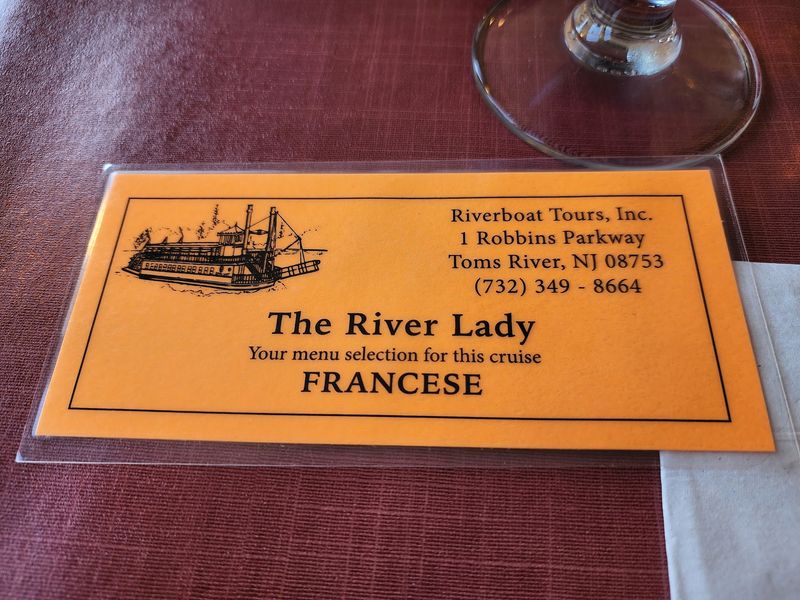
The meal decision starts before the boat trip does. Documented luncheon bookings ask passengers to select their entree when purchasing tickets, which makes food planning part of the reservation.
Lunch follows a sit-down format with table service rather than an open-ended stop at a restaurant. Meals are described as catered by a local Italian restaurant, although current arrangements should be confirmed directly.
Advance selection matters when several people are booking together. Collecting everyone’s choices before completing the reservation can keep the planning process simpler and reduce last-minute questions.
No current menu is included in the supplied information, so particular dishes should not be assumed. Ask what is offered on your selected date and raise dietary questions before paying.
The central appeal is the format itself: passengers have a planned meal aboard the boat, leaving more of the afternoon available for conversation and the river journey rather than menu decisions.
The Covered Upper Deck
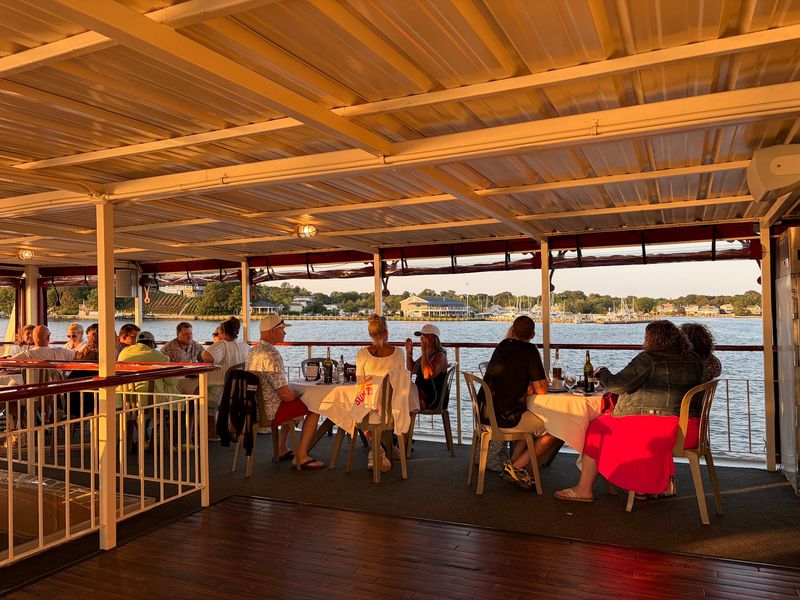
An upper-deck table puts the river setting close to the meal. The boat has a covered open deck, and documented luncheon trips include dining in that space.
The cover does not make the deck fully enclosed. Accounts mention windy conditions and recommend bringing a jacket, so the seating choice deserves a little thought even on an otherwise suitable day.
Passengers who prefer an open-air setting may find this part of the boat especially appealing. Still, the information does not establish which tables are available on every departure or how deck assignments are handled.
Ask about upper-deck seating before booking if that is central to your plans. A light extra layer is a practical addition, not an elaborate packing project.
The aim is to choose a setting that suits the group, then let lunch and the route take priority instead of spending the afternoon wishing for a different seat.
Downstairs Tables and Window Access
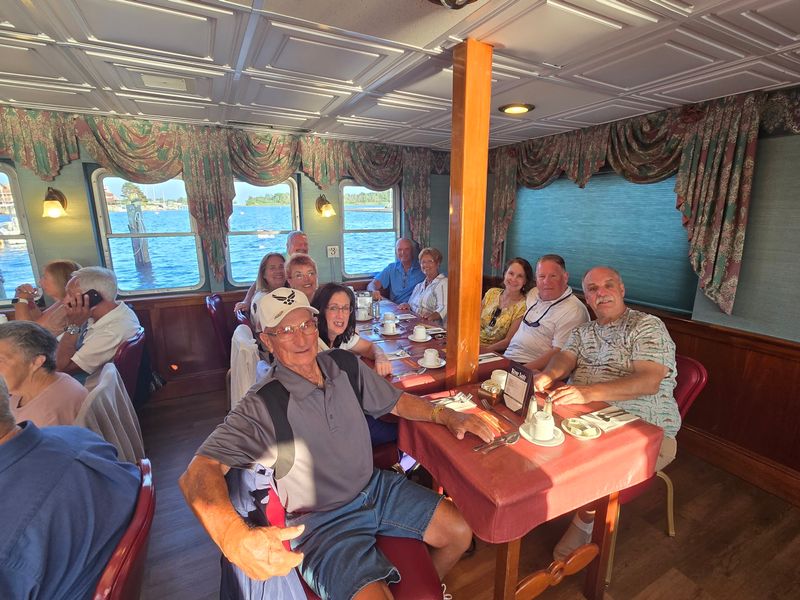
Not every memorable table needs to be on the upper deck. Downstairs seating is also documented, including a family group of twelve accommodated together at one table.
Windows provide a connection to the shore from inside the boat. That gives passengers another way to take part in the river outing while remaining in a different dining setting.
The larger table account shows that group seating has been arranged, but it does not guarantee the same arrangement for every reservation. Table location and group size should be discussed directly with the operator.
Anyone comparing the two decks should ask what choices exist for the selected cruise. The supplied details do not establish a complete floor plan or access arrangements between levels.
A clear conversation before booking is more useful than assumptions, especially when keeping a family together or choosing a particular part of the boat matters to the afternoon.
An Afternoon With Room to Settle
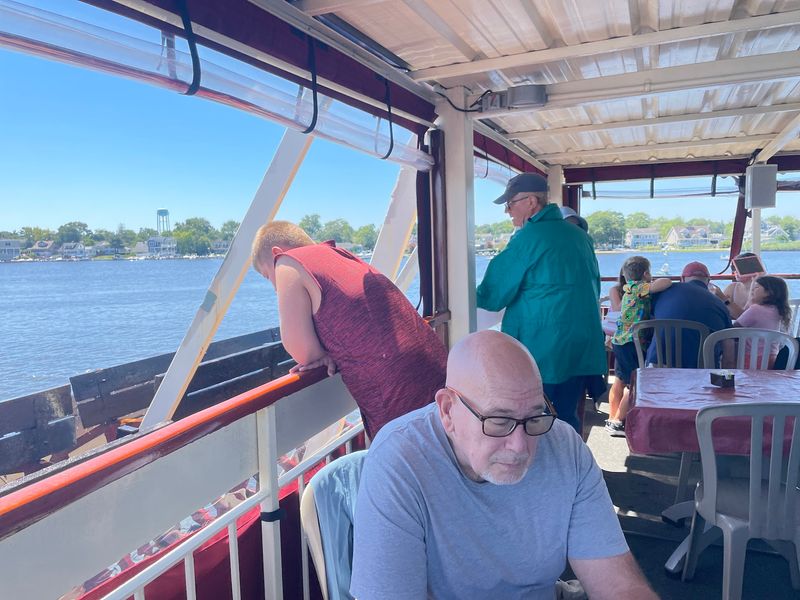
A scheduled cruise gives lunch a clear beginning and ending. Documented luncheon outings last about two and a half to three hours, offering more time aboard than a quick midday meal.
Those accounts describe different departures, so the duration is not a single fixed promise. Check the length listed for the cruise you plan to reserve before arranging the rest of the day.
The pace suits people who want one main activity rather than several tightly packed stops. A seated meal, a river route, and possible narration already provide enough structure for the afternoon.
Leave room in the schedule for boarding instructions as well as the sailing itself. Booking another appointment immediately afterward could turn a relaxed plan into clock-watching.
With a realistic time allowance, the outing can remain focused on its simple purpose: spending a few hours together while lunch and the river journey take care of the agenda.
Attention Beyond the Meal
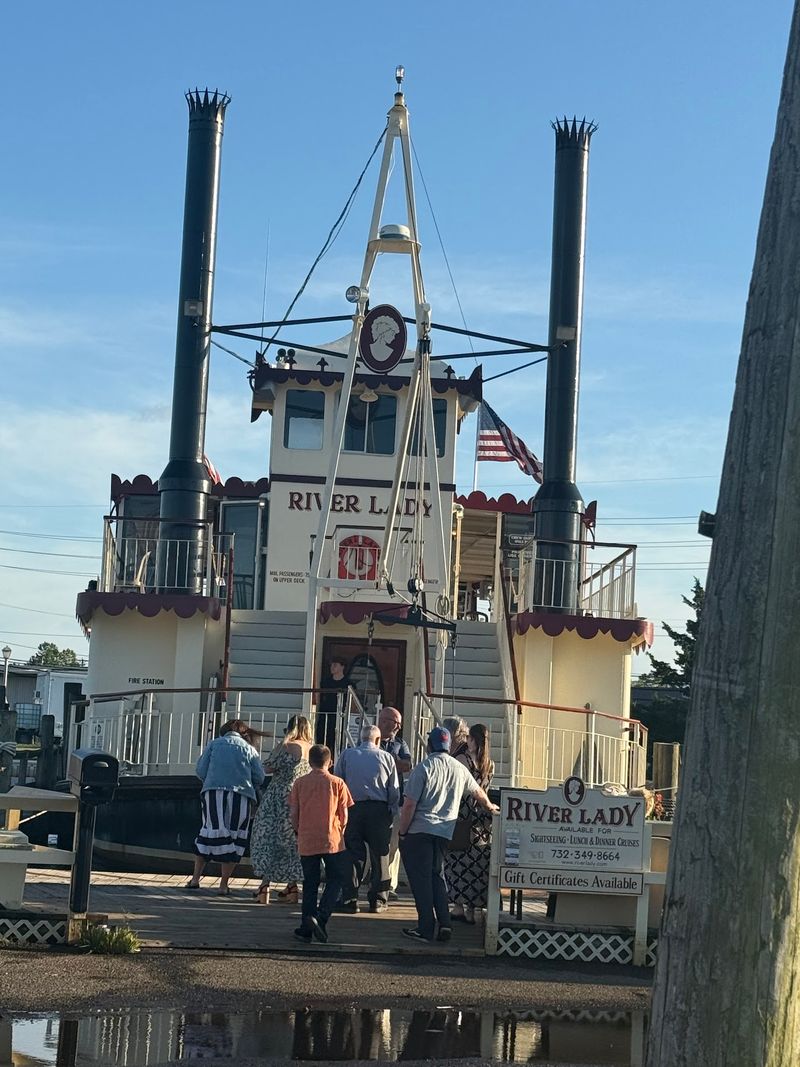
Small practical details matter when everyone shares a boat for several hours. The supplied accounts consistently describe helpful staff, attentive table assistance, and a clean vessel, including well-kept restrooms.
That attention extends beyond delivering the meal. Documented experiences include help with boarding and leaving the boat, as well as staff checking on passengers during the trip.
These observations support the appeal of an organized outing, but they do not establish formal accessibility features. Anyone with mobility needs should ask specific questions about boarding, seating, restrooms, and movement between decks.
A helpful response to an individual passenger is not the same as a guarantee that every arrangement will suit every person. Clarifying needs ahead of time keeps the focus on enjoying the cruise rather than solving avoidable problems at the dock.
The practical side may be less prominent than the paddle wheels, yet it remains part of a successful afternoon.
Company for a Special Occasion
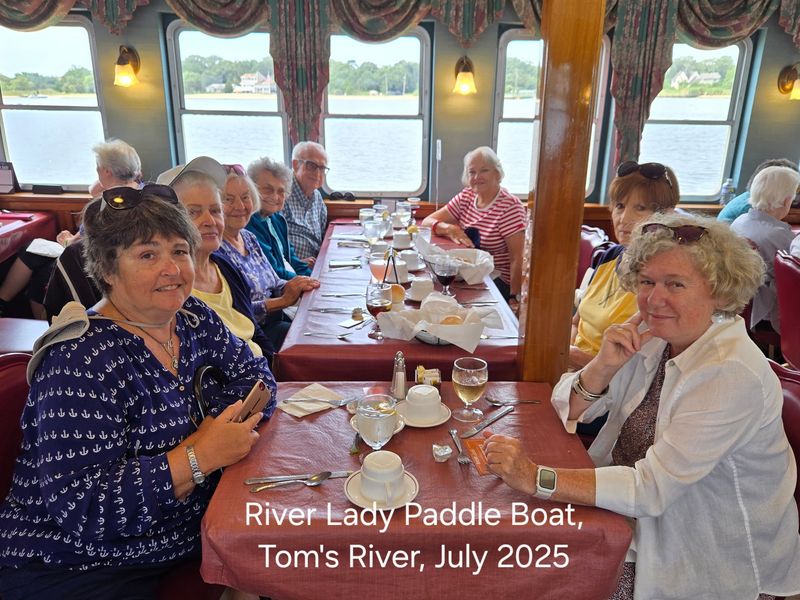
An anniversary does not have to come with a complicated itinerary. Documented outings include family celebrations, company events, neighborhood gatherings, and a charter arranged for a group of 105 guests.
Those examples show that the boat has hosted more than couples sharing lunch. Its combination of a meal and a scheduled trip can give a group one activity to enjoy together.
The charter figure describes a particular event, not a verified capacity limit or a promise about current availability. Likewise, a successful larger gathering does not establish that every departure can accommodate the same setup.
Discuss group size, seating, meal choices, and the appropriate cruise format before collecting everyone’s payment. A celebration should fit the booking rather than depend on arrangements that have not been confirmed.
For a smaller party, the same principle applies: settle the practical details early, then let the shared time aboard be the occasion’s main event.
Booking Details and Ticket Costs
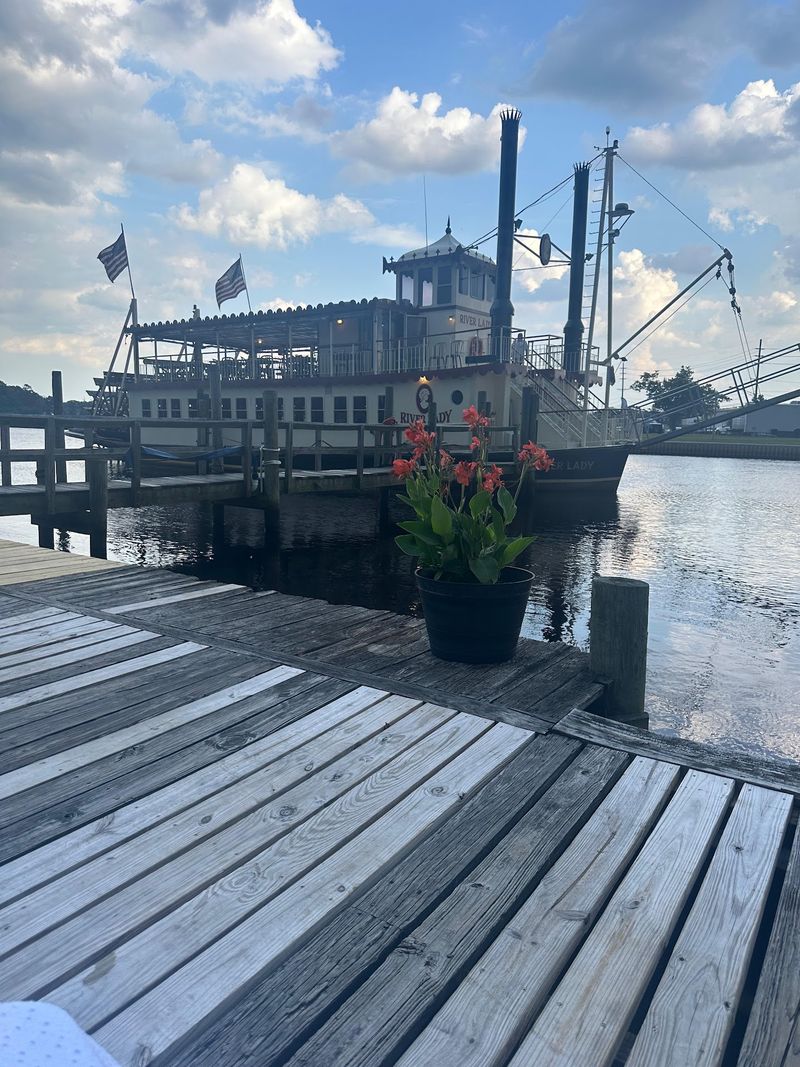
The most useful number to check is the one attached to your chosen departure. No current ticket prices appear in the supplied information, so a reliable budget needs to begin with the operator’s booking details.
The website, riverlady.com, is the place to check cruise options and reservation information. Confirm what the ticket includes instead of assuming that every outing follows the same meal format or schedule.
Advance meal selection has been part of documented bookings, and groups have arranged reservations through the company. Gather the date, party size, and food questions before starting that process.
Past accounts describe the booking experience positively, but they do not supply current cancellation terms or change policies. Read those details before paying, particularly when coordinating several households.
A few minutes spent on the reservation can answer the questions that matter most: which cruise, which table arrangements, how long aboard, and the total cost.
Office Hours Versus Departure Times
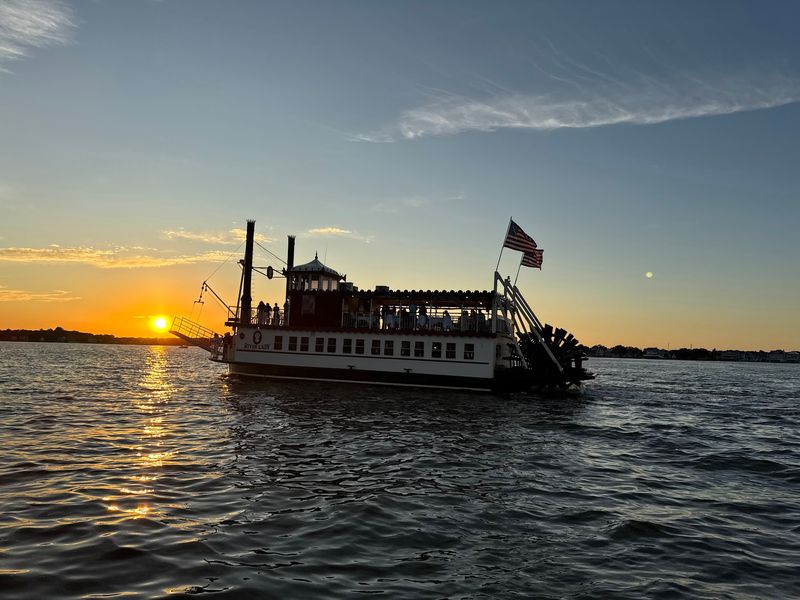
A listed opening time is not a boat departure time. The supplied business hours are Monday through Saturday, 8:30 a.m. to 4:30 p.m., with Sunday listed as closed.
Those hours should not be used as a cruise timetable. Documented experiences include evening outings, which makes the distinction between general business hours and scheduled sailings especially relevant.
Choose a departure through the operator’s current schedule, then follow its instructions for arrival and boarding. The available information does not provide a complete sailing calendar or a required check-in interval.
Sunday’s closed listing also should not become a substitute for checking a specific event date directly. Reservations depend on the cruise being offered, not simply on whether a business listing says open.
Treat the hours as a useful contact window and the confirmed booking as the authority for your trip. That separation prevents an easy planning mistake before the outing even begins.
A Practical Plan for the Dock
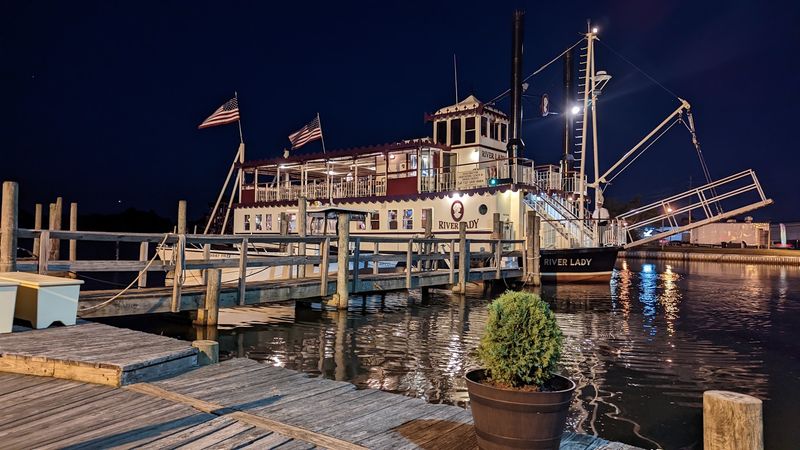
The boat’s schedule deserves a little respect from the day’s travel plan. Use the confirmed dock location for directions and allow enough time to follow the operator’s boarding instructions.
The supplied data does not establish parking arrangements, public transportation connections, or walking distances. Ask about those details rather than building the trip around an assumed nearby space or convenient connection.
A jacket is a sensible consideration for upper-deck seating because windy conditions are documented. Weather questions should also go directly to the operator, since no cancellation or rescheduling policy is provided here.
Bring the reservation information and make sure everyone in the party knows the departure details. Larger groups benefit from agreeing on the meeting plan before the day arrives.
The preparation need not be elaborate; its purpose is to remove uncertainty. Once boarding is settled, the afternoon can return to the much better business of lunch and time on the river.
A Lunch Plan With More to It
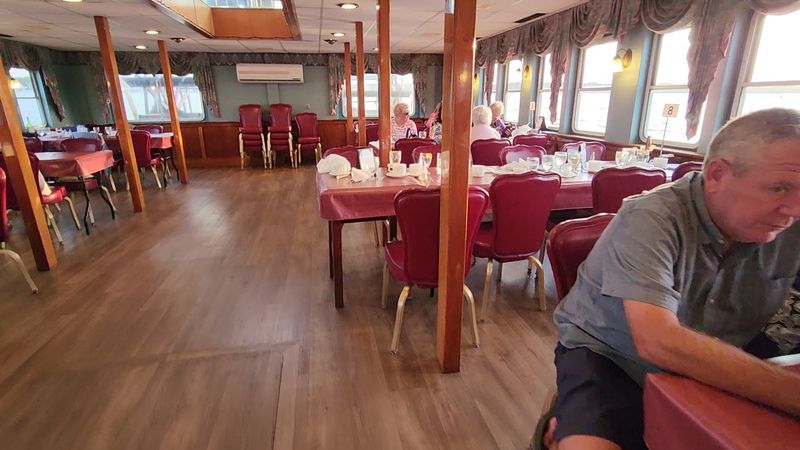
The appeal comes from keeping the plan simple while changing the setting. A paddlewheel boat, a seated lunch, and a river route create one outing rather than three separate reservations.
Local narration can add another reason to choose a luncheon departure, while the different dining areas give passengers useful seating questions to explore. Couples, friends, and organized groups all appear in the documented experiences.
Not every detail is established by the available information. Current ticket costs, sailing dates, meal options, access arrangements, and table availability still need direct confirmation before a booking becomes a firm plan.
With those questions answered, the destination makes sense for people who want their lunch to include an activity without crowding the afternoon. There is no need to promise a grand adventure.
A few hours aboard, a meal already arranged, and time spent following the river are enough to give an ordinary lunch date a different direction.
Share this story