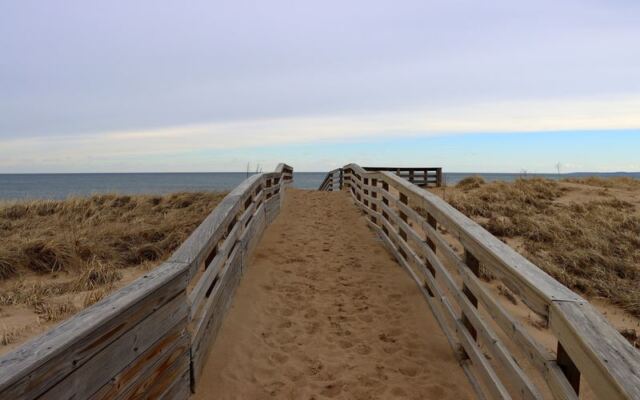
Some of the best places in Massachusetts start with nothing more than a small booth and a five dollar fee. Past that booth, a winding road leads to empty beaches, quiet salt marshes, and boardwalks that stretch toward the ocean.
Birders, photographers, and families keep coming back in every season, and many of them say the sunsets alone are worth the drive. Keep reading to learn where this refuge is, what to see, and how to plan a low cost day trip that feels like a local secret.
A Gatehouse at the Edge of Plum Island
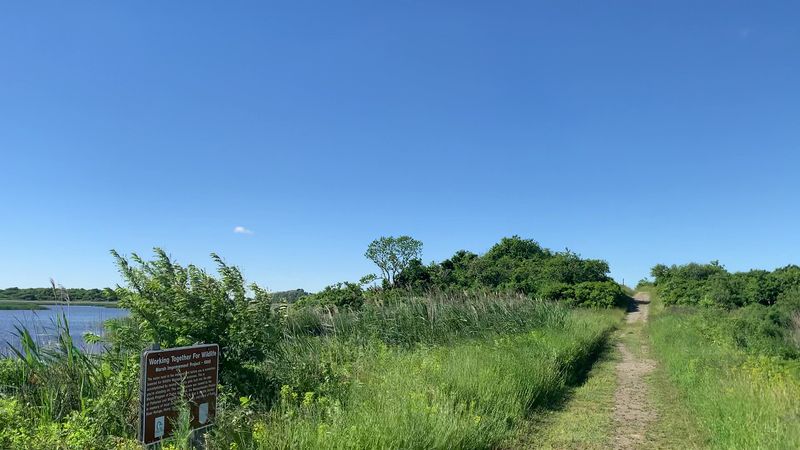
Every trip here begins at a modest booth on Refuge Rd, Newbury, MA 01951. The Parker River National Wildlife Refuge Gatehouse is the doorway to a large protected area on Plum Island along the North Shore of Massachusetts, in the United States.
From the booth, a road winds south through marsh and dunes. The drive takes roughly 17 minutes from end to end, with plenty of chances to pull over along the way.
The refuge exists mainly to protect migratory birds. It also offers observation towers, trails, beach access, fishing, hunting opportunities, and public tours.
That mix gives the place a split personality in the best way. Birders arrive with scopes and notebooks, while beach lovers show up with towels and a free afternoon.
Newbury and Plum Island are familiar names to many locals. Still, plenty of people drive past for years before finally turning in, and many of them wish they had come sooner.
Built for the Birds First
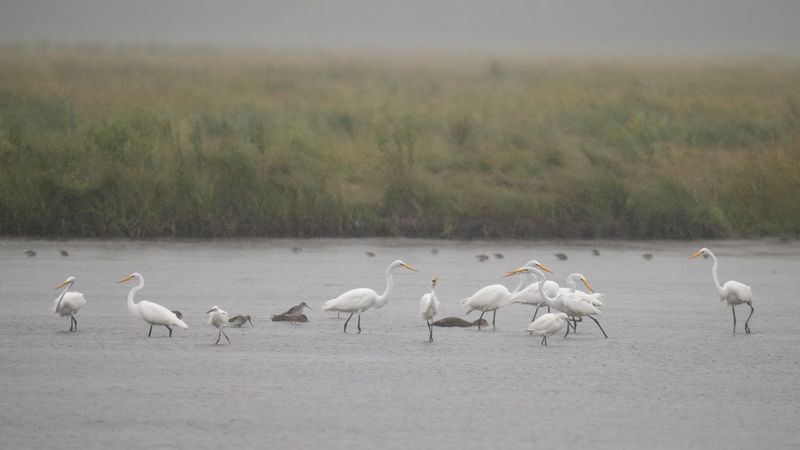
Long before it became a favorite weekend escape, this stretch of Plum Island earned protection for a simple reason. Migratory birds needed a safe place to rest and feed.
The refuge is recognized as a historic site for wilderness activities, and its main job has never changed. Wildlife comes first, and people are welcome guests.
That priority shows up in small ways. Some trails and beach sections close during nesting season so birds are not disturbed, and signs along the road explain the rules.
The amount of work that goes into protecting the habitat is easy to spot. Paths are tidy, facilities are kept up, and the landscape feels cared for rather than crowded with extras.
For a visitor, that means a calmer experience. There are no snack stands or arcades here, just open marsh, dunes, and sky, which is exactly why so many people fall for it.
The Winding Road Through the Wilderness
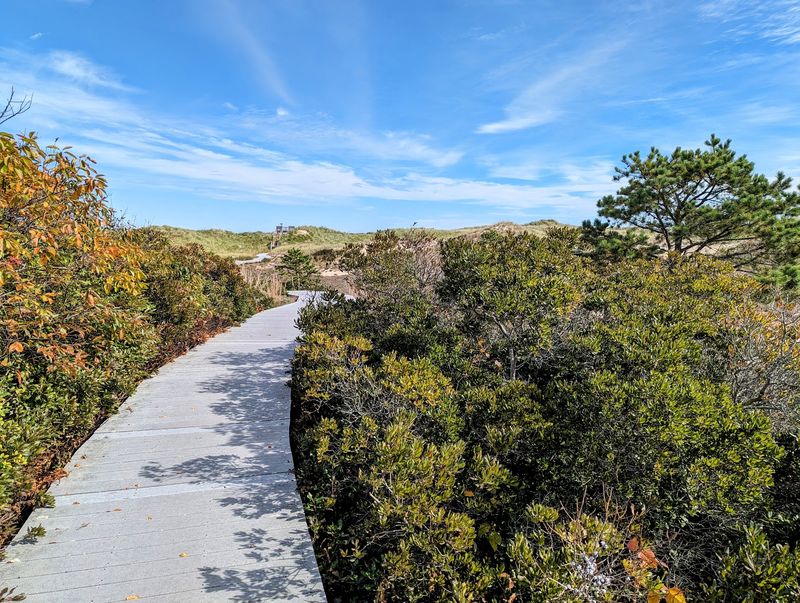
Half the adventure is the drive itself. After the gatehouse, a serpentine road carries cars deep into the refuge, passing marsh views and dune ridges.
The road is paved for most of the way, up to the Hellcat area. The final stretch turns to gravel, and it can have large potholes, so a slow pace is smart.
Small parking lots appear often along the route. Several of them have restrooms, and many sit a short walk from the beach or a trail.
Parking can fill up on busy days, especially later in the afternoon. Arriving early in the morning usually makes finding a spot much easier.
One more heads up worth remembering: portions of the road sometimes close. Asking at the booth before paying can save a disappointing turnaround, since a few people have driven in only to meet a closure sign within minutes.
Soft Sand and Room to Spread Out
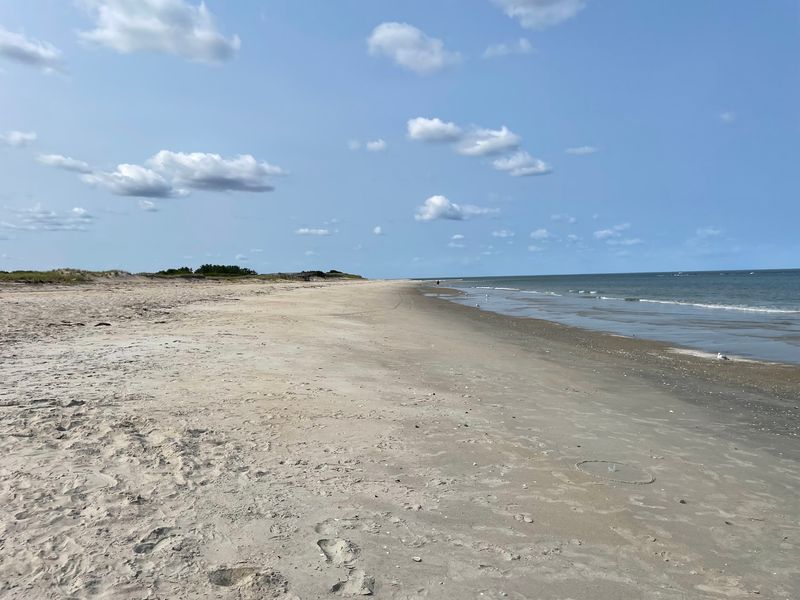
Crowded summer beaches are a New England tradition, but this one breaks the mold. Even on busy weekends, there tends to be plenty of space to set up.
The shoreline here is often called one of the best beaches in northern Massachusetts. It is clean, well maintained, and backed by rolling dunes.
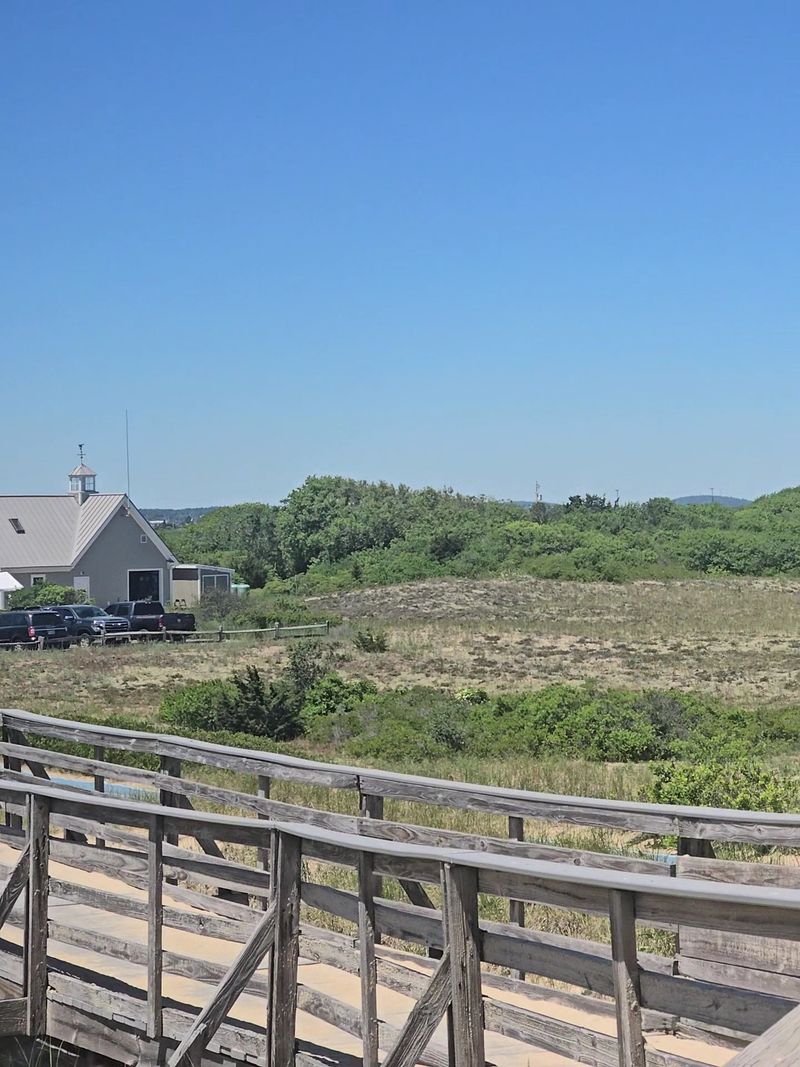
From most parking lots, the sand is just a boardwalk away. That short walk makes it easy for families hauling chairs and coolers.
The water is clear, though it can be very cold, even in early June. Swimmers should plan on a bracing dip rather than a long soak.
There are no showers for rinsing off afterward. A water filling station sits inside the information center near the bathrooms, but it is not open all day, so bringing extra water is a good call before heading back to the car.
Plover Season Changes the Map
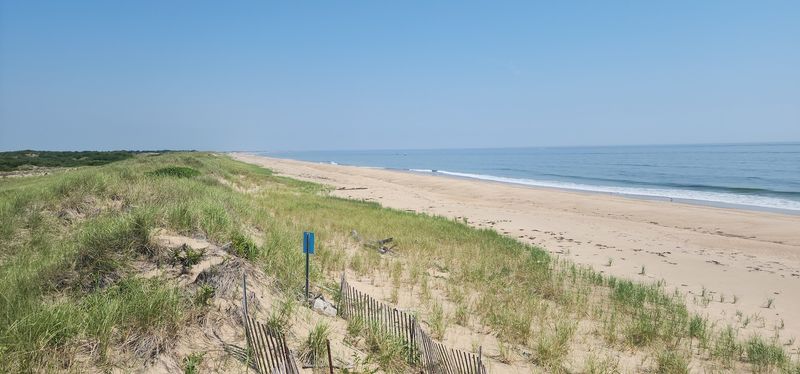
Timing matters more here than at most beaches. Much of the shoreline closes for a large part of the summer so piping plovers can nest safely.
These small shorebirds lay eggs right on the sand, which makes them easy to disturb. The refuge responds by closing beach access points and some trails during nesting season.
In early June of 2024, for example, only one trail to the beach remained open, the one at the visitor center. Every other beach path was closed to protect the birds.
That can surprise first-timers expecting a full summer beach day. It also explains why the dunes and sand feel so untouched later in the year.
The smartest plan is to check the refuge website before driving over. Knowing which areas are open turns a possible letdown into a well planned outing, and it helps the plovers raise their chicks in peace.
Hellcat Boardwalk Loop
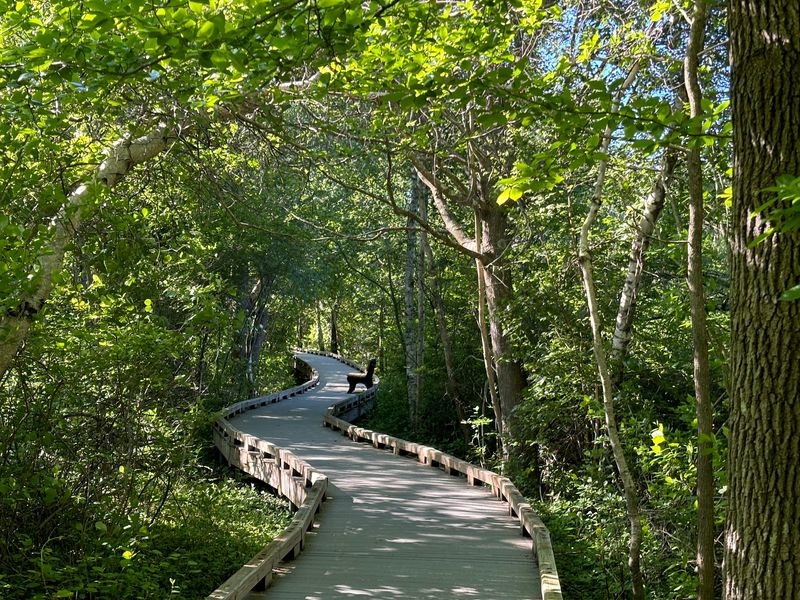
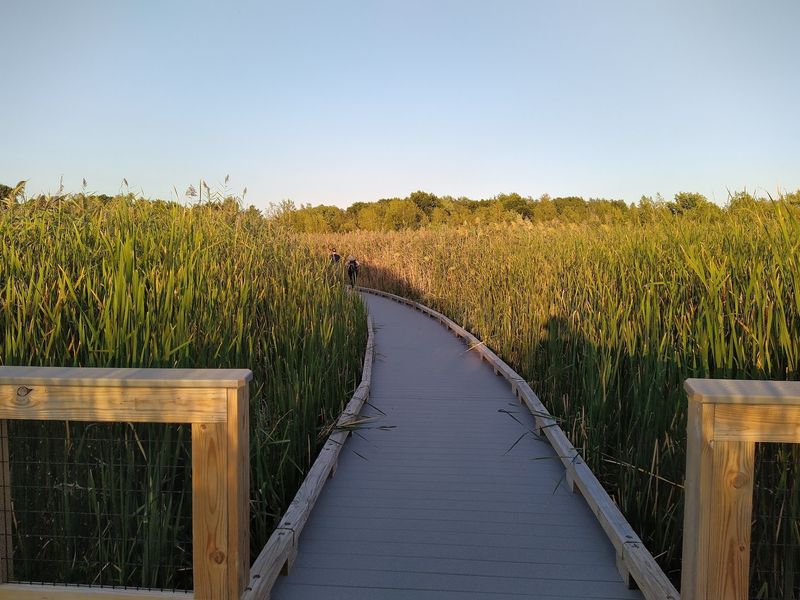
Ask almost anyone for a trail pick, and Hellcat comes up quickly. The Hellcat Interpretive Trail is a boardwalk loop of about 1.3 miles through marsh and woodland.
Kids handle it easily, which makes it a favorite for families. The path is level and clean, and it works well for strollers and wheelchairs.
Along the way, an observation tower rises above the landscape. From the top, waterfowl can often be seen feeding nearby, and small planes from a local airport sometimes pass overhead.
Photographers love the boardwalk itself, which curves through the greenery in a very picturesque way. It is one of the most shared images of the refuge for good reason.
Bugs can be thick in certain areas during warmer months. Packing insect repellent is a small step that makes the whole loop far more enjoyable.
Lot 4 and the Two Mile Overlook Walk
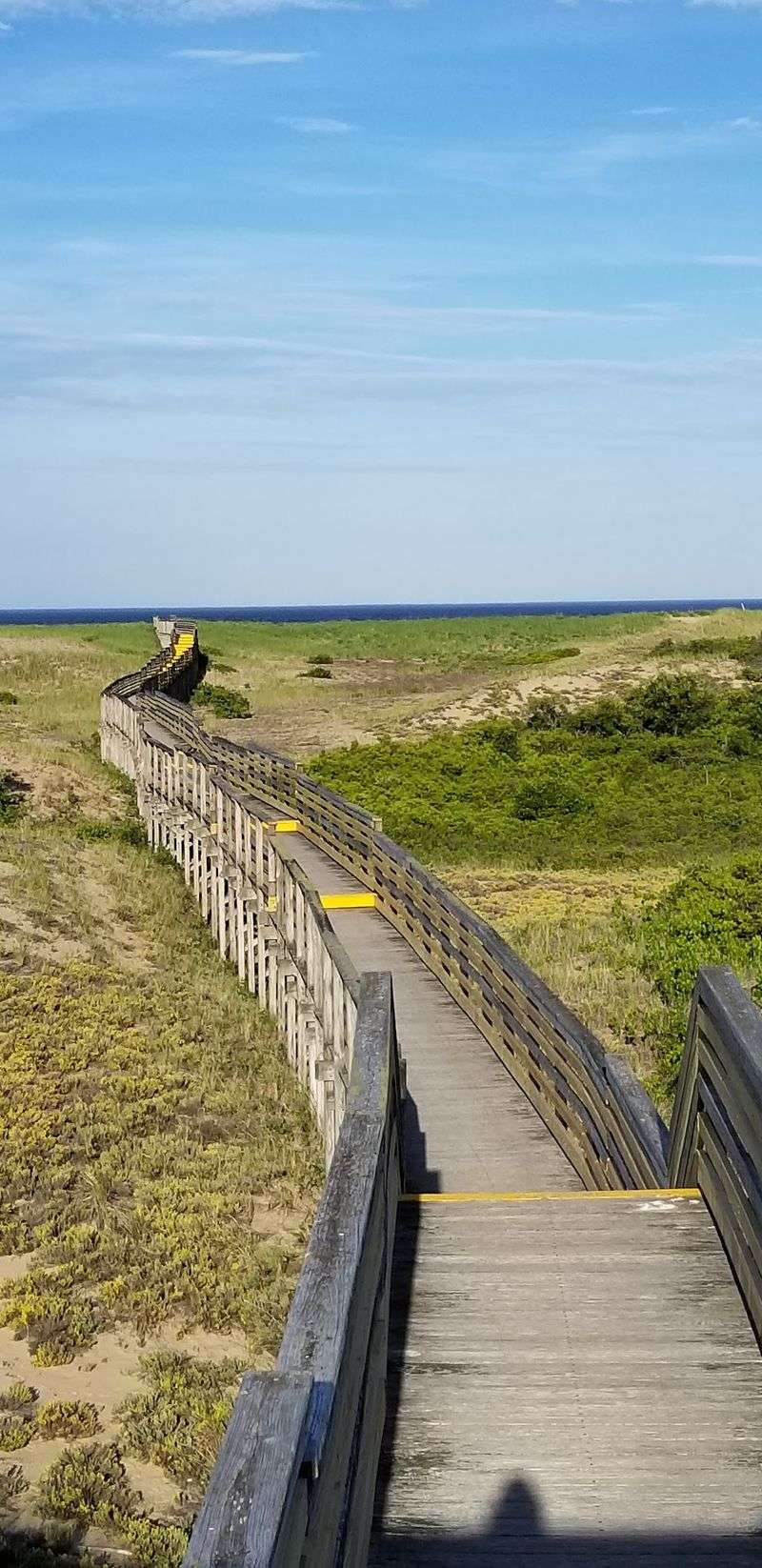
Here is a tip that longtime regulars like to pass along. Parking lot 4 opens onto a boardwalk walk with overlooks facing both the ocean and the marsh.
The loop with overlooks covers about two miles. It is partially shaded, which helps a lot on sunny afternoons.
Several benches line the route. They make natural stopping points for resting, snacking, or waiting for a bird to reappear.
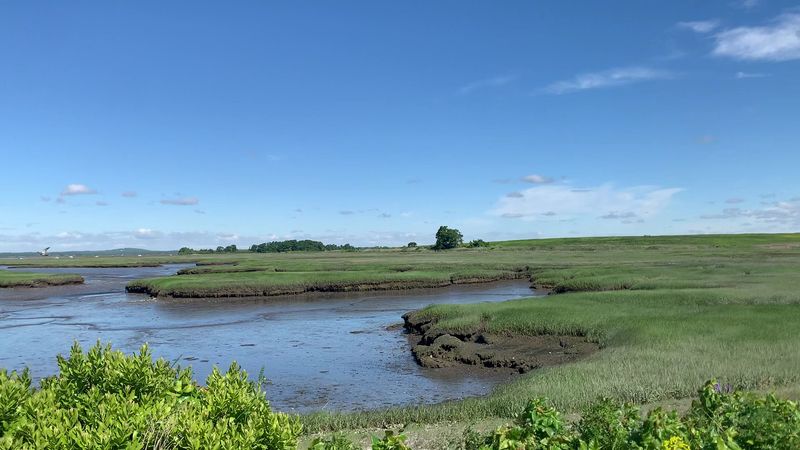
What makes this walk special is the contrast. On one side, waves roll onto the beach, and on the other, calm marsh water stretches toward the mainland.
It is a good option for anyone wanting more distance than a quick stroll without committing to a long hike. Pair it with a picnic, and it easily fills a relaxed morning or a slow afternoon before sunset.
Stage Island and Quieter Corners
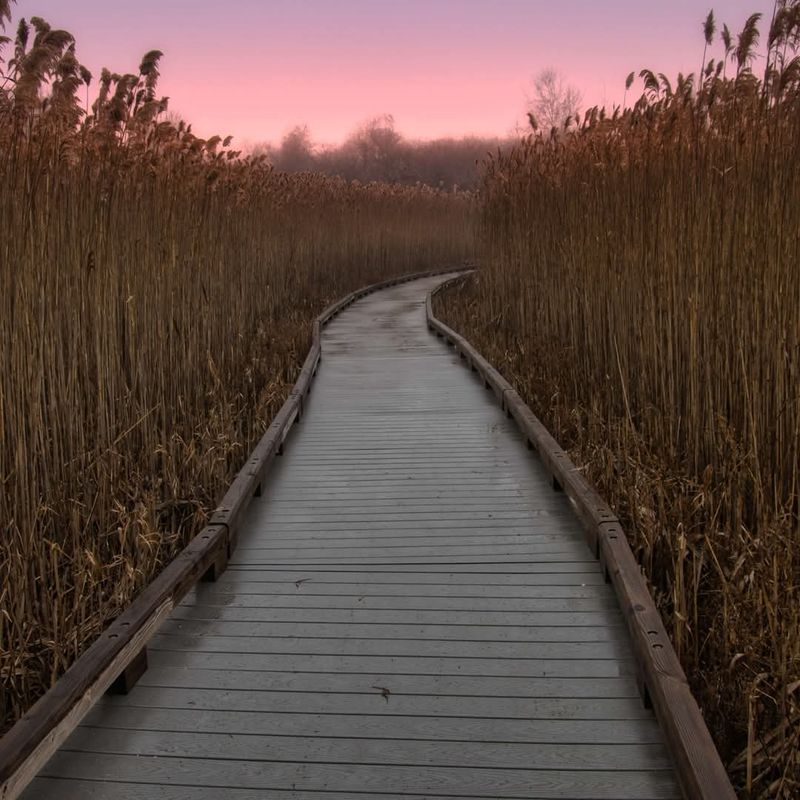
Farther south, past where the pavement ends, the refuge gets even quieter. The Stage Island trail loops around the top of the island and rewards those who make the extra drive.
Fewer cars make it this far, partly because of the gravel road. That means more room on the trail and more chances for calm moments.
Trails across the refuge are known for being clean and level. Accessibility is a real strength here, which is not always true at wild coastal places.
Tall trees, marsh grasses, and dunes all share the scenery in different spots. The mix of habitats keeps each trail feeling different from the last.
Some people come and see fewer animals than hoped, yet still leave happy with the landscape alone. On this end of the island, the simple quiet is often the main attraction.
Herons, Hawks, and Snowy Owls
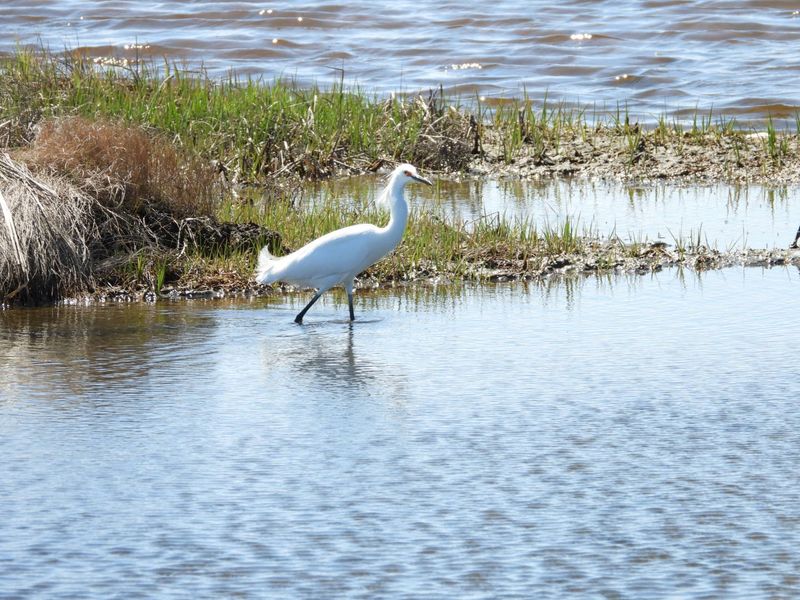
Binoculars are the unofficial ticket here. Bird watching is the top reason many people make the trip, and the refuge delivers year round.
Common sightings include hawks, osprey, owls, herons, and egrets. Some species stay all year, while others pass through with the seasons.
Spring migration draws plenty of birders, and May visits are especially popular. Tons of small birds can be seen flying low over the marshes.
Winter brings its own celebrity guests. Snowy owls show up on occasion, and spotting one is a highlight many people talk about for months.
Observation towers two to three floors high help with scanning wide areas. Serious birders often call this one of the finest locations in the state, and even casual watchers tend to leave with a longer list of sightings than they expected.
Sunset From the Towers
Timing a visit around the end of the day is a local move worth copying. The refuge is especially lovely in the morning and evening hours.
Sunset from one of the observation towers is often called a must. The marsh opens wide to the west, giving the sky plenty of room to put on a show.
Photographers return again and again for this reason. Some have even taken award-winning images here, with the scenery changing constantly alongside the tides and seasons.
Sunrise is another favorite, though there is a catch. The gate may not be open yet at dawn, so early birds sometimes have to settle for a nearby beach instead.
Fog can roll in without warning, too. Checking gate hours and weather ahead of time helps turn a hopeful photo trip into a successful one.
A Calm Escape for Nearly Everyone
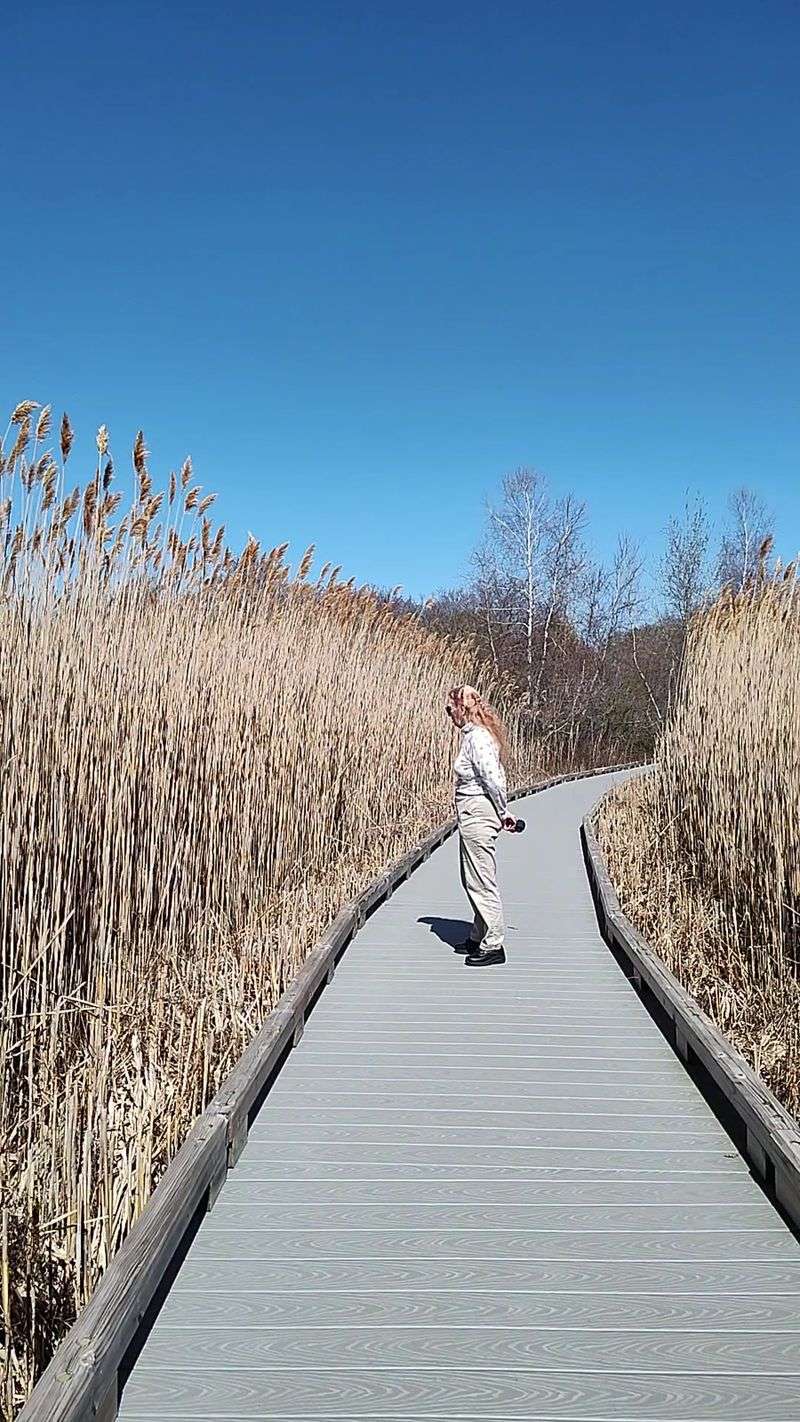
Silence might be the most underrated feature on Plum Island. Many describe the marsh as so quiet that bird songs are the main thing filling the air.
That calm makes the refuge ideal for meditation, slow walks, or simply sitting on a bench. It suits solo explorers and couples looking for a peaceful afternoon.
Families do well here too. Easy trails, accessible boardwalks, and stroller friendly paths remove much of the stress of outdoor outings with kids.
Cyclists, boaters, and anglers also find something to do. Biking along the road, fishing, and boating are all part of the options.
Wind turbines can be spotted in the distance, a fun detail for curious kids. With so many ways to spend the day, planning to stay a while is wise, along with packing food and drinks from home.
Fees, Passes, and Practical Tips
Few outings in Massachusetts cost this little. Daily entry is $5 per vehicle, and an annual refuge pass runs $20.
National Parks Annual Passes are accepted at the gate as well. That makes repeat visits easy, even several times in one day.
Bringing cash is helpful, since payment has been cash only in the past. When no attendant is present, envelopes wait at the entrance for self-payment, with a slip to display on the windshield.
Bathrooms are located at parking areas throughout the refuge. They are generally well kept, which matters on a long day outside.
For current hours, closures, and seasonal rules, the official site at fws.gov/refuge/parker-river is the best source. A quick look before leaving home can prevent surprises at the booth and help pick the right time to arrive.
A Refuge Worth Returning To
So is the drive to Newbury worth it? For anyone who loves open space, wildlife, and a bargain, the answer leans strongly toward yes.
The refuge blends clean beaches, easy boardwalks, and some of the best birding on the North Shore. All of it comes for the price of a fast food lunch.
There are trade-offs to keep in mind. Beaches close for nesting season, the gravel road can be rough, and parking fills on busy afternoons.
Still, those quirks are part of what keeps the place so wild. Protection for the birds is the reason the scenery stays this untouched.
Go early, bring cash, pack snacks, and check what is open. Then settle onto a tower or bench as the sun drops over the marsh, and it becomes clear why so many locals keep this spot on repeat.
Share this story