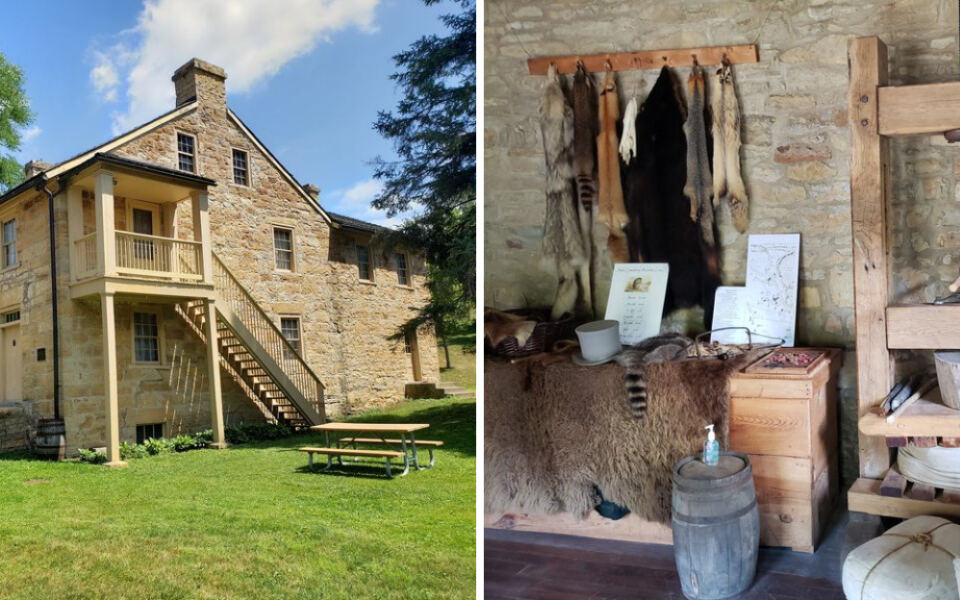
There is a stone house sitting quietly along the Minnesota River that has been standing since 1836, and most people have never heard of it. Built before Minnesota was even a state, this structure has watched nearly two centuries of American history unfold from its front yard.
It survived the fur trade era, the Dakota War of 1862, statehood, and the slow march of time that has swallowed countless other buildings just like it. Few places in the entire state carry this much living history inside their walls.
The Oldest Private Home in Minnesota
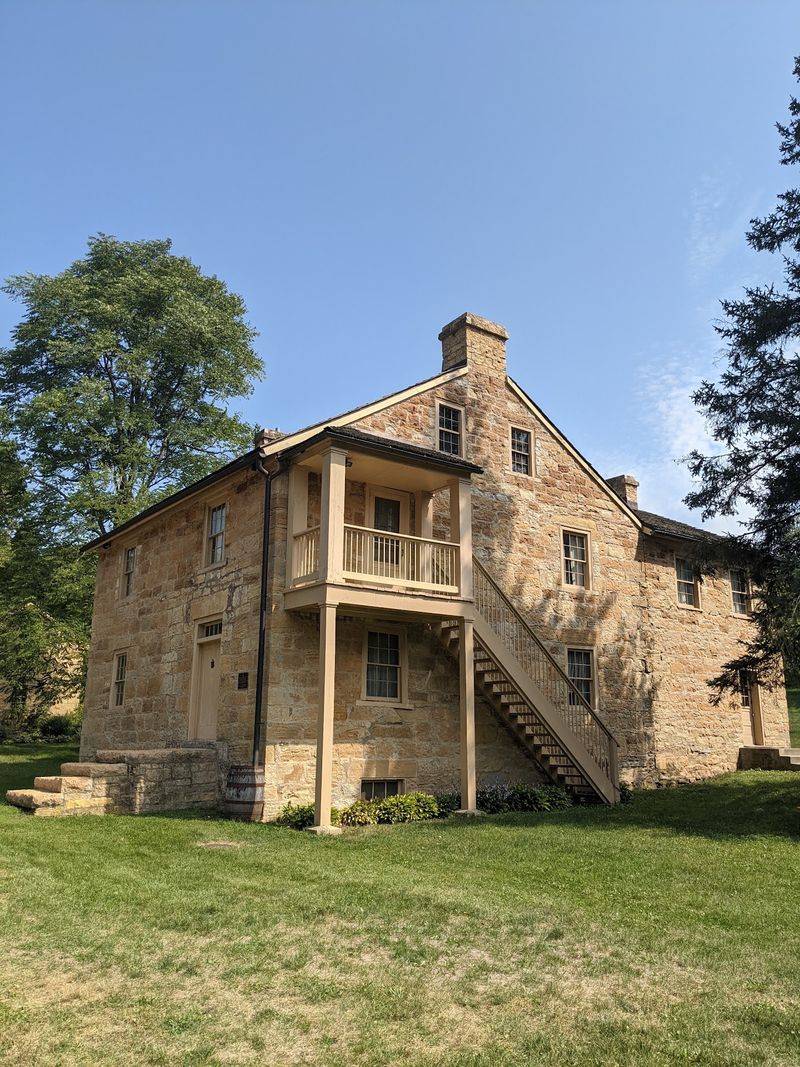
Long before Minnesota became a state in 1858, a limestone house was already standing on the banks of the Minnesota River. Built in 1836, the Sibley House is recognized as the oldest surviving private residence in Minnesota.
That is not a small claim. Most structures from that era simply did not make it.
The house was built for Henry Hastings Sibley, a fur trader who would later become the first governor of Minnesota. The walls are made of local limestone, cut and shaped by hand, which explains why they have held up so well over nearly two centuries.
A visit to Sibley Historic Site at 1357 Sibley Memorial Hwy, Mendota, MN 55150 puts you face to face with that remarkable staying power. Standing beside those walls, you genuinely feel the weight of how much time has passed since someone first called this place home.
Henry Hastings Sibley and His Complex Legacy
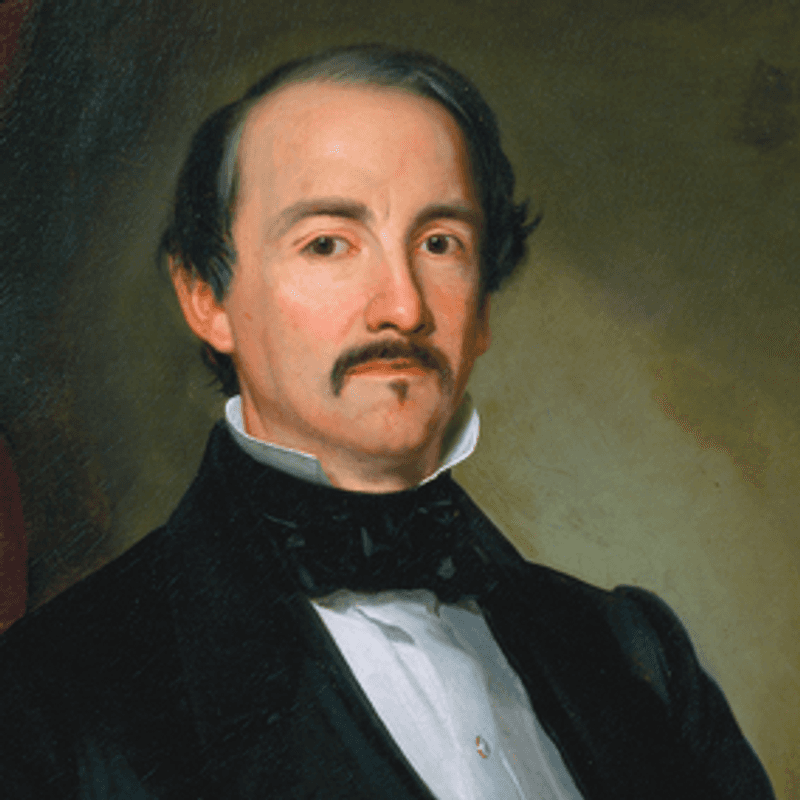
Henry Hastings Sibley is one of the most complicated figures in Minnesota history. He arrived in Mendota as a young fur trader working for the American Fur Company and built a life that would eventually lead him to the Minnesota governorship.
His story is not simple. Sibley played a central role in the U.S.-Dakota War of 1862 and later presided over military tribunals that resulted in the largest mass execution in American history, carried out in Mankato that December.
The site’s management has acknowledged the importance of presenting this history with honesty and nuance.
Visitors who come here expecting only a celebration of frontier success will find a more layered story. Understanding Sibley means grappling with the full scope of his decisions, both the ones that built something and the ones that caused serious, lasting harm to Dakota people.
The Fur Trade Era That Shaped This Place
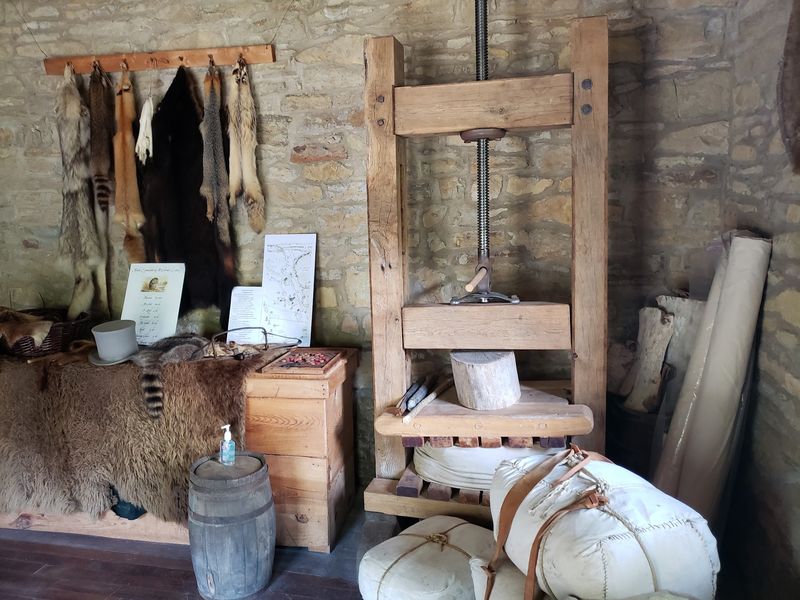
The fur trade is the heartbeat of this site. During the early 19th century, the region around Mendota was a major hub of commercial activity connecting Native communities, European traders, and American business interests.
Beaver pelts were the currency that drove everything.
Sibley worked for the American Fur Company, and his home doubled as a center of commerce and diplomacy. Goods moved in and out of Mendota along the river, and relationships between traders and Dakota people shaped the daily rhythm of life here for decades.
The guided tours at the site spend meaningful time on this era, explaining how the fur trade worked, who benefited from it, and how it eventually collapsed. For anyone who has ever wondered how Minnesota went from wilderness to statehood so quickly, this is the place where that answer begins to take shape.
The Dakota People and Their Connection to This Land
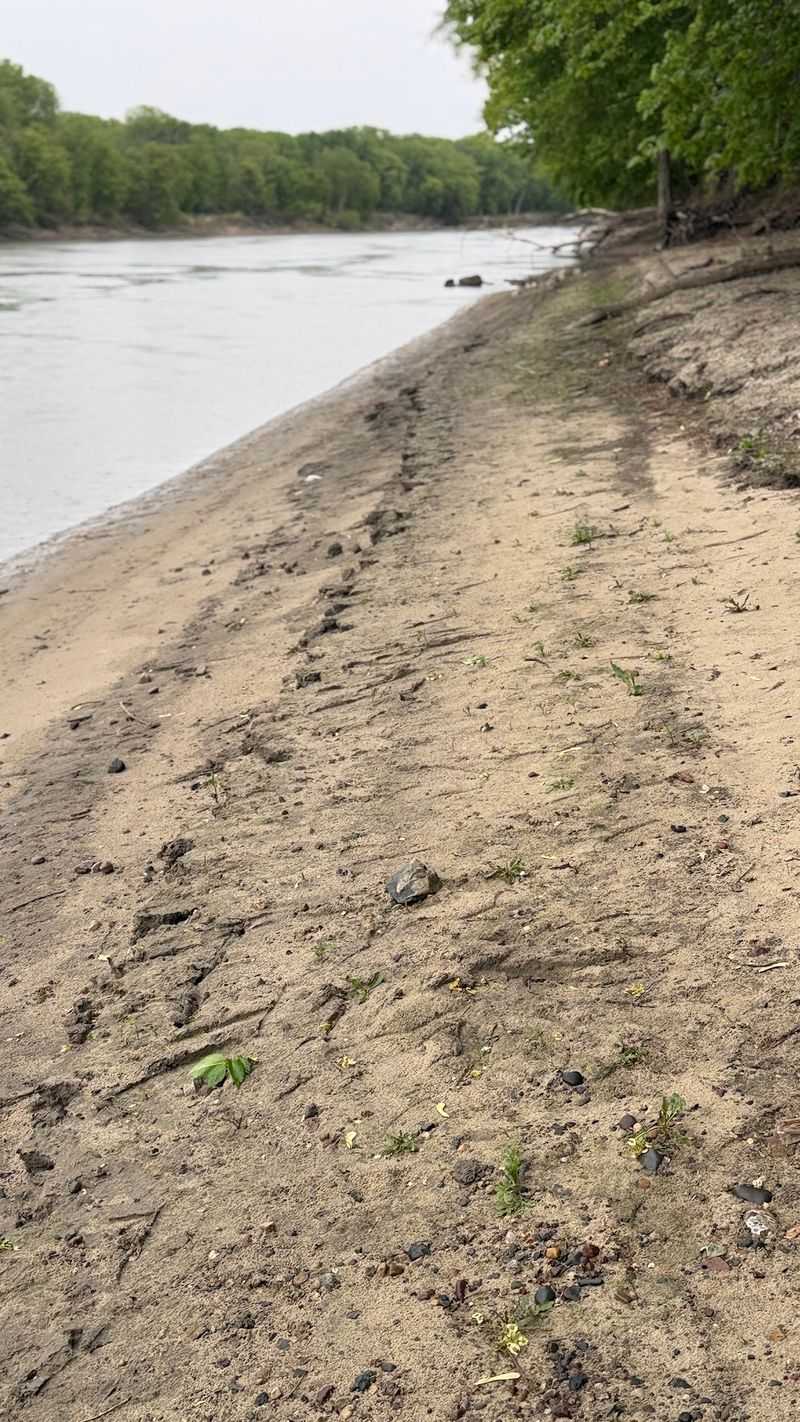
Long before any European trader arrived, the land around Mendota was home to the Dakota people. The name Mendota itself comes from a Dakota word meaning “meeting of waters,” referring to the confluence of the Minnesota and Mississippi Rivers nearby.
That geography made this spot significant for centuries before Sibley ever showed up.
The Dakota maintained deep relationships with this land through trade, ceremony, and daily life. When fur traders arrived, those relationships became complicated by commerce, power imbalances, and eventually violent conflict that displaced Dakota communities from their homeland.
Thoughtful visitors come away from the site with a broader understanding of whose land this actually was and what was lost when American settlement expanded westward. The tours, at their best, make space for that conversation rather than skipping past it.
That honesty is what separates a meaningful historic site from a simple house tour.
The Stone Buildings That Have Survived the Centuries
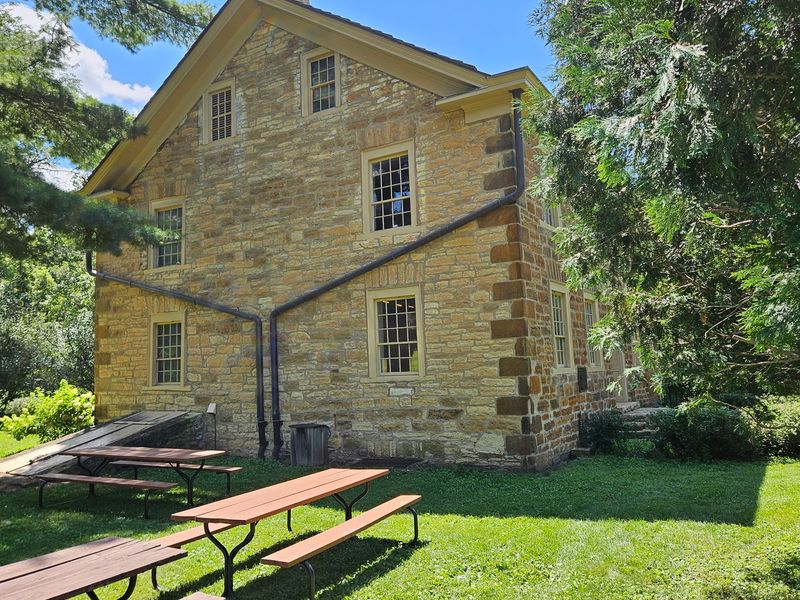
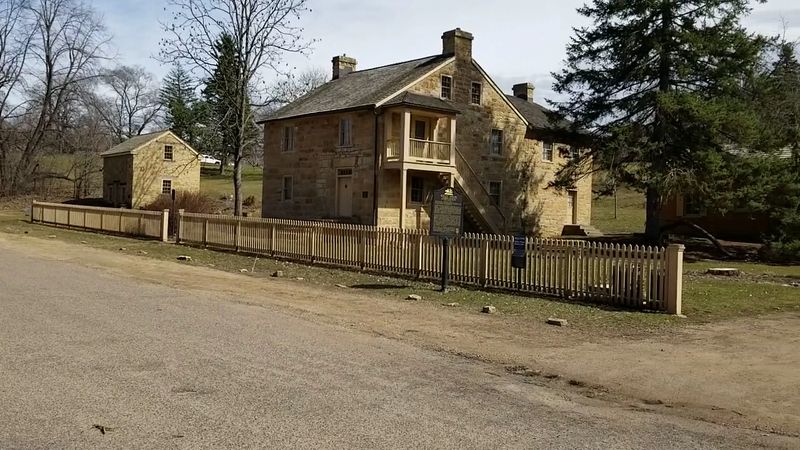
One of the first things you notice when you arrive is how solid everything looks. The Sibley House is not the only historic structure on the grounds.
Several limestone buildings have survived here, each one telling a slightly different story about life in early Minnesota.
The Faribault House, built around 1839, sits nearby and adds another layer to the site’s history. Jean-Baptiste Faribault was a fur trader with deep ties to the Dakota community, and his home reflects a different slice of frontier life than Sibley’s residence does.
Construction techniques from this era are genuinely fascinating. The limestone was quarried locally and laid without the benefit of modern tools or machinery.
Tour guides point out details in the walls and foundations that most visitors would walk right past. The fact that these buildings are still standing, and still structurally sound, says everything about how they were built.
What the Guided Tours Actually Cover
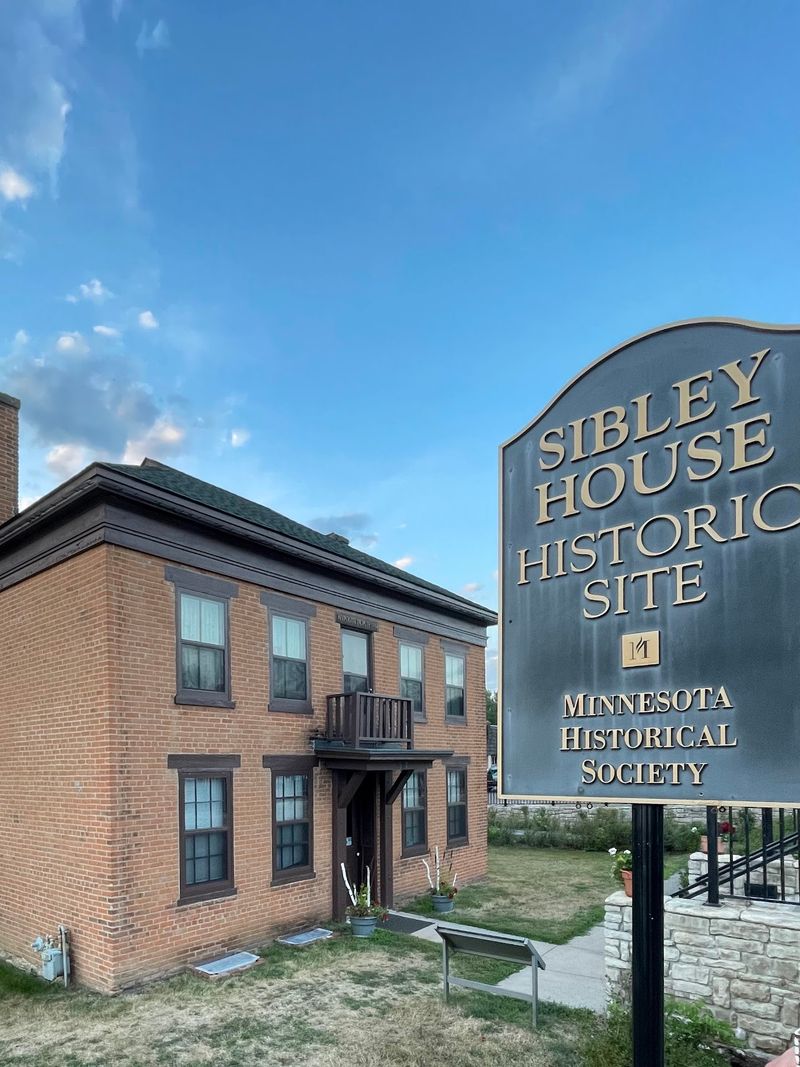
Tours at Sibley Historic Site run about one hour and cover a surprising amount of ground. Guides walk visitors through the buildings, explain the history of the fur trade, discuss the lives of the people who lived here, and touch on the broader story of Minnesota’s early settlement period.
The quality of the tour experience depends partly on the guide, as with any living history site. Many visitors have come away genuinely impressed by how much they learned in a single visit.
The guides field questions from kids and adults alike with patience and depth.
One practical note worth knowing before you go: tours run on a schedule, so it is worth checking the site’s current hours and tour times before making the drive. The site is open Friday through Sunday from 10 AM to 5 PM.
Arriving without that information can mean a longer wait than expected.
The Grounds and Gardens Worth Exploring
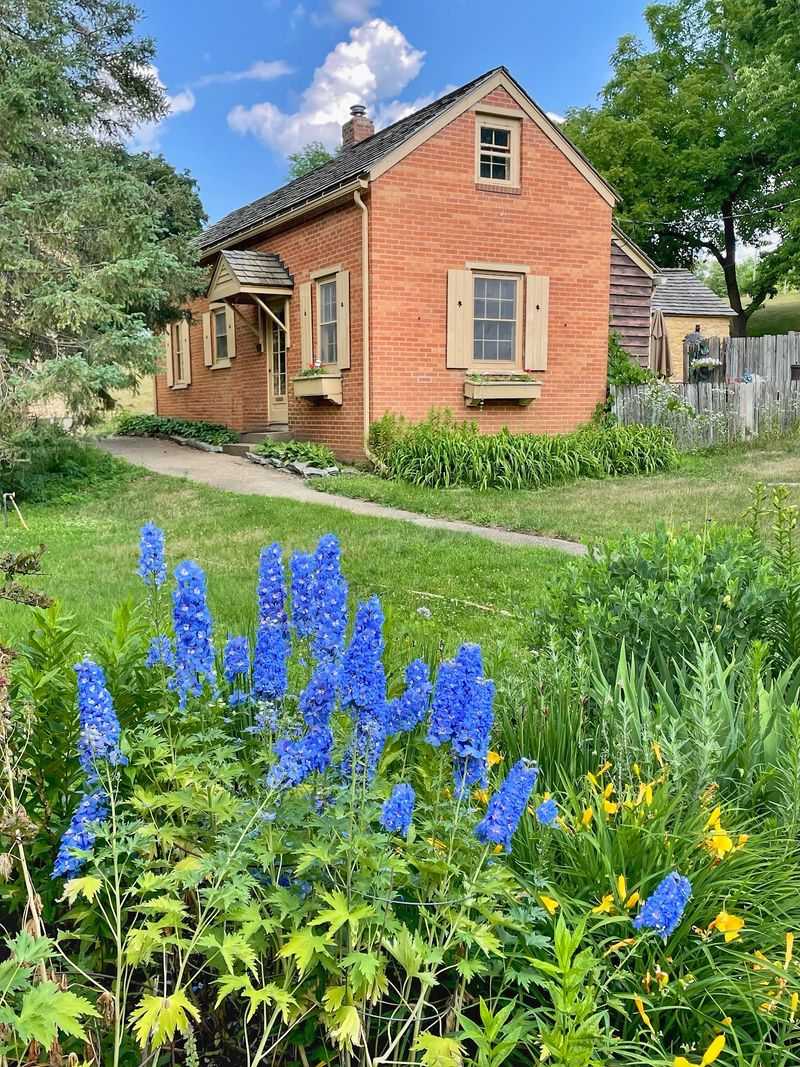
The grounds surrounding the historic buildings are genuinely pleasant to walk through. The gardens have been maintained with care, and on a warm afternoon the whole property has a calm, unhurried feeling that is increasingly rare near the Twin Cities metro area.
Visitors often spend time outside the buildings just taking in the setting. The property sits on elevated ground near the river, and the natural surroundings add real atmosphere to the visit.
It is the kind of place where you find yourself slowing down without really meaning to.
Bringing a picnic is a popular choice among regulars. The open lawn areas provide plenty of space to spread out, and the combination of fresh air, historic scenery, and a good sandwich makes for a satisfying afternoon.
Wildlife also makes appearances on the grounds, so keep your eyes open while you wander between the buildings.
Trails That Connect to the Larger Landscape
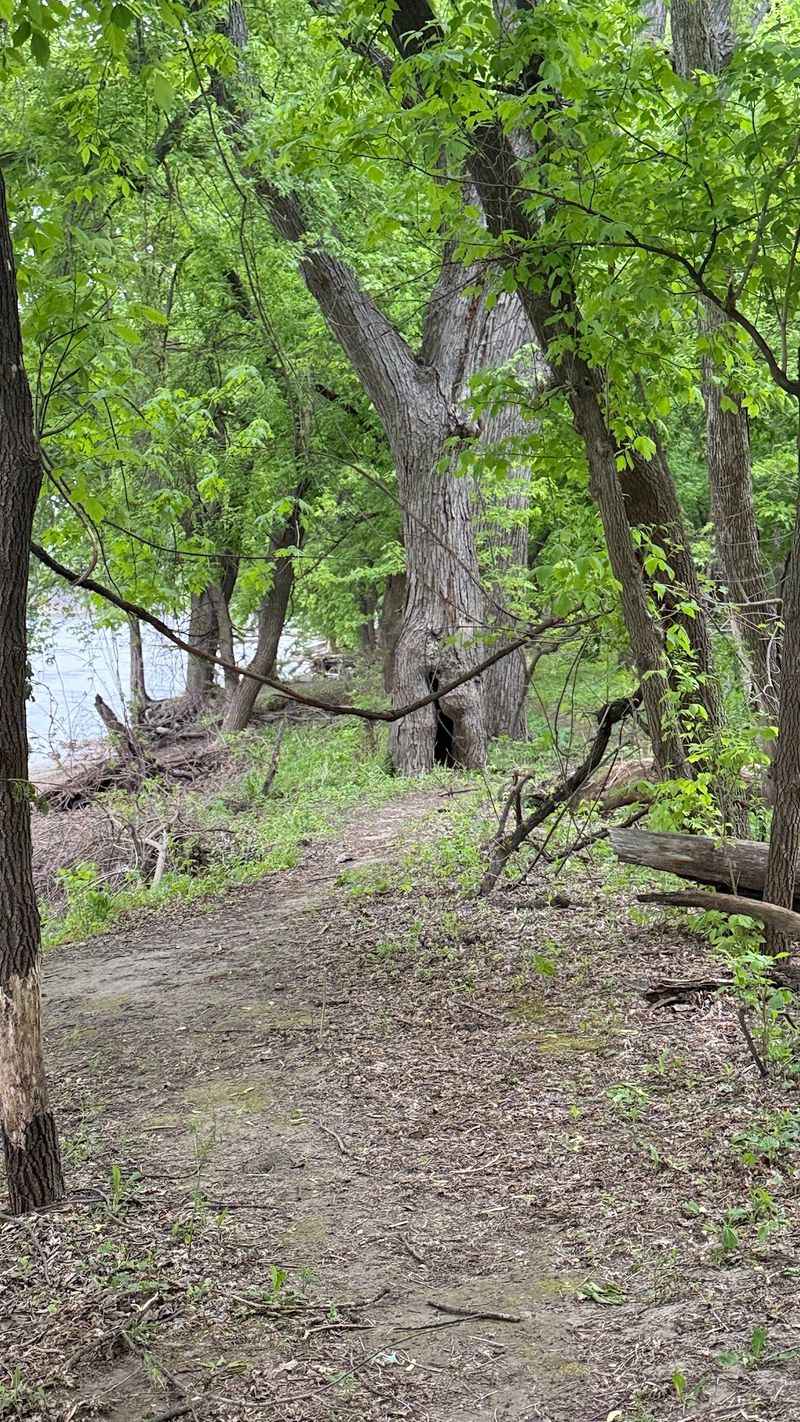
The site connects to an extensive network of hiking and biking trails that stretch well beyond the historic buildings themselves. These unpaved trails wind through some genuinely beautiful river bottom landscape, and for visitors who enjoy being outdoors, they add a whole second dimension to the trip.
Cyclists who keep going can eventually connect with trail systems that reach into Bloomington and beyond, following the Minnesota River corridor through some of the most scenic terrain in the region. It is the kind of trail experience that rewards curiosity.
Even a short walk along the river-adjacent paths gives you a sense of how this landscape must have looked to the people who lived here in the 1830s. The trees, the water, and the wide sky above the river flats have not changed as dramatically as you might expect.
That continuity is quietly powerful in a way that is hard to put into words.
Seasonal Events That Bring History to Life
The site hosts special events throughout the year that go well beyond the standard guided tour. One of the most talked-about is the Halloween tour, which explores unexpected historical connections including Henry Sibley’s documented interest in the Salem witch trials.
It is a surprisingly compelling angle on a figure most visitors assume they already understand.
These seasonal programs often include period performers who bring specific historical moments to life in a more theatrical way than a standard tour allows. A bonfire and other community elements have been part of some evening events, making them genuinely memorable outings for families and history enthusiasts alike.
Checking the Minnesota Historical Society website before your visit is the best way to find out what events are coming up. The regular tour is worth the trip on its own, but catching one of the special programs adds a layer of entertainment that keeps people coming back year after year.
The Minnesota Historical Society Connection
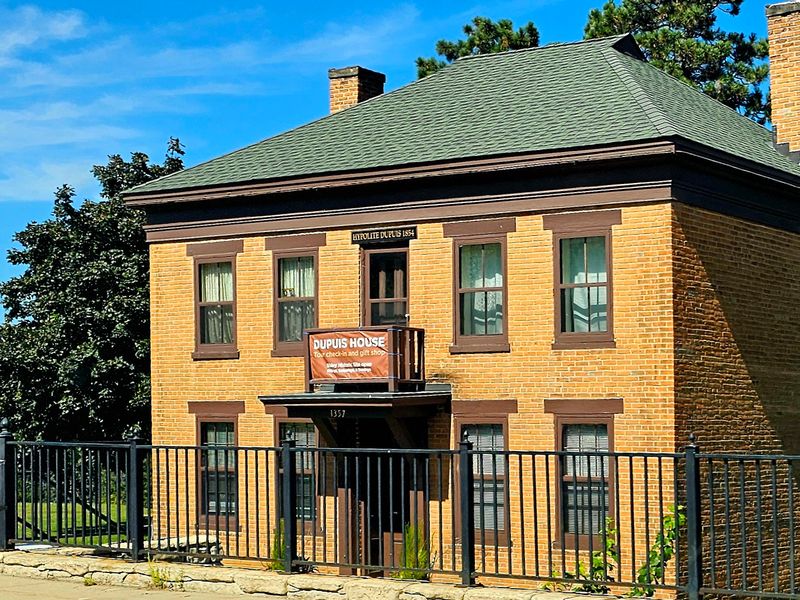
The Sibley Historic Site is managed through a partnership involving the Minnesota Historical Society and Dakota County. That institutional backing matters more than it might sound.
Preservation at this level requires ongoing funding, expertise, and a commitment to accuracy that smaller independent sites often struggle to maintain.
Minnesota Historical Society members receive free admission to the tours, which makes membership a worthwhile consideration for anyone who visits historic sites regularly across the state. The organization manages multiple significant sites, and a single membership opens doors at all of them.
The preservation work that has gone into keeping these limestone buildings structurally sound over the decades is remarkable. Restoration efforts have been ongoing, and guides often share details about what that process has involved.
Knowing that real effort goes into maintaining a nearly 200-year-old building makes standing inside it feel even more significant than it already does.
Period Furnishings and Interior Details
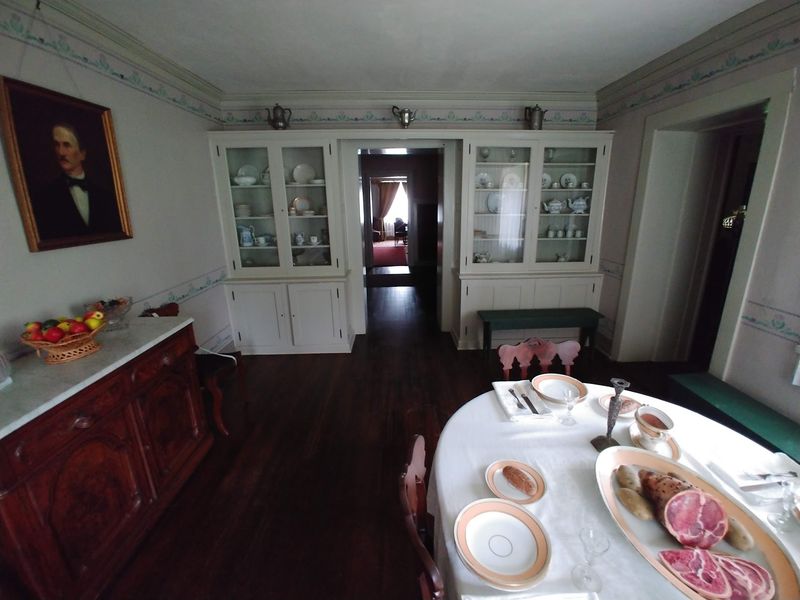
Walking through the interior of the Sibley House is a different experience from standing outside and admiring the stone walls. The rooms contain period furnishings that help visitors picture what daily life actually looked like for a wealthy fur trader in the 1830s.
Nothing about the space is lavish by modern standards, but by frontier standards, it was impressive.
The scale of the rooms, the low ceilings, the thick walls, and the simple layout all communicate something that no photograph quite captures. You get a physical sense of how people lived, worked, and managed the practical challenges of frontier existence in a way that reading about it never fully delivers.
Guides point out specific objects and explain their historical context, which helps transform what could feel like a generic house tour into something more specific and absorbing. The details matter here, and the people leading the tours clearly know which ones are worth pausing over.
Planning Your Visit to Mendota
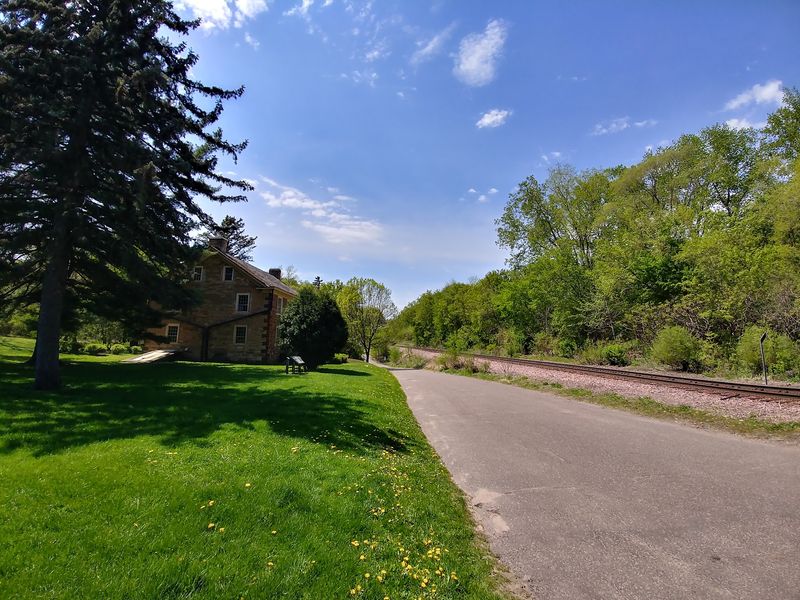
Getting to Sibley Historic Site takes a little planning, and that effort is genuinely worth it. The site sits at 1357 Sibley Memorial Hwy in Mendota, just a short drive from the Twin Cities.
The surrounding area along the river is scenic on its own, and the drive in sets the right mood before you even arrive.
Tours run Friday through Sunday from 10 AM to 5 PM, and checking in at the top of the hill is the correct starting point. First-time visitors who are not aware of that detail have occasionally missed tours while waiting in the wrong spot, so arriving with that knowledge saves frustration.
The gift shop carries a small selection of items including postcards, and the overall cost of a tour is reasonable for what you get. Nearby Fort Snelling and the Mississippi River area offer additional history for visitors who want to extend their day beyond Mendota.
Share this story