Somewhere in western Massachusetts, tucked into an old mill building beside a rushing river, there is a small spot that costs nothing to enter and gives back far more than you would expect. Most folks zip by on their way to somewhere else, never guessing that a quiet building holds realistic wildlife scenes, hands-on exhibits, and a big room where the whole community gathers.
Families keep coming back, some more than once during a single vacation. The best part is that a rich morning of exploring here does not cost a single dollar.
An Old Mill Turned Local Treasure on Avenue A
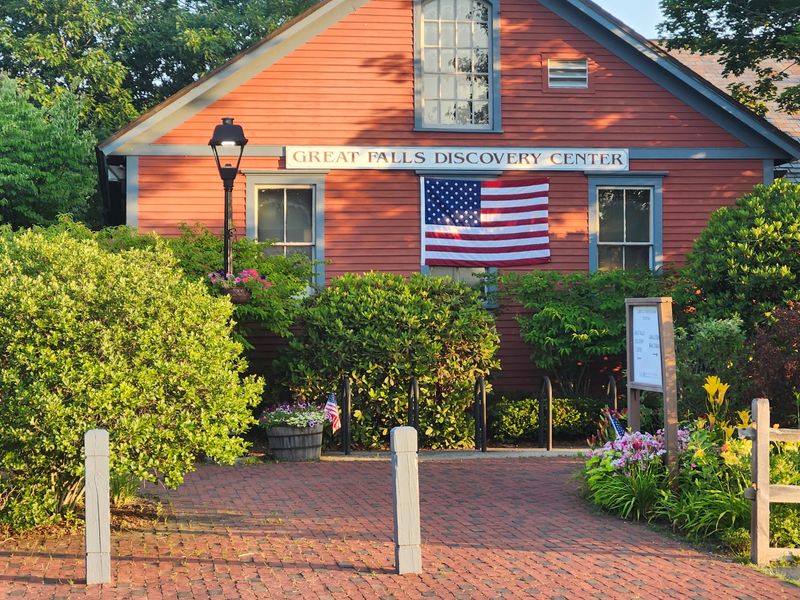
Right in the heart of downtown Turners Falls, at 2 Avenue A, Turners Falls, MA 01376, sits a refurbished mill building that quietly became one of the area’s most beloved free stops. The Great Falls Discovery Center turned an old industrial space into a modern, welcoming place to learn and gather.
The location could not be more convenient. The center sits less than five minutes from Interstate 91, so anyone driving up or down that route can pop in without much detour.
What makes the building special is its focus. Everything inside centers on the Connecticut River watershed, the wildlife that lives there, and the history of the falls just outside.
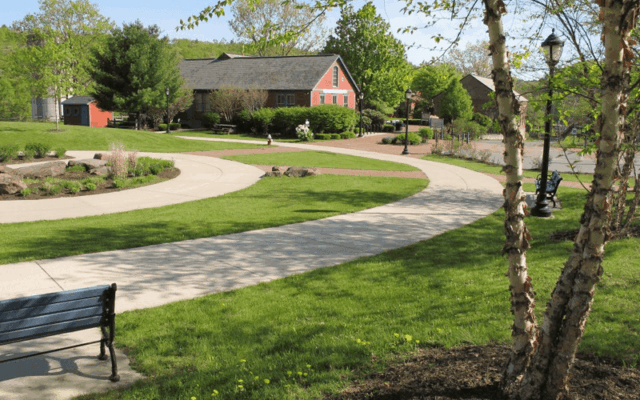
Parking is easy to find, with plenty of room around the center and a lot that shows up clearly on maps. Picnic tables sit nearby, overlooking the river.
Regulars describe it as a genuine asset to the community, small in size but generous in what it offers. For a place that charges nothing, it manages to leave a big impression.
The Story of the Connecticut River Valley
Long before this became a place for family outings, the land around the falls shaped how people lived, worked, and traveled through western Massachusetts. The center tells that story with care.
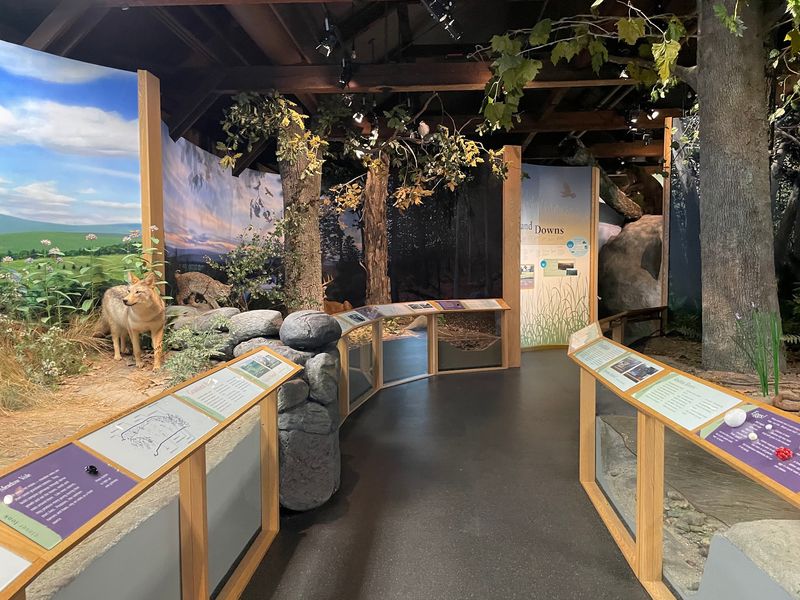
Inside, exhibits walk you through the history of the land and the falls themselves. The displays cover the many environments of the region, from farmland to riverbanks, giving visitors a clear sense of how it all connects.
Agriculture and the animals of the valley get plenty of attention too. The center focuses on the watershed and its offshoots, showing how the river feeds so much of the surrounding life.
People often mention how thoughtful the information feels. There is enough to learn something new, but not so much that it becomes overwhelming.
That balance is part of the charm. You leave understanding the region better without feeling like you sat through a lecture, and history here feels alive rather than dusty.
Lifelike Dioramas That Steal the Show
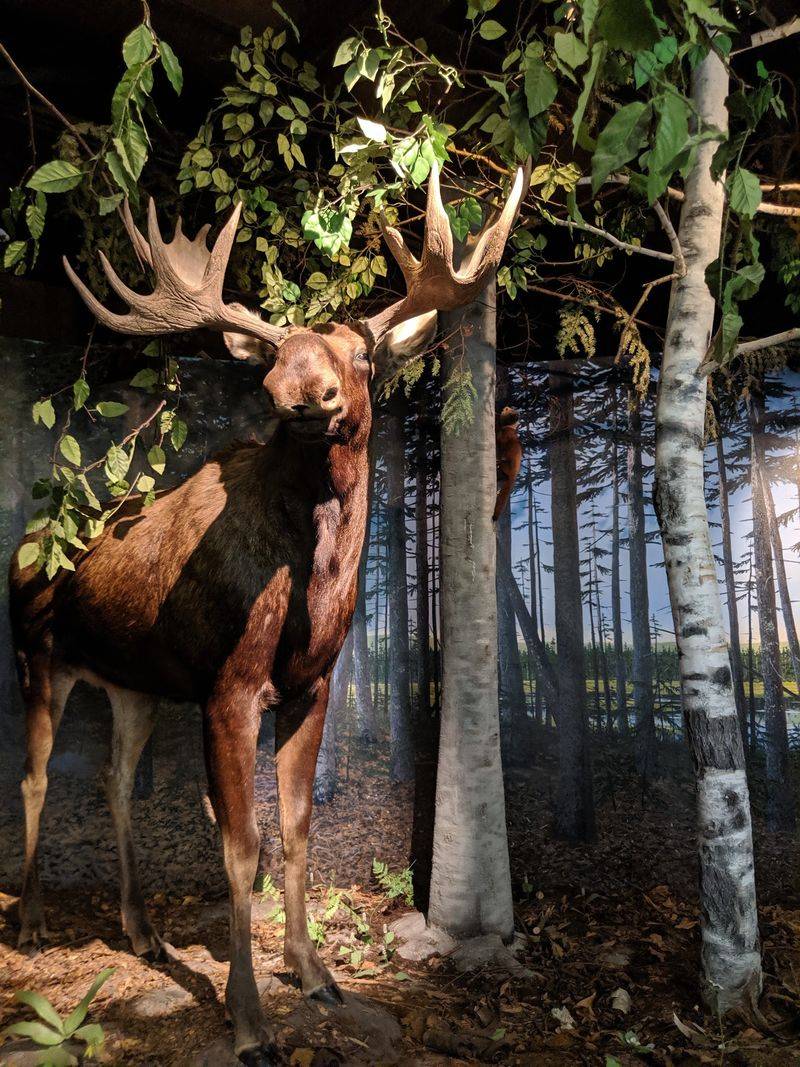
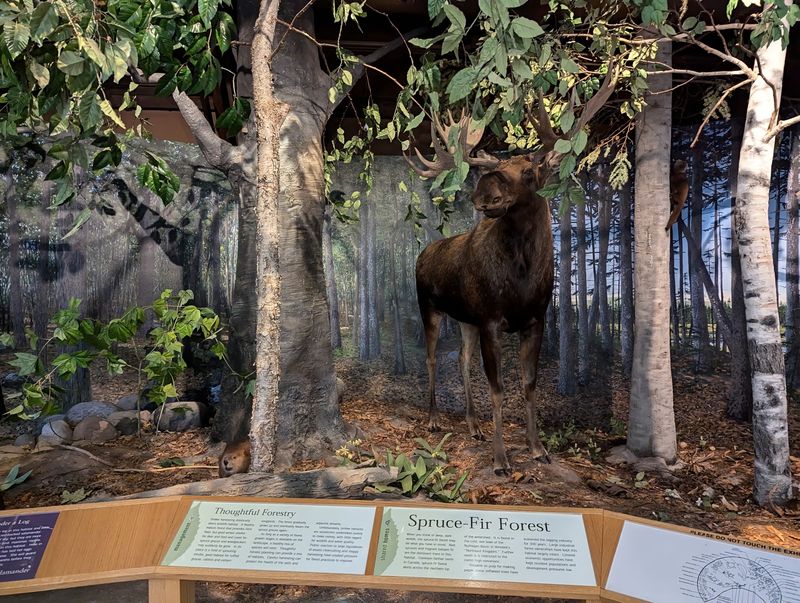
Walk into the main room and the dioramas quickly become the talking point. These recreations of the area’s natural habitats look strikingly realistic and draw both kids and adults right in.
The scenes are built with real skill. An artist painted the backgrounds so convincingly that many describe the displays as looking almost three-dimensional, with animals set into settings that feel genuine.
Simple yet engaging is how longtime fans sum them up. The displays do not rely on flashy gimmicks, just careful craft that makes the wildlife feel present.
Families frequently point out how much their children enjoy searching through the scenes. Finding all the hidden creatures becomes its own little adventure.
For anyone who has toured a lot of museums, these dioramas hold up as favorites. They prove that a small space can pack in some seriously impressive work.
Taxidermy, Animals, and a Big Topographical Map
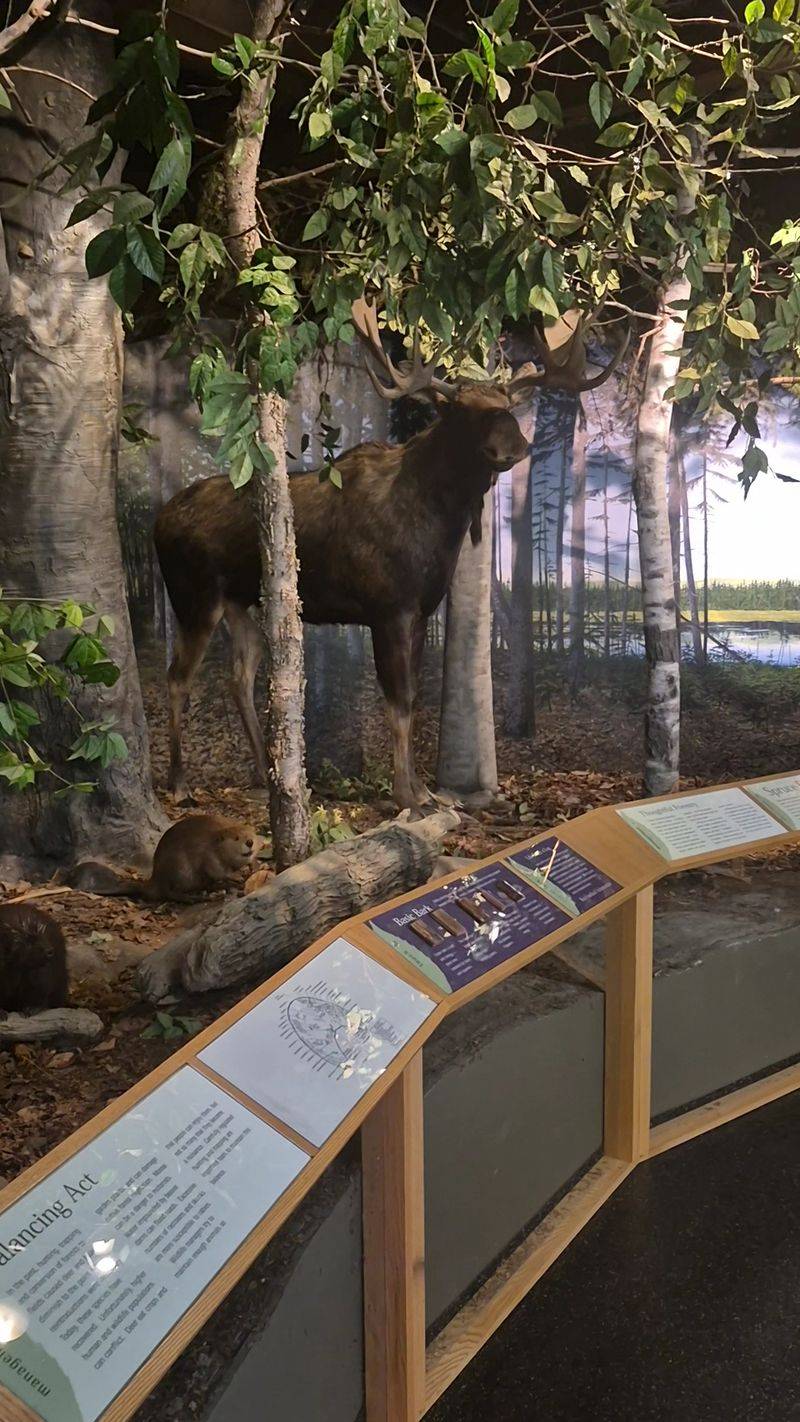
Curiosity gets rewarded fast inside the great room, where taxidermied animals of the Connecticut River Valley line the exhibits. They give visitors an up-close look at creatures they might never spot in the wild.
At the center of the room sits a standout feature: a large topographical tabletop map of the Turners Falls region. It lays out the landscape so you can trace the river, the falls, and the surrounding terrain at a glance.
The animal displays cover a wide range of local wildlife. Kids especially love hunting through the exhibits to spot each one.
Beyond the map, the exhibits are described as well done and thoughtfully arranged. There is plenty to explore for a room that stays comfortably compact.
All of this makes the interior feel richer than its size suggests. Every corner offers something worth pausing over before moving on to the next.
The Fish Ladder Right Across the Street
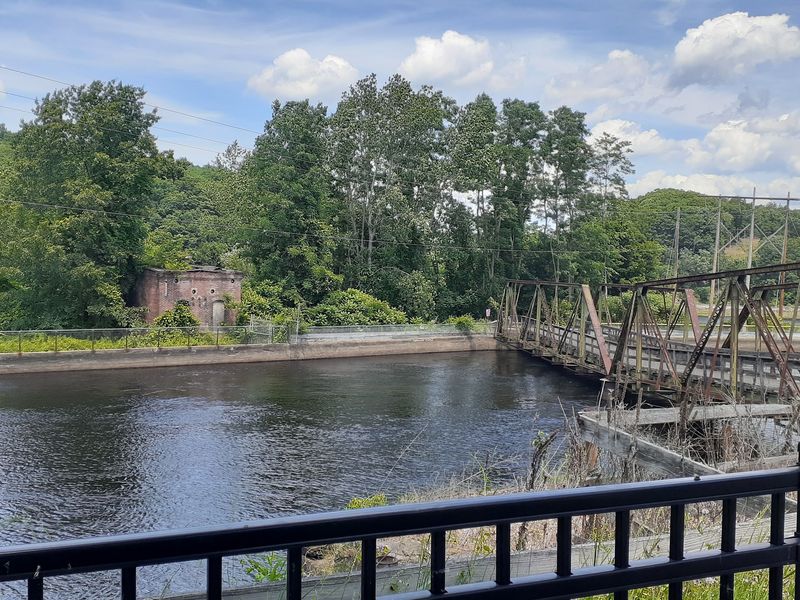
Just across the street from the center waits one of its most talked-about seasonal draws: the fish ladder. When it opens, visitors can watch fish make their way along the river passage.
Timing matters here. The viewing window runs for only about a month, so fans of the fish way plan return trips to catch it while they can.
Many wish it stayed open longer, which says a lot about how much people enjoy it. Some make several trips over a season just to experience it again.
The short walk from the main building makes it easy to add to your visit. You can explore the exhibits inside, then step across for the outdoor spectacle.
Even if the ladder is closed during your stop, knowing it is there gives you a reason to come back. Seasonal treasures like this keep locals returning year after year.
Trails, River Views, and Sunsets Behind the Building
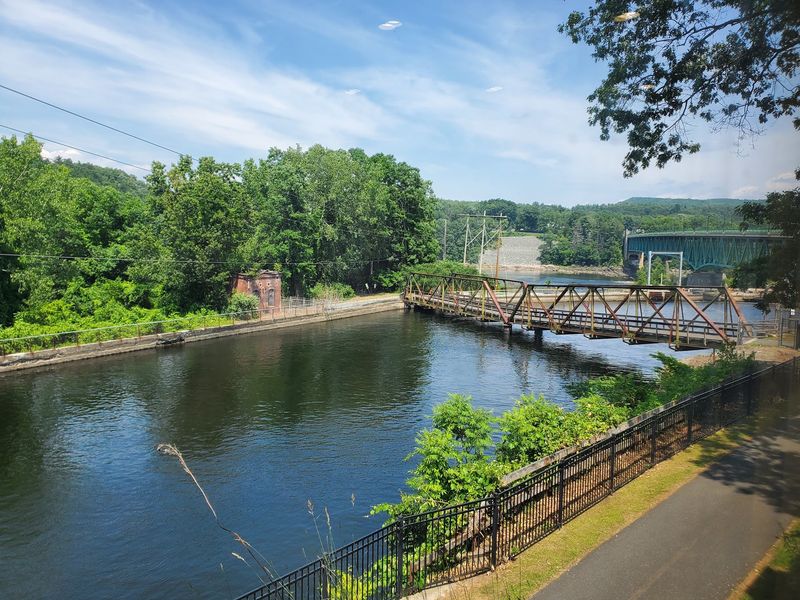
Behind the building, the outdoors becomes just as much of an attraction as the exhibits inside. The Connecticut River sits a short walk away, with trails that invite a slow wander.
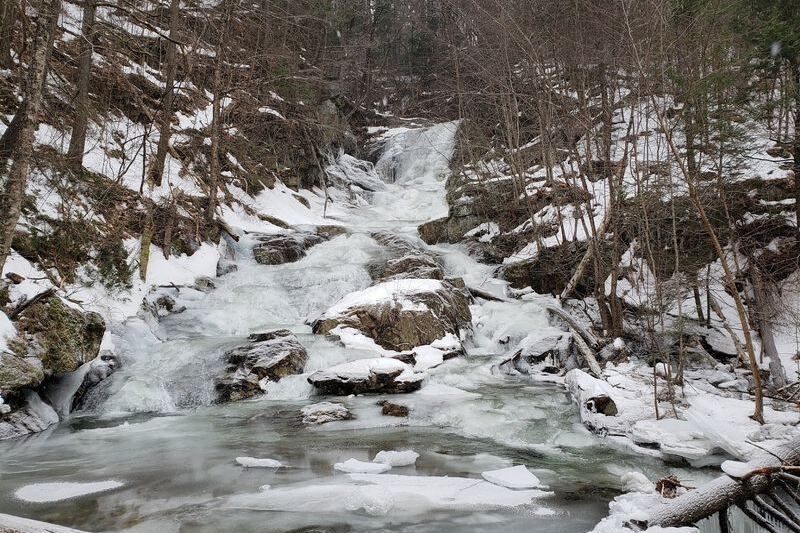
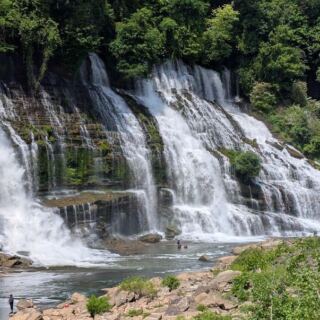
Walking outside leads you over the canal and along the river, opening up views of the bridge and the falls. The scenery gives the whole visit an extra layer of reward.
The paths are known for being usually quiet and safe, a nice spot for an unhurried stroll. Sunset views along the water draw people who simply want a peaceful end to the day.
There is flexibility in how you explore. One side of the river offers a longer walk near the museum, while the other bank provides shade and far fewer cars.
Down below the dam, rock cliffs and river beds add to the landscape, and the old paper mill smokestack can be seen downstream. Nature and history share the same view here.
Hands-On Fun That Keeps Kids Coming Back
Few things prove a place is a hit like kids begging to return, and that happens here often. Families report children asking to visit a second time during the same vacation, fully engaged in every activity.
Interactive exhibits keep young explorers busy. There is even a computer where kids can dig deeper into the material, with staff happy to guide them along the way.
Scavenger hunts add another layer of play. Searching for hidden wildlife throughout the exhibits turns learning into a game that keeps little ones moving from display to display.
Outside, a small story-walk winds through the grounds, sharing a gentle tale as families stroll. Special events, like building fairy houses from natural materials, give grandparents and grandkids a shared project to enjoy.
With so much packed into one free stop, plenty of families plan not just a second trip but a third and fourth. That kind of loyalty is hard to fake.
A Gathering Space for Music and Community Events
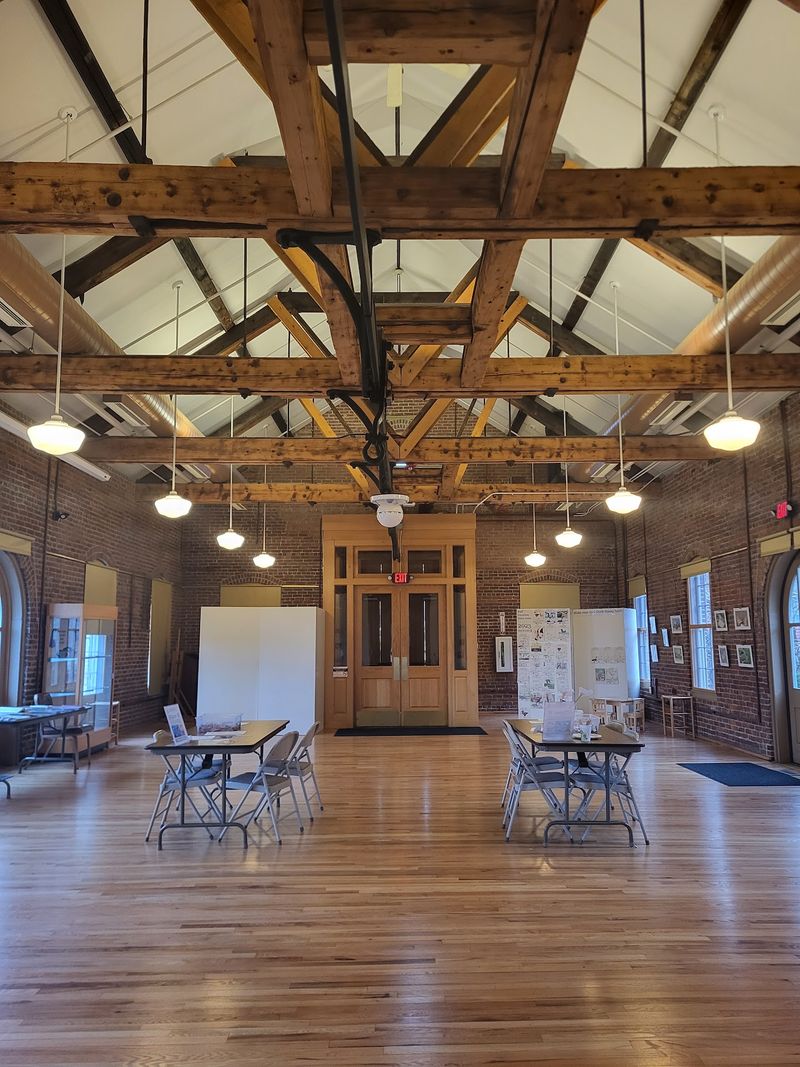
Beyond the exhibits, the center doubles as a lively hub for the whole community. The great room serves as a wonderful space for presentations and special exhibits.
Music finds a home here too. The building has hosted performances, including a French Bretagne music group, drawing people in for something a little different.
A once-monthly coffeehouse with music and a sliding scale fee helps support the center’s work. Events like these turn a museum into a genuine community gathering spot.
Local artists get their moment as well. A Native American artist has displayed work inside, adding another reason for people to stop by and look.
Positioned in downtown Turners Falls next to the Rail Trail, the center sits right where community life happens. It works hard on educational programming, especially for children, and that effort shows in how often locals turn up.
Hours, Free Admission, and How to Plan Your Visit
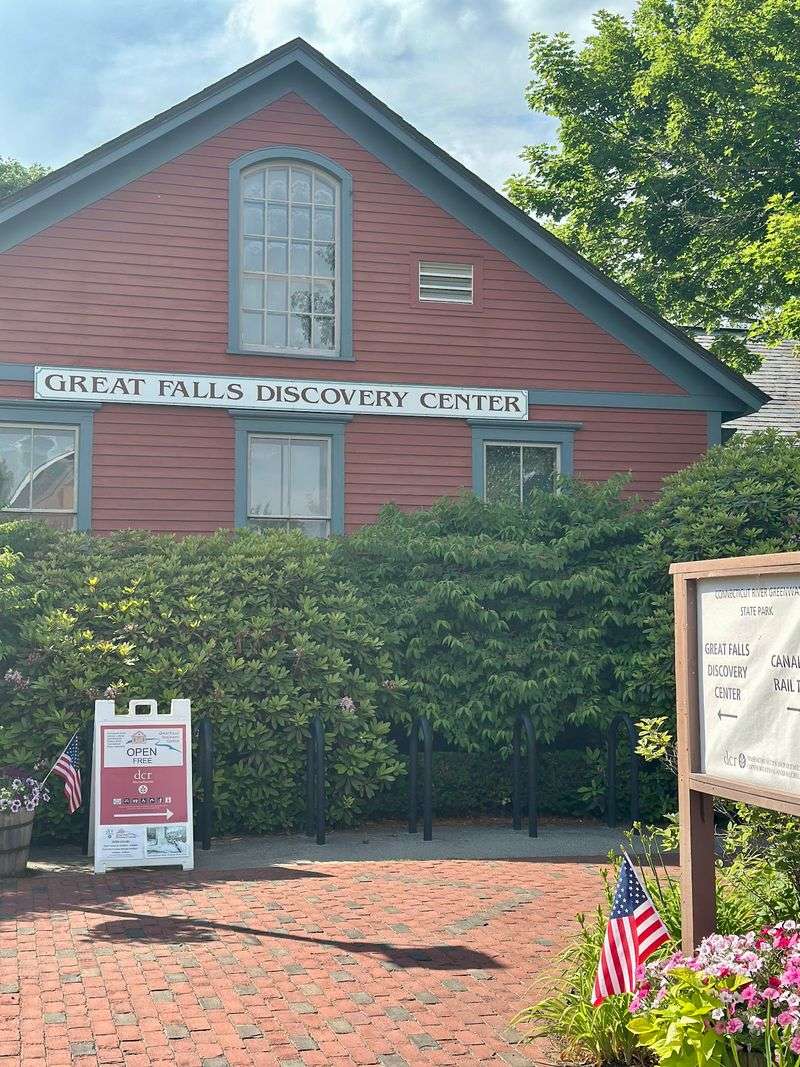
Best of all, getting in costs nothing. Admission is free, which is exactly why so many people list that as the headline reason to stop.
The center keeps steady hours through most of the week. It opens Sunday and Wednesday through Saturday from 10 AM to 5:30 PM, with shorter Tuesday hours from 10 AM to 4 PM, and it stays closed on Mondays.
Getting there is simple thanks to its spot less than five minutes off Interstate 91. Parking is plentiful, and the lot is easy to locate on a map.
Friendly staff make the experience even better. The manager and rangers greet guests warmly, share knowledge freely, and actively help kids explore every part of the center.
Compact but full of things to see, this is the kind of quick stop that fits neatly into any drive through western Massachusetts. Skip it, and you miss one of the region’s easiest wins.
Give it an hour, and you may find yourself planning a return before you even leave the parking lot.
Share this story