There is a place in Virginia where history feels less like a textbook and more like a conversation with someone who actually lived it. Long before Colonial Williamsburg became a household name, a small English settlement along the James River was shaping the future of an entire continent.
Most people driving past Chester on I-95 have no idea that the land just off the highway holds one of the most fascinating and overlooked stories in American history, including a real chapter in the life of Pocahontas that goes far beyond any movie version you have ever seen. This park brings the early 1600s back to life in a way that is hands-on, personal, and genuinely surprising, and once you know what happened here, you will wonder why it took you this long to visit.
The Settlement That Almost Became Virginia’s Capital
Most people have heard of Jamestown, but the story did not stop there. In 1611, Sir Thomas Dale led a group of English settlers upriver from Jamestown to establish a second, more defensible settlement on a bend of the James River.
The plan was bold: this new place, called Henricus, was intended to become the capital of the Virginia Colony. It was better positioned, higher in elevation, and surrounded on three sides by water, making it far easier to defend against attack.
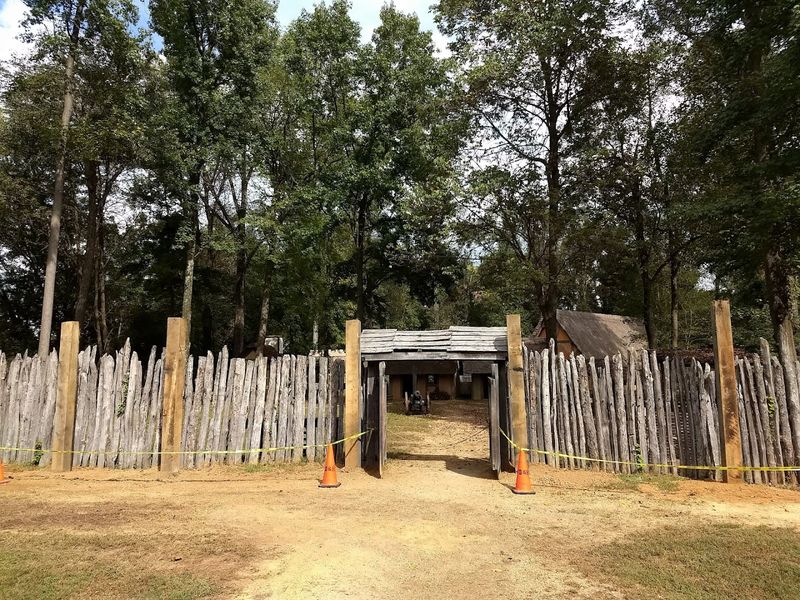
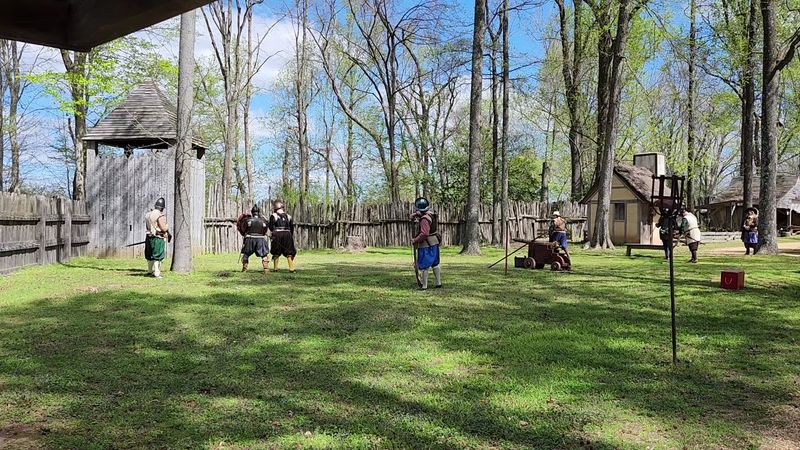
Henricus Historical Park, at 251 Henricus Park Rd, Chester, VA 23836, sits on that very land today, reconstructing the fort and its colonial buildings with impressive accuracy. The park is open Thursday through Sunday, 10 AM to 4 PM.
Walking through the wooden palisade gates for the first time, you feel the weight of how close this place came to changing everything about early American history.
Pocahontas Lived Here, and the Real Story Is Remarkable
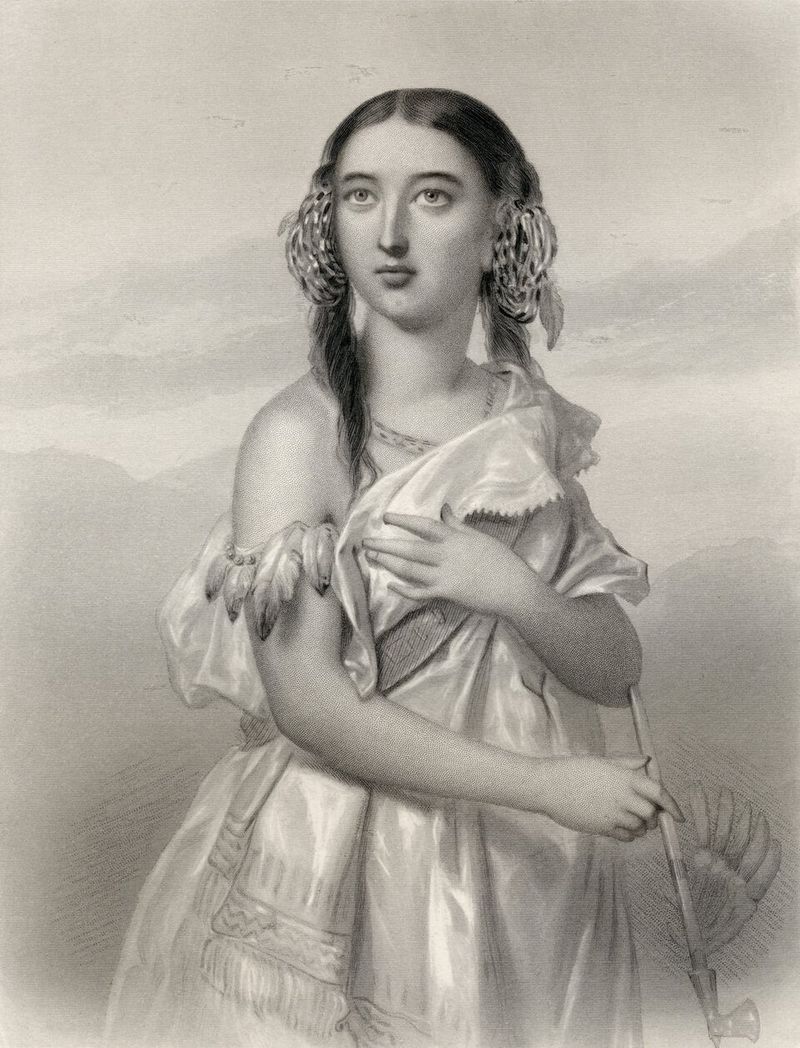
The version of Pocahontas most people know comes from a 1995 animated film, and it leaves out almost everything that actually happened. The real Pocahontas, whose given name was Amonute, was brought to Henricus around 1613 after being captured during a conflict between English settlers and the Powhatan Confederacy.
She was held at the settlement, where she learned English, converted to Christianity, and took the name Rebecca. It was here, not at Jamestown, that she met and married tobacco planter John Rolfe in 1614.
That marriage created a rare period of peace between the English and the Powhatan people, and it changed the course of colonial Virginia. Henricus is the place where that story unfolded, and the park’s interpreters explain it with a depth and honesty that is genuinely refreshing.
You walk away understanding a real person, not a cartoon character.
Living History Interpreters Who Actually Know Their Stuff
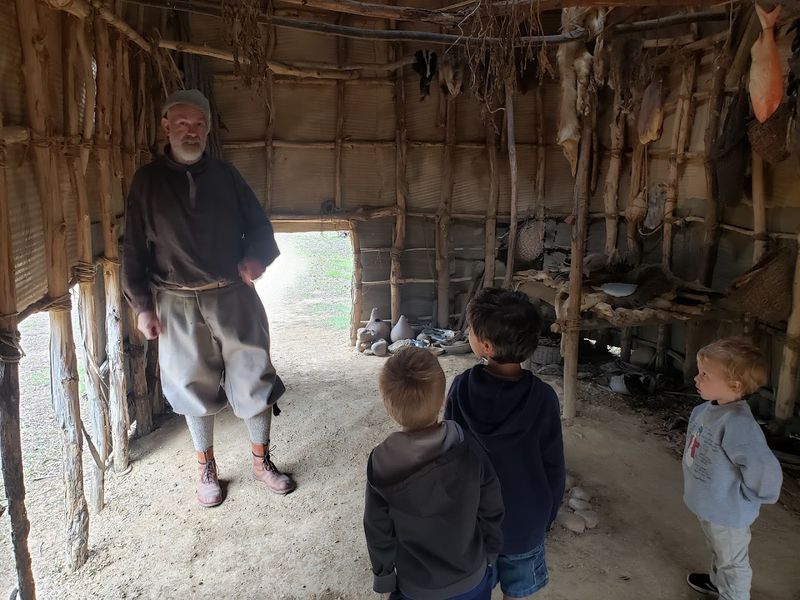
What separates Henricus from a lot of other historical sites is the quality of the people stationed throughout the grounds. The interpreters here are not just wearing costumes and reciting scripts.
Each one has done serious research into their specific role, whether that is a colonial soldier, a clergyman, a farmer, or a craftsperson. They stay in character, answer follow-up questions with confidence, and connect what happened in 1611 to things that matter today.
One interpreter spent nearly an hour talking through 17th-century medical practices, complete with the actual tools used at the time. Another walked through the mechanics of a matchlock musket with the kind of enthusiasm that makes you forget you are technically standing in a park.
Families with kids consistently say their children learned more here in an afternoon than they did during full school units on colonial history, and that says a lot.
The Reconstructed Church That Stops People in Their Tracks
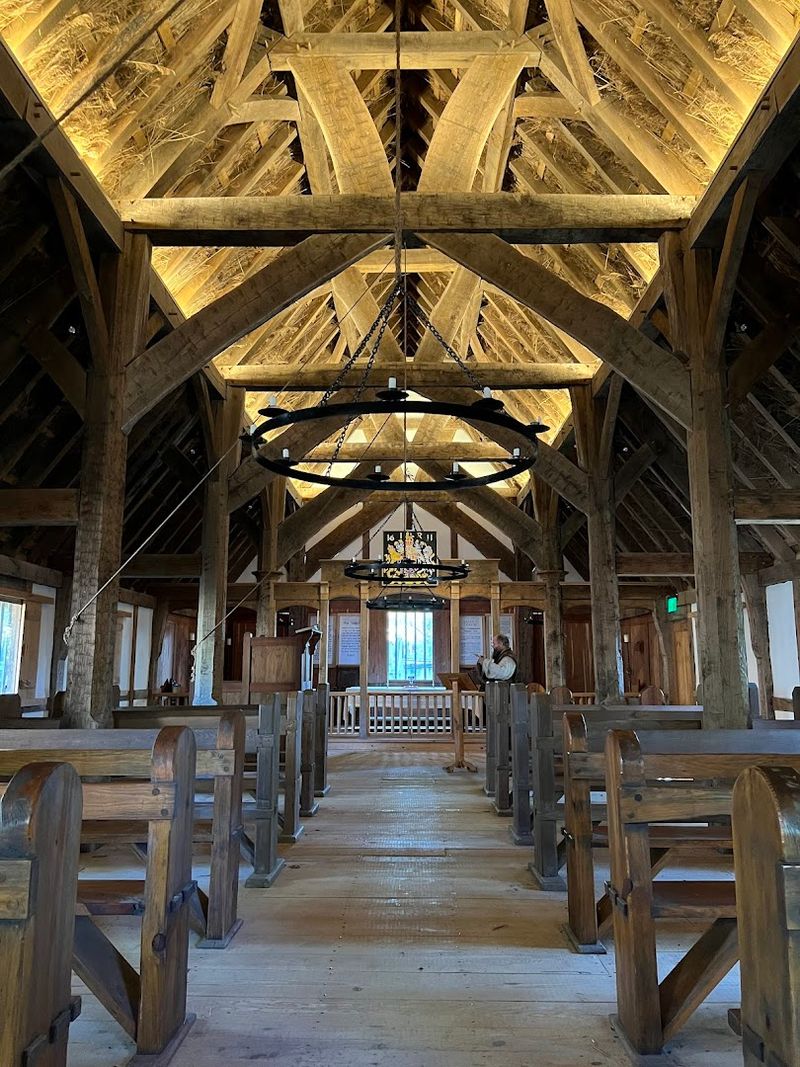
There is one building at Henricus that tends to silence even the most chatty tour groups. The reconstructed church on the grounds is modeled after the kind of simple Anglican worship space that early settlers would have built, and it carries a quiet intensity that is hard to explain until you are standing inside it.
The walls are plain timber, the pews are rough-hewn wood, and the light comes in at angles that make the whole interior feel both stark and oddly beautiful. It is the kind of place that makes you think about what it meant to cross an ocean and try to build a familiar world from scratch.
The parsonage and hospital buildings nearby add to the picture, each one reconstructed based on archaeological evidence and historical records. Together, they give you a physical sense of how compact and vulnerable this settlement really was in its early years.
The Powhatan Village and What It Teaches
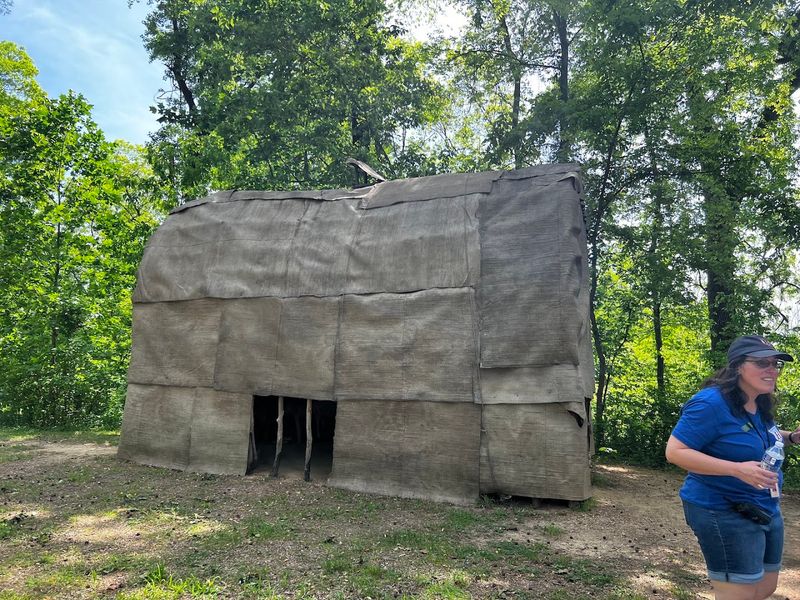
Henricus does not tell only the English side of the story. The park also includes a reconstructed Powhatan village that gives visitors a look at the culture and daily life of the people who already called this land home when the settlers arrived.
You can see traditional longhouse construction, learn how the Powhatan people used local plants and waterways, and understand why the river bend that Dale chose for his settlement had already been significant to Indigenous communities for generations.
The contrast between the English fort and the Powhatan village, standing within the same park, makes the tensions and exchanges of that era feel immediate rather than abstract. It is one of the most effective ways I have seen a historical site handle the complexity of early colonial contact.
Rather than flattening the story into a simple narrative of progress, Henricus presents it as the genuinely complicated, human encounter that it was.
The James River Views That Frame Everything
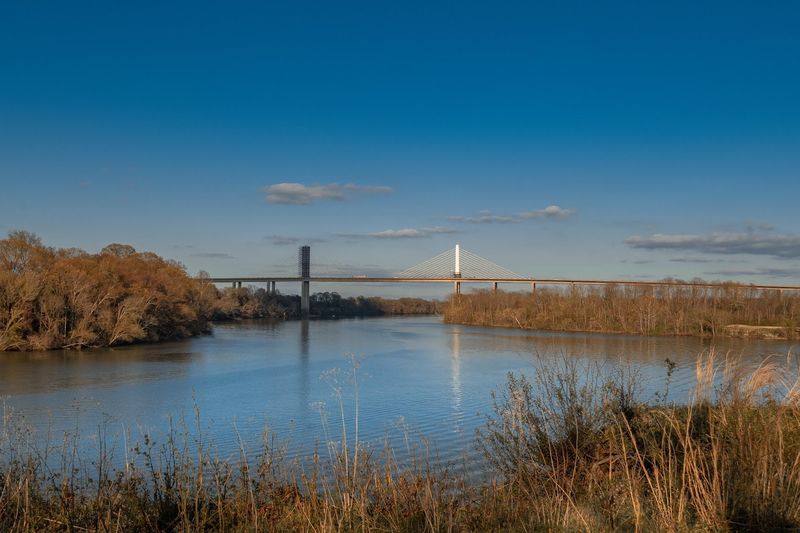
The physical setting of Henricus is part of what makes the experience so memorable. The park sits on a peninsula formed by a bend in the James River, and the water is visible from multiple points along the walking path.
Sir Thomas Dale chose this spot partly because the river wraps around three sides of the land, and standing at the edge of the grounds today, you can immediately see why. The defensive logic is obvious, but so is the beauty of the location.
The James River here is wide and unhurried, and on a clear afternoon the light on the water has a quality that makes the surrounding landscape feel timeless. Along the road leading into the park, there is also a small pull-off where you can walk out onto a dock into the marsh nearby, which adds a peaceful bonus to the visit.
The scenery alone makes the drive worthwhile.
Dutch Gap and the Monument You Might Almost Miss
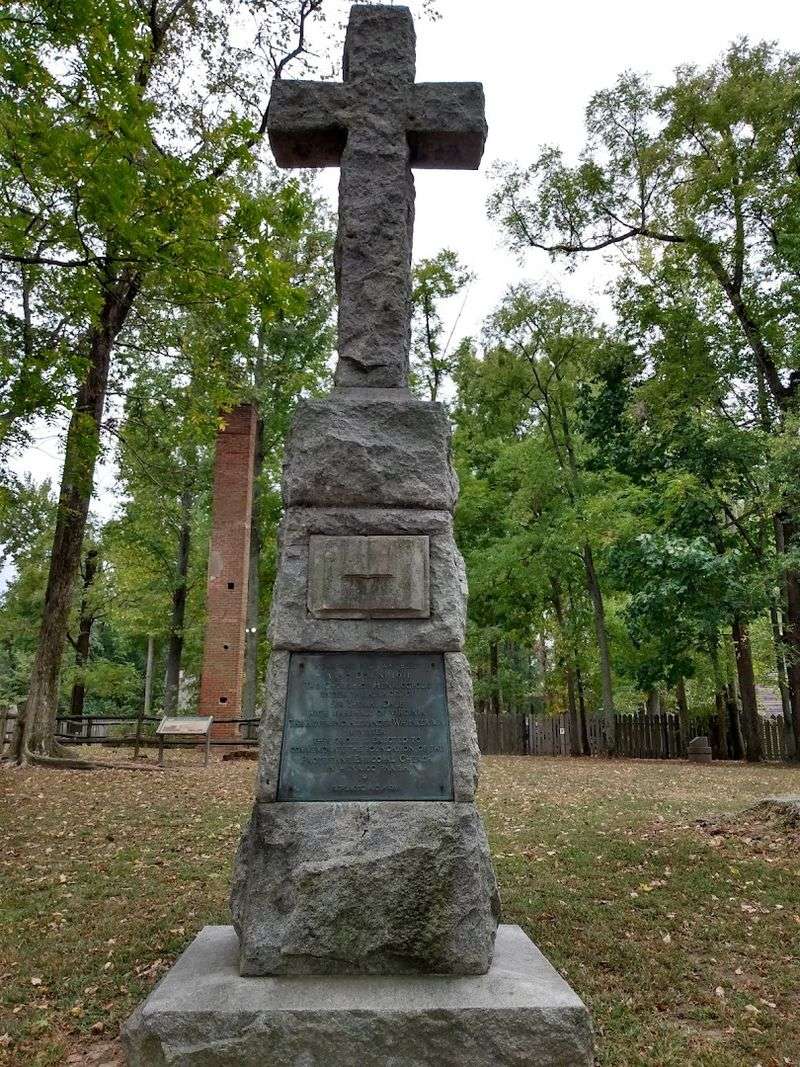
Tucked within the grounds is a commemorative monument related to Dutch Gap, a canal cut through the narrow neck of the peninsula during the Civil War by Union forces under General Benjamin Butler in 1864 and 1865.
Most visitors walk past it without realizing they are looking at a marker for one of the more unusual engineering projects of the entire war. The canal was designed to bypass a Confederate stronghold by redirecting river traffic, and while it took longer than expected, it eventually became a permanent part of the James River channel.
The fact that this same stretch of land carries layers of history from the early 1600s all the way through the 1860s makes Henricus feel less like a single-era museum and more like a place where time stacked up on itself in interesting ways.
It rewards the kind of visitor who slows down and reads every sign along the path.
Hiking Trails Along the River for After the Tour
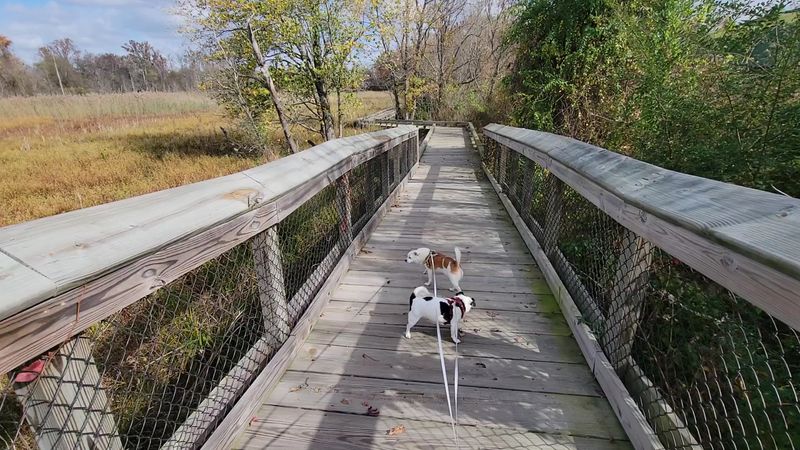
After spending a few hours inside the reconstructed settlement, the trails surrounding Henricus offer a genuinely pleasant way to extend the visit. The paths wind along the James River and through the Dutch Gap Conservation Area, giving you access to marsh views, wildlife, and the kind of quiet that is hard to find close to a major highway.
The trails are not strenuous, which makes them accessible for families with younger children or anyone who just wants a relaxed walk after a morning of history. Birdwatchers tend to do well here, particularly near the marshy areas where herons and other water birds are common.
Bringing a picnic is a genuinely good idea, since the park has picnic tables available and no food is sold on site. The combination of the historical tour and a riverside walk makes for a full and satisfying day without requiring any particular athletic ambition.
Live Animals on the Grounds Add an Unexpected Charm
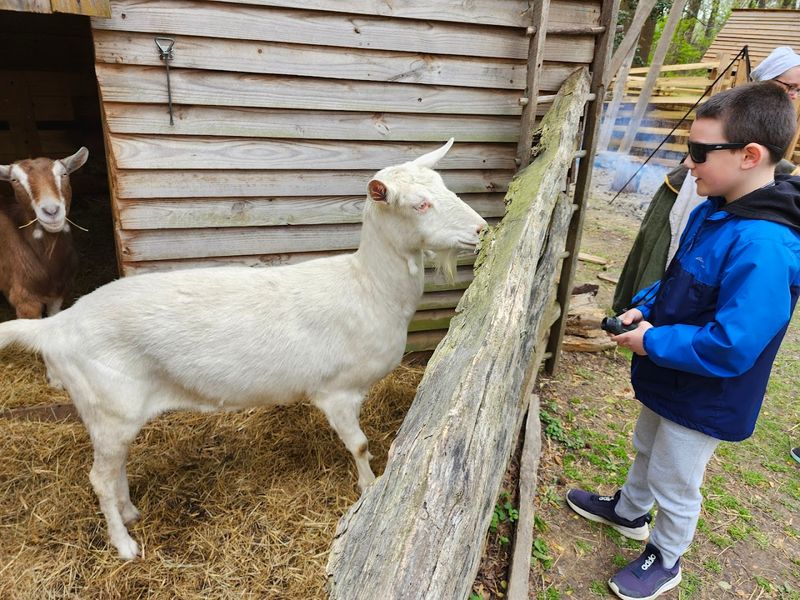
One of the small surprises at Henricus is that it keeps live animals as part of the historical experience. Hogs, goats, and chickens roam within their respective enclosures near the farming area of the settlement, and they draw an immediate and enthusiastic response from younger visitors.
An interpreter stationed near the livestock area walks through what animal husbandry actually looked like in the early 1600s, explaining which animals the settlers brought from England, how they were used for food and labor, and why maintaining a herd was a matter of survival rather than preference.
There is also, apparently, a friendly cat that wanders the grounds independently, which feels entirely appropriate for a place trying to recreate the texture of daily colonial life. The animals make the settlement feel lived-in rather than staged, and that distinction matters more than you might expect when the goal is genuine historical immersion.
Practical Tips for Getting the Most Out of Your Visit
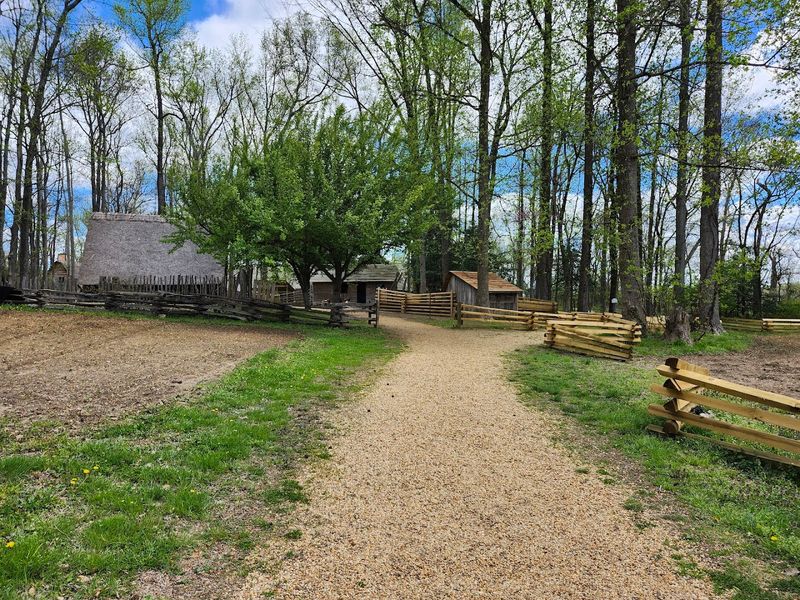
A few practical details can make a real difference in how your visit goes. The park is open Thursday through Sunday from 10 AM to 4 PM and is closed Monday through Wednesday, so confirming your timing before making the drive is important.
The entire experience takes place outdoors, which means weather matters. Warmer months are more comfortable for a full exploration of the grounds, though a crisp fall day can make the setting feel particularly atmospheric.
Dress in layers if you are visiting in cooler months, and bring water since the walking route is more substantial than it looks on a map.
No food is sold at the park, so packing a lunch or snacks is genuinely recommended. Picnic tables are available, and eating on the grounds turns a half-day visit into a full afternoon without any extra planning required.
Free parking is available on site, which is always a welcome detail.
Why This Place Deserves More Attention Than It Gets
For a site that holds this much history, Henricus remains surprisingly under the radar. It predates many of the colonial sites that draw large crowds, it tells a more complete story by including both English and Powhatan perspectives, and its interpreters are among the most knowledgeable I have encountered at any living history museum in the country.
The park covers the period right after Jamestown’s founding, which fills in a gap that most people do not even realize exists in their understanding of early American history. The connection to Pocahontas alone should make it a major destination, yet it quietly sits off I-95 near Chester while millions of drivers pass by each year without stopping.
If you care about American history at all, or if you have kids who are studying this era in school, a visit here will reframe what you thought you already knew in the best possible way.
Share this story