A real New Jersey scout camp has been keeping a famous movie secret in plain sight for decades. Most days, it is not a casual drop-in stop, which only makes its rare public tours feel more like a local event than a standard outing.
The place matters because it connects New Jersey outdoor history, youth camping, and the original Friday the 13th film in one hard-to-access setting. Fans come for the movie connection, but the bigger story includes trails, cabins, scouting traditions, and a camp that still serves a real purpose.
A Hardwick Township Camp With A Famous Alias
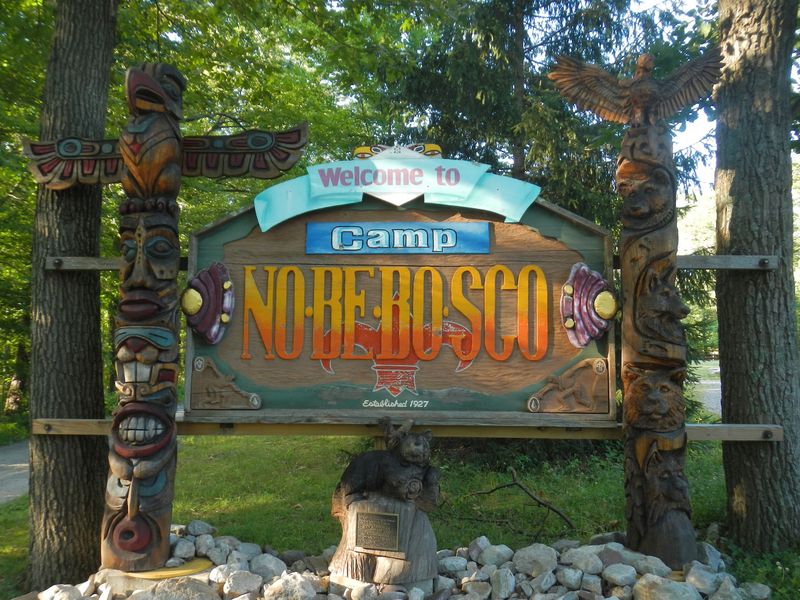
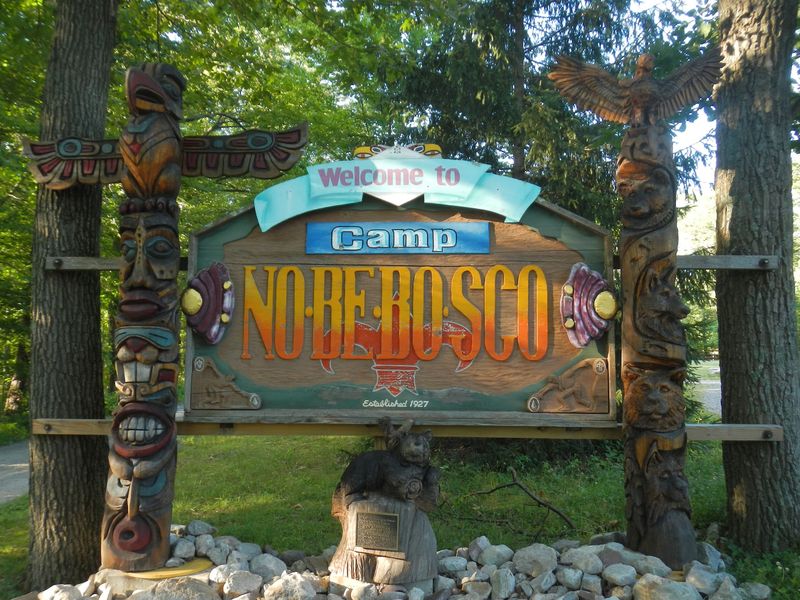
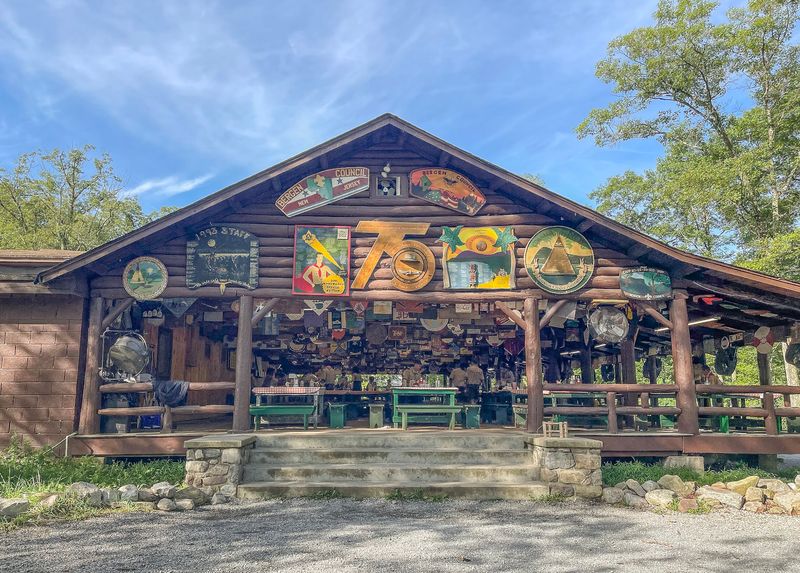
The address that horror fans memorize is 11 Sand Pond Rd, Hardwick Township, NJ 07825, United States. Camp No-Be-Bo-Sco is a children’s camp in Warren County, and its public fame comes from standing in for Camp Crystal Lake in the first Friday the 13th film.
Regular camp life and movie tourism share the same ground here, which is why access matters. It is not a place to treat like a public park or a roadside photo stop, because it remains an active scouting property with rules, schedules, and organized access.
The camp has a Google listing showing 4.7 stars from 458 ratings, but numbers do not explain why people pay attention to it. The main pull is the unusual mix of a long-running New Jersey camp and a film location that fans still track decades later.
Its setting in Hardwick Township also gives New Jersey residents a good reminder that the state is not one thing. Beyond highways and shore towns, there are quiet camp roads, mountain-area outings, and places whose stories are bigger than their signs.
The Scout Camp Story Behind The Screen Fame
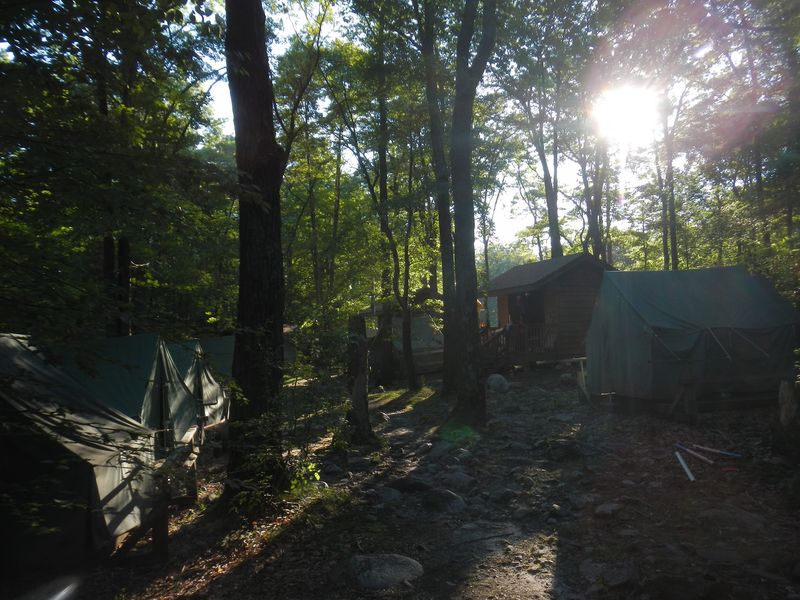
Long before movie fans started circling dates on the calendar, the camp had its own identity as a scouting destination. People familiar with its history describe it as one of the iconic Boy Scout camps in the New York and New Jersey area, with a role in developing young people for about a century.
That background is not a footnote. Summer weeks bring structured activities, rank advancement, and merit badge opportunities for registered BSA participants, with one available account noting sessions between the first week of July and the second week of August.
Year-round use also shows up in the camp’s story. Troops have used it for outdoor skill building, teamwork, and overnight trips outside the main summer season, including colder months when cabin stays become part of the draw.
The Friday the 13th connection can easily steal the spotlight, but the scouting side explains why the property still matters beyond movie nostalgia. The camp is not preserved as a set; it continues to function as a place where youth camping remains the central purpose.
The First Friday The 13th Footprint
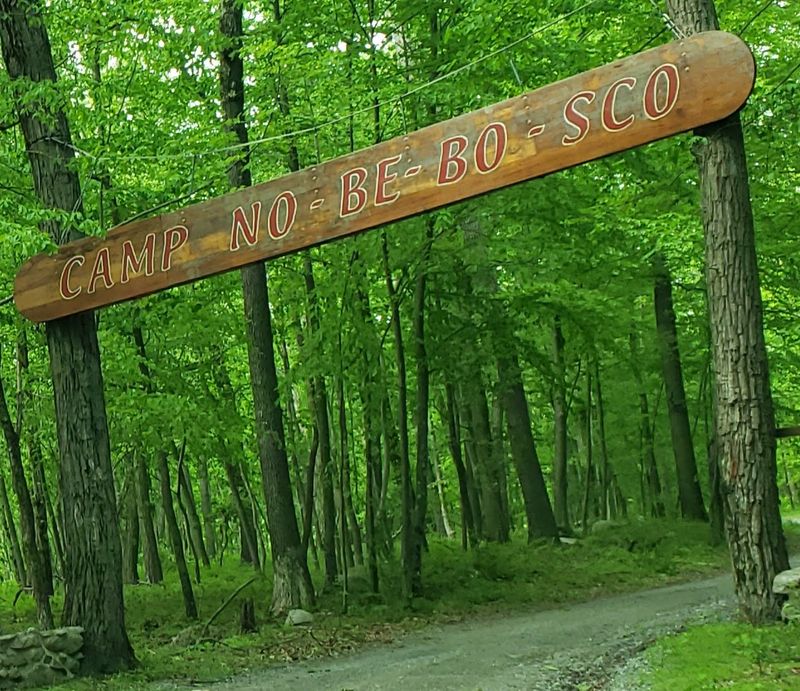
Movie history gives this camp its second name in the public imagination. The original Friday the 13th used Camp No-Be-Bo-Sco as the filming location for the fictional Camp Crystal Lake, which is why fans treat the address like a puzzle piece finally placed on the board.
Organized tours focus on that connection by guiding fans through areas tied to the film. Attendees commonly mention learning location details, production stories, and scene-by-scene context from staff who know both the camp and the movie material.
Several original filming props are described as being on site, adding another layer for people who care about physical connections to the production. The appeal is less about a quick snapshot and more about seeing how a working camp became part of a pop-culture timeline.
The result is a rare New Jersey crossover: a real youth camp, a rural setting, and a famous screen identity all occupying the same property. That odd combination is exactly why the place has stayed interesting long after the film left theaters.
Rare Tours That Make Access Feel Earned
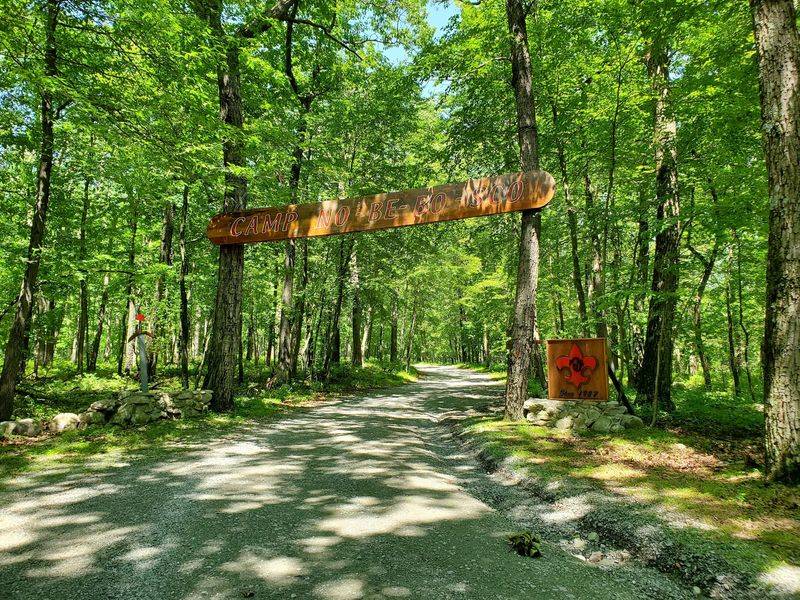
A locked-gate reputation can do wonders for curiosity, but in this case the restriction is practical. Camp No-Be-Bo-Sco is not generally open for unplanned wandering, so the Camp Crystal Lake tours become the proper way for fans to see the movie-related areas.
Public comments about the tours often point to organization, friendly staff, and guides who share plenty of film knowledge. The experience is built around access with structure, not a free-for-all, and that helps protect the camp’s regular mission.
Friday the 13th dates carry extra energy because the calendar lines up with the title that made the location famous. Some fans plan specifically around that date, while others choose afternoon or evening tour options when available through the official tour schedule.
The phrase hands fans the key fits because access is not automatic here. A ticketed, guided format is what turns an off-limits property into a controlled public experience, and that balance is a big part of why the tour continues to feel special.
Trails With Movie Stops And Real Camp Use
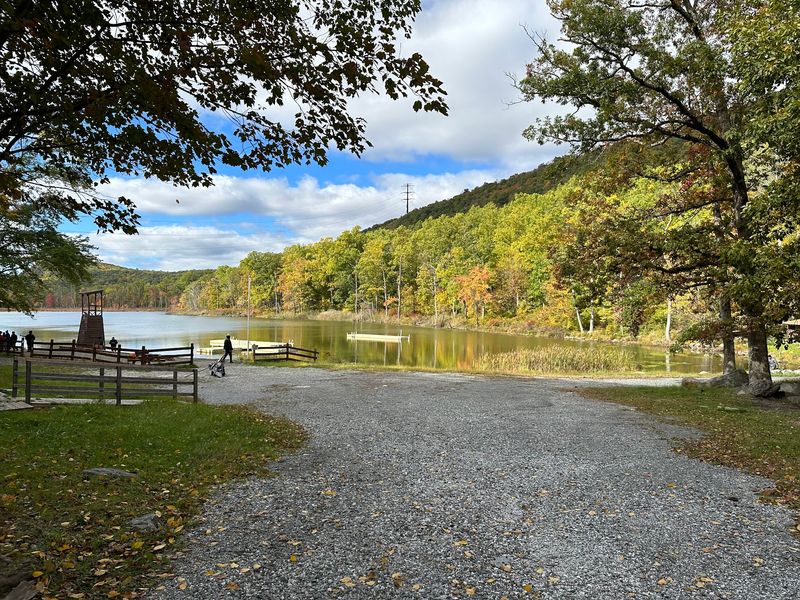
The tour experience is not only about standing near buildings and checking off trivia. People who attend describe covering trails tied to the first film, with enough movement that footwear and pacing become part of the planning.
One practical note appears again and again in plain terms: wear boots. The hike connected with the tour can be extensive, and the camp’s terrain is not the same as a flat downtown stroll after lunch.
Beyond the film route, scouting accounts mention a more challenging 2.5 to 3 mile hike that starts down the main road toward the waterfront, passes around Price Lodge, and follows blue NoBe Trail markers. That route includes steep rock climbing and scrambling, and it is not recommended in wet, icy, or snowy conditions.
The trail information also helps separate the camp from a simple movie backdrop. Camp No-Be-Bo-Sco functions as an outdoor property with real routes, real planning needs, and enough variation to reward people who respect the landscape rather than rush it.
Cabins, Tent Platforms, And Troop Traditions
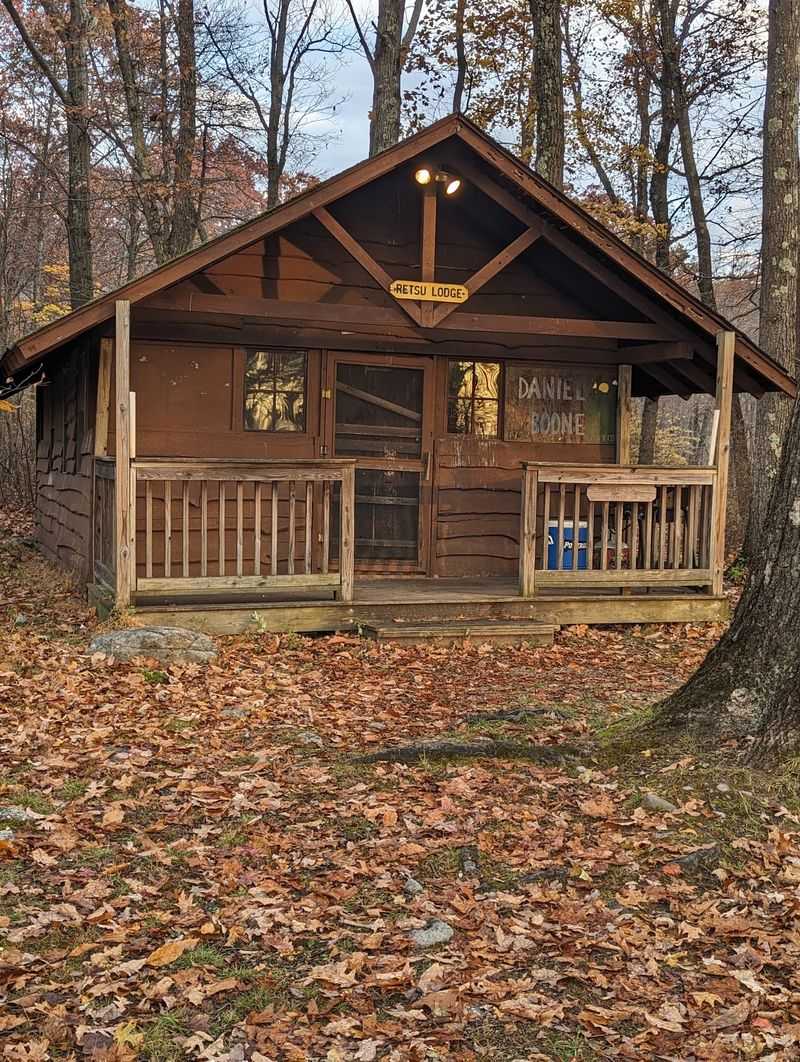
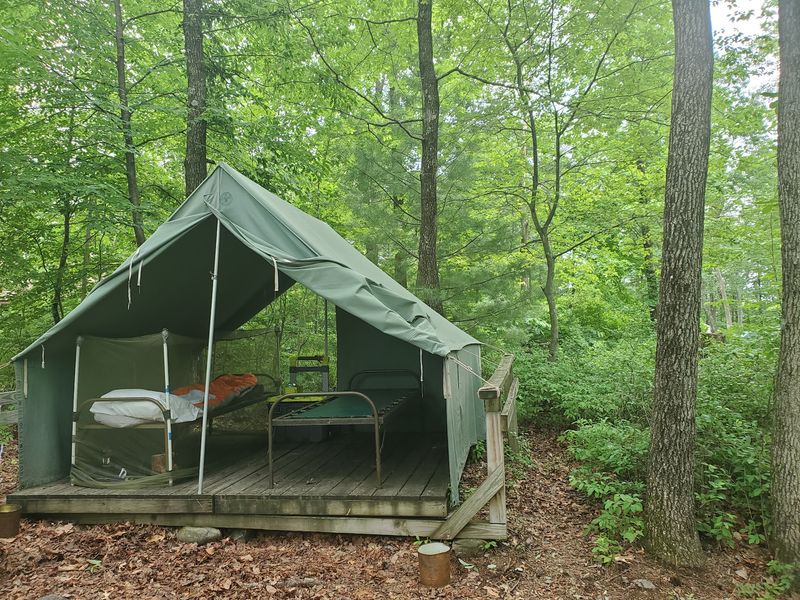
Behind the movie mythology, ordinary camp logistics do a lot of the heavy lifting. Accounts from troop stays mention cabins, lean-to sites, tent sites, tent platforms, picnic tables, and camping areas used for organized scout outings.
Cabin 1 and Cabin 2 are described as well equipped for chilly trips, with room for back porch cooking but no kitchen. They are also noted as being across the trail from year-round bathrooms, which is the kind of detail that matters more after dark than it does on a planning spreadsheet.
Another camping area near the parking lot made unloading and loading troop gear easier, with wooden picnic tables and plenty of tent platforms in good condition. Drinkable water has been noted outside the building that houses bathrooms and showers near the parking lot.
Those details may sound humble, but they show the camp’s working side. The fame brings fans to the gate, while the cabins and campsites explain why scouting families keep the place in use season after season.
Mountain-Area Setting Beyond The Movie Map
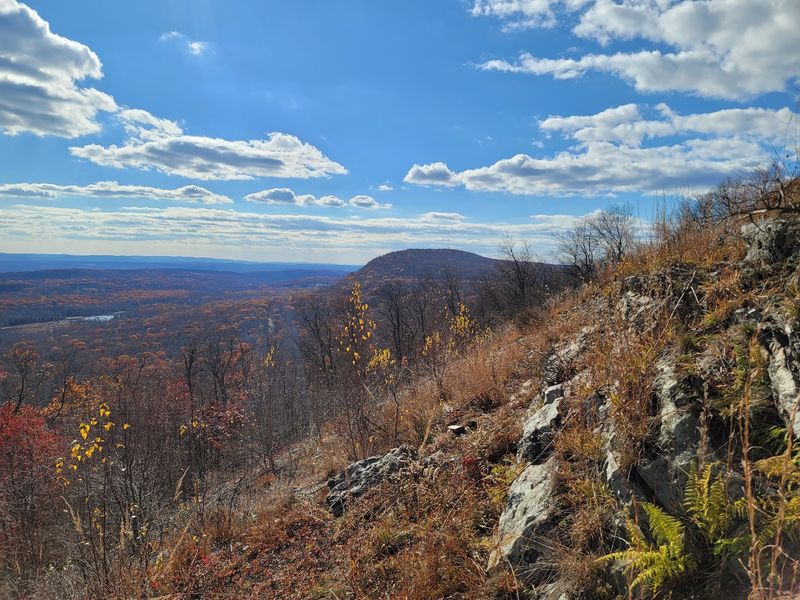
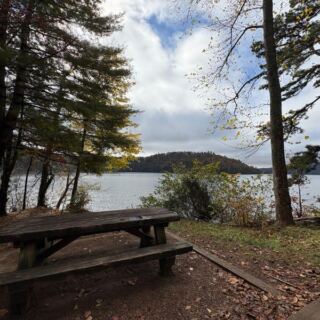
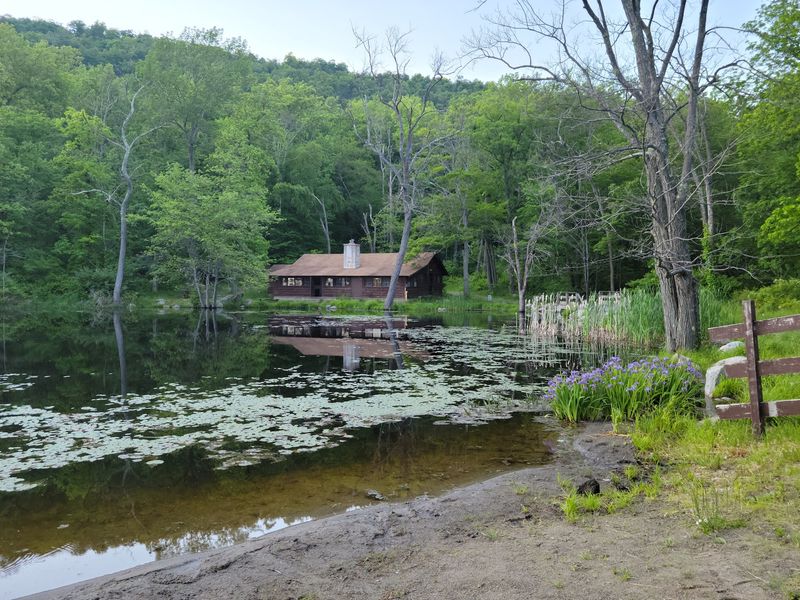
New Jersey earns a quiet win here because the camp’s setting does not match tired jokes about the state. Accounts from the property mention views of surrounding mountains from around the camp, plus routes that connect with Beaver Pond and areas near the Appalachian Trail markers.
The location near Hardwick Township places it in a part of the state where camp roads, hills, and scout routes shape the experience. That makes the destination feel especially relevant for New Jersey day-trippers who want something local but not ordinary.
The area is also described as secluded, which matters for a place with both youth programming and ticketed fan events. A controlled, away-from-town quality helps maintain the camp’s character while giving organized groups enough room to run activities.
For locals, the setting is part of the bragging rights. Camp No-Be-Bo-Sco proves that New Jersey can hold a century-old camp, an internationally known film location, and a rugged outing in the same corner of the map.
Staff Knowledge As The Tour Engine
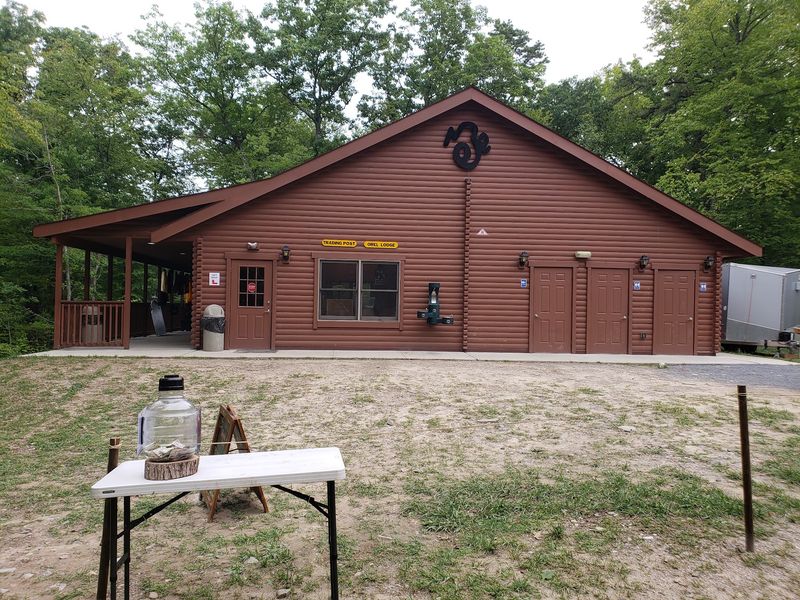
A famous location can fall flat without people who know how to explain it. Tour participants repeatedly point to knowledgeable, organized staff who share film facts, camp context, and details about how the site connects to the original production.
The strongest part of a guided visit appears to be the mix of movie information and camp familiarity. Some staff accounts include personal connections to the camp, which helps the tour feel rooted in the property rather than copied from a trivia page.
Fans have also noted that tours do not feel rushed, with time given to discuss filming spots and finer details. That matters because the property is not open for casual wandering, so the guide becomes the bridge between curiosity and access.
Good interpretation is also what keeps the place respectful. Instead of reducing Camp No-Be-Bo-Sco to a film checklist, the tour format can explain why rules exist, why preservation matters, and why the scouting program remains central.
What To Bring And What To Skip
A little preparation keeps the day from turning into a comedy of preventable errors. People planning a Camp Crystal Lake tour should know that food is not available on site, so eating beforehand or bringing basic snacks is a smart move.
Boots are a practical choice because the tour can involve a fair amount of hiking. Bug spray has also been recommended by past attendees, and the general rule is simple: dress for an outdoor camp rather than a short indoor attraction.
Bathrooms are available on site, which is a useful detail for families and longer tour windows. Parking has been described as ample, and one camping account notes a large parking area that made troop gear loading easier.
Wet conditions can change the outdoor experience, especially on more demanding scout routes. Tourgoers should follow official instructions, check event details before leaving home, and remember that this is a working camp first, not a theme attraction with every convenience built in.
Cost, Timing, And The Official Route In
Tour cost details should be checked directly through the official Camp No-Be-Bo-Sco website at https://www.nobebosco.org/ or through the official tour information connected to the camp. Public comments describe the tour as expensive or a little pricey, while also noting that funds support the camp and scouting groups.
That support angle matters because the property is not just a film landmark. Several attendees have pointed out that proceeds help keep the camp maintained for current and future scouts, which gives the ticket more purpose than simple access.
Hours are not something to guess, and casual drop-ins should not be assumed. Tour dates, tour windows, and seasonal access can change, so the official site is the place to confirm what is available before making the trip to Hardwick Township.
Summer scout camping has been described as running in one-week sessions between early July and the second week of August for registered BSA participants. For film fans, the correct plan is to book an official tour when offered and leave spontaneous exploring off the itinerary.
A Soft Verdict For New Jersey Fans
Camp No-Be-Bo-Sco works because it refuses to be only one thing. It is a children’s camp with long scouting roots, a New Jersey outdoor property, and a famous filming location that still draws people who know every corner of the original Friday the 13th story.
The destination best suits fans who are willing to follow rules, book properly, and treat the property as an active camp rather than an open movie set. It can also appeal to New Jersey residents who enjoy places with local history, limited access, and a story that outsiders might not expect.
Practical travelers should prepare for outdoor movement, limited on-site conveniences, and schedules that depend on official access. The reward is a guided look at a place where pop culture and camp tradition meet without losing the camp’s everyday purpose.
That balance is the real key being handed over on Friday the 13th. Not a shortcut, not a free pass, but a respectful way to see one of New Jersey’s most unusual addresses.
Share this story