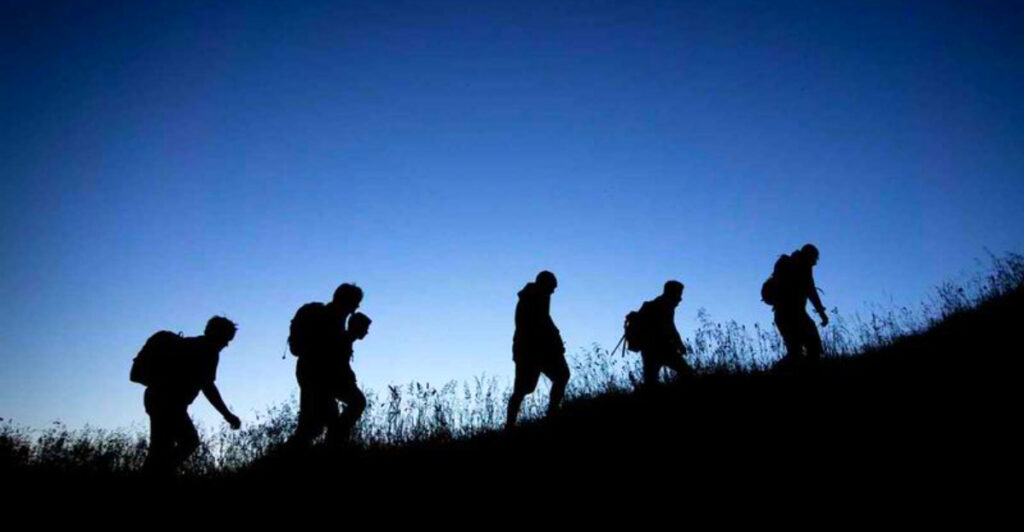
Hiking after sunset sounds thrilling, but the dark brings surprises most beginners never expect. Your first night on the trail will challenge your senses, test your gear, and reveal a whole new side of nature. Whether you’re chasing stars or just caught out late, understanding what changes after dark can mean the difference between magic and mishap. Here are twelve essential truths about night hiking that no one mentions until you’re already stumbling through the shadows.
1. Your Eyes Need Up to 20–40 Minutes to Truly Switch On Night Vision
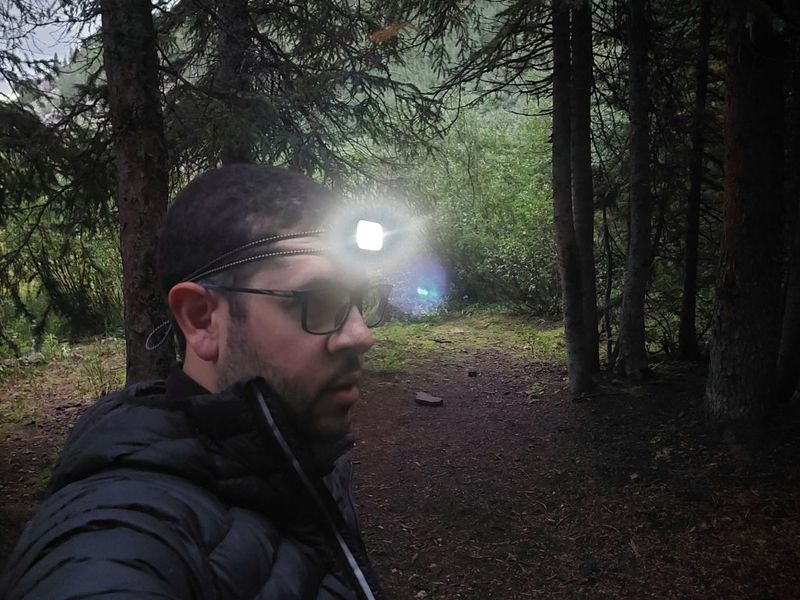
Most hikers flip on their headlamps the moment dusk arrives, not realizing their eyes are capable of so much more. Rod cells in your retina depend on a chemical called rhodopsin, which regenerates slowly once you step into darkness. Full adaptation can take nearly half an hour, transforming your vision from nearly blind to surprisingly sharp.
A single burst of bright white light—say, checking your phone, resets the entire process. Deep red light causes far less disruption, letting you preserve that hard-won sensitivity. Patience pays off; wait it out and you’ll see trail features you’d otherwise miss entirely.
2. Red Mode Isn’t a Gimmick—It’s Trail Etiquette
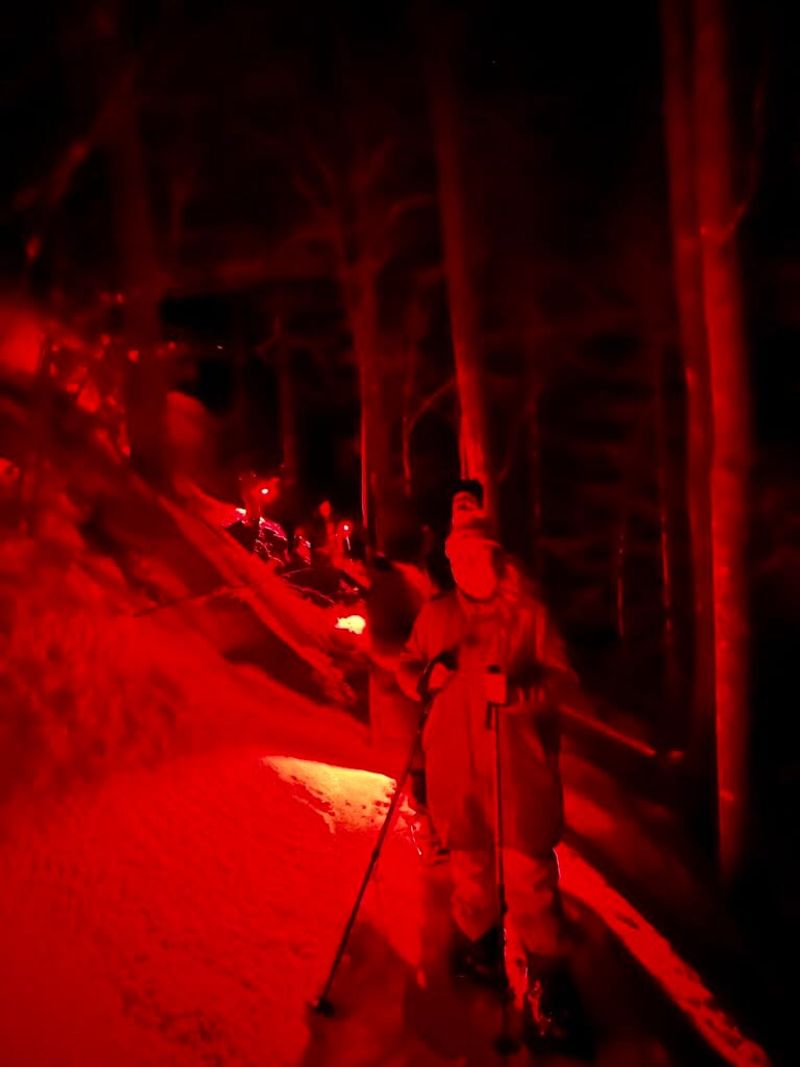
That little red setting on your headlamp exists for a reason beyond looking cool. When you pass other hikers or pause near camp, switching to red mode protects everyone’s carefully adjusted night vision. A white beam aimed carelessly can blind someone for minutes, leaving them fumbling and frustrated.
Point your light down toward the ground, not straight ahead into faces or tents. This small courtesy makes group hikes far more pleasant and keeps the experience enjoyable for everyone sharing the trail. Think of it as the nocturnal version of lowering your high beams on a country road.
3. Phone Flashlights Aren’t Reliable as Your Primary Light
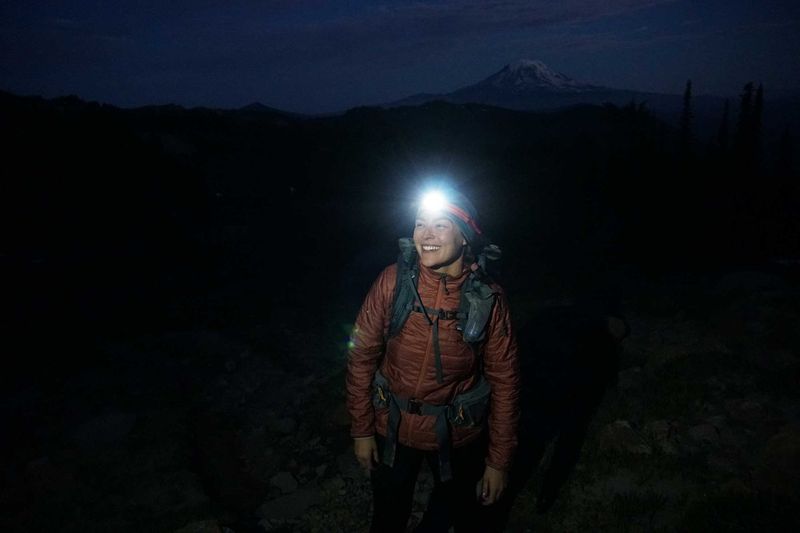
Sure, your phone has a flashlight, but batteries drain fast when you’re streaming music, snapping photos, and navigating all at once. Park services explicitly warn against depending on smartphones as your main light source because they fail at the worst moments.
A dedicated headlamp keeps your hands free, offers adjustable brightness, and won’t leave you stranded if you need to make an emergency call. Toss spare batteries into your pack, too—they weigh almost nothing and can save your night. Redundancy isn’t paranoia when you’re miles from a trailhead in total darkness.
4. A Full Moon Is Brighter Than You Think—Sometimes Free Light
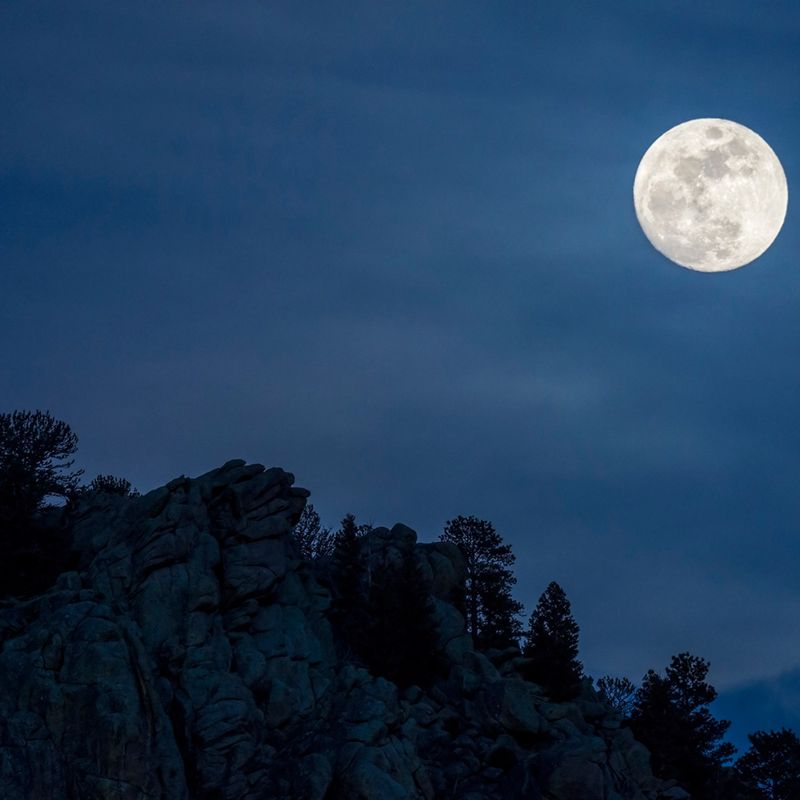
On a cloudless night with a full moon overhead, you might be shocked by how much you can see without any artificial light. Moonlight can reach a few decilux—enough to cast distinct shadows and reveal trail contours, rocks, and even colors if your eyes adapt fully.
Quarter moons and crescents offer far less help, and cloud cover can erase the advantage entirely. Check the lunar calendar before your hike and plan accordingly. A full-moon trek feels almost magical, turning an ordinary trail into a silvery dreamscape you’ll remember for years.
5. The Dark Changes Sound—Voices Carry Much Farther
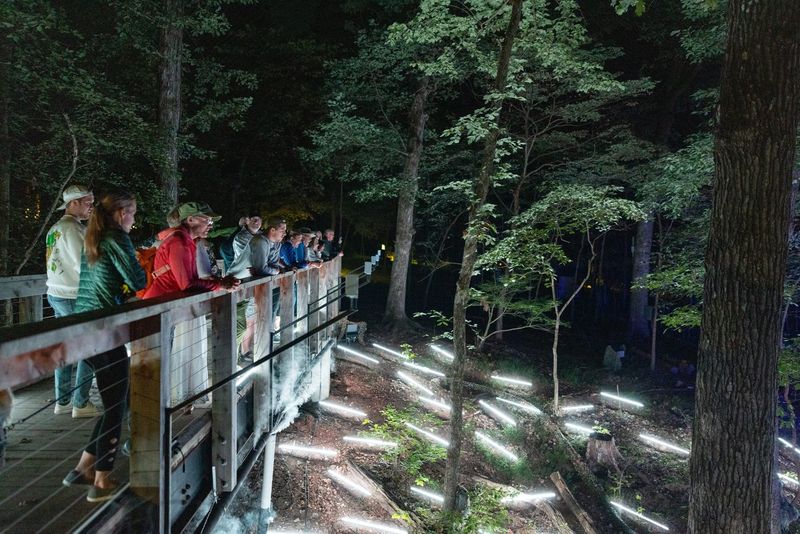
Ever notice how whispers seem louder after sunset? Nighttime temperature inversions bend sound waves back toward the ground, amplifying voices and rustling far beyond what you’d expect during the day. Your casual conversation can echo across valleys and disturb campers or wildlife you can’t even see.
Keep your volume low and resist the urge to shout updates to friends ahead. Sound pollution is a real concern in wilderness areas, and respecting the silence is part of Leave No Trace ethics. Plus, quieter hikers often hear more—owls, rustling leaves, distant streams.
6. Temperature Can Drop Faster Than You Planned
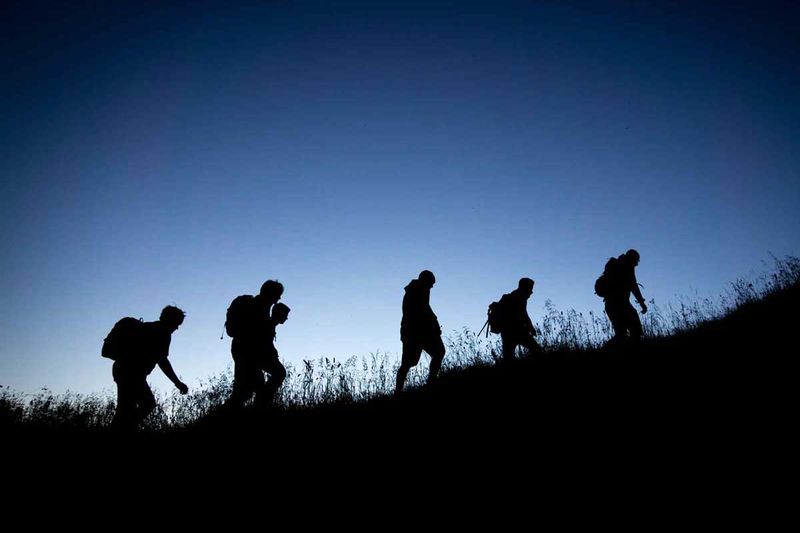
A seventy-degree afternoon can plummet into the forties once the sun disappears, especially at elevation or in open terrain. Add wind and the moisture from your own sweat, and you’ve created the perfect recipe for hypothermia, even in summer.
Pack insulating layers—a fleece or puffy jacket—and a windproof shell, no matter how warm the forecast promises. Your body loses heat faster when you’re stationary, so layer up during breaks. Shivering isn’t just uncomfortable; it’s your body’s early warning system that things are heading south fast.
7. The Ten Essentials Matter More at Night
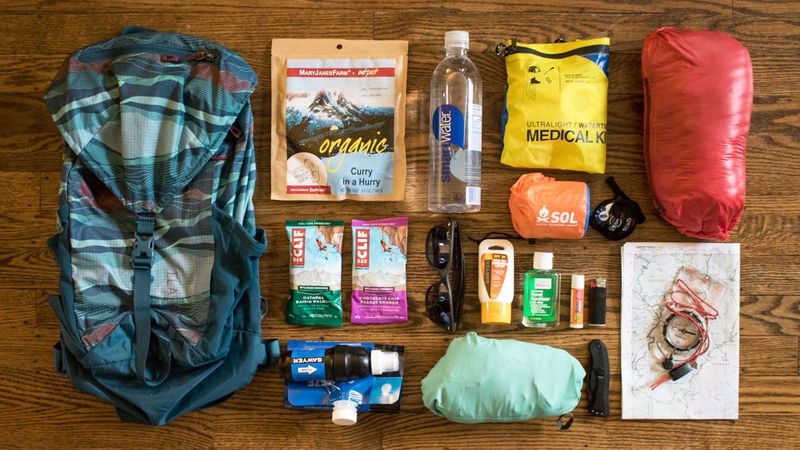
Navigation, illumination, sun protection, first aid, knife, fire starter, shelter, extra food, water, and clothing—this checklist was born with The Mountaineers decades ago and remains gospel for good reason. At night, every item shifts from “nice to have” to potentially lifesaving.
A twisted ankle that would be inconvenient at noon becomes a cold, scary ordeal after dark. Fire-starting gear and an emergency bivy can turn disaster into mere discomfort. National Park Service rangers and outdoor educators hammer this list because it works, plain and simple.
8. Bugs Love Some Light—Use Smarter Strategies
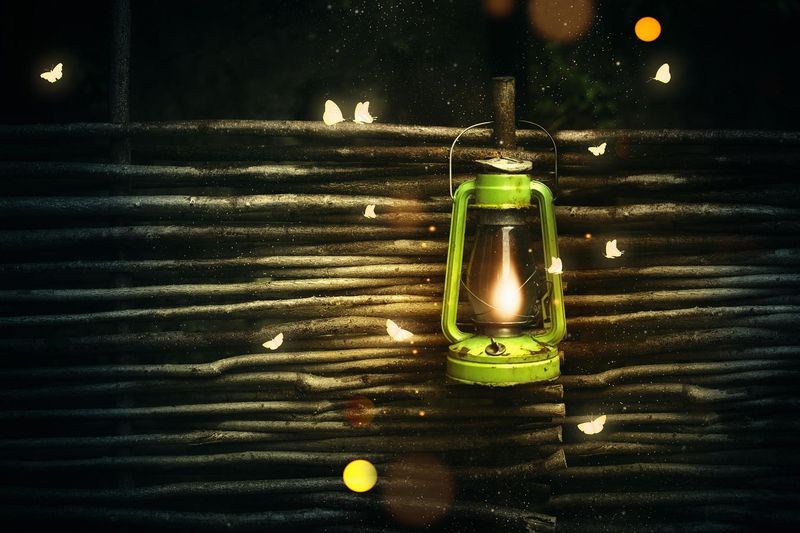
Flip on a bright white or blue-tinted headlamp and you’ll host an instant insect convention around your face. Many nocturnal bugs are powerfully attracted to shorter, cooler wavelengths, turning your light into a beacon for moths, beetles, and mosquitoes.
Switch to a warmer-tinted beam when possible, and combine it with EPA-registered repellents like DEET or picaridin on exposed skin. Pre-treat clothing and gear with permethrin for ticks and mosquitoes—but never apply permethrin directly to skin. Smart lighting plus chemical defense keeps the buzz at bay.
9. Wildlife Patterns Shift After Dark—Respect That
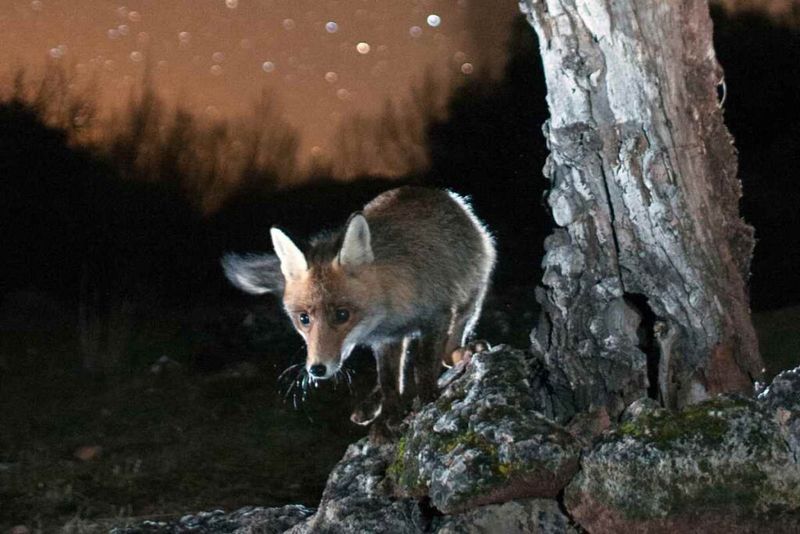
Dusk and darkness belong to creatures you rarely see during daylight hours—owls, bats, foxes, and in some regions, larger predators. Your presence disrupts their hunting, foraging, and mating routines, so tread lightly and stay alert.
Store food properly, minimize noise, and give animals plenty of space if you encounter them. Leave No Trace principles aren’t just about litter; they’re about reducing your impact on ecosystems that operate on nocturnal schedules. Check park advisories for seasonal wildlife activity before you head out.
10. Trails Feel Narrower and Wayfinding Is Trickier
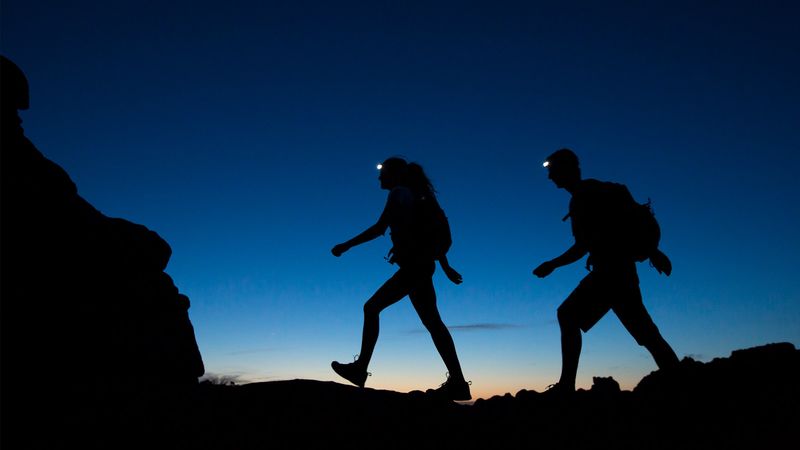
Cairns, painted blazes, and trail junctions that seem obvious in daylight can vanish into shadow when your only light is a narrow headlamp beam. Depth perception shrinks, making roots and rocks harder to judge, and every fork in the path feels less certain.
Stick to familiar routes your first few times and slow your pace to half what you’d manage by day. Carry a map and GPS device, and double-check every junction. Even under a full moon, wayfinding demands extra attention and humility.
11. Plan Arrival Times: Parks Often Advise Avoiding After-Dark Hiking
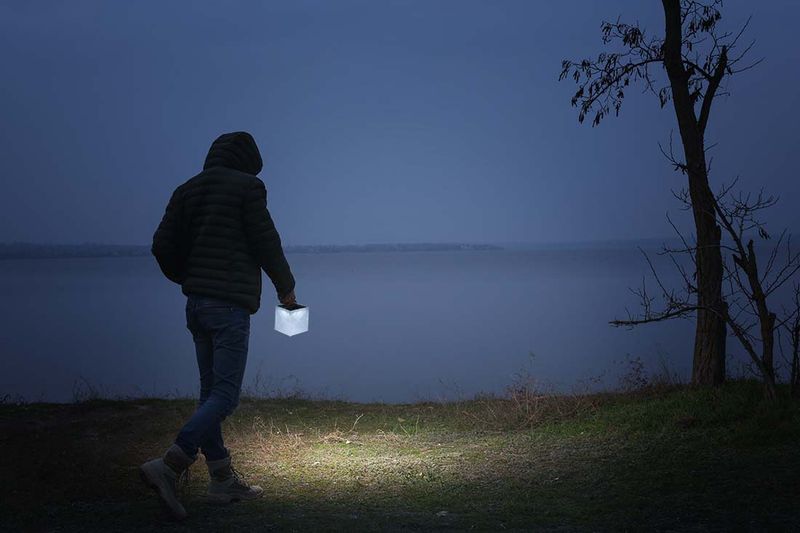
Many land managers explicitly recommend finishing your hike before full darkness sets in. The reasoning is straightforward: falls increase, navigation errors multiply, and wildlife encounters grow riskier when visibility drops to a few feet. If you’re new to night hiking, those warnings deserve serious weight.
That said, sometimes sunset catches you mid-route. When it does, preparation transforms anxiety into confidence. Carry the Ten Essentials, know your route, and accept a slower pace. Rangers issue these advisories because they’ve seen what goes wrong—but they also know prepared hikers can handle the dark.
12. Group Etiquette Changes at Night
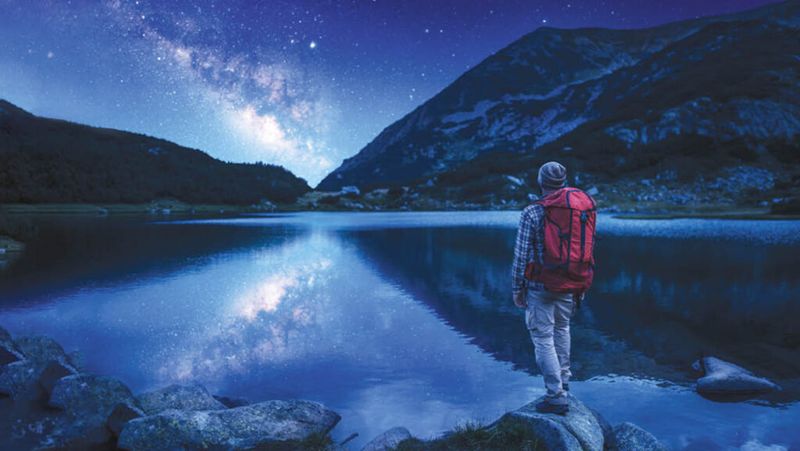
Walking single-file in someone else’s headlamp glare is miserable for everyone involved. Stagger your spacing so each hiker has their own pool of light, and call out obstacles—roots, rocks, puddles—in clear, concise terms without over-communicating.
Switch to red mode during rest breaks so no one loses their night vision while you chat. These small adjustments make group dynamics smoother and keep the experience enjoyable rather than frustrating. Nighttime amplifies every mistake, but it also rewards good habits with a sense of shared adventure you won’t forget.
Share this story