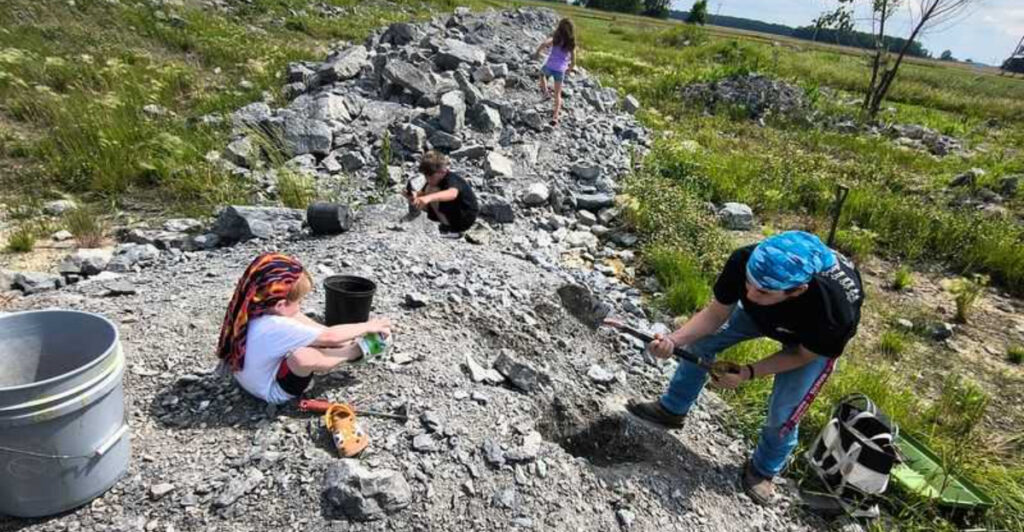
Ohio sits on top of ancient seabeds and rock layers packed with fossils, crystals, and minerals just waiting to be found. At certain old quarries and mines around the state, you can grab a bucket and dig for your own keepsakes, and whatever you unearth is yours to take home.
It is one of those “wait, this is really in Ohio?” adventures that families, rockhounds, and curious kids all love. Here are ten spots where the best souvenir is the one you dig out with your own hands.
1. Fossil Park, Sylvania
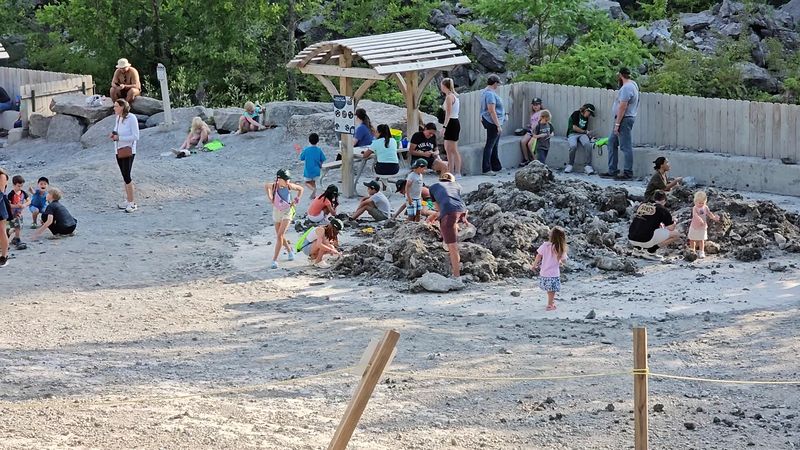
Fossil Park in Sylvania is one of those rare places where visitors are actually encouraged to get their hands dirty. The park provides access to Devonian-age material, meaning the fossils you uncover come from a sea that covered this part of Ohio hundreds of millions of years ago.
Brachiopods, corals, bryozoans, and other marine fossils are among the discoveries associated with the site. Unlike a typical museum experience, the fun here comes from searching through the material yourself and recognizing the shape of an ancient creature among ordinary-looking pieces of rock.
It is especially approachable for families and first-time fossil hunters because you do not need to be an experienced collector to make a find. Just remember that collecting rules can apply, so check the current park guidelines before taking anything home.
Fossil Park remains one of Ohio’s best-known public fossil-hunting destinations.
2. Oakes Quarry Park, Fairborn
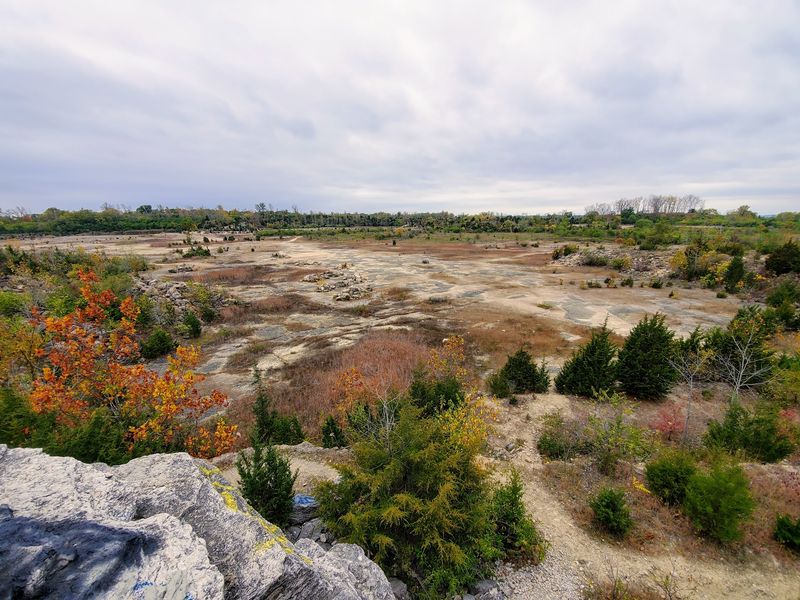
Oakes Quarry Park gives visitors something unusual: the chance to walk through a landscape shaped by both an ancient sea and much more recent industrial activity. The roughly 190-acre property was once a limestone quarry, and quarrying exposed Silurian rocks containing fossils about 425 million years old.
Today, the industrial machinery is gone and nature has reclaimed much of the site, but the exposed stone still tells its story. Fossil hunters can search designated areas for evidence of the marine creatures that lived here when Ohio looked nothing like it does today.
The quarry also contains geological evidence left by glaciers, adding another chapter to the landscape. It feels more like exploring an abandoned geological classroom than visiting a polished attraction.
Collecting is regulated, however, so visitors should confirm the current rules with Fairborn Parks and Recreation before removing specimens. For rock lovers, the former quarry setting is part of the appeal.
3. Trammel Fossil Park, Sharonville
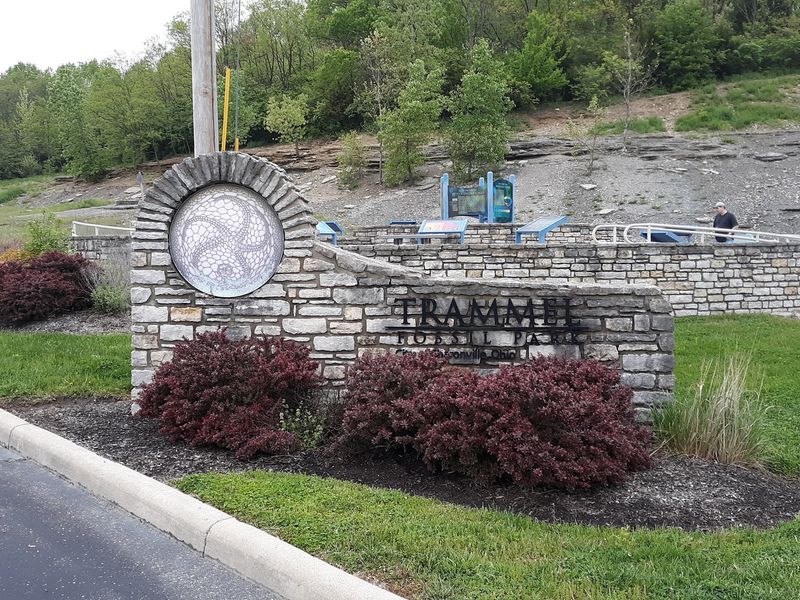
Trammel Fossil Park may be only 10 acres, but those acres contain an impressive window into prehistoric Ohio. The R.L.
Trammel family donated the property to Sharonville specifically so schools, families, and fossil enthusiasts could explore it, and the land has remained unusually accessible for collecting. The exposed rocks belong to several Ordovician formations and contain fossils left behind by creatures that inhabited an ancient sea.
Brachiopods, bryozoans, crinoid fragments, and occasional trilobite material are among the treasures hunters may encounter. What makes Trammel especially enjoyable for beginners is that you are not wandering blindly through a huge wilderness.
Interpretive signs identify rock layers and help visitors understand what they are seeing. There is a satisfying moment when a patterned piece of stone suddenly stops looking like a rock and starts looking like an animal that lived hundreds of millions of years ago.
Best of all, fossil collecting is genuinely part of the park’s purpose.
4. Paulding County Community Fossil Garden, Paulding
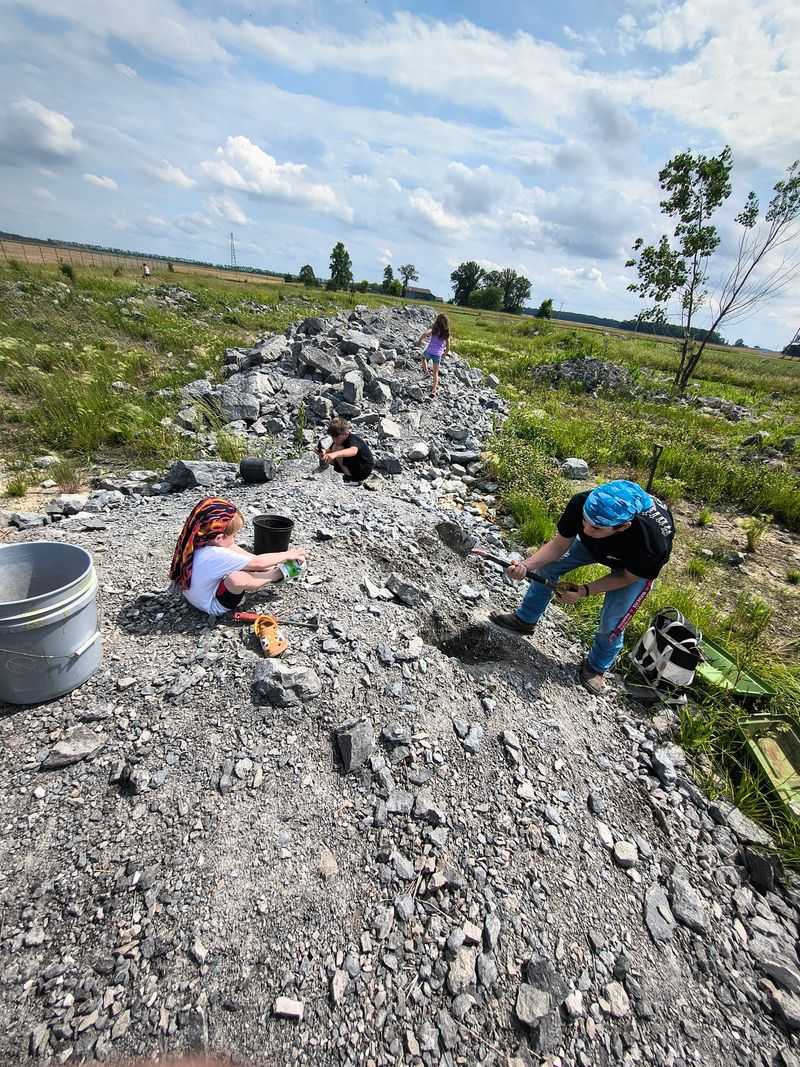
The Paulding County Community Fossil Garden turns material associated with quarrying into a hands-on lesson in Ohio’s distant past. Instead of simply looking at fossils behind glass, visitors can search through fossil-bearing rock and discover specimens themselves.
The experience is wonderfully simple. Pick through pieces of stone, learn to recognize unusual textures and shapes, and see whether something that initially looks ordinary reveals the outline of ancient marine life.
Brachiopods are among Ohio’s most common fossils, while bryozoans, corals, crinoid pieces, and other marine remains can also occur in the state’s fossil-rich rocks. Paulding’s fossil site has become recognized alongside destinations such as Sylvania, Trammel, Oakes Quarry, and Caesar Creek as one of Ohio’s notable fossil-hunting locations.
That makes it particularly appealing to families and amateur collectors who want the excitement of finding something rather than purchasing a souvenir. Before visiting, check current access and collecting rules since conditions and available material can change.
5. Caesar Creek Spillway, Waynesville
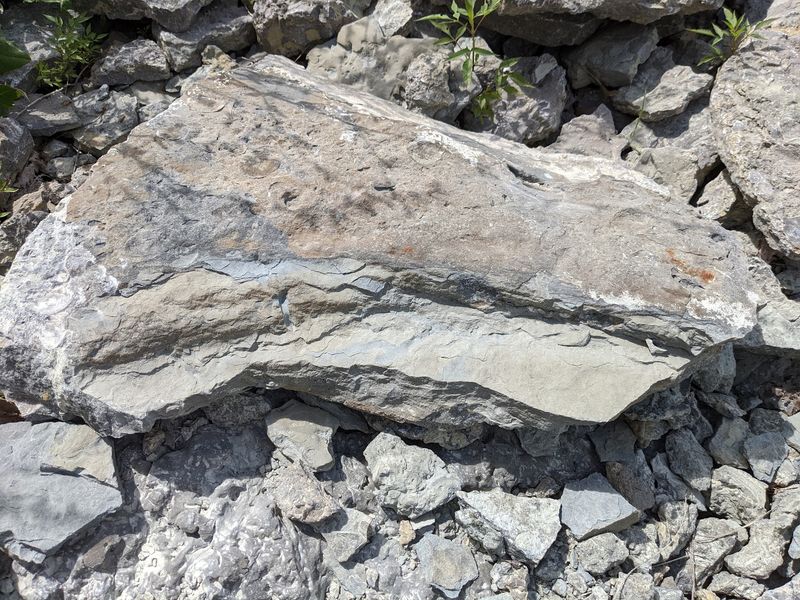
At Caesar Creek, the best attraction might be sitting directly beneath your shoes. Construction of the dam exposed an ancient seabed packed with Ordovician fossils, creating one of Ohio’s most celebrated places to hunt for remnants of prehistoric marine life.
Brachiopods are abundant, and patient searchers may also encounter bryozoans, crinoid pieces, corals, and trilobite material. The sheer quantity is what makes Caesar Creek memorable.
Instead of spending hours hoping to see a single fossil, visitors can find themselves walking across rocks already covered in recognizable shapes. There is an important catch.
Collecting at the spillway is controlled, and visitors need to obtain a free permit from the U.S. Army Corps of Engineers Visitor Center and follow its rules, including restrictions on what may be removed.
Those rules are worth the extra stop. Few souvenirs can compete with holding a fossil you personally spotted in rock that represents a sea hundreds of millions of years old.
6. Nether’s Farm at Flint Ridge, Hopewell
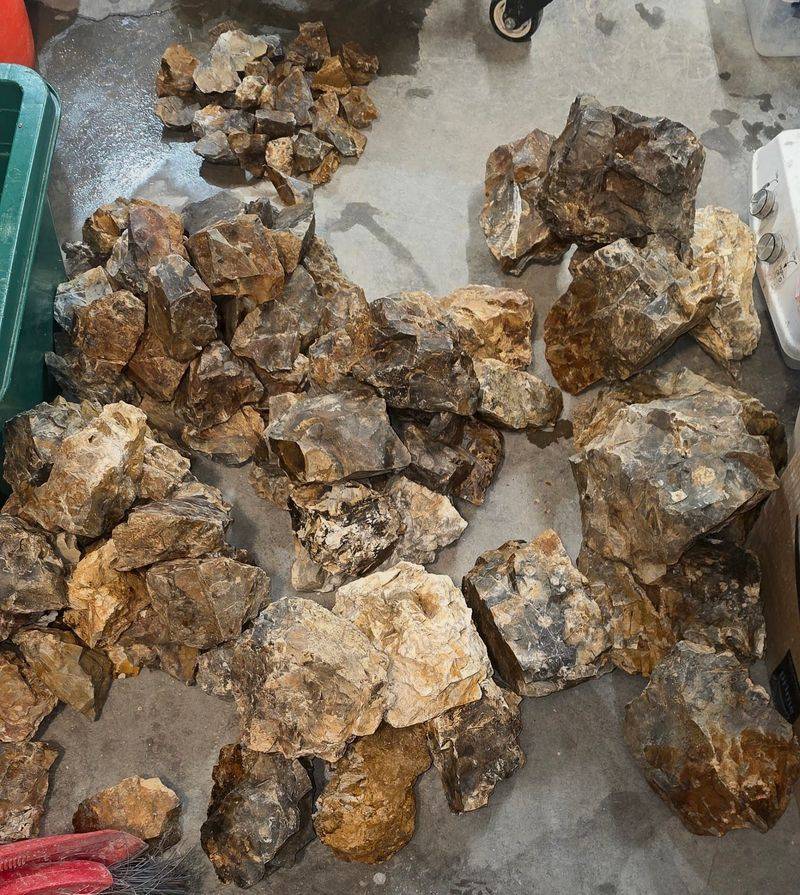
Nether’s Farm offers a different kind of Ohio treasure hunt. Here the attraction is not primarily shells or trilobites but flint, the hard, colorful stone that made the Flint Ridge area famous.
Native peoples quarried Flint Ridge material for thousands of years, turning the stone into projectile points, knives, scrapers, and other tools that were traded across enormous distances. For modern rock enthusiasts, finding a beautiful piece of Ohio flint can be every bit as exciting as uncovering a fossil.
Freshly exposed pieces may reveal patterns, bands, and subtle color combinations that are easy to miss until the stone is cleaned. The surrounding landscape also gives the experience a strong connection to Ohio’s human history, making this stop feel different from the marine fossil sites elsewhere on the list.
Because collecting opportunities around Flint Ridge can involve private property and specific landowner rules, visitors should never assume that digging or removing material is automatically permitted. Confirm access and collecting conditions before making the trip.
7. East Fork State Park, Bethel
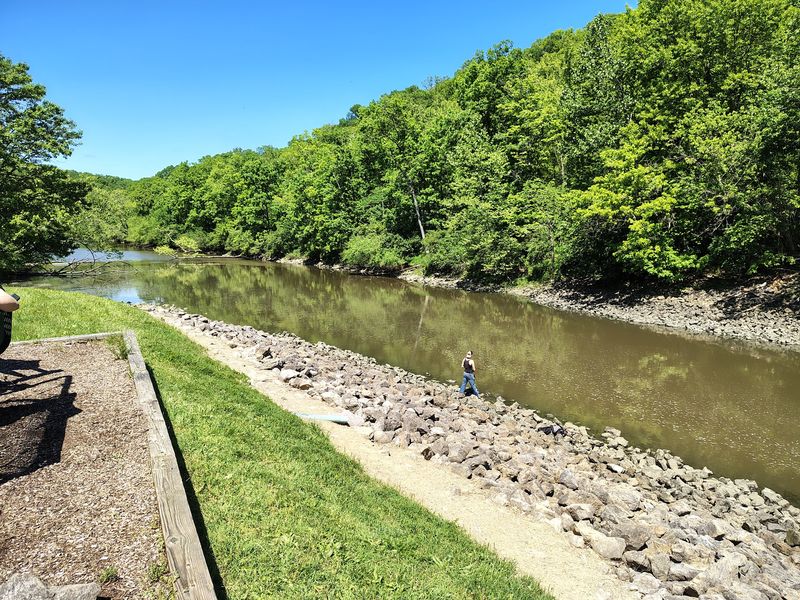
East Fork State Park hides an ancient ocean underneath its familiar lake-and-woodland scenery. Near the dam, the emergency spillway exposes Ordovician rock formations where fossil hunters can search for brachiopods, bryozoans, crinoids, and the occasional trilobite.
It is the sort of place where slowing down pays off. What first appears to be a pile of gray limestone and shale can become much more interesting once your eyes adjust to the repeating shells, ridges, stems, and other patterns preserved in the rock.
The fossils come from organisms that lived when this part of North America was beneath a warm, shallow sea. East Fork is particularly appealing because fossil hunting can become one part of a larger outdoor day involving hiking, the lake, and other park activities.
Collecting is regulated, so do not simply start filling a backpack. Visitors should check with the appropriate visitor center or park staff about current permission requirements and designated collecting areas before removing fossils.
8. Hueston Woods State Park, College Corner
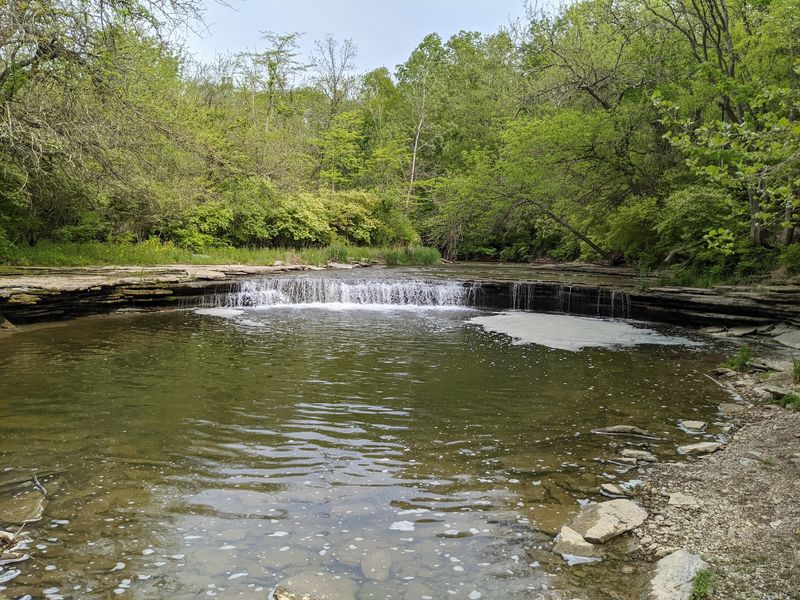
Hueston Woods is already worth visiting for its forest and Acton Lake, but rock hunters have another reason to explore. Fossil-bearing Ordovician layers are exposed at several locations around the park, including stream cuts near the northern end of the lake and around the spillway.
These rocks preserve creatures from the ancient sea that once covered southwestern Ohio. Brachiopods and bryozoans are common possibilities, while bivalves, horn corals, crinoid fragments, and trilobites may reward a sharper pair of eyes.
Part of the fun is learning that a strange honeycomb texture or tiny repeating pattern is not random decoration but the remains of an organism hundreds of millions of years old. Hueston Woods also feels less like a dedicated digging attraction and more like a fossil hunt woven into a traditional state park adventure.
Collecting rules apply, so visitors should stop at the appropriate park or visitor center and confirm where collecting is permitted before taking specimens home.
9. Cowan Lake State Park, Wilmington
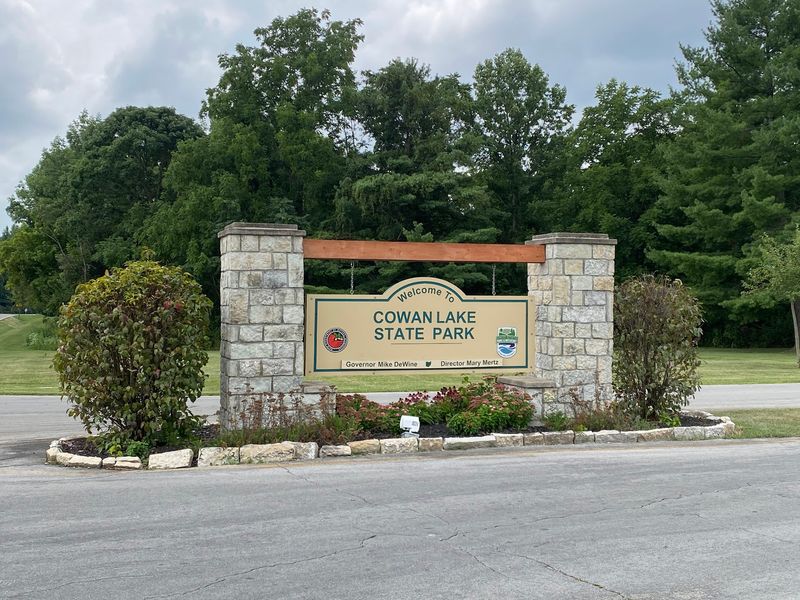
Cowan Lake sits close to one of the geological features that helps make southwestern Ohio a fossil hunter’s playground, the Cincinnati Arch. Erosion exposed fossil-rich limestone around the region, revealing evidence of the marine animals that occupied Ohio’s ancient seas.
That means a walk through the right collecting area can turn into a search for brachiopods, bryozoans, corals, crinoid fragments, and other Ordovician remains. The setting makes Cowan particularly enjoyable because fossil hunting does not have to consume the entire day.
Visitors can combine it with woodland trails, lake views, paddling, fishing, or camping. Then there is the thrill of noticing a shell shape embedded in an otherwise plain piece of stone and realizing it vastly predates the lake itself.
Collecting is not a free-for-all. Special rules and permission requirements apply, so visitors should contact park staff and confirm current collecting locations before removing anything.
That small bit of preparation keeps the hunt both legal and enjoyable.
10. Stonelick State Park, Pleasant Plain
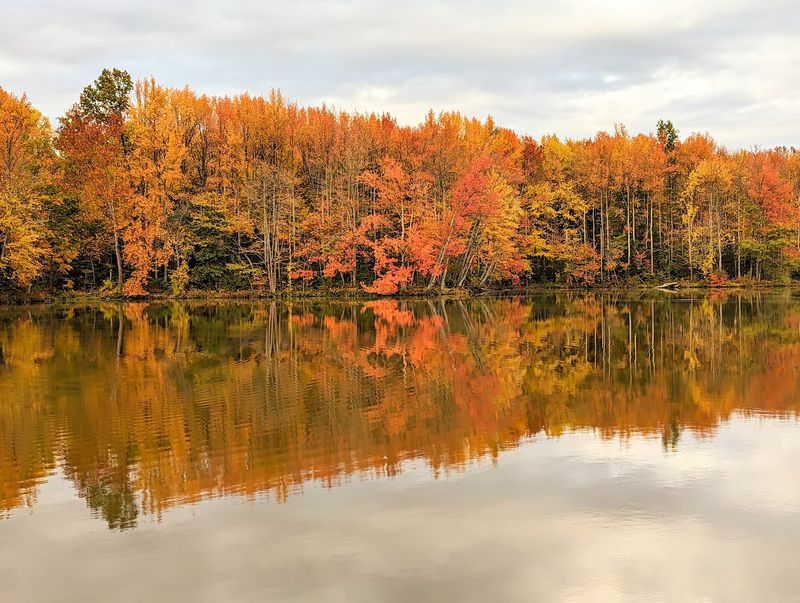
Stonelick State Park is another southwestern Ohio destination where an ordinary-looking piece of limestone can hold an extraordinary surprise. The area’s interbedded shale and limestone date to the Ordovician Period, roughly 450 to 500 million years ago, when Ohio was submerged beneath a shallow sea.
Fossils preserved in rocks from this region provide glimpses of the creatures living on and above that vanished seafloor. Hunting requires patience more than specialized knowledge.
Once you learn the basic shapes of brachiopods, bryozoans, crinoid pieces, and other common Ohio fossils, the ground begins to look completely different. A rock that most hikers would step over suddenly becomes worth a closer inspection.
Stonelick also has the advantage of being a full state park, so a fossil search can be paired with hiking and time around the lake. Collecting rules apply, and visitors should verify the designated areas and current regulations with park officials before removing any fossils.
Share this story