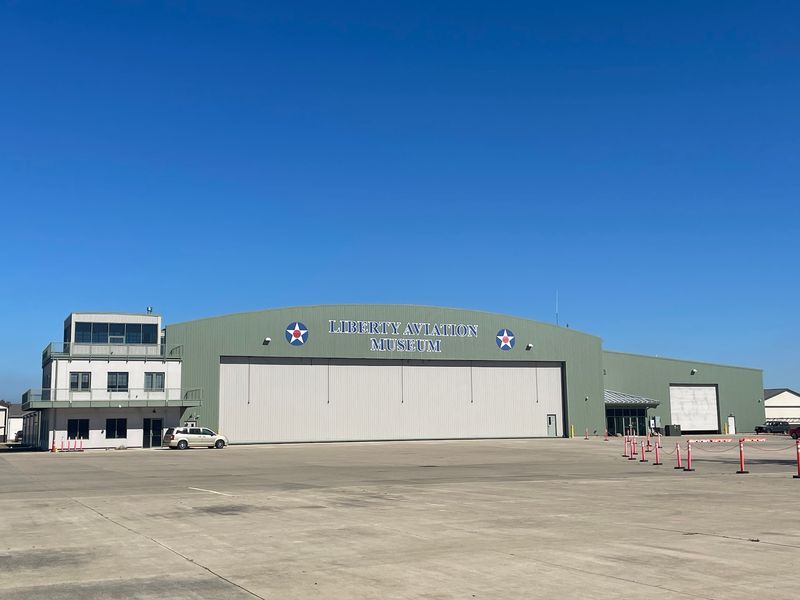
Most Ohioans know Port Clinton as a quick Lake Erie getaway, but very few realize there is a full-scale aviation and military history museum hiding right there along the shoreline. The Liberty Aviation Museum packs two hangars worth of aircraft, vintage vehicles, wartime artifacts, and even a retro diner into one surprisingly compact stop.
With a 4.8-star rating across more than 860 reviews, this place clearly earns its fans the moment they walk through the door. If you have been sleeping on this one, it is time to wake up.
Port Clinton’s Best-Kept Aviation Secret
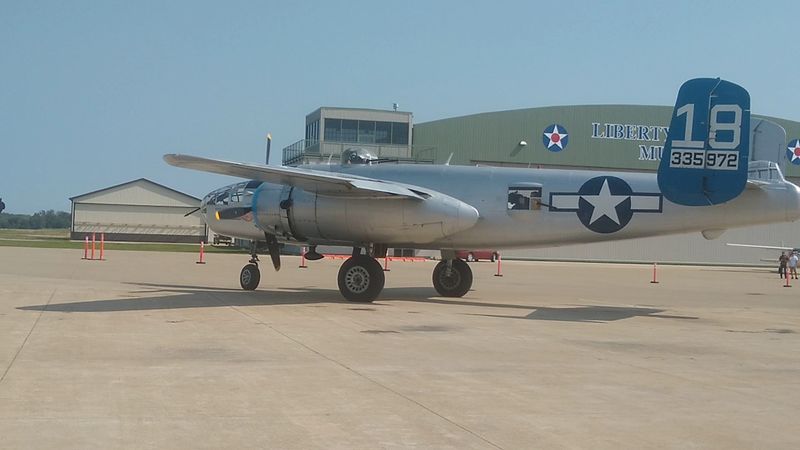
Port Clinton sits right on the edge of Lake Erie, and most people passing through are focused on the water. But just off State Road, tucked beside a working airfield, sits one of the most unexpectedly rewarding museums in the entire state of Ohio.
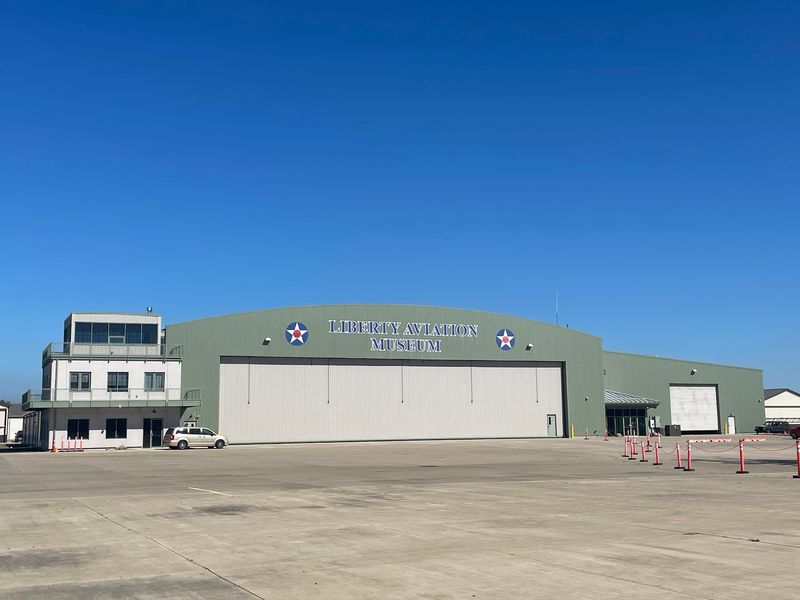
The Liberty Aviation Museum calls 3515 E State Rd, Port Clinton, OH 43452 home. It occupies two separate hangars positioned close together on the grounds of the Carl R.
Keller Field airport, and that working-airfield setting gives the whole experience an authenticity you simply cannot manufacture.
Planes still land and take off nearby while you explore. The combination of live aviation activity and preserved history makes this feel less like a dusty exhibit hall and more like a living, breathing piece of American aviation culture right here in northern Ohio.
Two Hangars, One Remarkable Collection
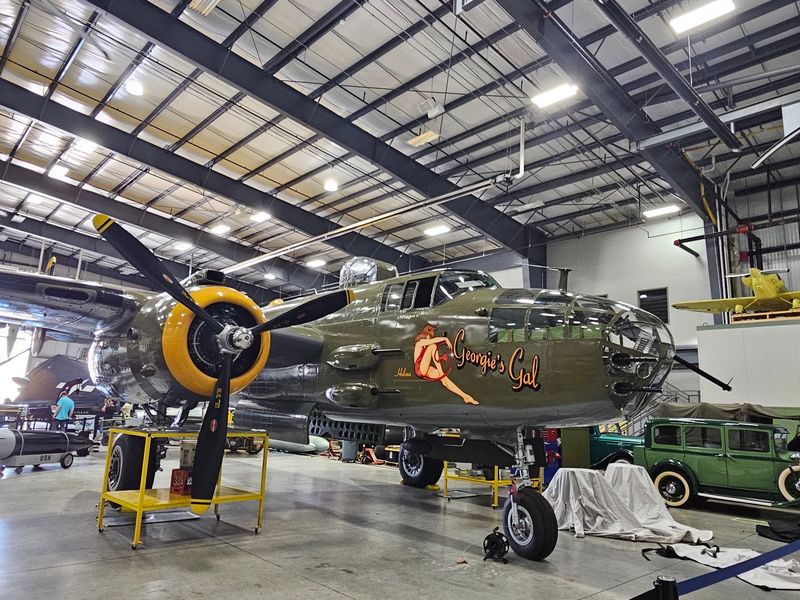
A lot of museums promise variety and deliver repetition. The Liberty Aviation Museum genuinely delivers on the variety front, spreading its collection across two distinct hangars that each carry their own personality.
The front hangar greets visitors with aircraft, military displays, classic automobiles, and an assortment of artifacts that span decades of American history. The back hangar holds some of the more technically fascinating restoration projects, and the staff member who tends that space has a reputation for giving visitors detailed, personal walkthroughs of every major aircraft on the floor.
Moving between the two buildings takes only a short walk, but the shift in atmosphere is noticeable. The back hangar in particular has the feel of a genuine working shop, where history is actively being preserved rather than simply displayed behind glass.
That hands-on energy is one of the things that keeps people coming back.
The B-25 Mitchell Bomber Up Close
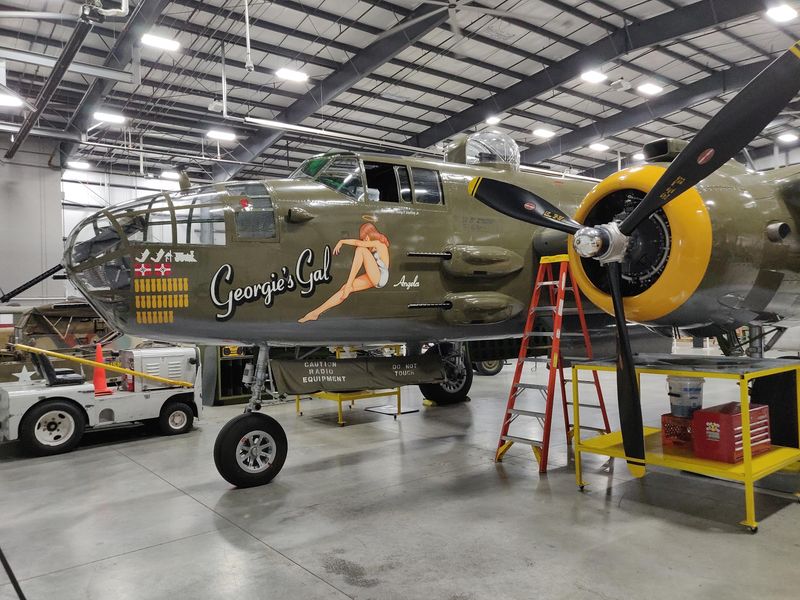
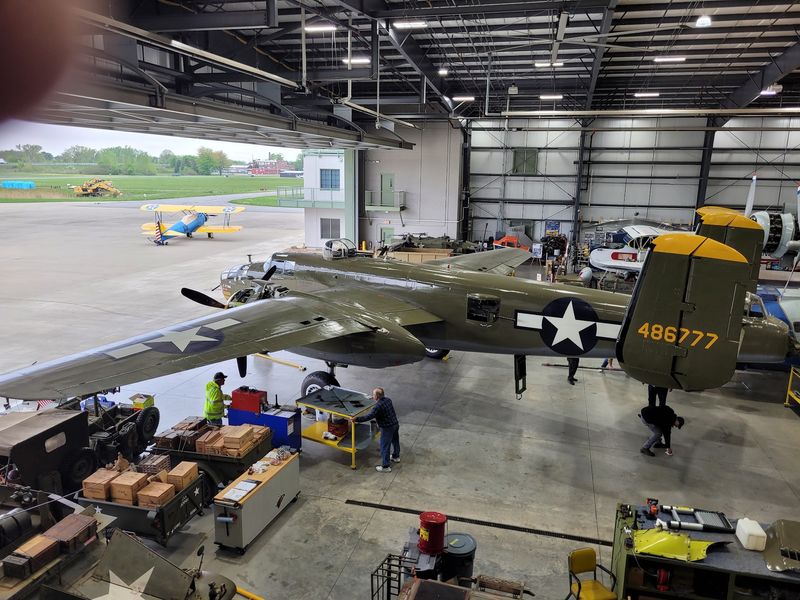
Few things stop a visitor in their tracks quite like coming face to face with a full-size B-25 Mitchell bomber. The Liberty Aviation Museum has one, and getting close to it is a genuinely powerful experience for anyone with even a passing interest in World War II history.
The B-25 is widely recognized as one of the most iconic American medium bombers of the war, famously used in the Doolittle Raid of 1942. Seeing the actual scale of the aircraft, the riveted aluminum skin, the gun positions, and the cockpit framing, brings that history into sharp physical focus in a way that photographs simply cannot replicate.
The museum’s positioning of this aircraft allows visitors to walk around it and appreciate it from multiple angles. Staff members in the hangar are typically happy to share background on the aircraft’s history and the museum’s efforts to maintain it, which adds a personal layer to what is already a striking centerpiece of the collection.
The Ford Tri-Motor and Its Living Legacy
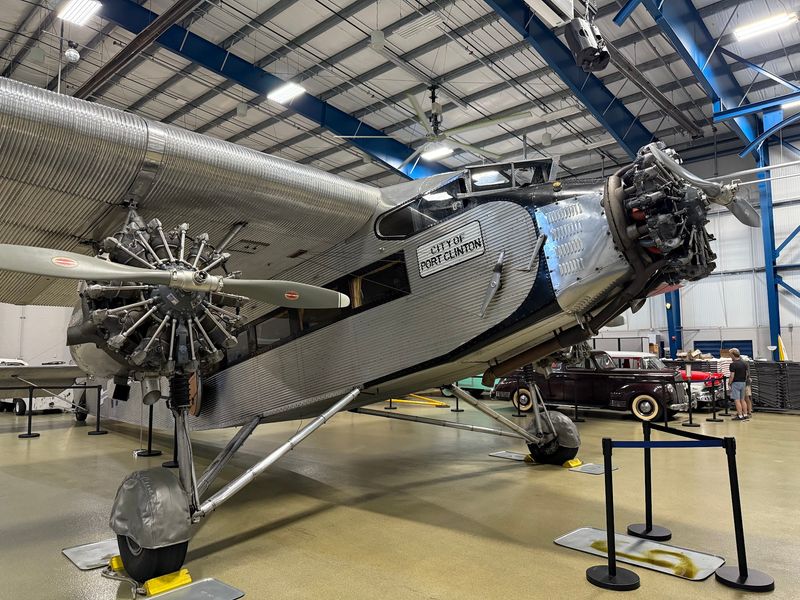
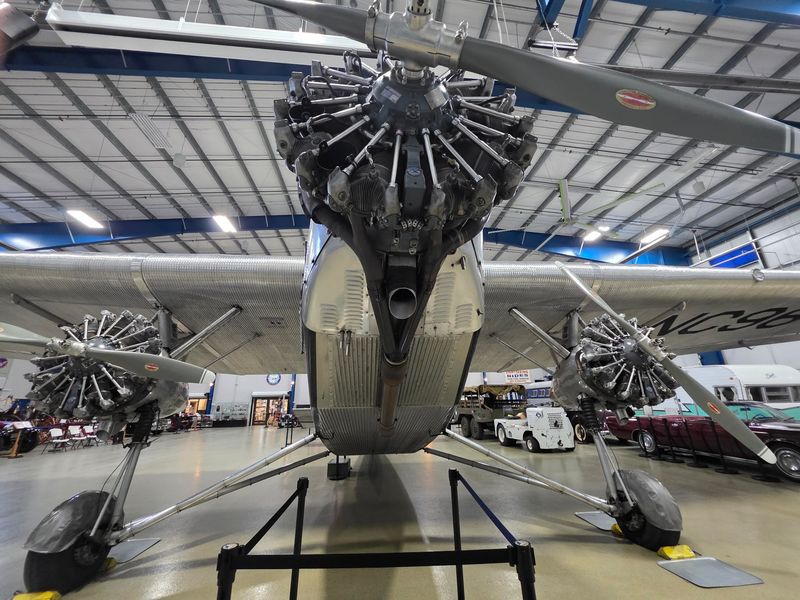
Built in 1928, the Ford Tri-Motor on display at Liberty Aviation Museum is not just an artifact to look at. This aircraft has actually been taken to airshows, and the museum’s team has offered rides to the public at events like Thunder over Michigan, giving aviation enthusiasts the extraordinary chance to fly in a plane that is nearly a century old.
The Tri-Motor, nicknamed the “Tin Goose,” was one of the first all-metal American passenger aircraft and played a foundational role in the early commercial aviation industry. Owning and maintaining one is a serious undertaking, and the Liberty team’s passion for keeping it airworthy speaks volumes about their commitment to living history rather than static preservation.
For visitors who show up with a genuine love of aviation, the staff’s willingness to talk through the aircraft’s mechanics and history in detail makes this one of the most engaging stops in either hangar. The Tri-Motor alone justifies a trip to Port Clinton.
Military History Beyond the Aircraft
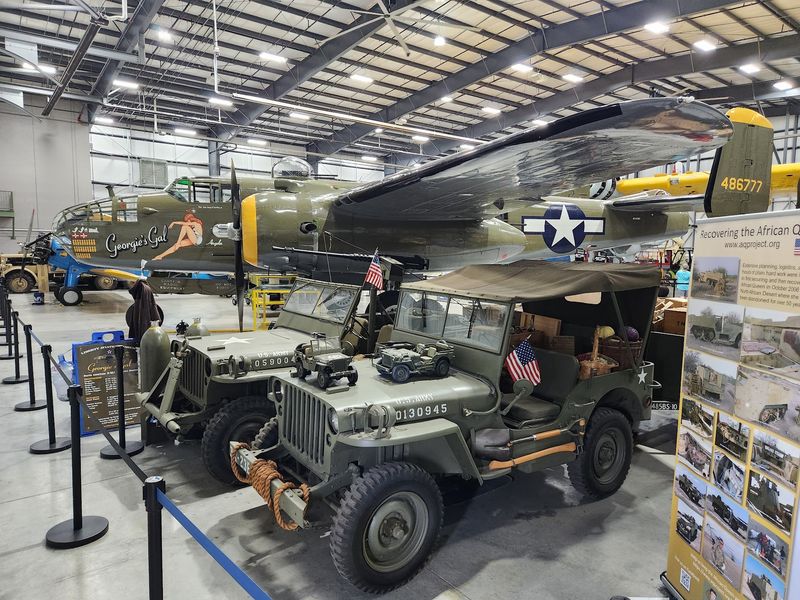
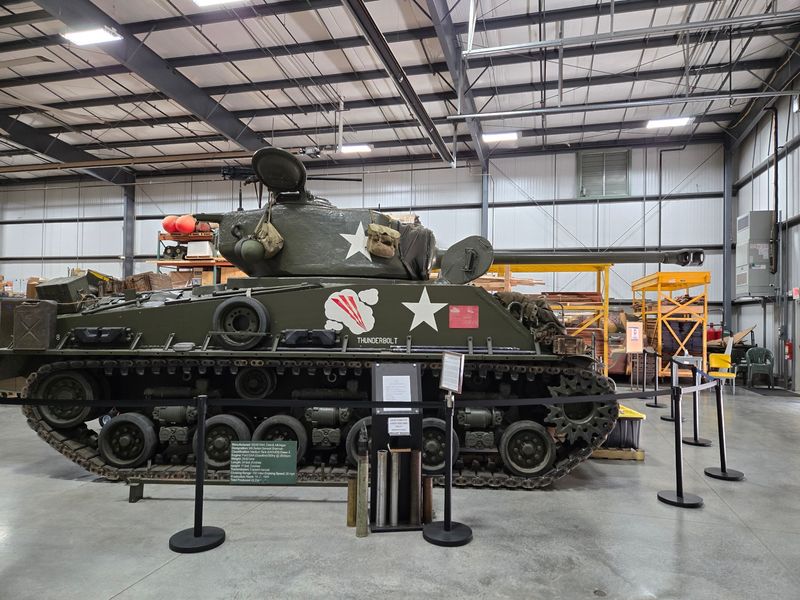
Aviation is the headline act, but the military history exhibits at Liberty Aviation Museum go well beyond anything with wings. The collection includes military vehicles, armor, uniforms, and an array of wartime artifacts that paint a broad picture of American military service across multiple eras.
One of the more talked-about features is the tribute to the Tuskegee Airmen, the pioneering group of African American military pilots who served during World War II. Visitors consistently describe this section as particularly moving, and it stands as one of the museum’s more meaningful contributions to the historical record.
The portable military kitchen on display is the kind of unexpected detail that makes a museum feel genuinely curated rather than assembled. It is exactly the sort of artifact that most collections overlook, yet it tells a real story about what daily life looked like for service members in the field.
That attention to overlooked history is part of what gives this museum its depth.
Hogan’s Heroes Props and Pop Culture Artifacts
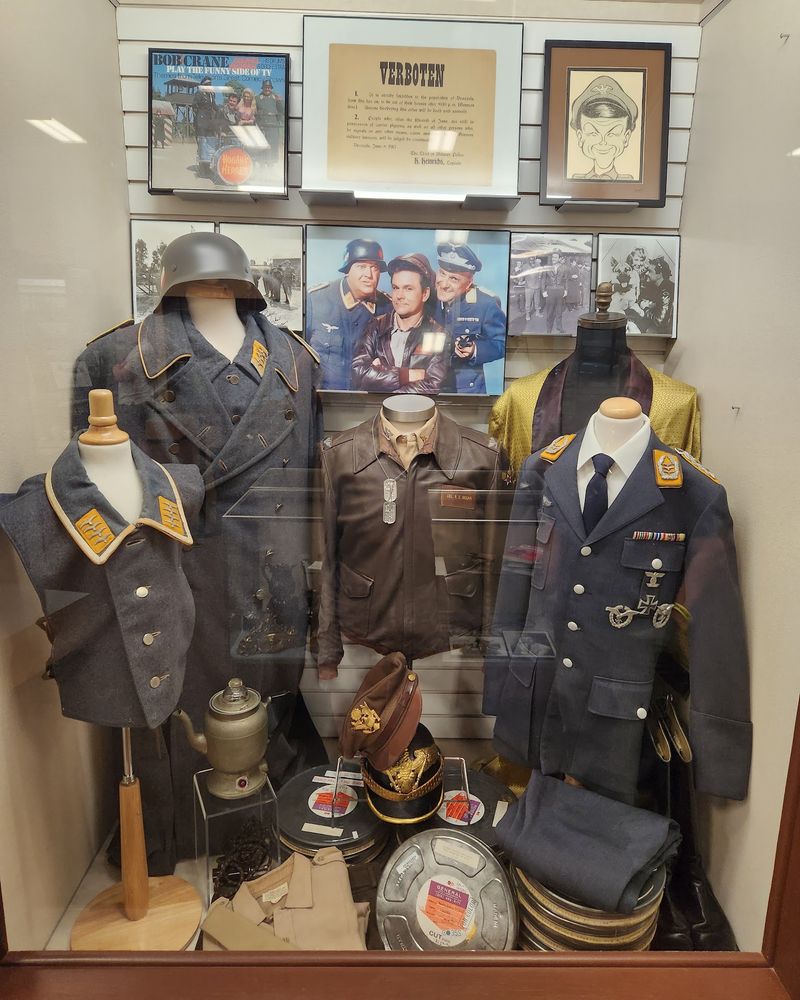
Not every museum can claim a connection to a beloved television classic, but Liberty Aviation Museum has one. The collection includes uniforms and prop items from Hogan’s Heroes, the long-running comedy series set in a World War II prisoner-of-war camp that aired from 1965 to 1971.
For fans of the show, finding these pieces in a museum setting is a genuine treat. The props carry that specific kind of nostalgic weight that connects pop culture to real history, and the museum handles the display thoughtfully rather than turning it into a novelty corner.
The presence of movie and television props alongside authentic military hardware reflects the museum’s broader philosophy: history is not just what happened, it is also how we remember and retell it. That willingness to include cultural artifacts alongside aircraft and armor gives Liberty Aviation Museum a personality that sets it apart from more conventional military and aviation collections.
Miniature Models and Detailed Dioramas
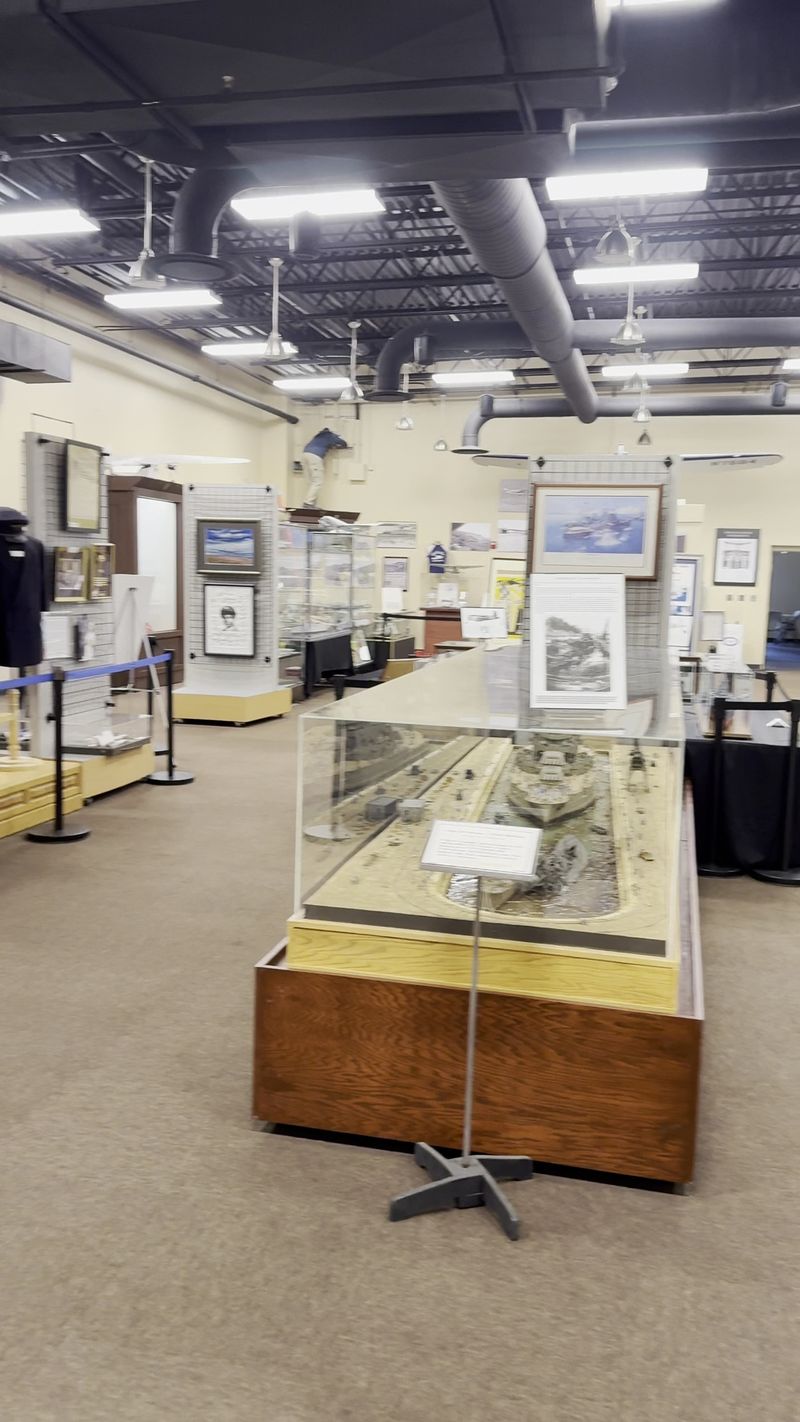
Scale models might sound like a minor footnote in a museum full of full-size aircraft, but the model and diorama collection at Liberty Aviation Museum has earned its own loyal following. Visitors who take the time to linger over these displays frequently call them a highlight of the entire visit.
The level of detail in the dioramas is genuinely impressive. Battle scenes, airfield layouts, and military encampments are rendered with the kind of precision that rewards close inspection.
Each piece tells a story in miniature that complements the larger artifacts surrounding it.
For younger visitors or for anyone who appreciates fine craftsmanship, the model collection offers a different kind of engagement than standing beside a full-size bomber. It is quieter, more intricate, and in some ways more revealing about the patience and dedication that goes into preserving this kind of history.
More than one visitor has admitted the models kept them occupied far longer than expected.
The PT Boat Restoration Project
Active restoration projects give a museum a pulse, and Liberty Aviation Museum has one of the more ambitious ones around: a World War II PT boat being brought back from essentially bare framing. Visitors who wander into the back hangar get a front-row view of the process, which is as educational as any finished exhibit.
PT boats, short for patrol torpedo boats, were fast attack craft used extensively by the U.S. Navy during World War II.
They are relatively rare in museum collections, which makes the Liberty team’s commitment to restoring one all the more notable. The project is a long-term undertaking, and the museum’s transparency about the work in progress is refreshing.
Seeing a restoration at this stage, where the bones of the vessel are exposed and the scope of the work is obvious, gives visitors a new appreciation for what preservation actually involves. It is not glamorous work, but the staff’s enthusiasm for it is infectious, and their willingness to explain what they are doing transforms a construction site into a compelling exhibit.
Classic Cars, Trucks, and Unexpected Vehicles
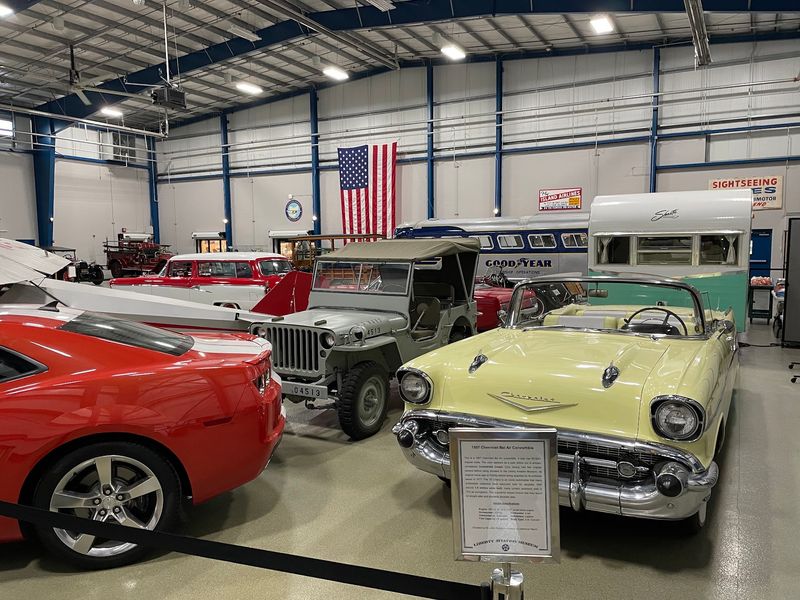
Aviation museums that branch into vehicle collections sometimes feel like they are padding their exhibit space. The vehicle displays at Liberty Aviation Museum feel purposeful rather than filler, and they cover a wider range than most visitors expect going in.
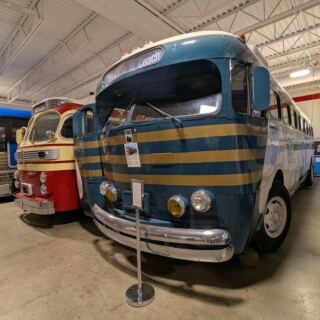
Classic automobiles, vintage trucks, military vehicles, buses, bicycles, and even a fire truck are part of the mix. The variety reflects the museum’s interest in documenting American mechanical ingenuity across multiple transportation categories rather than focusing narrowly on aircraft alone.
The classic car display in particular draws its own crowd. Whether it is a beautifully preserved American muscle car or a period-correct military jeep, each vehicle in the collection carries context that the surrounding exhibits help provide.
For visitors who come primarily for the planes, the vehicle section often turns into a pleasant surprise that extends the visit well beyond the original plan.
The Tin Goose Diner Experience
Attached to the museum is the Tin Goose Diner, a 1950s-style eatery that has developed its own following entirely separate from the aviation exhibits. The diner is set up in an authentic diner car, which means the vintage atmosphere is structural rather than decorative.
Breakfast and lunch are the main draws, and the food has a reputation for being genuinely good rather than just conveniently located. The Philly cheesesteak and fries combination has been singled out by multiple visitors, and the breakfast spread, served with a view of the airfield runway, gives the meal a setting that no ordinary restaurant can match.
Prices at the Tin Goose Diner are consistently described as reasonable, which makes the meal feel like a genuine value rather than a tourist markup. The diner staff carry the same warm, welcoming energy as the museum staff, and the two experiences blend together naturally into a full half-day outing that covers history, aviation, and a satisfying meal under one roof.
The Staff That Makes the Difference
A museum’s collection can only carry so much of the experience. At Liberty Aviation Museum, the staff consistently elevate every visit from good to genuinely memorable, and the reviews reflect that almost unanimously across hundreds of responses.
The mechanics and volunteers stationed throughout the hangars are knowledgeable, approachable, and clearly passionate about what they are preserving. Several staff members have been called out by name in visitor accounts for going above and beyond, including offering personal tours of the back hangar and staying engaged with visitors even in the final minutes before closing time.
The front desk staff set the tone from the moment visitors arrive, walking new guests through the layout and making sure nobody misses anything worth seeing. That kind of attentive, human-centered hospitality is harder to find than it should be, and it is one of the primary reasons Liberty Aviation Museum holds a 4.8-star rating across more than 860 reviews.
The people here genuinely care about sharing what they know.
The Resident Cats and the Hangar Atmosphere
There is one detail that catches nearly every first-time visitor off guard, and it has nothing to do with aircraft or military history. The Liberty Aviation Museum has resident cats who roam the hangars freely, napping in corners, wandering between exhibits, and occasionally accepting attention from visitors who notice them.
It sounds like a small thing, but the cats add a layer of warmth and personality to the museum that is genuinely charming. In a space full of heavy machinery and serious history, a cat curled up beside a vintage vehicle brings a lightness that makes the whole environment feel more welcoming and less formal.
The hangars themselves are climate-controlled, which makes the museum a practical refuge during Ohio’s hot summers, cold winters, or rainy shoulder-season days. The combination of cool, comfortable indoor space, fascinating exhibits at every turn, and the occasional feline greeting creates an atmosphere that is relaxed and unhurried in the best possible way.
Visitors are encouraged to slow down, and the space rewards that approach.
Practical Details for Planning Your Visit
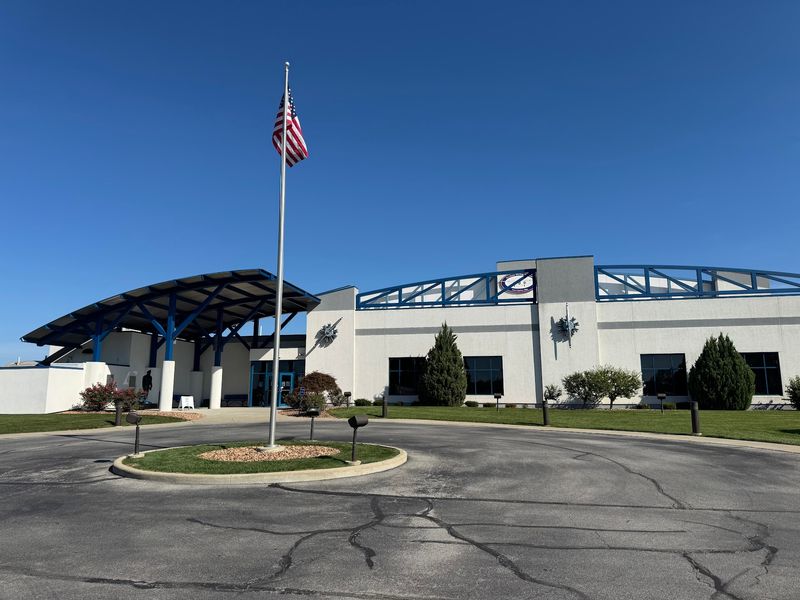
Liberty Aviation Museum is open seven days a week, which makes scheduling a visit fairly flexible. On Thursdays through Wednesdays, the museum opens at 10 AM and closes at 4 PM.
On Saturdays and Sundays, hours extend slightly with a 9 AM opening and a 5 PM closing, giving weekend visitors a bit more time to explore.
Admission is priced at $12 per person, which represents exceptional value given the size and quality of the collection. The gift shop near the front entrance carries a solid selection of aviation-themed items at prices that visitors consistently describe as reasonable.
Parking is available on site for both cars and, for those flying in, small aircraft as well.
The museum can be reached by phone at 419-732-0234, and more information is available at libertyaviationmuseum.org. Port Clinton itself sits along the Lake Erie shoreline, making this an easy addition to any northern Ohio day trip, whether the broader plan involves the lake, the islands, or simply a scenic drive through Erie County.
Why This Museum Deserves a Spot on Your Ohio List
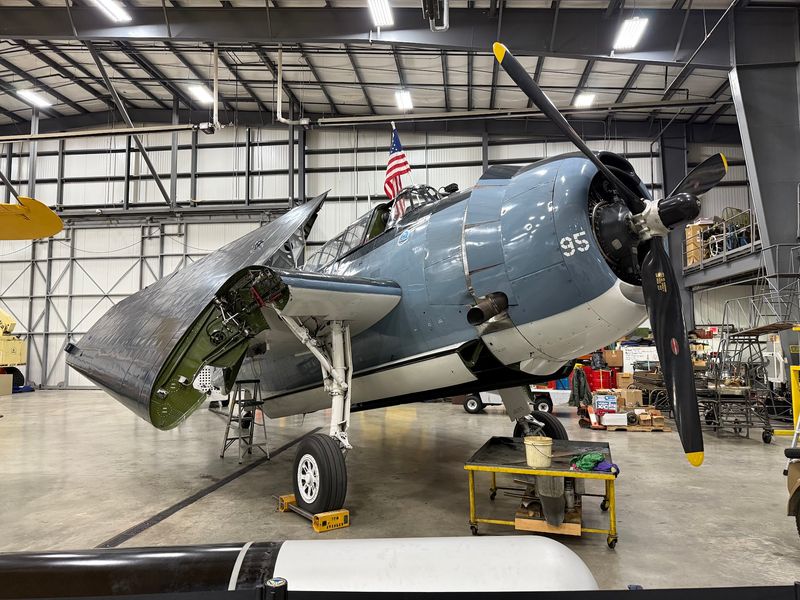
Ohio has no shortage of museums, but the Liberty Aviation Museum occupies a specific niche that very few other institutions in the state can match. The combination of full-size aircraft, active restoration projects, military history, vintage vehicles, pop culture artifacts, and a working retro diner adds up to something that is genuinely hard to categorize and even harder to forget.
The museum sits close enough to Lake Erie that it fits naturally into a broader day trip without requiring a major detour. Whether the starting point is Cleveland, Toledo, Sandusky, or anywhere in between, Port Clinton is a reasonable drive, and the museum makes the destination worth the effort on its own.
For Ohioans who take pride in knowing their state’s hidden gems, this one has been hiding in plain sight long enough. The Liberty Aviation Museum is the kind of place that earns a second visit before the first one is even finished, and that is about as strong a recommendation as any museum can earn.
Share this story