Somewhere in northwestern Oklahoma, a building that should have crumbled more than a century ago is still standing tall, and a whole museum grew up around it just to make sure it stays that way. Sod houses were the frontier solution when timber was scarce and settlers needed shelter fast, but almost none of them survived the decades.
Oklahoma holds the last known homestead-era sod house still intact, and visiting it feels less like a museum trip and more like stepping through a door that history forgot to close. If you have ever wondered what it actually looked like to build a home out of the ground itself, this place will answer that question in the most tangible way possible.
Where the Last Sod House Stands
Tucked along Oklahoma State Highway 8 near the small town of Aline, the Sod House Museum sits on a quiet stretch of northwestern Oklahoma prairie that looks almost unchanged from the homestead era. The address is 4628 OK-8, and if you blink at the wrong moment on a road trip, you might miss the turnoff entirely.
That near-miss quality is part of what makes finding it so satisfying.
The sod house itself dates back to the Oklahoma Land Run period, when settlers flooded the territory looking for a fresh start and often had no choice but to build with what the earth provided. Bricks of cut sod, stacked like rough masonry, formed the walls of countless frontier homes across the plains.
Nearly all of them eventually melted back into the ground.
This one did not. Managed today by the Oklahoma Historical Society, the site preserves the only known surviving homestead-era sod house in the entire state.
A larger protective structure was built around it specifically to shield the fragile walls from the elements, turning the house itself into the centerpiece of a full museum experience worth the detour.
The Land Run Origins Behind the Walls
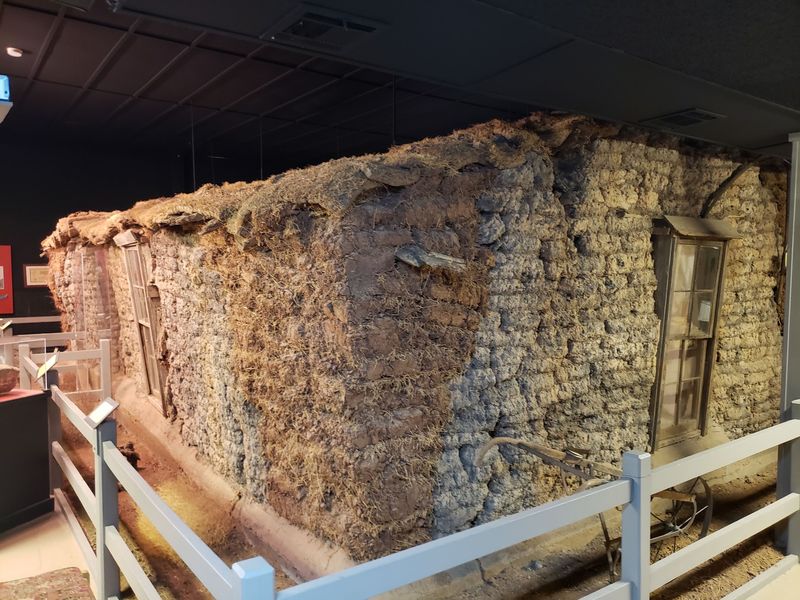
Few chapters in American history moved as fast or as chaotically as the Oklahoma Land Run. On a single April day in 1889, thousands of settlers raced across the territorial boundary to claim 160-acre plots under the Homestead Act, and within hours, an empty landscape had been carved into a patchwork of new farms and fledgling communities.
The pressure to establish a claim quickly was enormous.
Timber was scarce across much of the Oklahoma Territory, and shipping lumber from distant mills was expensive and slow. Settlers who needed shelter immediately turned to the most abundant building material available: the prairie sod beneath their feet.
Thick root systems in the native grasses held the blocks together well enough to stack into walls, and a resourceful homesteader could raise a basic structure in a matter of days.
The sod house at the museum was built by Marshall McCully shortly after the land run, and the story of how it came to exist, who lived inside it, and how it outlasted every similar structure in Oklahoma is told throughout the exhibits. Visitors often leave with a completely different understanding of just how demanding and creative frontier life truly was.
Marshall McCully and the House He Built
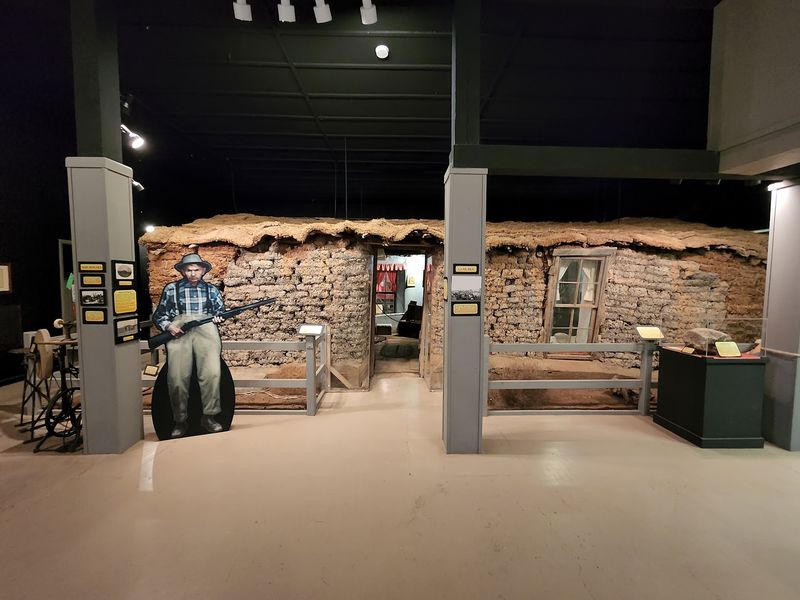
Behind every historic structure is a person, and at the Sod House Museum, that person is Marshall McCully. He claimed his plot of Oklahoma Territory land and set about building a home with the tools and materials at hand, stacking blocks of native sod into walls thick enough to stay cool in summer and hold warmth in winter.
What he built was practical, not decorative, a shelter designed to last long enough to get the farm established.
What makes the McCully connection especially vivid at this museum is that some of the staff members have personal ties to the family. Visitors have noted that certain tour guides are actually descended from or connected to the people who built and lived in the house, which adds a layer of living history that no exhibit panel can fully replicate.
Hearing the story from someone with a genuine stake in it changes the experience entirely.
The exhibits trace the McCully family’s life on the land, offering context about what daily routines looked like, how the house evolved over time, and what eventually brought it to the attention of preservationists. The personal thread running through the history keeps the story grounded in real human experience rather than abstract facts.
Building With Sod – The Forgotten Craft
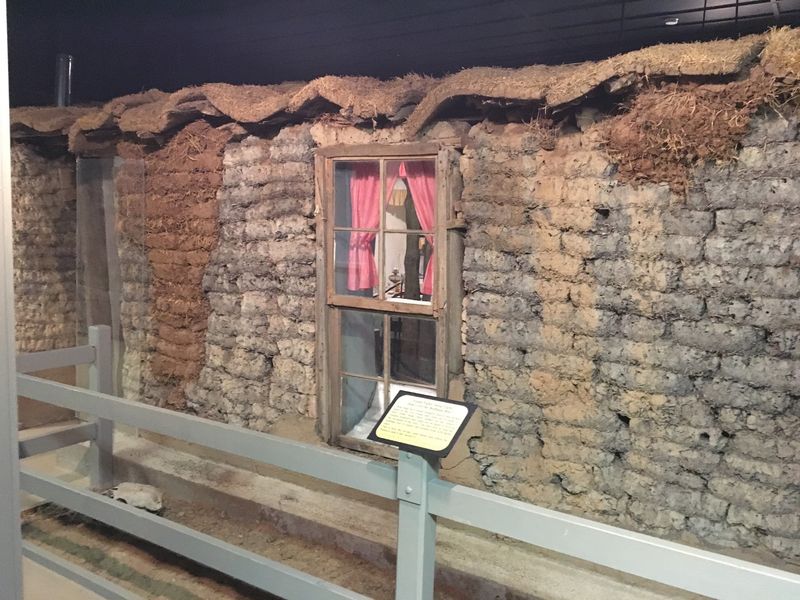
Cutting and stacking sod sounds straightforward until you consider the engineering involved. Settlers used a specialized plow to slice the dense root-bound earth into uniform bricks, typically around three inches thick and up to two feet long.
The weight of each block was considerable, and building a stable wall required careful layering and an understanding of how the material would settle and shift over time.
The walls of a sod house were often two or three feet thick, which gave them impressive insulating properties. Summers on the Oklahoma prairie could be brutal, and the thick earthen walls kept interior temperatures noticeably cooler than the air outside.
Winters brought the opposite benefit, with the dense walls holding heat far better than thin wooden boards would have managed.
Sod construction was never meant to be permanent. Most builders expected to replace a sod house with a proper wooden structure once the farm turned a profit.
The fact that the McCully house survived more than a century, through Oklahoma’s dramatic weather cycles and decades of changing land use, makes it something of a structural miracle. The museum does an excellent job explaining exactly why this particular house made it when so many others did not.
The Protective Building Around the House
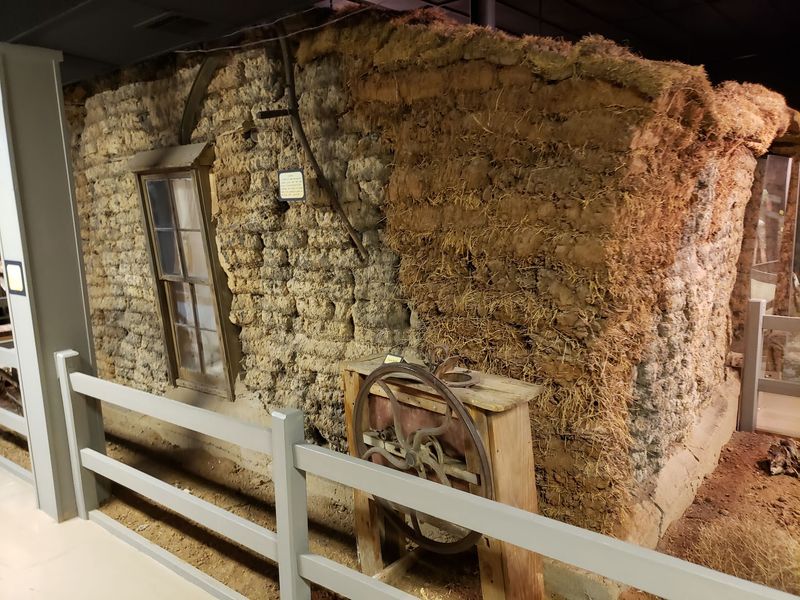
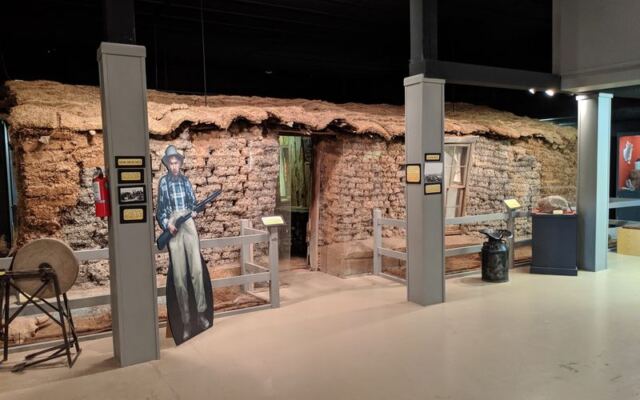
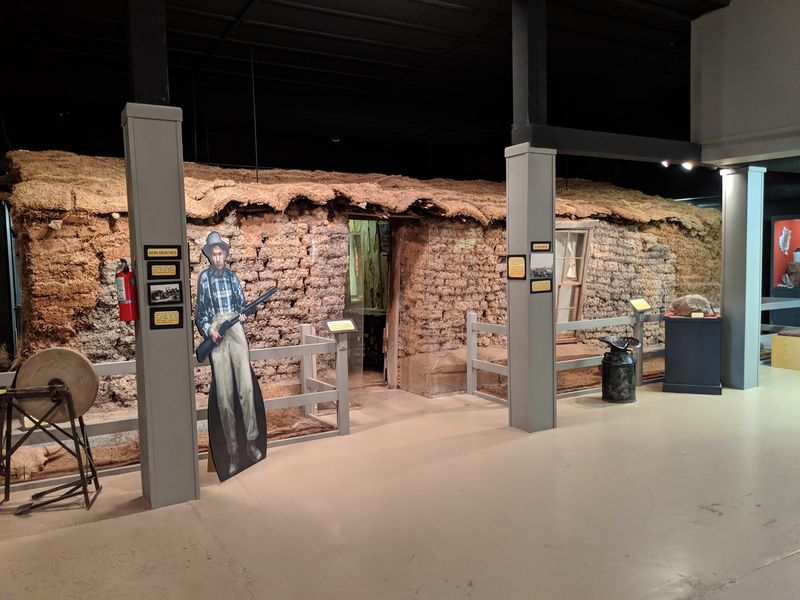
One of the most unusual things about visiting the Sod House Museum is the moment you realize the building you walked into is not the sod house itself. The original structure now sits inside a larger, purpose-built enclosure designed specifically to protect it from the rain, wind, and freeze-thaw cycles that would eventually reduce the sod walls to mud without intervention.
The outer building is essentially a giant preservation shell.
Walking inside and seeing the sod house contained within the modern structure creates an almost surreal effect. The earthen walls, still intact after more than a hundred years, are right there in front of you, close enough to examine in detail.
Exhibits and displays surround the house, so the experience moves fluidly between looking at the structure itself and learning about the broader context of Oklahoma homestead life.
The decision to build around the house rather than simply restore it in place reflects a serious commitment to long-term preservation. Restoring it might have made it look cleaner, but wrapping it in a controlled environment keeps the original material authentic.
Visitors frequently comment on how well maintained and thoughtfully presented the entire setup feels, noting that the design makes the house the undeniable star of the show.
Artifacts From the Oklahoma Prairie Era
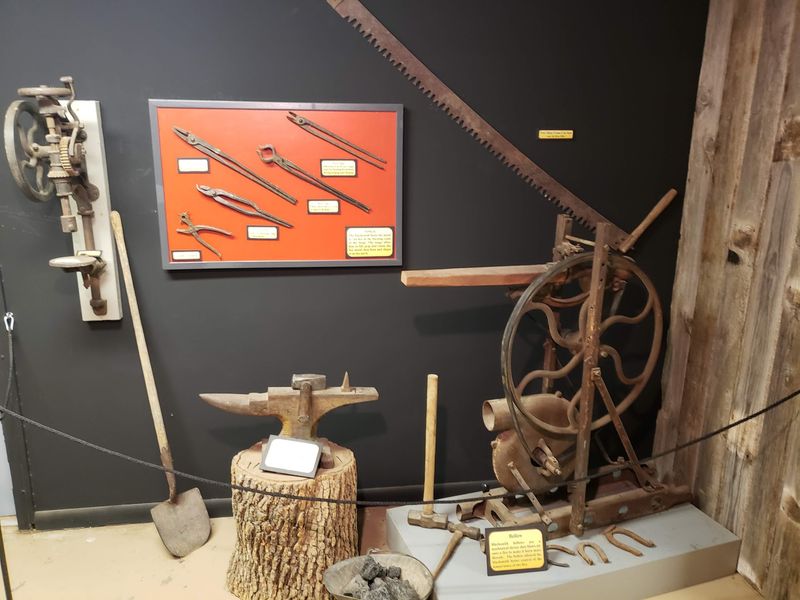
Surrounding the sod house itself, the museum’s exhibits are packed with artifacts from the Oklahoma Land Run and homestead period. Old farming equipment, household tools, and everyday objects from the late 1800s and early 1900s fill the display areas, each one offering a small window into how settlers managed the demands of daily life on the frontier.
Seeing the actual tools people relied on makes the history feel immediate rather than distant.
Many visitors have mentioned recognizing items in the collection as things their own grandparents or great-grandparents used, which gives the exhibits a surprisingly personal dimension. The objects are not just relics from a textbook era; for plenty of Oklahomans, they are connections to living family memory.
That generational resonance is part of what makes the museum feel more meaningful than a typical small-town historical display.
The curation is careful and informative without being overwhelming. Each piece is presented with enough context to explain its purpose and its place in the broader story of Oklahoma homestead life.
Whether visitors arrive as history enthusiasts or simply curious road-trippers, the artifact collection tends to hold attention longer than expected, turning what might have been a quick walkthrough into a genuinely absorbing hour of exploration.
The Root Cellar You Can Actually Walk Into
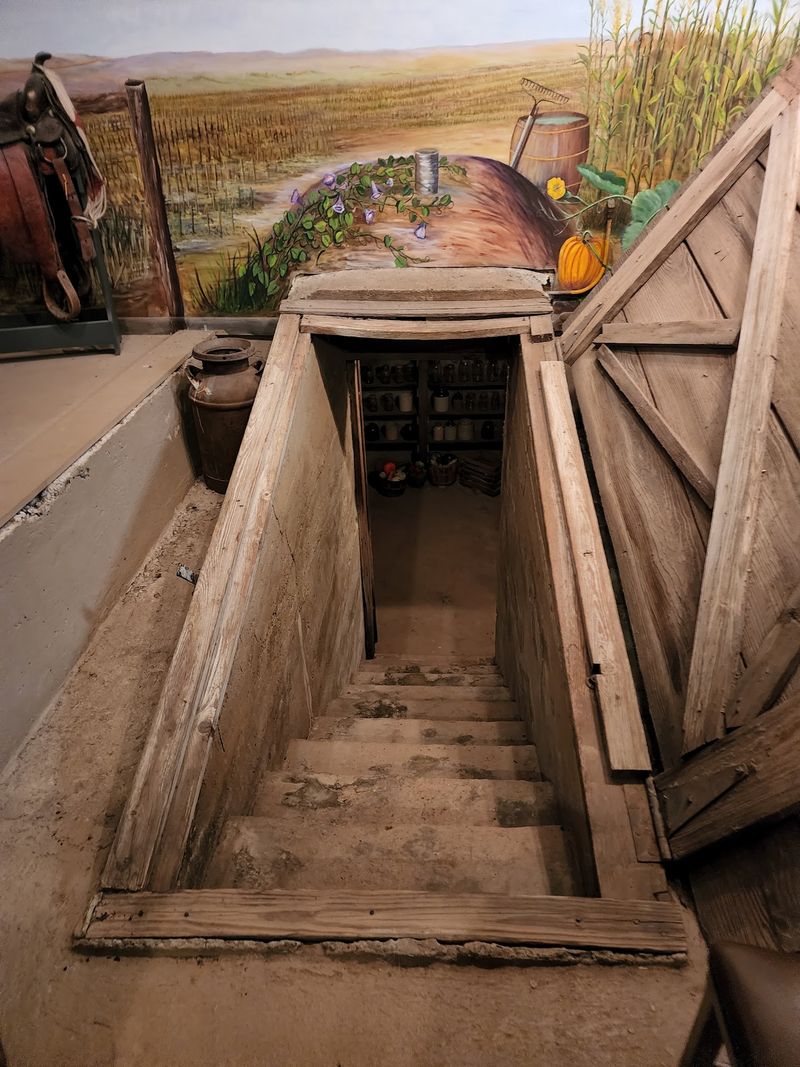
Beyond the sod house itself, the museum grounds include a root cellar that visitors can physically walk down into, and the experience is genuinely memorable. Root cellars were essential to homestead survival, serving as storage for preserved foods, protection from Oklahoma’s severe storms, and a cool refuge during the hottest summer months.
This one is authentic, not a reproduction, and stepping inside immediately underscores why settlers valued them so highly.
The temperature drop is noticeable the moment you descend. Even on a warm Oklahoma afternoon, the air inside the cellar is significantly cooler than above ground, a simple but striking reminder of how settlers engineered comfort without electricity or modern climate control.
That physical sensation communicates something no exhibit panel can fully convey.
Visitors consistently mention the root cellar as one of the highlights of the stop, often noting that the hands-on quality of being able to actually go inside sets this museum apart from places where everything is sealed behind glass or roped off for viewing only. For younger visitors especially, descending into the cellar tends to be the moment the whole homestead era clicks into something real and tangible.
It is a small feature that leaves a lasting impression on nearly everyone who makes the trip.
Life on the Prairie – What the Exhibits Reveal
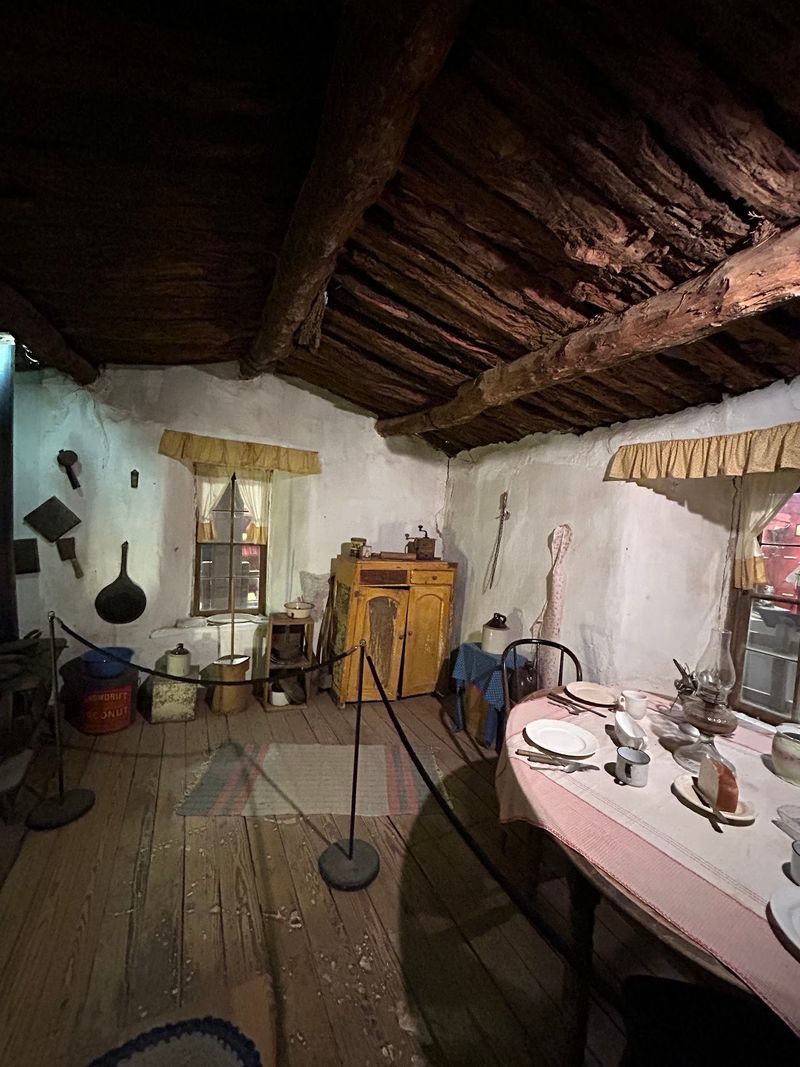
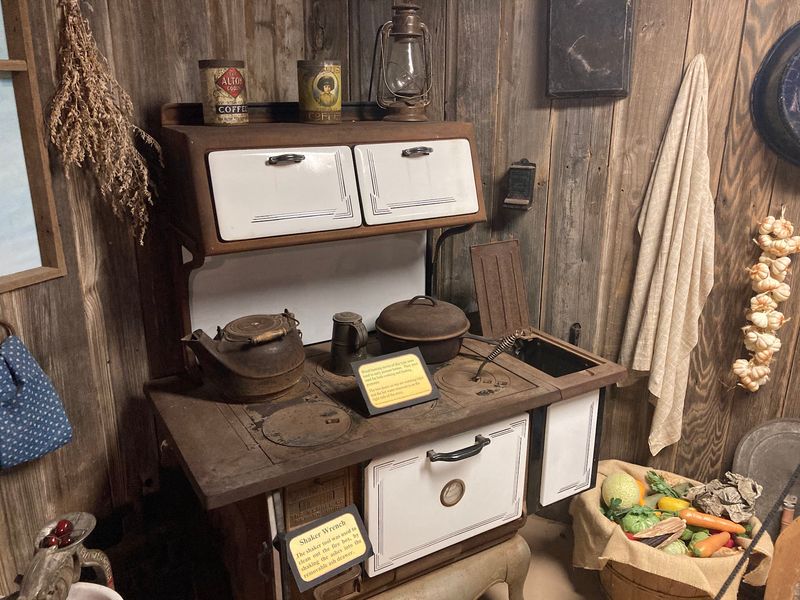
Prairie life in the homestead era was relentlessly demanding, and the museum does not soften that reality. Exhibits walk visitors through the rhythms of daily existence on a frontier Oklahoma farm, covering everything from food preparation and clothing to the constant physical labor required just to keep a household running.
The picture that emerges is one of remarkable resourcefulness under genuinely tough conditions.
Sleeping arrangements, cooking methods, and the challenges of raising children in a sod structure with limited resources are all addressed through the displays. For modern visitors accustomed to central heating, grocery stores, and indoor plumbing, the contrast is striking enough to prompt real reflection.
Several visitors have noted that the museum gave them a fresh appreciation for the conveniences of contemporary life that are easy to take for granted.
What keeps the exhibit from feeling like a lecture is the way it centers on specific people and specific choices rather than sweeping generalizations about frontier hardship. The McCully family’s experience anchors the broader story, making it personal enough to stay interesting.
By the time visitors finish the main tour, they have a detailed and humanizing picture of what it meant to build a life on Oklahoma soil in the years immediately following the land run.
The Knowledgeable Staff Who Bring It to Life
A museum is only as good as the people who interpret it, and by nearly every account, the Sod House Museum punches well above its weight in this department. Staff members consistently receive high praise from visitors for their depth of knowledge, their enthusiasm for the subject matter, and their ability to make the history feel alive and relevant rather than dusty and academic.
The word knowledgeable comes up again and again in visitor feedback.
Part of what makes the staff so effective is genuine personal investment. Some guides have family connections to the McCully story, while others have spent years immersed in Oklahoma Land Run history.
Either way, the tours feel like conversations rather than scripted recitations, and visitors often leave with specific details and stories they did not expect to encounter in a small northwestern Oklahoma museum.
Friendliness is another consistent theme. The welcome visitors receive tends to be warm and unhurried, with staff taking time to answer questions and point out details that might otherwise go unnoticed.
For a site that could easily be dismissed as a quick roadside curiosity, the quality of the human element elevates the experience considerably. Signing the visitor log before you leave, as staff often encourage, feels like a small but fitting way to add your name to the ongoing story of the place.
A Hidden Gem on the Oklahoma Road Map
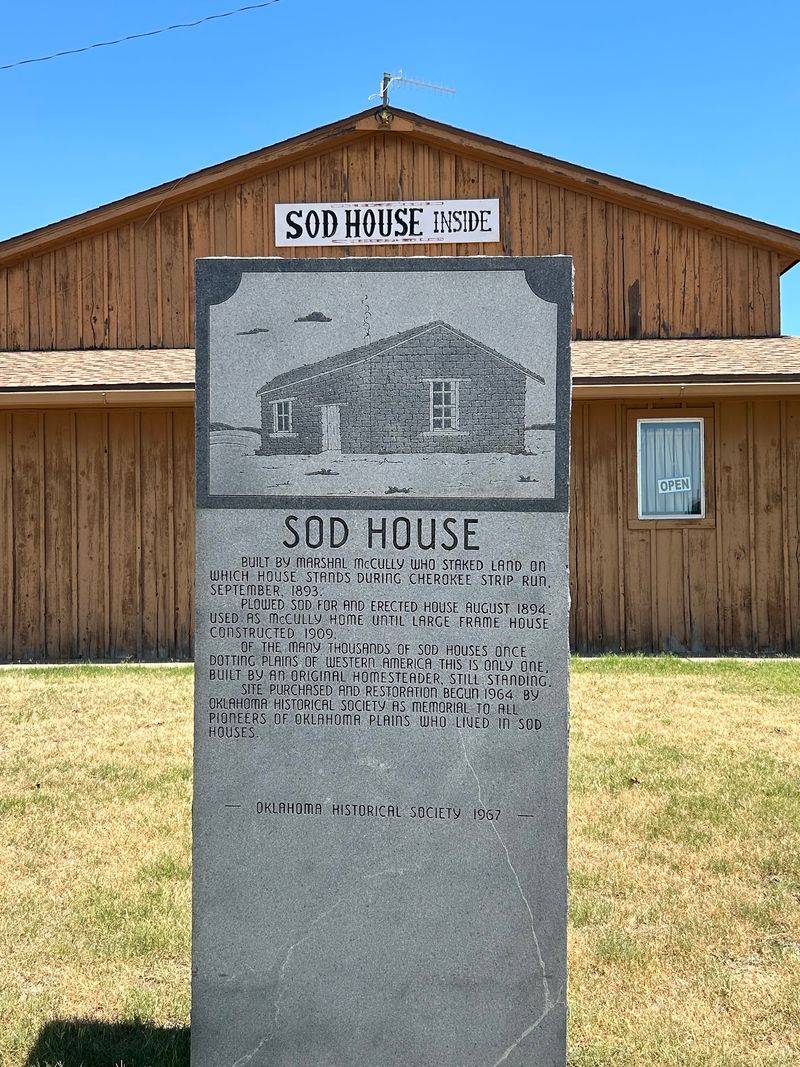
Road-trippers cutting through northwestern Oklahoma do not always have the Sod House Museum on their itinerary, and that element of surprise turns out to be one of its greatest assets. More than a few visitors have stumbled across it while driving between destinations, pulled over on impulse, and walked away calling it the best unexpected stop of the trip.
The kind of discovery that rewards curiosity is exactly what makes rural Oklahoma road tripping worthwhile.
The museum sits conveniently close to other natural attractions in the region, including Gloss Mountain State Park, which makes it an easy addition to a broader northwestern Oklahoma day trip. Visitors who have combined both stops report that the contrast between outdoor geology and indoor history creates a satisfying and well-rounded outing.
The two destinations complement each other in a way that feels natural rather than forced.
For anyone who appreciates genuinely rare things, the simple fact that this is the last surviving homestead-era sod house in Oklahoma gives it a significance that no amount of marketing could manufacture. Scarcity is its own kind of draw, and knowing that you are standing in front of something that exists nowhere else in the state adds weight to every moment spent inside.
Serendipitous finds like this one are exactly why keeping your eyes open on Oklahoma backroads pays off.
Who Will Love Visiting Most
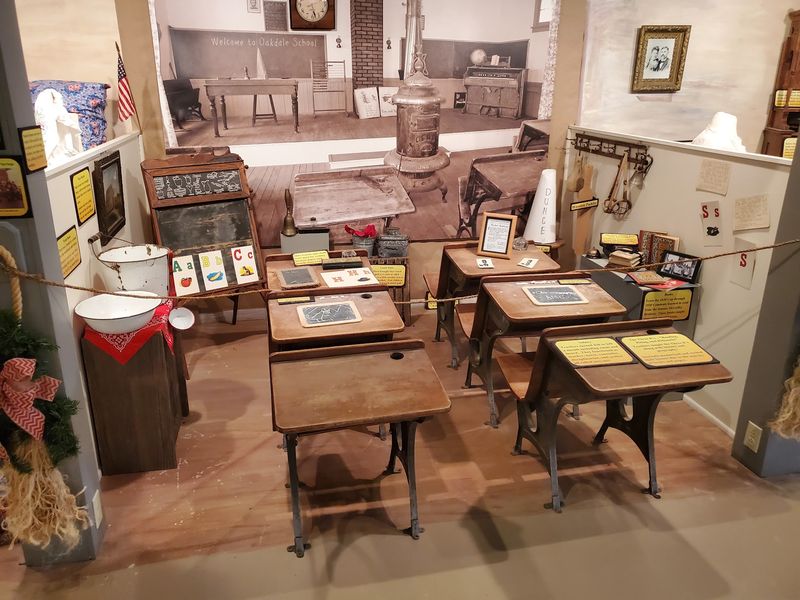
History enthusiasts are the obvious audience for the Sod House Museum, but the visitor base turns out to be considerably broader than that. Families with school-age children find it especially effective because the exhibits are hands-on enough and the subject matter concrete enough that kids stay engaged without needing to be coaxed.
Learning that children in the 1800s slept on pallets and helped with chores from a very young age tends to spark genuine conversations on the drive home.
Oklahoma locals with family roots in the homestead era often find the visit unexpectedly moving. Seeing tools and objects that match items their grandparents or great-grandparents actually used creates a sense of personal connection that goes beyond typical museum appreciation.
For that segment of visitors, the museum is less about learning something new and more about recognizing something already carried in family memory.
Road-trippers, history buffs, educators, and anyone with a taste for genuinely rare American landmarks all fit comfortably into the museum’s natural audience. The tour runs about an hour, which keeps it accessible without feeling rushed, and the scale of the place is intimate enough that nothing gets lost in a crowd.
Whether you arrive as a dedicated Oklahoma history fan or a curious traveler looking for something off the beaten path, the museum tends to reward the visit.
Practical Details Before You Go
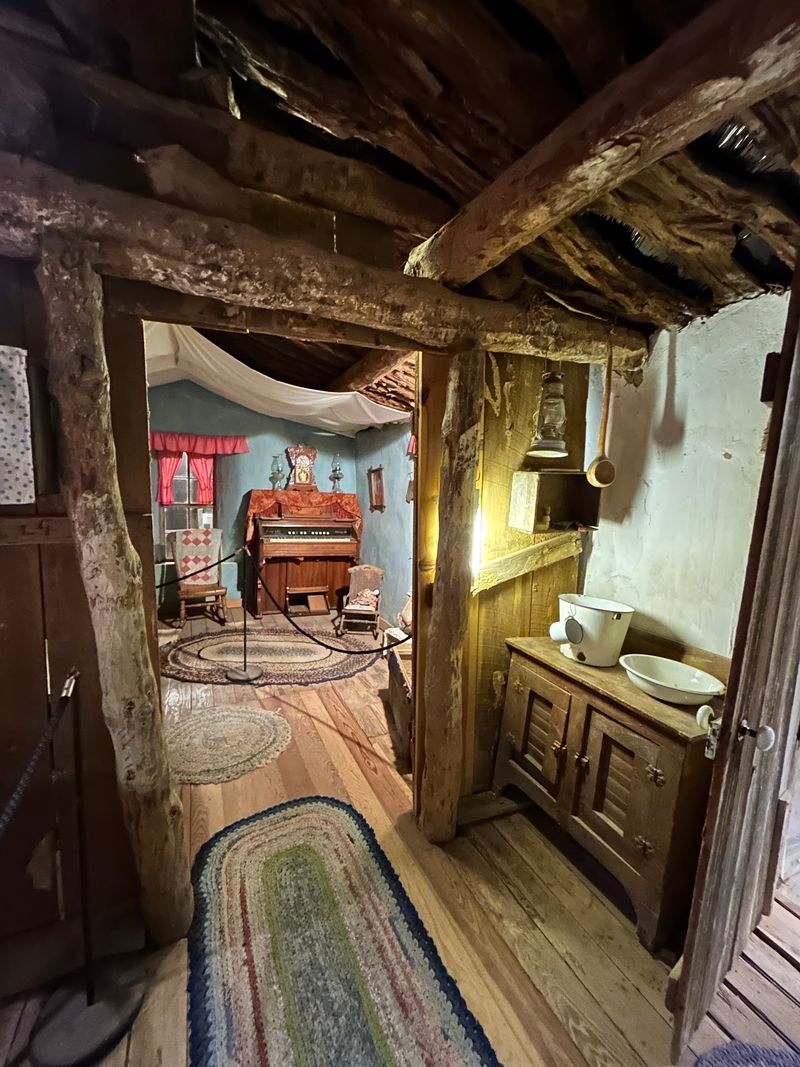
Planning a visit is straightforward, but a few practical notes are worth knowing before you make the drive. The Sod House Museum is open Tuesday through Saturday from 9 AM to 5 PM, and it is closed on Sundays and Mondays.
If you are building a road trip itinerary around the stop, confirming those days ahead of time will save a wasted trip out to Aline.
Admission is charged, and one detail that catches some visitors off guard is the payment policy: the museum accepts cash or check only, with no card transactions available. Bringing some cash along before heading out is worth adding to your checklist.
Students receive a discounted entry rate, and veterans are admitted free of charge, which is a thoughtful acknowledgment of the military history woven through Oklahoma’s settlement story.
The phone number on file is 580-463-2441, and the Oklahoma Historical Society website at okhistory.org carries additional information about the site. The museum is located at 4628 OK-8 in Aline, and the drive through the surrounding countryside is pleasant in its own right.
Allow about an hour for the full experience, though visitors who ask plenty of questions and linger over the exhibits often find that an hour passes faster than expected.
Why This Place Deserves More Than a Passing Glance
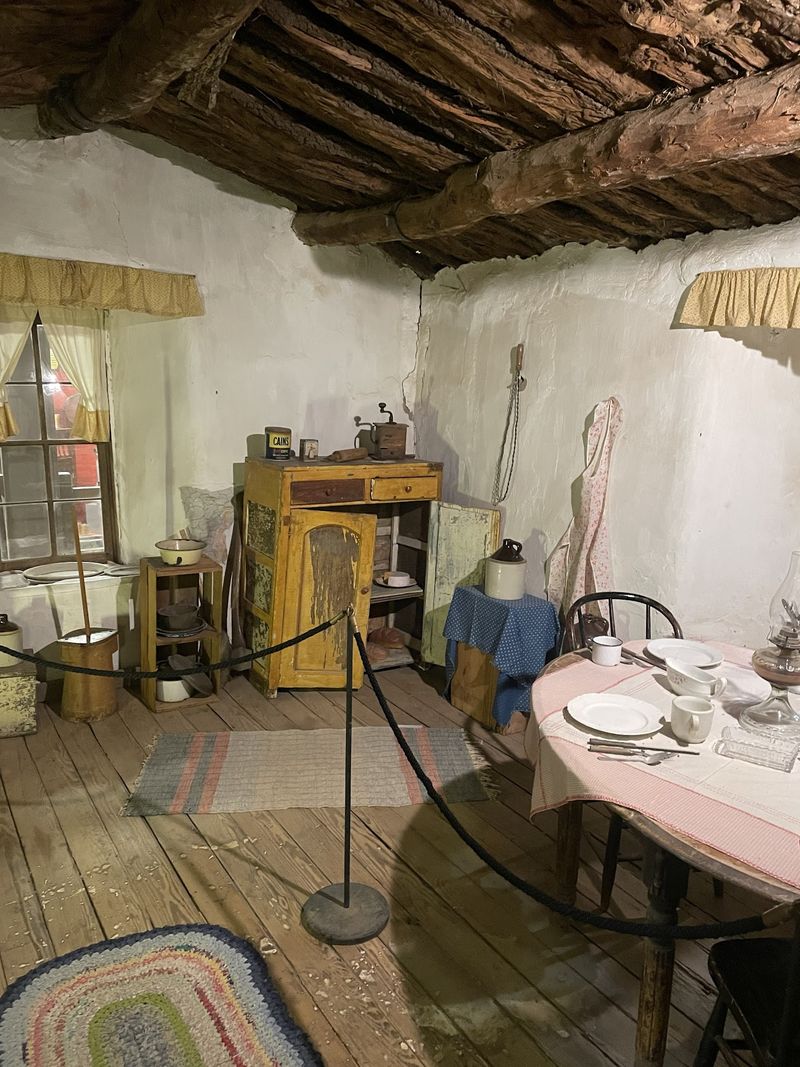
Small museums in small towns can sometimes feel like labors of love that run out of steam somewhere between the good intentions and the execution. The Sod House Museum is a clear exception.
Every element of the place, from the protected structure to the curated artifacts to the engaged staff, reflects a sustained and serious effort to honor something genuinely irreplaceable. The result is a museum that earns its reputation through substance rather than novelty alone.
Preservation is at the heart of everything here. The sod house should not have survived as long as it has, and the fact that it still stands is a product of deliberate care spanning decades.
Visiting feels like participating in that preservation effort in a small way, adding your name to the visitor log and your admission fee to the ongoing work of keeping the walls standing for the next generation of curious travelers.
For anyone passing through northwestern Oklahoma with an hour to spare, skipping this stop would be a genuine missed opportunity. The experience is compact, affordable, and memorable in the specific way that only truly rare things can be.
A building made of dirt that outlasted everything around it, wrapped in a museum built specifically to protect it, turns out to be one of the most quietly remarkable stories Oklahoma has to tell.
Share this story