Some places in Georgia hold their secrets quietly, sitting right beside the road while most people speed past. A set of thick, weathered walls has stood on a coastal island for more than 250 years, and it still tells the story of the people who once called it home.
What began as an ordinary detour becomes a surprising window into colonial life, complete with shell-studded walls, nearby trails, and an old resting ground across the street. The best part is that stepping inside these ancient remains costs nothing at all.
Curious about how a house built in the 1700s could survive this long? The answer sits waiting on a barrier island, and it rewards anyone willing to slow down and look closer.
A Roadside Landmark With Deep Roots
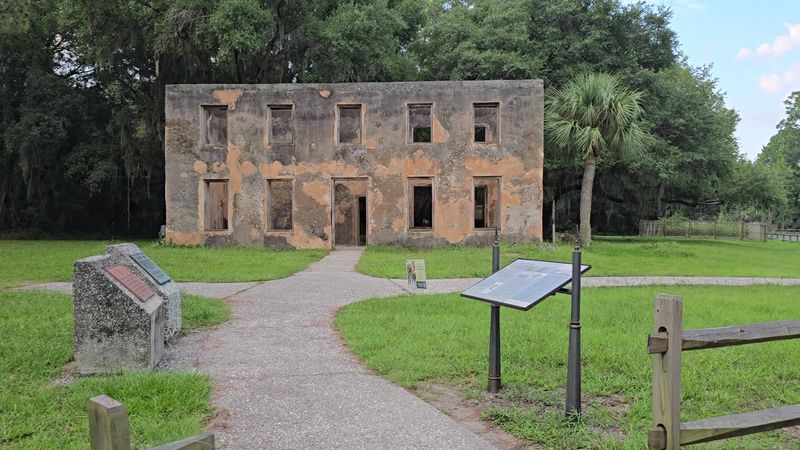
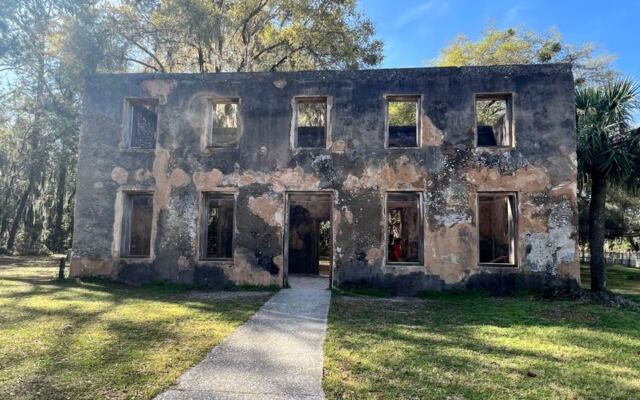
Right along Riverview Drive on Jekyll Island, Georgia, the remains of Horton House stand at the address Riverview Dr, Jekyll Island, GA 31527. The ruins are easy to spot and only seconds off the road.
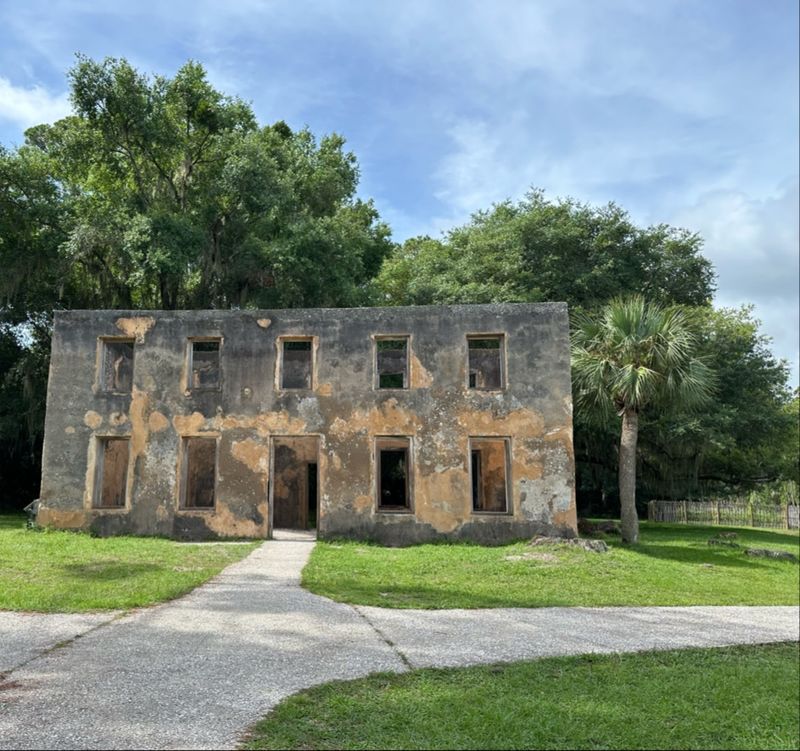
Built in the 1700s, the structure counts among the oldest surviving buildings in the entire state. What remains today is the shell of a two-story home, its thick walls holding firm long after the wooden floors and roof faded away.
The site sits open to the public around the clock, seven days a week, with no ticket needed and no gate to pass. Free parking lines the street nearby, though spaces are limited and fill up during busy stretches.
Regulars mention how convenient it is to pull over, wander through the walls, and get a real feel for early island history in just a few minutes.
The Story of Major Horton
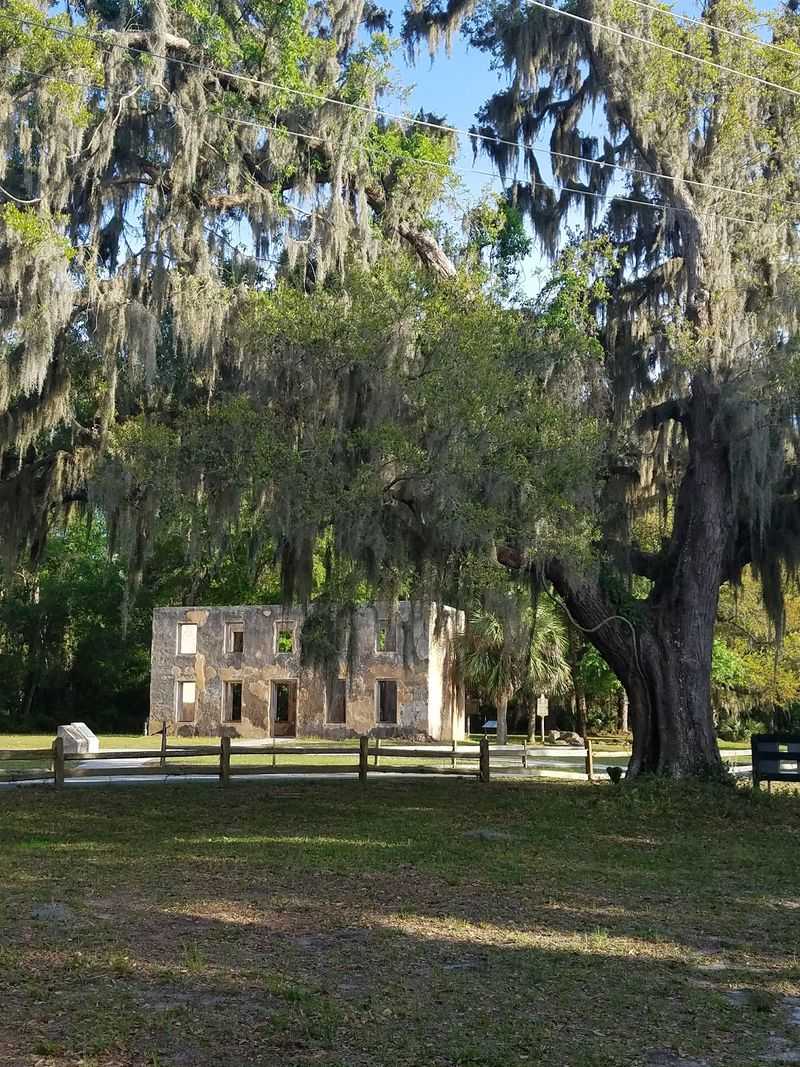
Behind these silent walls stands the tale of Major William Horton, an officer who settled on Jekyll Island during its earliest colonial days. His home became one of the first substantial buildings on the island.
Interpretive plaques scattered across the grounds walk you through Horton and his family’s connection to the land. Reading them turns a quick photo stop into something far more meaningful, letting the past come alive one panel at a time.
Life here would have looked nothing like today. There were no cars, no paved roads, and no easy way to reach the mainland, so residents relied entirely on the water and their own resourcefulness.
Visitors often pause to picture what daily routines must have been like for a family carving out a home on a remote barrier island so many generations ago.
Walls Made of Shells and Time
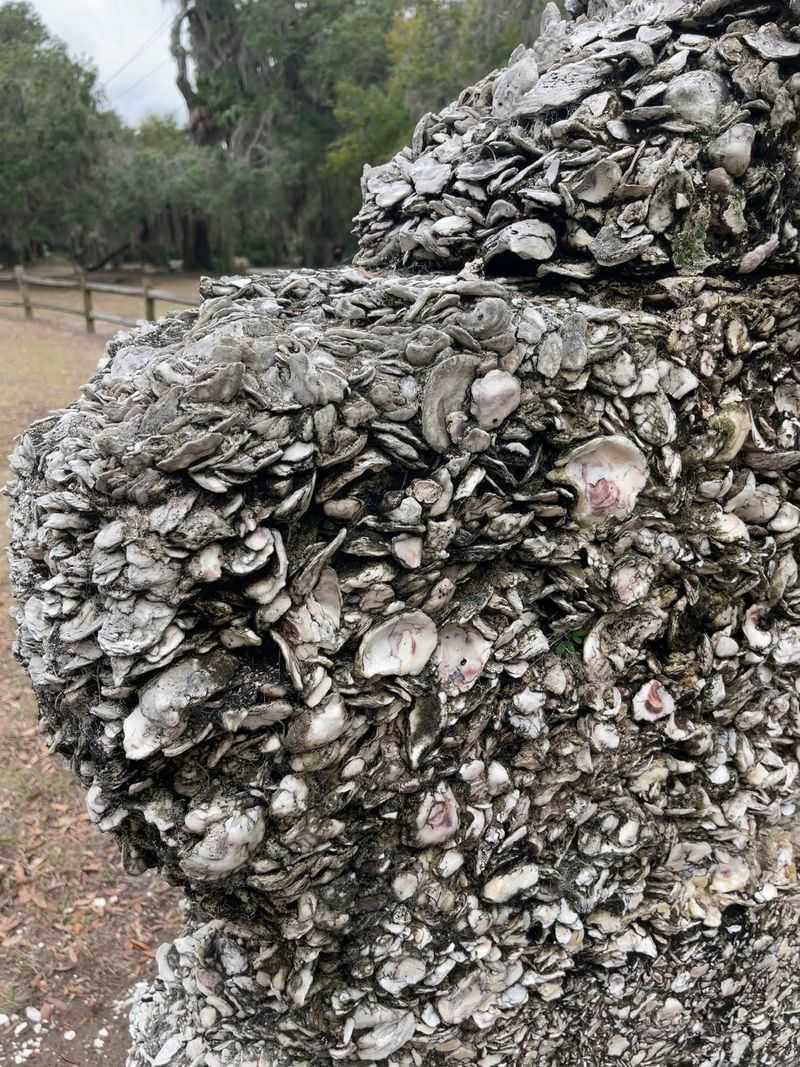
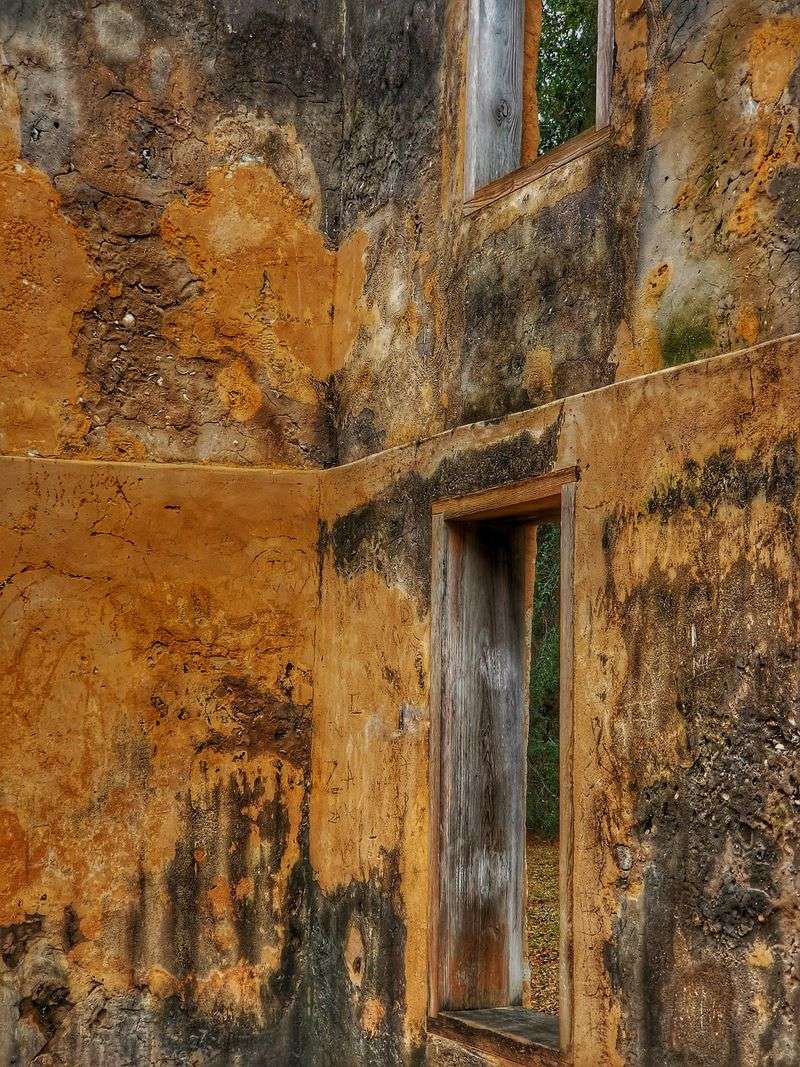
Look closely at the surface of these walls and you will notice something remarkable pressed into the mortar. Bits of sea shells sit embedded throughout, a signature of the building method known as tabby.
Tabby was made by mixing crushed shells, lime, sand, and water into a sturdy concrete-like material. Coastal builders in Georgia used it for centuries because the ingredients were plentiful right along the shore.
People who study or teach this old technique find the ruins genuinely fascinating, since seeing tabby up close is rarer than reading about it in a book. The walls have outlasted every wooden part of the house.
That endurance is part of what makes the visit so memorable. After floors, doors, and rooftops vanished into history, the shell-laced walls kept standing, quietly proving how well the early builders knew their craft.
Ruins You Can Actually Walk Inside
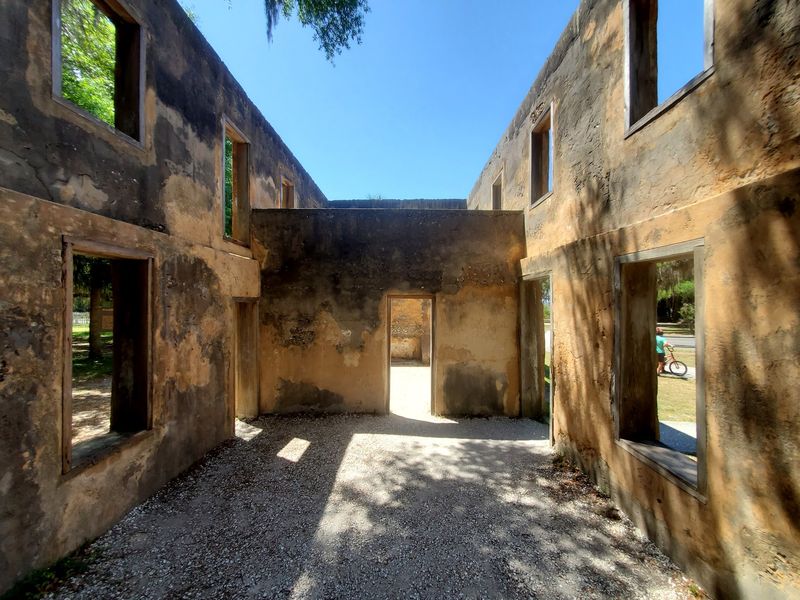
Unlike many historic sites roped off behind barriers, this one invites you to step right into the heart of the old home. You can walk from one side of the structure to the other, standing where rooms once held a family’s daily life.
Wandering through the open shell makes it surprisingly easy to imagine the layout of the house as it once was. Guests describe crossing the interior and mentally furnishing the empty spaces.
The ruins are well preserved for their age, giving a clear sense of the building’s original size and shape. From certain angles you can even sense the view the family once enjoyed toward the coastal waterway.
Being able to enter the walls rather than only view them from a distance is what turns this stop into a hands-on brush with the past.
The Old Cemetery Across the Street
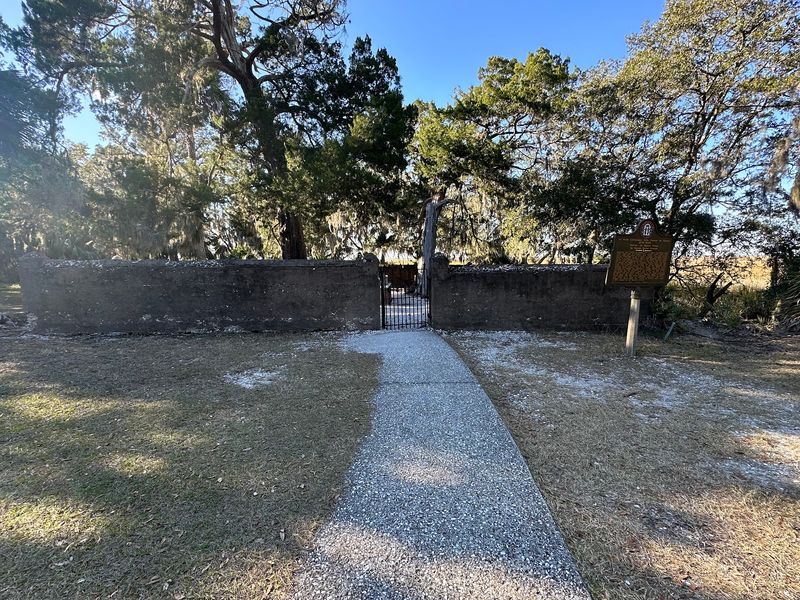
Just across the road from the ruins sits a quiet resting ground that many people nearly overlook. Crossing over to see it adds another layer to the island’s early story.
The grounds hold markers connected to the island’s colonial past, and an easy walk brings you right up to them. Guests frequently mention that skipping this short detour would be a mistake.
Reaching it takes only a moment, since it lies within simple walking distance of the main parking area. The peaceful setting invites a slower, more thoughtful pace.
Together, the house and the burial ground paint a fuller picture of who lived here and how their community took shape. Anyone drawn to early American history tends to linger a little longer once they realize how much these two sites reveal when experienced side by side.
Trails Leading to Horton Pond
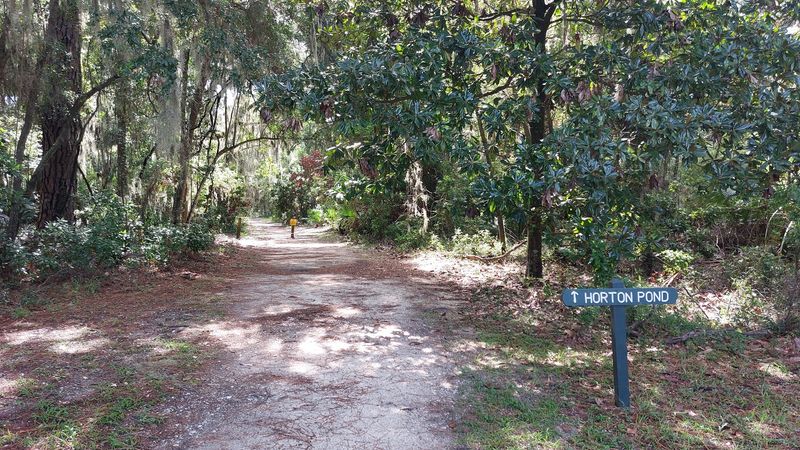
Beyond the walls, a network of paths branches out across the property and into the surrounding landscape. One of them leads toward Horton Pond, a peaceful spot tucked away from the road.
The walk to the pond runs a bit longer than expected, stretching roughly half a mile or more each way. Guests who prefer a shorter route sometimes drive around to the opposite side and park closer to the water.
At the pond, patient watchers have spotted turtles and alligators going about their day. Keeping a safe distance is always the smart move around these wild residents.
Whether you take the full hike or the shortcut, the pond adds a natural counterpoint to the historic ruins. It turns a quick history stop into a rounded little outing across both the built and living pieces of the island.
A Stop for History Lovers
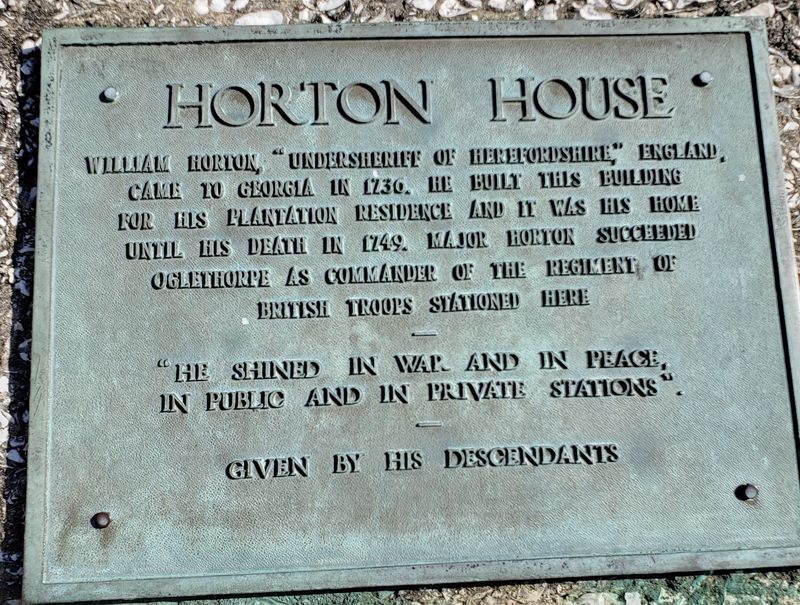
People who genuinely enjoy the past find this place hits all the right notes. The combination of standing ruins, informative signs, and a nearby burial ground makes the island’s origins easy to grasp.
Several plaques explain not only the human history but also the surrounding ecosystem, so the learning goes beyond just one old house. Each sign adds a small piece to a larger puzzle.
Many guests suggest mapping out the other historic sites on Jekyll Island and neighboring St. Simons Island to see how the stories connect. Treated as part of a larger route, the visit grows richer.
For those who like their sightseeing paired with real substance, this quiet landmark delivers plenty to think about. It rewards curiosity, and it turns a simple roadside pause into a genuine glimpse of how coastal Georgia began.
Peaceful Enough for a Quiet Visit
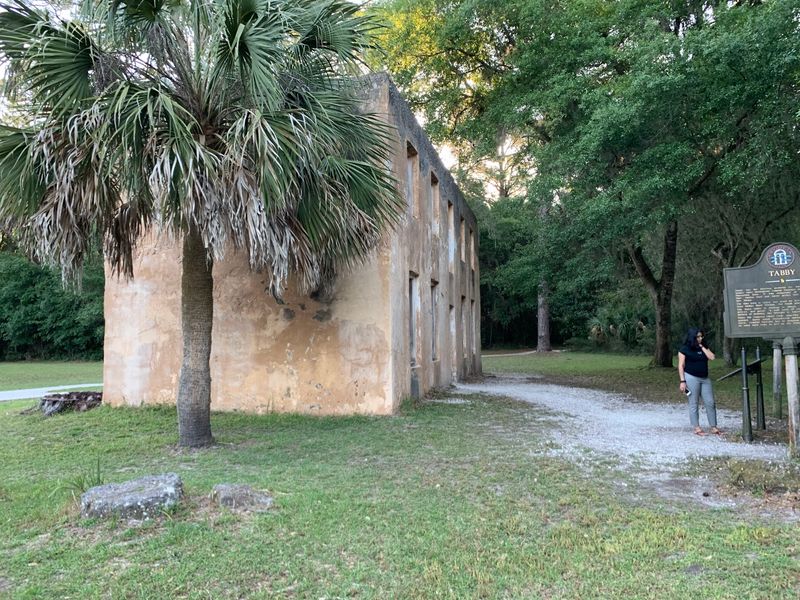
Timing your visit right can leave you nearly alone with the ruins. Some guests have arrived on a weekend evening and found the entire site quiet, with only their own group wandering the grounds.
That stillness gives the place a calm, reflective mood that busier landmarks rarely offer. There is room to think, to read every plaque, and to move at your own pace.
The bike trails and walking paths across the street add to the sense of open space, spreading visitors out rather than crowding one spot. Even on busier days, the setting feels unhurried.
Anyone hoping to soak in a bit of history without jostling for elbow room will appreciate how peaceful this landmark can be. It suits solo explorers, couples, and families looking for a mellow break from the beach just as well.
Bring Your Bike or Your Dog
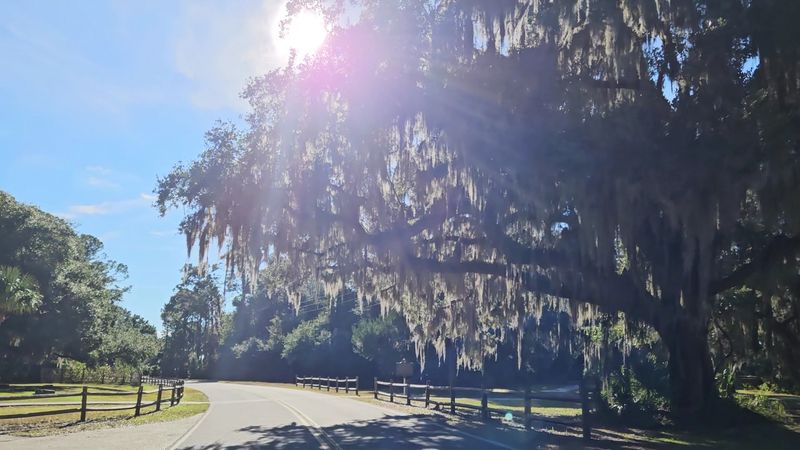
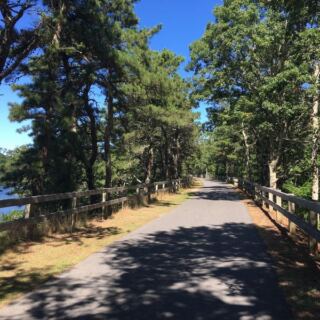
Getting here does not require a car once you are on the island. Plenty of guests bike over from their hotels, since the ruins sit conveniently along Jekyll Island’s paved trail system.
Wheels make the trip easy and fun, and the flat coastal paths welcome riders of all ages. Racks and open space near the site give you a spot to pause and explore on foot.
Four-legged companions are welcome too, making this a friendly stop for anyone traveling with a dog. The open grounds and nearby trails give pups room to stretch their legs.
Between the cycling access and the pet-friendly grounds, the landmark fits nicely into an active day outdoors. It pairs history with a little exercise, letting you roll up, look around, and continue on toward the island’s other sights whenever you please.
Tips Before You Go
A few practical notes can make the visit smoother. There are no restrooms on site, so it helps to plan a stop beforehand if you will be exploring for a while.
Bug spray is worth tossing in your bag, especially if you plan to hit the trails toward the pond. Mosquitoes can get lively depending on the season and time of day.
Parking sits along the street on a first come basis, and spaces are limited. Larger trucks may struggle to fit without sticking into the road, so parallel parking carefully is the way to go.
Admission is free and no tickets are required, and the grounds stay open every day. The site is also noted as mobility accessible, making it easier for a wider range of guests to enjoy the ruins comfortably.
Why It Belongs on Your Island Itinerary
Few stops pack this much meaning into so little time. In just a few minutes off the road, you can walk through 250 years of Georgia history and stand inside walls that have outlasted almost everything around them.
The mix of free admission, easy access, quiet grounds, and connected trails makes it a natural fit for a Jekyll Island day. It works whether you have ten minutes or an hour to spare.
Just up the road sits Driftwood Beach, so pairing the two turns a short detour into a memorable stretch of the island.
What lingers most is the sense of endurance in those shell-studded walls, still standing tall while the world changed around them. Slow down, step inside, and let one of Georgia’s oldest surviving structures remind you how much story a quiet roadside spot can hold.
Share this story