Every Sunday in 1913, more than 23,000 striking silk workers gathered outside one family’s house. They didn’t come for a party.
They came to hear speakers talk about fair pay, safer work, and an end to child labor.
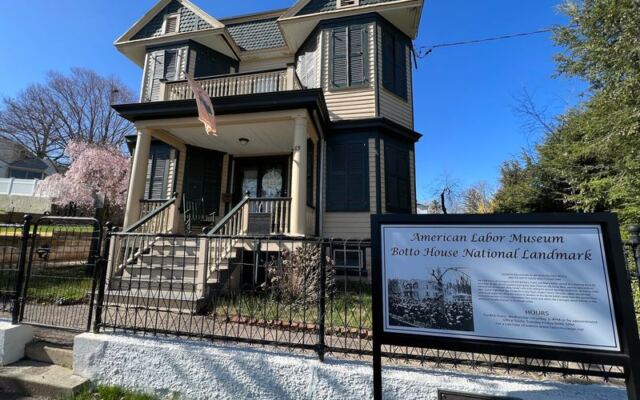
That house still stands in New Jersey. It is a preserved boarding house where you can walk the same halls those families once filled.
You can even step out onto the balcony and peek into the cellar.
I like how a plain residential street can hide a story this big. I can’t imagine standing on that balcony without picturing a sea of hats below.
It feels like history decided to live next door.
So who lived there, and why did thousands of workers choose that spot? The answer starts with one immigrant family and a whole lot of silk.
The Botto Family and Their Famous Balcony
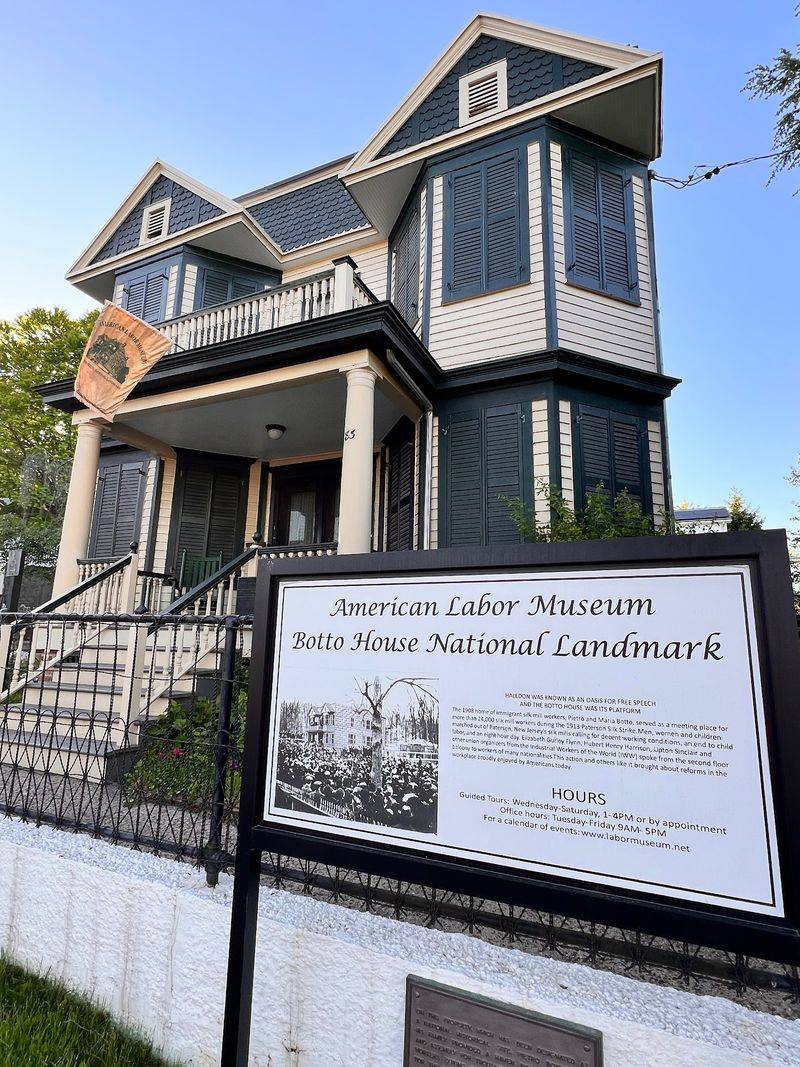
Immigrant families built the silk industry with their own hands. The Botto family, who ran this boarding house, opened their home to a cause much bigger than themselves.
During the 1913 strike, speakers addressed the crowds from the house’s balcony. Silk workers gathered below each Sunday, sometimes more than 23,000 of them.
That’s an astonishing number for one neighborhood yard.
Standing near that balcony now gives the story real weight. You get a sense of how voices carried over a crowd before microphones existed.
It’s one detail worth seeking out during your visit.
The cellar deserves a look too. It shows another side of daily life in a working family’s home.
Boarders, cooking, and chores all shaped how this house ran.
What strikes me most is the courage involved. Hosting thousands of strikers wasn’t a small favor in 1913.
The family took a risk because they believed workers deserved better.
That spirit still shapes the American Labor Museum Inc today. The house isn’t treated like a dusty relic.
It’s treated like a witness that still has something to say.
A Quiet Street With a Very Loud Past
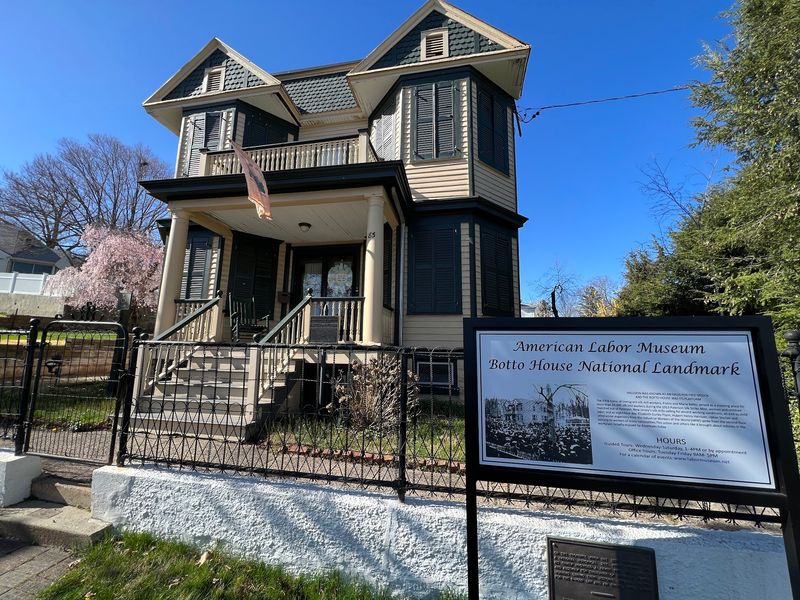
Plenty of museums live in grand marble buildings. The American Labor Museum Inc chose a family home instead, and that choice makes all the difference.
The museum sits in Haledon, New Jersey, inside a completely preserved boarding house known as the Botto House. It rests in a residential neighborhood, so it blends in with the houses around it.
You could drive past and never guess its role in American history.
The focus here is the 1913 Paterson Silk Strike. Workers from the nearby silk mills fought for safe working conditions and a fair day’s pay.
They also pushed to end child labor, which was common in the mills at the time.
Haledon mattered because Paterson made outdoor rallies difficult for strikers. The house next door became a safe gathering place.
Crowds packed the area to listen to speakers week after week.
Today the museum tells that story through rooms, objects, and documents. It also stretches forward to later labor movements across the country.
The result feels personal and surprisingly close to home for anyone in North Jersey.
Rooms Arranged Like the Family Just Stepped Out
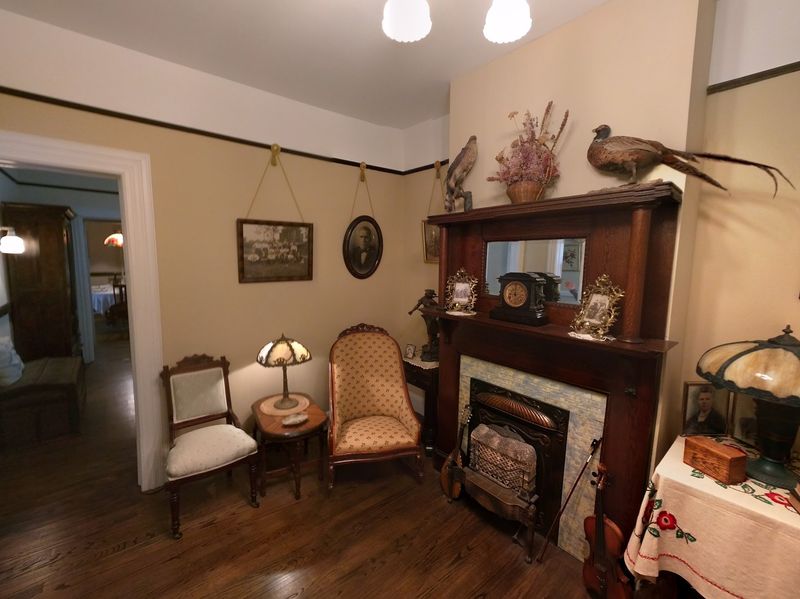
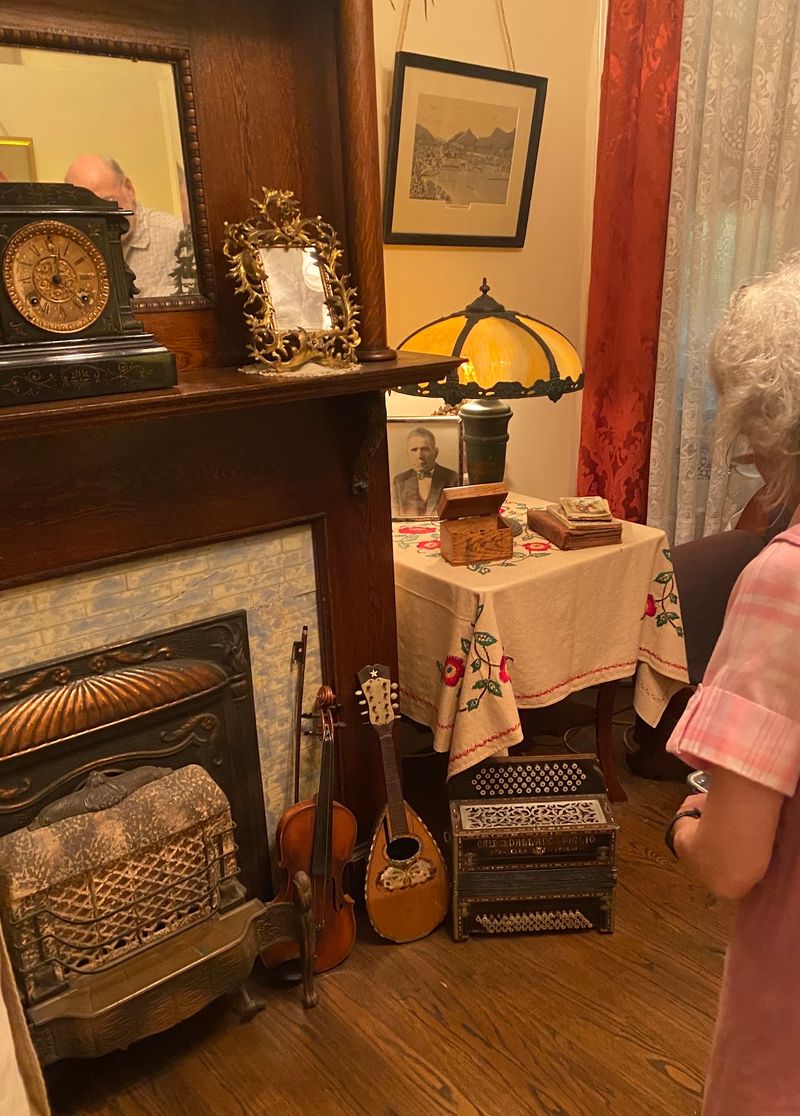
Open a door, and you land somewhere around the early twentieth century. The house evokes that era beautifully through carefully staged rooms.
Room setups show how a working household actually functioned. You’ll see living spaces that reflect the routines of immigrant families and their boarders.
Every object helps fill in a piece of daily life.
The space feels roomier than some city tenement museums. That gives visitors breathing space to look closely without bumping elbows.
It’s a comfortable way to absorb the details.
Guided tours take you through these rooms after the introductory film. Guides explain what each space meant to the people living there.
Suddenly an old stove or table tells a much richer story.
For anyone curious about immigrant history in New Jersey, this is a rewarding stop. The rooms connect big events to ordinary chores and meals.
History becomes something you can almost touch.
Historic preservation fans will appreciate the care involved too. Keeping a century-old house authentic takes steady effort.
The museum even uses quieter summer stretches for renovation work, so plan ahead before visiting.
Strike Exhibits That Stretch Well Beyond 1913
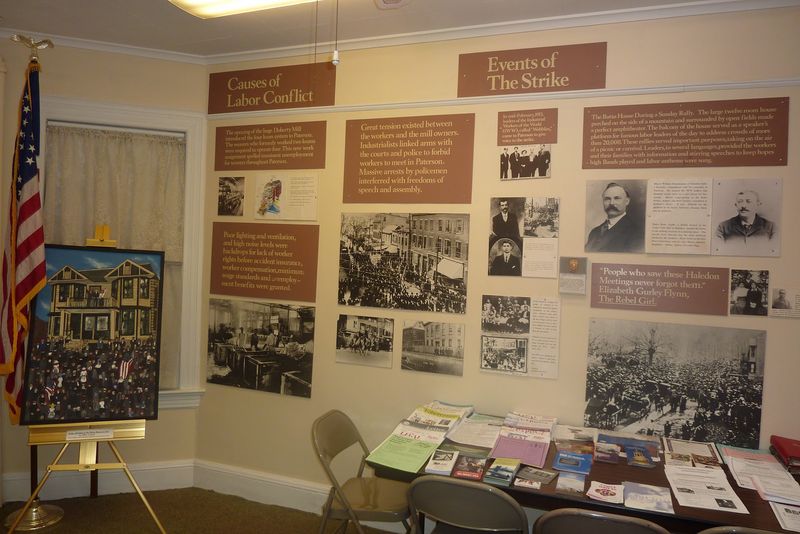
Twenty-five thousand people, give or take, walked off the job in 1913. Their demands sound familiar today: safer workplaces, fair wages, and kids out of the mills.
The exhibits bring that fight into focus with authentic memorabilia. Photos, documents, and objects show how families coped during months of striking.
One striking image shows children boarding a bus to stay with foster families during the strike.
The museum doesn’t stop in 1913. It also explores more modern movements, including an exhibit on New York City’s 1982 garment workers strike.
That link shows how the same questions kept returning decades later.
Why do we have weekends, eight-hour days, and paid holidays? The galleries help answer that in plain, human terms.
Many benefits people take for granted trace back to struggles like these.
The mix of old and newer stories keeps things lively. You move from silk looms to garment shops without losing the thread.
It’s clever pacing for a small space.
Bring your questions. The staff at the American Labor Museum Inc clearly enjoy connecting these exhibits to the bigger picture.
Guided Tours Worth Slowing Down For
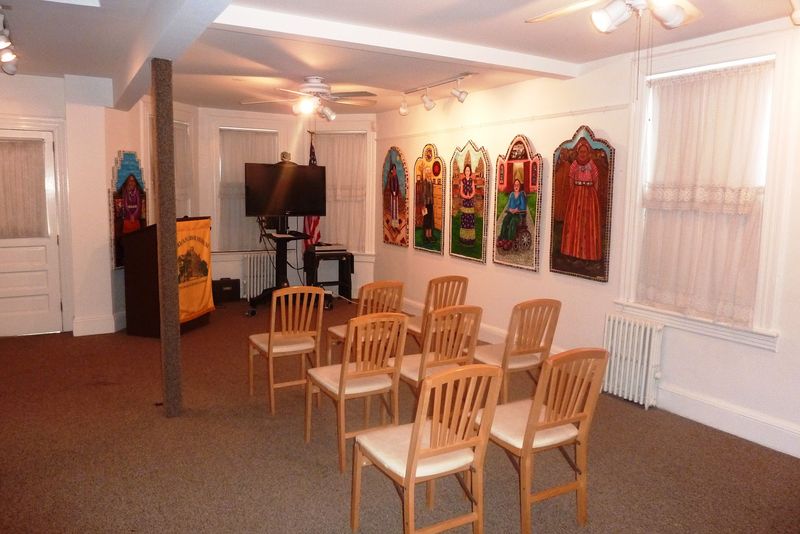
Start with the film, then follow the story. Visits typically begin with a helpful documentary that sets the scene before you explore.
After the film, you can browse the exhibit on your own. Then a guided tour leads you through the house’s rooms.
That rhythm works well, because you arrive with context instead of confusion.
The guides are a big part of the appeal. Education director Evelyn Hershey has led many tours here, and her deep knowledge comes through.
Tours adapt to the group’s questions rather than marching through a script.
Visits can stretch longer than expected. Some people spend a few hours, especially when the conversation gets rolling.
Leave a flexible window in your schedule if you can.
Small groups and families fit naturally into the format. Older children and students tend to enjoy the stories, which feel more like real adventures than textbook lessons.
Teachers have long used the house as a field trip stop.
Honestly, the tour is the heart of the experience. A good guide turns a quiet house into a crowded, noisy, hopeful 1913 Sunday.
A Library Built for Curious Minds and Family Detectives
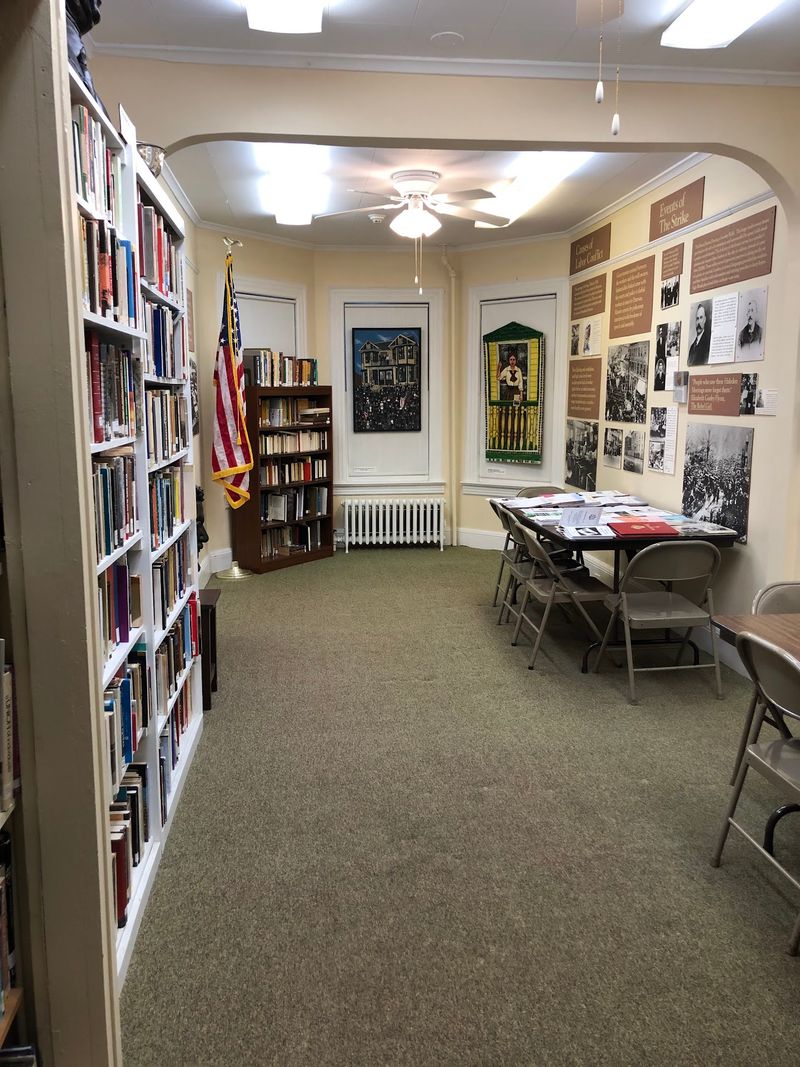
Genealogy fans, this one’s for you. The museum holds an impressive library of books and documents on New Jersey labor struggles from the early 1900s.
Newspaper articles cover the 1913 strike, including the foster families who cared for strikers’ children. Books about Paterson’s silk mills fill the shelves too.
Some even include firsthand accounts from local families.
Descendants of strikers have used these resources to trace their own roots. Staff help researchers piece together family and union history.
Finding a relative’s name in an old record can be a real thrill.
Videos are part of the collection as well. The library has offered books and videos that can be borrowed for further study.
Ask staff about current access before you plan research time.
Casual visitors shouldn’t skip it either. Browsing local history titles gives a fuller picture of North Jersey’s working past.
It’s easy to wish you had set aside more time.
For students and writers, the library offers primary sources that feel alive. You’re reading about events that happened right outside the window.
That connection is hard to beat.
Bocce, Books, and a Gift Shop Full of Surprises
Who expects a bocce court at a history museum? Here, one sits right next to the house, and students have loved it.
The court reflects the Italian immigrant roots tied to the Botto family. It also gives restless kids a breather between exhibits.
Groups of students have enjoyed both the stories and the game.
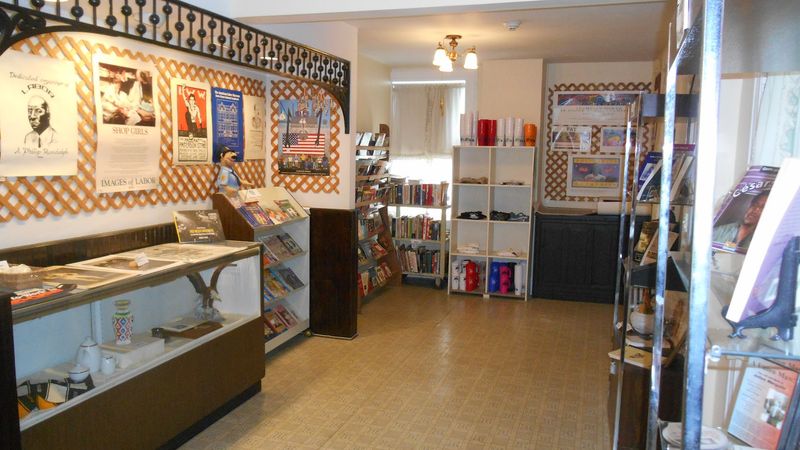
Indoors, the gift shop leans heavily into books. You’ll find titles for adults and children covering labor, immigration, and local history.
It’s a smart place to pick up thoughtful gifts.
Picking a book for a young reader can extend the visit at home. Kids can keep learning long after the tour ends.
Adults may find themselves reaching for the same shelf.
There’s no hard sell at the American Labor Museum Inc. A small donation box sits near the exit for anyone who wants to contribute. Support helps keep a nonprofit site like this running.
Little touches like these make the place feel welcoming. You get history, a bit of play, and a reading list.
Not bad for one modest property.
Who Will Love This Place Most
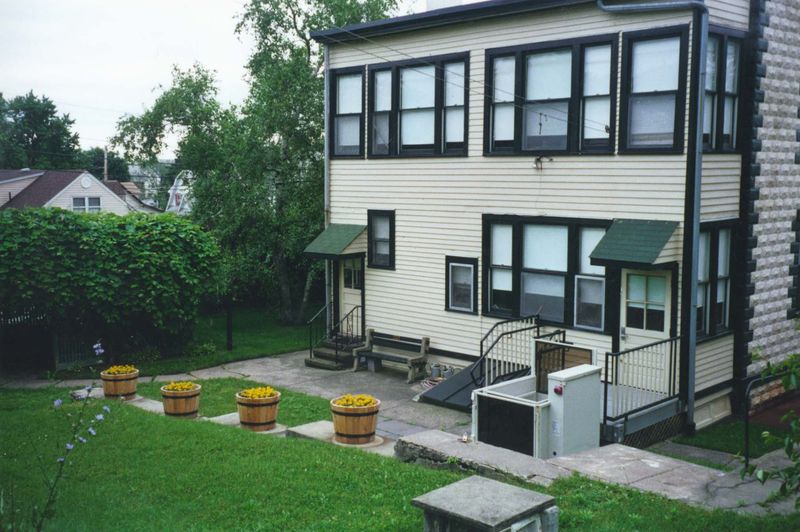
History buffs are an obvious match. Still, the audience runs much wider than people who memorize dates.
Families with older children will find plenty to talk about on the drive home. Stories of kids working in mills hit differently for young listeners.
They spark honest conversations about fairness and work.
Teachers can lean on the museum as a field trip destination. Its compact size suits student groups well.
The mix of film, exhibits, and tours keeps attention from drifting.
Anyone with family roots in Paterson or Haledon may feel a personal tug. Many North Jersey families have ties to the silk industry.
A visit can turn vague family stories into clear history.
Modern unions also use the building as a meeting place. That keeps the house connected to working people today.
It’s living history rather than a frozen display.
Fans of immigrant history will appreciate the comparison to bigger city museums. The Botto House offers a calmer, more intimate look.
It’s a great fit for anyone who prefers depth over crowds.
Hours, Address, and Smart Timing for Your Visit
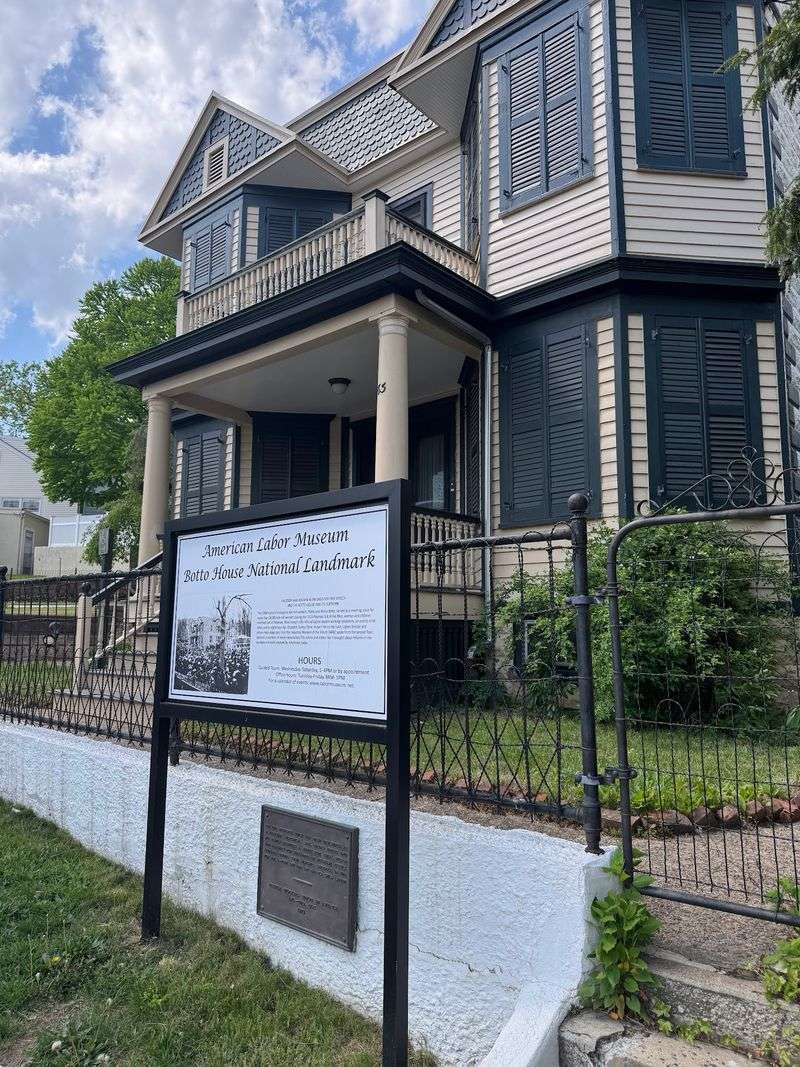
Afternoons are your window here. The museum opens Wednesday through Saturday from 1 to 4 PM.
It’s closed Sunday, Monday, and Tuesday. That short schedule means planning matters.
Aim to arrive early in the window so you have time for the film, exhibits, and tour.
You’ll find the American Labor Museum Inc at 83 Norwood St, Haledon, NJ 07508. It sits on a residential street, so watch house numbers carefully.
The building blends quietly into the neighborhood.
Admission has historically been modest, which makes it an easy day trip. Check with the museum for current pricing before heading out.
A cash donation box is also available near the exit.
Summer can bring renovation work, sometimes with scaffolding outside. The museum has stayed open during such projects.
Calling ahead is still a wise move.
Special events add extra reasons to visit. May Day is one occasion worth watching for on the calendar.
It’s a fitting celebration for a house so tied to workers’ rights in New Jersey.
Why This House Earns a Spot on Your List
Small museum, huge story. That’s the simplest way to sum up an afternoon at the Botto House.
Few places let you stand where thousands of workers once gathered for change. The American Labor Museum Inc preserves that spot with real care.
It feels like a neighbor sharing family history.
Knowledgeable guides make the experience come alive. Rooms, exhibits, and a strong library give the story depth.
Even the bocce court adds a friendly, local touch.
New Jersey has plenty of proud history, and this chapter deserves more attention. Weekends, fair hours, and child labor laws all connect back to struggles like the 1913 strike.
Seeing that link in person changes how you think about an ordinary workday.
Plan for a relaxed afternoon midweek or on Saturday. Bring curious kids, a history-loving friend, or your own family questions.
You may leave with a book and a new appreciation for silk.
I believe the best local outings teach you something about home. This one does exactly that, right on a quiet Haledon street.
Share this story