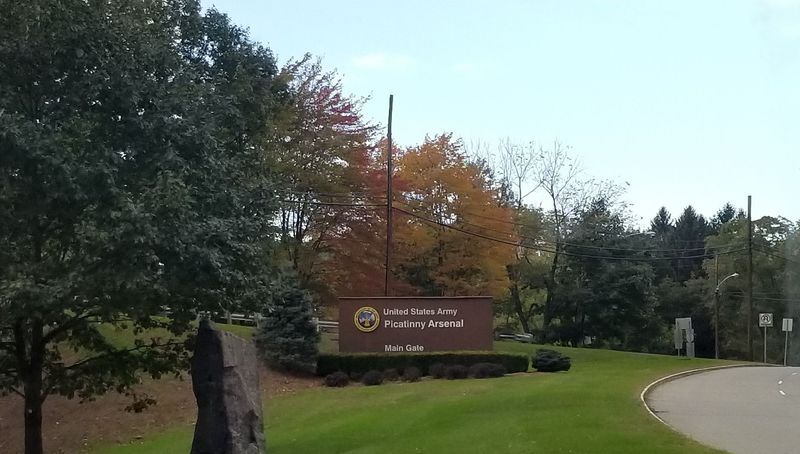
New Jersey has a talent for hiding major American stories in places people pass without a second look. Along Route 15 in Morris County, one military site carries more history than its plain roadside presence suggests.
It is not a casual tourist stop, and that actually makes the story more interesting. Behind the gates is a working Army installation tied to national defense, local memory, family history, and a past shaped by a serious scare that still gives the place a different weight.
A Morris County Arsenal With A Route 15 Address
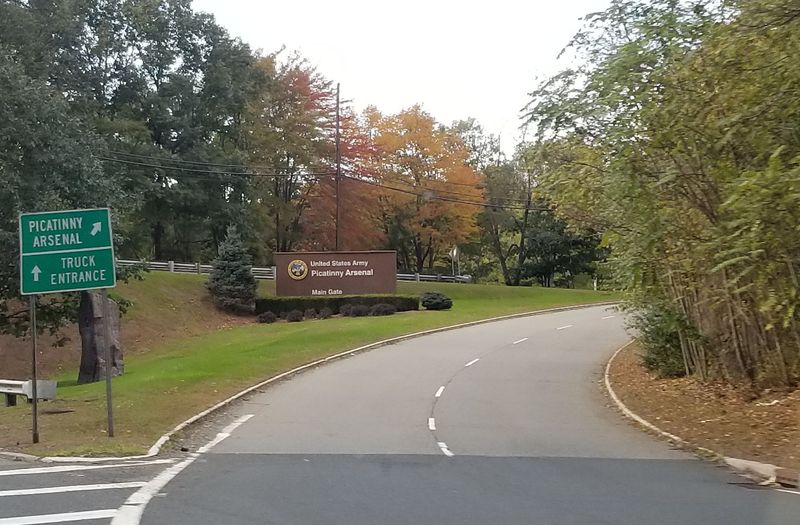
New Jersey does not always announce its biggest stories with grand public plazas or busy downtown corners. Picatinny Arsenal sits at 213 NJ-15, Wharton, NJ 07885, in Morris County, New Jersey, United States, and its identity is direct: it is a military base.
The address places it along a familiar North Jersey corridor, but the site itself is not the kind of attraction where anyone simply parks and wanders in. It is a restricted access government facility, and public comments connected to the base repeatedly point out that entry requires the right military ID, benefits card, or access card.
That detail changes the way people should think about it. Picatinny Arsenal is a real, active installation, not a themed historic property built for casual weekend browsing.
Even so, its presence matters to the surrounding area. Local families, veterans, workers, club groups, and people with official reasons to be there describe a place with history, routine, and everyday functions inside the gate.
The result is a New Jersey landmark that stands partly in public awareness and partly behind controlled access. That combination gives Picatinny Arsenal its unusual pull: close enough to recognize, serious enough to respect, and local enough to feel tied to the state’s larger identity.
A Working Base Rather Than A Casual Landmark
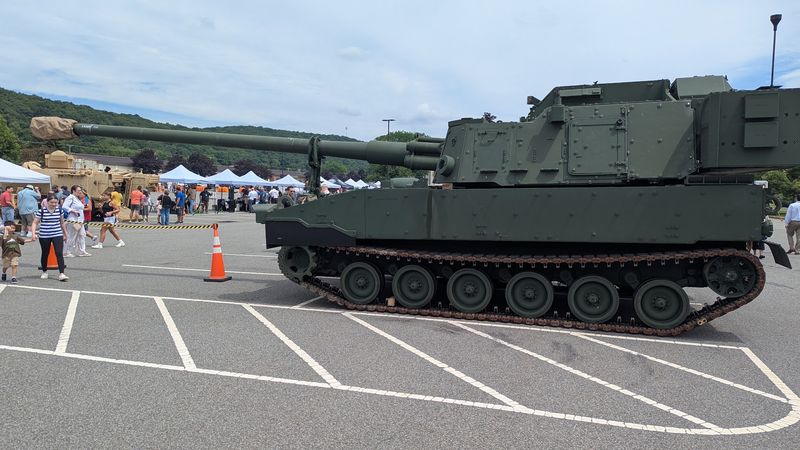
The first surprise for many people is not what Picatinny Arsenal offers, but what it does not offer. It is not presented as an open public museum, a park, or a self-guided history stop.
That distinction matters because some New Jersey places invite casual curiosity, while this one asks for clear purpose and proper access. Public information tied to the base identifies it as a military base, and comments from people familiar with it describe access as limited to those with approved credentials.
That may disappoint someone expecting a spontaneous day trip, but it also protects the character of the place. Picatinny Arsenal is still connected to active government work, which makes it different from older sites that have been fully converted into public attractions.
Inside the controlled setting, people mention base amenities such as a commissary, a small PX or shoppette, bank access, ATMs, a gym, a golf course, and a water park. Those details point to a functioning community rather than a static historical exhibit.
For New Jersey readers, that is part of the fascination. A place can be historically important and still busy with regular business, errands, official tasks, and family routines.
Picatinny Arsenal is not frozen in time, and that is exactly why it remains relevant.
The Near-Disaster Shadow In The Headline
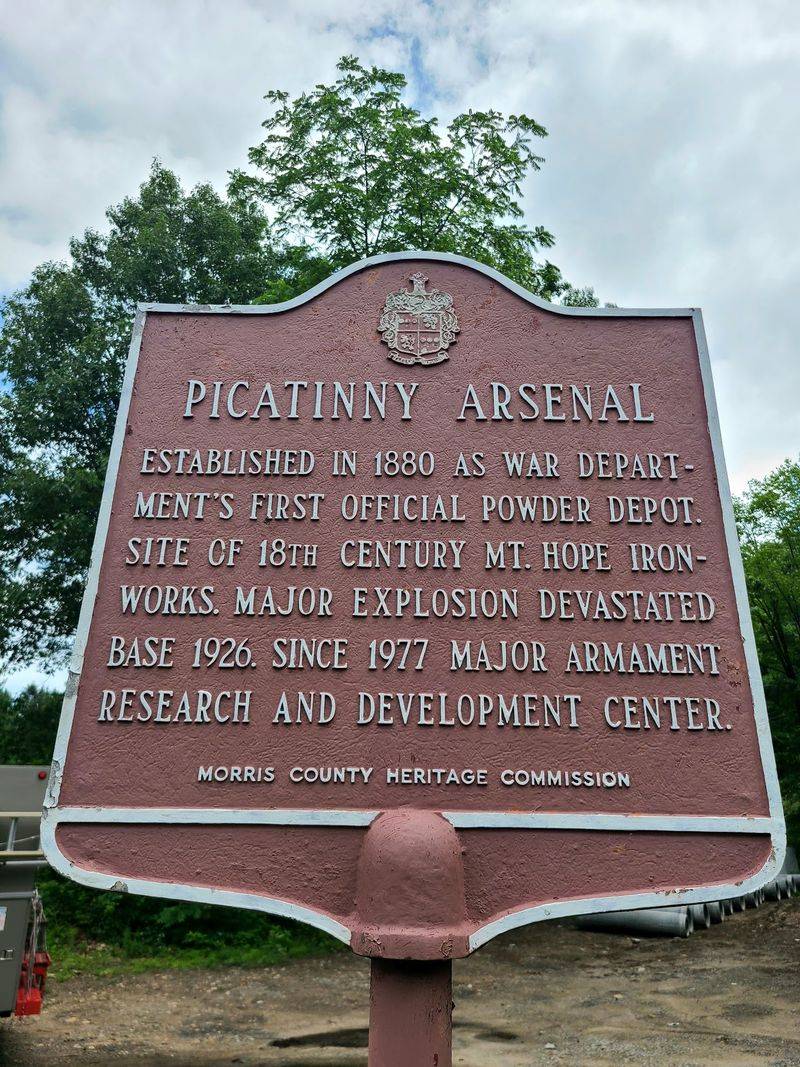
A headline about an old arsenal and a near-disaster naturally raises eyebrows. Picatinny Arsenal carries that kind of intrigue because the name is attached to long-standing defense work, controlled access, and a site that has endured through eras of change.
The specific public listing supplied for the base does not lay out the full historical event behind the near-disaster phrase. Because accuracy matters, the safer reading is to treat the headline as a doorway into the arsenal’s larger reputation rather than as permission to embellish details not provided here.
What can be said clearly is that people connected to the place emphasize its history. Some remember family members working there, some recall childhood experiences tied to organized base events, and others describe the post as small, quiet, and historically meaningful.
That mix creates a different kind of tension. Picatinny Arsenal is not marketed through spectacle, but its long military identity gives it a serious backdrop that ordinary roadside places rarely carry.
Curiosity should be matched with care. The best way to approach this story is not by treating the base as a mystery to crack, but as a New Jersey institution whose past and present both deserve respect.
A good local landmark does not have to reveal everything at once.
A Small And Quiet Post With Deep Local Memory
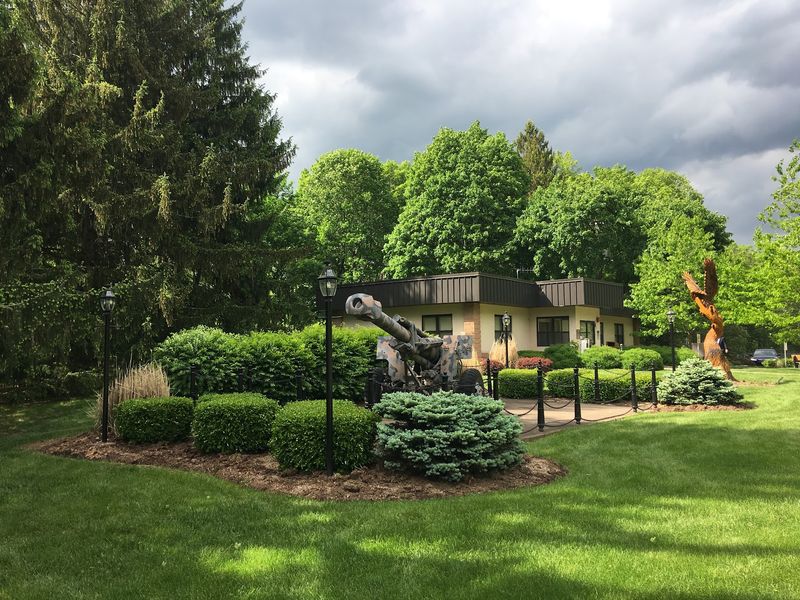
Some places feel important because they are loud about their importance. Picatinny Arsenal seems to work the other way, with several people describing it as small, quiet, and full of history.
That phrase carries a lot of local meaning. In New Jersey, a small and quiet military base can still have generations of family connections, daily work routines, special events, and memories tied to growing up nearby.
One account connected to the base mentions family life there in the late 1940s, including a house that was still standing and well maintained years later. Another recalls childhood memories from base events and family connections to people who worked there.
Those details are not flashy, but they are useful. They show how Picatinny Arsenal has been more than a name on a map for people in and around Morris County.
The base’s local story is also shaped by continuity. People mention returning after years away, recognizing older connections, and seeing the place as part of their own family timeline.
That is one reason the arsenal stands out among New Jersey’s less obvious landmarks. It is not only a government facility.
For some families, it is a chapter marker, a workplace, a childhood setting, and a reminder that major national work often happens in places locals pass every week.
Everyday Amenities Behind The Gate
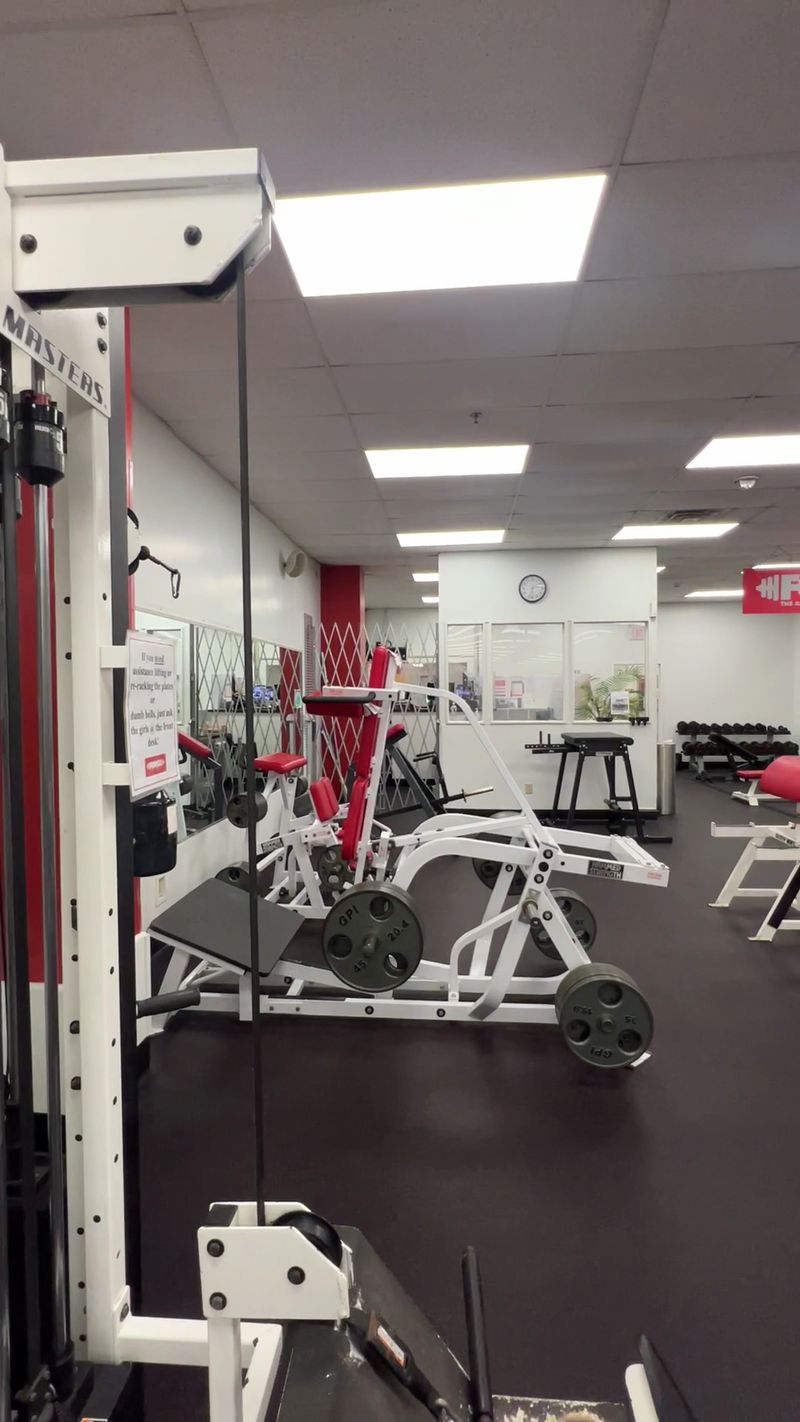
A military base can sound distant until the everyday details appear. At Picatinny Arsenal, public comments mention a full-size commissary, a small PX or shoppette, bank and ATM access, a large gym, a golf course, and a water park.
Those features help explain why the base functions like a contained community for people who are allowed to use it. The practical side matters as much as the historical side, especially for military families, workers, veterans, and others with approved access.
The commissary and PX details come up more than once, though descriptions differ slightly, with one person calling the commissary full-size and another calling it small. That kind of variation is normal when people compare it to other bases they know.
Another useful note is that there is no gas station or car wash mentioned in the supplied public comments. That is a small detail, but the small details are often the ones that help people plan without guesswork.
People also point out that many things are not open past 6. That matches the base’s general weekday pattern and reinforces the idea that Picatinny Arsenal is built around official schedules, not late-day casual wandering.
For those with access, the appeal is convenience inside a controlled setting. For everyone else, the amenities offer a rare glimpse into how a historic arsenal continues to operate as a daily workplace and support hub.
The Golf Course And Green Spaces
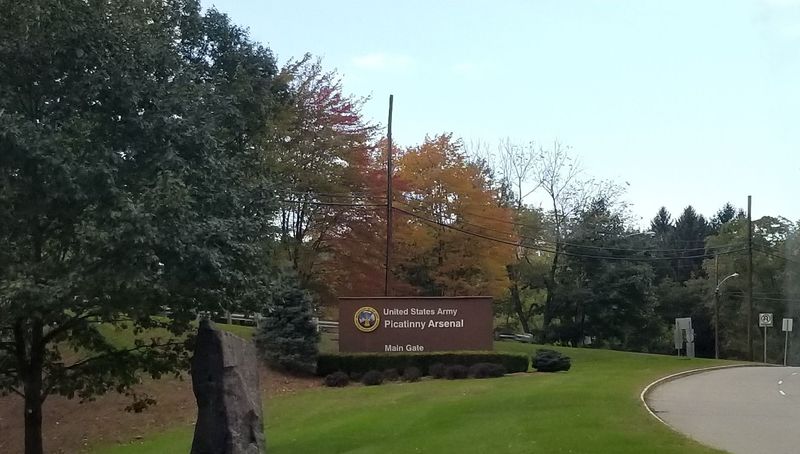
Golf is one of the details that keeps resurfacing when people talk about Picatinny Arsenal. The base is described as having a golf course, and another public comment calls it beautiful while also mentioning reasonable stays for veterans traveling in New Jersey.
That does not make the arsenal a public golf getaway for anyone with clubs in the trunk. Access still depends on eligibility and base rules, and that point should stay front and center.
For those who can use the facilities, the course adds a different layer to the post. It shows how military installations can include recreation and temporary lodging alongside official work and support services.
Public comments also mention clean, very green areas connected to events. The wording is simple, but it paints a useful picture of a base that is maintained for both daily use and organized gatherings.
The mention of cabins and apartments is also relevant for eligible veterans and travelers with proper access. It suggests that Picatinny Arsenal can serve practical travel needs within the rules of the installation.
New Jersey is often reduced to fast roads and dense development by people who do not know it well. Picatinny Arsenal quietly complicates that lazy idea with recreation space, military function, family history, and a Morris County setting that carries more range than outsiders expect.
Lake Denmark As A Gathering Place
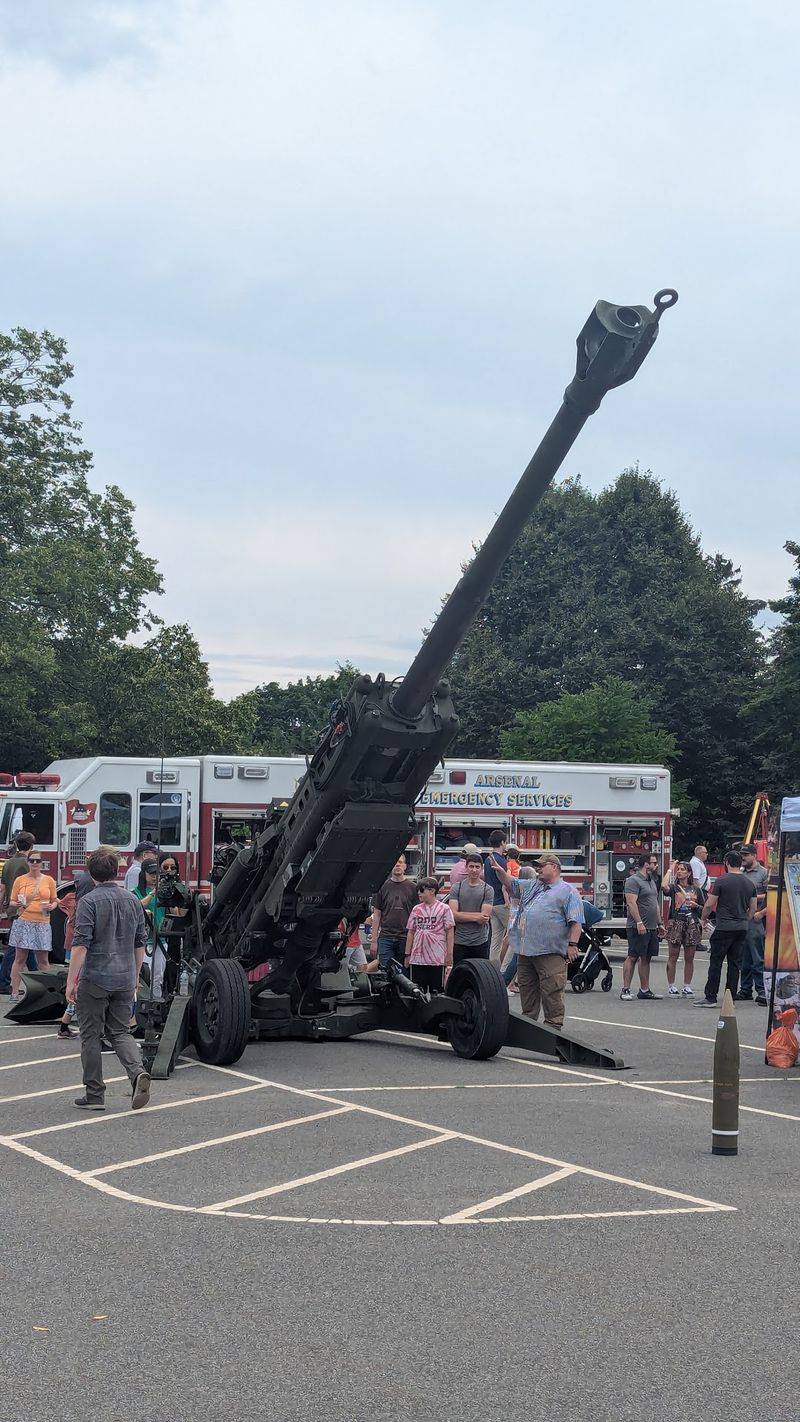
Lake Denmark appears in public comments as a place connected to organized events, including an annual picnic held by a Mustang club and a holiday dinner planned at a clubhouse. That small mention opens a wider window into how the base has interacted with approved groups.
The key word is approved. Picatinny Arsenal is not a free-for-all event venue, and anyone considering an event would need to follow the required process and access rules.
Still, the Lake Denmark detail is worth noticing because it gives the arsenal a community-facing side. A site known for military work can also host gatherings, club events, and family-oriented occasions when arrangements are properly handled.
That community role comes with uneven experiences in the public comments. Some people describe staff interactions as gracious and helpful, while others mention frustration with coordination or communication.
That range is useful because it keeps the story grounded. Picatinny Arsenal is not a polished tourist product with a single public-facing script.
It is a working base where events and access involve procedures, lists, offices, schedules, and the possibility of human error.
For readers, Lake Denmark’s role is a reminder that the arsenal is not only about gates and government identity. It also has spaces where official permission, local groups, and personal milestones sometimes meet.
Family Days And Longtime Connections
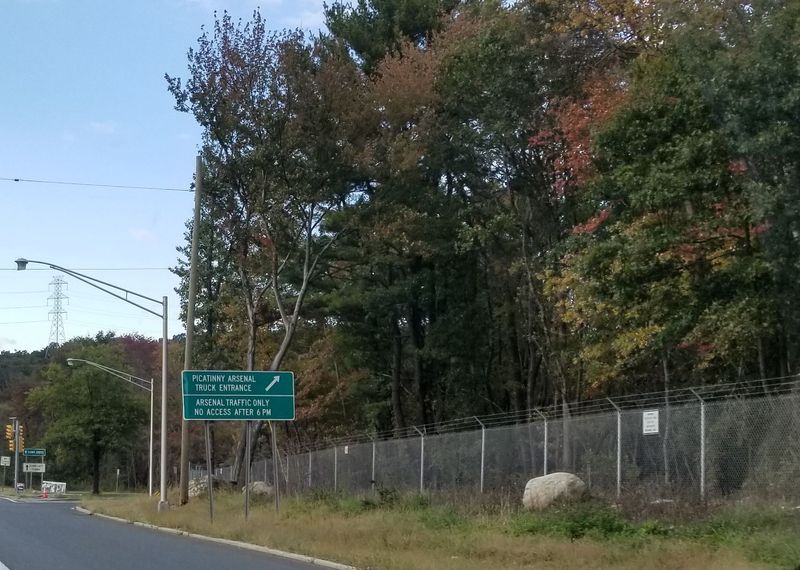
Family stories give Picatinny Arsenal a human scale. Public comments mention Family Day, childhood memories, parents who worked there, and long connections to people employed on the base.
Those details matter because they soften the hard edges of a restricted government facility without ignoring what it is. A base can be serious and still be tied to ordinary family milestones, work histories, and childhood recollections.
One memory references Picatinny Day from years ago, including activities that were part of that person’s childhood experience on base. Another mentions being thankful to have a base so close by and meeting people who worked there later in life.
There is also a family-history thread reaching back decades, including a person who lived there as a child while a parent served in a finance role. The same account notes that the former house was still present and well maintained.
Those memories should not be treated as open invitations for the public to roam the property. Instead, they show how Picatinny Arsenal has shaped personal timelines for people with legitimate ties to it.
For New Jersey residents, that is part of the hook. Places like this can sit behind gates and still belong to the state’s shared story, especially when generations have worked, lived, gathered, or returned there with a reason.
Quiet Professionals And Important Work
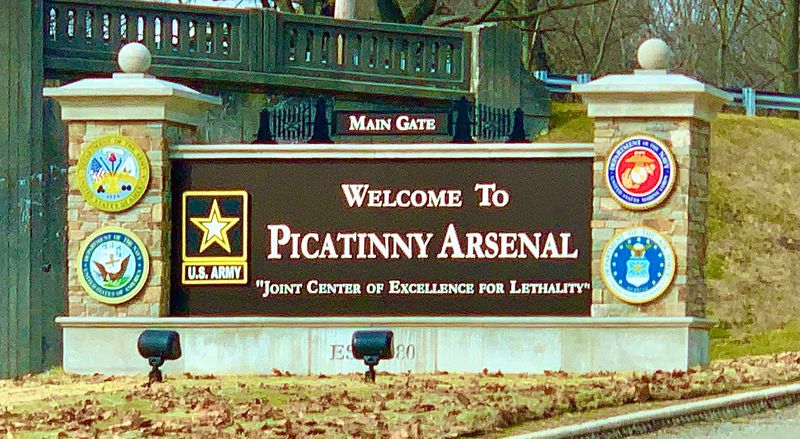
National defense work often happens far from public attention, and Picatinny Arsenal fits that pattern. One public comment describes a lot of important work taking place there and refers to dedicated people doing that work quietly.
That wording helps explain why the base has a serious reputation even among people who only know it from the outside. Its importance is not built on spectacle.
It comes from its continued role as a military installation and the people assigned to its daily mission.
Because the supplied data does not spell out specific programs, the article should not guess at them. The accurate point is simpler: Picatinny Arsenal is a working military base, and people familiar with it connect the site with meaningful defense-related activity.
That restrained description is better than overpromising. Readers do not need classified details or inflated claims to understand that the base matters.
The local pride angle is also strong here. New Jersey residents often push back against lazy stereotypes about the state, and Picatinny Arsenal gives them another reason to do it.
Behind an address in Wharton is a place associated with skilled work, long service, controlled access, family life, and military purpose. That is a lot of weight for a spot many drivers may only register as a sign along the road.
Access Rules That Shape The Experience
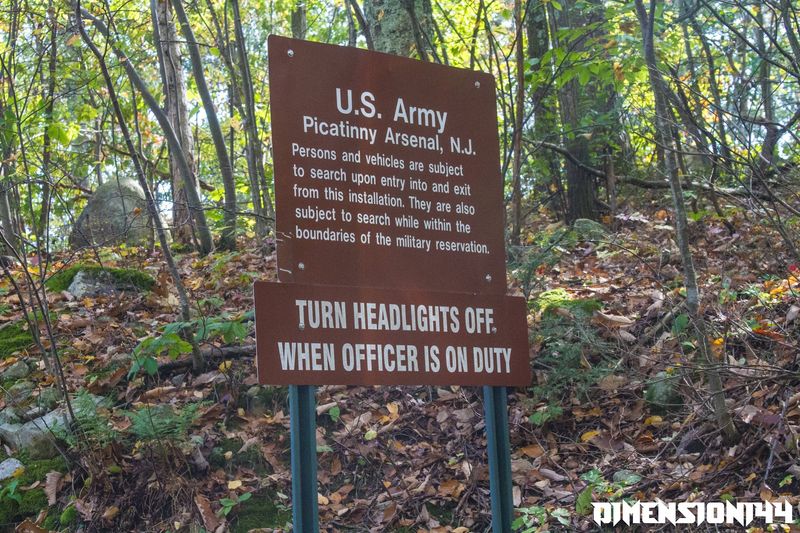
The biggest practical fact about Picatinny Arsenal is also the easiest to overlook. Entry is restricted, and public comments state that people need a Military ID, benefits card, or access card.
That rule shapes every possible plan. Picatinny Arsenal should not be treated like a roadside museum, historic house, or open county park.
One comment also notes that only one gate is open 24/7 off Highway 15. That is useful context for people who already have a valid reason and authorization to enter, but it is not a workaround for those without access.
The access system also explains why some public experiences differ sharply. People with smooth official business describe helpful staff and easy transactions, while others who expected event access mention frustration when their names were not properly handled.
That contrast is not surprising for a controlled facility. Lists, approvals, credentials, and correct procedures matter more here than they would at a casual attraction.
For readers thinking about Picatinny Arsenal as a New Jersey point of interest, the takeaway is simple and respectful. Learn about it, recognize its place in Morris County, and do not assume public entry unless official access has been arranged.
Curiosity is welcome on the page, but the gate has rules.
Weekday Hours And A Closed Weekend Rhythm
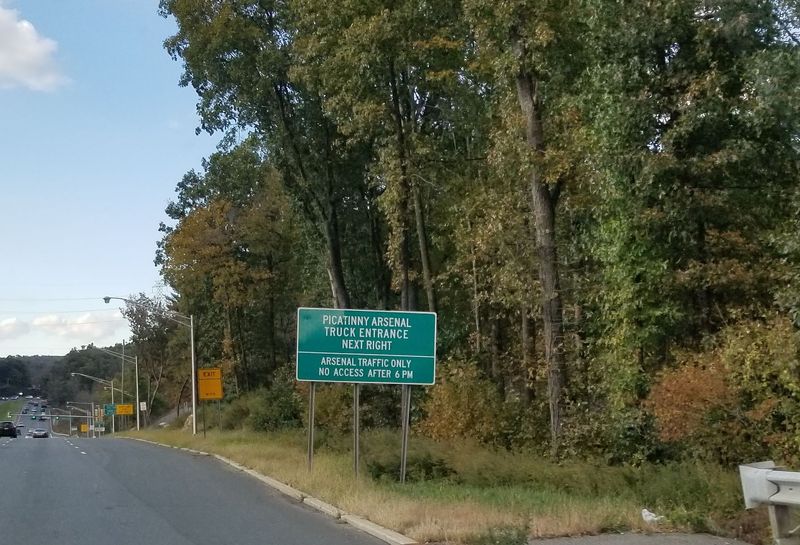
Planning around Picatinny Arsenal means paying attention to the clock. The current Google Maps listing shows the base closed on Sunday, open Monday through Friday from 7 AM to 5:45 PM, and closed on Saturday.
That schedule lines up with comments noting that nothing is open past 6. For anyone with approved access, that is the kind of detail that can prevent a wasted trip.
The listed status also says closed with an opening time of 7 AM Monday. That matters for people checking access, appointments, errands, or official business tied to the installation.
Weekend travelers should be especially careful. Many New Jersey day trips work best on Saturday or Sunday, but Picatinny Arsenal does not fit that casual weekend pattern according to the listed hours.
The weekday rhythm reinforces what the place is. This is a working military base with operations and services shaped around official schedules, not a public attraction built for leisure traffic.
There is no admission cost listed in the provided data, and because access is restricted, it would be misleading to frame the arsenal as a ticketed destination. The better advice is to check official information, confirm eligibility, and handle arrangements before heading toward Route 15.
Picatinny rewards preparation more than spontaneity.
Getting There From New Jersey Roads

Route 15 gives Picatinny Arsenal its most practical public reference point. The official address, 213 NJ-15 in Wharton, places the base along a well-known Morris County roadway used by plenty of North Jersey drivers.
That does not mean the trip should be handled casually. A person without proper access should not expect to arrive at the gate and turn the outing into a tour.
For eligible personnel, workers, veterans with applicable credentials, invited event guests, or others with authorized reasons to enter, the Route 15 location makes the base straightforward to locate. Public comments also point to a 24/7 gate off Highway 15, though access still depends on credentials and approval.
The town and county context help explain why Picatinny Arsenal feels both tucked into local life and separate from it. Wharton and the surrounding Morris County area are familiar to many New Jersey residents, yet the base remains a controlled federal space.
That contrast is part of its identity. It is nearby, but not open-ended.
It is visible in local conversation, but not casually accessible.
Anyone researching it for a story, family connection, official appointment, or eligible visit should start with the official website listed for the base: https://home.army.mil/picatinny. A few minutes of checking can save a lot of awkward gate-side confusion.
A Soft Verdict For Curious New Jerseyans
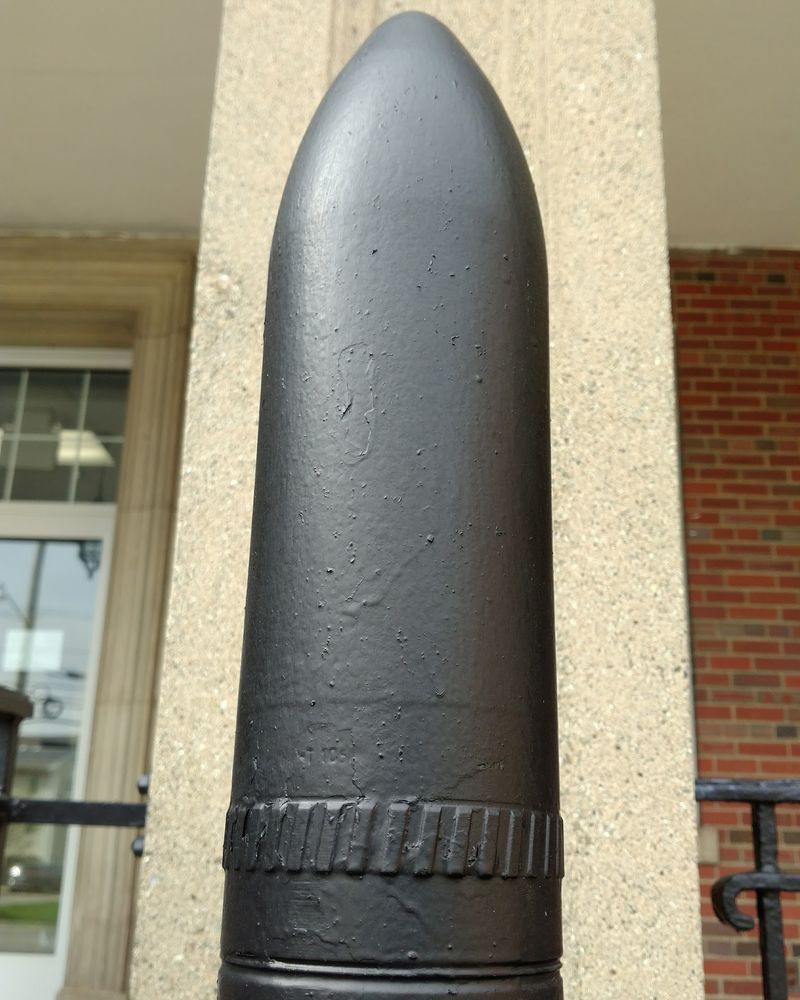
Picatinny Arsenal is not a typical travel stop, and that is exactly why it deserves a careful place in New Jersey’s story. It stands as a working military base, a site with deep local memory, and a Morris County landmark that many people know by name even if they never pass the gate.
The public information paints a layered picture. There are mentions of history, family days, long-running work connections, green spaces, a golf course, base shops, housing help, veteran stays, and official access rules.
There are also reminders that communication and event access can be imperfect, especially when names, lists, and permissions are involved. That honesty makes the destination feel more real, not less meaningful.
For casual day-trippers, the verdict is clear: Picatinny Arsenal is better understood than attempted as a spur-of-the-moment visit. It is restricted, weekday-oriented, and built around official purpose.
For eligible guests, workers, military families, veterans, and those with approved reasons to enter, it may offer a small, quiet base experience with practical amenities and a strong sense of continuity. For everyone else, it remains one of those New Jersey places that proves the state has serious history hiding in plain sight.
The gates matter, but so does the story behind them. Picatinny Arsenal still stands, and New Jersey is more interesting because it does.
Share this story