Most of Indiana’s original forests were cleared long ago, replaced by the endless cornfields and soybean rows that define the state’s landscape today. But tucked away in Shelby County, there is a 60-acre patch of woodland that somehow survived the plows, the loggers, and the developers.
The trees here are not just old, some of them have been standing for roughly 400 years, which means they were already mature before the first European settlers arrived in this part of the country. This is not your average neighborhood park trail.
This place is a genuine old-growth forest preserve, one of the rarest natural features left in Indiana, and it sits just outside Shelbyville waiting for anyone curious enough to make the drive. Here is everything worth knowing before you go.
The Story Behind Meltzer Woods
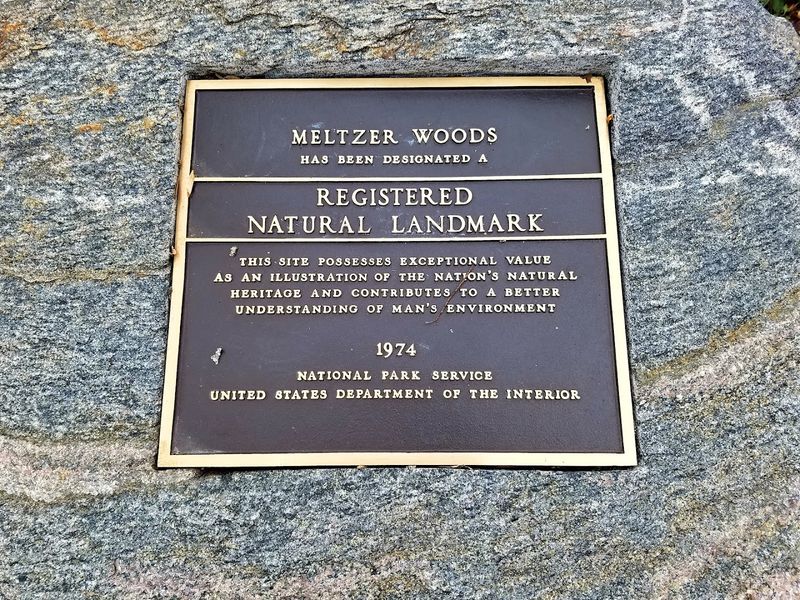
The Meltzer family once owned this land, and the surrounding area was even called Meltzerville at one point, a small rural community that has mostly faded from the map but left its name on this remarkable patch of trees.
What makes the history especially compelling is that the forest survived simply because it was never cleared. While neighboring landowners converted their acreage to farmland, the Meltzers held onto their woods, and those trees kept growing decade after decade.
The Indiana chapter of The Nature Conservancy eventually acquired and protected the land, ensuring that no future development could threaten it. A small educational display near the trailhead fills in the background on both the forest and the Meltzerville community, giving the visit a bit of local context that makes the whole experience more meaningful.
Walking through a forest with that kind of backstory adds a quiet weight to every step on the trail.
Trees That Were Alive Before the Pilgrims Arrived
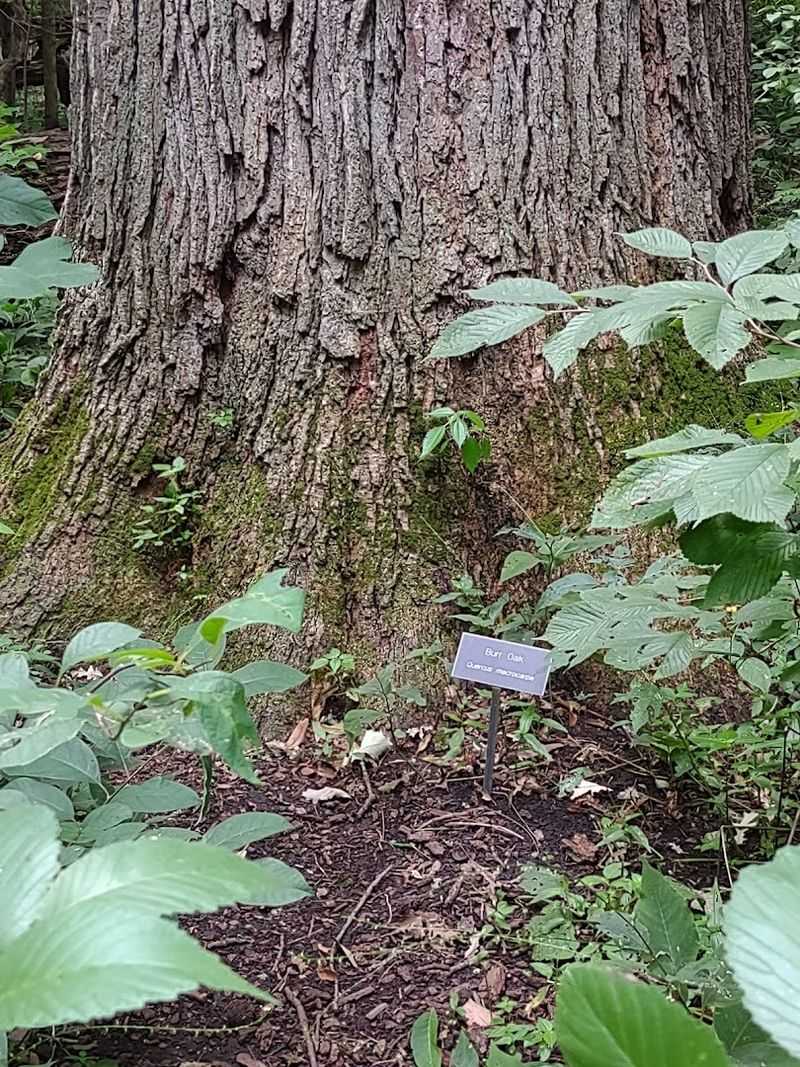
The headlining feature of Meltzer Woods is straightforward: some of these trees are estimated to be around 400 years old, which puts their germination date somewhere in the early 1600s.
To put that in perspective, those seedlings were pushing through the soil around the same time the Mayflower was being built in England. The dominant species in the preserve include bur oak, chinkapin oak, and shagbark hickory, many of which have grown to enormous proportions with trunks that would take two or three adults to wrap their arms around.
The sheer scale of the trees is what tends to stop people mid-trail. These are not just old trees in the way a 50-year-old oak is old.
They are legitimately ancient by any standard, and standing next to one gives a very clear sense of how small and temporary most human activity really is.
That feeling is hard to replicate anywhere else in the state.
What the Trail Actually Looks Like
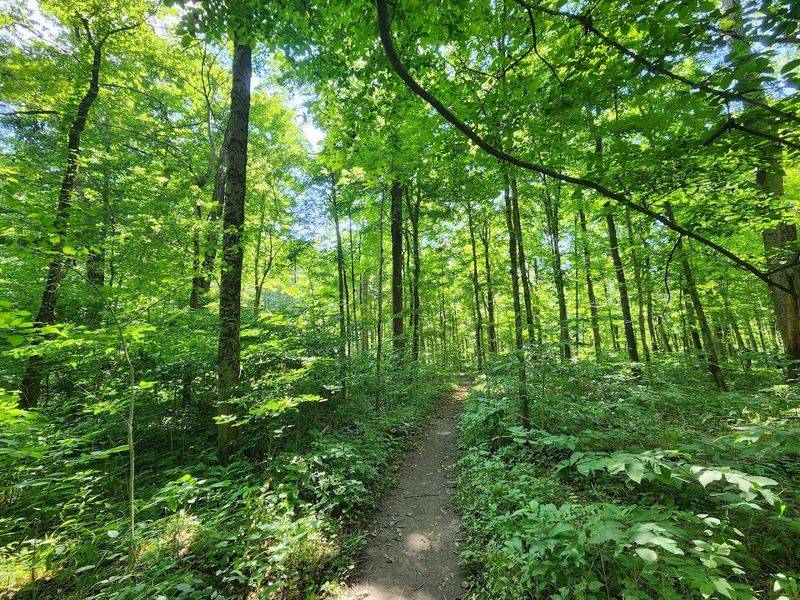
The trail at Meltzer Woods is a 1.3-mile loop that includes a spur trail, though the main loop itself runs closer to one mile. The terrain is flat throughout, which makes it accessible for most fitness levels, including families with young children.
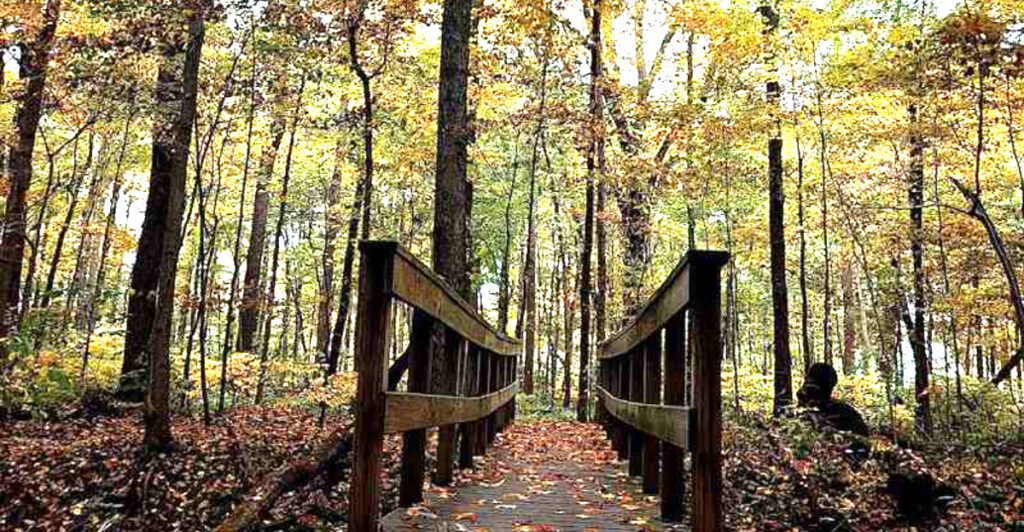
Several wooden bridges and boardwalks cross the small creek that winds through the preserve, and those structures are well-maintained and easy to walk across. The path is clearly marked with signs, so getting turned around is not really a concern even for first-time visitors.
One practical heads-up worth taking seriously: the trail can get genuinely muddy after rain. Some sections narrow down considerably and the ground holds moisture well under the dense canopy.
Wearing waterproof boots after any recent rainfall is a smart move, and skipping the stroller on wet days will save a lot of frustration on the back third of the loop, which tends to hold mud the longest.
The Creek That Runs Through the Heart of the Forest
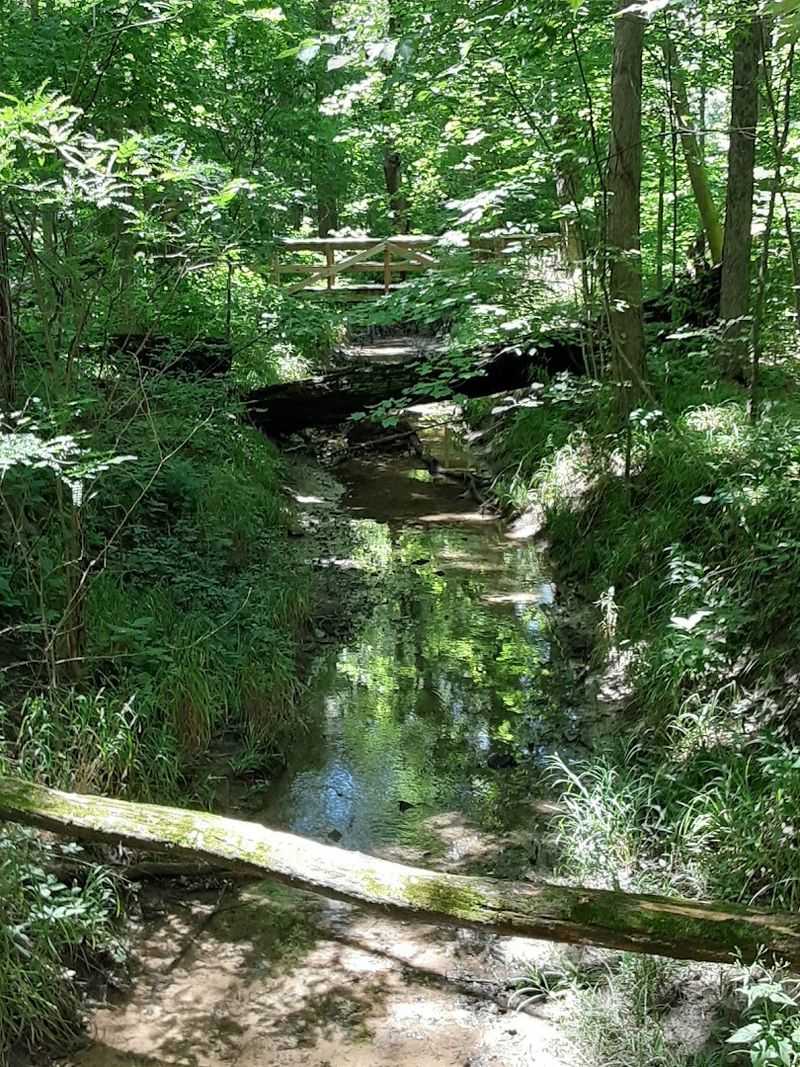
A small creek cuts through the middle of Meltzer Woods, and it adds a completely different element to the preserve beyond just the trees. The water runs clear on dry days, and the creek banks are lined with exposed roots from the surrounding old-growth trees.
The creek crossings on the trail are handled by the wooden bridges mentioned earlier, so keeping your feet dry is possible even in moderate conditions. But the creek itself is worth pausing at, not just crossing over.
The way the water moves through the roots and around the ancient trunks gives the forest floor a layered, complex look that photographs well and rewards slow observation.
Wildlife tends to concentrate near the water, so the creek corridor is a good place to watch for frogs, salamanders, and various bird species that favor wet woodland edges.
A Jefferson Salamander has been spotted along this stretch, which is a fairly uncommon find in Indiana.
Birdwatching in an Old-Growth Forest
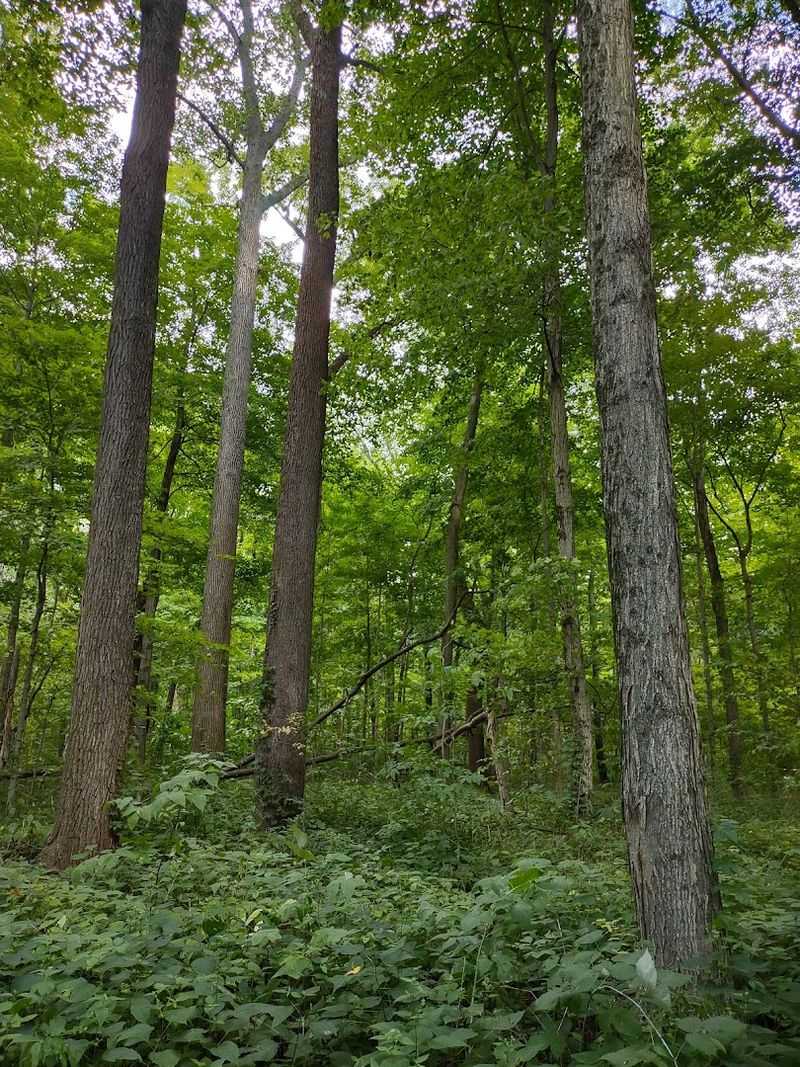
Meltzer Woods turns out to be a serious destination for birdwatchers, not just a casual backdrop for a nature walk. The preserve is large enough that different bird species establish separate territories within the forest, which means the variety of species present at any one time can be genuinely impressive.
Birders visiting during a single outing have recorded between 20 and 25 species in one session, which is a strong number for a 60-acre preserve. The Eastern Towhee is one of the more eye-catching species spotted here regularly, and the mix of old trees, dense understory, and water habitat creates conditions that attract a wide range of woodland birds.
Spring and early summer are the best seasons for birdwatching at Meltzer Woods, when migratory species pass through and resident birds are most active.
One practical note: cell service tends to disappear inside the woods, so downloading an offline bird identification app before arriving is a good idea.
Wildflowers and Understory Plants Worth Noticing
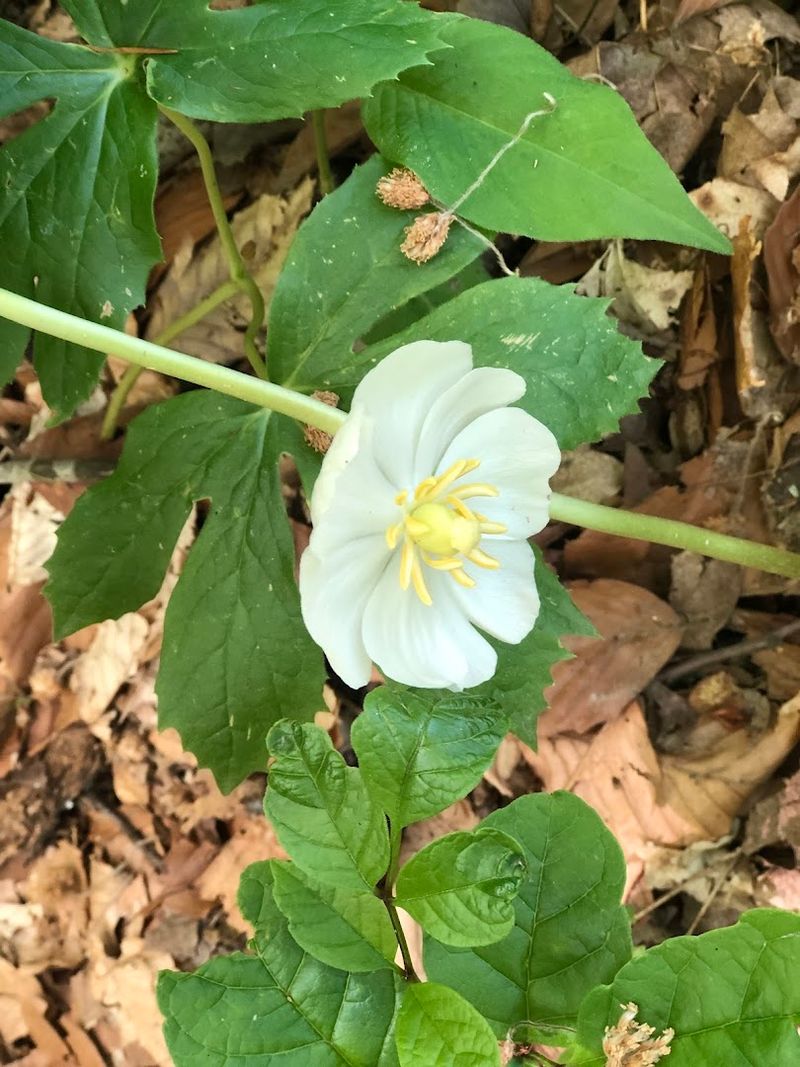
The ground layer of Meltzer Woods is as interesting as the canopy above it, especially in spring and early fall when wildflowers are active. Ephemeral spring flowers push up through the leaf litter early in the season, and the understory fills in with native plants that thrive under the old-growth canopy.
Because the forest has never been cleared or replanted, the plant community here reflects what Indiana woodlands naturally looked like before large-scale land conversion. That ecological continuity is rare, and it shows in the density and diversity of the understory vegetation.
Poison ivy is present along parts of the trail, particularly in sections where the path narrows, so wearing long pants is a reasonable precaution especially in warmer months. The wildflower season in early spring is considered one of the best times to visit, when the forest floor is active before the canopy fully leafs out and blocks the light.
Fallen Trees That Are Still Alive
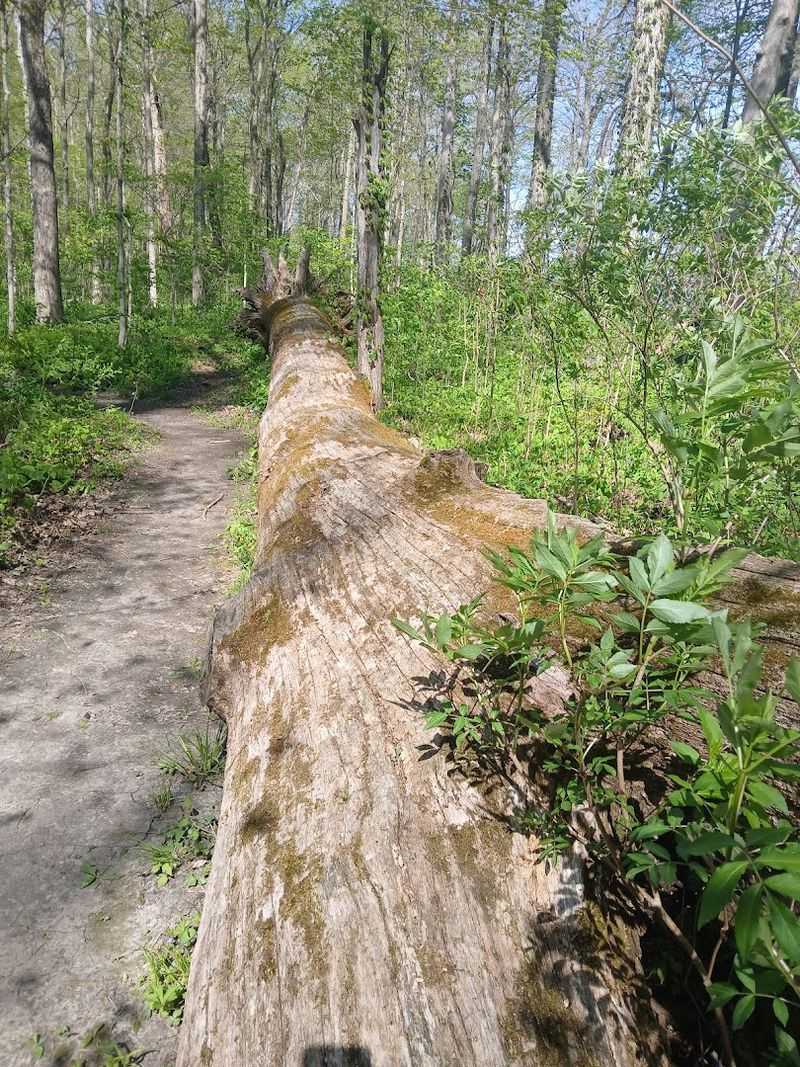
One of the more unusual things about Meltzer Woods is the presence of fallen and heavily damaged trees that are still alive, still growing, and still producing new branches despite being mostly on the ground or structurally compromised.
This happens because the surrounding trees send nutrients through interconnected root systems to support their struggling neighbors, a process that foresters and ecologists find genuinely fascinating. The result is trees that look like they should be long gone but are stubbornly continuing to regenerate.
Seeing this in person is one of those things that changes how a person thinks about forests. These are not just collections of individual trees competing for resources.
They are functioning communities with real interdependence, and Meltzer Woods offers some vivid, easy-to-spot examples of that dynamic.
The fallen trees also create habitat layers that support fungi, insects, and small mammals, adding to the overall biodiversity of the preserve in ways that a tidy, managed park simply cannot match.
Why This Forest Is So Rare in Indiana
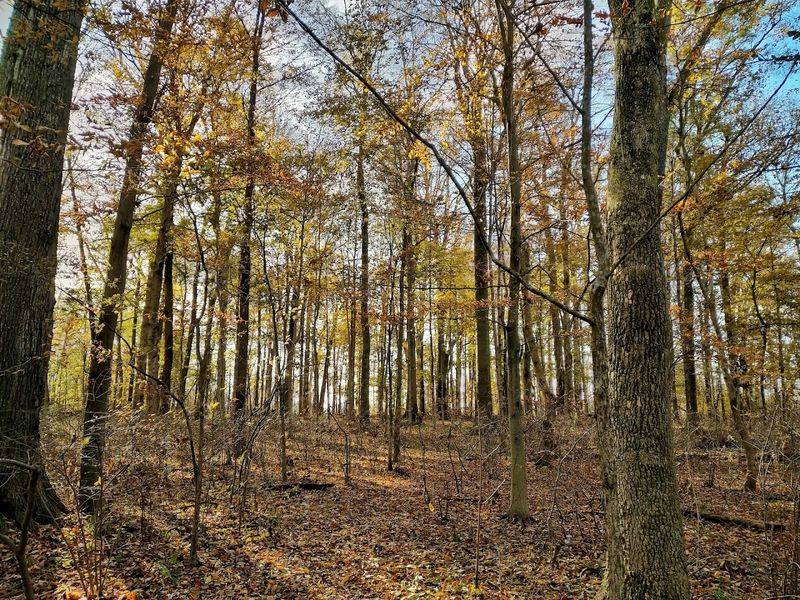
Indiana was once heavily forested, with vast stretches of woodland covering much of the state before European settlement and large-scale agriculture transformed the landscape. Today, less than one percent of Indiana’s original old-growth forest remains, which makes every surviving patch extraordinarily significant from an ecological standpoint.
Meltzer Woods represents one of the best-preserved examples of that original forest cover in the entire state. The trees have never been logged, the soil has never been tilled, and the plant and animal communities have been allowed to develop continuously for centuries without major disruption.
That kind of ecological continuity cannot be recreated once it is lost. A replanted forest may eventually grow tall, but it takes hundreds of years to develop the structural complexity, the soil biology, and the species diversity that define a true old-growth ecosystem.
The fact that this 60-acre preserve exists intact in the middle of Shelby County farmland is, by any measure, a small ecological miracle worth protecting.
Best Times to Visit and What to Bring
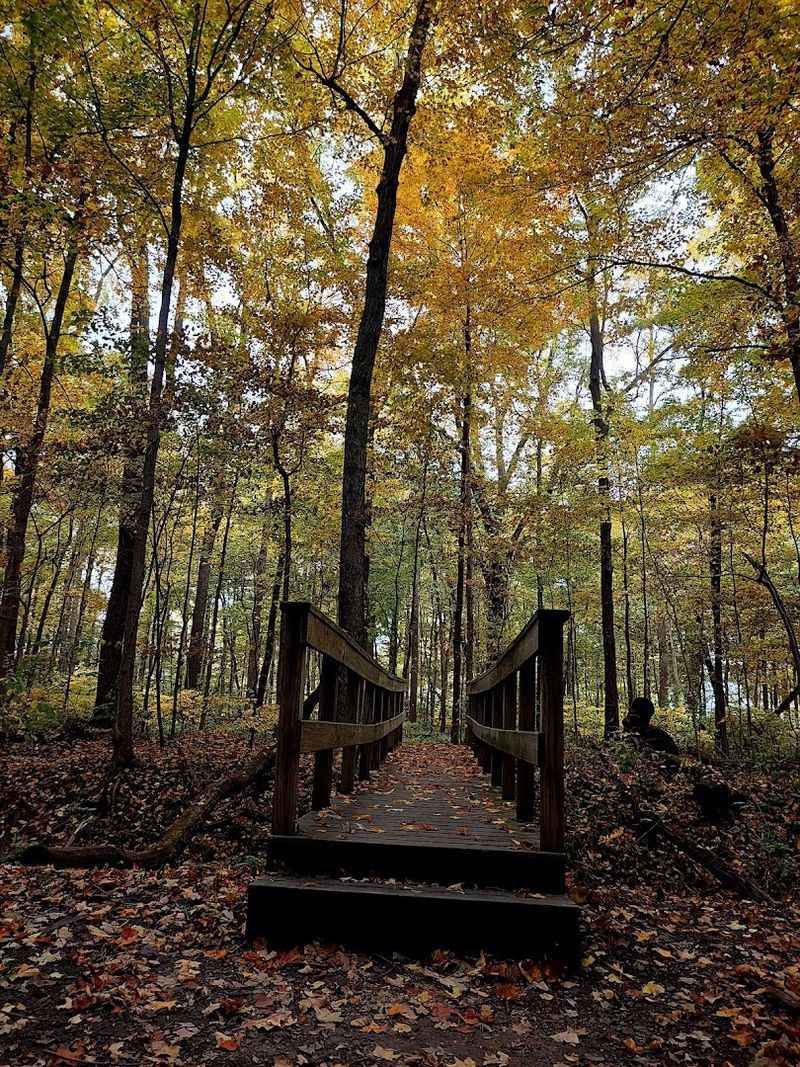
Meltzer Woods is open year-round, and each season offers something different. Spring is the peak season for wildflowers and birdwatching, while fall brings the color change across the old-growth canopy in a way that makes the massive trees even more visually striking.
Winter visits are quieter and give a clearer view of the tree structure without the leaf cover, which can actually make the scale of the oldest trunks easier to appreciate.
The most important practical consideration is trail conditions after rain. The flat terrain holds water well, and sections of the path can become significantly muddy within a day or two of any rainfall.
Waterproof hiking boots are strongly recommended whenever there has been recent precipitation.
Cell service is unreliable inside the preserve, so downloading offline maps or trail guides before arrival is worth doing. There are no restroom facilities on site, so planning accordingly before leaving the car is a good habit to develop.
A Closing Walk Through Something That Almost Disappeared
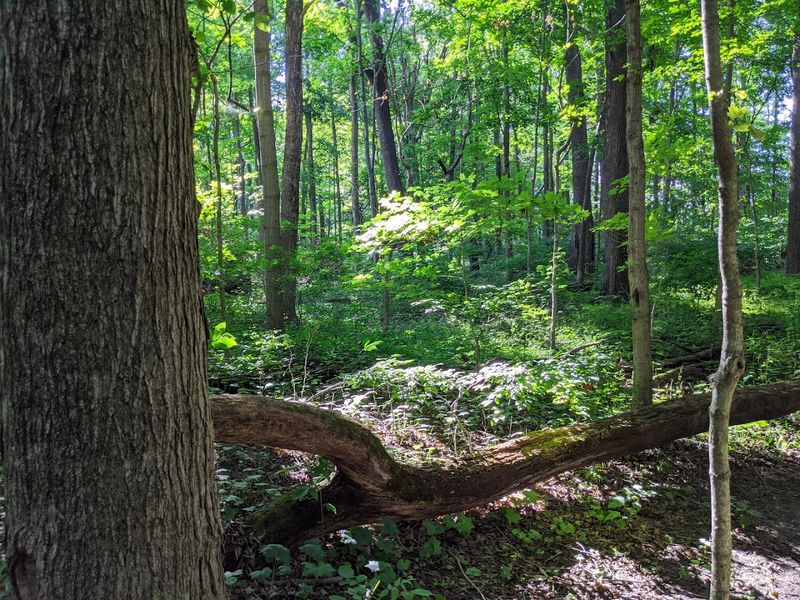
There are not many places in Indiana where a person can walk through a forest and know with reasonable certainty that the trees overhead were already old when the country was still a set of British colonies. Meltzer Woods is one of those places, and its survival feels less like a given and more like a fortunate accident of history.
The Meltzer family held onto their land when others were clearing theirs. The Nature Conservancy stepped in to protect it permanently.
And now a 1.3-mile loop trail gives anyone willing to make the drive to Shelbyville a chance to walk through something genuinely ancient.
The preserve does not have a gift shop, a visitor center, or a food stand. What it has is 60 acres of forest that has been standing, growing, and functioning as a living ecosystem for four centuries.
That is more than enough reason to lace up a pair of boots and go see it for yourself.
Where Exactly to Find This Ancient Forest
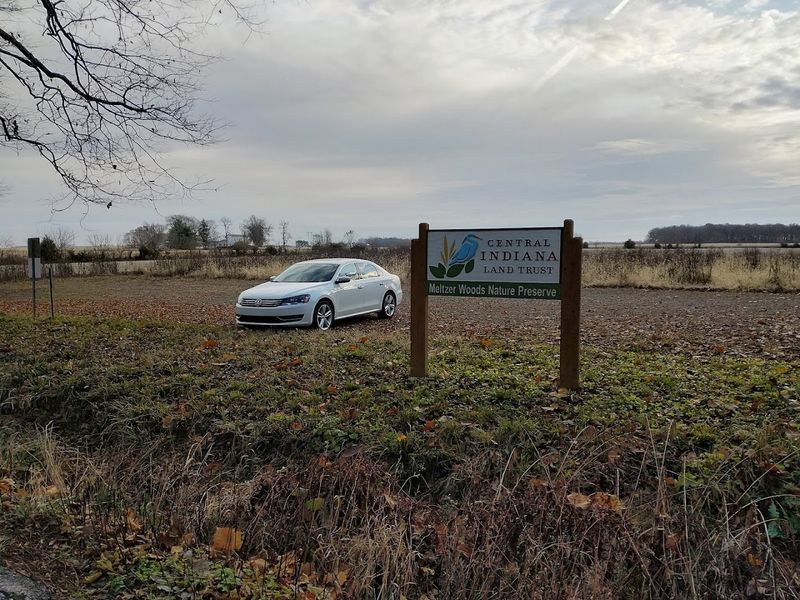
Meltzer Woods is a nature preserve managed by the Indiana chapter of The Nature Conservancy, and it sits at 1522 S 600 E, Shelbyville, IN 46176, right in the middle of Shelby County farmland.
Getting there requires a short drive through rural roads lined with cornfields, which makes the sudden appearance of a dense, towering forest feel almost unexpected.
The preserve is open year-round, and there is no entry fee for hiking the trail. A well-maintained gravel parking lot on the north side of the road accommodates more than 20 vehicles, which is more than enough for the number of people who typically visit on any given day.
One important detail to keep in mind: the actual preserve and trailhead are on the south side of the road, directly across from the parking lot exit. The signage is clear, so finding the trail entrance is straightforward once you park.
Share this story