Somewhere in Oregon’s high desert, past a stretch of woodland that suddenly opens into wide, sun-baked plains, sits a cluster of old buildings most travelers zip right past. Step inside and you can practically hear the pioneers who once called these walls home, with dusty tools you’re actually allowed to pick up and floors that groan under your feet.
It’s the kind of quiet, unhurried place that rewards the curious few who stop instead of speeding on. If you love feeling like you’ve stumbled onto a secret, this one belongs on your list.
A Pioneer Village Tucked Into the High Desert
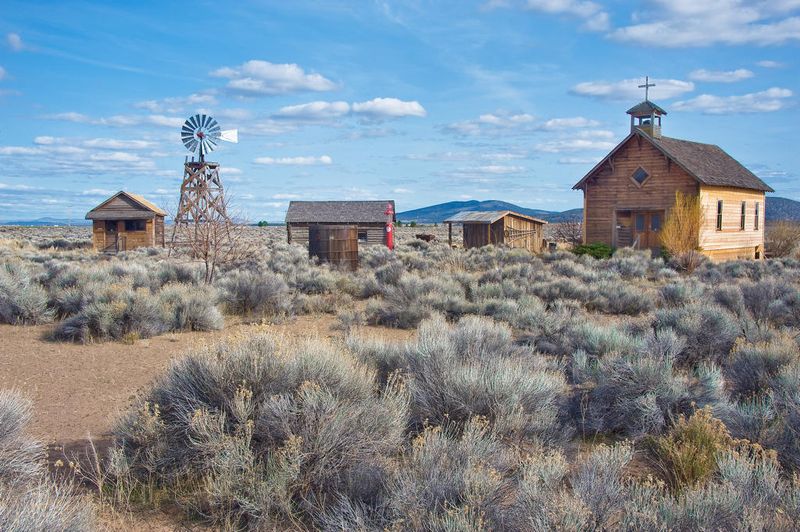
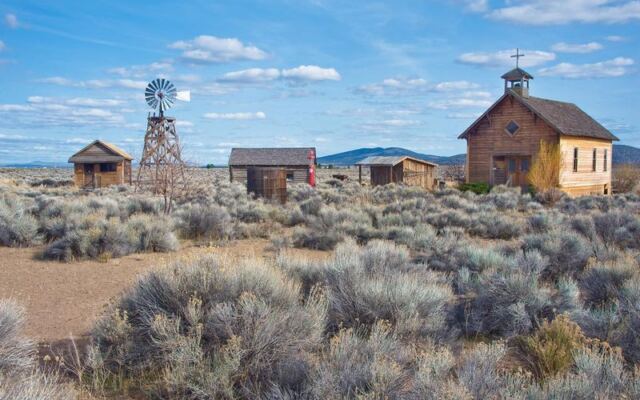
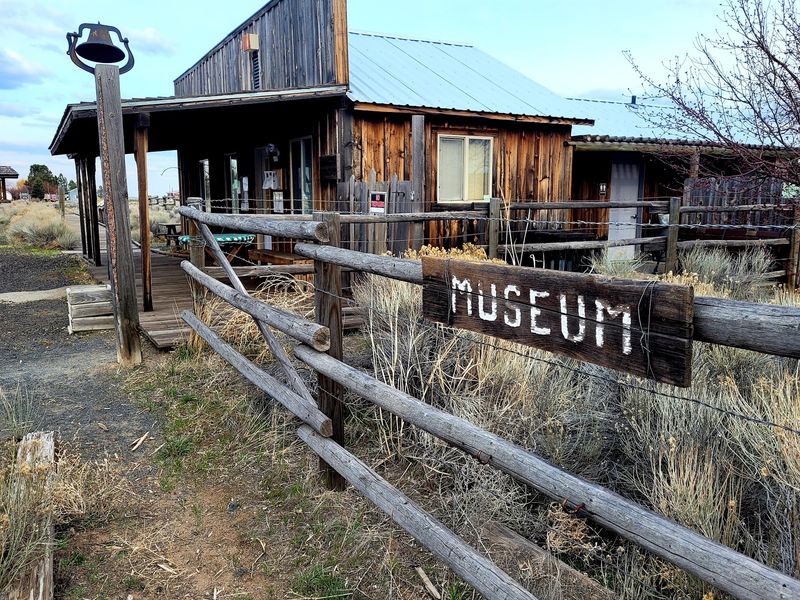
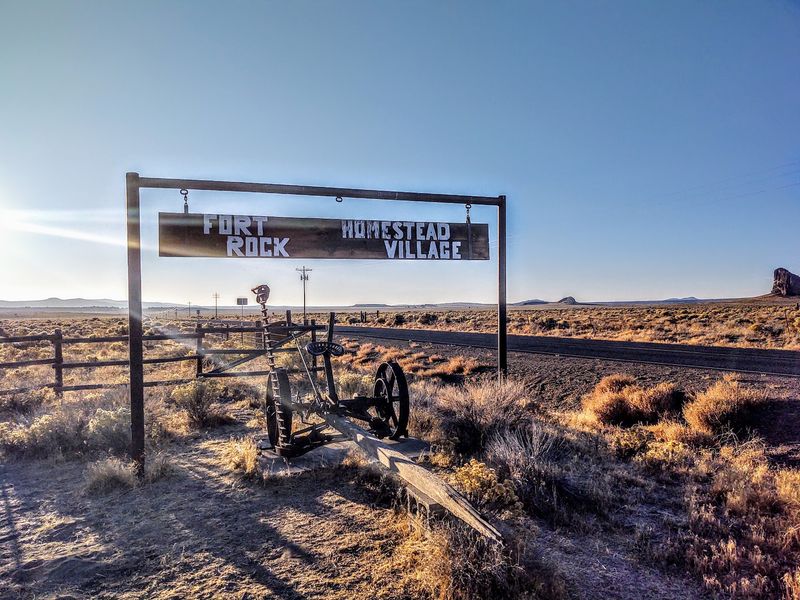
Roughly an hour and a half southeast of Bend, the road carries you through pine woodland before spilling out into open desert, and that shift alone feels like crossing into another world. Right there, near the tiny community of Fort Rock, sits a whole village of relocated homestead buildings gathered into one place.
What you’re looking at isn’t a movie set. Each cabin, store, and structure was a real building saved from homesteads scattered across eastern Oregon and carefully brought here to be preserved.
The idea is simple but powerful. Instead of reading about frontier life on a plaque, you walk right through it, room by weathered room, on land that still looks much like it did when settlers first arrived.
How a Scattered Frontier Was Gathered in One Spot
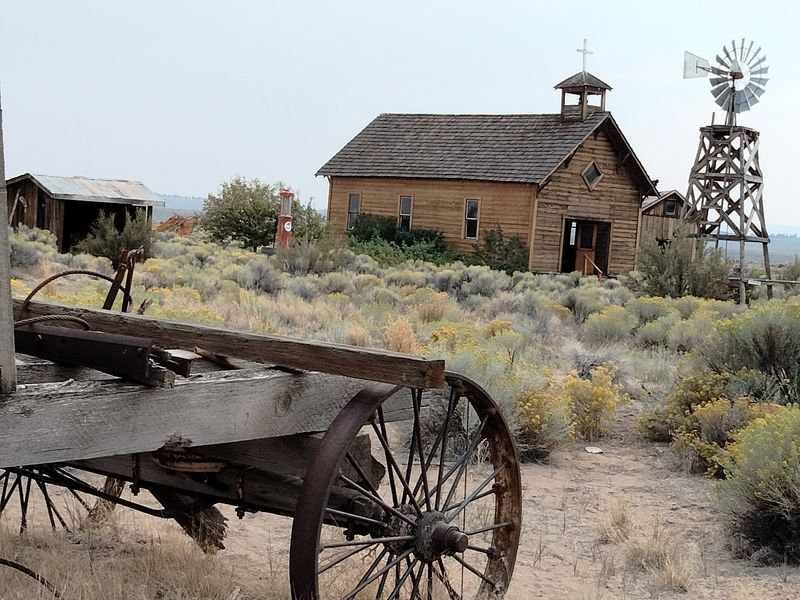
Long before anyone dreamed of a museum, these buildings stood alone on isolated ranches and farmsteads across the wide-open country of eastern Oregon. Families lived, worked, and weathered brutal winters in them.
Rather than let those structures fade into the landscape, the local community banded together to move them, one by one, into a single village where their stories could stay alive. Visitors often point out how much foresight that took.
The result is a rare kind of collection. You get homes, stores, log cabins, and a church all in one walkable spot, each carrying the fingerprints of the real people who built and used them.
Buildings You Can Actually Wander Through
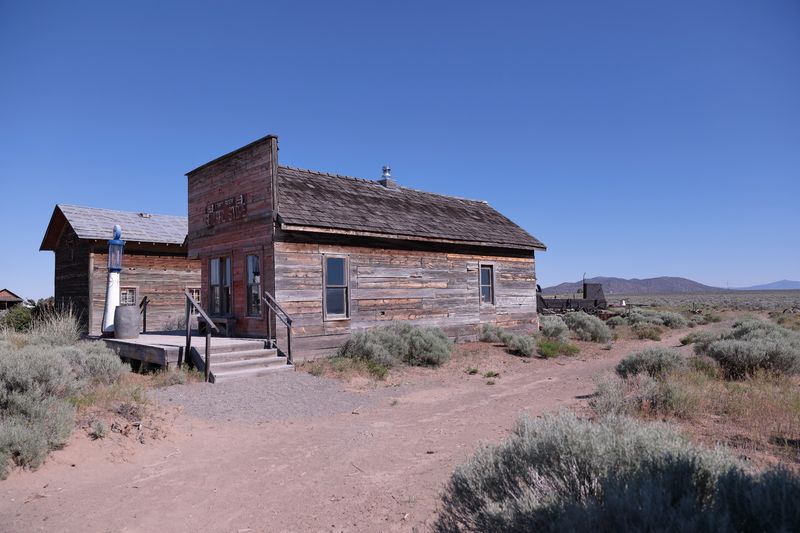
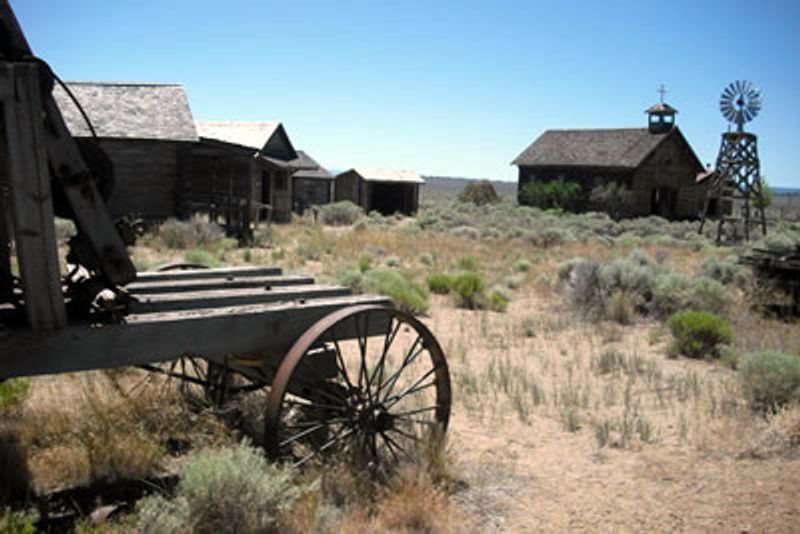
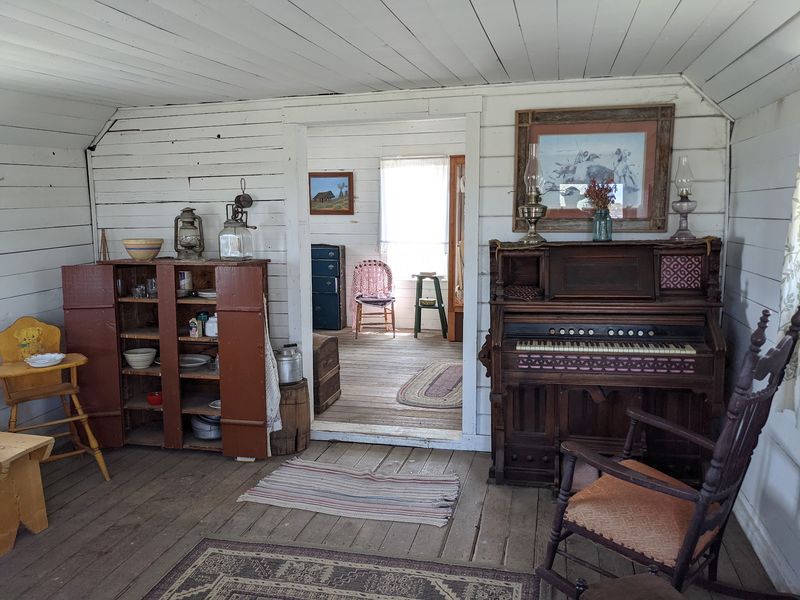
Preserved buildings are the heart of this place, and folks mention them again and again as the reason to visit. There’s a church, log cabins, old stores, and homes, each one furnished and staged like the owners just stepped out.
Walking from one structure to the next, you get a genuine sense of how compact and resourceful frontier living had to be. Every corner holds something worth a second look.
Regulars who love old architecture describe the buildings as remarkably well kept, saved from decay by people who clearly cared. If creaking floorboards and hand-hewn beams make your imagination spark, you’ll linger far longer than you planned.
Artifacts You’re Invited to Touch
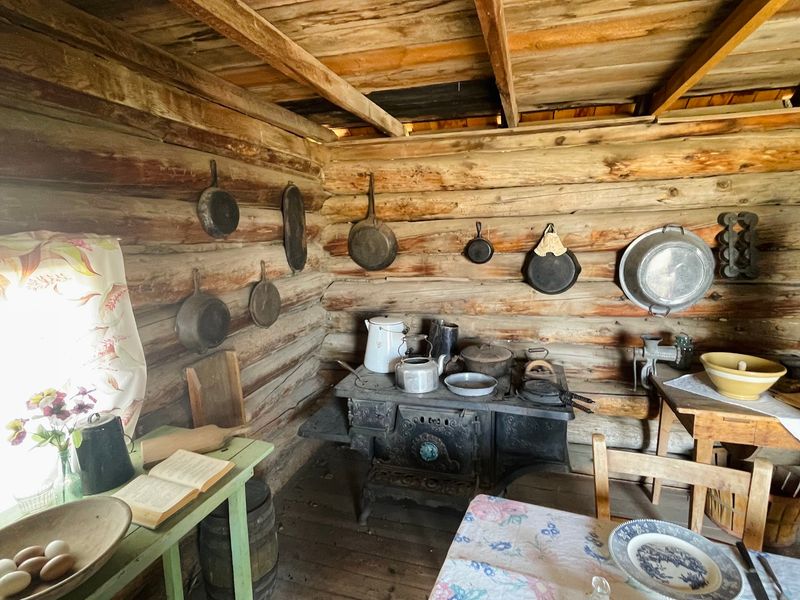
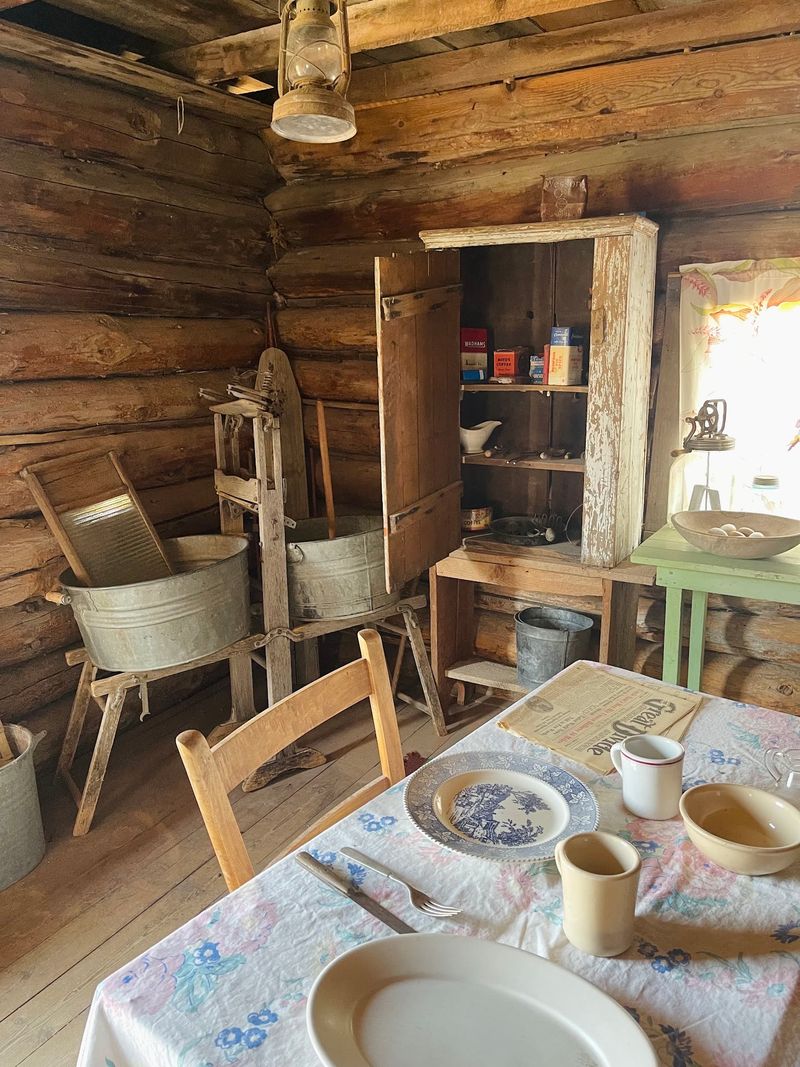
Here’s a detail that surprises almost everyone: you’re actually allowed to handle many of the objects on display. In an age of ropes and do-not-touch signs, that hands-on freedom feels refreshing and rare.
Cabins, stores, and other buildings brim with everyday items from the late 1800s and early 1900s, from farm tools to household trinkets. One visitor marveled at a hunk of steel once used to straighten saw blades, calling the pieces museum grade.
Because so many artifacts sit intact rather than broken, you get a clear picture of how these tools truly looked and worked. It’s tactile history, the kind that sticks with you.
The Little Country Church and Its Quiet Charm
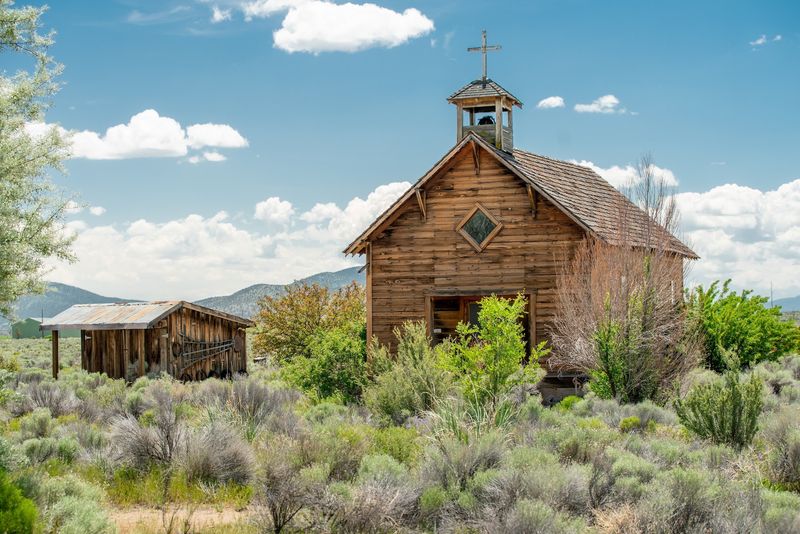
Among the standout structures, the old church draws its share of admirers. Small, simple, and honest, it speaks to how central faith and gathering were to isolated homestead families.
Sunlight filtering through its modest windows gives the space a hushed, reflective feel. Stand inside for a moment and you can almost picture a whole scattered community coming together under one roof.
Details like this are what separate the village from a plain collection of buildings. Each structure had a role in real frontier life, and the church quietly reminds you of the human bonds that held these outposts together.
Vintage Gas Pumps and Old-West Details
Tucked near a couple of the buildings, a pair of antique gas pumps stops road-trippers in their tracks. They’re the kind of old-west relic you rarely see standing out in the open anymore.
Small touches like these scatter throughout the village, rewarding anyone who slows down to really look. Weathered signage, farm implements, and everyday castoffs all add texture to the scene.
Guests who love the old-west era say these details make the whole place feel lived-in rather than staged. It’s a village stitched together from a thousand small, genuine pieces.
A Self-Guided Stroll at Your Own Pace
No rushed group tour herds you along here. The walk is self-guided, which means you set the rhythm, whether that’s a quick loop or a slow, curious ramble.
A family with a toddler mentioned how much they appreciated going at their own speed, pausing wherever something caught a little one’s eye. Informative signs dot the grounds, filling in the story as you go.
Most guests find an hour is plenty to soak it all in, though history buffs easily stretch it longer. It’s the sort of low-pressure outing that suits nearly any pace or mood.
Sweeping Desert Views and a Famous Rock Nearby
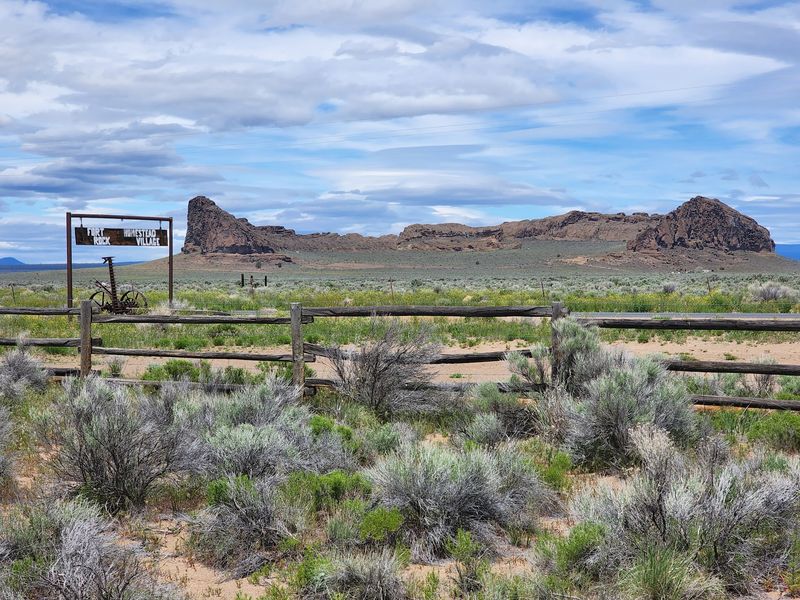
Beyond the buildings, the setting itself steals a bit of the show. From the grounds you get a striking view of Fort Rock, the towering volcanic formation that juts up dramatically from the flat plains just down the road.
The surrounding high desert stretches out wide and quiet, a landscape many visitors call beautiful in its own stark way. Barren yet grand, it frames the village perfectly.
Pair your stop with nearby Fort Rock State Park, only minutes away, and you’ve got a full afternoon of scenery and history. The two make natural companions.
A Gift Shop, Picnic Tables, and a Friendly Cat
Little comforts round out the visit in unexpected ways. A small gift shop offers souvenirs, and a few picnic tables sit beside the parking lot, perfect for snacks before you head into the village.
One traveler shared a delightful surprise: a friendly black cat wandered out to greet them from inside one of the structures. Whether or not it officially lives there, it clearly enjoys the company.
Touches like a resident cat and a shady picnic spot give the place a warm, welcoming personality. It feels less like an institution and more like a neighbor’s homestead.
Who Will Love It Most
History lovers, without question, get the biggest thrill here. Anyone drawn to western settlement, old buildings, or antique everyday objects will feel right at home poking through every room.
Families do well too, thanks to the relaxed pace and the freedom to touch things. Older visitors sometimes find themselves swept up in nostalgia, spotting objects that mirror memories from a grandparent’s house.
A few guests note that the general public might find it less gripping than dedicated history fans do. Still, curiosity is the only real ticket you need to enjoy the place.
Hours, Admission, and Getting There
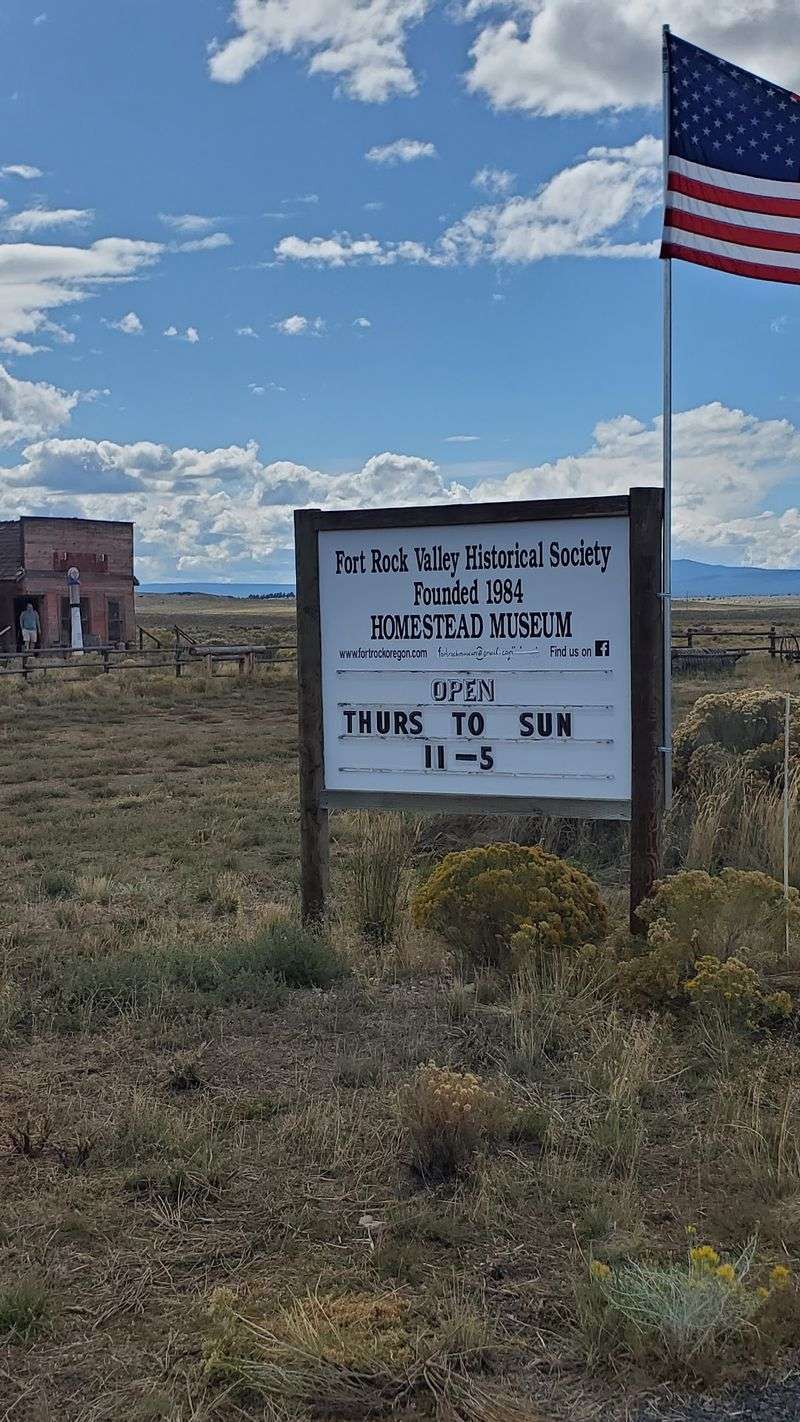
Timing matters more than usual at this spot, so plan ahead. The village welcomes visitors Thursday through Sunday from 11 AM to 5 PM, and it’s closed Monday through Wednesday, with seasonal closures on top of that.
Plenty of travelers have arrived to find the gates shut, so checking the schedule first saves disappointment. You can call ahead at 541-576-2251 or look up the current calendar before you go.
Admission is a modest fee, though a couple of guests felt the price ran a touch high for what it is. To find it, aim for 64696 Fort Rock Rd, roughly an hour and a half from Bend through woodland that opens into desert.
Why This Quiet Stop Is Worth the Detour
Some places earn their keep simply by staying honest, and this one does exactly that. It’s rarely crowded, often peaceful, and full of the kind of real, touchable history you can’t fake.
Visitors who give it a chance tend to leave pleasantly surprised, calling it a rewarding add-on to any Fort Rock trip. Between the preserved buildings, the wide desert views, and that famous rock nearby, the payoff far outweighs the short detour.
Go on a crisp fall afternoon or during a summer road trip when the plains glow, and let the creaking floorboards do the storytelling. For an in-the-know Oregonian chasing spots the crowds overlook, this quiet village is a keeper.
Share this story