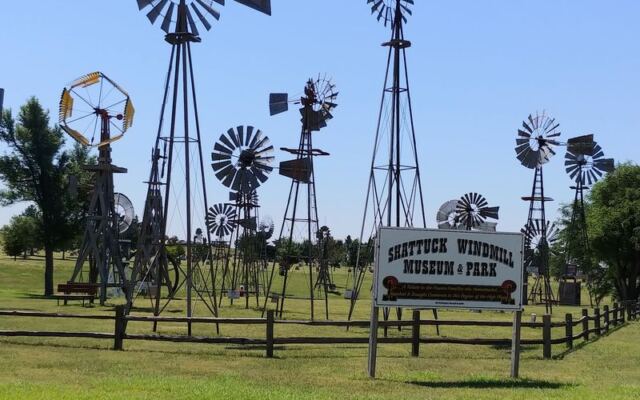
I almost drove right past it, just another quiet stretch of western Oklahoma highway with nothing but sky and grass. Then a whole field of old windmills came into view, their blades turning together like they were waving me in.
What looked like a simple roadside stop turned into one of the most surprising and memorable hours of my trip. If you love history, wide-open spaces, and places that feel like a secret, this one is worth the detour.
A Prairie Park Full of Turning Blades
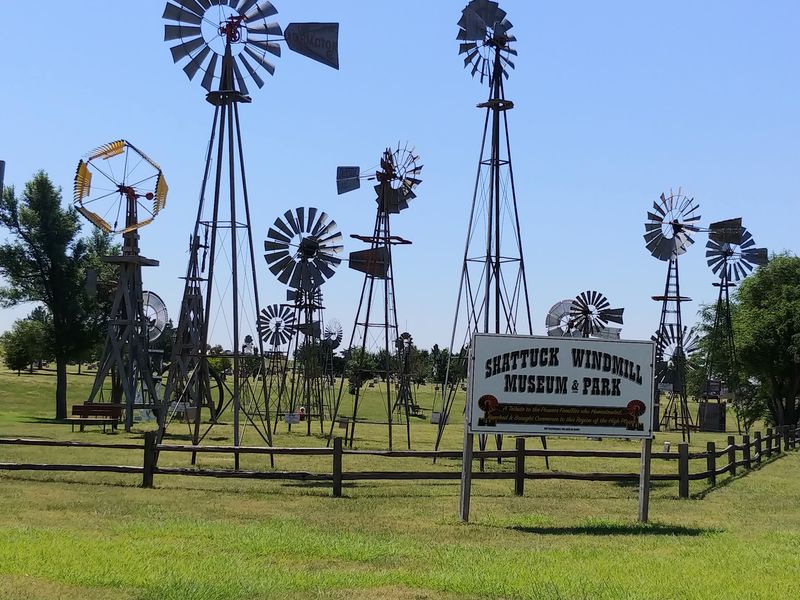
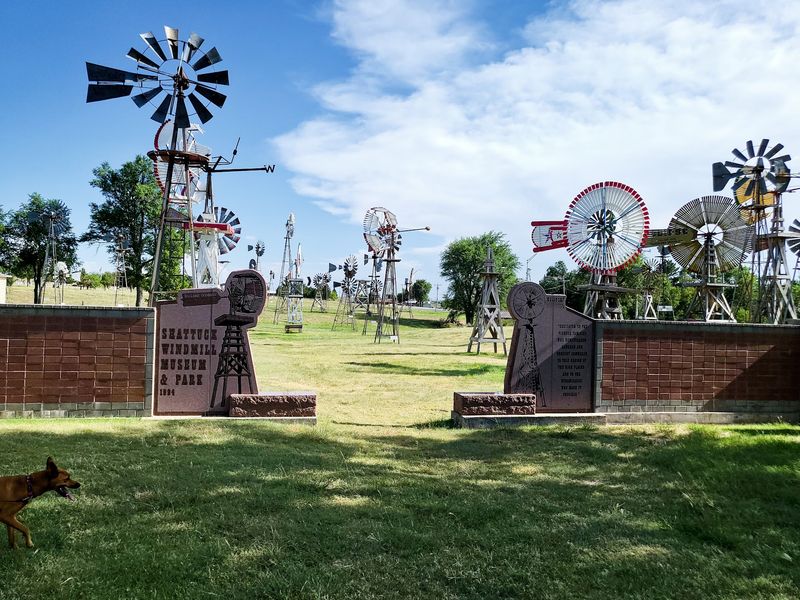
Picture a grassy park on the south end of Main Street in Shattuck, Oklahoma, filled with tall metal towers and spinning wheels of every shape and size. That is the Shattuck Windmill Museum, an outdoor collection that honors one of the hardest-working machines in pioneer history.
The address is 1201-1299 S Main St, right in town and easy to spot from the road. One visitor said the attraction practically jumps onto the highway in front of you, and that feels about right.
You do not need to hunt for it.
The museum is mostly an open-air display, so the windmills themselves are the main event. Many of them were used to pump water, which made life possible for families and livestock on the dry plains.
Each tower tells a small story about how people survived and thrived out here.
Beyond the windmills, there are a few restored buildings, a gift shop, and a shed full of extra pumps and parts. It all sits in a park-like setting with room to roam.
Think of it as part museum, part picnic stop, and part history lesson you can walk right through. For a small town, it packs a surprising punch.
Why Windmills Mattered on the Plains
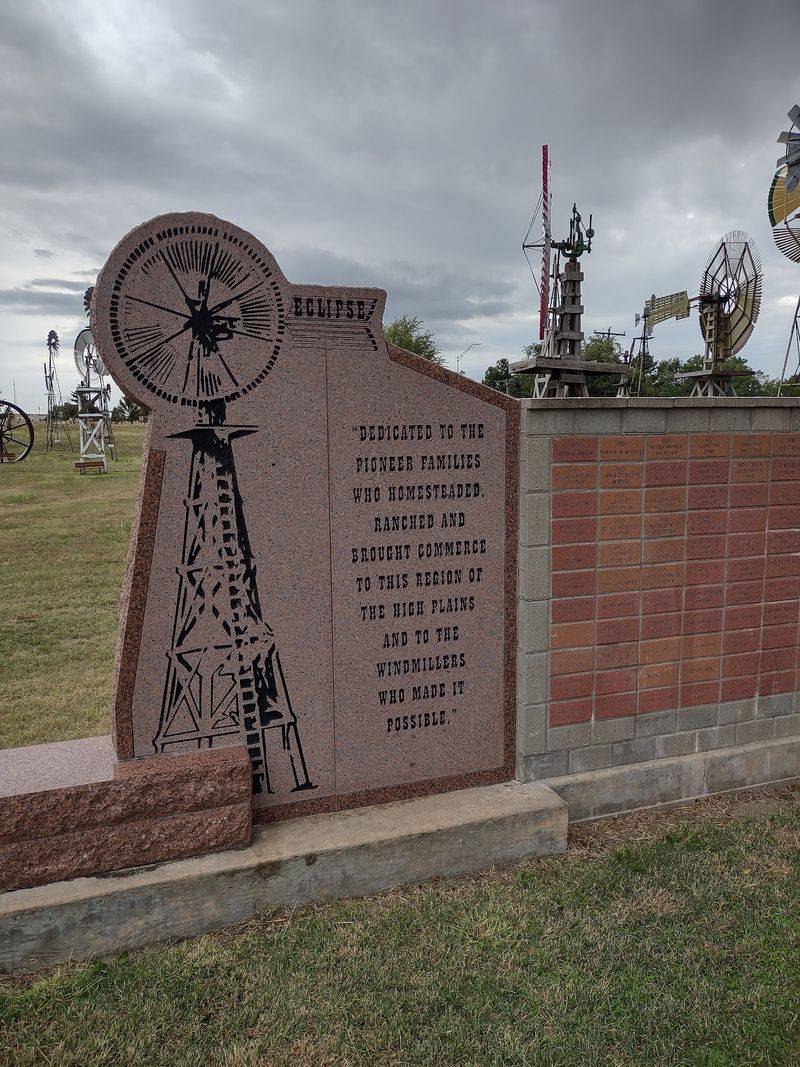
Water was everything for early settlers in western Oklahoma. Rain could be scarce, rivers were often far away, and digging a well was only half the battle.
Someone still had to lift that water to the surface, day after day.
Enter the humble windmill. With nothing but a steady breeze, these machines pumped water for thirsty cattle, sheep, gardens, and households.
One past visitor described the device as something that should be included in any listing of how the West was won, and it is hard to argue.
Guests often leave with a new respect for the clever thinking behind these towers. Many of the pieces on display show the ingenuity and grit of the pioneers and Native peoples who lived on this land.
Some exhibits are said to be one of a kind.
Walking among them, you start to notice the differences in blade shapes, tail vanes, and tower styles. Each design was someone’s answer to the same tough question: how do we get water out here?
Even folks who arrive thinking windmills sound a little dull tend to change their minds. The history here has a way of sparking real curiosity, and that is half the fun.
Rows of Restored Windmills, Each One Different
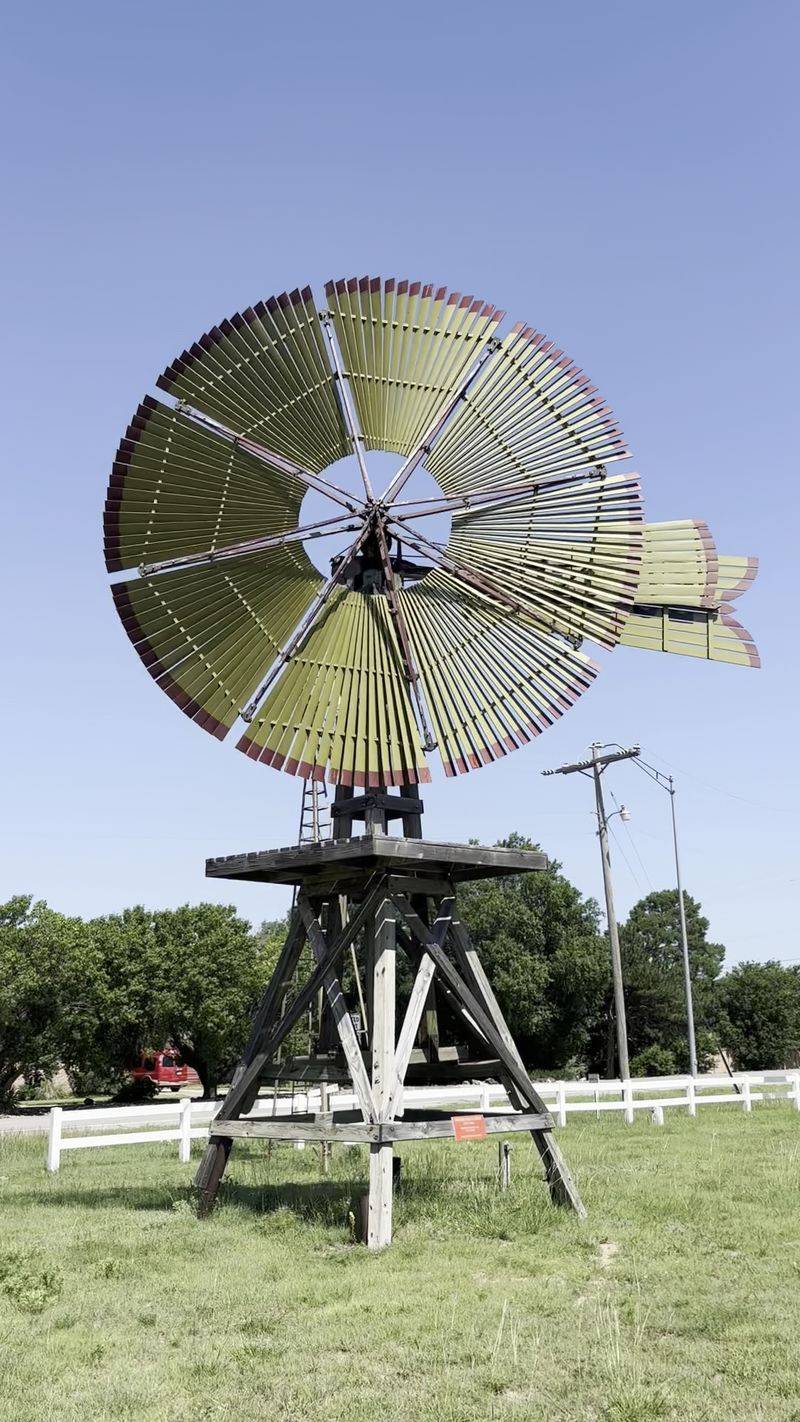
Counting them is harder than you might think. Visitors over the years have guessed anywhere from a few dozen to many more, and the collection has grown and shifted with time.
Either way, you will need a good stroll to see them all.
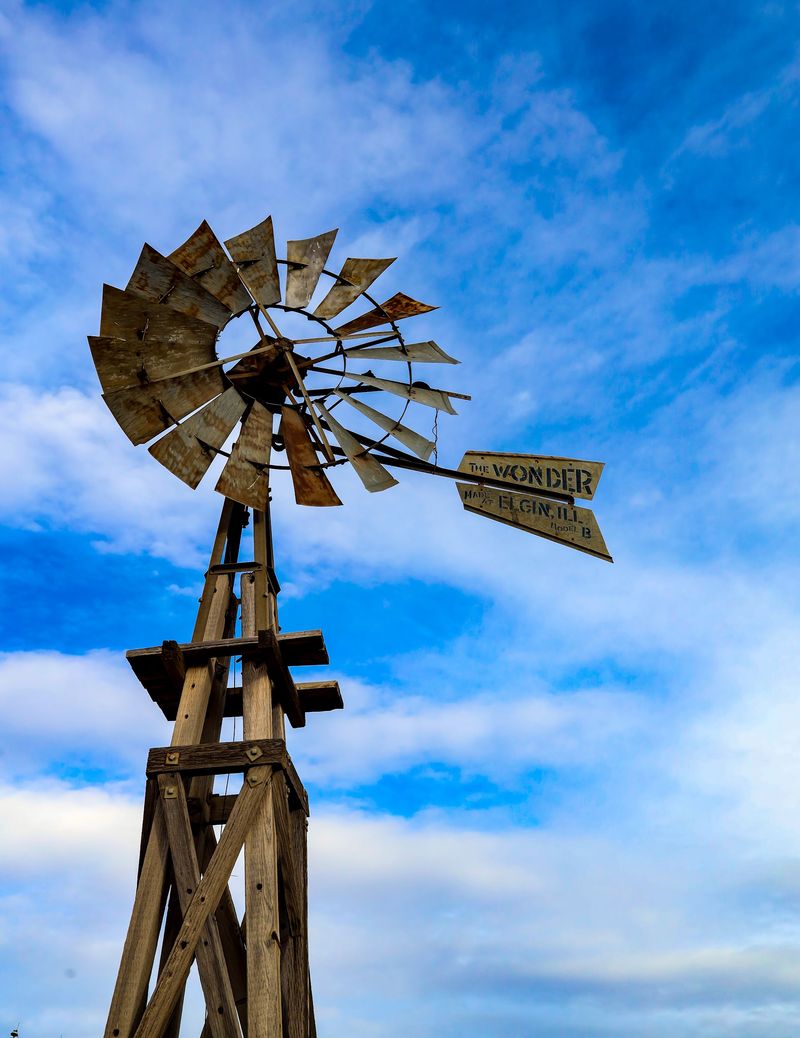
What stands out most is the variety. Some windmills have wide wheels with many thin blades, while others look sleeker and simpler.
They come from several different sources, and visitors describe them as beautifully maintained and fully working.
Each tower stands like a character in a big outdoor play. You can walk right up, look at the gears and fans, and imagine the farm or ranch where it once stood.
Kids especially love spotting the oddballs in the lineup.
Take your time here. A quick drive-by gives you the big picture, but walking the rows reveals tiny details, like old maker styles and clever repair work.
Photographers will find endless angles too. Shoot them against the bright sky, catch a few overlapping blades, or line up a row for a dramatic shot.
Even guests who passed through at night in the rain stopped to snap photos, which says plenty about how striking this collection looks.
The Sound of Wind on a Gusty Day
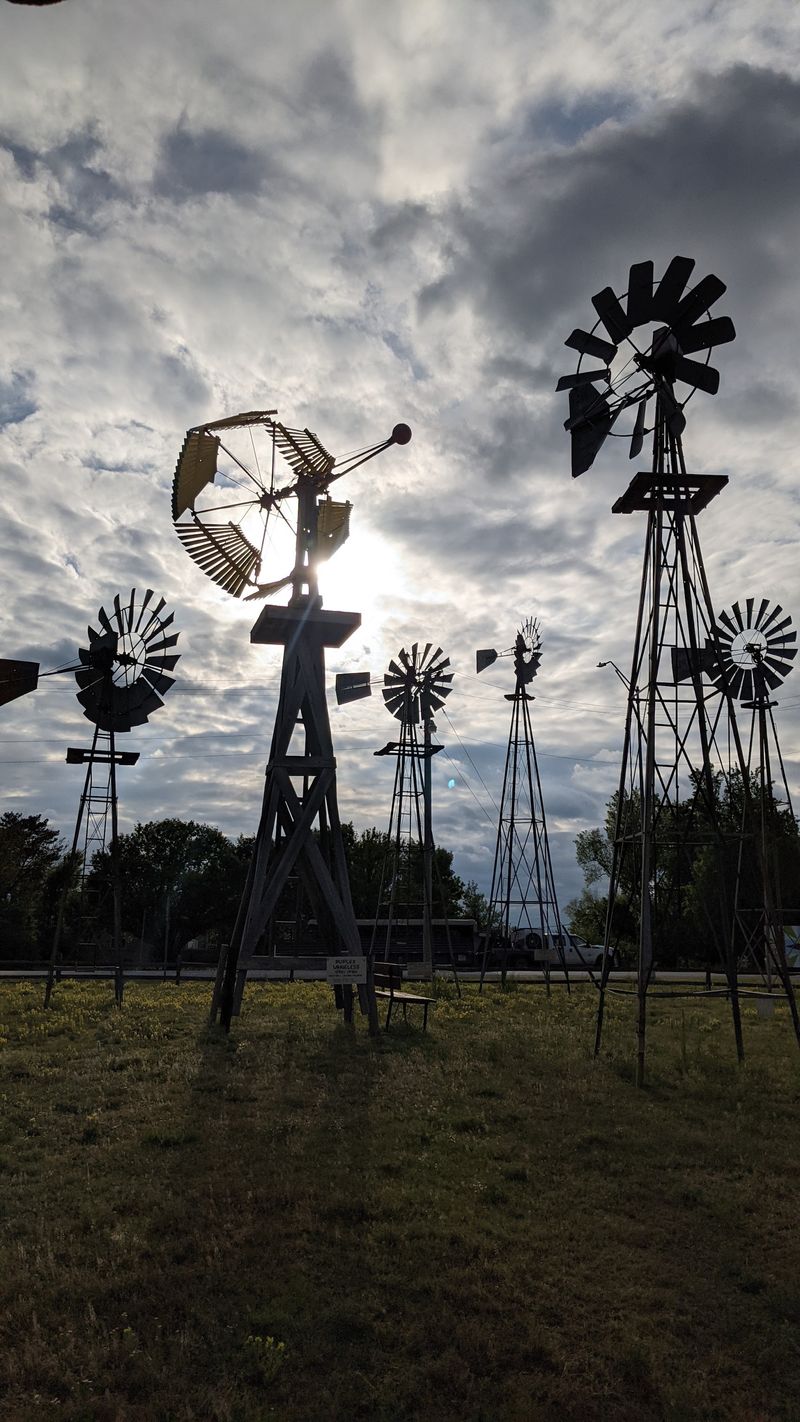
Close your eyes on a breezy afternoon and just listen. The windmills creak, hum, and whir together, almost like a choir made of metal and wood.
It is a sound you will not hear in many other places.
Visitors who arrived on windy days often talk about it first. One described the sound as something magical, with all those windmills whirring in a united chorus as the wind wandered through the old structures.
Another simply called the noise awesome.
Western Oklahoma is famous for its wind, so your odds are good. Still, the mood changes depending on the weather.
A calm day feels peaceful and still, while a gusty one makes the whole field come alive.
Bring a light jacket or hat if the breeze is strong, since the open park offers little shelter from the gusts. Sunglasses help too, especially if you want to stare up at the spinning blades for a while.
If you are shooting video, try to capture that soundscape. A photo shows how the windmills look, but a short clip with audio tells the real story.
Friends back home will finally understand why you could not stop talking about this place.
Tune In to 90.3 for a History Lesson
Here is a fun trick many first-timers miss. Turn your car radio to 90.3 FM while you are parked near the museum, and a recorded program will tell you all about the windmills.
Several visitors mention this little feature, and they always sound delighted by it. One couple even listened to the talk from the comfort of their RV while gazing out at the collection.
It is a clever way to learn, especially in hot weather or a sudden shower.
The recording covers the history of windmills and how they were used in the area. Most of these machines were built for pumping water, and the broadcast helps you understand what you are seeing.
It turns a casual look into a real lesson.
Families with younger kids might find it handy, since little ones can listen while snacking in the back seat. Then everyone can hop out and hunt for the windmills they just heard about.
Think of it as a free audio guide built right into your dashboard. Old-school, simple, and surprisingly charming, it fits the spirit of the whole place perfectly.
Just remember to switch back to your road trip playlist before you pull away.
Sod House, Dugout, and an Old Farmhouse
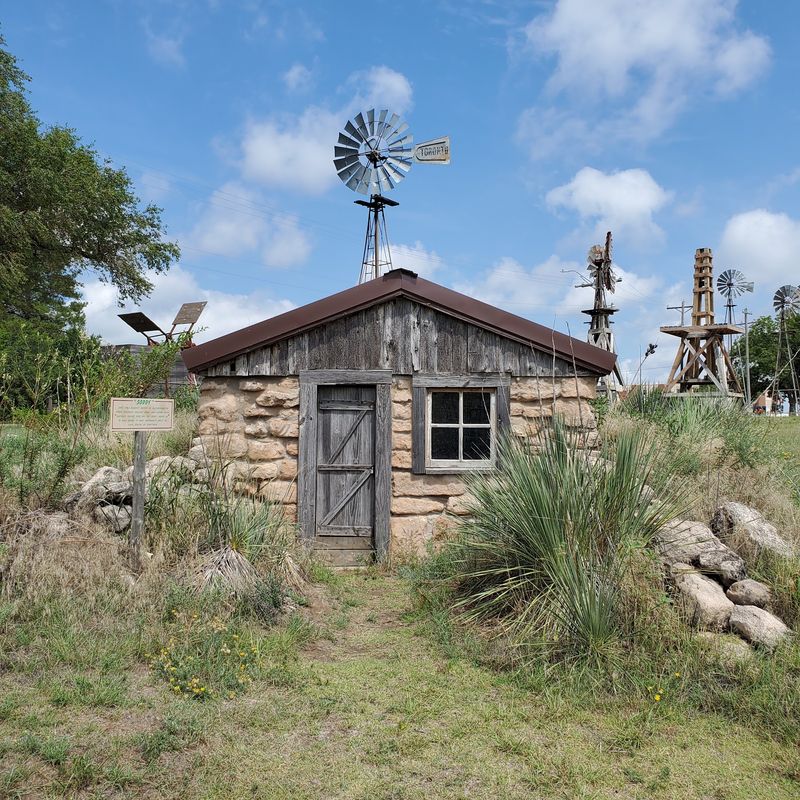
Long before modern homes, some pioneers built houses out of the very ground they stood on. At the museum, you can see a restored sod house, often called a soddy, along with a dugout and a small farmhouse.
Stepping inside gives you a real sense of how tight and simple life once was. Thick earthen walls kept out heat and cold, and every inch of space mattered.
Visitors say both the sod house and the farmhouse are interesting to explore.
Here is a helpful tip. The restored buildings are usually kept locked because artifacts were stolen in the past.
If you find a door closed, head to the museum office and politely ask.
One recent visitor did just that on a scorching day, and a staff member came out with a ring of keys. What followed was a personal history lesson covering the buildings, the windmills, and other local artifacts.
There is no guarantee someone will be free, but asking certainly does not hurt.
These little homes add a human touch to the collection. The windmills show how settlers got water, while the soddy and farmhouse show how they lived.
Together, they paint a fuller picture of prairie life.
A Shed Packed With Pumps and Parts
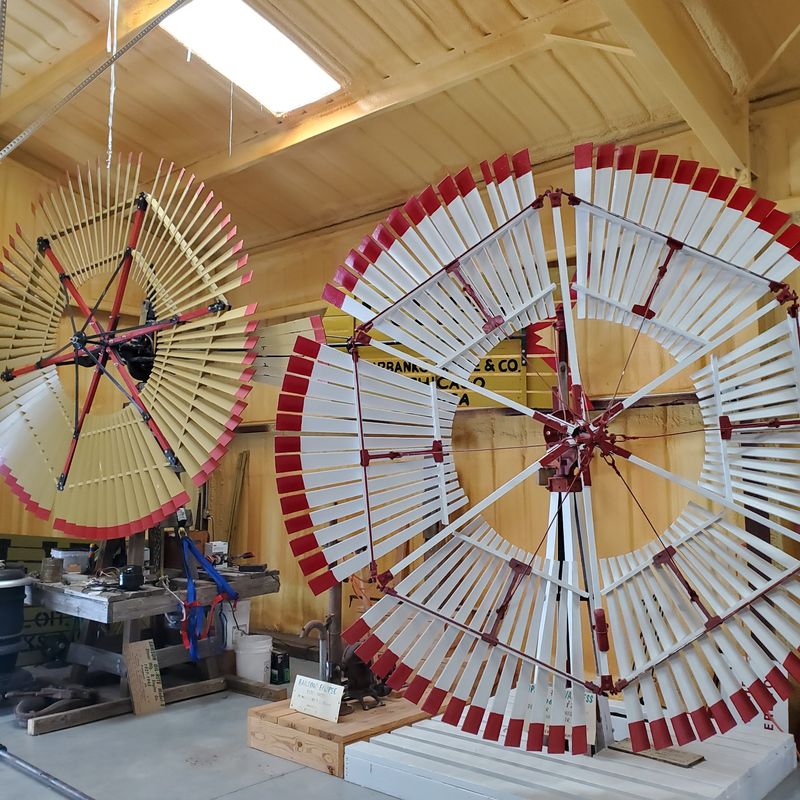
Do not skip the big shed. Tucked next to the gift shop, it holds even more water pumps and windmills that you would miss if you stayed outside.
Inside, the collection gets up close and personal. Pumps of different sizes and styles line the space, showing how water was pulled from deep underground.
It is a great spot to study the mechanics without craning your neck toward the sky.
Machinery fans will feel right at home here. You can see how the parts fit together and how simple engineering solved a very big problem.
Curious kids tend to have plenty of questions, so be ready.
One guest pointed out that calling this just a windmill museum does not quite cover it. Besides the towers, there are several interesting items on display that round out the story of the area.
Radio history even pops up as a topic some visitors mention enjoying.
The shed also offers a short break from the sun on hot afternoons. Step inside, look around, and let your eyes adjust to the shade.
Then head back out with a better understanding of what makes those spinning wheels actually work. The towers will make more sense after you see their inner workings.
Friendly Guides Who Love to Share Stories
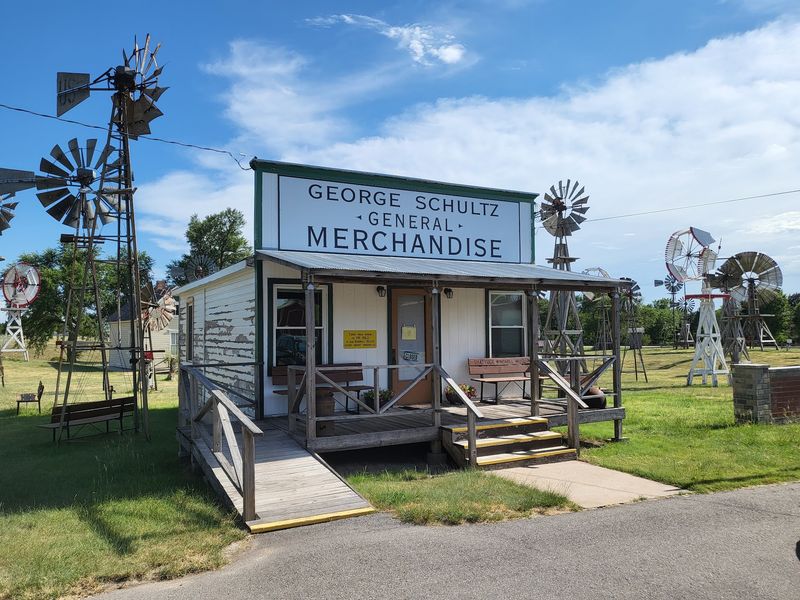
Ask almost anyone who has visited, and they will mention the people. Kindness comes up again and again, and it is easy to see why.
A guide named Doug gets special praise from guests, who describe him as full of knowledge and fun stories. Several travelers enjoyed personal tours with him, packed with memories and history.
Others remember warm, gracious women in the front building who shared the museum’s story and gave tours of the whole place.
Visitors say the caretakers go out of their way to educate guests and share their time. They clearly take great care of these historic machines too.
That combination of passion and patience turns a quick stop into something special.
Of course, staffing can vary depending on the day and time. One recent guest felt the grounds needed more attention, so experiences are not always identical.
Still, if someone is around, say hello and ask a question or two. You might walk away with a story you will repeat for years.
A curator’s insight into each windmill’s history and use can make the whole collection feel alive in a way signs alone never could.
Souvenirs, Books, and a Handy Restroom
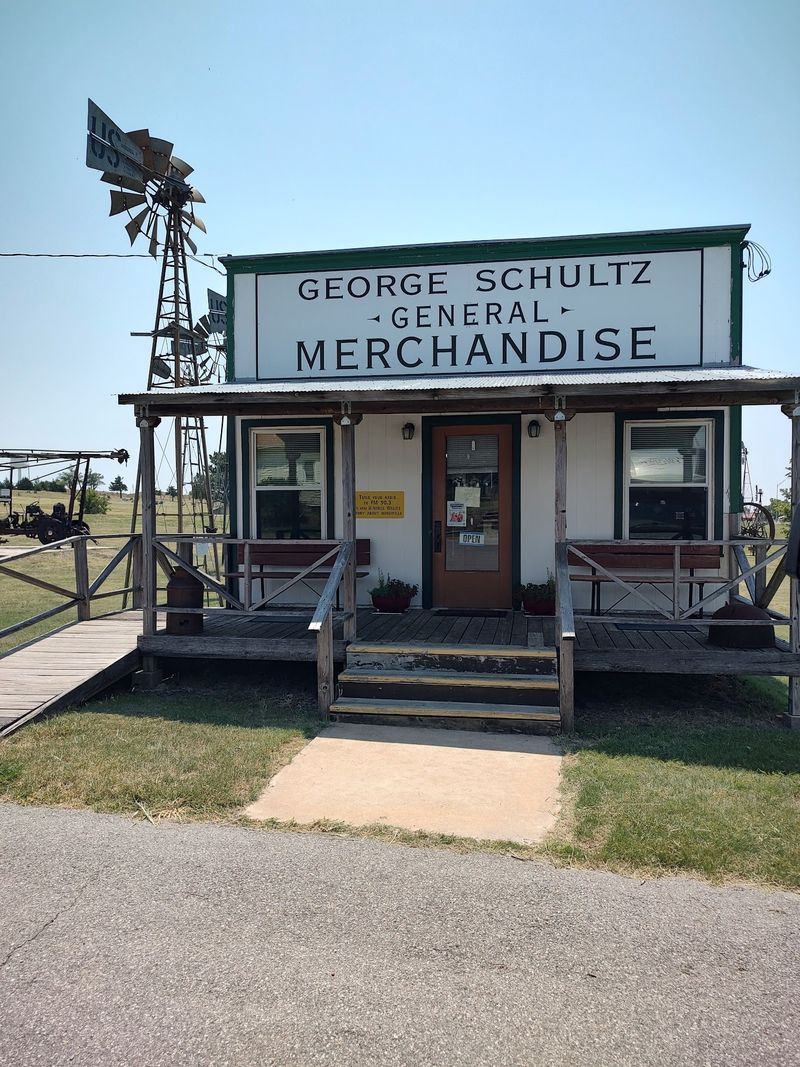
Every good road trip needs a souvenir, and the gift shop here delivers. Visitors describe the store as full of great items, from T-shirts to keepsakes worth taking home.
Book lovers will want to browse the shelves. One group picked up a book about the colorful old days of the Oklahoma Panhandle after hearing their guide talk about it.
Local history titles like that make thoughtful gifts for curious friends.
A parent who has visited many times brought a daughter along and left with a couple of souvenirs and a shirt. The young visitor loved everything about the museum, which says a lot about its family appeal.
Practical travelers will appreciate one more perk. The gift shop has a restroom, a welcome sight after long miles on rural highways.
Small comforts like that matter when you are covering big distances across the plains.
Buying something here also helps support the museum. Since admission works on donations, every purchase plays a part in keeping these windmills turning.
So go ahead and grab that shirt or book. It is a fun reminder of the afternoon you found a field of windmills in the middle of Oklahoma, and a small way to say thanks.
Picnic Tables, Cute Signs, and Road Trip Vibes
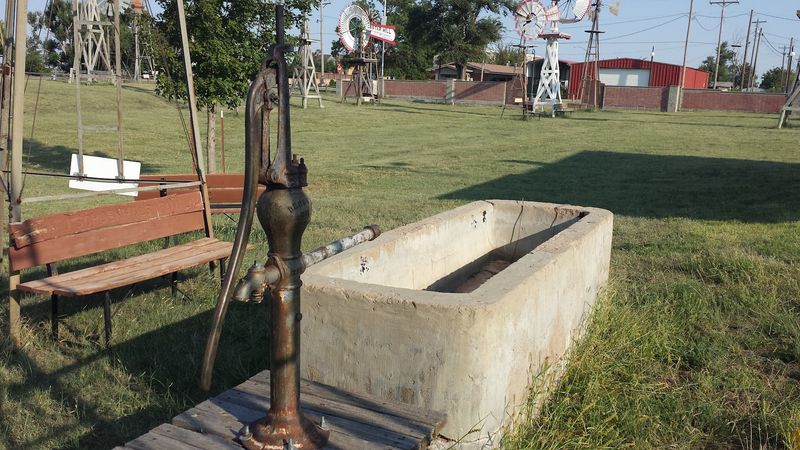
Sometimes the best part of a road trip is simply stretching your legs. That is exactly what one weary traveler called this place: a true find for anyone needing a break from the car.
The museum sits in a well-kept, park-like setting with benches and picnic tables. Pack a sandwich, find a seat, and watch the blades turn while you eat.
It is a relaxing, low-key way to recharge.
Keep an eye out for the small signs along the highway side of the park. Visitors find them adorable, with a playful rhyme about thirsty cows and sheep getting their water when the wind blew.
It is a sweet touch that sets the cheerful mood.
Who will love it most? History buffs, families, photographers, RV travelers, and anyone who enjoys quirky roadside stops.
People exploring America on back roads instead of interstates seem especially charmed.
There is also a guest book where visitors note where they are from. Flipping through it shows just how far people travel to see this collection.
Add your hometown, then take one last look around. You will likely find yourself lingering longer than you planned, and that is perfectly fine here.
Hours, Donations, and Getting There
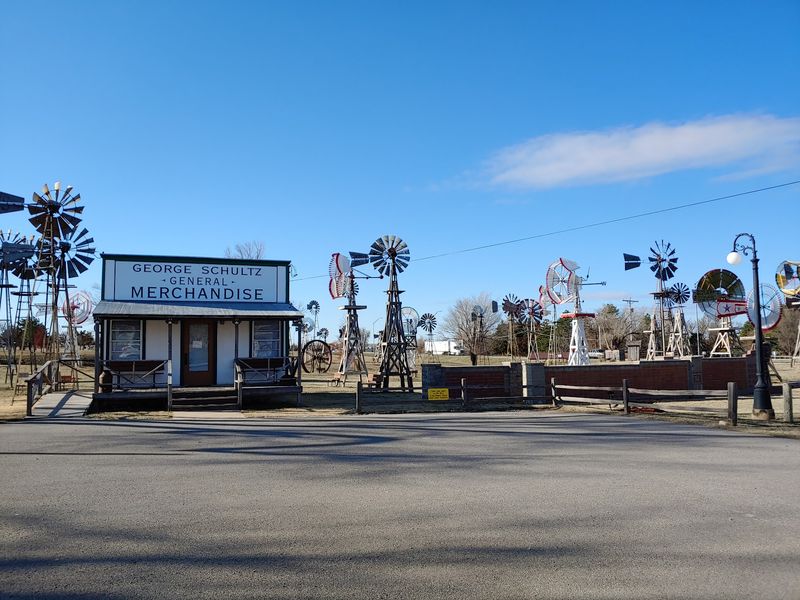
Good news for flexible travelers: the grounds are listed as open 24 hours, every day of the week. You can wander the outdoor collection whenever your route allows, though daylight is best for actually seeing everything.
Admission works on donations, so there is no set ticket price. Drop in what you can to help keep the windmills in shape.
The restored buildings and gift shop depend on staff being around, so plan a daytime stop if you want to go inside.
Getting there is fairly simple. One visitor suggests leaving I-40 and heading north on Highway 283 to reach Shattuck.
Another noted the town is not exactly on the way to anywhere, but it is well worth the drive.
If you have extra time, the Washita Battlefield National Historic Site makes a meaningful stop along the way. Highway 412 also runs near town for travelers coming from other directions.
Have questions before you go? Call the museum at 580-938-5291 or visit shattuckok.com for more details.
Bring closed-toe shoes, since the grassy field can have stickers. Bug spray is smart too, as one visitor noted tall grass and bugs during a warmer visit.
Worth the Detour Across Western Oklahoma
Some places are big and flashy, while others quietly win you over. The Shattuck Windmill Museum firmly belongs in the second group.
Nobody comes here expecting a giant theme park, and that is the charm. What you get instead is a field of beautifully cared-for windmills, a few pioneer buildings, kind people, and a history lesson that sneaks up on you.
Many guests stumbled upon it by accident and left saying every minute was worthwhile.
It is not perfect, of course. Grass and weeds can get tall in warm months, and you may need luck to catch someone with the keys.
Those small hiccups rarely spoil the experience, though.
For road-trippers, history fans, and anyone who loves Oklahoma’s open spaces, this stop delivers a lot for a donation. One visitor summed it up as Americana at its finest, and that phrase fits.
So the next time you are rolling through the western part of the state, take the exit. Tune your radio, walk the rows, and listen to the wind sing through those old blades.
Chances are, you will drive away smiling, already planning to bring someone else back to see it.
Share this story