Towering hemlocks, a cold mountain creek, sandstone cliffs, small waterfalls, and nearly century-old stone structures are packed into just 78 acres at this secluded Pennsylvania state park. Ravensburg sits inside a steep gorge carved by Rauchtown Run through Nippenose Mountain, with the enormous Tiadaghton State Forest surrounding the park and making this tiny destination feel far more remote than its size would suggest.
The surprises continue once you start exploring. Civilian Conservation Corps workers built footbridges, picnic structures, water systems, and a small creek dam during the Great Depression, while trails now lead visitors past waterfalls, blue-tinted pools, and dramatic sandstone formations known as Castle Rocks. The park also connects with the 361-mile Mid State Trail, giving serious hikers a gateway into a much larger Pennsylvania wilderness.
Here’s why Ravensburg State Park has become one of Pennsylvania’s most rewarding little-known outdoor escapes—and why its 78 acres offer far more adventure than first-time visitors might expect.
A Gorgeously Secluded Welcome at the Gorge Entrance
The moment you turn off Pennsylvania Route 880 and follow Rauchtown Road into the gorge, the outside world starts to feel like a distant memory. Ravensburg State Park sits at 2388 Rauchtown Rd, Jersey Shore, PA 17740, tucked into Crawford Township in Clinton County, Pennsylvania, and it earns every bit of its secluded reputation.
The park covers just 78 acres, but it functions as a gateway to the enormous Tiadaghton State Forest that wraps around it on nearly every side. That surrounding forest adds thousands of acres of wild land to whatever adventure you are already planning inside the park itself.
The road winds deeper into a steep-walled gorge carved by Rauchtown Run as it cuts through Nippenose Mountain. The air feels noticeably cooler here, carrying the damp, earthy scent of dense woodland and the fresh sharpness of a spring-fed stream. First-time visitors often stop the car just to absorb the quiet before they even reach the parking area.
Depression-Era Craftsmanship Still Standing Strong
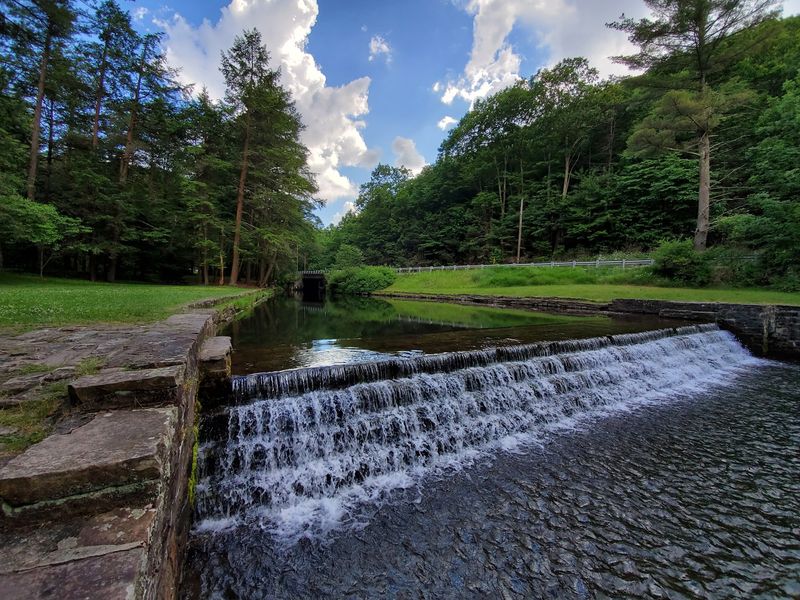
Few parks in Pennsylvania wear their history as openly as this one does. The Civilian Conservation Corps, a workforce program launched by President Franklin D. Roosevelt during the Great Depression, sent young men across the country to build and preserve public lands, and Ravensburg was one of their projects.
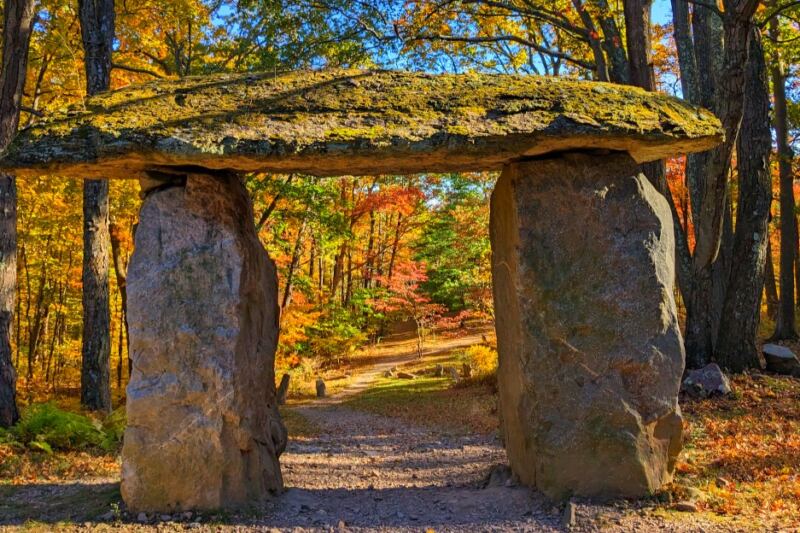
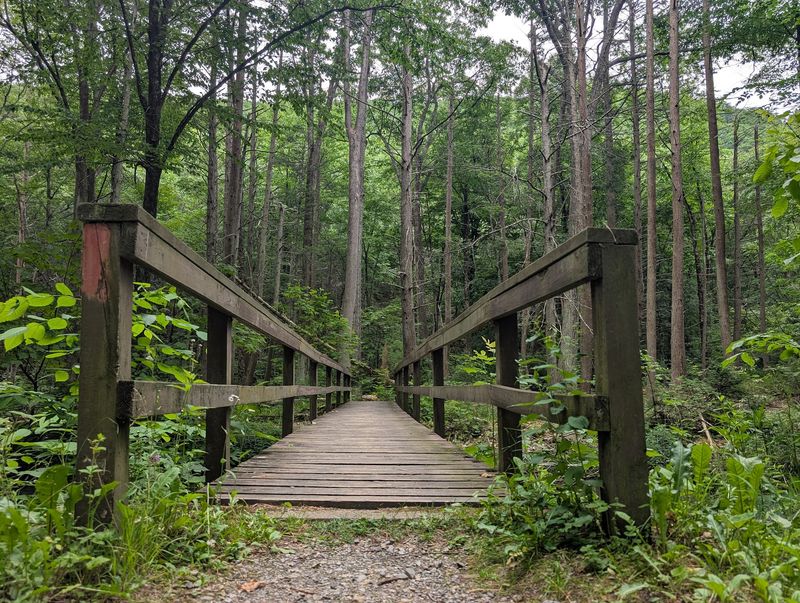
Those workers constructed the picnic pavilions, latrines, footbridges, water systems, and even a small dam on Rauchtown Run, all using native stone, rough-sawn logs, and stained wood that has aged beautifully over nearly a century. The craftsmanship is sturdy and honest, built to last rather than to impress, and yet it impresses anyway.
This collection of CCC-era structures earned the park a well-deserved spot on the National Register of Historic Places. Running your hand along one of those stone walls connects you to the young men who shaped this wilderness into a public haven while shaping their own futures at the same time. That kind of history does not fade quietly.
The Ravens That Named the Place
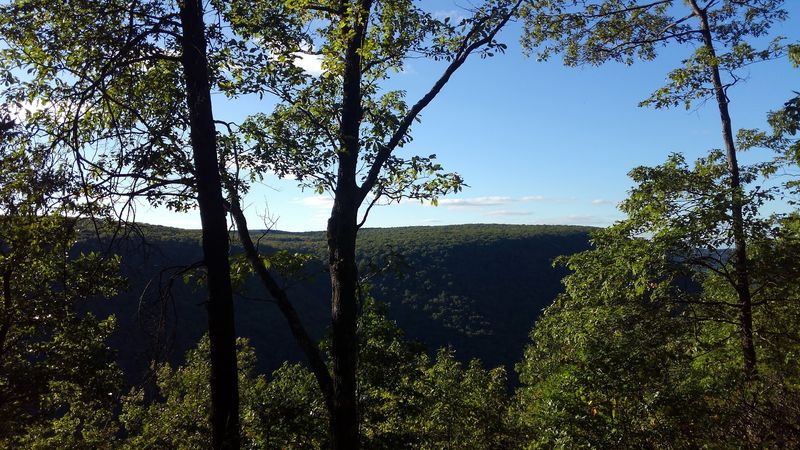
The name Ravensburg sounds like it could belong to a medieval German fortress, and while there is indeed a city in Germany by that name, the two share absolutely no historical connection. The Pennsylvania park earned its name from something far more local and far more alive.
Ravens historically nested on the rocky ledges at the southern end of the park, and their presence was significant enough that early settlers used the birds to name the surrounding area. Those same intelligent, dark-plumed birds can still be spotted today, soaring above the cliffs or perching on outcroppings with the casual authority of creatures who know they belong here.
Their calls are deep and resonant, nothing like the familiar caw of a crow, and hearing one echo through the gorge on a quiet morning is a genuinely striking experience. The closest community to the park is the unincorporated village of Rauchtown, reinforcing just how deeply rooted in local nature this park’s identity truly is. The ravens remain its most fitting symbol.
Sandstone Cliffs and the Geological Story Beneath Your Feet
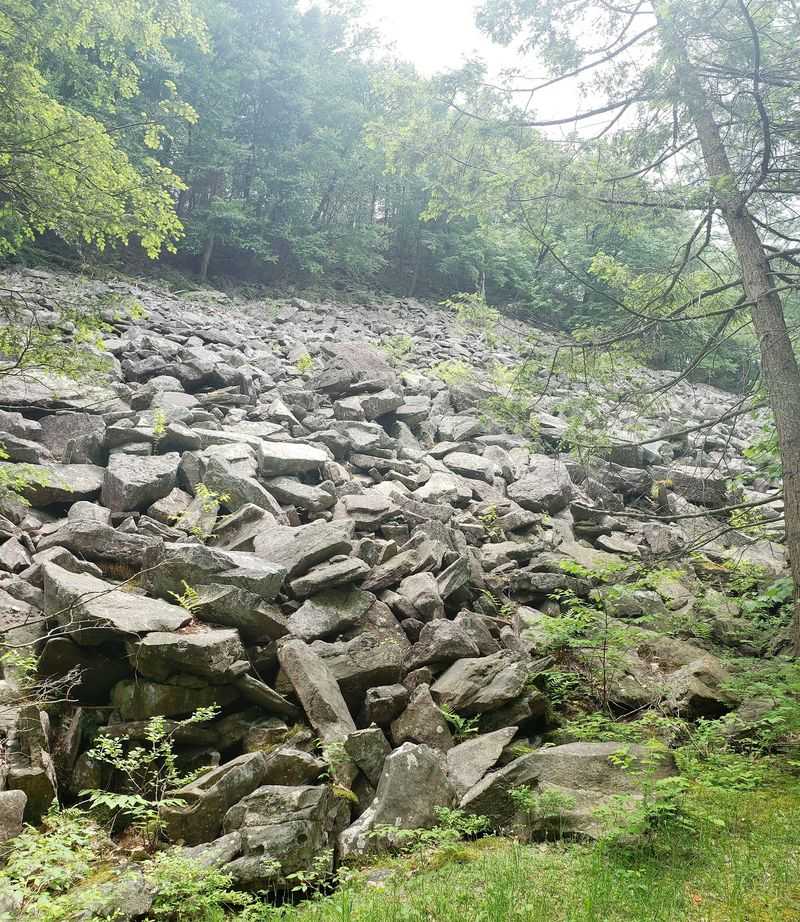
The geology of this park is quietly spectacular, and you do not need a science degree to appreciate what millions of years of natural force have produced here. Rauchtown Run has been carving its way through Nippenose Mountain for an almost incomprehensible length of time, and the result is the steep-walled gorge that gives the park its dramatic character.
The dominant rock types are hard sandstone and conglomerate, which resist weathering well enough to form the high ridges framing the valley. Talus slopes, covered in broken rock rubble that has tumbled from the cliffs over centuries, line portions of the gorge walls and add texture to the landscape.
The star geological feature, though, is Castle Rocks. These tall sandstone spires rise from the ridgeline like the towers of a forgotten fortress, formed primarily by frost action over thousands of winters. Water seeps into cracks, freezes, expands, and gradually pries blocks loose, leaving behind isolated sculptural columns that reward anyone willing to hike up for a closer look. That view alone justifies the climb.
Rauchtown Run and the Heartbeat of the Gorge
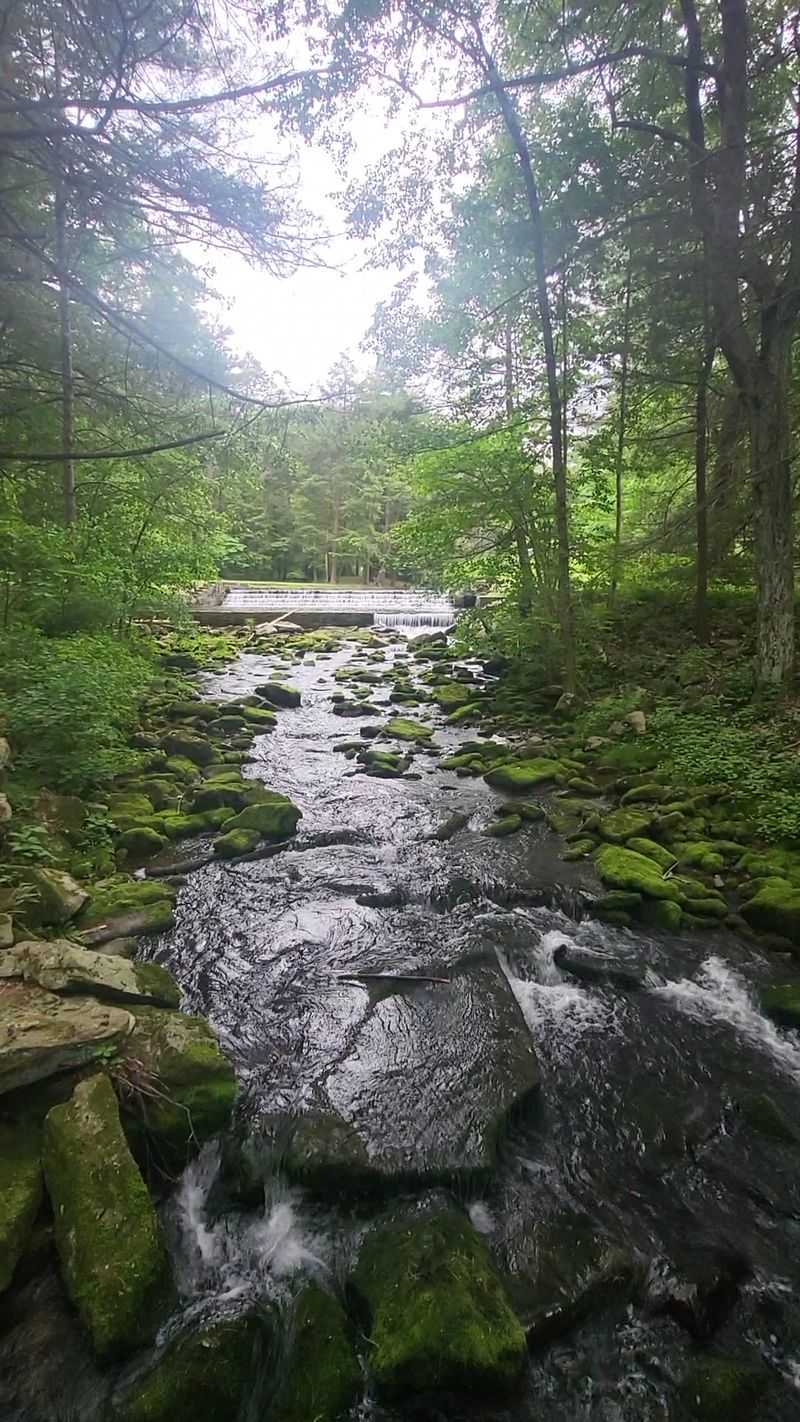
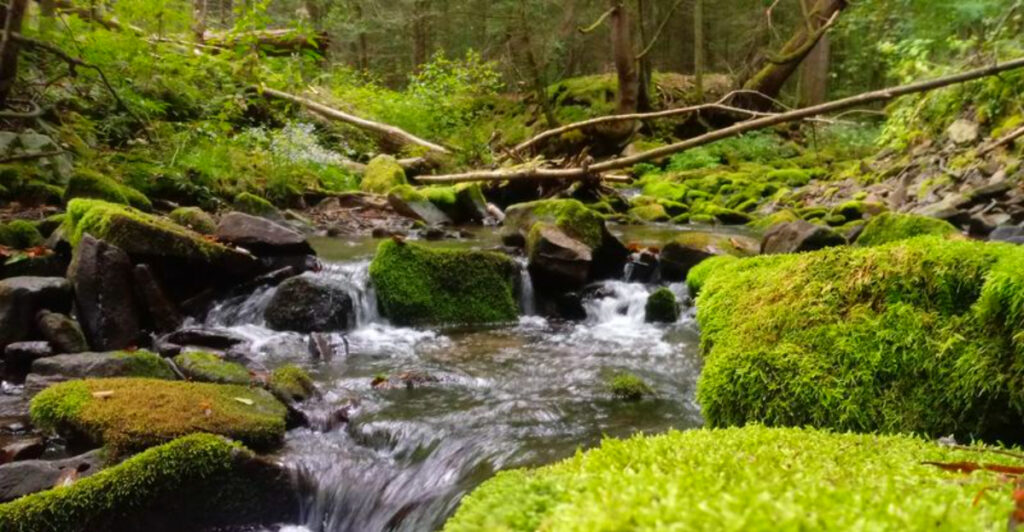
Cold, clear, and perpetually in motion, Rauchtown Run is the defining feature of the entire park. This spring-fed mountain stream runs through the heart of the gorge, shaping the landscape, cooling the air, and providing a constant natural soundtrack that follows you along every trail.
Anglers know this creek well. Native brook trout and wild brown trout thrive in the cold water, making it a respected destination for fly fishing enthusiasts who appreciate the meditative rhythm of casting in a quiet, shaded valley. A valid Pennsylvania fishing license is required, so plan accordingly before you arrive.
The old CCC-built dam near the southern end of the park creates a swimming hole that draws visitors every summer, and the water stays refreshingly cool even during stretches of intense heat. Simply sitting on a flat rock beside the creek and watching trout dart through the current is its own reward. There is something deeply calming about water that has been moving through the same gorge for thousands of years without once stopping to check a schedule.
Trails That Range From Strolls to Serious Climbs
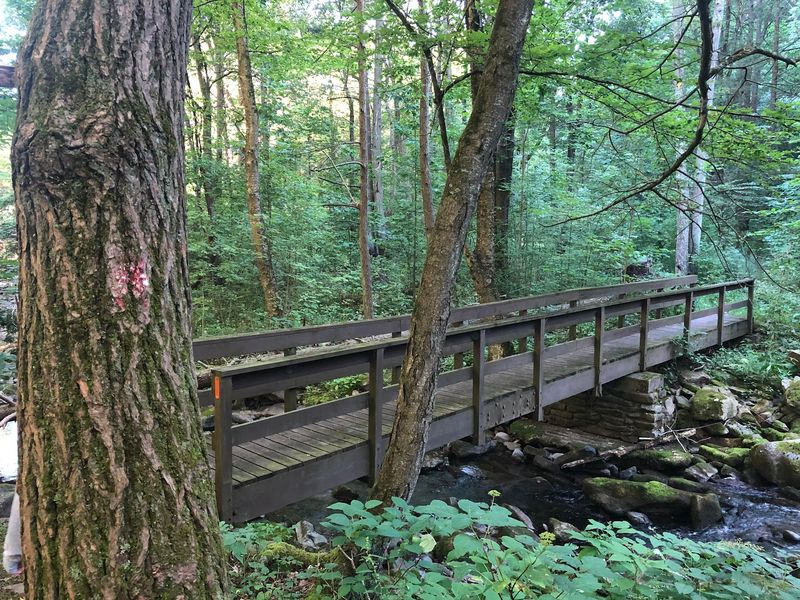
The trail options here punch well above the park’s modest weight class. The Raven Trail is the most accessible route, a 1.4-mile out-and-back path that follows Rauchtown Run through red pine forests, crosses charming footbridges, and passes small waterfalls that drop into blue-tinted pools. One of those cascades has picked up the nickname Blue-Pool Falls among regular visitors.
For hikers with more ambition, the park serves as a trailhead for the Mid State Trail, a 361-mile wilderness footpath that cuts across central Pennsylvania and connects to state forests and gamelands far beyond the gorge. Serious backpackers treat this connection as a launching pad for multi-day adventures.
The Thousand Steps Trail is the park’s most physically demanding offering, a steep 0.6-mile ascent directly up a rocky mountainside that connects to the Mid State Trail at the top. The Castle Rocks Trail, an unofficial but popular route, leads to the sandstone spires and sweeping mountain views that make the effort worthwhile. Proper footwear is not optional on either of those climbs.
How the Seasons Transform This Narrow Valley
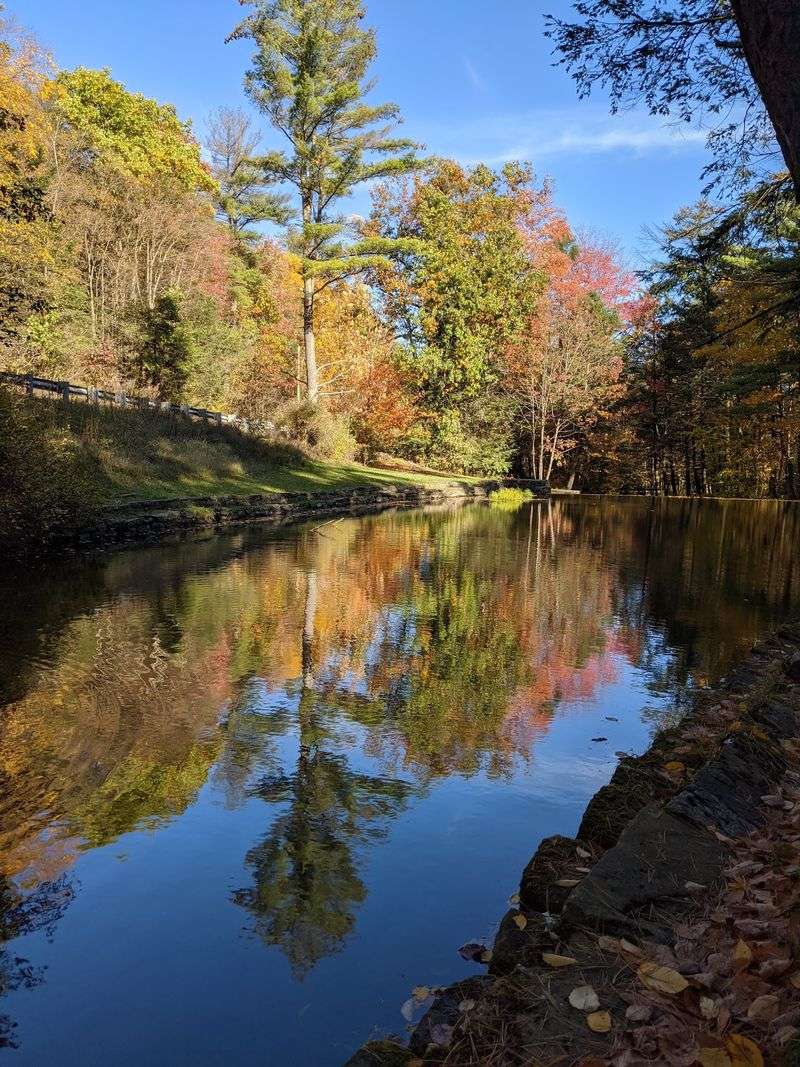
Ravensburg State Park does not look the same twice, and that is a large part of its appeal. Each season reshapes the gorge in a completely different way, offering a fresh reason to return no matter how many times you have already visited.
Late June brings mountain laurel into bloom across the hillsides, its delicate cup-shaped flowers adding soft color to the otherwise green forest. Summer deepens the canopy into a dense shade that keeps the gorge noticeably cooler than the surrounding area, sometimes by as much as fifteen degrees on a hot afternoon.
Early October is arguably the most visually striking time to visit. Fall foliage ignites the entire valley in shades of red, orange, and gold, and those colors reflect in the surface of Rauchtown Run in a way that stops hikers mid-step. Spring brings higher stream flows and the first green push of new growth, while winter delivers snow-covered silence to a gorge that feels even more remote when the seasonal campground closes. Every season offers something worth the drive.
Tent Camping Beneath the Hemlocks
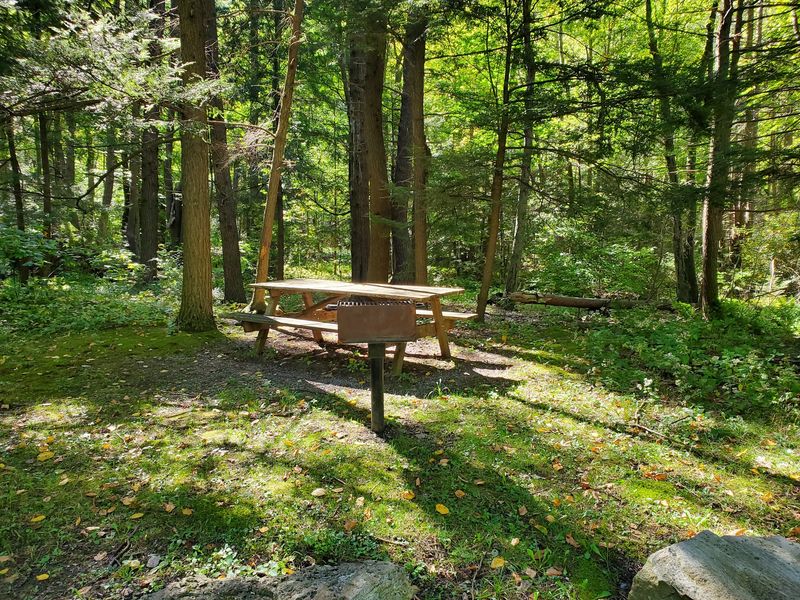
Spending a night at Ravensburg means waking up to the sound of a mountain creek just outside your tent door, and that alone makes the experience worth planning around. The campground is tent-only, keeping the atmosphere intimate and focused on a genuine connection with the surrounding forest.
The 21 campsites each come equipped with a picnic table and a fire ring, and the campground provides flush toilets and showers, which feel like a genuine luxury after a day on the Thousand Steps Trail. The campground generally runs from the first Friday in May through the last Sunday in September, and sites are available on a first-come, first-served basis.
Arriving early on weekends is a smart move, especially during peak summer months when the swimming hole draws extra visitors. Dogs are welcome on leash, making this a genuinely pet-friendly overnight option. Some campers note occasional road noise from Route 880 in the mornings, but the shaded sites and cooler temperatures more than compensate for that minor trade-off.
Picnic Pavilions and Lazy Afternoon Gatherings
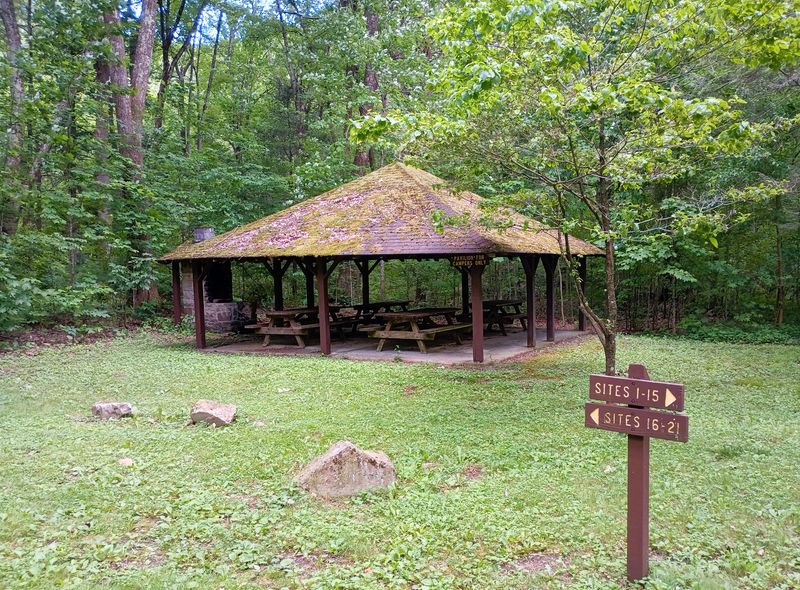
Not every visit to a state park needs to involve a strenuous hike, and Ravensburg makes a convincing case for the underrated pleasure of a well-placed picnic. The park features three distinct picnic areas with tables scattered throughout, many of them shaded by the towering hemlocks and hardwoods that line the gorge.
Four picnic pavilions are available, and groups can reserve them in advance for birthdays, family reunions, or any gathering that benefits from a guaranteed covered space. Charcoal grills are positioned throughout the picnic areas for anyone who prefers a sizzling meal over a packed lunch.
Beyond eating, the central playfield offers open space for games, and a playground along with horseshoe pits provides entertainment for visitors of all ages. The combination of CCC-built stone structures, creek sounds, and forest shade creates a setting that makes even the most ordinary sandwich taste like something special. It is the kind of afternoon that children remember for years and adults quietly wish they could bottle up and take home.
The Bigger Picture: Exploring Beyond the Park Boundary
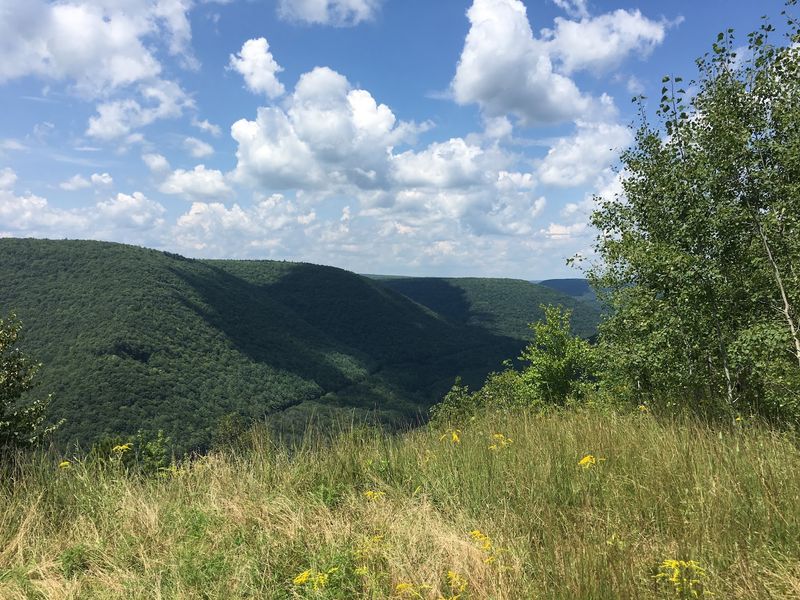
Ravensburg is small, and the park makes no effort to hide that fact. What it does offer, however, is a front door into one of the largest expanses of public land in Pennsylvania. The Tiadaghton State Forest wraps around the park’s 78 acres with a sprawling 215,000-acre embrace that extends the possibilities far beyond what any single afternoon can cover.
Within a short drive, visitors can reach Bald Eagle State Forest with its extensive trail network, the unique Rosecrans Bog natural area, and Little Pine State Park with its scenic lake. The city of Williamsport sits roughly half an hour away, offering dining, lodging, and a brief return to civilization if needed.
Ravensburg is proudly part of the Pennsylvania Wilds, a two-million-acre region of public lands designed for hiking, fishing, boating, and exploration. Treating the park as a basecamp rather than a destination in itself unlocks a far richer experience, one where the narrow gorge serves as your starting point and the surrounding wilderness becomes your playground for days on end.
Practical Tips for Planning Your Visit
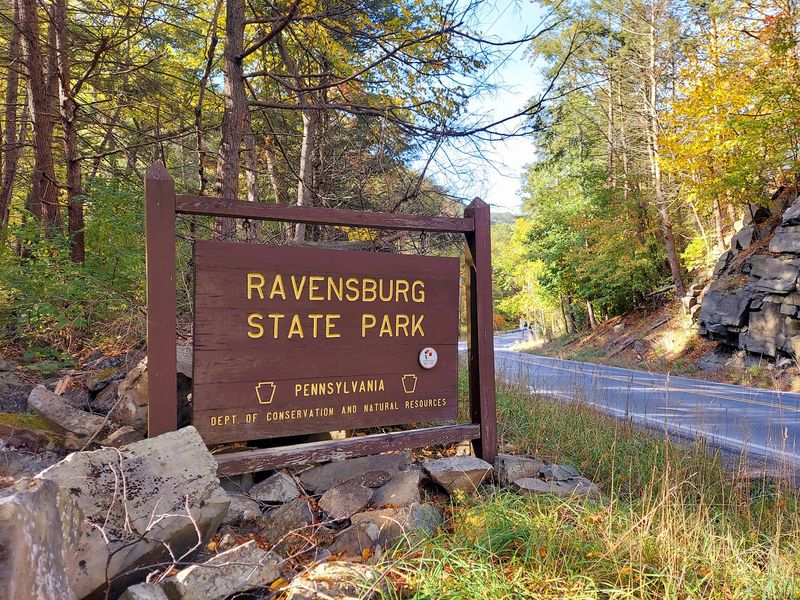
A little preparation goes a long way at Ravensburg, especially since the gorge tends to swallow cell signals along with outside noise. Downloading the park map from the DCNR website before you leave home is a genuinely useful habit rather than an optional precaution.
The park is accessible via Pennsylvania Route 880 and sits near Interstate 80, making the drive straightforward from most directions. Public transportation does not serve the area, so a personal vehicle is essentially required. The park office is managed by Raymond B. Winter State Park, and the contact number is 570-966-1455 for any questions about current conditions or seasonal closures.
Basic supplies including food, fuel, and picnic necessities can be found in the communities of Oval and Antes Fort, located approximately five miles north of the park. Fishing in Rauchtown Run requires a valid Pennsylvania fishing license. Sturdy footwear matters on the Thousand Steps and Castle Rocks trails, where the terrain demands more than a casual sneaker. Insect repellent is also worth packing, particularly during summer months when the dense forest creates ideal conditions for bugs.
Share this story