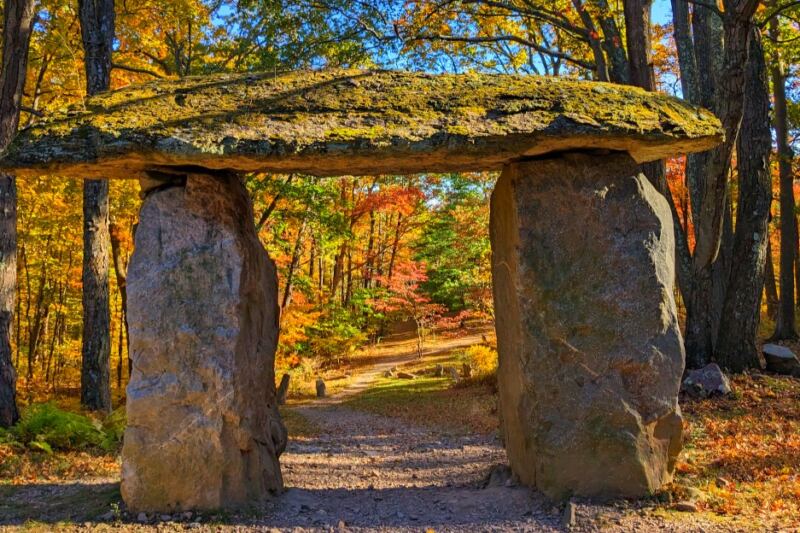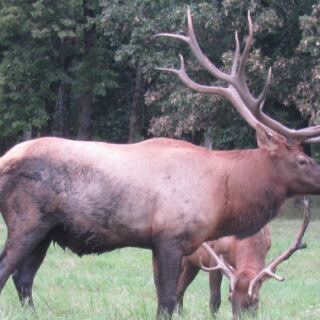
Hidden within the mountains of Pennsylvania’s Wilds, Little Pine State Park offers a peaceful escape with a scenic lake, forested hiking trails, and family-friendly camping. Visitors come to fish, paddle, swim, spot bald eagles, and enjoy the quiet beauty of the surrounding valley.
Beyond the shoreline, the park features well-maintained campsites, historic Civilian Conservation Corps landmarks, diverse wildlife, and year-round outdoor recreation. Whether you’re planning a camping trip or a relaxing weekend in nature, Little Pine State Park is one of Pennsylvania’s best mountain getaways.
A Sanctuary Nestled Deep in Lycoming County
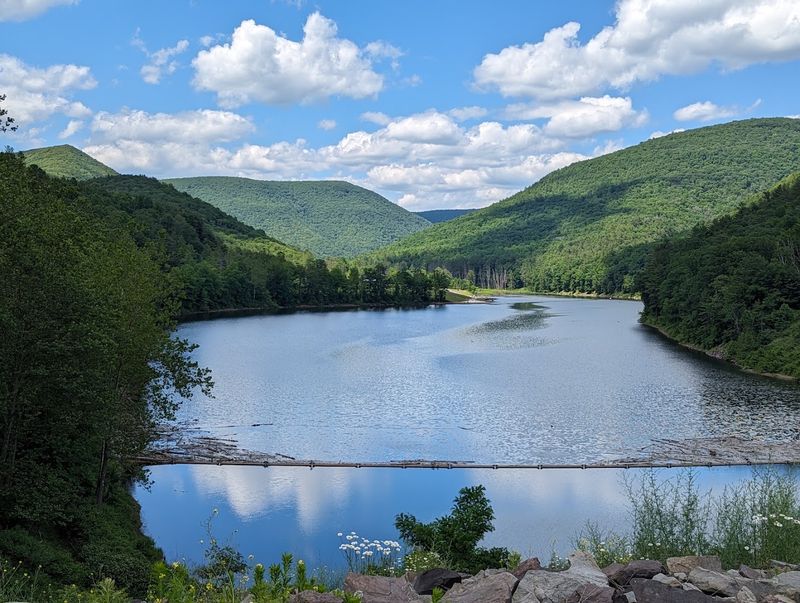
The address reads 4205 Little Pine Creek Road, Waterville, PA 17776, but the moment you turn off the main road and follow the creek into the valley, it feels less like a destination and more like a discovery. Little Pine State Park sits within Lycoming County, tucked inside the vast Tiadaghton State Forest, part of the broader Pennsylvania Wilds region. The park covers 2,158 acres of mountain terrain, forested ridges, and creek bottomland that together create a landscape almost theatrical in its beauty.
Rugged hills rise on every side, forming a natural bowl that cradles the lake, campground, and creek in a way that immediately signals you have left the ordinary world behind. The nearest borough, Jersey Shore, sits roughly 15 miles to the south, yet the park feels wonderfully removed from everything. Office hours run Monday through Saturday, 8 AM to 4 PM, and the park phone is reachable at 570-753-6000.
That combination of accessibility and genuine seclusion is rare, and it is a big part of what keeps people coming back year after year.
How This Valley Was Shaped by Glaciers, Loggers, and the CCC
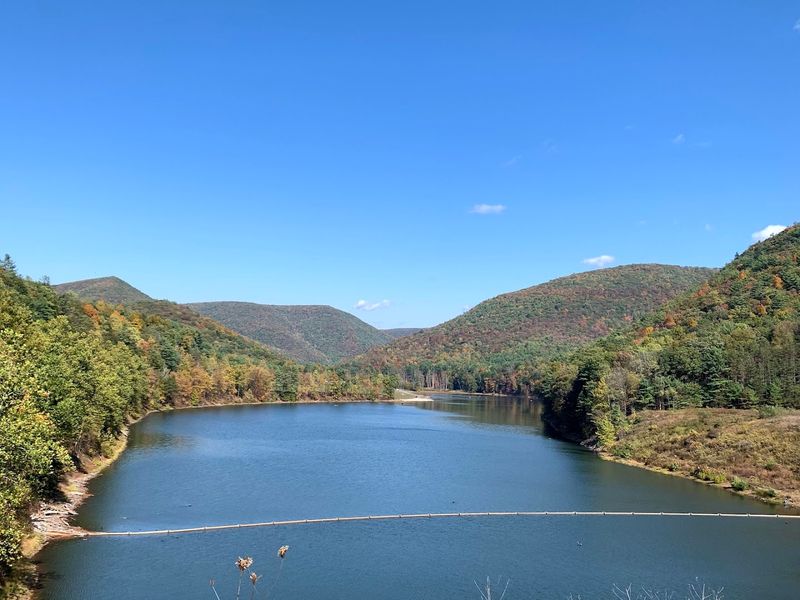
The bedrock exposed in the cliffs near the dam spillway dates back at least 300 million years, to a time when this region sat along the edge of a shallow inland sea. Plant fossils from that era are still visible in the stone, a quiet reminder that the valley has been witnessing change for far longer than any of us can truly comprehend.
Fast forward to about 20,000 years ago, and the Laurentide glacier dammed Pine Creek, created a massive glacial lake, and ultimately reversed the creek’s flow as meltwater carved a new channel southward. European settlement arrived in 1782, and by 1809 two sawmills were operating on Little Pine Creek, feeding the booming timber industry that once made Williamsport the self-proclaimed lumber capital of the world.
The Civilian Conservation Corps arrived in 1933, establishing Camp S-129-PA, planting trees, and building the infrastructure that still shapes the park today. A flood-control dam followed in 1950, and Little Pine Lake was born from that single engineering decision, transforming the valley permanently.
Little Pine Lake and Why Those Electric-Only Rules Are Actually Brilliant
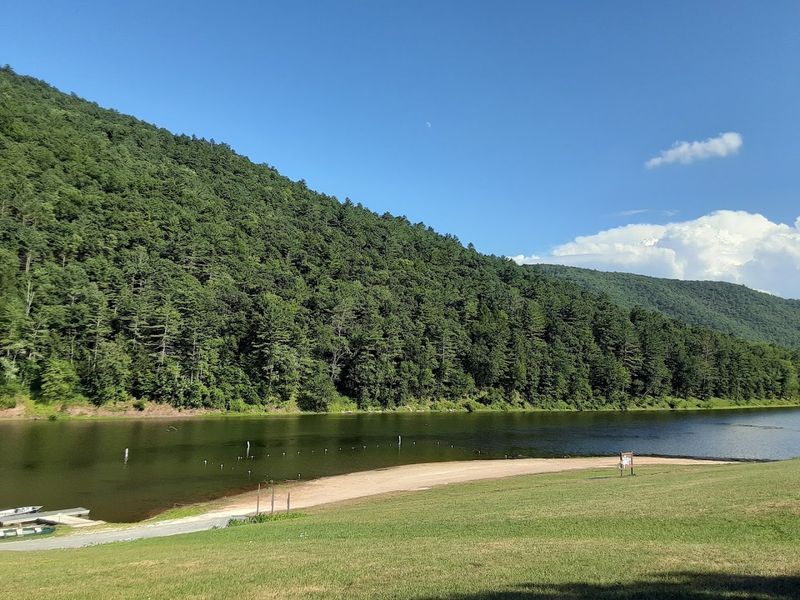
Ninety-four acres of calm, clear water sit at the heart of this park, and the first thing you notice when you reach the shoreline is the silence. No gasoline engines roar across the surface here because only electric motors are permitted on Little Pine Lake, a rule that keeps the atmosphere peaceful and the wildlife undisturbed. Paddle-powered craft, including kayaks, canoes, rowboats, and paddleboards, share the water freely.
The park maintains a single boat launch and 25 seasonal mooring spaces, available from April 1 through November 1. A boat rental concession operates from Memorial Day weekend through Labor Day, offering paddleboats, canoes, and rowboats for those who prefer to travel light. All motorized boats must display a current registration from any state, while non-powered vessels need a Pennsylvania State Parks permit or a Pennsylvania Fish and Boat Commission launch use permit.
The dam-created mud bottom supports a surprisingly rich ecosystem, with muskrat, mink, and herons thriving in the extensive shallows at the lake’s upper end, adding wildlife drama to every paddle stroke.
Creekside Campsites That Actually Deliver on the Promise
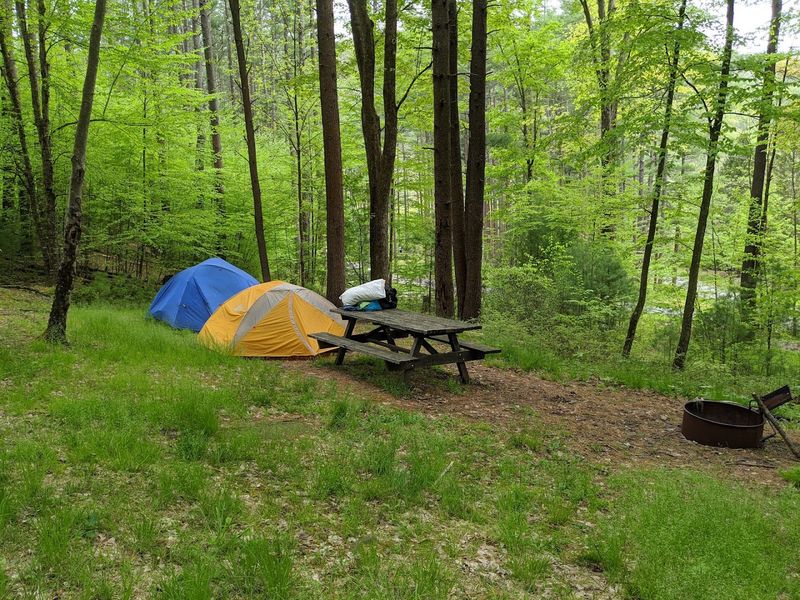
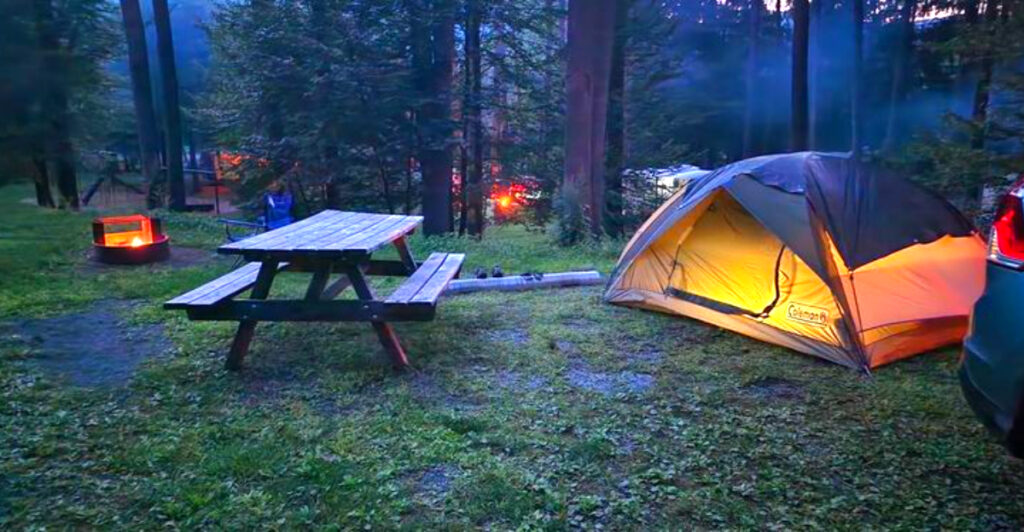
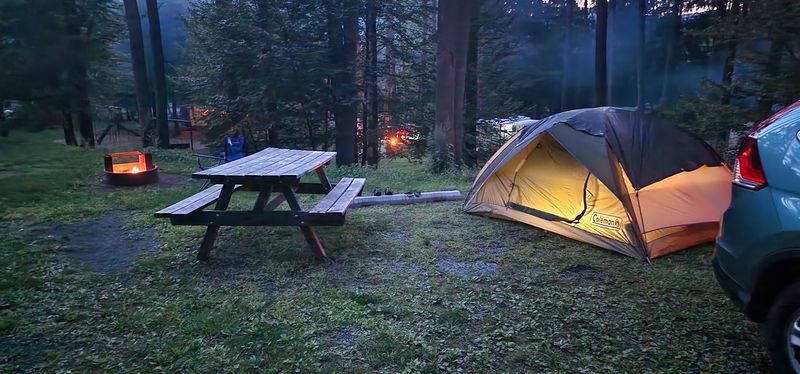
Some campgrounds use the word creekside loosely, but at Little Pine State Park, many of the 104 campsites genuinely sit beside the murmuring flow of Little Pine Creek, close enough that the sound of moving water replaces whatever noise your brain normally fills with at bedtime. Sites accommodate tents only or trailers up to 30 feet in length, and each one comes equipped with a picnic table and a fire ring.
Modern restrooms, hot showers, and a sanitary dump station keep the experience comfortable without erasing the feeling of actually being outdoors. For those who want shelter without hauling a tent, three camping cottages sleep five guests each, featuring bunk beds, a full-size bed, electric heat, and a porch. Two yurts add a glamping dimension, complete with a cooking stove, refrigerator, microwave, and electric amenities.
Reservations open up to 11 months in advance, and popular weekends fill quickly, so early planning pays off. The campground operates from the first weekend in April through mid-December, stretching the season well past summer.
Fourteen Miles of Trails Covering Every Ability Level
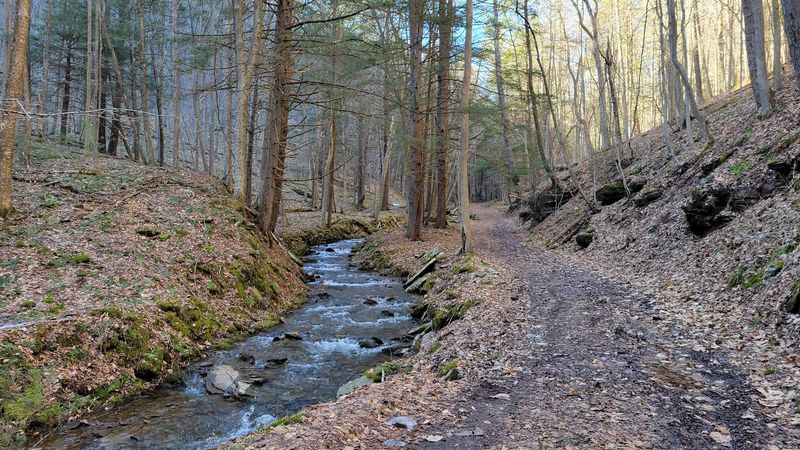
Fourteen miles of marked trails wind through the park, ranging from a nearly flat creekside stroll to a steep, rocky stretch of the Mid State Trail that will remind your legs they exist. The Carsontown Trail is the gentlest option, a family-friendly loop of just under one mile that follows Little Pine Creek through the trees, ideal for younger hikers or anyone who simply wants to enjoy the forest without a workout.
The five-mile Button Ball Trail passes through wetlands and meadows, offering a different ecological perspective than the forested ridge routes. The 5.5-mile Lake Shore Trail skirts the edge of Little Pine Lake, providing consistent water views and prime birdwatching opportunities throughout its length. The Panther Run Trail adds elevation and natural rock ledges, rewarding climbers with panoramic views of the valley below.
At the far end of the difficulty spectrum, the Mid State Trail section through the park is rated most difficult, featuring steep grades and rugged terrain that connect to a 327-mile backpacking route extending well beyond the park boundaries.
Fishing the Lake and Creek Through Every Season
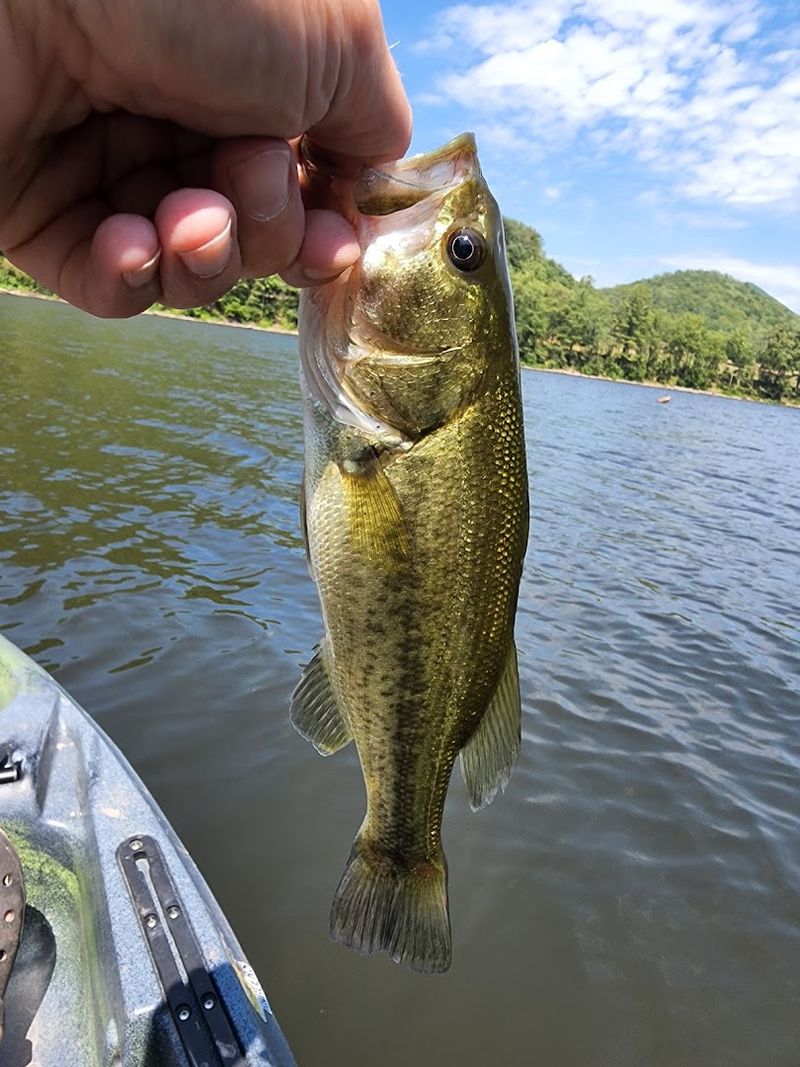
Brook trout, rainbow trout, and brown trout share the lake with smallmouth bass, perch, sunfish, catfish, and chain pickerel, making Little Pine Lake a genuinely varied fishery that rewards both the specialist and the casual angler. The Pennsylvania Fish and Boat Commission stocks the lake regularly, particularly during spring and fall, when trout activity peaks and the shoreline becomes lined with hopeful rods.
Little Pine Creek itself is the real draw for fly fishing purists. This four-mile tributary of Pine Creek runs cold and clear, supporting native brook trout in its upper reaches and offering stocked trout fishing just below the dam. The creek’s freestone character, with its varied riffles and pools, makes it a pleasure to wade regardless of what you are actually catching.
Winter transforms the lake into an ice fishing destination, with perch and crappie drawing anglers who do not mind bundling up. Boat rentals are available during the summer season for reaching deeper water, and shoreline access is plentiful for those who prefer to keep their feet dry and their lines tight.
Bald Eagles, Black Bears, and the Wildlife That Steals the Show
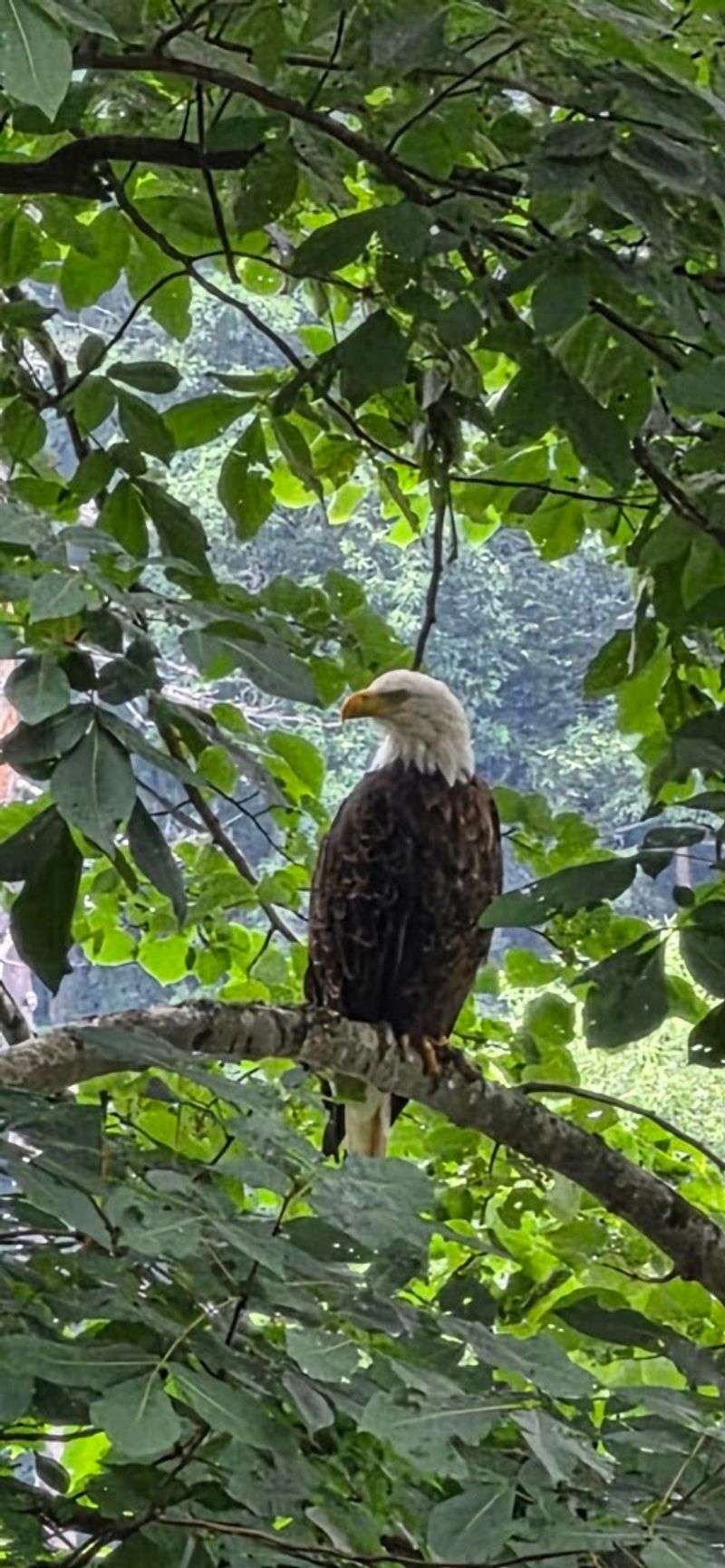
Since 2004, bald eagles have nested at Little Pine State Park, and the park has set aside a dedicated viewing area where visitors can observe the adults and eaglets without disturbing them. Watching one of these birds drop from altitude and skim the lake surface is the kind of moment that makes you forget whatever else was on your mind that day.
Herons wade the shallows with patient precision, river otters occasionally appear along the creek, and white-tailed deer graze the open meadows with an air of complete indifference to human observers. Raccoons and mink work the lake edges at dusk, while wild turkeys move through the forest in small, noisy groups that announce themselves well before they come into view.
Black bears do inhabit these mountains, so standard food storage practices apply throughout the campground. Timber rattlesnakes are also present, particularly near rocky outcrops, and a little trail awareness goes a long way toward keeping encounters uneventful. The wildlife density here reflects a healthy, well-managed ecosystem that has clearly benefited from decades of thoughtful stewardship.
How the Park Completely Reinvents Itself With Each Season
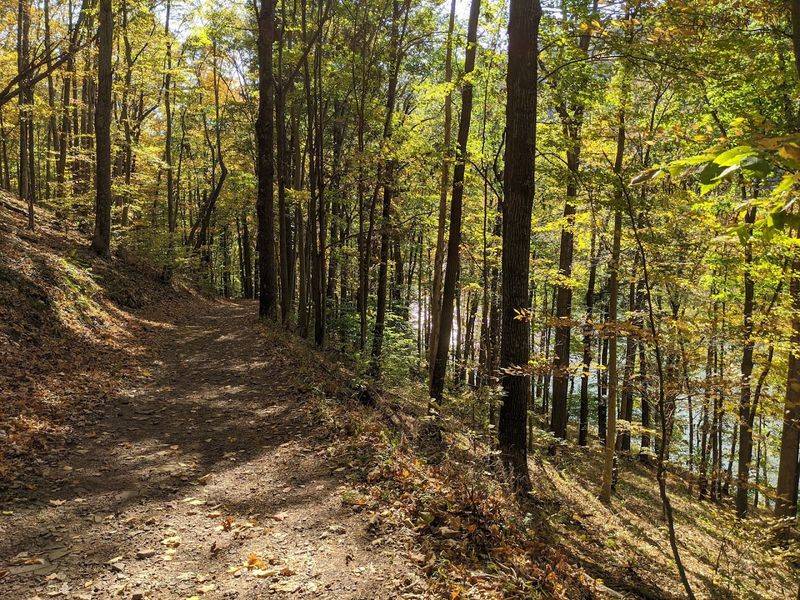
Summer brings the beach, the boat rentals, and the full campground energy, with swimmers enjoying the sandy lake shore from late May through mid-September. There is no lifeguard on duty, so swimmers are responsible for their own safety, but the calm water and manageable depth make it a popular family spot on warm weekends. A concession stand operates during peak season, adding a small but welcome convenience.
Autumn is when the valley truly shows off. The surrounding hills ignite with oranges, reds, and deep purples that reflect in the lake and frame every trail view with color that feels almost unreal. An annual fall festival, typically held in October, draws visitors specifically for the foliage and outdoor recreation that defines the season.
Winter quiets the campground but does not close the park. Cross-country skiing, snowshoeing, sledding, and ice fishing all remain viable activities when snow covers the ground, and the absence of summer crowds gives the landscape a serene, almost private quality that regular visitors tend to guard jealously as their best-kept cold-weather secret.
Practical Tips That Will Save Your Trip
Cell service is essentially nonexistent throughout most of the park, and that is worth taking seriously before you arrive. Download your maps, save your reservation confirmation offline, and let someone at home know your itinerary. A camp phone is available for emergencies, but relying on it as your primary communication plan is not ideal. The nearest town with reliable 4G LTE coverage is English Center, a short drive east.
Insect repellent is non-negotiable from late spring through early summer. Biting flies in particular can be aggressive, and the experience shifts noticeably in comfort once you apply a solid layer of repellent before heading out. Pack more than you think you need and reapply after swimming or sweating on the trails.
Firewood is sold on-site at roughly one dollar per piece, and a small store near the park entrance carries essentials for anything you forgot to pack. Yurts do not have air conditioning, so a battery-powered fan becomes critical during July and August. Shower controls are push-button style with limited temperature adjustment, so managing expectations there will prevent frustration on your first morning.
The Geological Story Written in the Rocks and Ridgelines
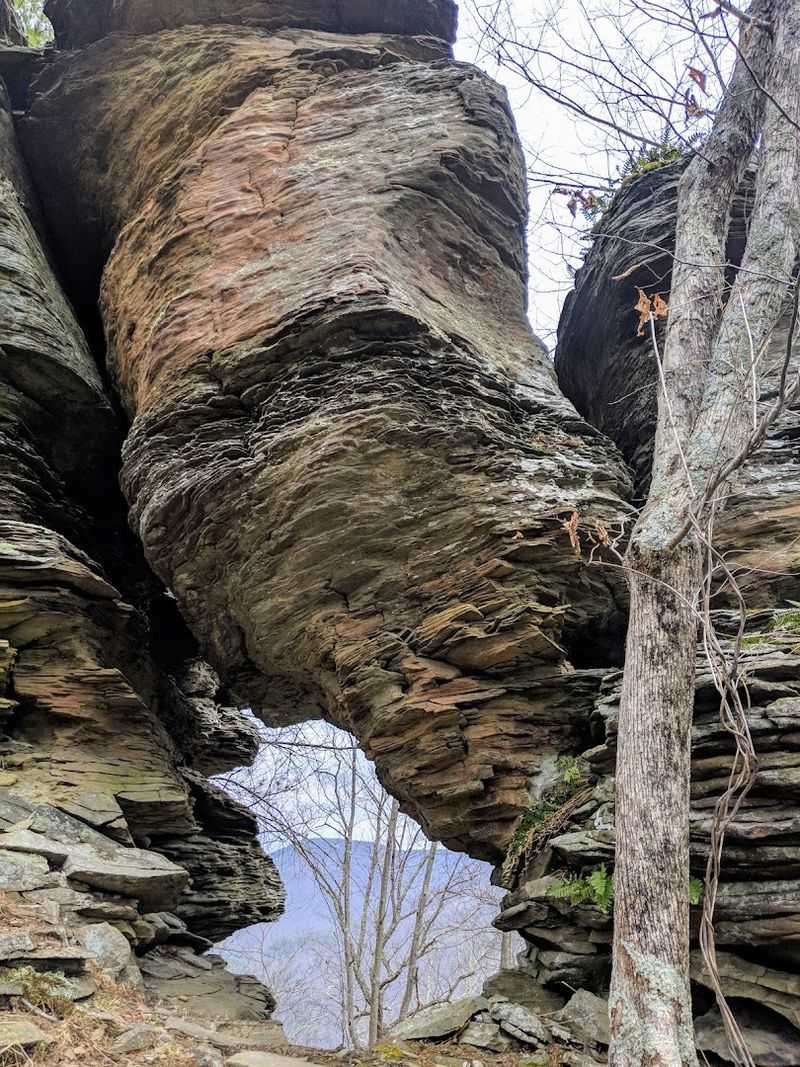
Plant fossils embedded in the cliffs near the dam spillway are visible to anyone who takes a moment to look closely, offering a direct connection to a time 300 million years ago when this region sat at the edge of a shallow sea. The rock layers tell a story that no interpretive sign could fully capture, and simply running a hand across the surface brings the timeline into sharp, tangible focus.
The valley’s dramatic topography owes its shape to the Laurentide glacier, which advanced over this region roughly 20,000 years ago and dammed Pine Creek with an enormous accumulation of debris. As meltwater overflowed and carved a new channel, it reversed Pine Creek’s flow to its current southerly direction, sculpting the gorge and valley walls that frame every view from the park today.
The dam built in 1950 added the most recent geological layer by creating Little Pine Lake, converting a section of cold freestone creek into a warmer impoundment with a mud bottom that now supports an entirely different community of plants, insects, and fish than existed before its construction.
Why This Valley Has a Way of Pulling You Back
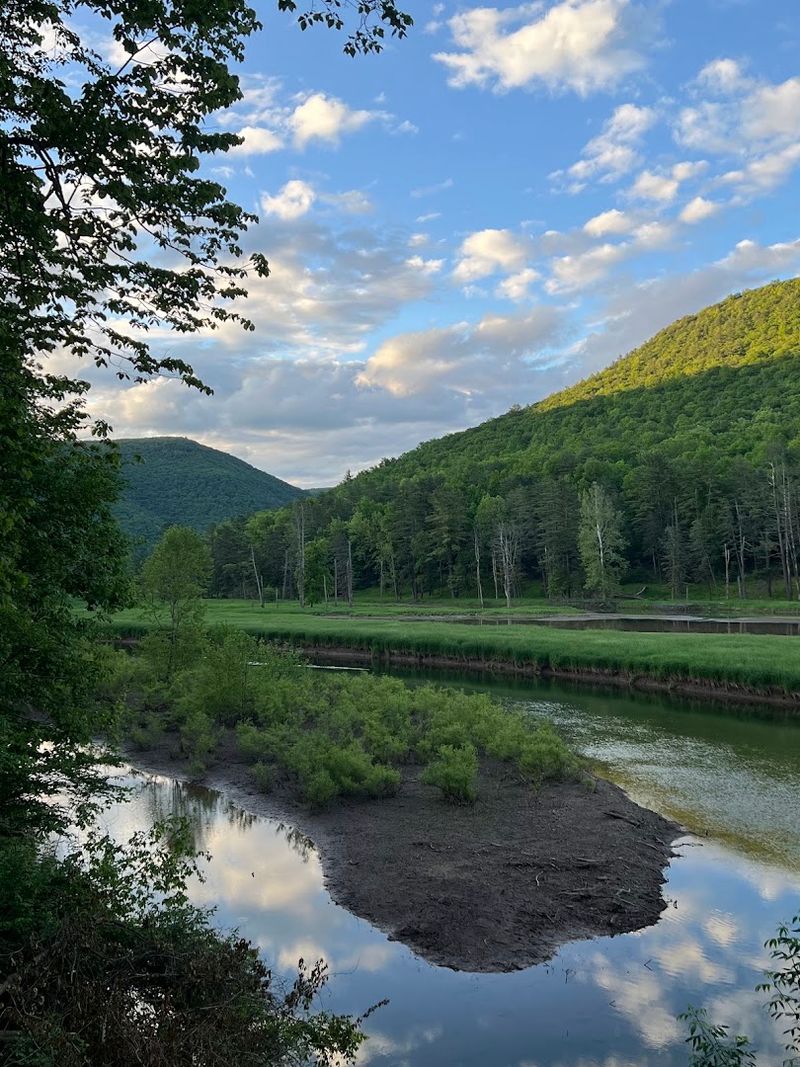
The campground fills early on summer weekends for a reason, and that reason is not just the lake or the trails or the eagles, though all three would be sufficient on their own. There is a cumulative effect to spending time in this valley, where the absence of cell service stops feeling like a limitation and starts feeling like the whole point of being here. The creek sounds different at midnight than it does at noon, and noticing that difference requires actually being present for both.
Families return here year after year, and you can hear it in the way longtime visitors talk about the trees, noting that the saplings from their childhood visits now tower overhead. The park has changed through floods, storms, and renovations, yet its essential character has remained consistent enough that returning feels like greeting an old friend.
Little Pine State Park is not the most famous park in Pennsylvania, and that relative obscurity is part of its appeal. The valley keeps its pace slow, its skies dark, and its welcome genuine, which is a combination that becomes harder to find and easier to miss once you have experienced it.
Share this story