There is a stretch of central Pennsylvania where the mountains don’t just roll, they surge upward in sharp, ancient ridges that feel like the earth is flexing its muscles. I first heard about this place from a hiking buddy who described spending three days on its trails without seeing another soul, and I knew I had to find out for myself.
What I discovered was nearly 195,000 acres of forested wilderness that shifts dramatically from limestone valleys to sandstone summits, shelters old-growth timber that predates the American Revolution, and hides 26 scenic overlooks that most travelers never find. The forest carries a name tied to a revered Native American leader, protects some of Pennsylvania’s most pristine mountain streams, and offers everything from rugged ATV trails to quiet primitive campsites where the only alarm clock is a wood thrush at dawn.
Keep reading, because this place has layers that take more than one visit to fully appreciate.
A Forest With Deep Roots: Location, Size, and History
Most forests have a story, but few carry one as layered as this one. Bald Eagle State Forest, headquartered at 18865 Old Turnpike Road, Millmont, PA 17845, sprawls across nearly 195,000 acres in Snyder, Union, Centre, Mifflin, and Clinton Counties, making it one of Pennsylvania’s most expansive public forests.
The forest takes its name from Chief Bald Eagle, or Woapalanne, a Munsee Lenni Lenape leader whose legacy is woven into the identity of this land. That connection to Indigenous history gives every hike here a quiet sense of meaning that you don’t find in many other places.
By the late 1800s, rampant logging and the iron industry had stripped these ridges nearly bare. Visionary conservationist Dr. Joseph Rothrock helped establish Pennsylvania’s state forest system, and much of this land was repurchased from lumber companies, sometimes for as little as $2.30 an acre.
The thriving forest you walk through today is the remarkable result of that century-long comeback.
Rugged Ridges That Reach for the Sky: The Dramatic Terrain
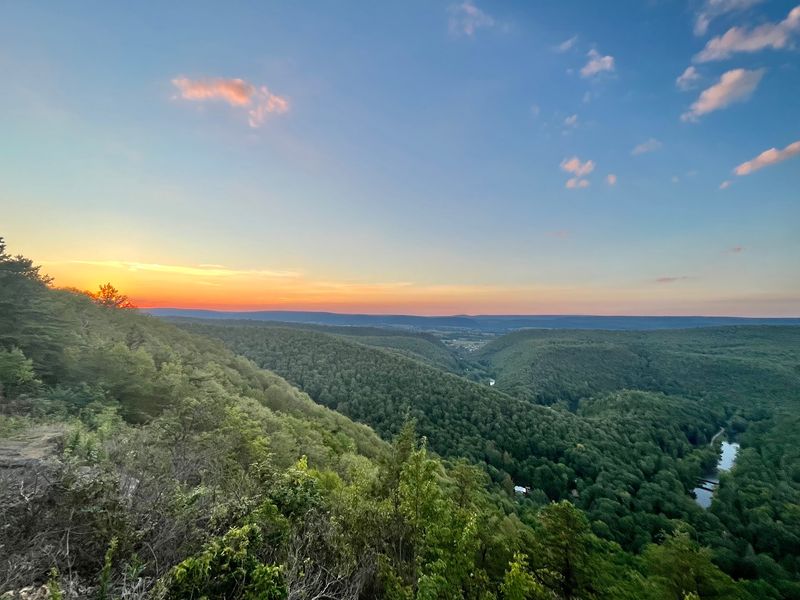
The topography here is not subtle. Bald Eagle State Forest sits firmly within Pennsylvania’s Ridge and Valley province, where sharp sandstone ridges rise to elevations around 2,300 feet and deep, secluded valleys carve the landscape between them.
These ridges are ancient, shaped by geological forces over hundreds of millions of years, and hiking along their crests gives you a physical sense of just how old and deliberate the land feels underfoot. The contrast between sun-drenched ridge tops and cool, shadowy hollows below creates a surprisingly diverse set of microclimates, each supporting its own plant and animal communities.
Oak, hickory, pine, and maple dominate the slopes, while moisture-loving species like hemlock and white pine crowd the stream corridors in the valleys. The forest transitions from the limestone-rich Susquehanna Valley on its southeastern edge to the broader Allegheny plateau character further northwest, meaning the scenery genuinely changes as you move through it.
No two ridgelines feel quite the same.
Old Growth and Wild Areas: Where Nature Runs the Show
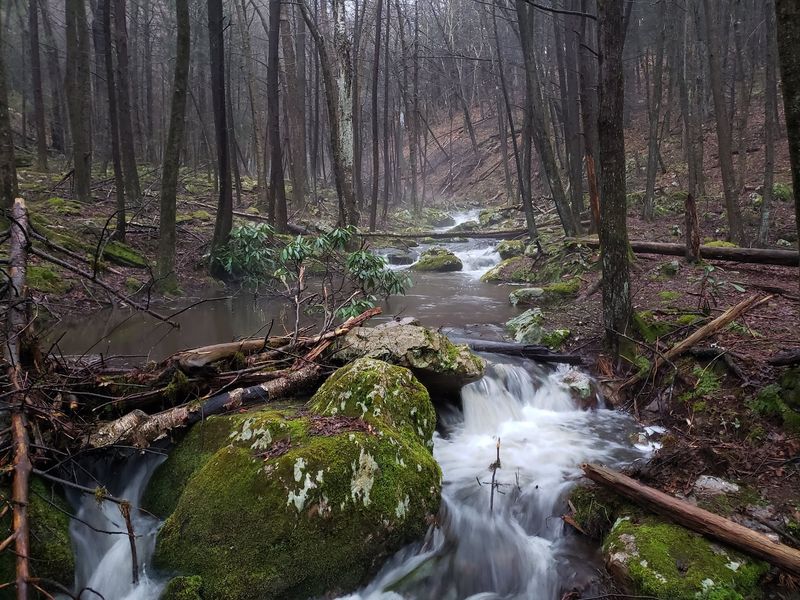
Not every corner of Bald Eagle State Forest is the same shade of wild, and that variety is part of what makes it so compelling. Several designated Natural Areas and Wild Areas within its boundaries are managed with minimal human intervention, preserving ecosystems that have developed over centuries without interference.
The Snyder-Middleswarth Natural Area protects impressive tracts of old-growth forest where massive trees have been standing since long before this land was ever a state forest. The Joyce Kilmer Natural Area, a smaller 77-acre tract on Paddy Mountain, shelters virgin white pine and hemlock that feel almost cathedral-like in their scale and quiet.
Then there is the Hook Natural Area, a sprawling 5,119-acre expanse that preserves an entire watershed and is accessible only by rugged foot trails, offering genuine backcountry solitude. These protected zones are not just beautiful places to visit; they are living laboratories of ecological succession and biodiversity that remind you what Pennsylvania’s forests once looked like before the axes arrived.
Over 300 Miles of Trails: Finding Your Perfect Path
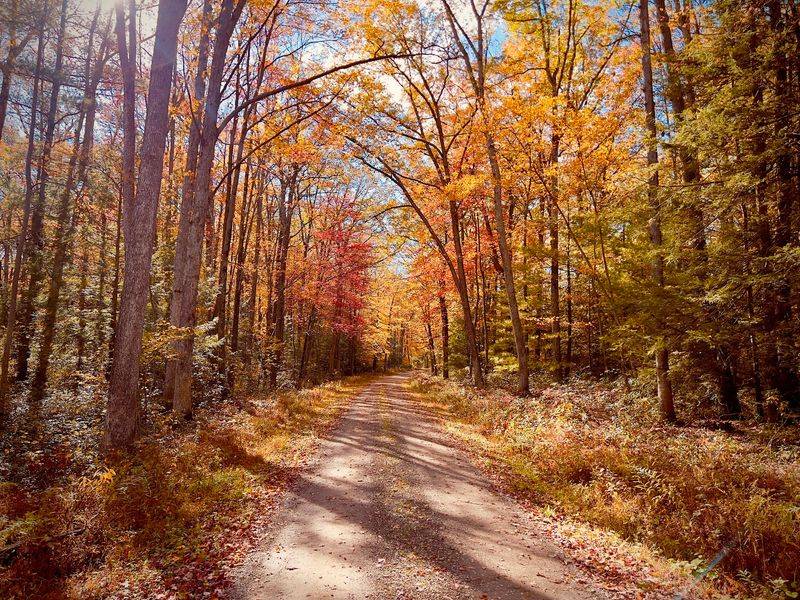
Three hundred miles of trails is not a number you absorb all at once. My first visit, I picked a modest loop and still managed to feel genuinely far from civilization within twenty minutes of leaving the trailhead.
The crown of the trail system is the Mid State Trail, a 327-mile cross-state route that threads a demanding 45-mile segment through the forest, crossing Penns Creek and passing through the Hook Natural Area. This is not a casual stroll; the Mid State Trail earns its reputation as one of Pennsylvania’s most rugged long-distance routes, with sustained climbs and remote stretches that require real preparation.
Shorter district trails offer foot-travel-only routes perfect for a half-day outing, and the forest’s public use maps mark them clearly enough that navigation rarely becomes a frustration. Whether your goal is a sweaty summit push or a quiet afternoon walk beside a mountain stream, the sheer variety of routes here means you can return a dozen times and still find something new waiting around the next bend.
Mountain Streams and Fishing Holes Worth Waking Up Early For
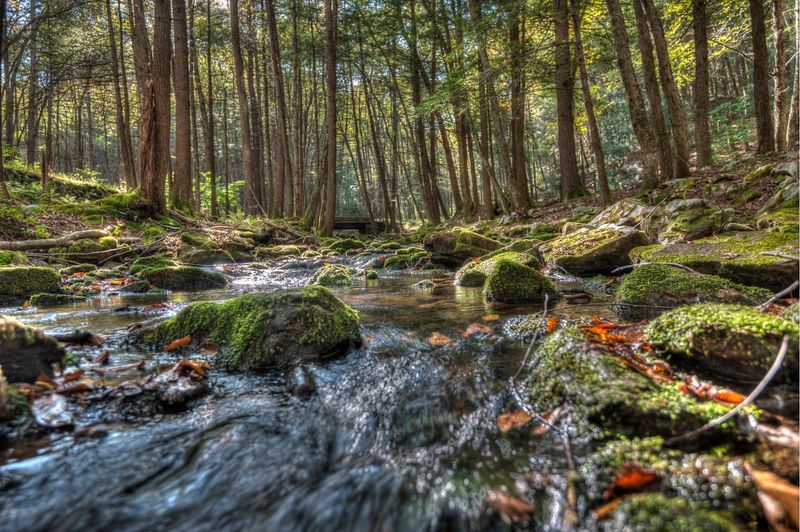
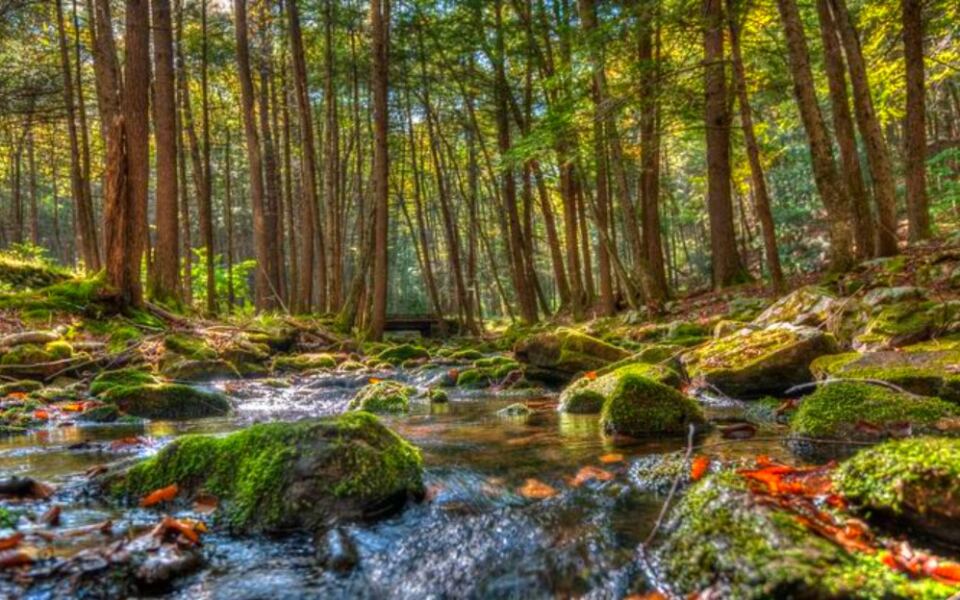
There is a particular kind of peace that comes from standing knee-deep in a cold mountain stream at dawn, and Bald Eagle State Forest has more than enough water to go around. The forest’s ridges and valleys channel runoff into a network of pristine streams that eventually contribute to the Susquehanna River system.
Penns Creek is the standout, widely regarded as one of Pennsylvania’s premier fly-fishing destinations, with cold, clear water and healthy populations of wild trout that attract serious anglers from across the Mid-Atlantic. White Deer Creek is another rewarding option, offering a quieter, more intimate fishing experience tucked into a narrower valley corridor.
Beyond the big-name streams, countless smaller tributaries wind through the forest, many of them rarely visited and surprisingly productive for those willing to bushwhack a bit to reach them. The forest’s commitment to watershed protection through its Natural Area designations also means water quality here tends to be genuinely excellent, which makes a real difference when you are chasing fish that are notoriously picky about their habitat.
26 Vistas and the Views That Make the Climb Worth It
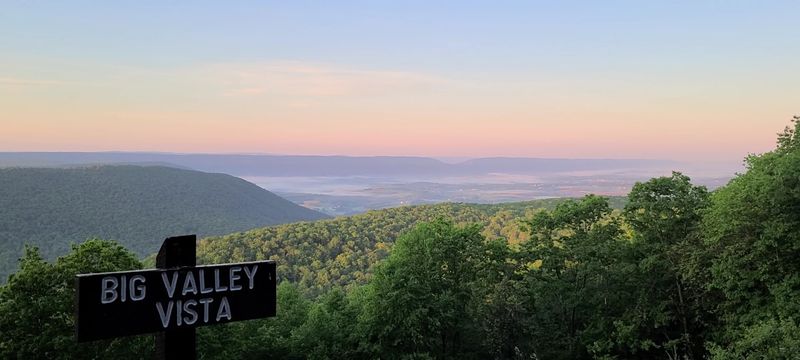
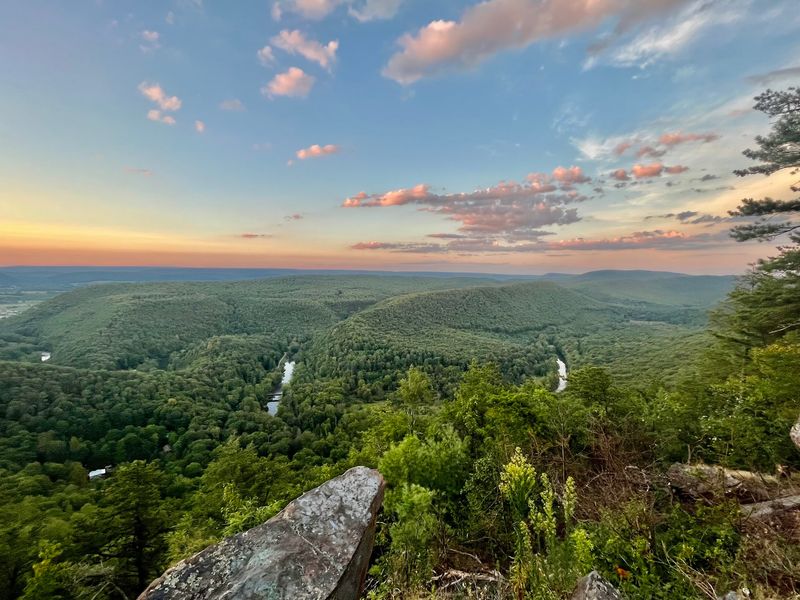
Twenty-six named scenic overlooks sounds like a marketing claim until you actually stand at one of them and realize the number might even be an undercount. The forest’s ridge-and-valley geography creates natural stages for views that stretch across multiple counties on a clear day.
Bells Majestic View delivers sweeping panoramas of Penns Valley, while Big Valley Vista opens up a wide agricultural and ridge landscape in Mifflin County that feels almost impossibly vast. Penn’s View, accessible by a forest road that gets your pulse up a little, rewards with a mountain panorama that justifies every hairpin turn on the way up.
Ravens Knob Vistas require a short but satisfying hike and frame High Mountain and Little Poe Mountain in a way that makes you want to stay until the light fades. Sunset from any of these overlooks tends to be the kind of visual experience that you describe to people back home and then watch their eyes glaze over because words genuinely fall short.
The views here earn their reputation honestly.
ATVs, Snowmobiles, and Beyond: Motorized Fun in the Forest
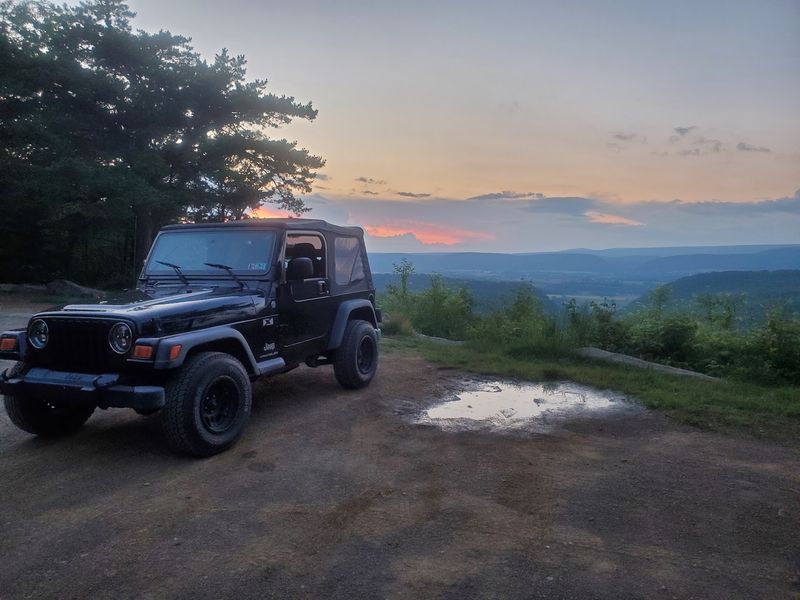
Not every forest adventure involves lacing up hiking boots, and Bald Eagle State Forest makes that very clear with its impressive range of motorized trail options. The East Kettle Trail system provides around 20 miles of dedicated ATV riding on old forest roads, logging routes, and skid trails that keep riders engaged without overwhelming beginners.
Separate trail systems are also designated for dual sport and off-highway motorcycles, opening up remote corners of the forest that would take a full day to reach on foot. Driving a standard vehicle on the forest’s drivable roads is its own kind of adventure; some routes get narrow and winding enough to feel like genuine exploration, especially when you crest a ridge and a valley unfolds below you without warning.
When winter arrives and snow blankets the ridges, over 250 miles of forest roads and trails convert into snowmobile corridors, transforming the landscape into a quiet, white world that few people ever experience. The forest’s adaptability across seasons and activity types is one of its most underappreciated qualities, making it genuinely useful year-round rather than just a warm-weather destination.
Primitive Campsites and the Quiet Art of Sleeping Under Stars
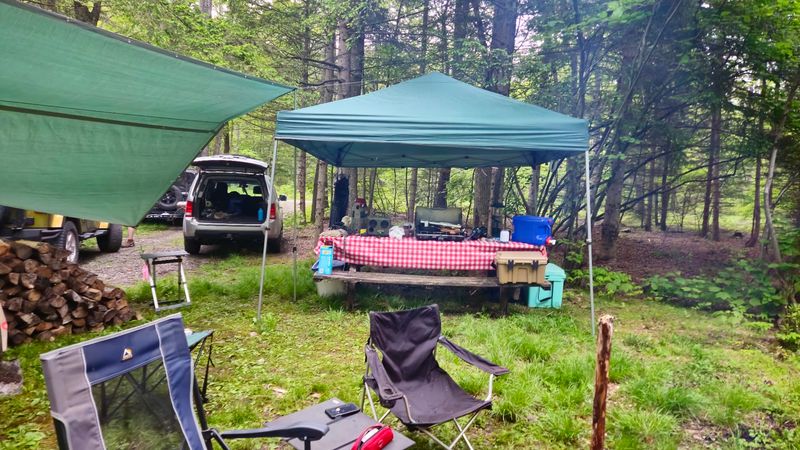
Camping in Bald Eagle State Forest is not the kind of experience where you pull up next to a hundred other campers and fight over the outlet at the bathhouse. The forest’s primitive roadside campsites are spread far enough apart that you can often spend an entire night without hearing another human voice, which is either blissful or slightly unnerving depending on your personality.
Each designated campsite is marked with a numbered signpost and comes equipped with a fire ring and a picnic table. That’s the full amenity list, and honestly, that simplicity is the point.
You pack what you need, you set up where you are, and the forest does the rest.
For groups or families who want a slightly more structured base, the four State Forest Picnic Areas offer pavilions, grills, restrooms, and picnic tables that make day trips more comfortable. Some camping activities require permits, so checking the Pennsylvania DCNR website before your trip is a practical step that saves headaches later.
The campsites here fill up during peak season, so early planning pays off.
State Parks Tucked Inside the Forest: Hidden Recreational Pockets
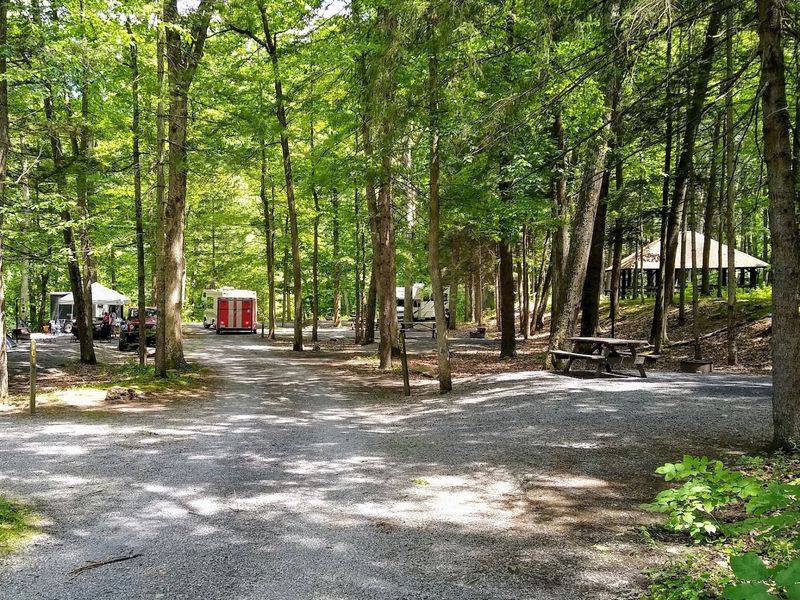
One of the more pleasant surprises about exploring this forest is discovering that several distinct state parks are nestled within its boundaries, each adding a different flavor of recreation to the broader wilderness experience. These parks act as anchors within the larger forest, offering slightly more developed facilities while remaining surrounded by wild land on all sides.
Poe Paddy State Park is a particular favorite, set along the banks of Penns Creek with a historic railroad tunnel nearby that adds a layer of industrial heritage to the natural scenery. R.B.
Winter State Park centers on Halfway Lake, a spring-fed mountain pond contained by a hand-laid native sandstone dam that is charming in a distinctly Pennsylvania kind of way, and the lake offers swimming and fishing in a setting that feels genuinely tucked away.
Reeds Gap State Park and Sand Bridge State Park round out the collection, each serving as a trailhead or day-use area that connects visitors to the broader trail network. Having these parks within the forest gives visitors a useful range of options, from fully primitive backcountry to pleasant picnic-by-the-water afternoons, all within the same massive landscape.
Four Seasons in the Forest: When to Visit and What to Expect
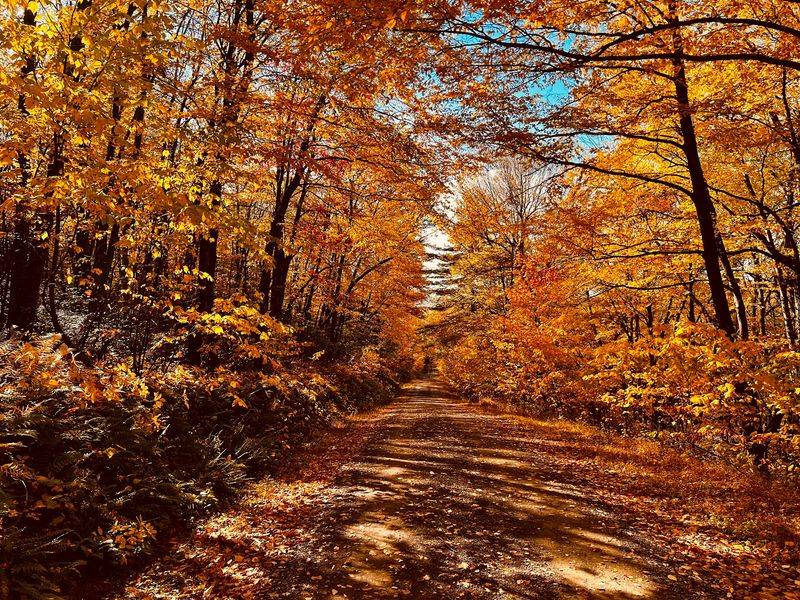
Every season in Bald Eagle State Forest arrives with its own distinct personality, and none of them disappoints completely, though fall makes the strongest argument for itself. From late September through October, the ridges erupt in red, orange, and yellow foliage that transforms every overlook into something you want to photograph from every possible angle.
Spring brings migrating songbirds and swollen streams that fish especially well, while the forest floor carpets itself in wildflowers that most visitors walk right past without noticing. Summer is the season for extended trail days, mountain biking, and long evenings at a primitive campsite listening to the woods settle into darkness.
Winter is the season that surprises people most. The snow-covered ridges are genuinely beautiful in a stripped-down, structural way, and the snowmobile trails and opportunities for snowshoeing make the cold months feel active rather than limiting.
Mountain laurel blooms in late spring along roads like Winklebleck and Round Top, creating corridors of pink and white that are worth a dedicated drive just to witness. Each season here offers a reason to return.
Share this story