A full-size elephant, towering giraffe, massive Kodiak bear, hundreds of mounted animals, fossils, elaborate wildlife dioramas, and an astonishing collection of 17,000 bird eggs are hiding somewhere most travelers would never think to look: inside a science building on a Pennsylvania college campus. The Oakes Museum of Natural History occupies the Jordan Science Center at Messiah University in Mechanicsburg, quietly housing a collection far more ambitious than its understated setting suggests.
Upstairs, visitors encounter what the museum identifies as Pennsylvania’s largest African mammal collection, with an elephant, giraffe, zebra, forest nyala, and other specimens among more than 180 mammals displayed throughout the museum. Downstairs, more than 100 North American specimens include a Kodiak Island bear, musk ox, bison, elk, mountain goats, and a mountain lion.
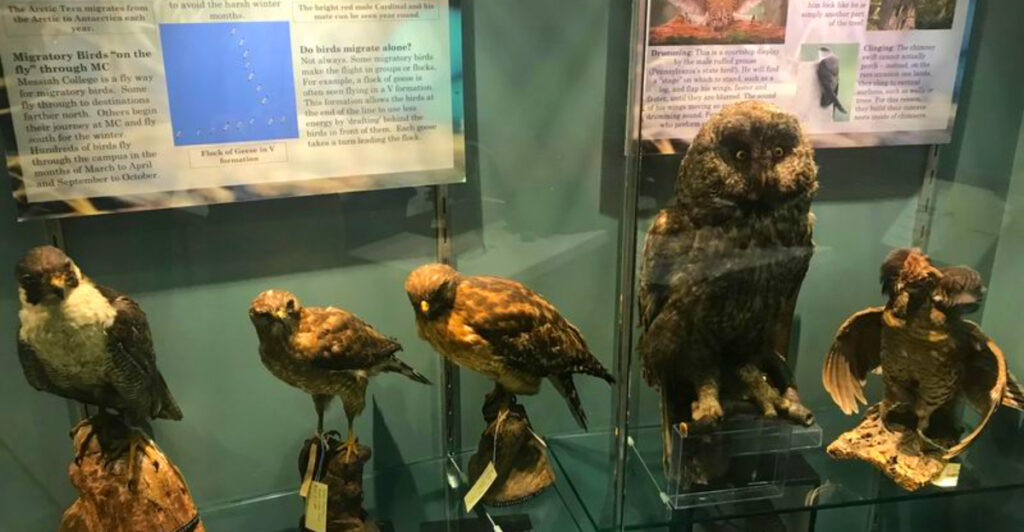
Then there’s the collection that may be the biggest surprise of all: 17,000 preserved bird eggs and more than 200 nests, including eggs from the extinct passenger pigeon. The museum also displays around 300 mounted birds and six detailed wildlife dioramas, some featuring backgrounds created by an artist whose work appears in museums across the country, including Smithsonian institutions.
Here’s why The Oakes Museum of Natural History is one of Mechanicsburg’s most unexpected attractions – and why this seemingly ordinary college science building could easily keep curious visitors exploring for hours.
A Campus Address That Hides a World-Class Collection
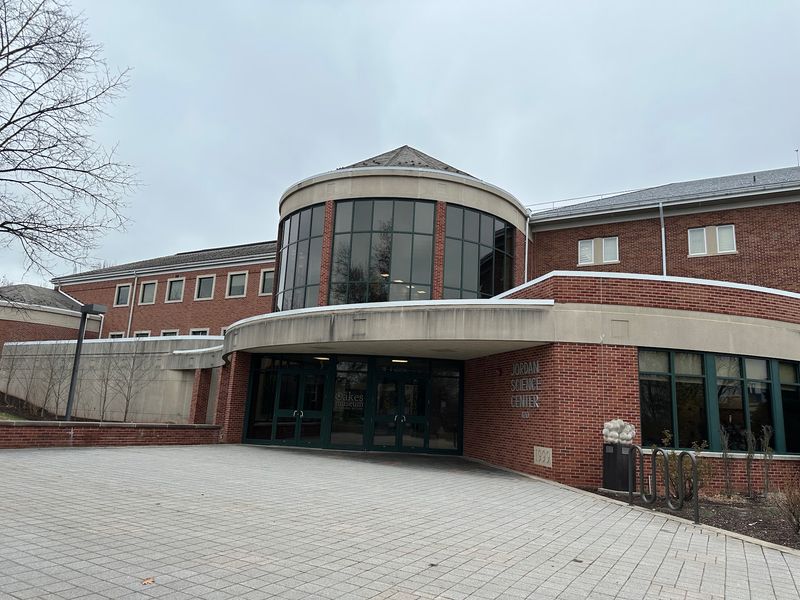
Most people expect a college science building to house classrooms and labs. The Oakes Museum of Natural History, located inside the Jordan Science Center at 1 College Avenue, Messiah University, Mechanicsburg, PA 17055, has all of that and then some.
Cumberland County, Pennsylvania, is not the first place that comes to mind when you think of world-class natural history collections, but that is precisely what makes this spot so rewarding to discover. The museum sits comfortably on the Messiah University campus, surrounded by green lawns and quiet academic energy.
Visitor and handicapped parking spots are available directly in the Jordan Science Center lot, so getting there is straightforward. The museum is fully handicapped accessible, with restrooms and elevators located just outside the main space on each level. You can reach the team at 717-691-6082 or visit messiah.edu/Oakes for current hours and event listings before making the trip.
The Unlikely Origin Story Behind a Remarkable Collection
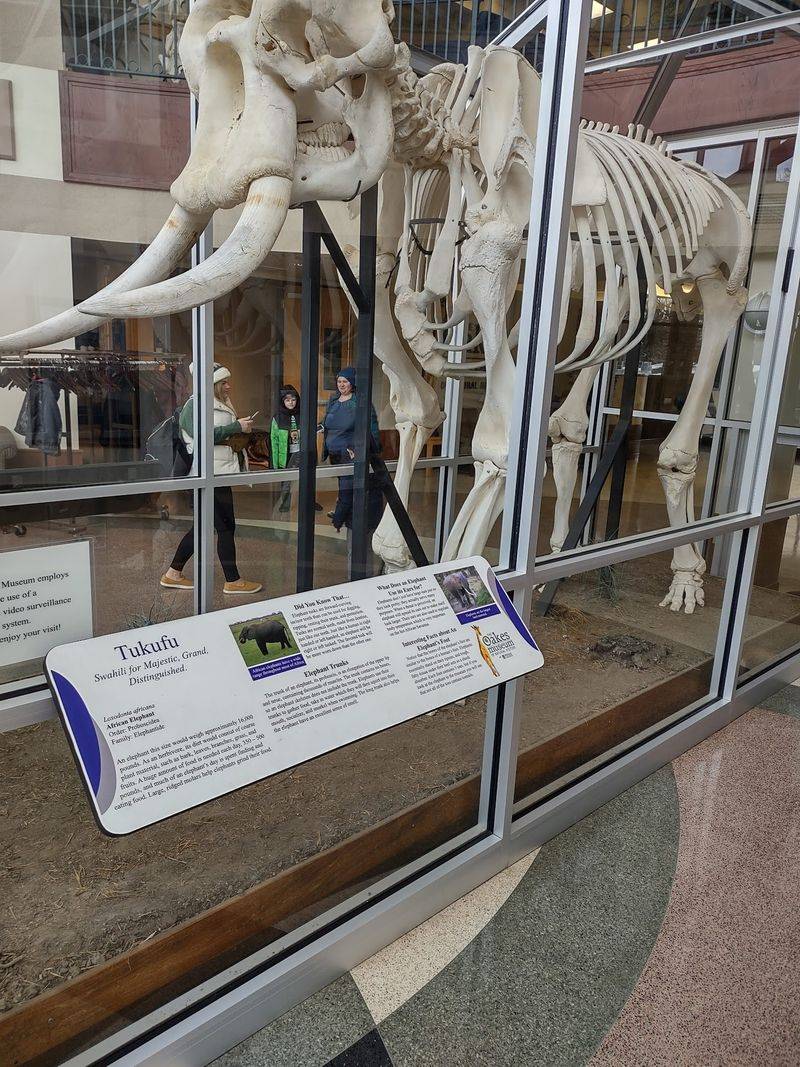
Every great museum has a creation story, and this one starts with a single, generous act. In 1992, Messiah College received a substantial collection of African mammals from Leonard Hinkley, a local resident from Camp Hill, Pennsylvania. That donation lit a fire.
Years of careful planning followed before the museum officially opened its doors in 2002, named in honor of Galen and Beulah Oakes, both proud Messiah College graduates whose financial support helped turn the concept into a physical reality.
What is particularly striking about the museum’s growth is how community-driven it has always been. Over 25 donors contributed to the collection, some offering a single prized specimen, others donating thousands of items at once. That collaborative spirit is still visible today in the sheer variety of what fills the display cases and dioramas. The museum grew not from a massive institutional budget alone, but from the shared belief that natural history deserves to be preserved and celebrated.
Pennsylvania’s Largest African Mammal Collection Under One Roof
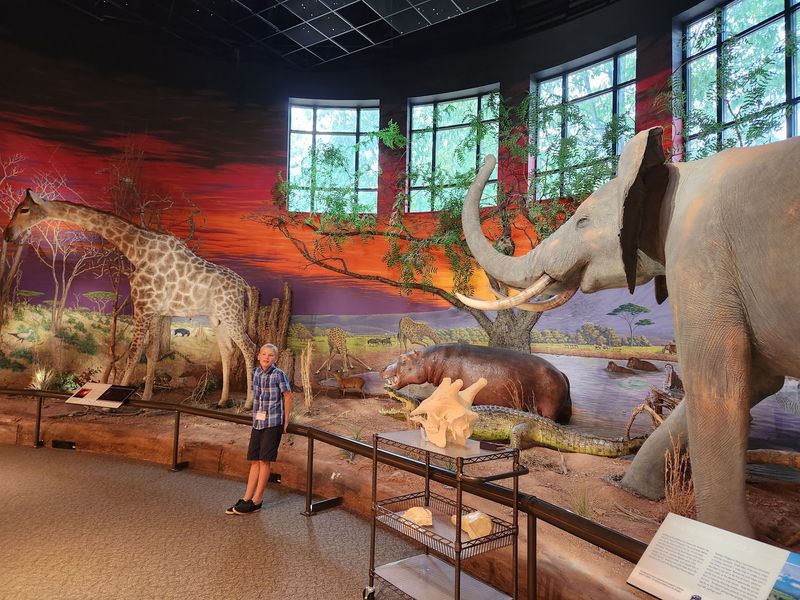
The upper floor of the Oakes Museum stops visitors in their tracks, and it does so immediately. The African mammal collection is the largest of its kind in Pennsylvania, with over 180 mammal specimens on display throughout the entire museum, and the African section carries the most dramatic visual weight.
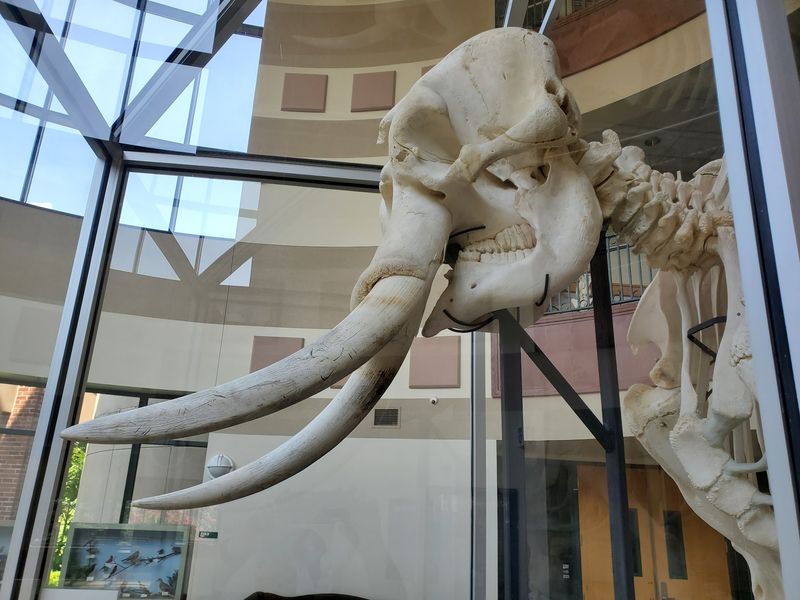
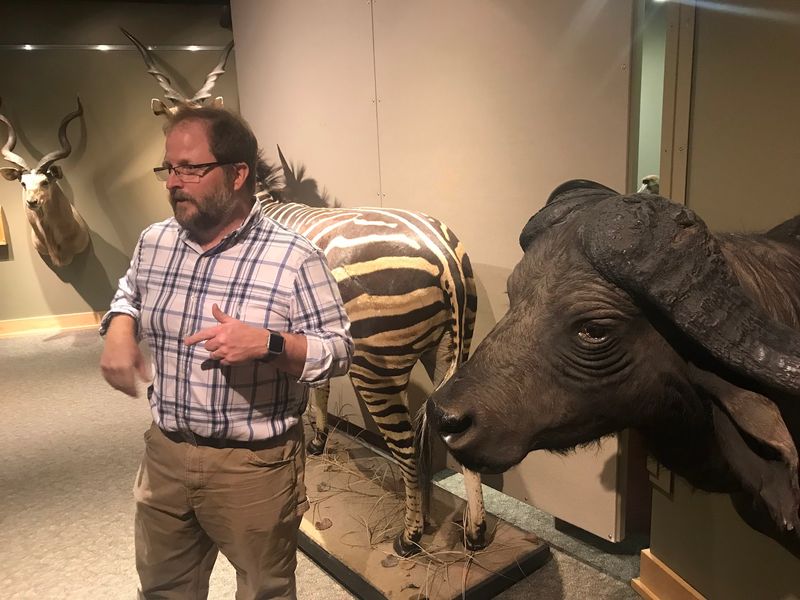
A full-mount elephant anchors the space, accompanied by a towering giraffe, a boldly striped zebra, and a forest nyala, a species that many visitors have never encountered even in photographs. Each mount is positioned with care, creating a sense of natural movement rather than stiff museum stillness.
The taxidermy quality is genuinely impressive, and the accompanying signage gives enough context to make each animal feel like a character rather than just a specimen. Children gravitate toward the larger mounts with wide eyes, while adults tend to linger at the smaller, more intricate displays. The African floor alone justifies the drive to Mechanicsburg, but there is still an entire lower level waiting to be explored.
North America’s Wild Side, Preserved in Stunning Detail
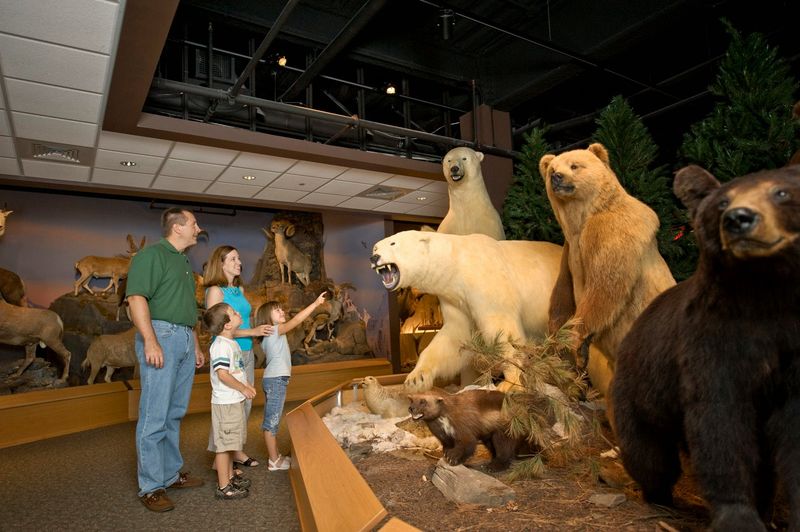
Head downstairs and the continent shifts entirely. The North American collection features more than 100 specimens, each one representing a different corner of the continent’s remarkable biodiversity.
A massive Kodiak Island bear commands attention from across the room, its sheer size made even more impressive by the careful mounting that preserves its natural posture. Nearby, a shaggy musk ox, a towering great elk, and an American bison create a lineup that reads almost like a field guide brought to three-dimensional life. Mountain sheep, mountain goats, and a sleek mountain lion round out a collection that covers everything from tundra to high alpine terrain.
What makes this floor especially engaging is the variety of scale. Massive animals share the space with smaller, equally compelling specimens, so the eye is constantly moving and discovering something new. Scattered geological specimens and seashells add texture to the experience, giving visitors a sense that the natural world is being presented in full, not just its most photogenic representatives.
17,000 Bird Eggs and a Collection That Rivals the Best in the Country
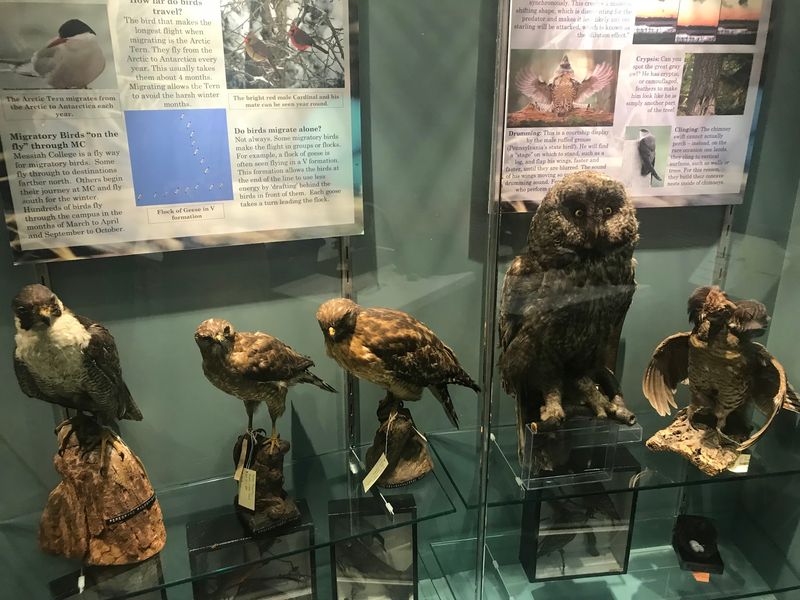
Here is the detail that tends to make people pause mid-sentence: the Oakes Museum holds one of the largest private bird egg collections in the entire United States. The number is 17,000 eggs, paired with over 200 bird nests, all meticulously cataloged and preserved.
Among those eggs are specimens from the extinct passenger pigeon, a species that no longer exists in the wild, making these fragile shells irreplaceable records of a vanished animal. Rare South American tinamou eggs are also part of the collection, adding international depth to what could easily have been a regional archive. The museum also displays 300 full-mounted bird specimens, covering an impressive range of species and plumage.
Most of the egg and nest collection was gathered in the late 19th and early 20th centuries, when such collecting was still legal and practiced by dedicated naturalists. Today, these specimens serve both as scientific resources for researchers and as a poignant reminder of why conservation efforts matter so deeply. That combination of beauty and purpose makes this section genuinely moving.
The Diorama Artists Who Painted the Museum’s Most Memorable Scenes
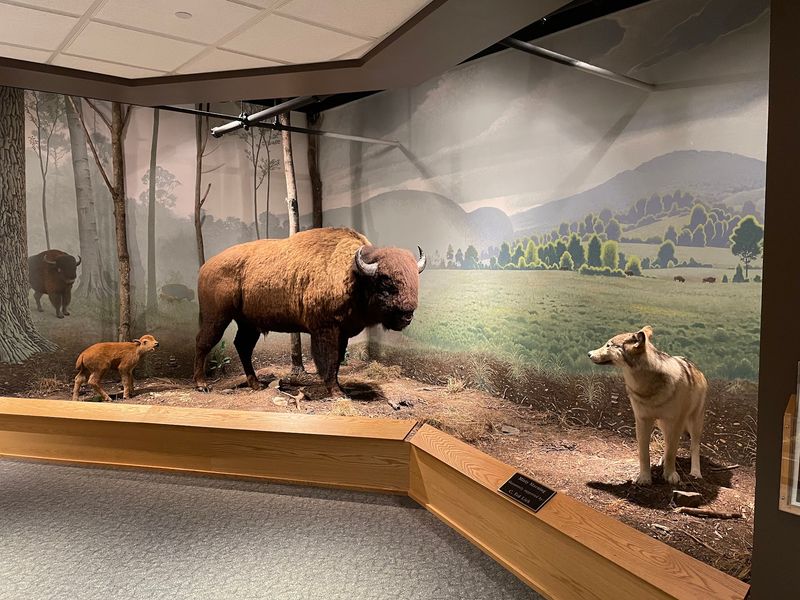
Dioramas are a traditional museum art form that many institutions have quietly phased out, but the Oakes Museum has made a deliberate point of keeping the craft alive. Six carefully constructed dioramas fill the space, each one combining painted backgrounds with precisely positioned taxidermy animals to create scenes that feel genuinely immersive.
The artistry behind these displays belongs to two collaborators: Jerry Connolly, a career wildlife artist who has painted over 130 diorama backgrounds and wildlife scenes in more than 30 museums across the country, including several Smithsonian institutions, and John Schreffler, whose background in commercial art and scientific preparation brings technical precision to the installations.
Together, they have created scenes featuring North American bears, mountain sheep and goats, beavers, wetland environments, American bison, and predator-prey relationships that tell ecological stories without a single word. The result is a collection of miniature worlds that reward slow, careful looking. Visitors who rush past these dioramas are genuinely missing some of the museum’s most thoughtful work.
Fossils, Trackways, and the Deep Past Written in Stone
The geological and paleontology sections of the Oakes Museum take the visitor’s sense of time and stretch it in directions that feel almost impossible to fully comprehend. Ancient marine fossils share display space with fossilized trackways, silent impressions left by creatures that walked the earth millions of years before humans arrived.
These trackways are particularly compelling because they are not just bones or shells; they are evidence of movement, of living animals going somewhere with purpose. Standing in front of one, it is hard not to feel a small jolt of wonder at how much information a single footprint can carry across millions of years.
The geological displays complement the fossil exhibits by grounding the prehistoric story in the physical landscape of the earth itself. Rock formations, mineral samples, and stratigraphic context help visitors understand not just what lived in the ancient world, but where and how. For visitors who came primarily to see the African mammals, the fossil section tends to be a pleasant and intellectually satisfying surprise that deepens the whole experience.
How the Museum Functions as a Living Classroom for Students
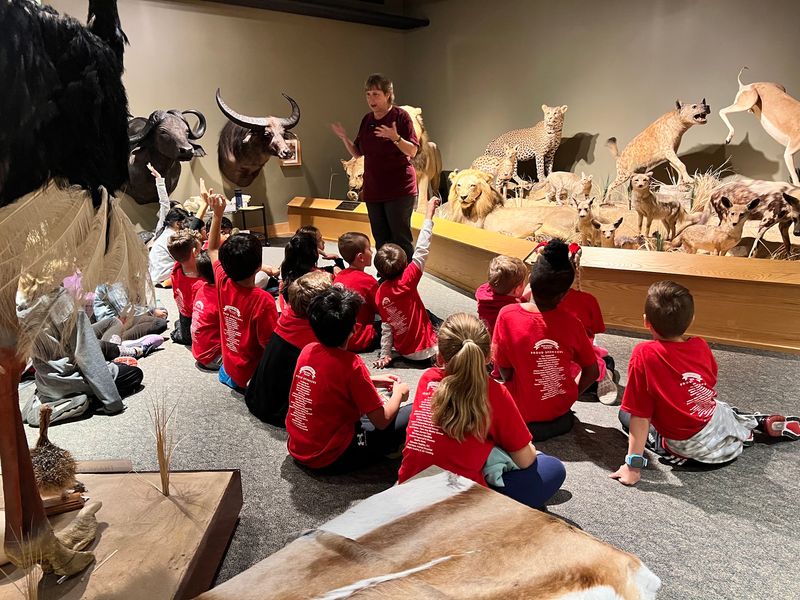
The Oakes Museum is not just open to the public on Saturdays; it functions year-round as an active academic resource for Messiah University students across multiple disciplines. Biology, environmental science, geology, anthropology, and education students all use the collections for coursework, research, and hands-on learning that simply cannot be replicated in a standard classroom.
Student docents receive training that turns them into knowledgeable guides, and that training shows during public hours. The guides tend to be enthusiastic, genuinely curious about the collections, and skilled at translating complex scientific information into accessible, engaging conversation for visitors of all ages.
Internship and volunteer opportunities allow students to gain practical museum experience in curation, education, and research, building professional skills while contributing to the institution they are learning within. The museum also functions as a unique event venue for campus meetings and gatherings, further embedding it into the daily life of the university. This dual role as public museum and academic laboratory gives the Oakes Museum an energy that purely public institutions sometimes lack.
Kid-Friendly Programs That Turn a Museum Visit into an Adventure
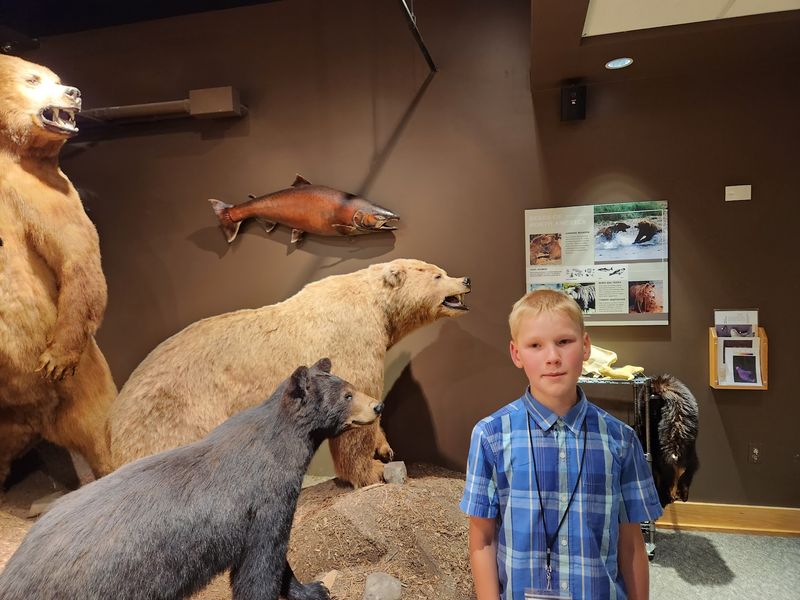
Saturday mornings at the Oakes Museum have a particular kind of energy, especially when families arrive with curious children in tow. The museum runs story times at 10:30 a.m. during summer months, pairing narrative with the surrounding animal displays in a way that holds even young children’s attention effectively.
Scavenger hunts are available throughout the day, challenging kids to match small printed images of animal features to the actual mounted specimens on the floor. It is a simple concept that works beautifully, turning a passive viewing experience into an active search mission that keeps children moving and engaged throughout the space.
Crafts and interactive stations add further variety, ensuring that a visit does not feel like a one-note experience for younger guests. Year-round Curator Clubs and Summer Camps provide even deeper programming for kids and teens who want to go beyond a single afternoon visit. The museum has also been praised for its welcoming approach to neurodivergent families and homeschool groups, making it a genuinely inclusive destination for learners of all kinds.
Visiting Hours, Admission Costs, and Everything You Need to Know Before You Go
Planning a trip to the Oakes Museum requires a bit of calendar awareness. Public hours run on Saturdays only, from 10:00 a.m. to 4:00 p.m., and the museum closes on major holidays, during university closures, and on the weekend of Messiah University’s graduation ceremony. A quick check of messiah.edu/Oakes before heading out is always a smart move.
Admission is reasonably priced. Adults pay $7.00, children aged 4 to 18 and seniors 65 and older pay $5.00, and children 3 and under are admitted free. All major credit cards are accepted at the front desk.
Groups of 15 to 50 people can arrange guided tours during the week outside of public hours, with tours lasting approximately 1.5 to 2 hours. The museum is fully handicapped accessible, with elevators and restrooms conveniently located just outside the main exhibit space on each floor. Visitor and handicapped parking spots are available in the Jordan Science Center lot, so arrival is uncomplicated. Budget roughly one to two hours for a comfortable, unhurried visit.
The Gift Shop, the Seashells, and the Small Details That Make the Trip Complete
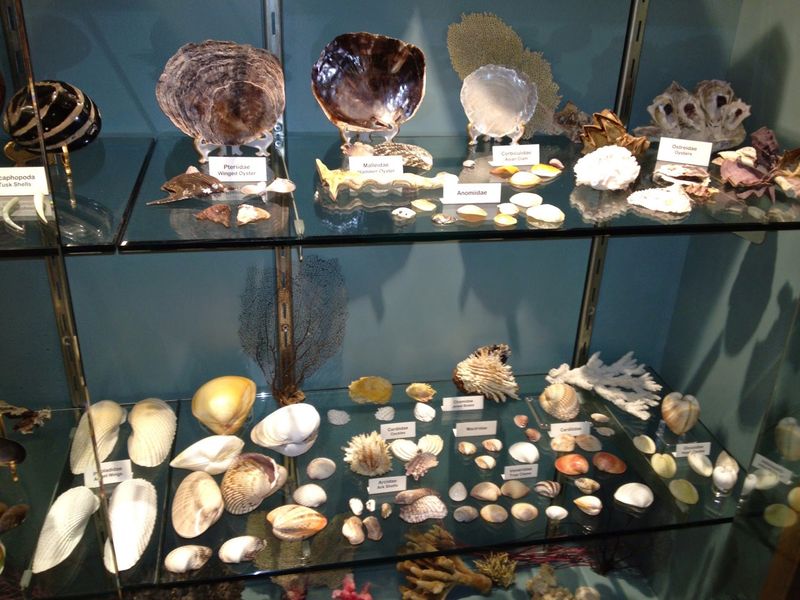
There is a seashell collection at the Oakes Museum that tends to sneak up on visitors who are focused on the larger animal mounts. Scattered throughout the exhibits, shells and gemstones appear as quiet counterpoints to the dramatic taxidermy, and they reward the visitors who take time to slow down and look closely.
The museum store near the exit carries items that reflect the institution’s educational mission rather than generic souvenir fare. Quality natural history books, Schleich animal figurines, genuine geological specimens, and a selection of thoughtfully chosen gifts fill the shelves, making it easy to extend the experience beyond the museum walls.
It is the kind of gift shop where a child might spend their own pocket money on a mineral sample and carry it home with genuine pride. The overall impression the Oakes Museum leaves is one of quiet excellence: a place that does not shout about its own significance but simply delivers a rich, well-organized, and genuinely surprising collection that rewards every visitor who takes the time to show up on a Saturday morning.
Share this story